City guide

architecture in Baton Rouge.

15 buildings worth a detour, each with what to look for. Open them on the map, or walk them with the iPhone app, which collects each one you photograph.

Landmarks

The buildings that define the city's architecture.

Central Fire Station

Gothic Revival

Central Fire Station

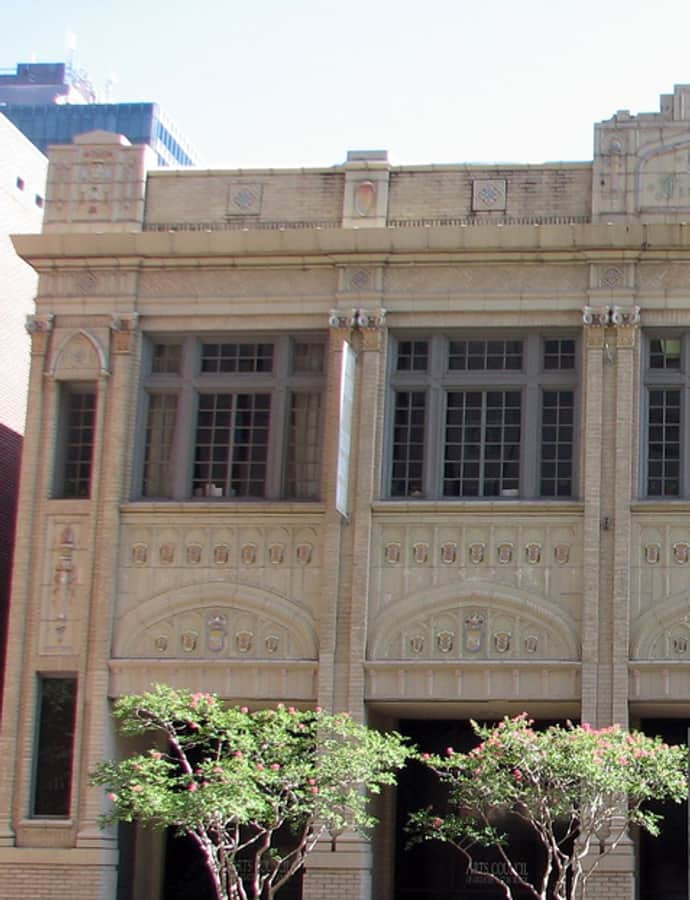
The Central Fire Station at 427 Laurel St. in downtown Baton Rouge was built in 1924 for the City of Baton Rouge and designed by architect William T. Nolan. A two-story brick and terra cotta building with a Gothic Revival facade, it has also been known as the Bogan Fire Station and now houses the Robert A. Bogan Firefighters Museum.

Photo: Tjean314 , CC BY-SA 3.0
Kress Building

Art Deco

Kress Building

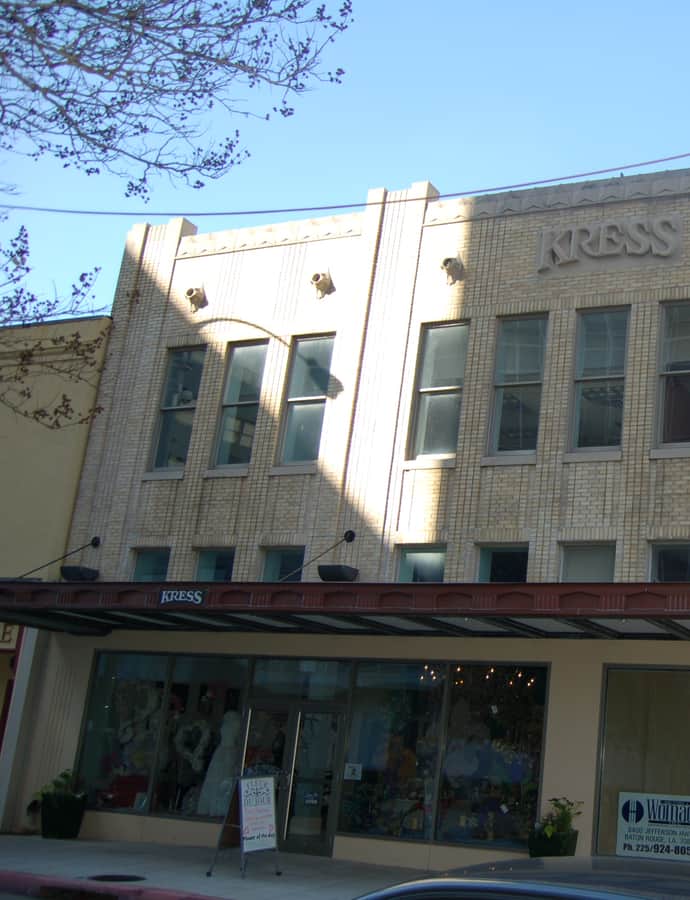
The Kress Building in downtown Baton Rouge is an Art Deco commercial building associated with the S.H. Kress & Co. chain-store architectural tradition, listed as a contributing property within a National Register of Historic Places district.

Photo: Z28scrambler , CC BY-SA 3.0

Streamline Moderne

Lincoln Theater

The Lincoln Theater in Baton Rouge's Garden District is a Moderne-style theater individually listed on the National Register of Historic Places.

Louisiana State Capitol

Art Deco

Louisiana State Capitol

Leon C. Weiss

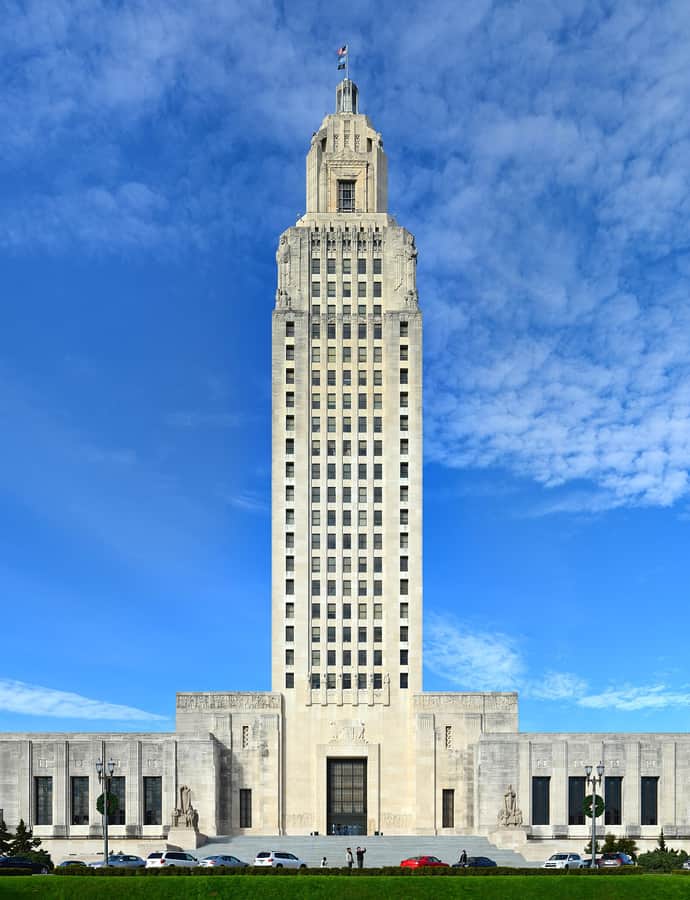
The Louisiana State Capitol is the seat of Louisiana's government, a 450-foot, 34-story tower completed in 1931 that remains the tallest capitol building in the United States. Its Art Deco design came from Leon C. Weiss, but the building is widely remembered as "Huey Long's monument" for the force of will Long applied as governor to get it built. It sits on a 27-acre tract that includes the Capitol Gardens.

Photo: Chrismiceli , CC0

Manship House

Renaissance Revival

Manship House

Lewis Gross

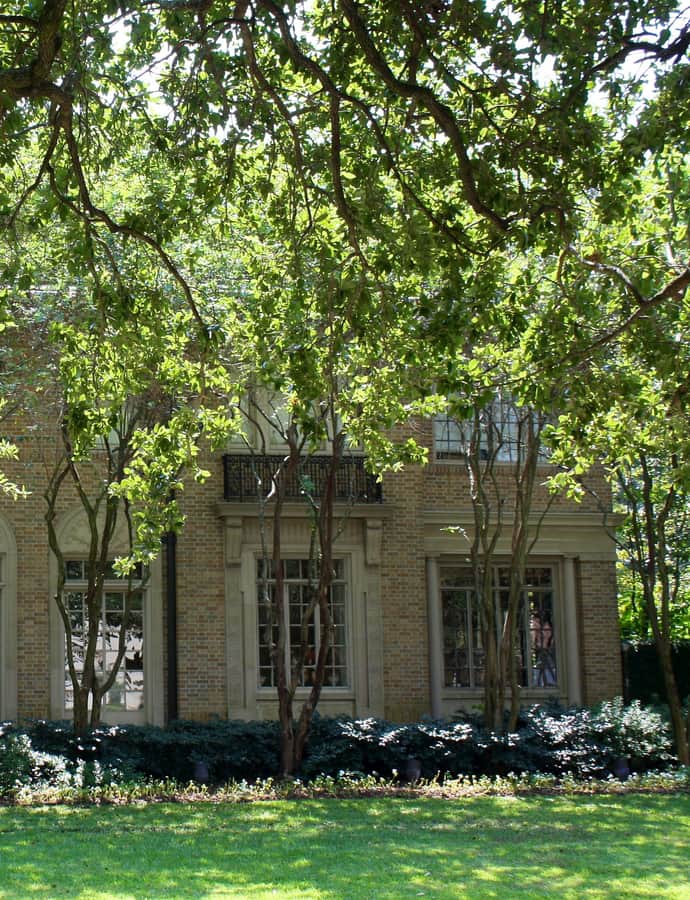
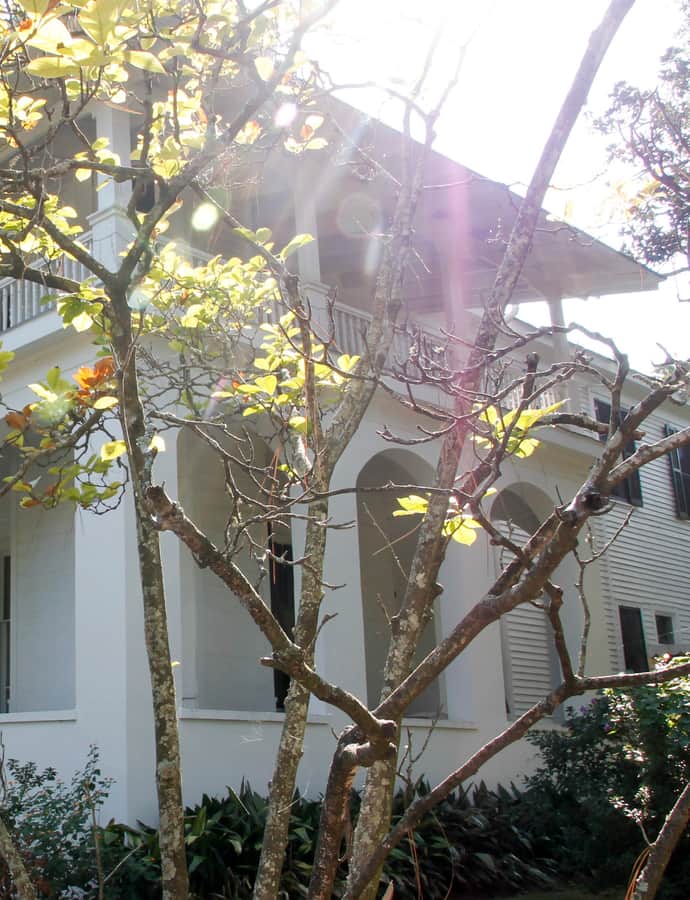
Manship House is a Renaissance Revival building designed by architect Lewis Gross and individually listed on the National Register of Historic Places.

Photo: Tjean314 , CC BY-SA 3.0
McKinley High School

Romanesque Revival

McKinley High School

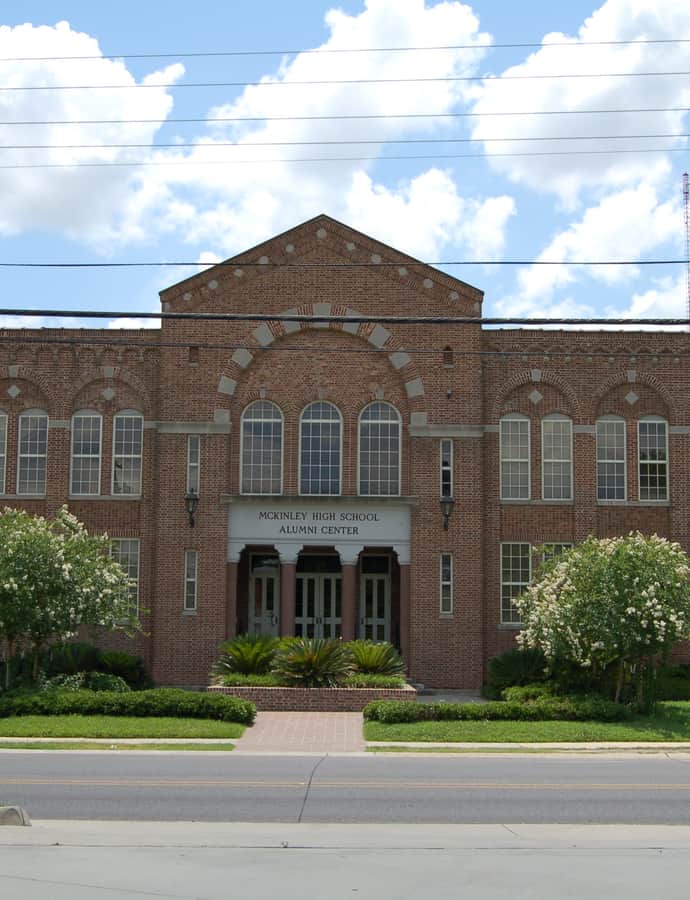
McKinley High School is a Romanesque-style institutional landmark in Baton Rouge, listed individually on the National Register of Historic Places.

Photo: Z28scrambler , CC BY-SA 3.0

Old Louisiana Governor's Mansion

Neoclassical

Old Louisiana Governor's Mansion

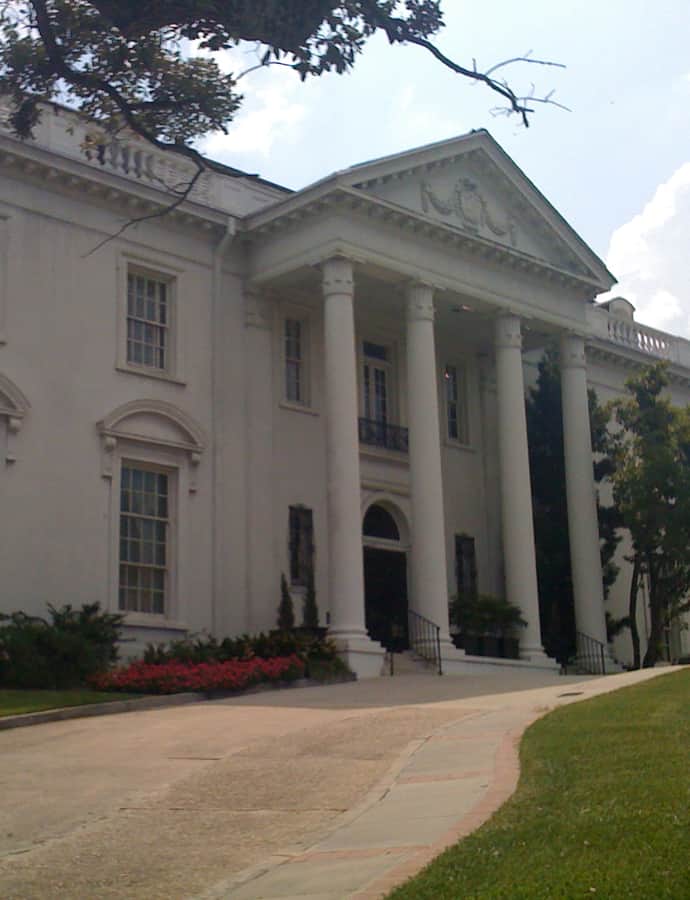
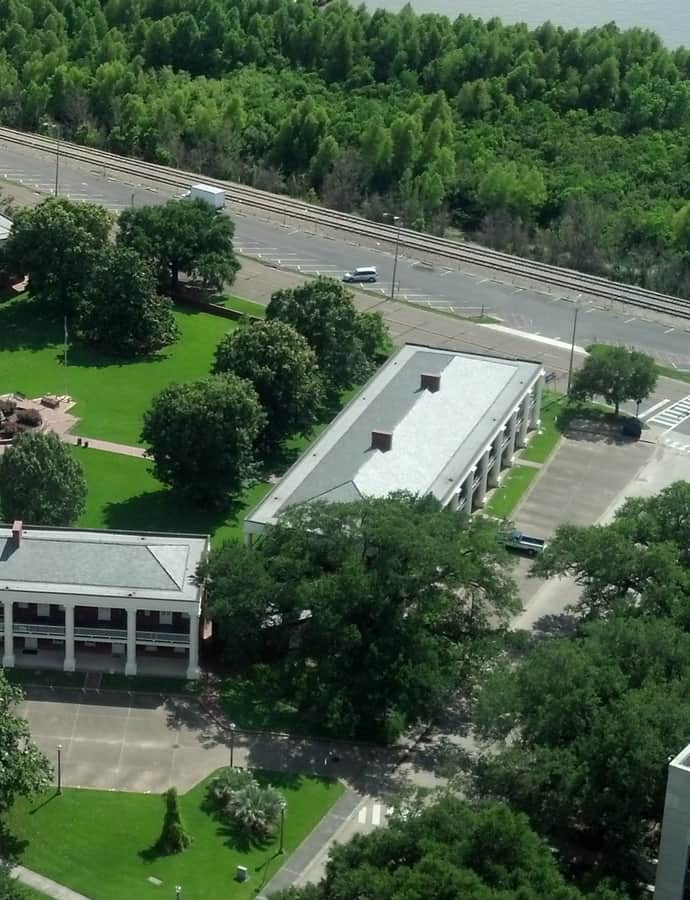
The Old Louisiana Governor's Mansion at 502 North Boulevard served as Louisiana's official gubernatorial residence from 1930 to 1963, when a new residence replaced it. It was built under Governor Huey Long, its first resident, on the site of an earlier mansion the state had purchased in 1887 from the heirs of Nathan Knox.

Photo: Avazina at en.wikipedia , Public domain

Old Louisiana State Capitol

Gothic Revival

Old Louisiana State Capitol

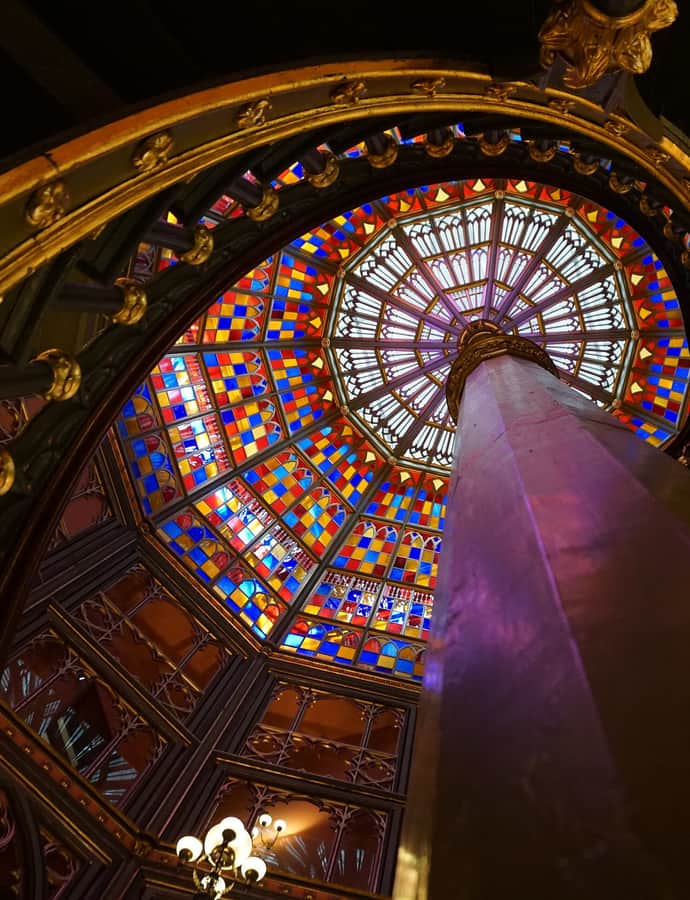
The Old Louisiana State Capitol, also called the State House, stands at 100 North Boulevard in Baton Rouge and housed the Louisiana Legislature from the mid-19th century until the current capitol tower was built between 1929 and 1932. Built to both look and function like a castle, it earned nicknames including the Louisiana Castle and the Castle on the River, and now operates as the Museum of Political History.

Photo: Jami430 , CC BY-SA 4.0

Pentagon Barracks

Landmark

Pentagon Barracks

The Pentagon Barracks, also known as the Old United States Barracks, is a complex of buildings at the corner of State Capitol Drive and River Road in Baton Rouge, on the grounds of the state capitol. The site was used successively by Spanish, French, British, Confederate, and United States forces, and was part of the short-lived Republic of West Florida. It has hosted figures including Zachary Taylor, Lafayette, Robert E. Lee, George Custer, Jefferson Davis, and Abraham Lincoln.

Photo: Spatms , CC BY-SA 3.0

Reiley-Reeves House

Queen Anne

Reiley-Reeves House

The Reiley-Reeves House is a historic residence in the Garden District of Baton Rouge at 810 Park Avenue, built around 1910-11 for planter George Junkin Reiley in the Queen Anne Revival style. It is one of the few homes from the early 1900s still standing in the city and the only remaining house there with a Queen Anne style turret and steeple.

Photo: CaseyG.Photograpy , CC BY-SA 4.0

St. James Episcopal Church

Gothic Revival

St. James Episcopal Church

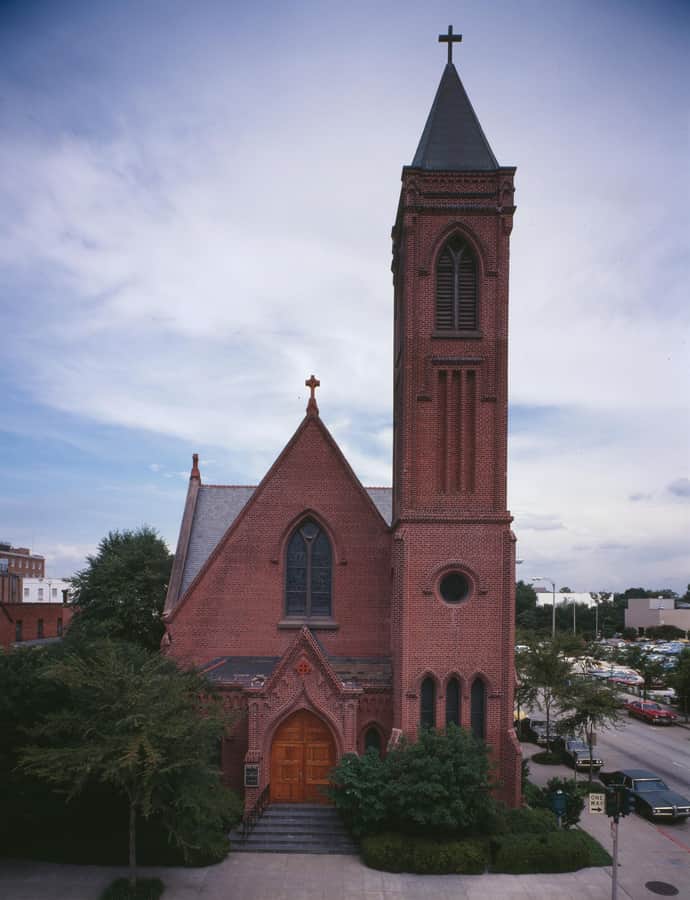
St. James Episcopal Church stands in downtown Baton Rouge as one of the city's oldest congregations, tracing back to a small group of Episcopalians who began gathering in 1819 with no rector and no regular place of worship. The parish formally organized in 1844 through the influence of Margaret MacKall Taylor, wife of Zachary Taylor. It is listed on the National Register of Historic Places and built in the Gothic Revival style.

Photo: David J. Kaminsky , Public domain

St. Joseph Cathedral

Gothic Revival

St. Joseph Cathedral

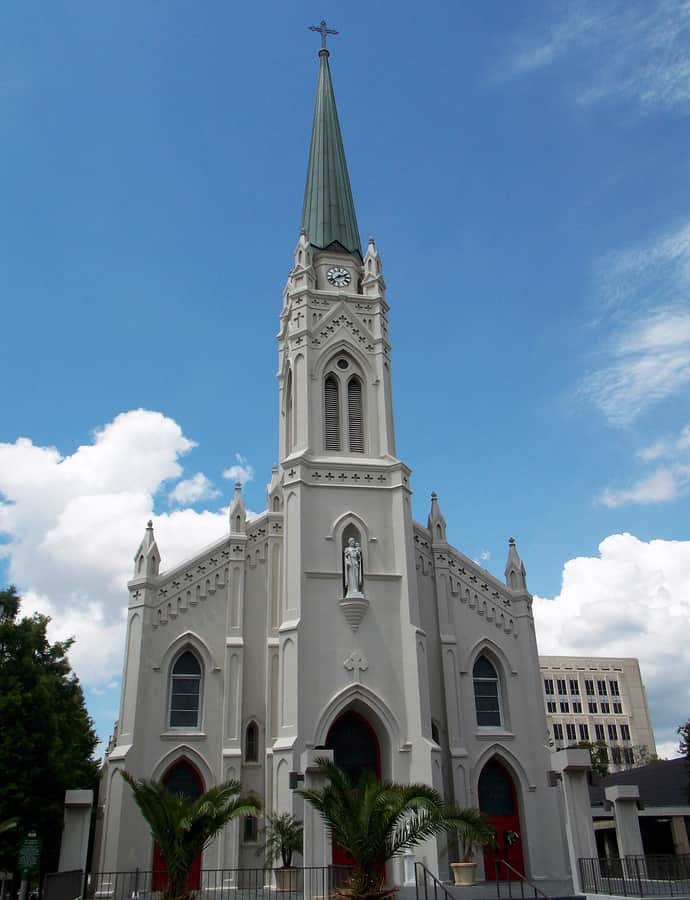
St. Joseph Cathedral in downtown Baton Rouge is the mother church of the Diocese of Baton Rouge. The present building, the parish's third, was begun in 1853 and completed in 1856, and Pope John XXIII designated it a cathedral church in 1961 when the diocese was erected.

Photo: Farragutful , CC BY-SA 3.0

Union Federal Savings and Loan Association

International Style

Union Federal Savings and Loan Association

A. Hays Town

Union Federal Savings and Loan Association in downtown Baton Rouge is a National Register-listed building designed by A. Hays Town, a notable regional Louisiana architect, in the International Style.

Photo: Z28scrambler , CC BY-SA 4.0

Art Deco

United States Post Office and Courthouse–Baton Rouge

Moise H. Goldstein Sr.

The United States Post Office and Courthouse in Baton Rouge, also known as the Federal Building and U.S. Courthouse, was built in 1932 to serve as a post office, courthouse, and government office building. New Orleans architect Moise H. Goldstein designed the limestone-clad, three-story Art Deco and Moderne structure under the supervision of the Office of the Supervising Architect for the U.S. Treasury Department.

Hidden gems

Fine buildings that fewer people seek out.

Scott Street School

Neoclassical

Scott Street School

Edward Fairfax Neild, Sr.

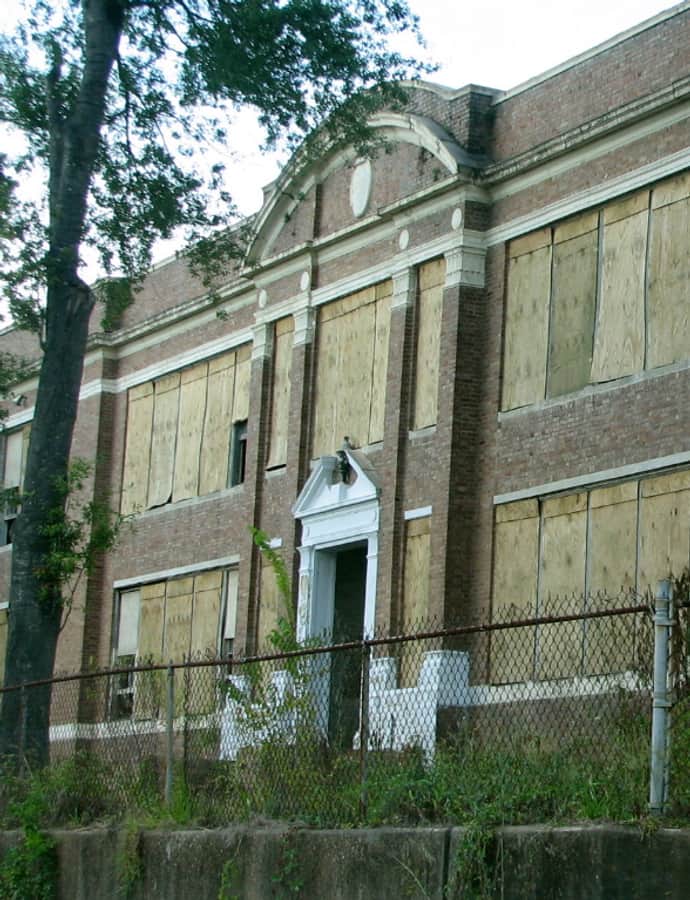
Scott Street School is a Neoclassical school building designed by architect Edward Fairfax Neild, Sr., listed on the National Register of Historic Places.

Photo: Tjean314 , CC BY-SA 3.0