City guide

architecture in Albuquerque.

22 buildings worth a detour, each with what to look for. Open them on the map, or walk them with the iPhone app, which collects each one you photograph.

Landmarks

The buildings that define the city's architecture.

Hotel Andaluz

Pueblo Revival

Hotel Andaluz

Anton Korn · 1939

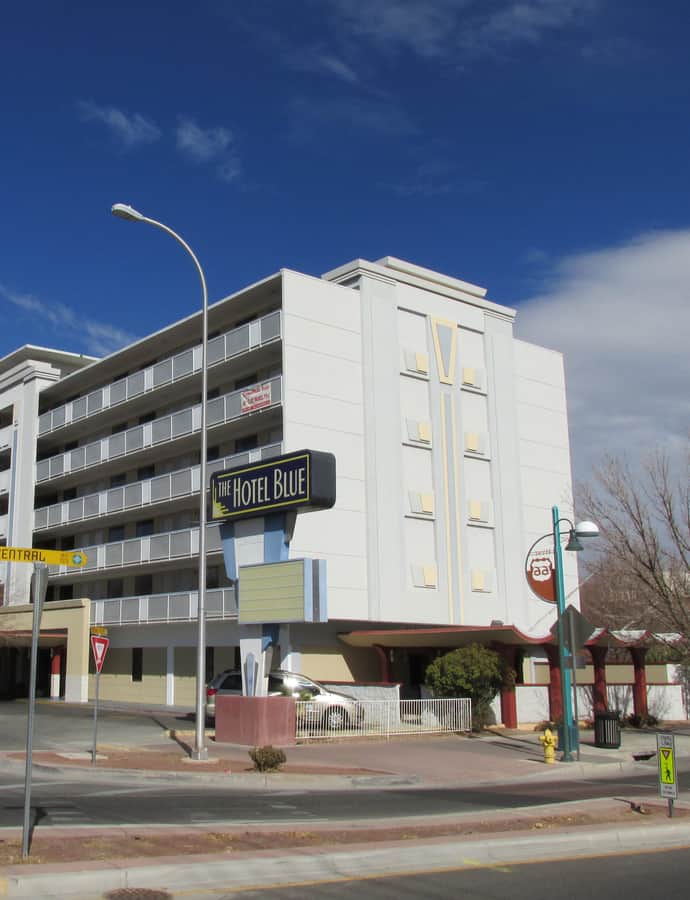
Hotel Andaluz opened in 1939 as one of Conrad Hilton's flagship hotels in his home state of New Mexico, designed by Anton Korn in the Pueblo Deco idiom, which pairs Pueblo Revival massing with Art Deco and Spanish ornament. It remains prominent on Central Avenue and is still operating today as a hotel.

Photo: Camerafiend at English Wikipedia , CC BY-SA 3.0
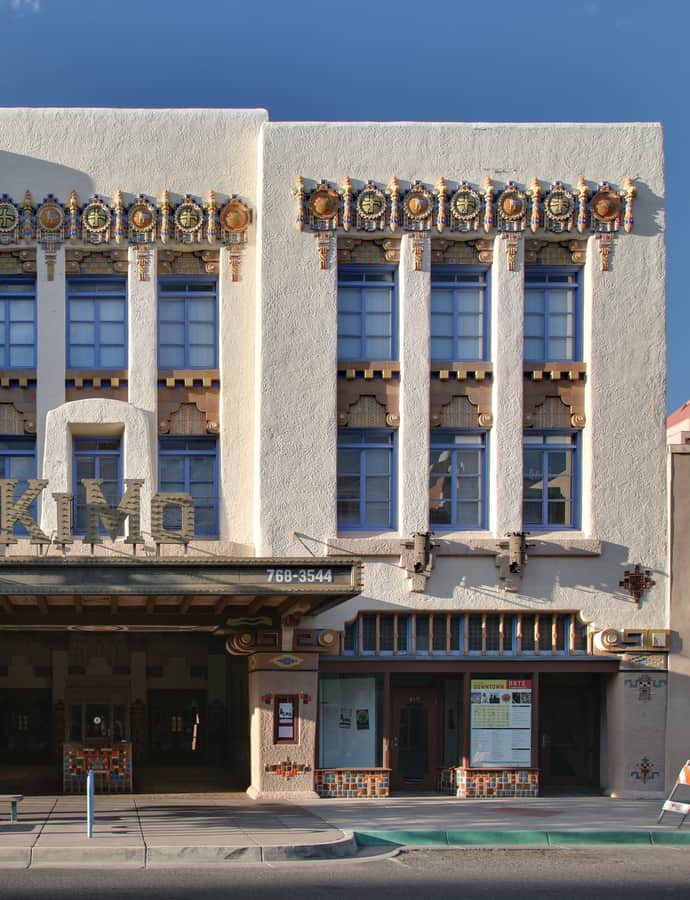
KiMo Theater

Pueblo Revival

KiMo Theater

1927

The KiMo Theater opened in 1927 on Central Avenue, right on Route 66, as a movie palace designed by Carl Boller of Boller Brothers, a firm regionally noted for movie-palace design. It is a textbook, widely cited example of Pueblo Deco, blending Pueblo Revival massing with Art Deco terra-cotta ornament. It has since been restored and is one of the most photographed buildings in the city.

Photo: Daniel Schwen , CC BY-SA 4.0

Maisel's Indian Trading Post

Pueblo Deco architecture

Maisel's Indian Trading Post

John Gaw Meem · 1939

Maisel's Indian Trading Post opened in 1939 in Old Town, designed by John Gaw Meem, a historically important regional architect, in the rare Pueblo Deco style, a distinctive Southwestern hybrid.

Photo: John Phelan , CC BY 3.0

San Felipe de Neri Church

Spanish Colonial

San Felipe de Neri Church

1793

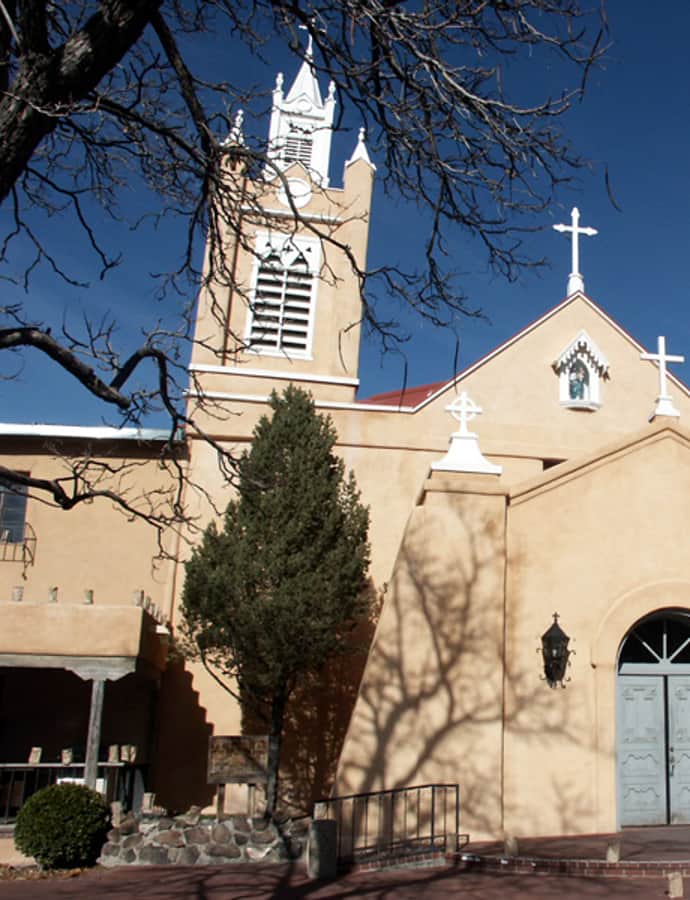
San Felipe de Neri Church is the defining landmark of Old Town Plaza, an adobe Spanish Colonial mission-style parish church. The current building dates to 1793, on a parish founded in 1706, with twin bell towers added in the 1860s. Its thick adobe walls and twin towers make it among the oldest and best-preserved examples of colonial-era church architecture in the Southwest.

Photo: Camerafiend at en.wikipedia , CC BY-SA 3.0

Notable buildings

Worth a stop when you're nearby.

Cathedral Church of St. John

Gothic Revival

Cathedral Church of St. John

John Gaw Meem · 1952

The Cathedral Church of St. John, in Old Town, was completed in 1952 to a Gothic Revival design by John Gaw Meem, a historically important regional architect.

Photo: Camerafiend , CC BY 4.0

Downtowner Motor Inn

International Style

Downtowner Motor Inn

James L. Burke · 1965

The Downtowner Motor Inn was designed by James L. Burke and completed in 1965 in the International Style, representing the mid-century roadside motor inn building type. It is listed on the National Register of Historic Places and the New Mexico State Register of Cultural Properties.

Photo: John Phelan , CC BY-SA 3.0

Estufa

Pueblo Revival

Estufa

William G. Tight · 1908

The Estufa was designed by William G. Tight and completed in 1908 in the Pueblo Revival style, making it among the earliest examples of the style. It carries a distinctive name and origin, and is listed on both the National Register of Historic Places and the New Mexico State Register of Cultural Properties.

Photo: PerryPlanet , Public domain

Hodgin Hall

Richardsonian Romanesque

Hodgin Hall

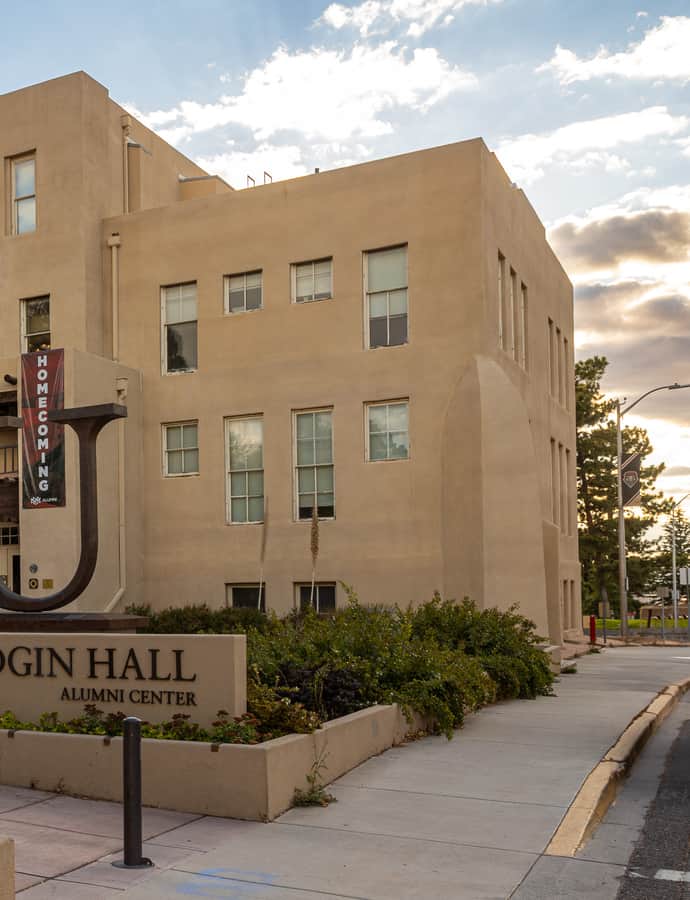
Hodgin Hall was originally built in the Richardsonian Romanesque style and later remodeled into Pueblo Revival, giving it a rare dual identity that traces a documented stylistic transformation. It is listed on both the National Register of Historic Places and the New Mexico State Register of Cultural Properties.

Photo: Kenneth C. Zirkel , CC BY 4.0

Kelvinator House

International Style

Kelvinator House

William Burk · 1938

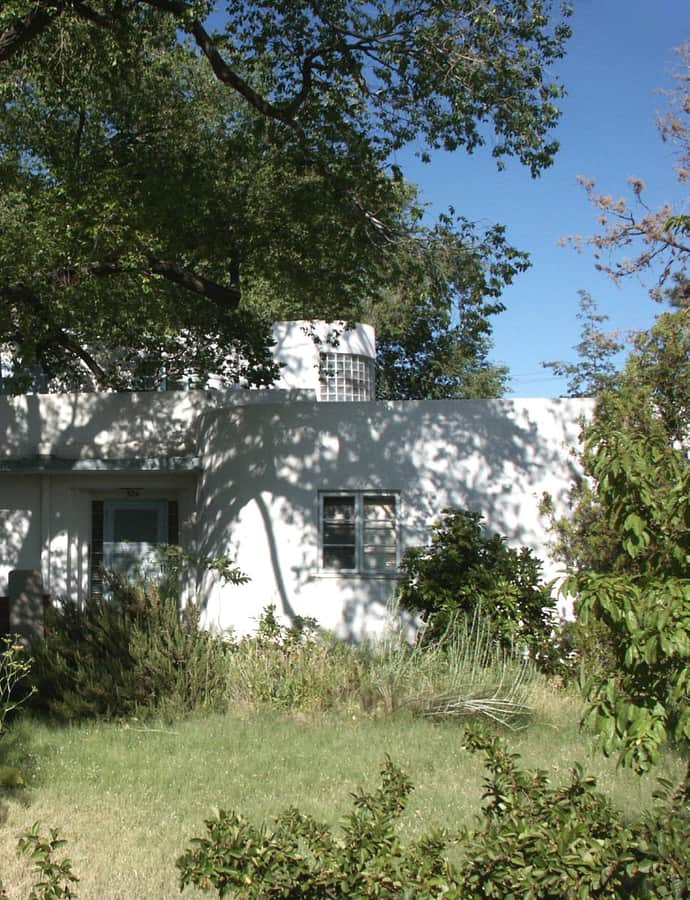
Kelvinator House was designed by William Burk in 1938, combining the International Style with Streamline Moderne in a rare residential blend of the two modern styles. It is listed on the New Mexico State Register of Cultural Properties.

Photo: Camerafiend , CC BY-SA 4.0

Old Albuquerque High School

Gothic Revival

Old Albuquerque High School

Henry Charles Trost · 1914

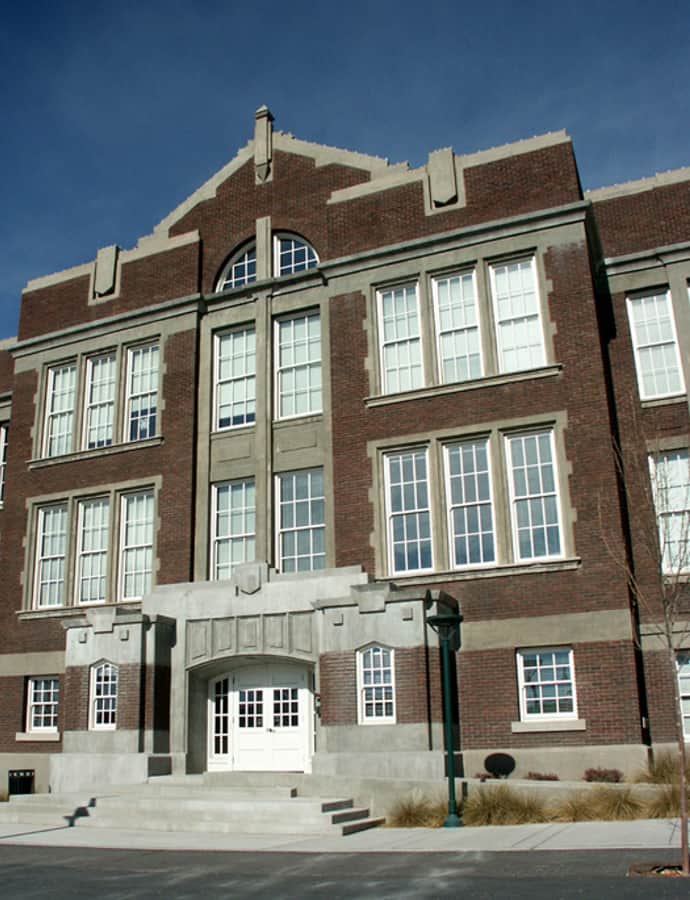
Old Albuquerque High School was designed by Henry Charles Trost of the notable regional firm Trost & Trost and completed in 1914 in the Gothic Revival style. It is listed on the New Mexico State Register of Cultural Properties.

Photo: Camerafiend at English Wikipedia , CC BY-SA 3.0
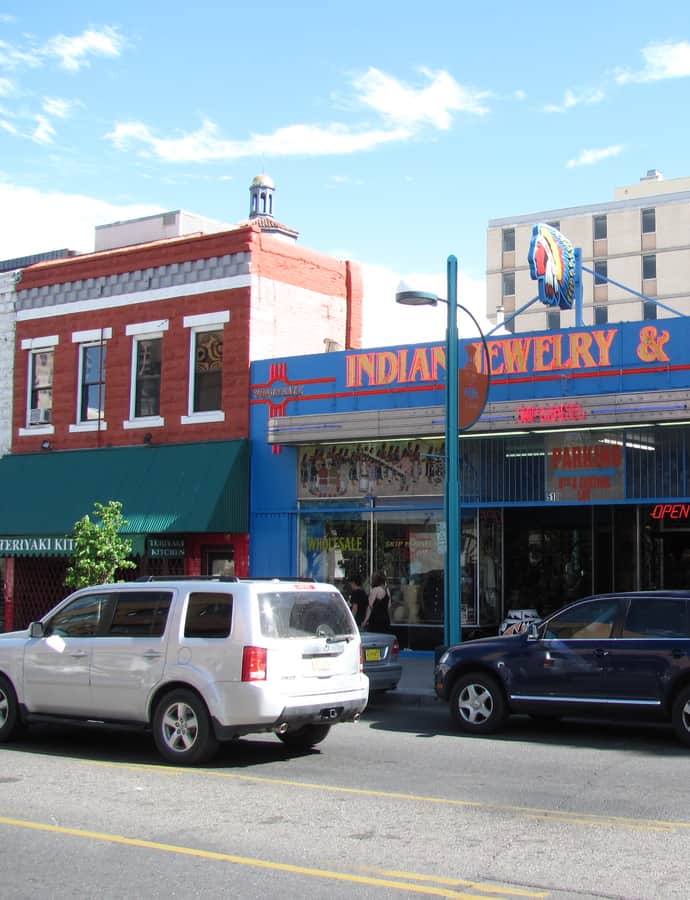
Old Post Office

Spanish Colonial Revival

Old Post Office

James Knox Taylor

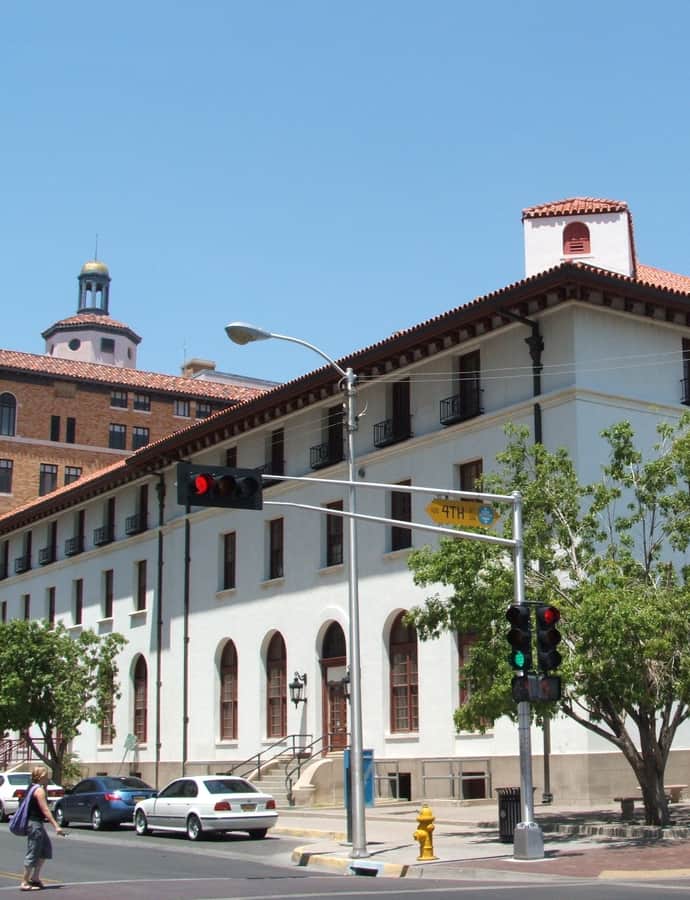
The Old Post Office in Old Town was designed by James Knox Taylor, who served as Supervising Architect of the Treasury, and built in the Spanish Colonial Revival style. As a federal post office by a nationally documented architect, it stands as a notable civic building in the neighborhood.

Photo: PerryPlanet at en.wikipedia , Public domain

Scholes Hall

Pueblo Revival

Scholes Hall

John Gaw Meem · 1934

Scholes Hall is a 1934 campus building designed by John Gaw Meem, a historically important regional architect, in the Pueblo Revival style he was the leading regional practitioner of.

Photo: PerryPlanet , Public domain

Southern Union Gas Company Building

International Style

Southern Union Gas Company Building

John Gaw Meem

The Southern Union Gas Company Building, in Old Town, was designed by John Gaw Meem, a historically important regional architect otherwise known for Pueblo Revival work, here in the International Style.

Photo: John Phelan , CC BY 3.0

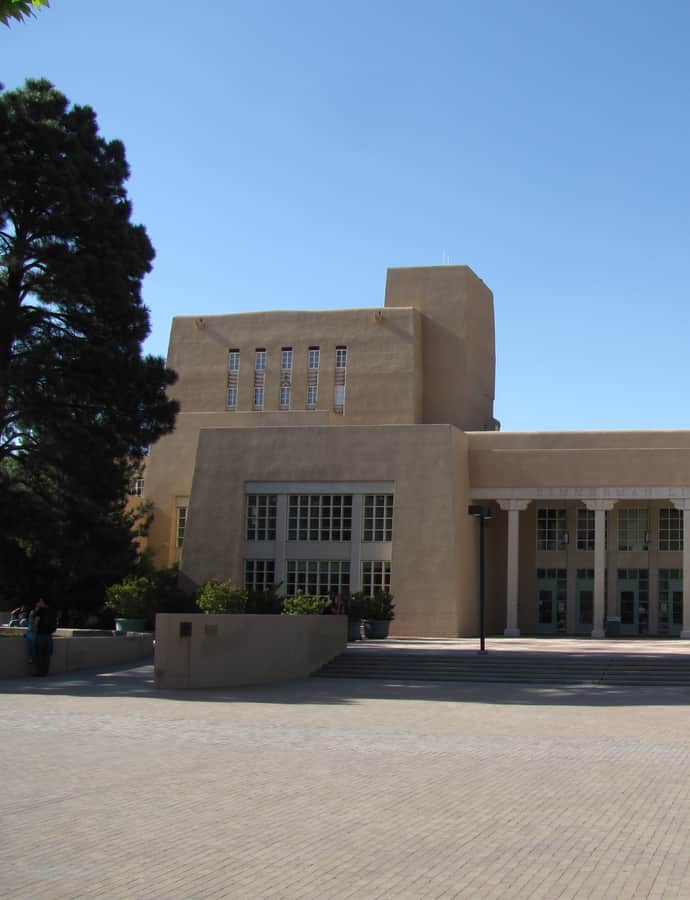
Zimmerman Library

Pueblo Revival

Zimmerman Library

John Gaw Meem · 1938

Zimmerman Library opened in 1938, designed by John Gaw Meem, a historically important regional architect, in the Pueblo Revival style he was the leading regional practitioner of.

Photo: John Phelan , CC BY-SA 3.0

Hidden gems

Fine buildings that fewer people seek out.

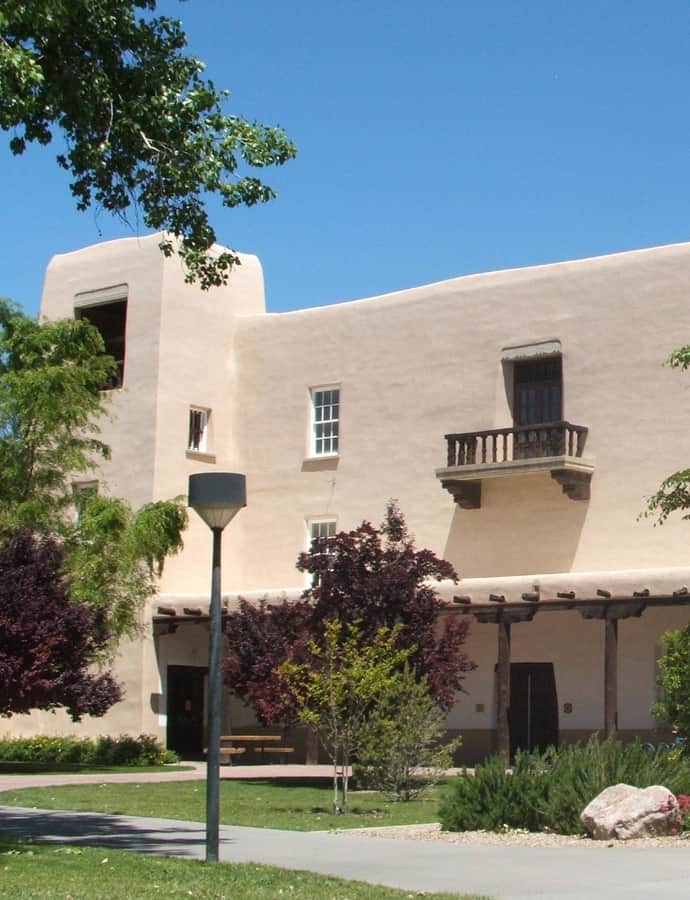
Art Annex

Pueblo Revival

Art Annex

Trost & Trost · 1926

The Art Annex was designed by the firm Trost & Trost in 1926 in the Pueblo Revival style. It is listed on the National Register of Historic Places and on the New Mexico State Register of Cultural Properties.

Photo: John Phelan , CC BY 3.0

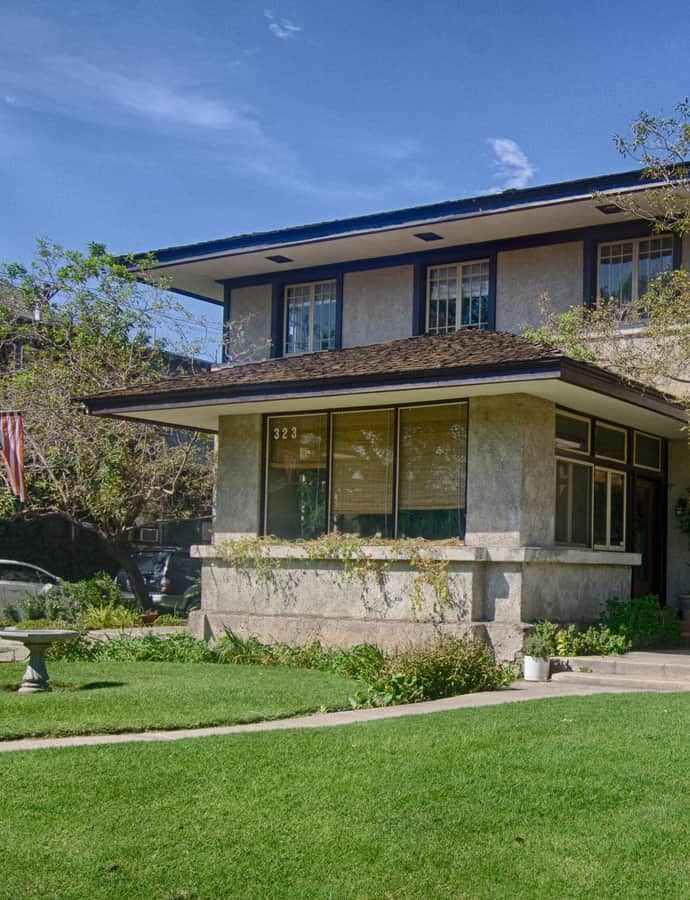
Berthold Spitz House

Prairie School

Berthold Spitz House

Henry Charles Trost

The Berthold Spitz House, in Old Town, was designed by Henry Charles Trost of Trost & Trost in the Prairie School style. It is listed on the National Register of Historic Places and on the New Mexico State Register of Cultural Properties.

Photo: Ridgecrestphoto , CC BY-SA 3.0

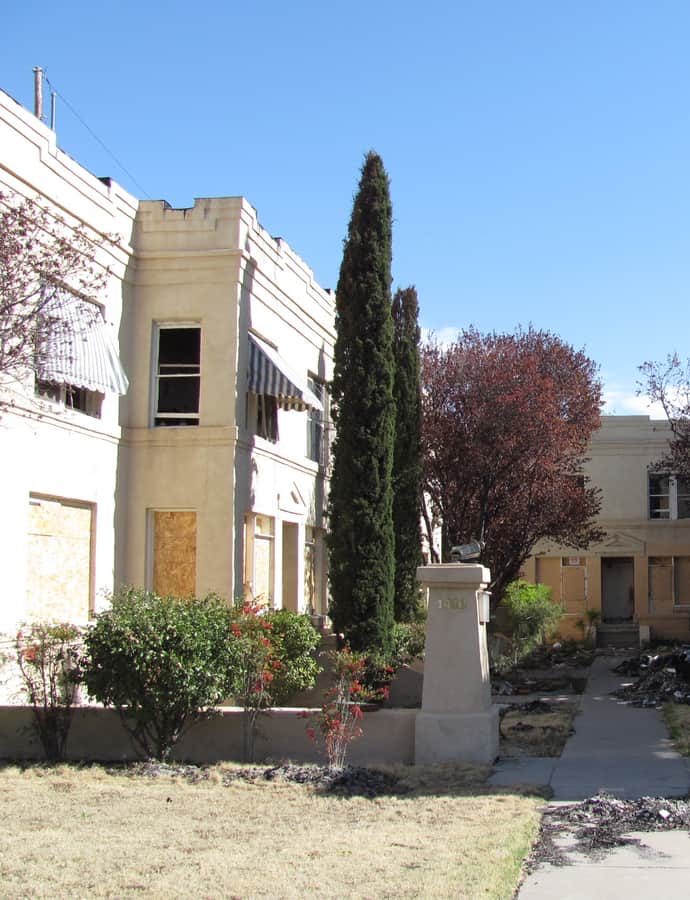
Castle Apartments

Landmark

Castle Apartments

Trost & Trost

The Castle Apartments, in Old Town, were designed by the firm Trost & Trost. The building is listed on the National Register of Historic Places and on the New Mexico State Register of Cultural Properties.

Photo: John Phelan , CC BY 3.0

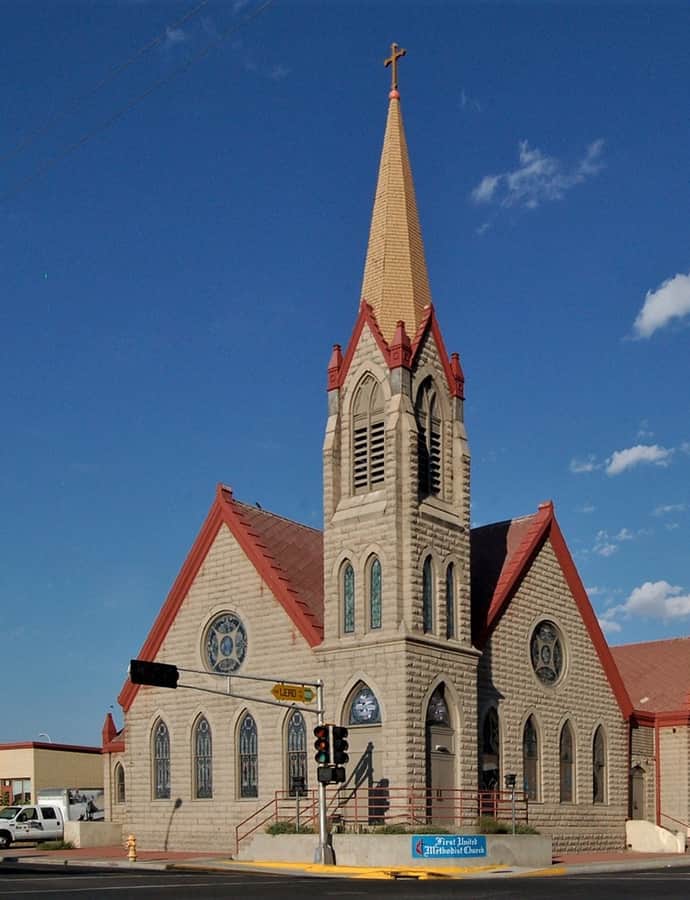
First Methodist Episcopal Church

Gothic Revival

First Methodist Episcopal Church

Charles Frederick Whittlesey · 1904

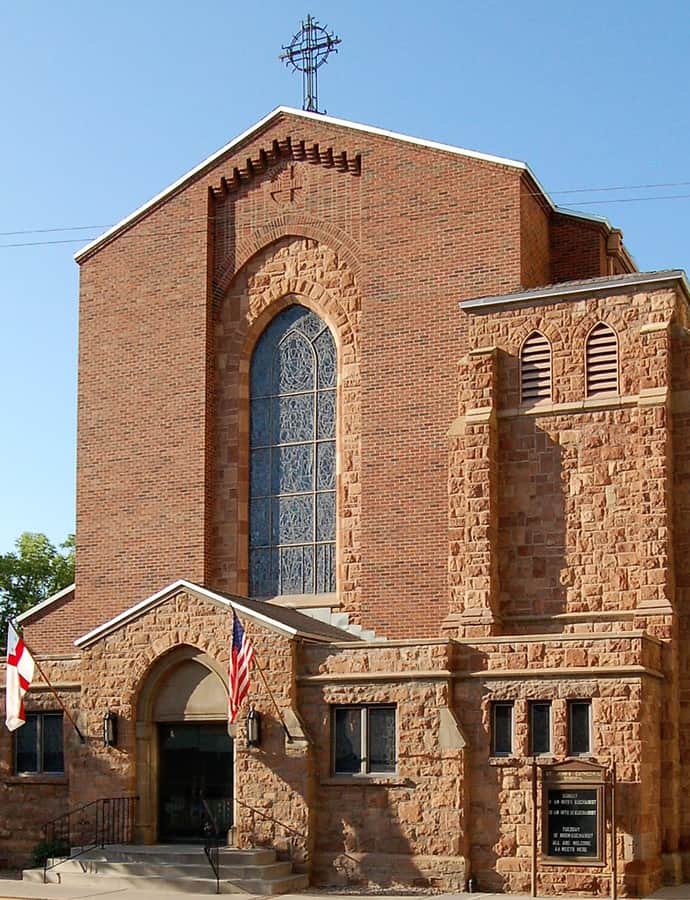
First Methodist Episcopal Church, in Old Town, was designed by Charles Frederick Whittlesey and completed in 1904 in the Gothic Revival style. It is listed on the National Register of Historic Places and on the New Mexico State Register of Cultural Properties.

Photo: Camerafiend , CC BY-SA 3.0

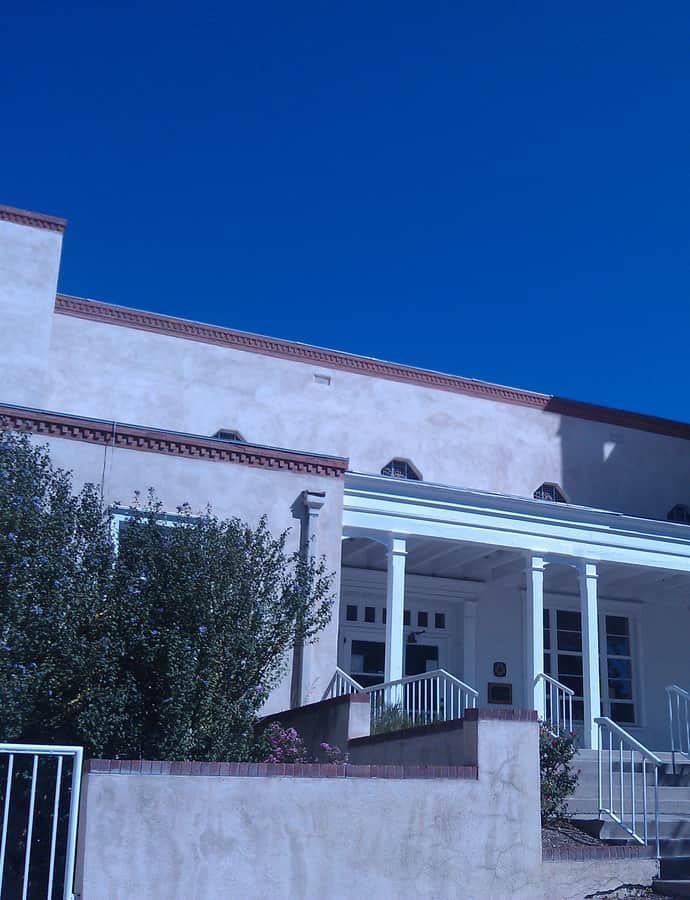
Immanuel Presbyterian Church

Territorial Revival architecture

Immanuel Presbyterian Church

John Gaw Meem

Immanuel Presbyterian Church is a Territorial Revival building designed by John Gaw Meem. It is listed on the National Register of Historic Places and on the New Mexico State Register of Cultural Properties.

Photo: MrBouncero , CC BY-SA 3.0

Rosenwald Building

Prairie School

Rosenwald Building

Trost & Trost

The Rosenwald Building was designed by the notable regional firm Trost & Trost in a style tied to the Prairie School and Chicago School movements, two significant early-20th-century architectural currents. It is listed on the National Register of Historic Places and the New Mexico State Register of Cultural Properties.

Photo: John Phelan , CC BY 3.0

Springer Building

Art Deco

Springer Building

George M. Williamson

The Springer Building, in Old Town, was designed by George M. Williamson in the Mayan style, a rare Maya Revival specimen in Albuquerque. It is listed on the National Register of Historic Places and on the New Mexico State Register of Cultural Properties.

Photo: Roland Penttila , CC BY-SA 3.0