
City guide
architecture in Buffalo.
39 buildings worth a detour, each with what to look for. Open them on the map, or walk them with the iPhone app, which collects each one you photograph.
Landmarks
The buildings that define the city's architecture.

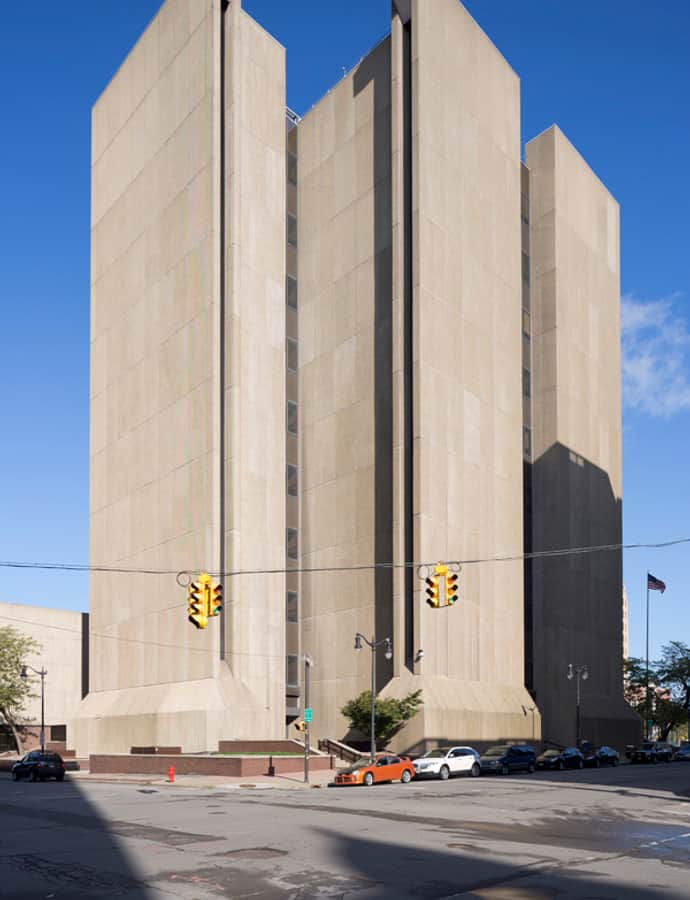
Buffalo City Court Building
The Buffalo City Court Building is a downtown civic building completed in 1974 in the Brutalist style, its massive concrete facade highly visible from the sidewalk. It stands as a typological example of 1970s civic Brutalism in Buffalo.
Photo: David Schalliol via sah1365 , CC BY 2.0
.jpg)
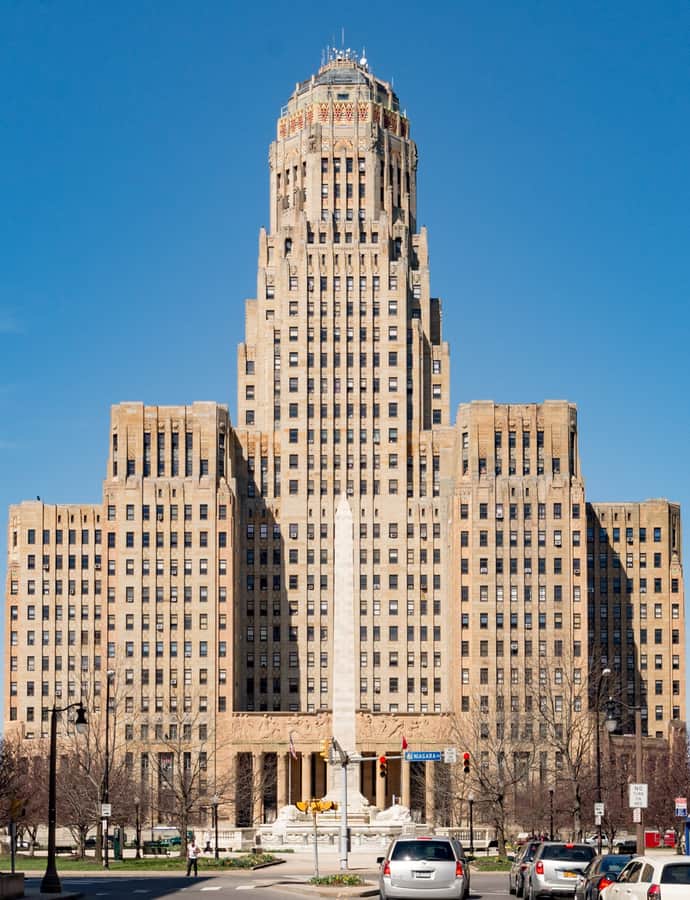
Buffalo City Hall
Buffalo City Hall, completed in 1932 in downtown Buffalo, was designed by John J. Wade and is regarded as a textbook example of civic Art Deco architecture. It is listed on the National Register of Historic Places.
Photo: xiquinhosilva , CC BY 2.0
.jpg)
Landmark
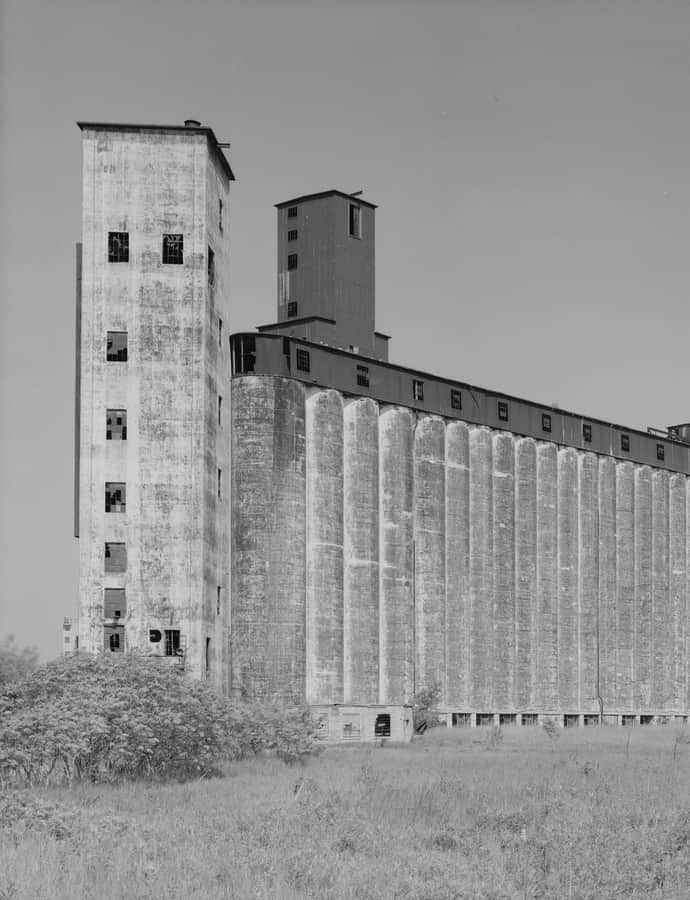
Concrete-Central Elevator
The Concrete-Central Elevator is a grain elevator built in 1915, its massive industrial silhouette still visible from Buffalo's waterfront. It is listed on the National Register of Historic Places.
Photo: Jet Lowe , Public domain
.jpg)
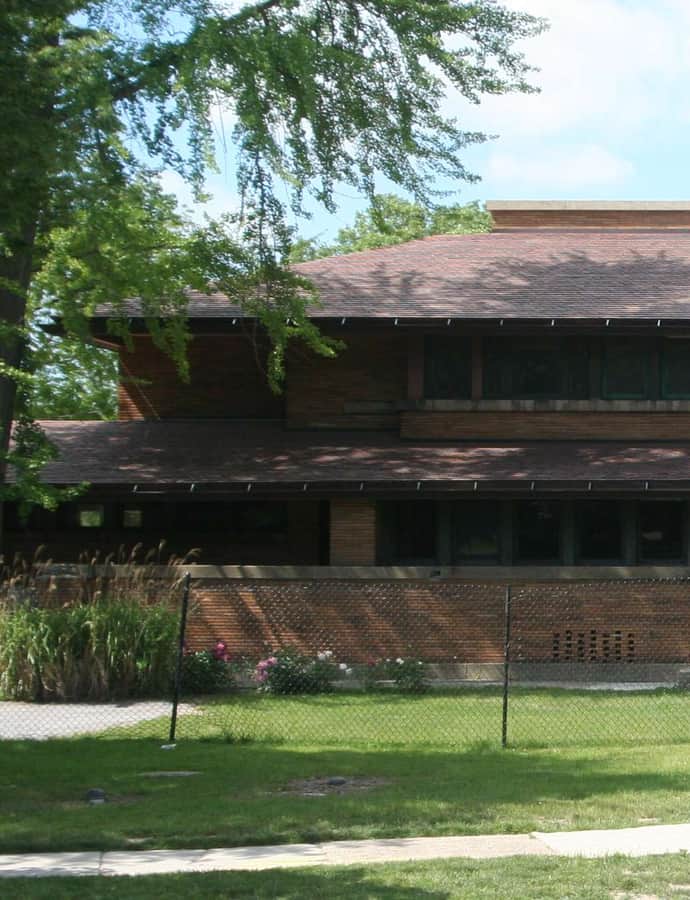
Darwin D. Martin House
The Darwin D. Martin House was designed by Frank Lloyd Wright and completed in 1905. It is considered a textbook exemplar of Wright's Prairie School style and has been designated a National Historic Landmark, listed on the National Register of Historic Places.
Photo: Dave Pape , Public domain

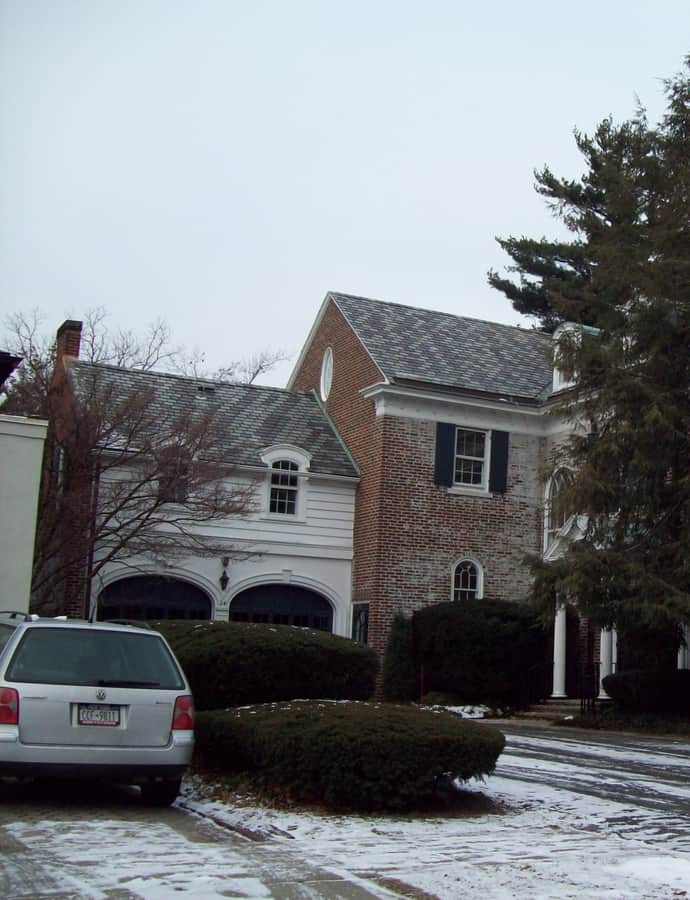
Edwin M. and Emily S. Johnston House
The Edwin M. and Emily S. Johnston House is a Colonial Revival residence in Buffalo designed by the notable regional architect Duane Lyman. It is listed on the National Register of Historic Places, its residential facade visible from the street.
Photo: Pubdog (talk) , Public domain

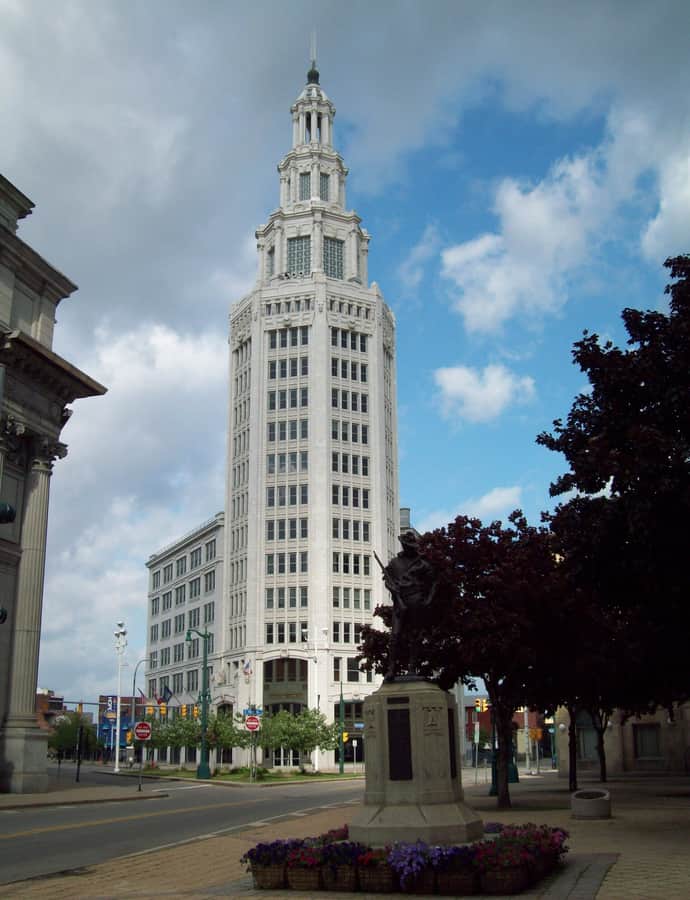
Electric Tower
The Electric Tower rises in downtown Buffalo, completed in 1912 to a Beaux-Arts design by Esenwein & Johnson. It carries the legacy of the Pan-American Exposition and is listed on the National Register of Historic Places.
Photo: Pubdog (talk) , Public domain

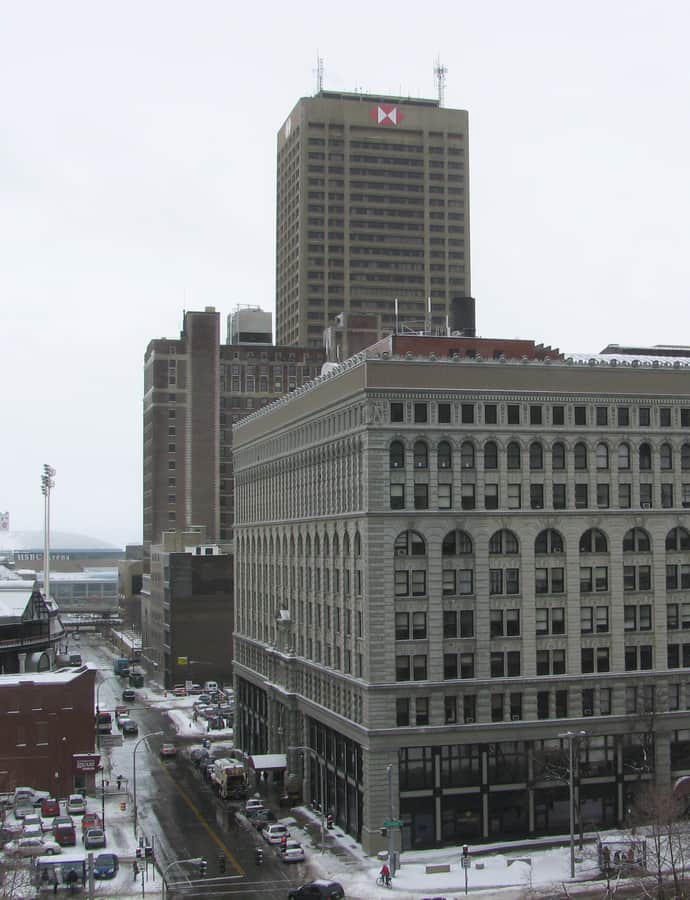
Ellicott Square Building
The Ellicott Square Building, completed in 1896 in downtown Buffalo, was designed by Daniel Burnham, a historically important architect. It is a large-scale commercial building notable as an early large-footprint office building, filling its downtown block.
Photo: TonyTheTiger (t/c/bio/WP:CHICAGO/WP:LOTD) , CC BY-SA 3.0

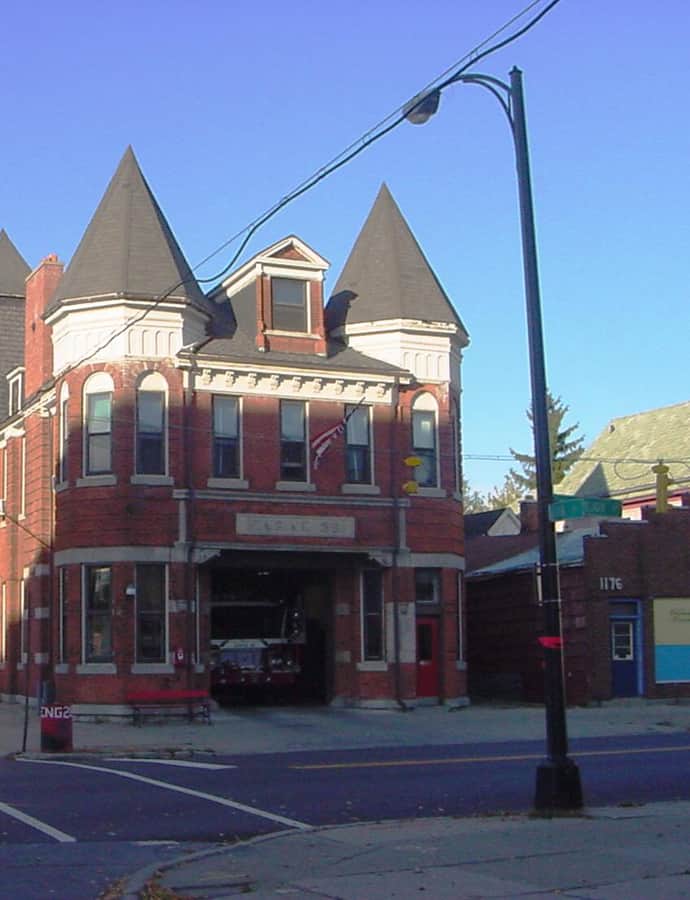
Engine House No. 28
Engine House No. 28 is a firehouse building in Buffalo with an ornamental Queen Anne facade, listed on the National Register of Historic Places. It carries a retellable civic-history angle as a former firehouse.
Photo: Shinerunner (talk) , CC BY-SA 3.0
.jpg)
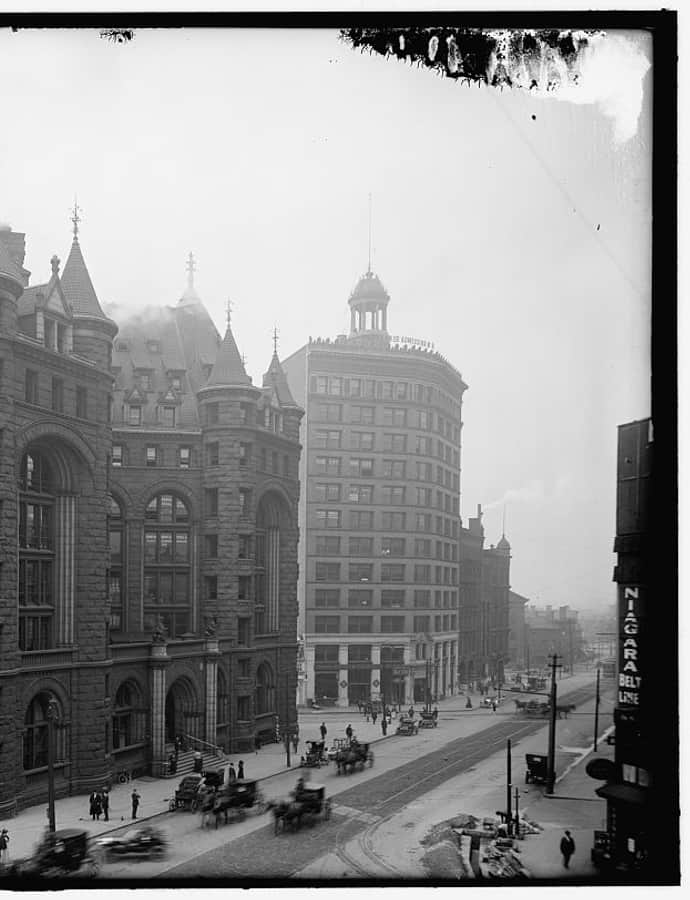
Erie County Savings Bank
The Erie County Savings Bank is a Richardsonian Romanesque bank building in downtown Buffalo, completed in 1893 and designed by George B. Post, a nationally prominent American architect. Its massive stone tower gives it a strong, fortress-like presence on the downtown street.
Photo: Detroit Publishing Company, publisher , Public domain

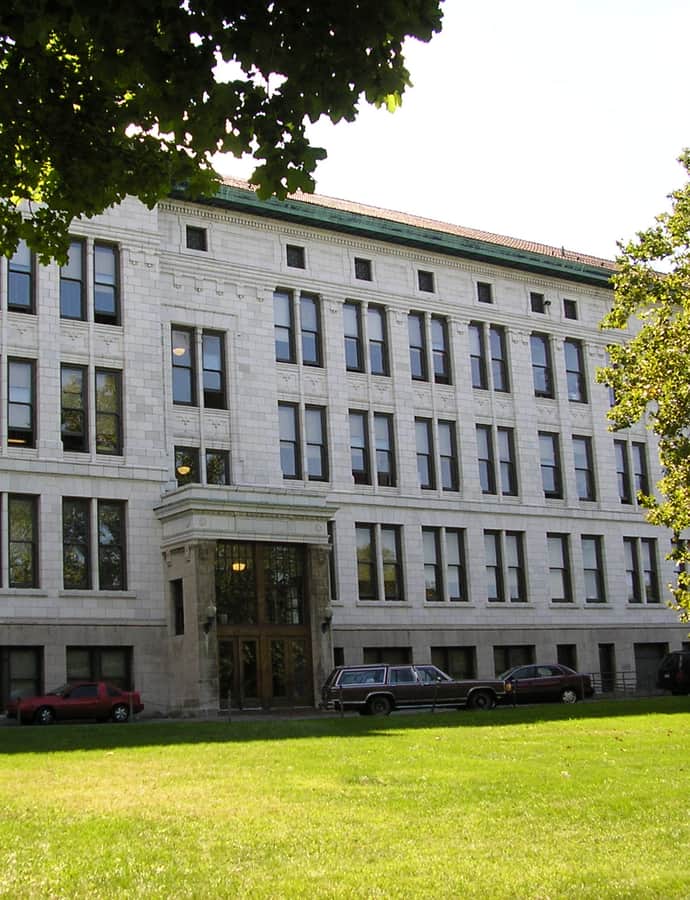
Fosdick-Masten Park High School
Fosdick-Masten Park High School is a Beaux-Arts school building in Buffalo designed by the notable local firm Esenwein & Johnson. It is listed on the National Register of Historic Places, its Beaux-Arts facade visible from the street.
Photo: Red Alien at en.wikipedia , Public domain

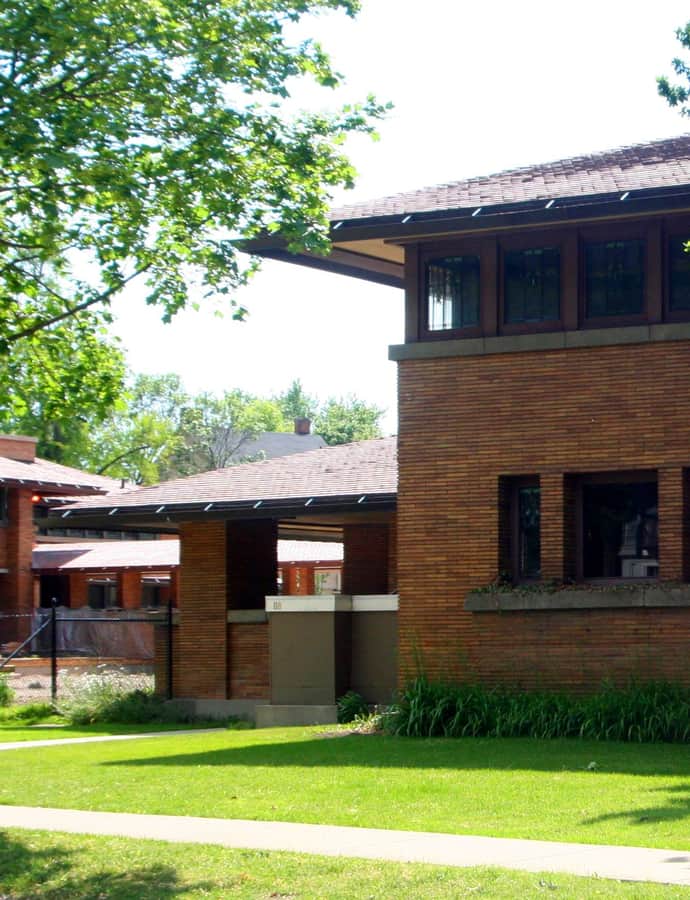
George Barton House
The George Barton House is a Prairie School design by Frank Lloyd Wright and is part of the story of the adjacent Martin House complex. It is a contributing property to a National Register of Historic Places district.
Photo: Dave Pape , Public domain

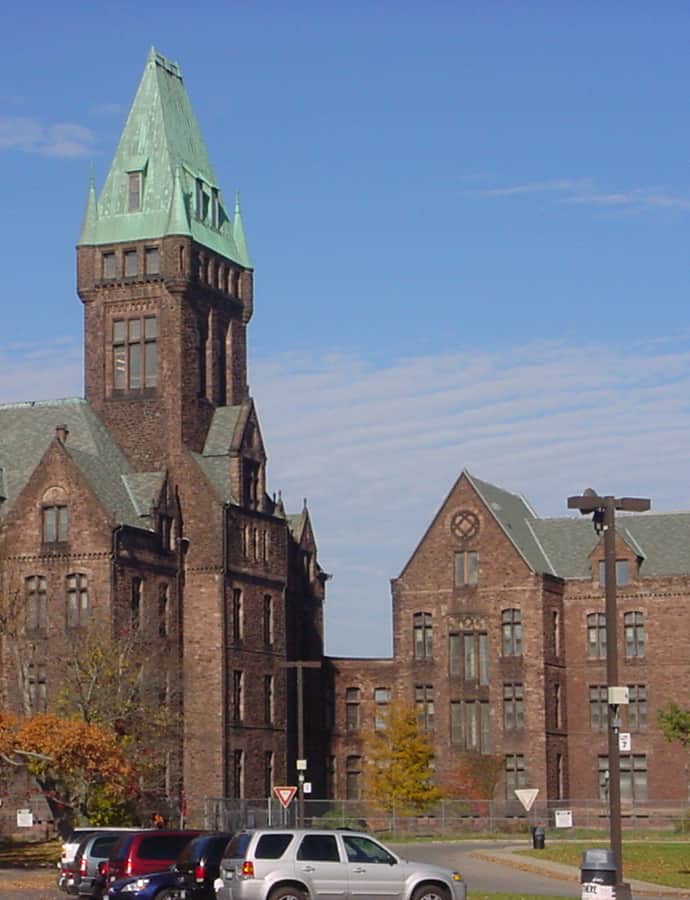
H. H. Richardson Complex
The H. H. Richardson Complex, completed in 1870, was designed by Henry Hobson Richardson, the architect for whom the Richardsonian Romanesque style is named. The complex is a National Historic Landmark and is listed on the National Register of Historic Places.
Photo: Shinerunner (talk) , CC BY-SA 3.0

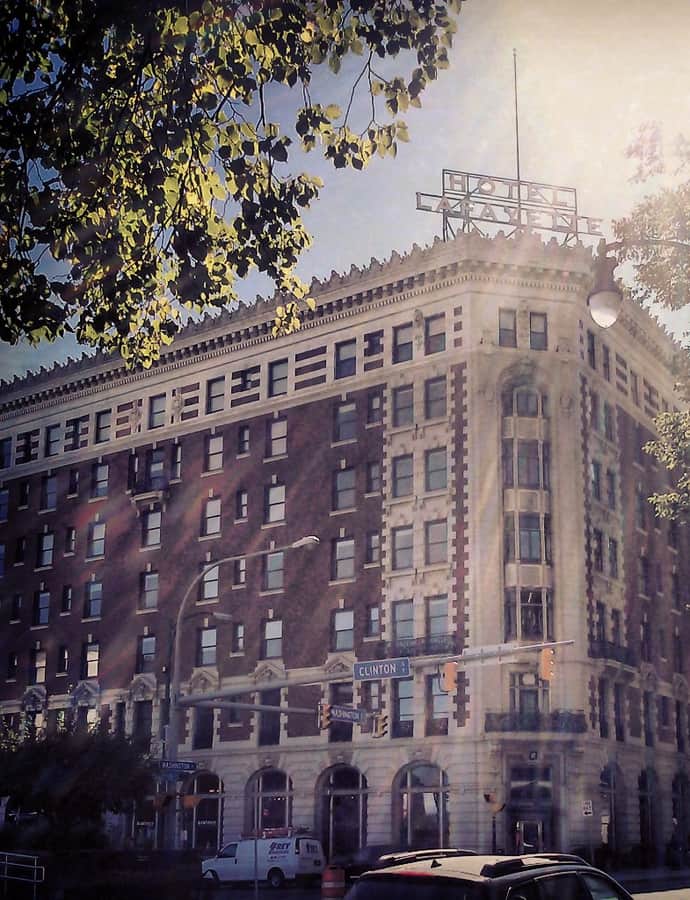
Hotel Lafayette
The Hotel Lafayette in downtown Buffalo was designed by Louise Blanchard Bethune, the first American professional woman architect, making it the first major hotel designed by a woman architect. It is built in the Renaissance Revival style and is listed on the National Register of Historic Places.
Photo: geoffmcc , CC BY-SA 3.0

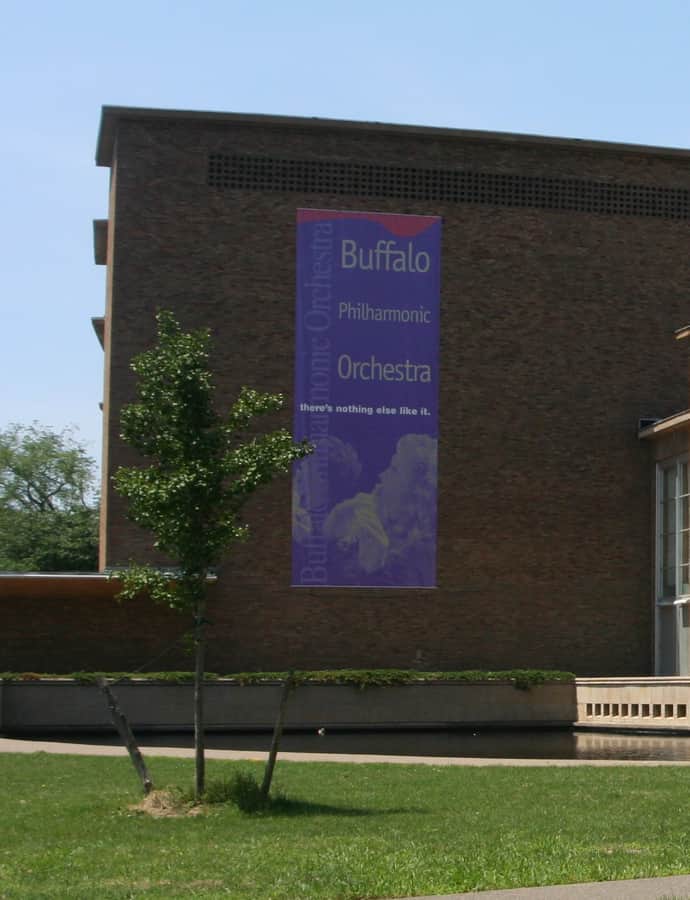
Kleinhans Music Hall
Kleinhans Music Hall was designed by Eero Saarinen, a major mid-century architect, as a purpose-built concert hall. It is built in the International Style and is a National Historic Landmark, listed on the National Register of Historic Places.
Photo: Dave Pape , Public domain

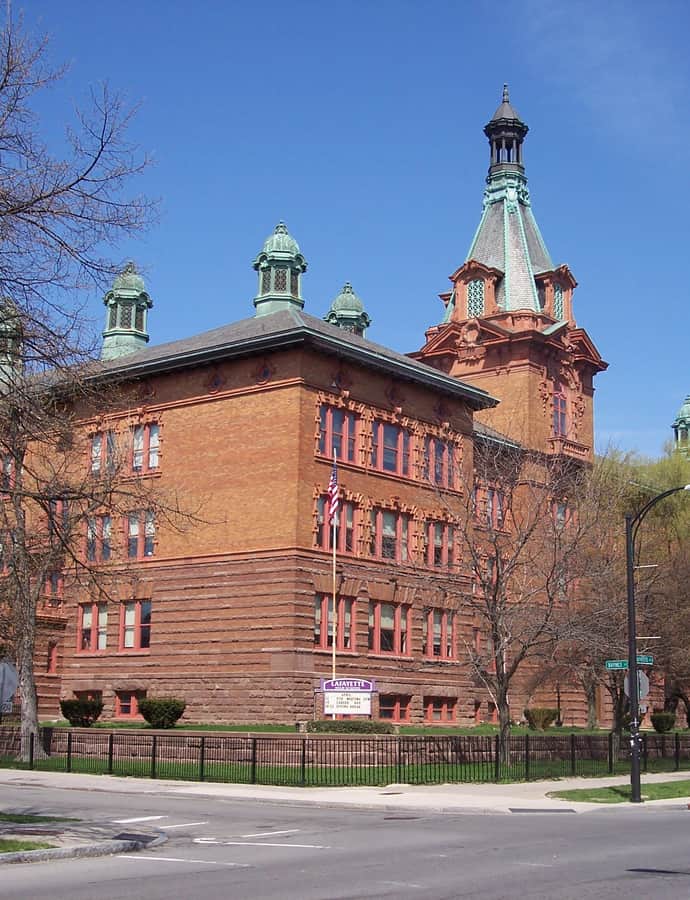
Lafayette High School
Lafayette High School is a Beaux-Arts school building completed in 1903 and designed by the notable Buffalo firm Esenwein & Johnson. It is listed on the National Register of Historic Places.
Photo: Fortunate4now , CC0

Landmark
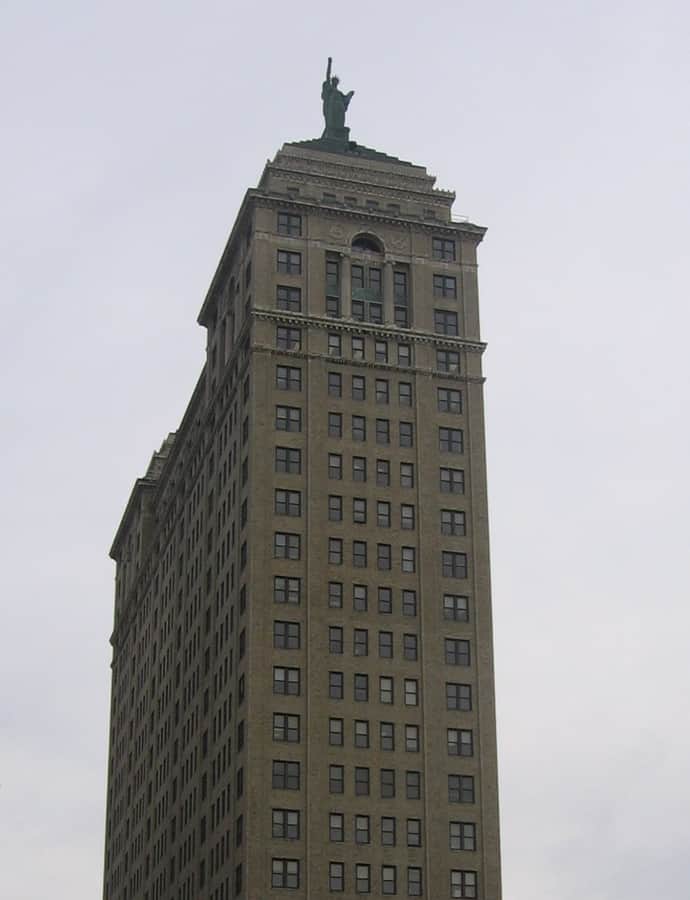
Liberty Building
The Liberty Building is a downtown Buffalo tower designed by architect Alfred Bossom and completed in 1925.
Photo: Sherurcij , Attribution

Landmark
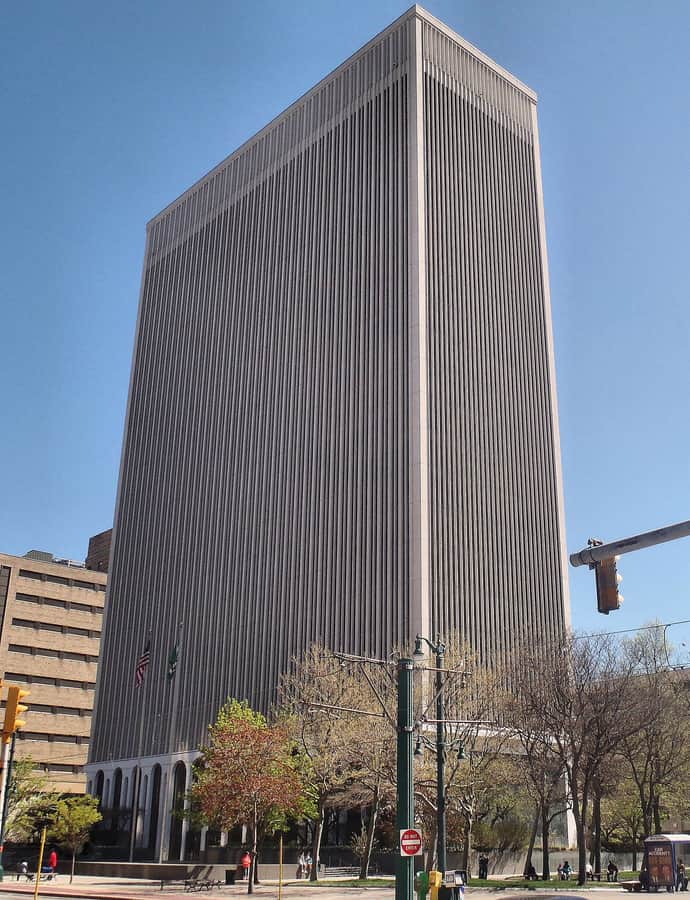
One M&T Plaza
One M&T Plaza is a downtown Buffalo tower designed by Minoru Yamasaki and completed in 1967.
Photo: Fortunate4now , CC0

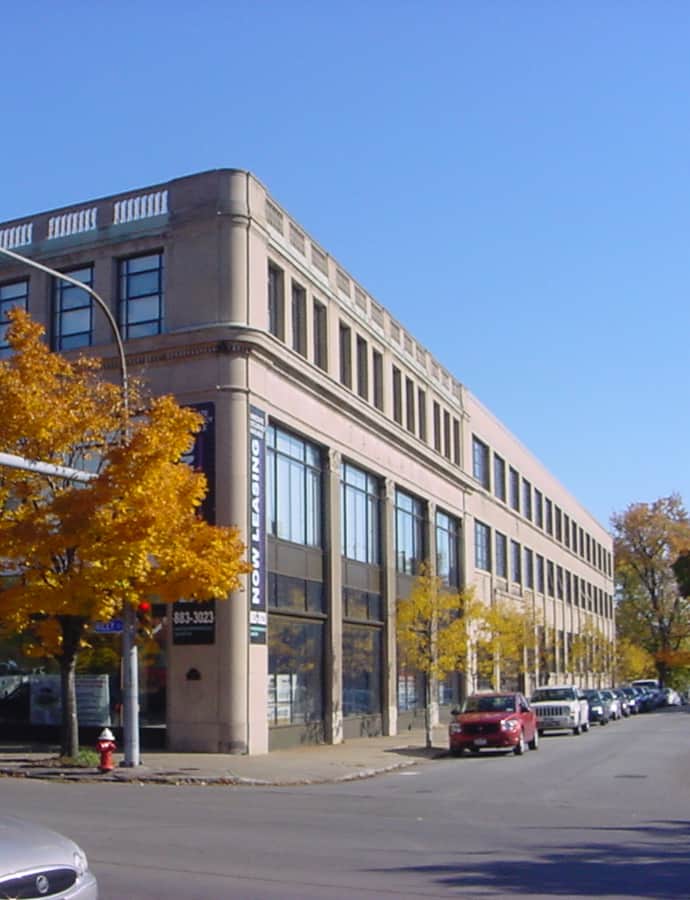
Packard Motor Car Showroom and Storage Facility
The Packard Motor Car Showroom and Storage Facility was designed by Albert Kahn in the Neoclassical style to serve as an automotive showroom. It is listed on the National Register of Historic Places.
Photo: Shinerunner (talk) , CC BY-SA 3.0

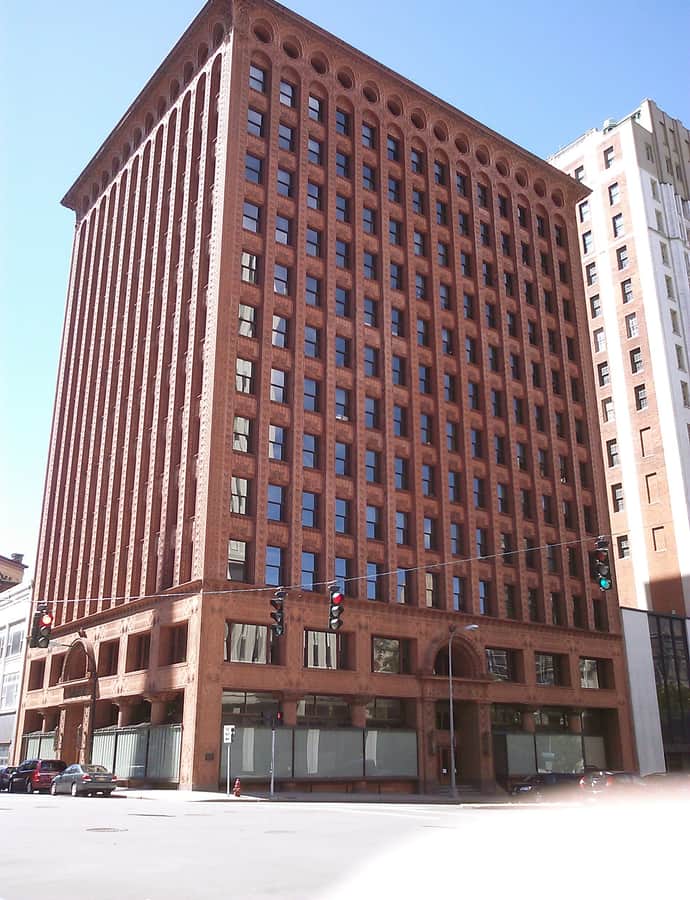
Prudential (Guaranty) Building
The Prudential (Guaranty) Building, completed in 1896, was designed by Dankmar Adler and Louis Sullivan and is regarded as a landmark early skyscraper. It stands in downtown Buffalo and carries three separate historic designations.
Photo: geoffmcc , CC BY-SA 3.0

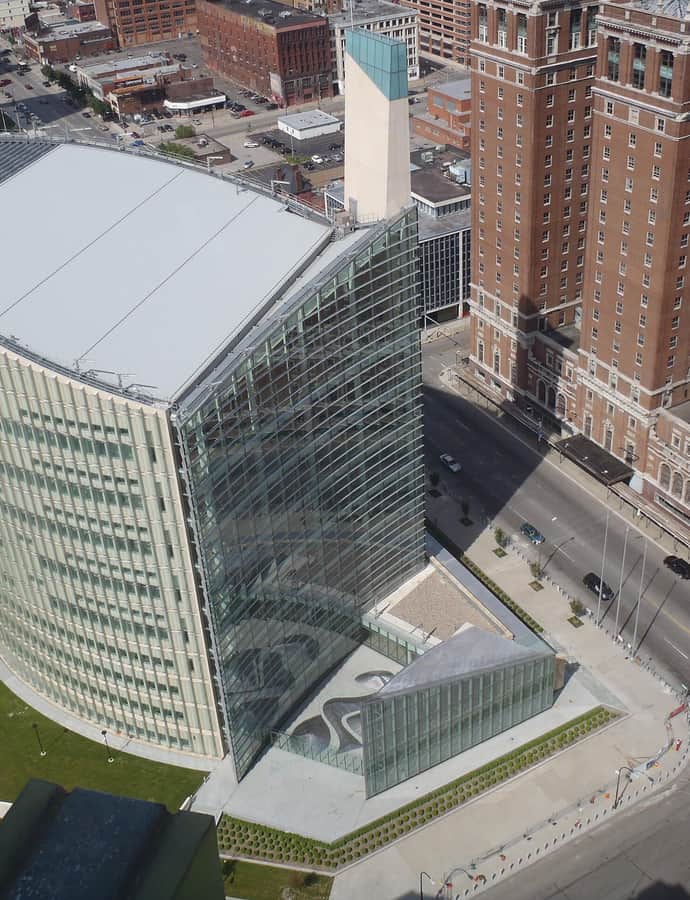
Robert H. Jackson United States Courthouse
The Robert H. Jackson United States Courthouse is a modern federal courthouse in downtown Buffalo, completed in 2011 and designed by the firm Kohn Pedersen Fox.
Photo: Fortunate4now , CC0

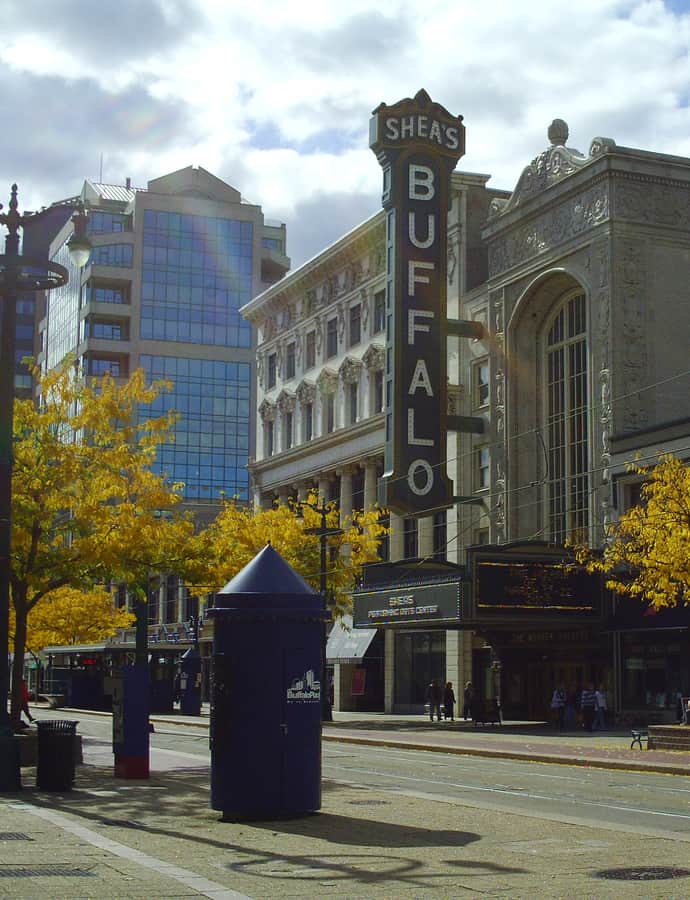
Landmark
Shea's Performing Arts Center
Shea's Performing Arts Center opened in 1926 as a movie palace designed by the architecture firm Rapp and Rapp, and later became a performing arts center. It is listed on the National Register of Historic Places, its ornate theater facade still visible from the street.
Photo: Paranormal Skeptic , CC BY-SA 3.0

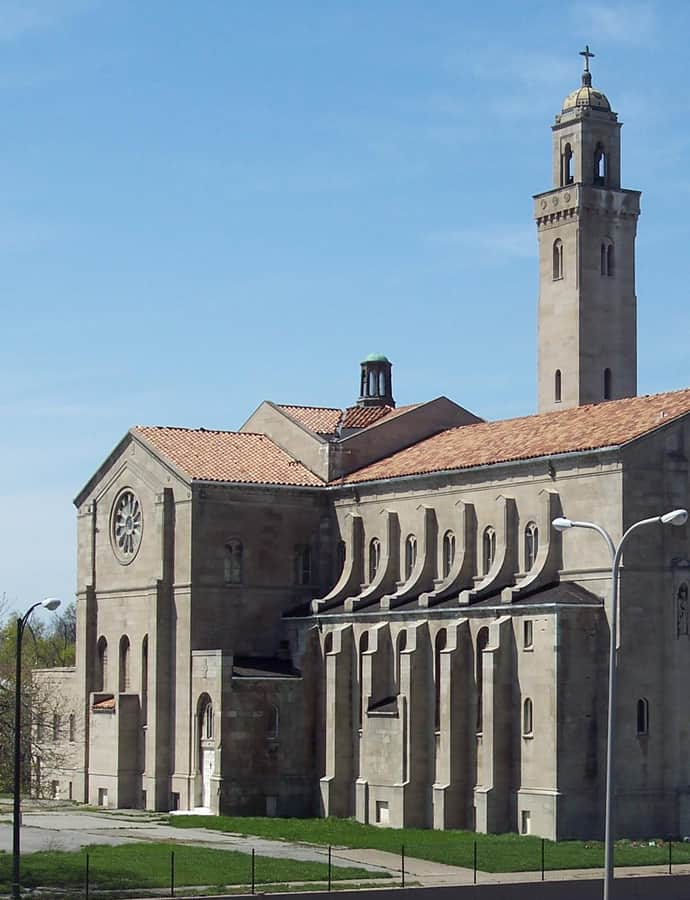
St. Francis de Sales Roman Catholic Church
St. Francis de Sales Roman Catholic Church is a Romanesque Revival church completed in 1928.
Photo: Fortunate4now , CC0

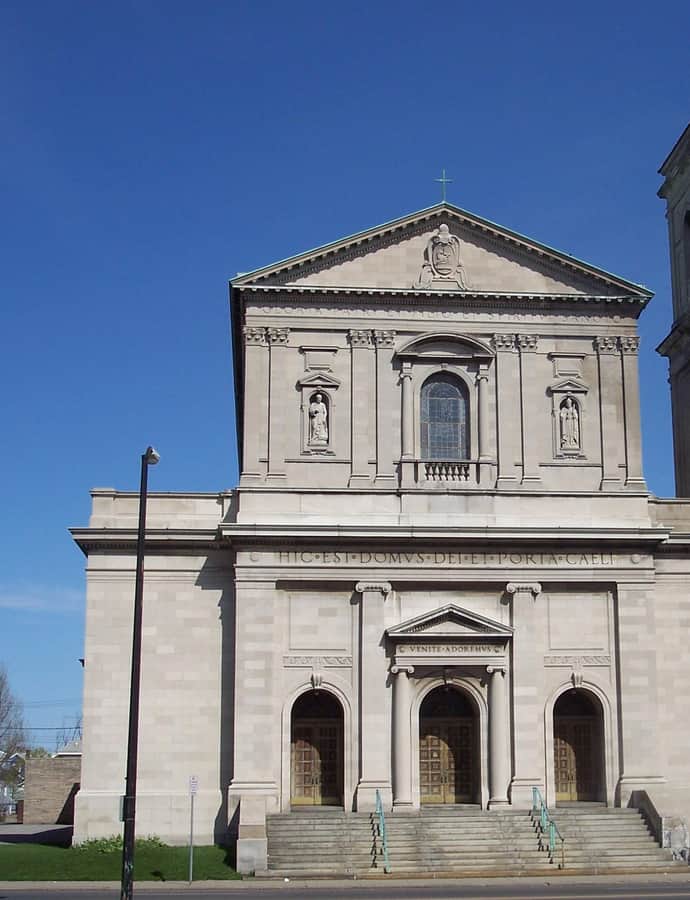
St. Gerard's Roman Catholic Church
St. Gerard's Roman Catholic Church is a Renaissance Revival church completed in 1913.
Photo: Fortunate4now , CC0

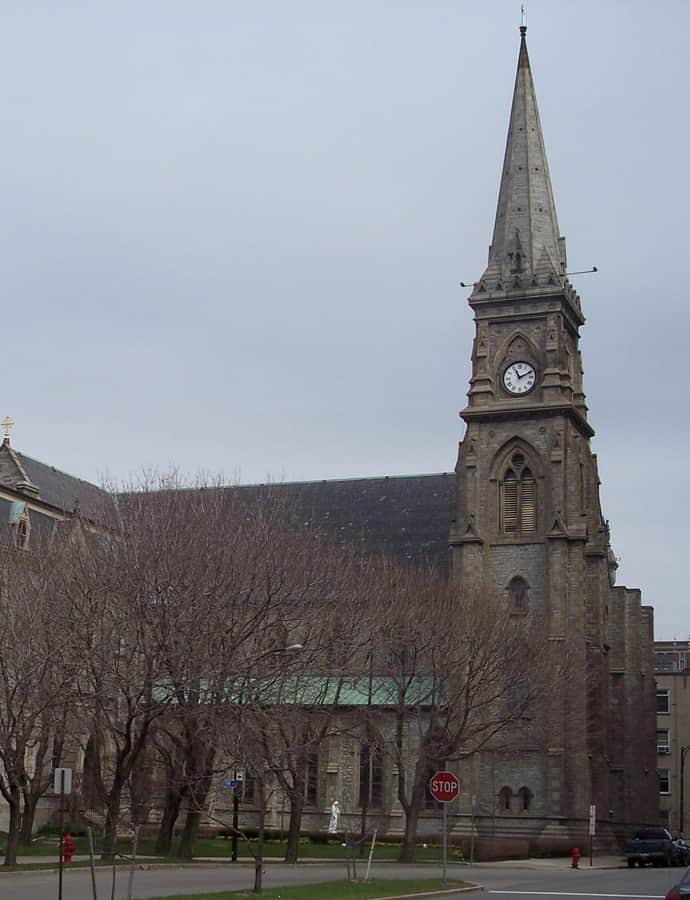
St. Joseph Cathedral in Buffalo
St. Joseph Cathedral in downtown Buffalo was completed in 1862 to a Gothic Revival design by Patrick Charles Keely.
Photo: Fortunate4now , CC0

St. Paul's Cathedral
St. Paul's Cathedral, completed in 1873 in downtown Buffalo, was designed by Richard Upjohn, a nationally significant church architect. Built in the Gothic Revival style, it is a National Historic Landmark and is listed on the National Register of Historic Places.
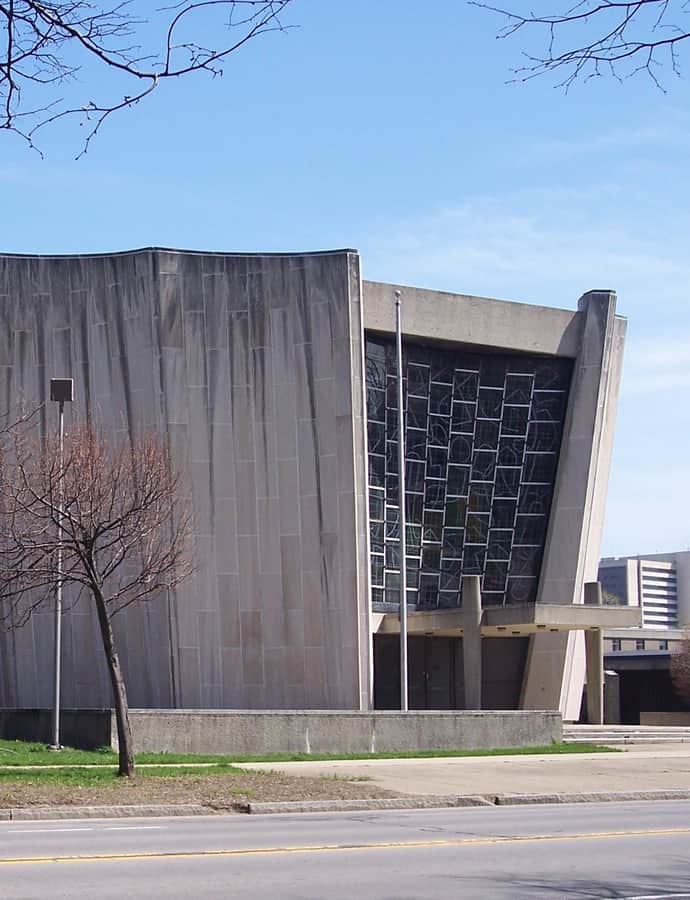
Temple Beth Zion
Temple Beth Zion was completed in 1966, designed by Max Abramovitz — who also co-designed Lincoln Center — in a modern, Brutalist idiom. The synagogue is listed on the National Register of Historic Places.
Photo: Fortunate4now , CC0

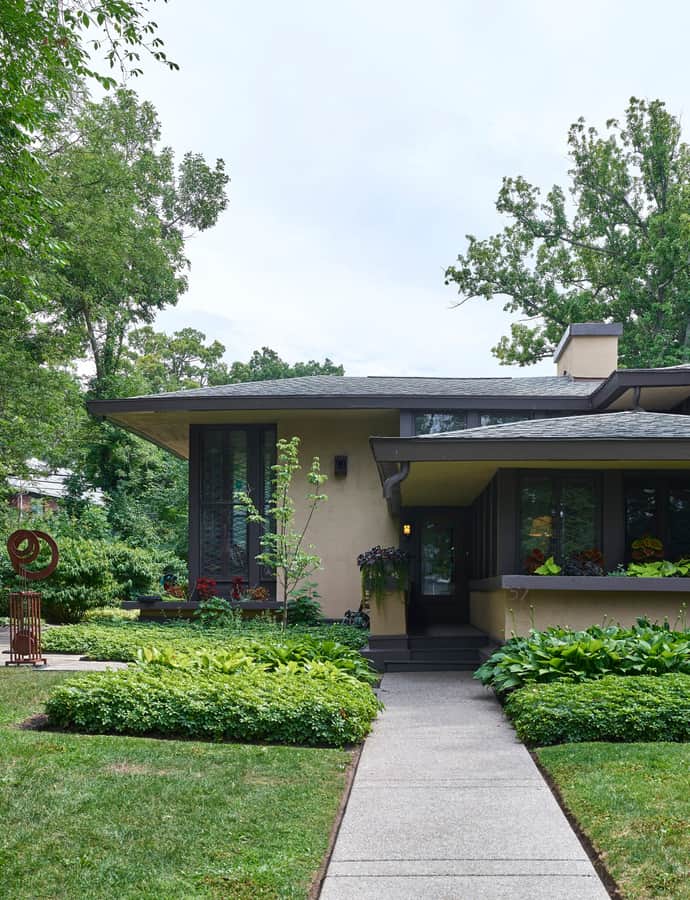
Walter V. Davidson House
The Walter V. Davidson House is a Prairie School design by Frank Lloyd Wright.
Photo: Carol M. Highsmith , Public domain
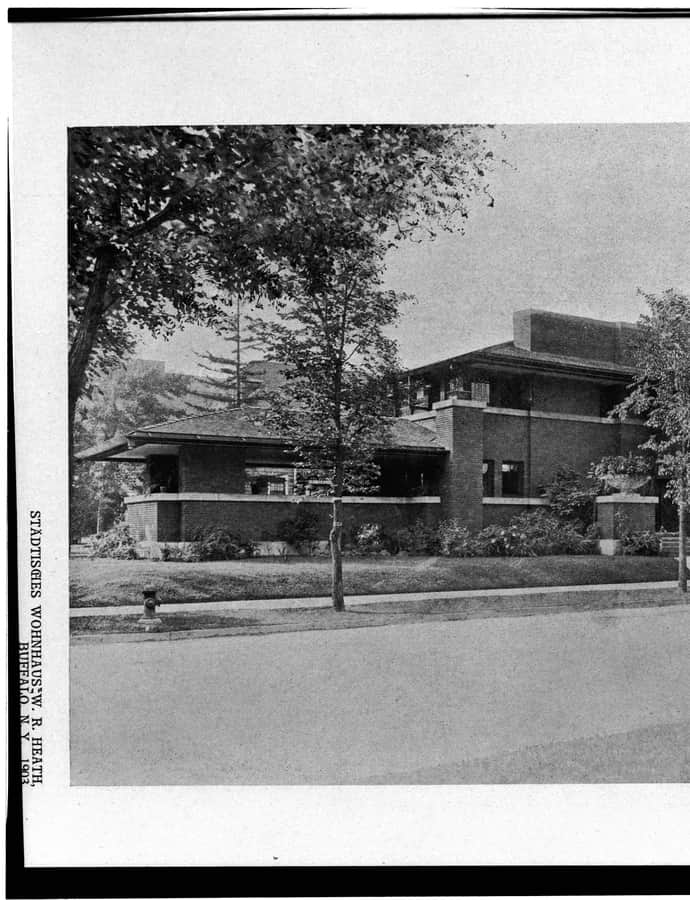
William R. Heath House
The William R. Heath House is a Prairie School design by Frank Lloyd Wright.
Photo: Unknown employee of the United States government , Public domain

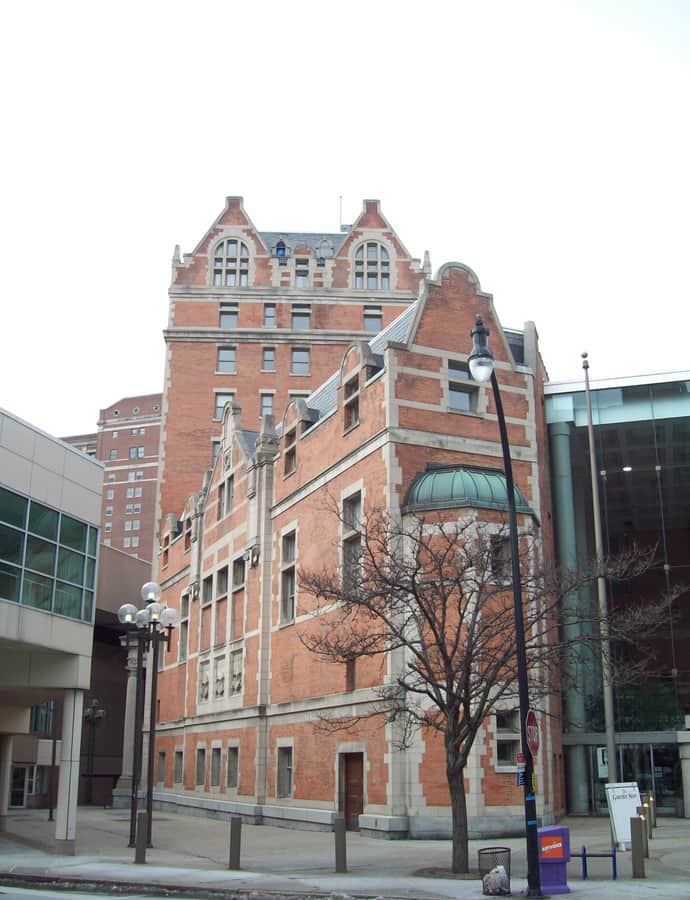
Young Men's Christian Association Central Building
The Young Men's Christian Association Central Building is a downtown Buffalo landmark completed in 1902 in the Renaissance Revival style. It is listed on the National Register of Historic Places.
Photo: Pubdog (talk) , Public domain

Notable buildings
Worth a stop when you're nearby.
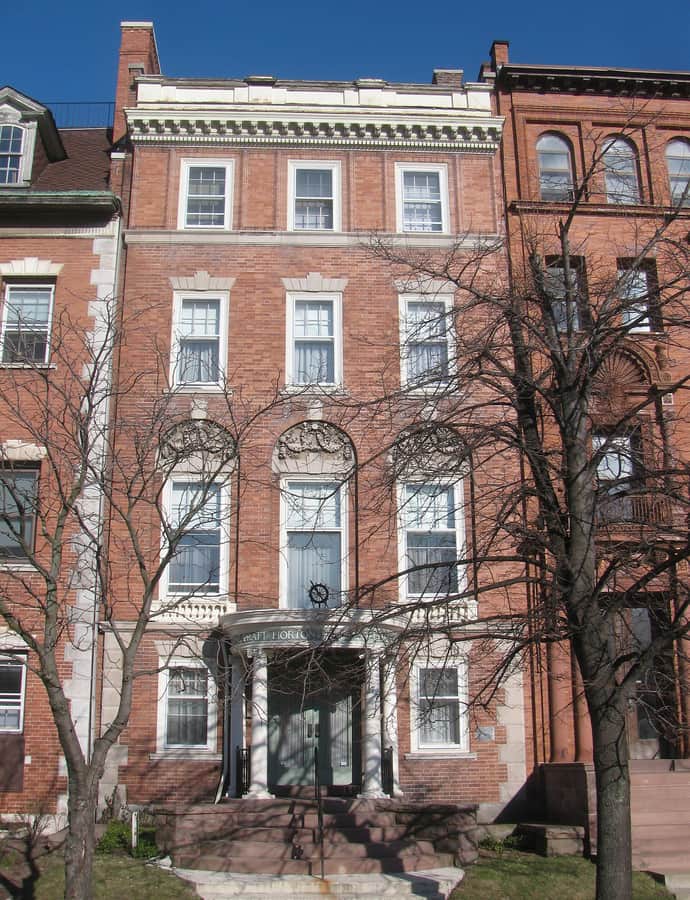
Birge-Horton House
The Birge-Horton House is a Georgian and Georgian Revival residence in downtown Buffalo, designed by architect Edward Brodhead Green. It is listed on the National Register of Historic Places.
Photo: TonyTheTiger , CC BY-SA 3.0

Landmark
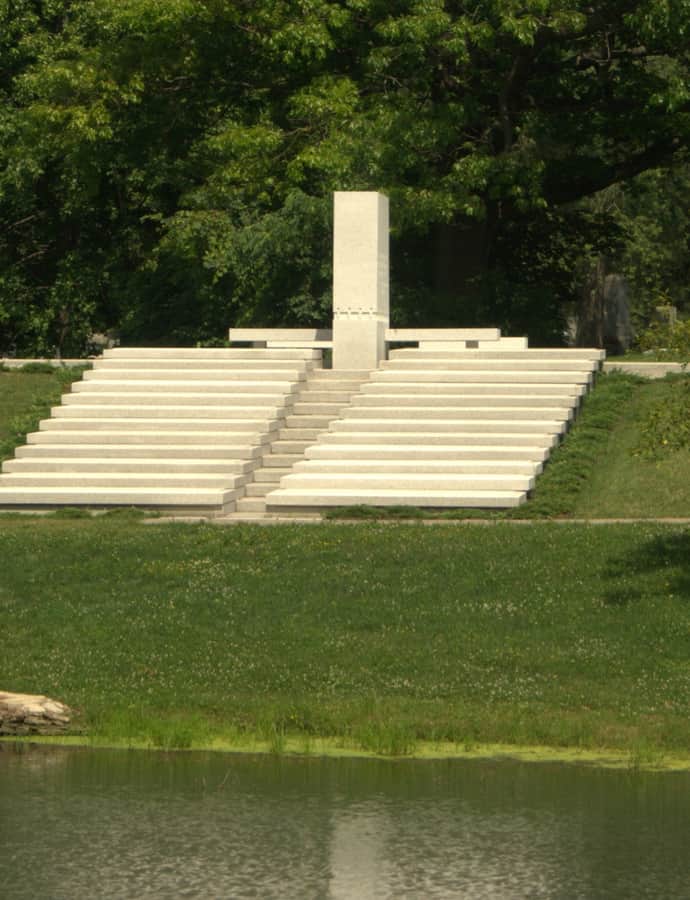
Blue Sky Mausoleum
The Blue Sky Mausoleum is a small structure designed by Frank Lloyd Wright.
Photo: Dave Pape , Public domain

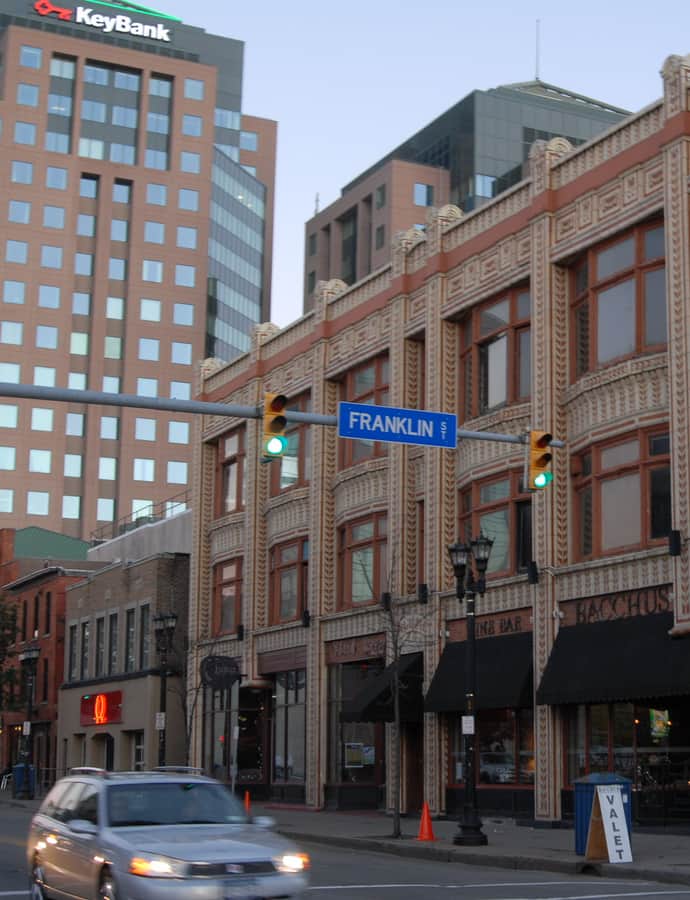
The Calumet
The Calumet is a downtown Buffalo commercial building designed by architect James A. Johnson in the Chicago School style. It is listed on the National Register of Historic Places.
Photo: isabelle , CC BY-SA 2.0

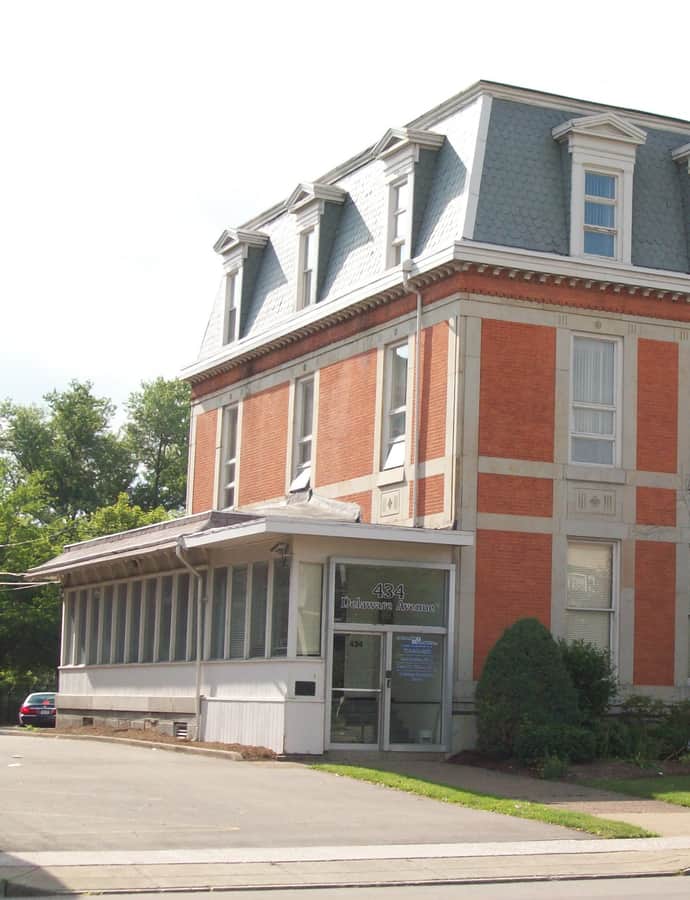
William Dorsheimer House
The William Dorsheimer House is a downtown Buffalo residence designed by Henry Hobson Richardson in the Renaissance Revival style. It is listed on the National Register of Historic Places and stands as an early commission in Richardson's career.
Photo: Pubdog (talk) , Public domain

Hidden gems
Fine buildings that fewer people seek out.
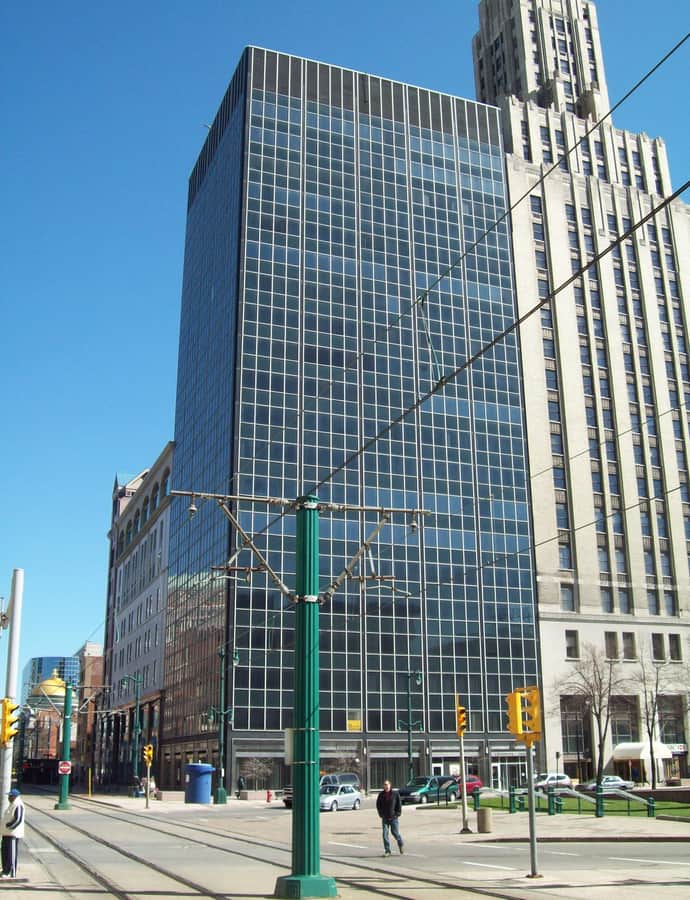
10 Lafayette Square
10 Lafayette Square is a downtown Buffalo building designed by architect Emery Roth in the International Style. It is listed on the National Register of Historic Places.
Photo: Pubdog , Public domain

Landmark
Charles & Marie Fontana Boathouse
The Charles & Marie Fontana Boathouse was designed by architect Frank Lloyd Wright.
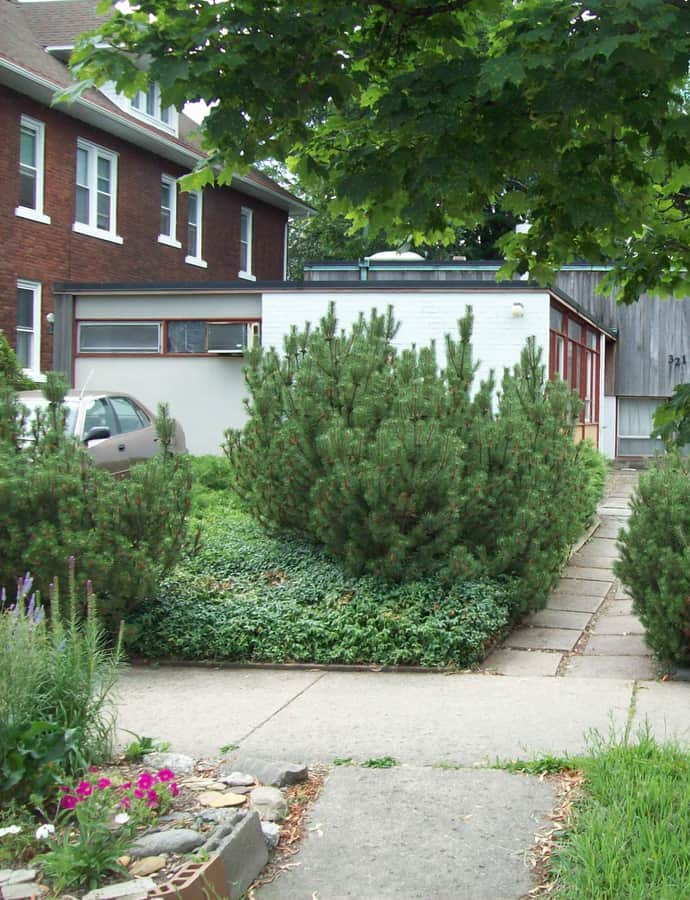
Robert T. Coles House and Studio
The Robert T. Coles House and Studio was designed by Robert T. Coles, a pioneering Black modernist architect, as his own house and studio. It is a National Register of Historic Places listed place, notable as the residence of a pioneering African American architect.
Photo: Pubdog , Public domain

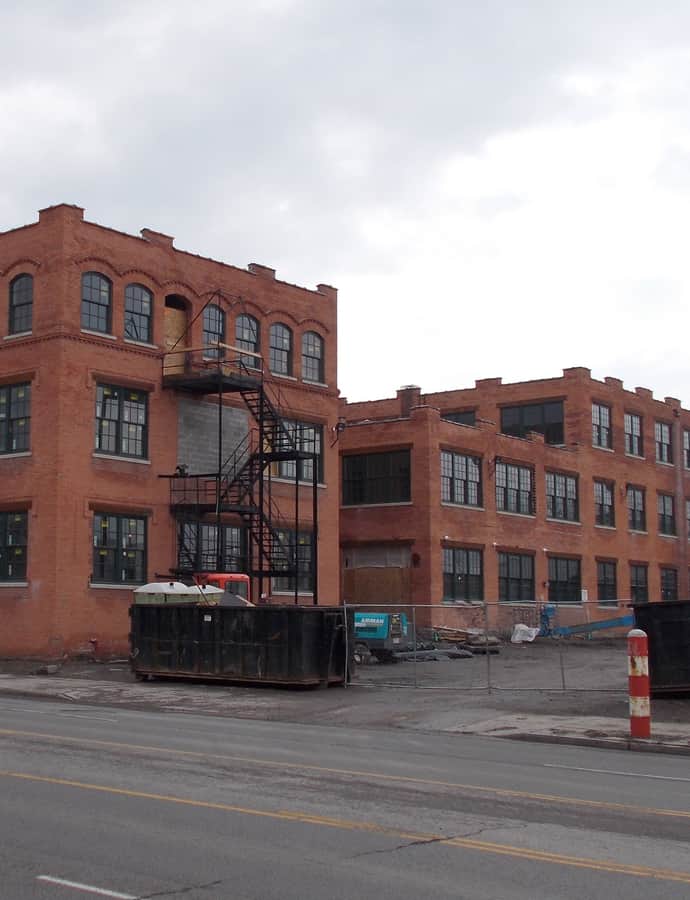
Taylor Signal Company-General Railway Signal Company
The Taylor Signal Company-General Railway Signal Company building dates to 1906 and was designed by the firm Esenwein & Johnson in the Gothic Revival style for an industrial signal works. It is listed on the National Register of Historic Places.
Photo: Pubdog , CC BY-SA 3.0

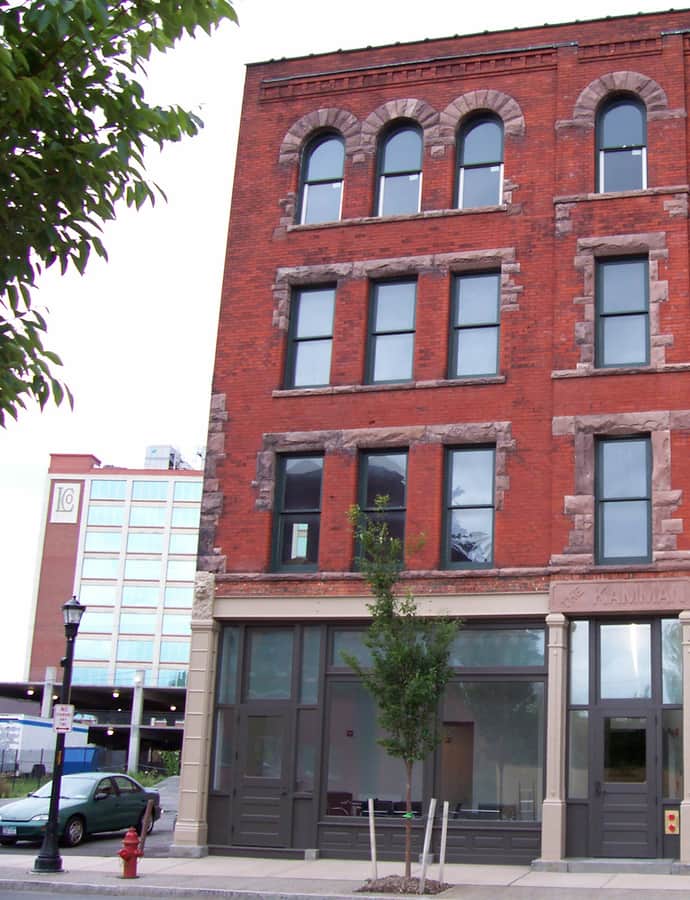
The Kamman Building
The Kamman Building is a named commercial building designed by architect F.W. Caulkins in the Romanesque Revival style. It is listed on the National Register of Historic Places.
Photo: Robert Harney , CC BY-SA 4.0
