
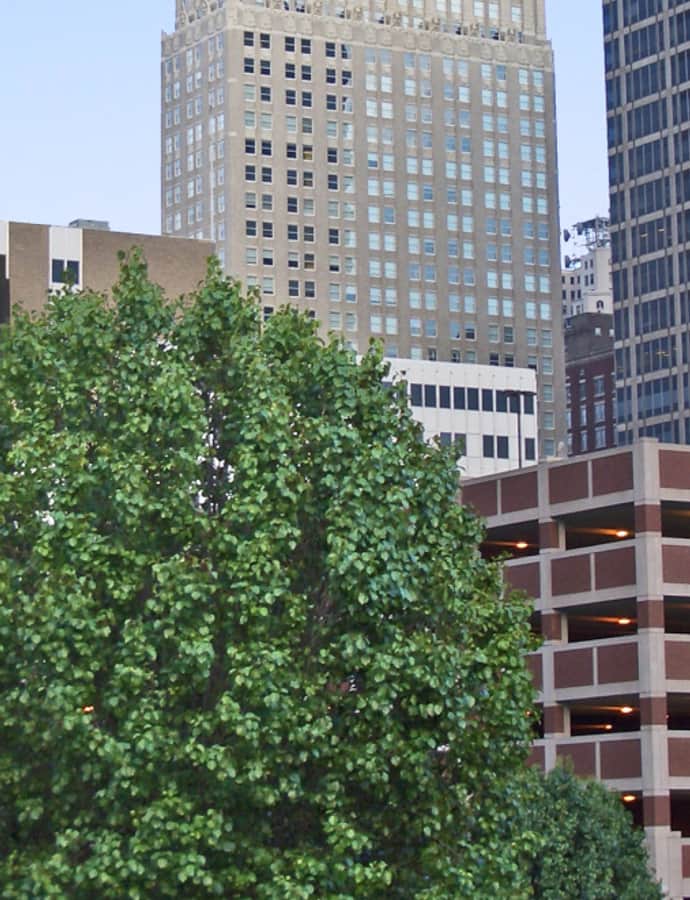
909 Walnut
909 Walnut is a 1930 Art Deco tower in downtown Kansas City, designed by the firm Hoit, Price and Barnes. The building gives strong street presence downtown with its Art Deco tower form.
Photo: User:Charvex , Public domain
City guide
56 buildings worth a detour, each with what to look for. Open them on the map, or walk them with the iPhone app, which collects each one you photograph.
The buildings that define the city's architecture.
909 Walnut is a 1930 Art Deco tower in downtown Kansas City, designed by the firm Hoit, Price and Barnes. The building gives strong street presence downtown with its Art Deco tower form.
Photo: User:Charvex , Public domain
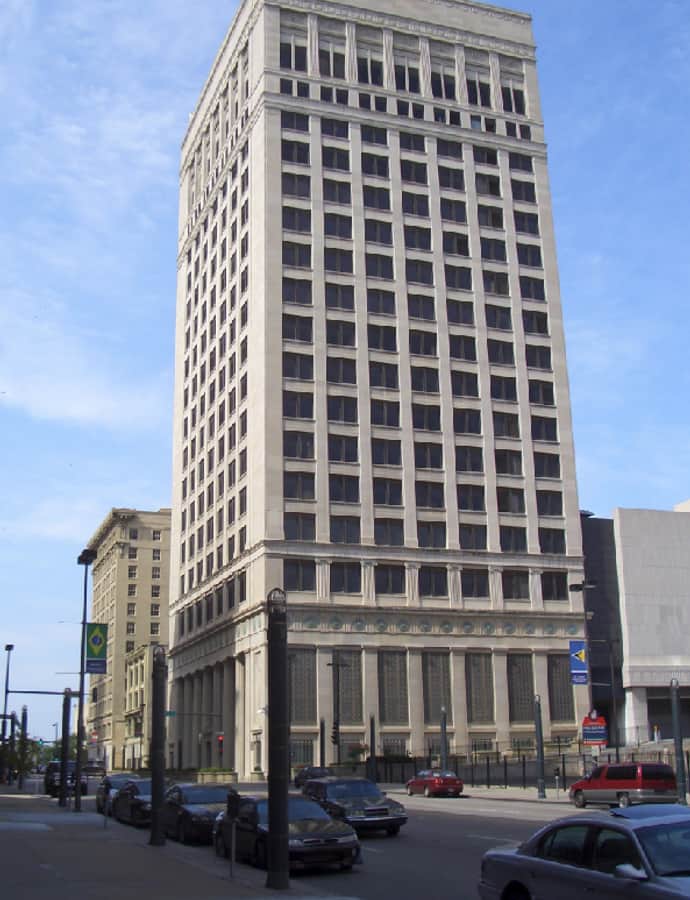
925 Grand is a 1921 Neoclassical building in downtown Kansas City, designed by Graham, Anderson, Probst & White together with Kivett and Myers. Its Neoclassical facade gives it a strong presence on the street, and it is listed on the National Register of Historic Places.
Photo: User:Charvex , Public domain
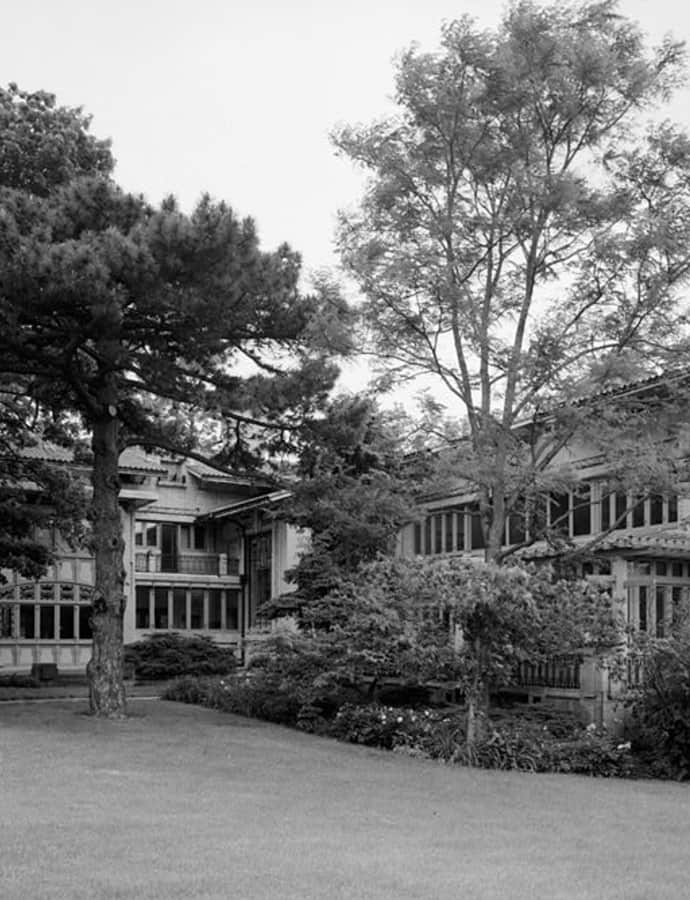
The Bernard Corrigan House was designed by Louis Curtiss, a notable regional architect, in the Prairie School style. It is listed on the National Register of Historic Places.
Photo: Photograph by Jack E. Boucher , Public domain
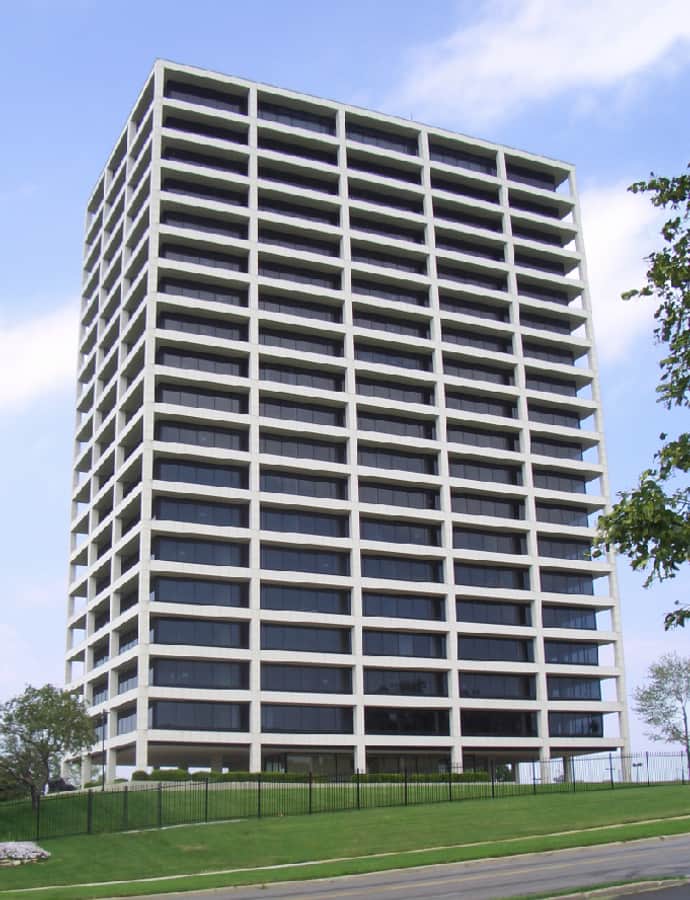
BMA Tower is an International Style tower individually listed on the National Register of Historic Places.
Photo: User:Charvex , Public domain
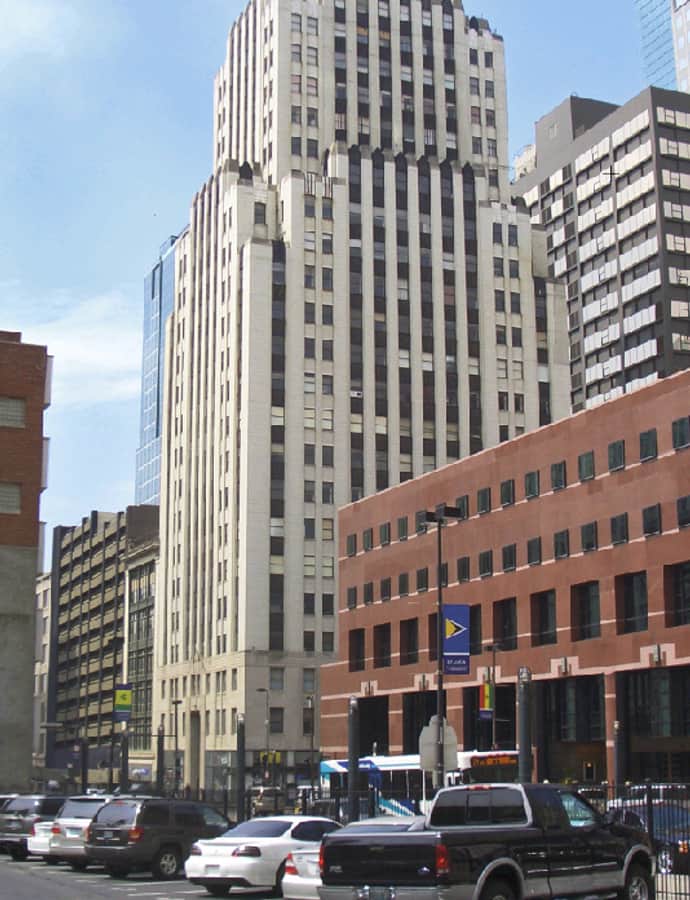
The Bryant Building is a 1930 Art Deco skyscraper in downtown Kansas City, designed by Graham, Anderson, Probst & White, a nationally prominent Chicago firm. It is listed on the National Register of Historic Places as an individual listing.
Photo: User:Charvex , Public domain
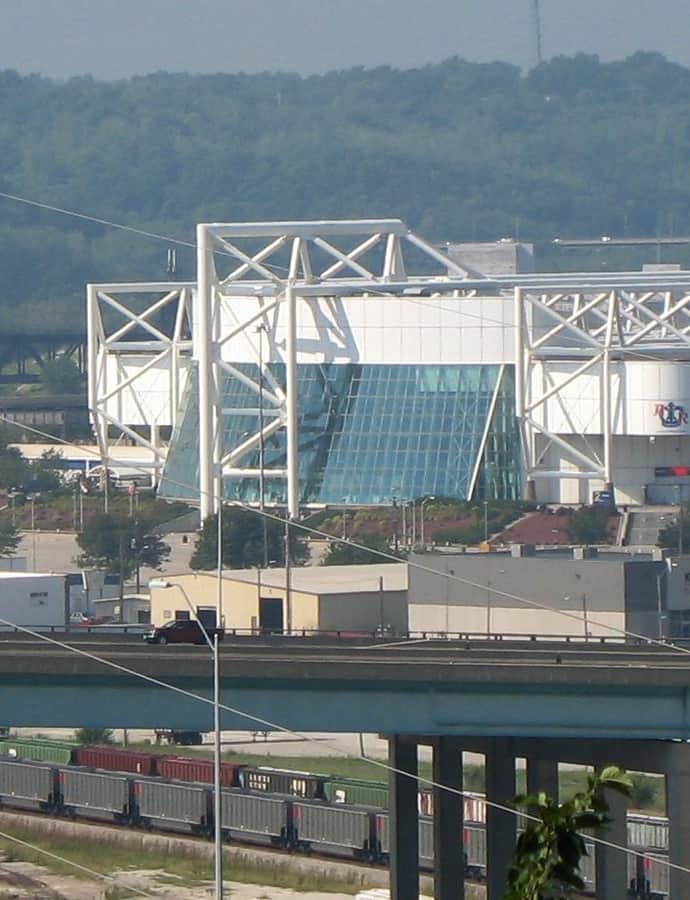
modern architecture
Hy-Vee Arena is a modern-architecture arena building designed by Helmut Jahn, the internationally renowned architect, and is individually listed on the National Register of Historic Places.
Photo: unknown , CC BY-SA 2.5
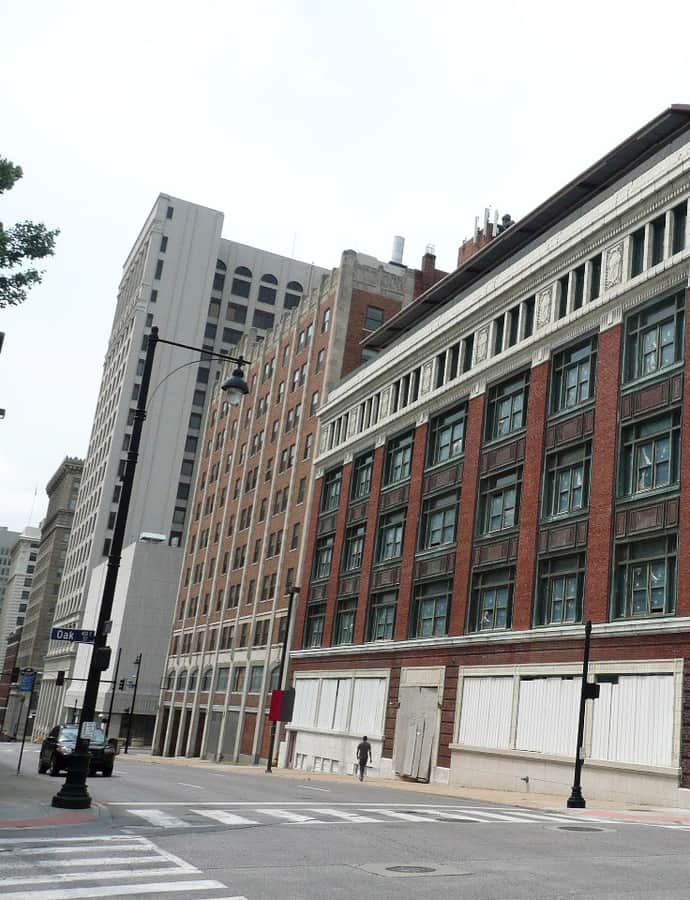
The Insurance Building-Consumers Cooperative Association Building is a downtown Kansas City structure built in the Chicago School style and individually listed on the National Register of Historic Places.
Photo: Mwkruse , CC BY-SA 3.0
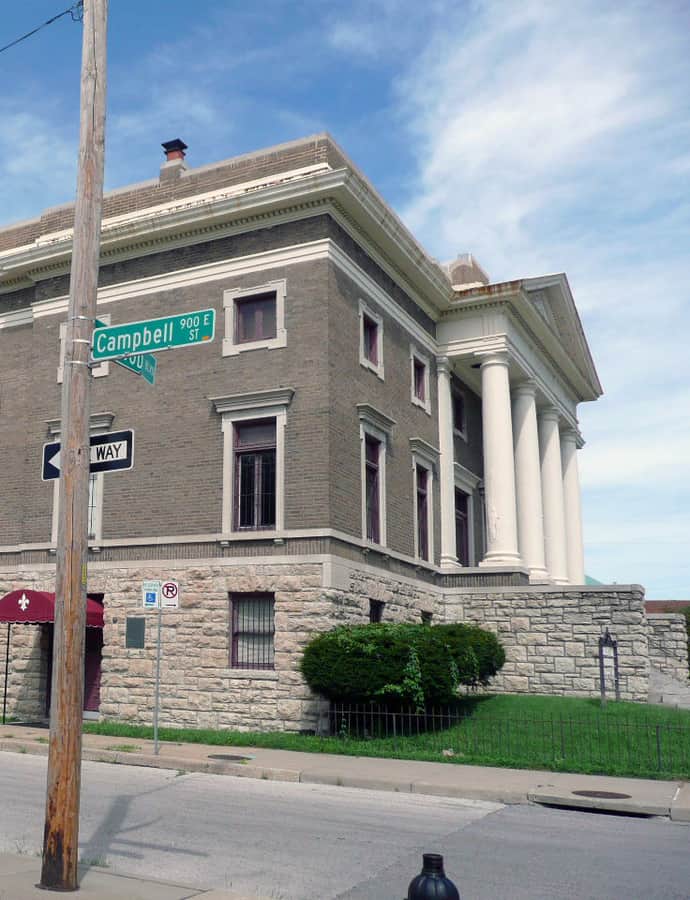
The Kansas City Athenaeum dates to 1914 and is built in the Neoclassical style. It is individually listed on the National Register of Historic Places.
Photo: Mwkruse , CC BY-SA 3.0
Landmark
Kansas City City Hall is a downtown civic landmark designed by the firm Wight and Wight. Its tower is highly visible from the street, anchoring the downtown skyline.
The Kansas City Club Building is a downtown Gothic Revival building designed by the firm Smith, Rea & Lovitt and completed in 1922. It is individually listed on the National Register of Historic Places.
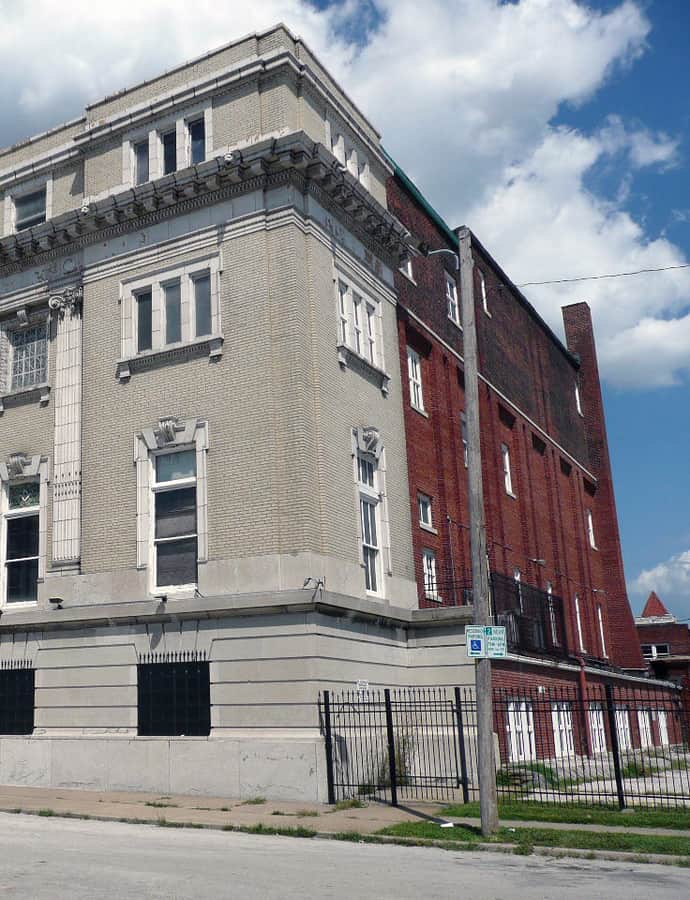
The Kansas City Masonic Temple is a downtown building combining Neoclassical and Beaux-Arts styles, individually listed on the National Register of Historic Places.
Photo: Mwkruse , CC BY-SA 3.0
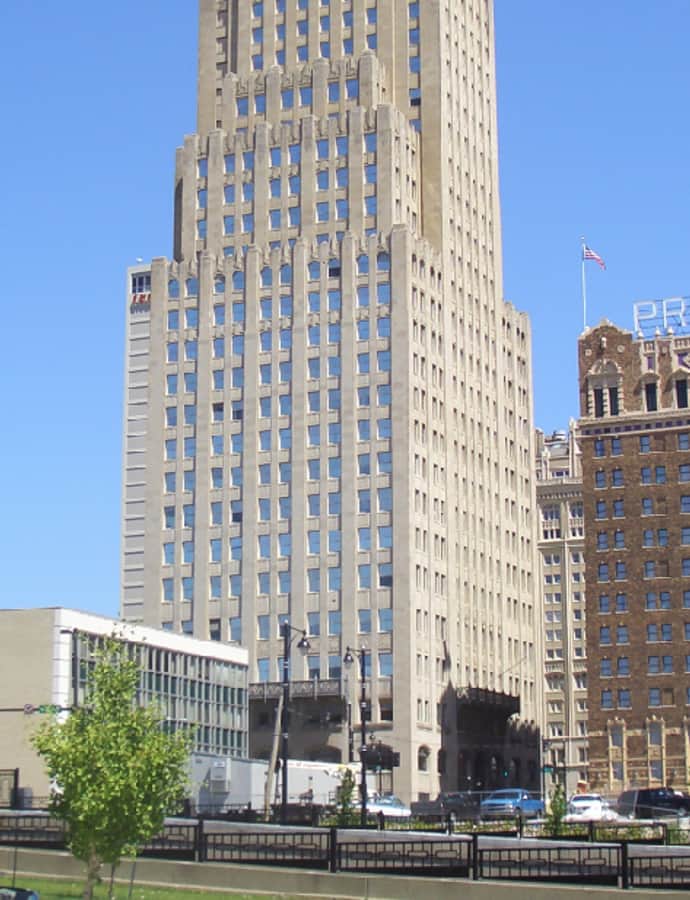
The Kansas City Power and Light Building rose in downtown Kansas City in 1931, designed by the firm Hoit, Price and Barnes. Built in the Art Deco style, it is considered a textbook exemplar of the style and is listed on the National Register of Historic Places.
Photo: User:Charvex , Public domain
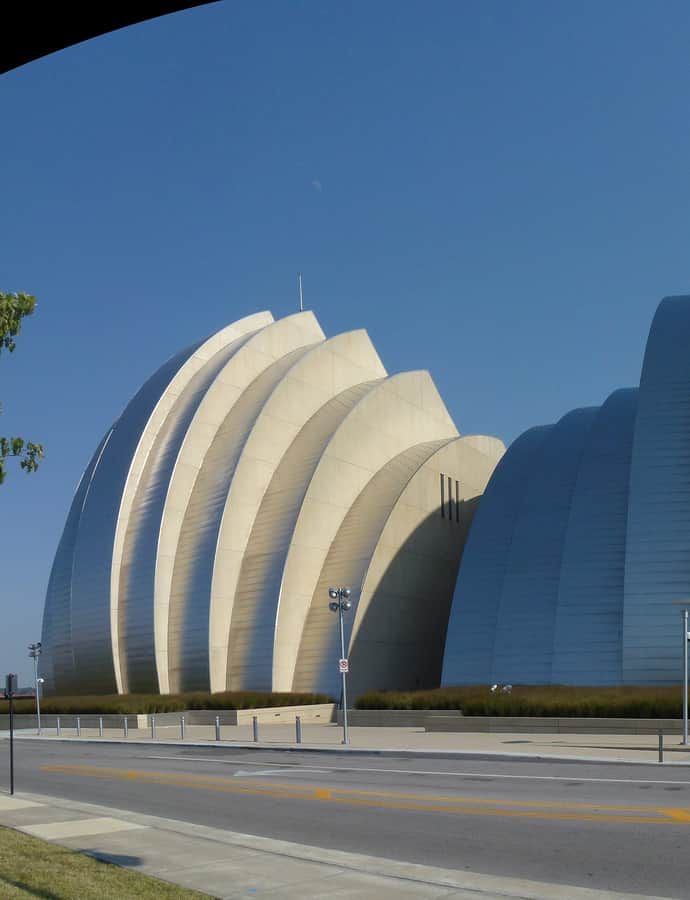
The Kauffman Center for the Performing Arts opened in downtown Kansas City in 2011, designed by Moshe Safdie, an internationally significant architect. The building is known for its innovative shell-form design for its performance halls, giving it a sculptural presence that stands out among the city's cultural buildings.
Photo: Little Mountain 5 , CC BY-SA 3.0
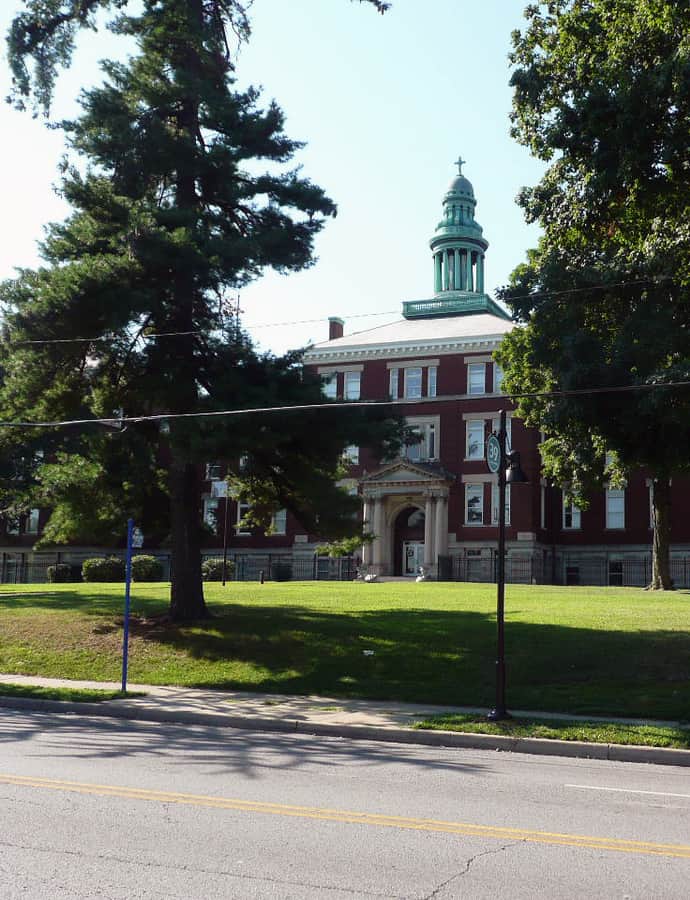
Loretto Academy was designed by the regional architecture firm Barnett, Haynes & Barnett in the Colonial Revival style and is individually listed on the National Register of Historic Places.
Photo: Mwkruse , CC BY-SA 3.0
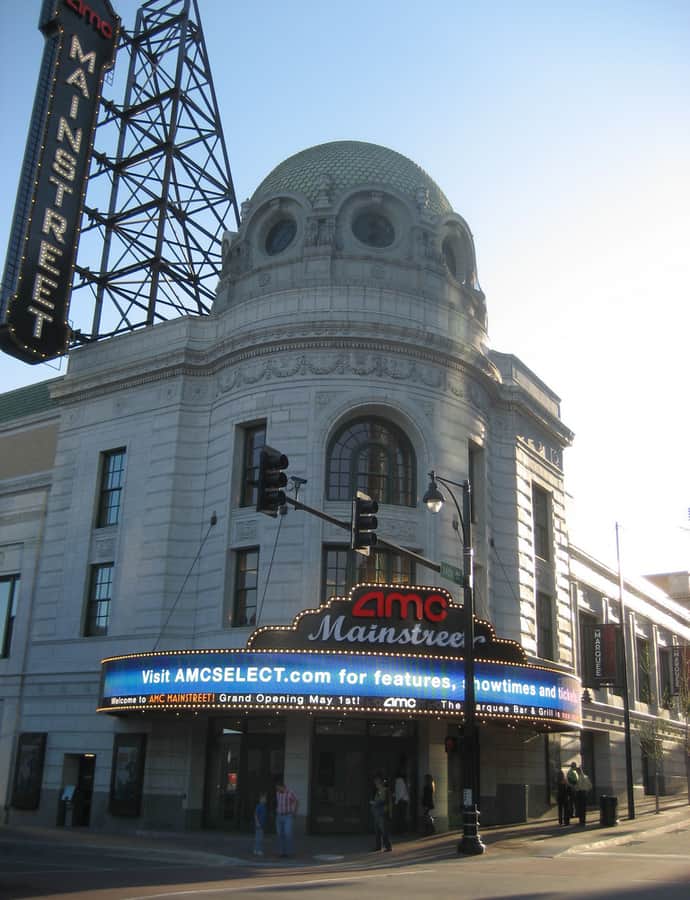
The Mainstreet Theater opened in downtown Kansas City in 1921, designed by Rapp and Rapp, a noted theater architecture firm, in the Beaux-Arts style. As a historic movie palace, it is listed on the National Register of Historic Places.
Photo: Ed Roberts , CC BY 2.0
Landmark
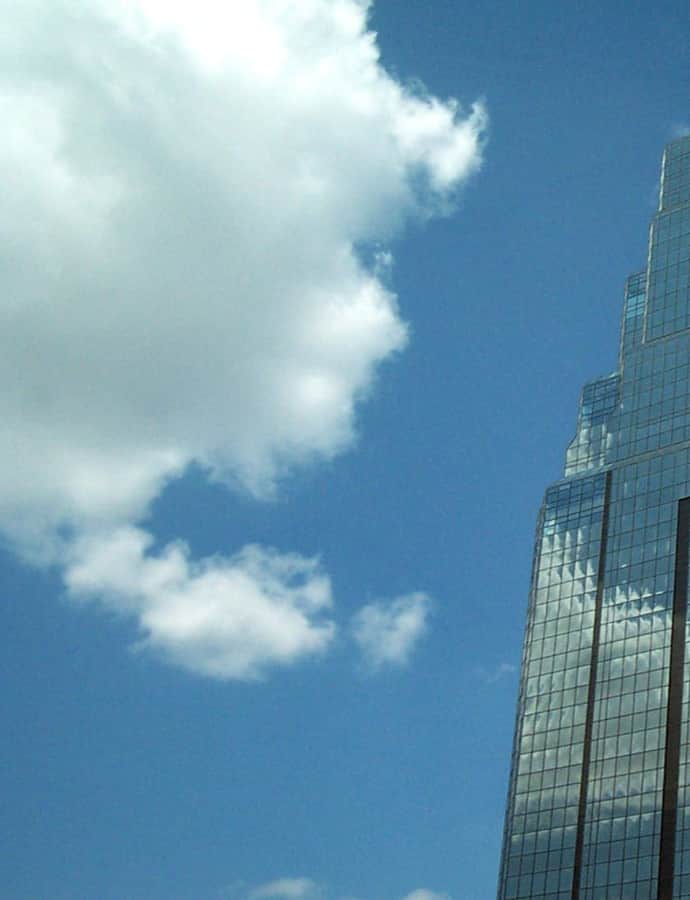
One Kansas City Place is the tallest building in Kansas City, standing downtown and designed by the architecture firm BNIM.
Photo: Iciclenet at en.wikipedia , Public domain
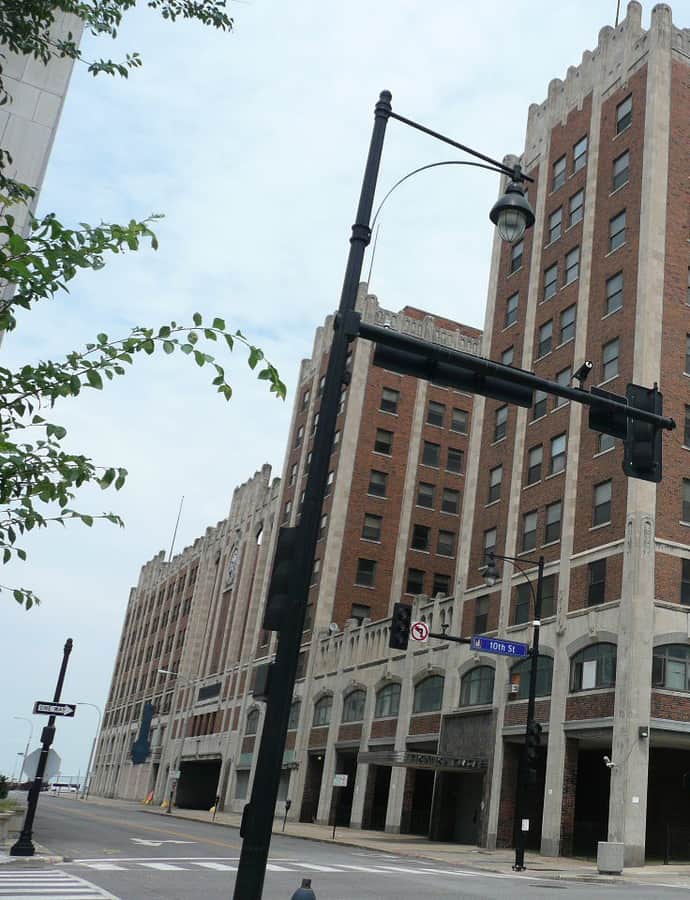
The Pickwick Hotel, Office Building, Parking Garage and Bus Terminal is a downtown Kansas City complex designed by Wight and Wight, a notable Kansas City architecture firm, in the Art Deco style. Combining a hotel, office building, parking garage, and bus terminal in one complex, it is an unusual mixed-use typology and is individually listed on the National Register of Historic Places.
Photo: Mwkruse , CC BY-SA 3.0
modern architecture
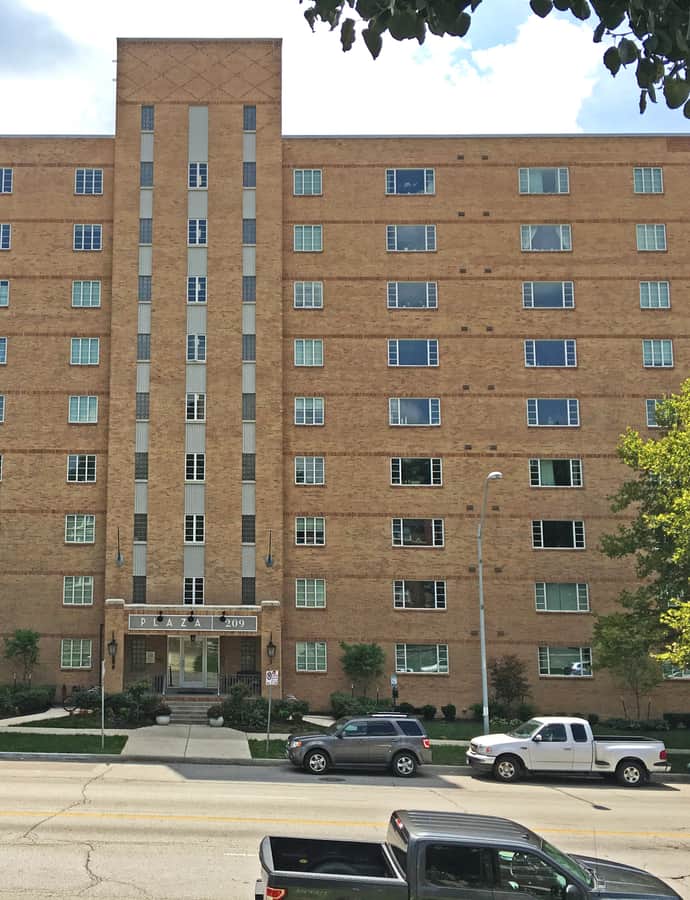
Plaza Towers rises in the Plaza neighborhood in a modern architectural style and is individually listed on the National Register of Historic Places.
Photo: Bartokie , CC BY-SA 4.0
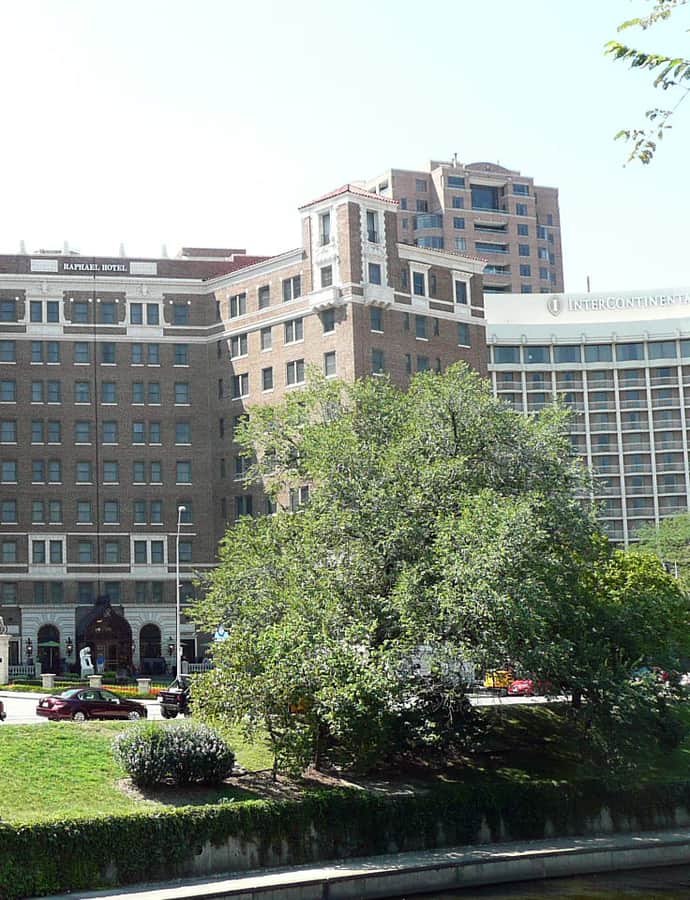
The Raphael Hotel stands in the Plaza neighborhood and is built in the Renaissance Revival style. It is individually listed on the National Register of Historic Places.
Photo: Mwkruse , CC BY-SA 3.0
Sophian Plaza is a Beaux-Arts building in the Plaza neighborhood, individually listed on the National Register of Historic Places.
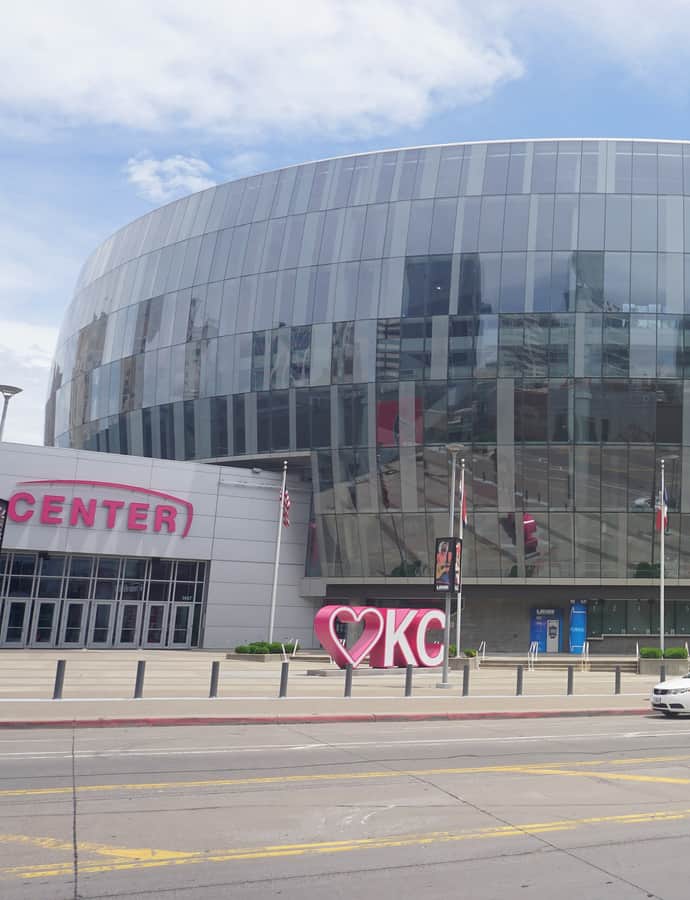
T-Mobile Center is a downtown Kansas City arena completed in 2007, designed by Populous, Ellerbe Becket, and 360 Architecture. Its futurist styling gives it a strong presence in the downtown skyline.
Photo: Michael Barera , CC BY-SA 4.0
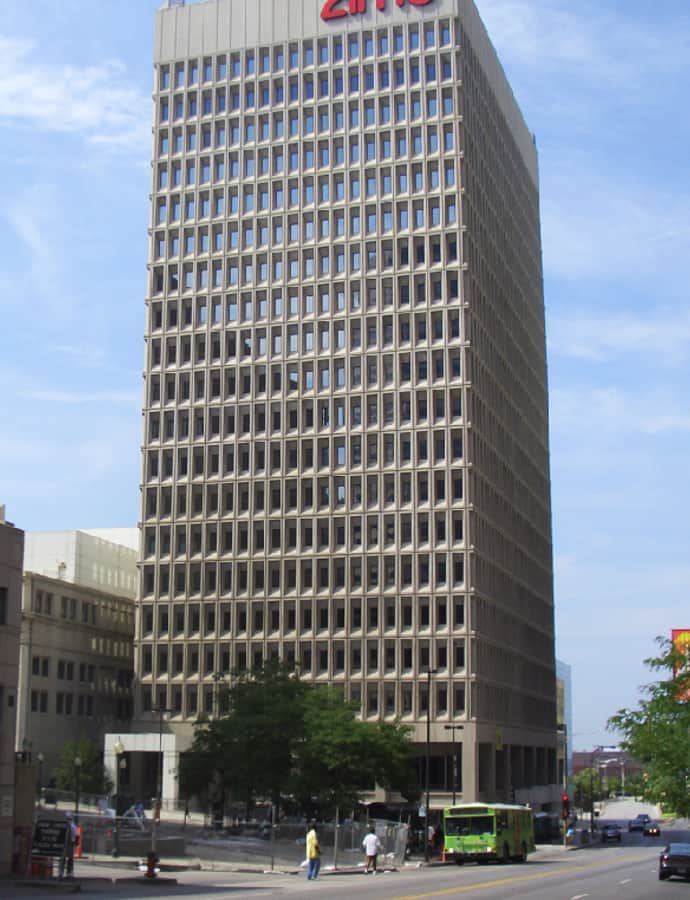
Ten Main Center is a downtown modern-architecture office tower designed by Charles Luckman Associates, a nationally known American architecture firm, and is individually listed on the National Register of Historic Places.
Photo: User:Charvex , Public domain
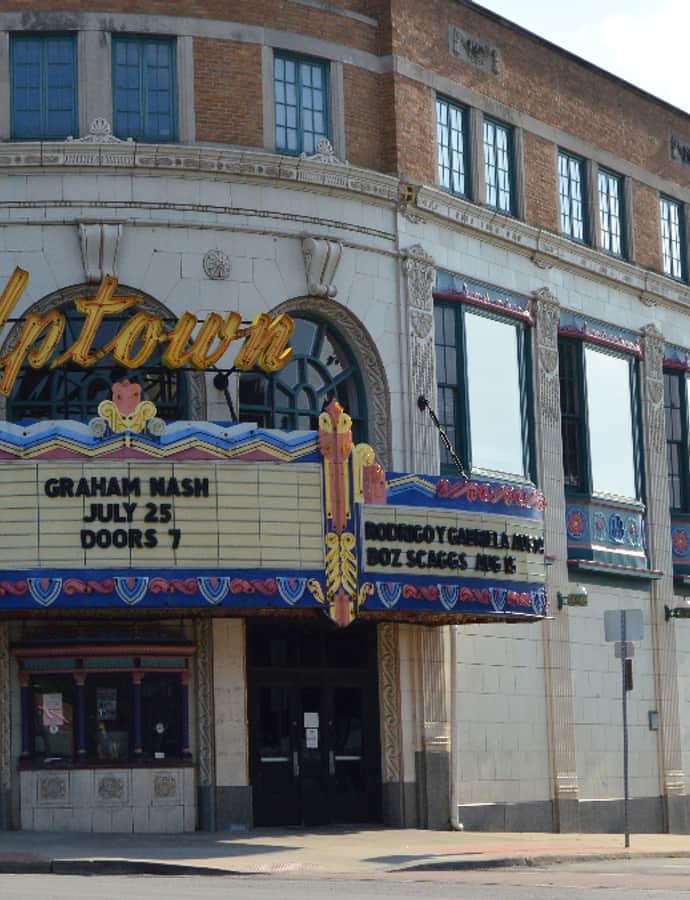
The Uptown Theater is a Renaissance Revival building individually listed on the National Register of Historic Places, with a prominent street-facing facade.
Photo: Sesamehoneytart , CC BY-SA 4.0
Worth a stop when you're nearby.
Landmark
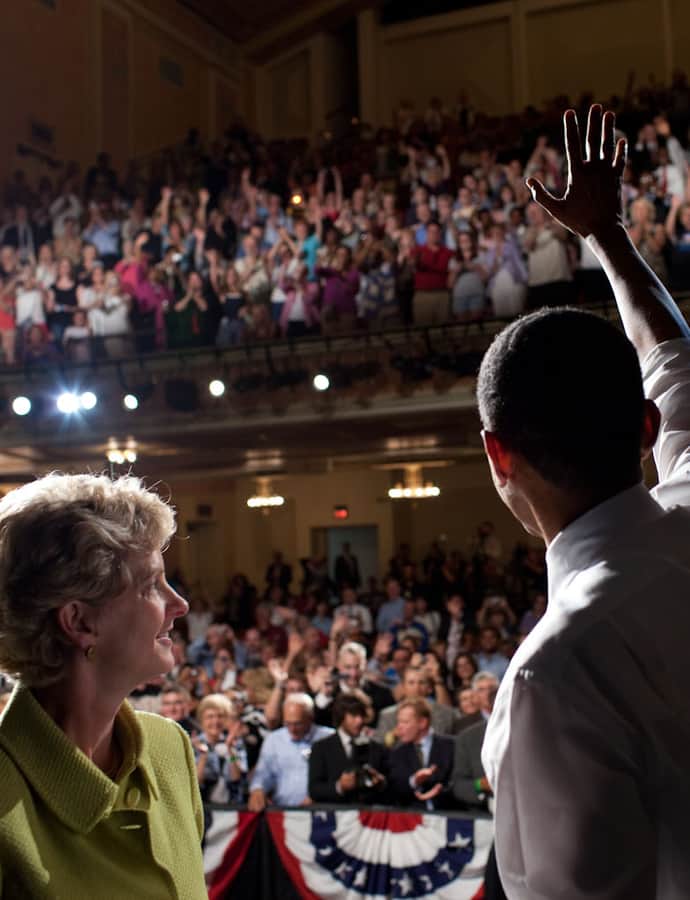
The Folly Theater in downtown Kansas City was designed by Louis Curtiss, a significant regional architect. The historic theater's facade remains visible from the street and its story has long been part of downtown's history.
Photo: Official White House photograph by Pete Souza , Public domain
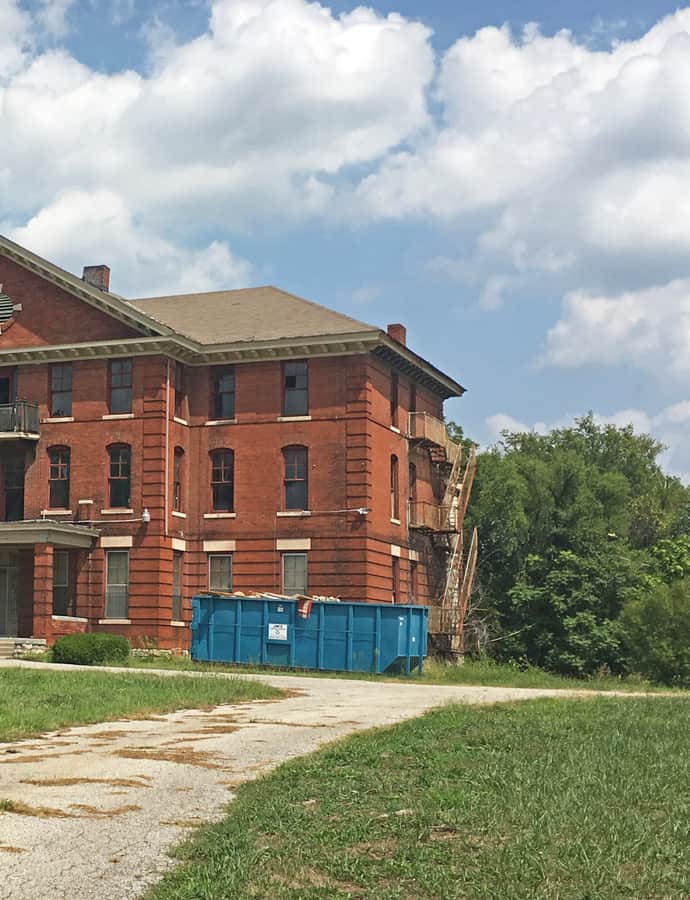
The Gillis Orphans' Home was completed in 1900 in a blend of Colonial Revival and Georgian Revival styles, its residential-institutional facade still visible from the street.
Photo: Bartokie , CC BY-SA 4.0
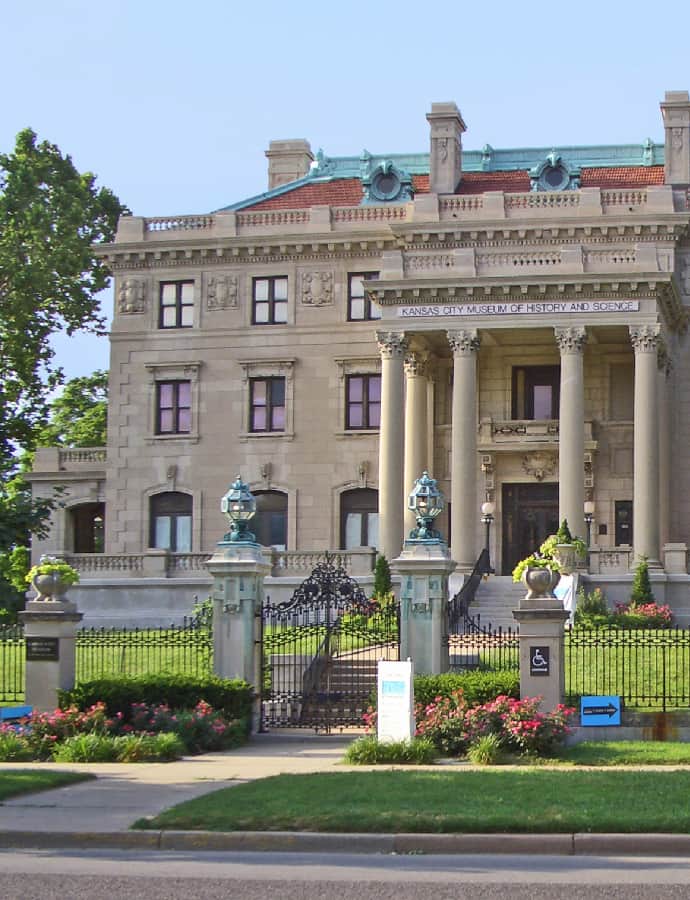
The Kansas City Museum occupies a grand Beaux-Arts mansion completed in 1940 and designed by Henry F. Hoit, a notable Kansas City architect. Its scale and formal massing reflect the Beaux-Arts tradition applied to a private residence turned public institution.
Photo: User:Charvex , Public domain
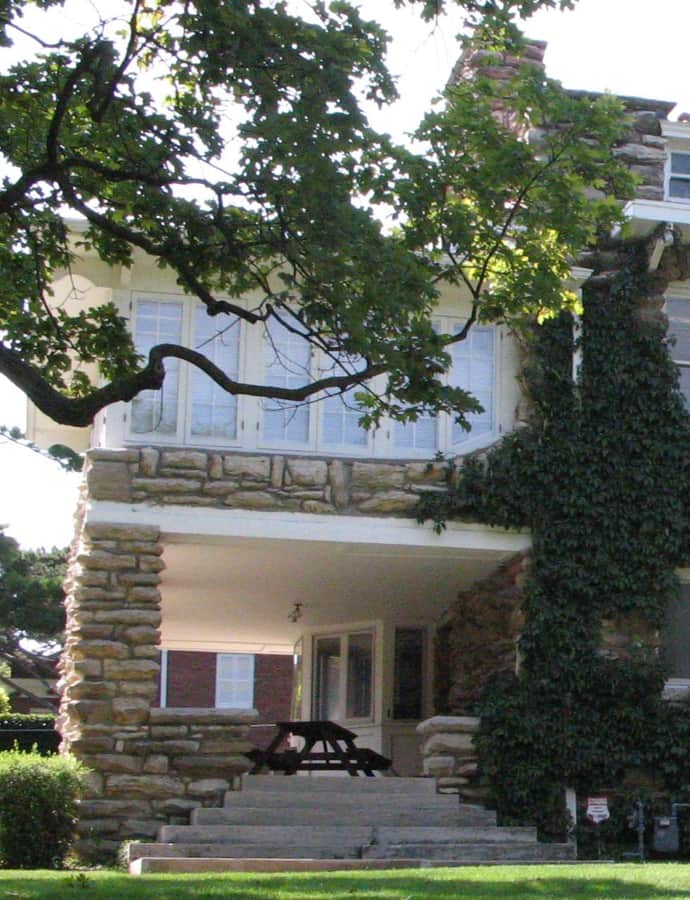
Mineral Hall stands in the Plaza neighborhood of Kansas City, built in the Prairie School style.
Photo: unknown , CC BY-SA 2.5
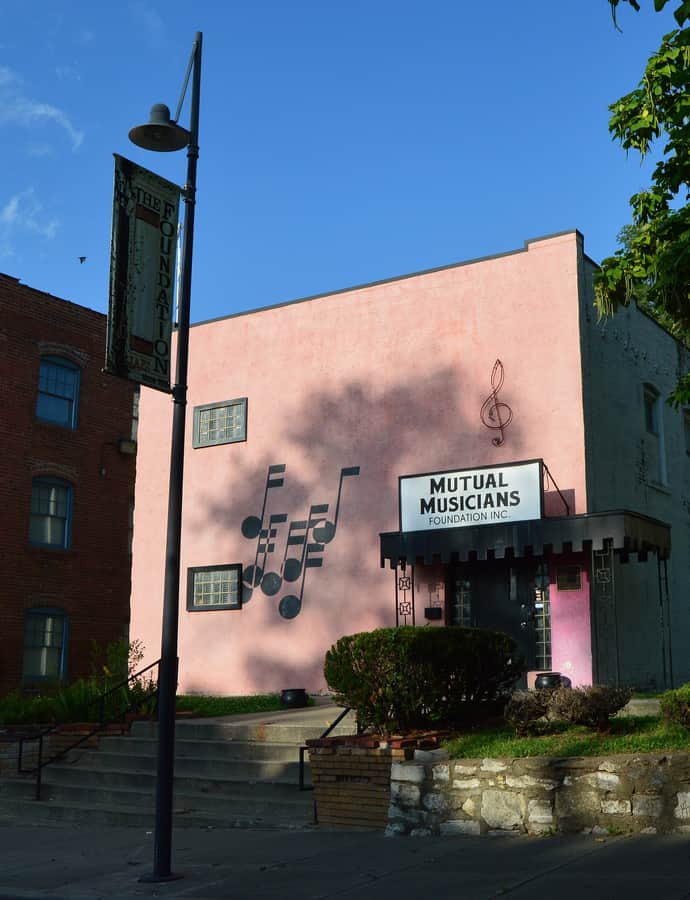
Landmark
The Mutual Musicians' Foundation Building was designed by architect Rudolf Markgraf and is regarded as the birthplace of the Kansas City jazz scene. It carries National Historic Landmark status and is individually listed on the National Register of Historic Places.
Photo: Sesamehoneytart , CC BY-SA 4.0
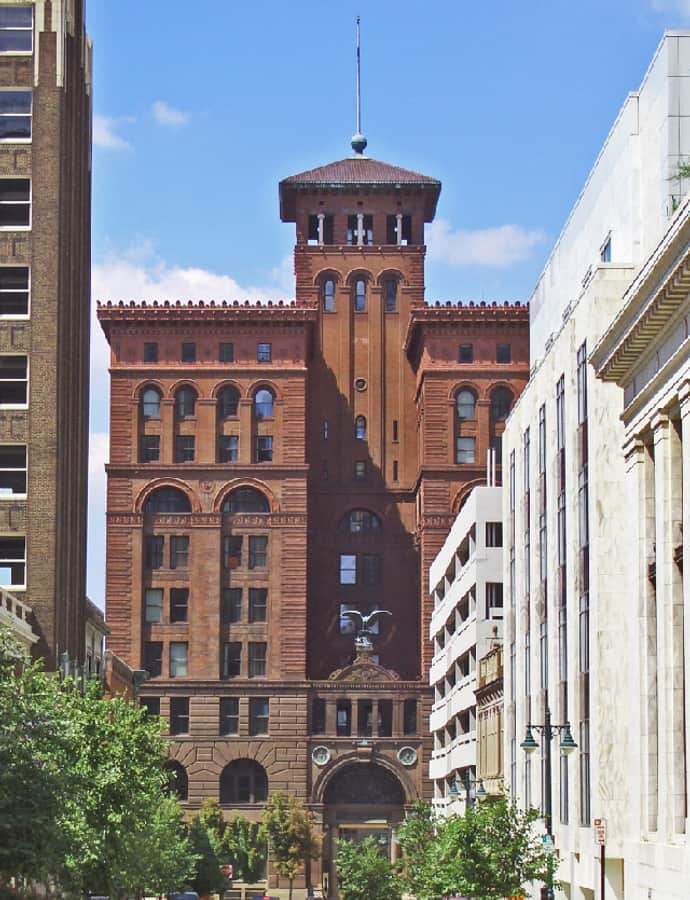
Landmark
The New York Life Building in downtown Kansas City was completed in 1888 to a design by the nationally prominent New York firm McKim, Mead & White. Its presence marked a notable moment in the city's development: a major New York firm building a large commercial building in Kansas City.
Photo: User:Charvex , Public domain
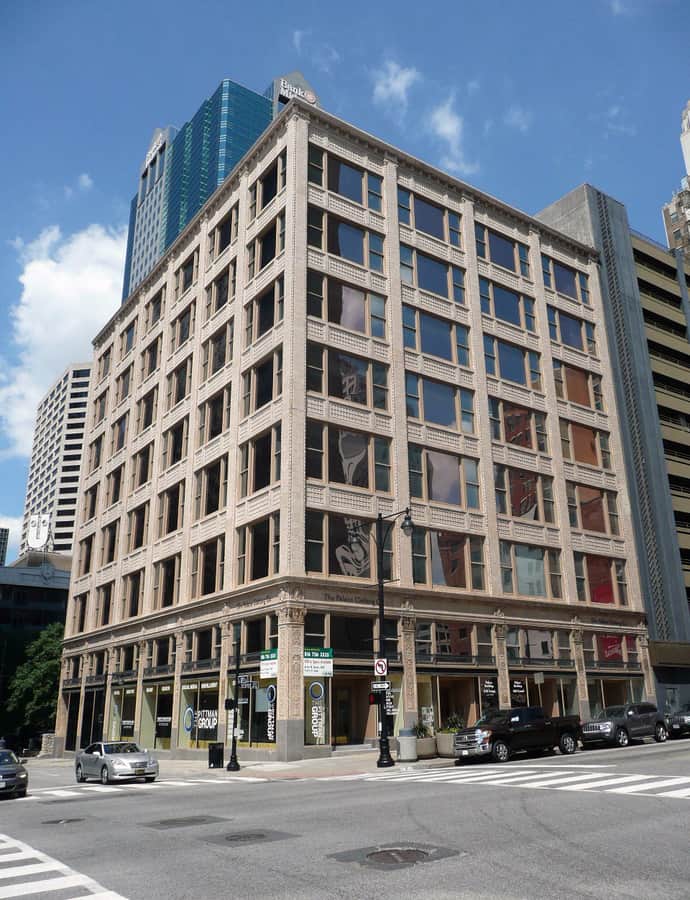
The Palace Clothing Company Building stands in downtown Kansas City as an example of the Chicago School style, listed individually on the National Register of Historic Places.
Photo: Mwkruse , CC BY-SA 3.0
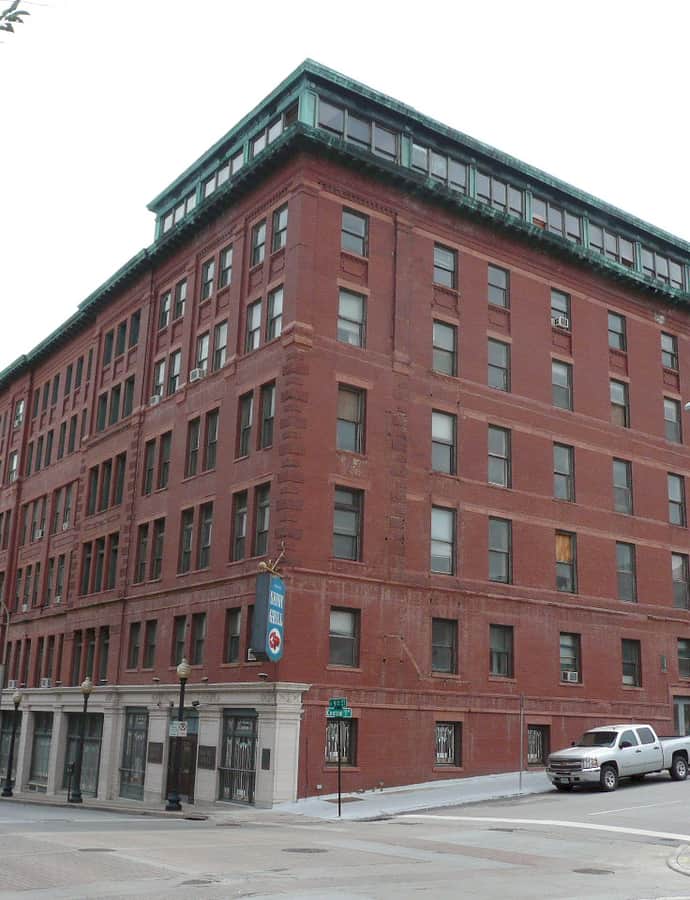
The Savoy Hotel and Grill in downtown Kansas City was designed by architect Henry Van Brunt and completed in 1888 in the Art Nouveau style. The historic hotel and grill has long been a retellable part of the city's downtown story.
Photo: Mwkruse , CC BY-SA 3.0
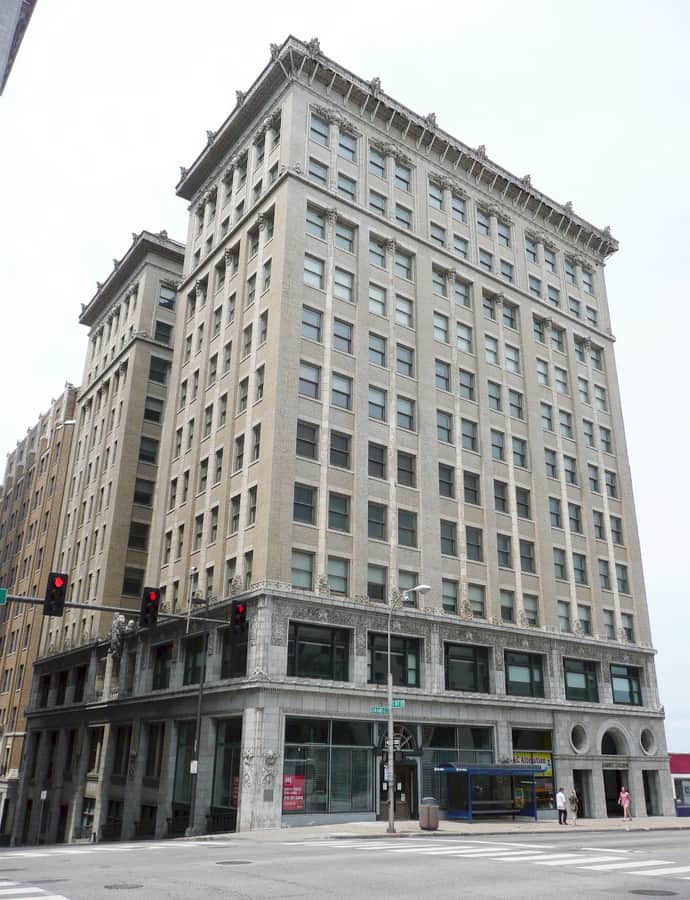
The Scarritt Building and Arcade was built in downtown Kansas City in 1906 in the Chicago School style. It is individually listed on the National Register of Historic Places.
Photo: Mwkruse , CC BY-SA 3.0
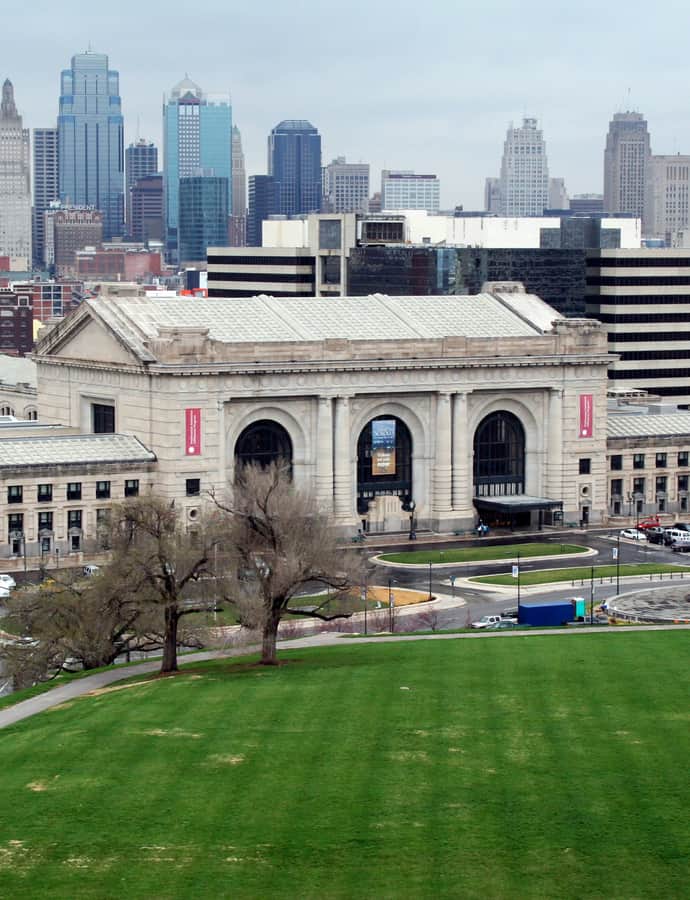
Union Station is a monumental railway terminal in downtown Kansas City, completed in 1914 to the design of architect Jarvis Hunt, who was known for major train stations. Built in the Beaux-Arts style, it gave the city a civic gateway on the scale of the great American terminals of its era.
Photo: John LeCoque , Public domain
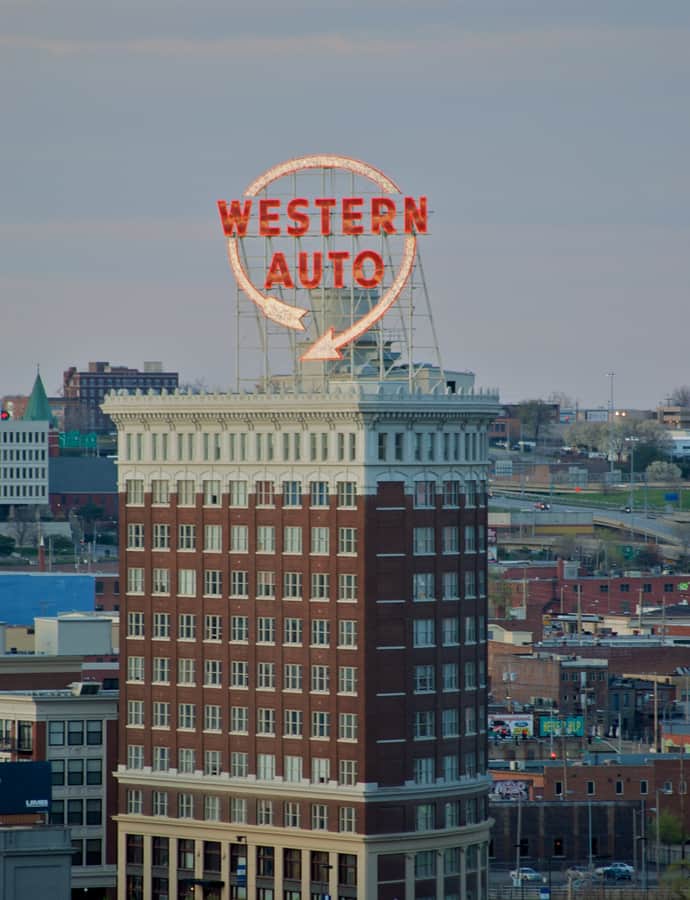
The Western Auto Building rises in downtown Kansas City in the Chicago School style, its commercial-style facade still visible from the street.
Photo: Caleb Zahnd from USA , CC BY 2.0
Fine buildings that fewer people seek out.
Landmark
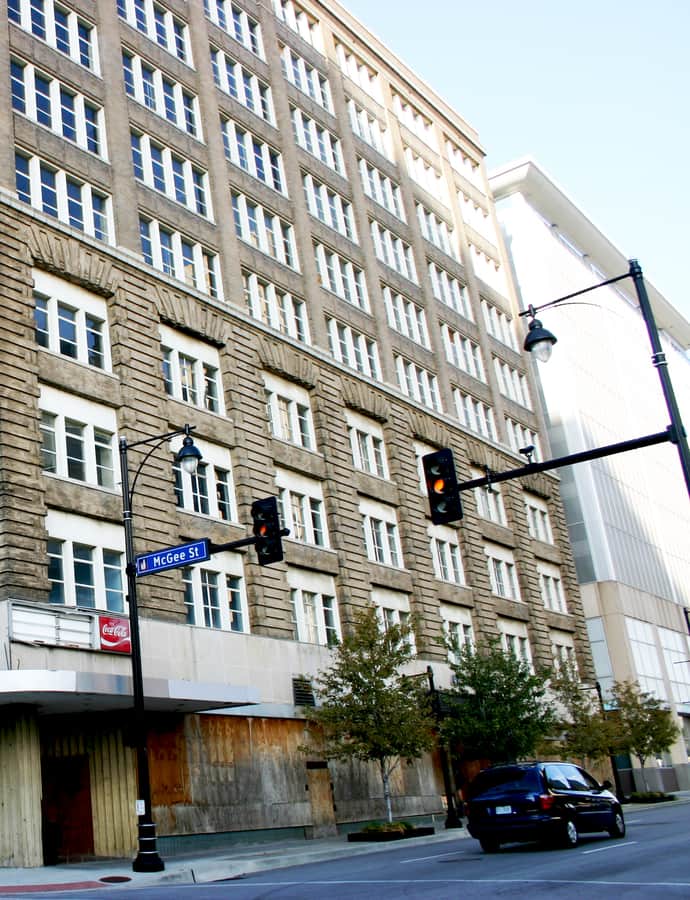
The Argyle Building in downtown Kansas City was built in 1906 by architect Louis Curtiss.
Photo: BrandonMcCall , CC BY-SA 3.0
Landmark
The Bertrand Rockwell House in the Plaza neighborhood was designed by architect Mary Rockwell Hook, a notable regional female architect. It is listed on the National Register of Historic Places.
Landmark
The Emily Rockwell Love House in the Plaza neighborhood was designed by architect Mary Rockwell Hook and is listed on the National Register of Historic Places.
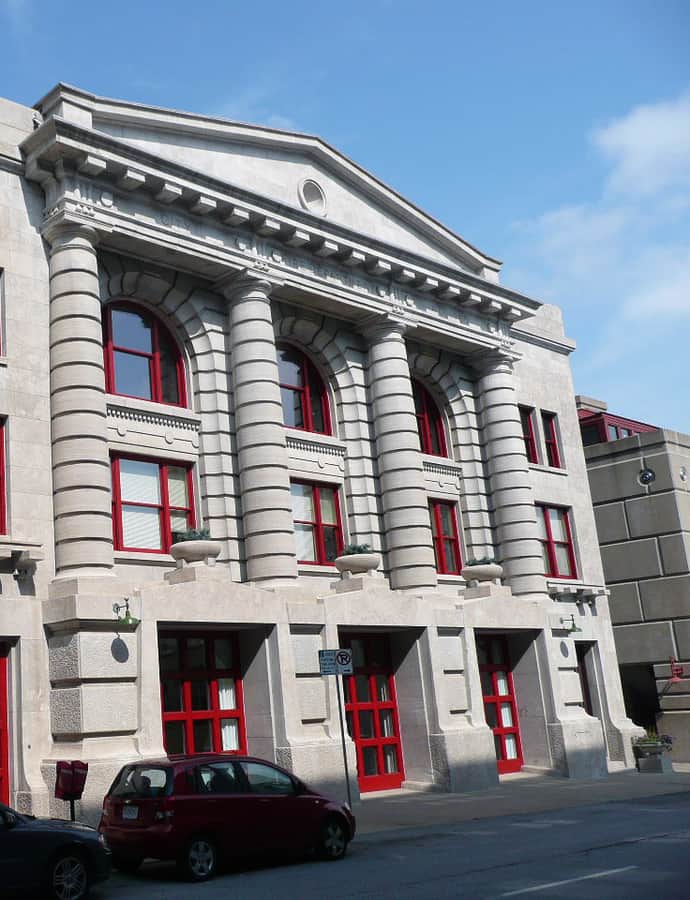
Fire Department Headquarters, also known as Fire Station No. 2, was built in 1905 in downtown Kansas City in the Beaux-Arts style and is listed on the National Register of Historic Places.
Photo: Mwkruse , CC BY-SA 3.0
The Firestone Tire and Rubber Company Service Station was built in 1930 in the Art Deco style and is listed on the National Register of Historic Places.
Landmark
The Floyd Jacobs House is a Plaza-area residence designed by Mary Rockwell Hook and listed on the National Register of Historic Places.
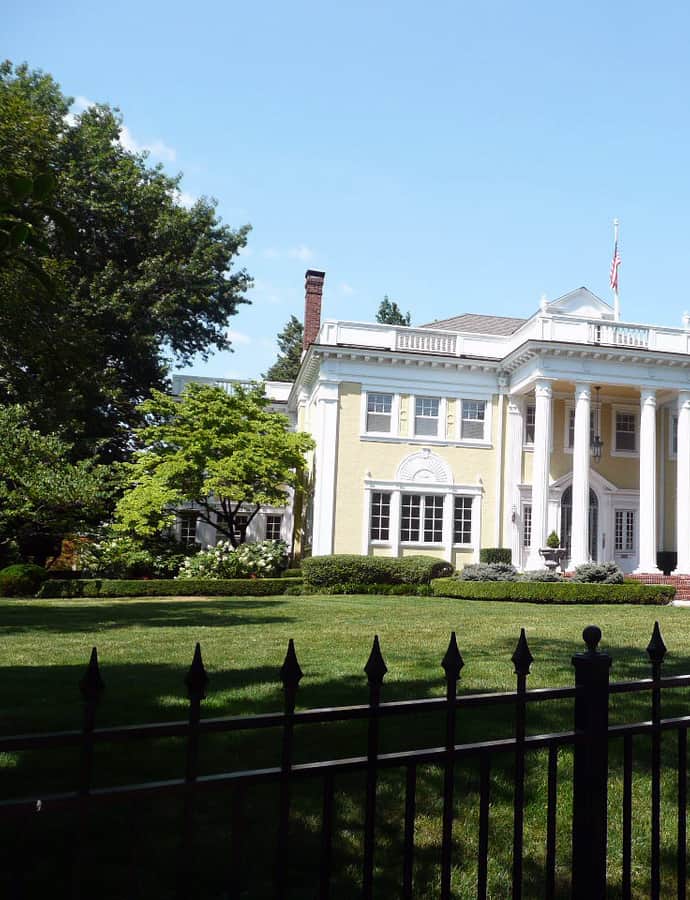
The George E. Nicholson House was designed by the firm Wight and Wight in the Neoclassical style and is listed on the National Register of Historic Places.
Photo: Mwkruse , CC BY-SA 3.0
Landmark
The House at 5011 Sunset Drive is a Plaza-area residence designed by Mary Rockwell Hook and listed on the National Register of Historic Places.
Landmark
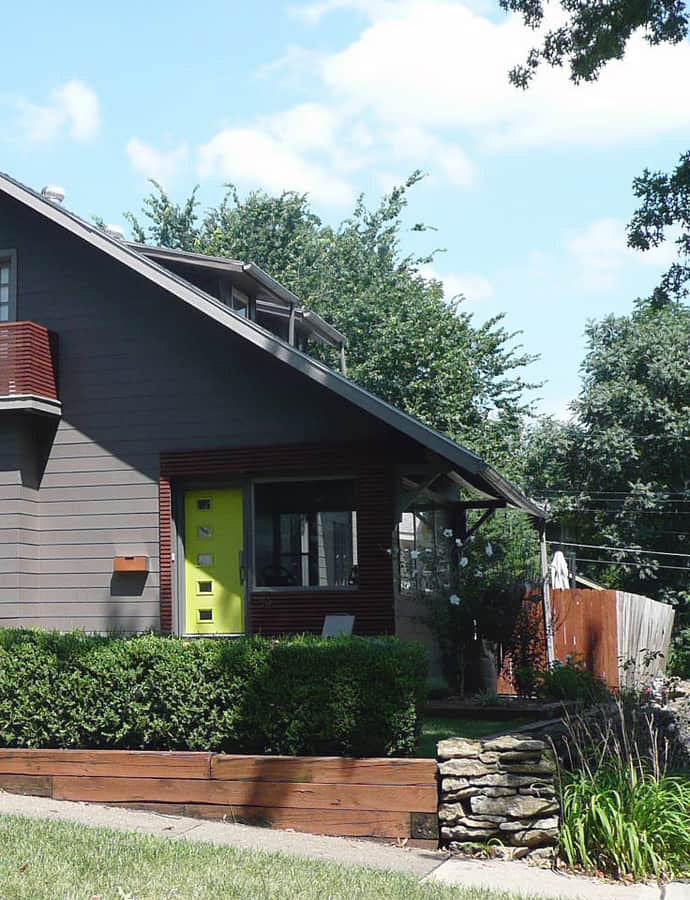
The House at 54 E. 53rd Terrace is a Plaza-area residence designed by Mary Rockwell Hook and listed on the National Register of Historic Places.
Photo: Mwkruse , CC BY-SA 3.0
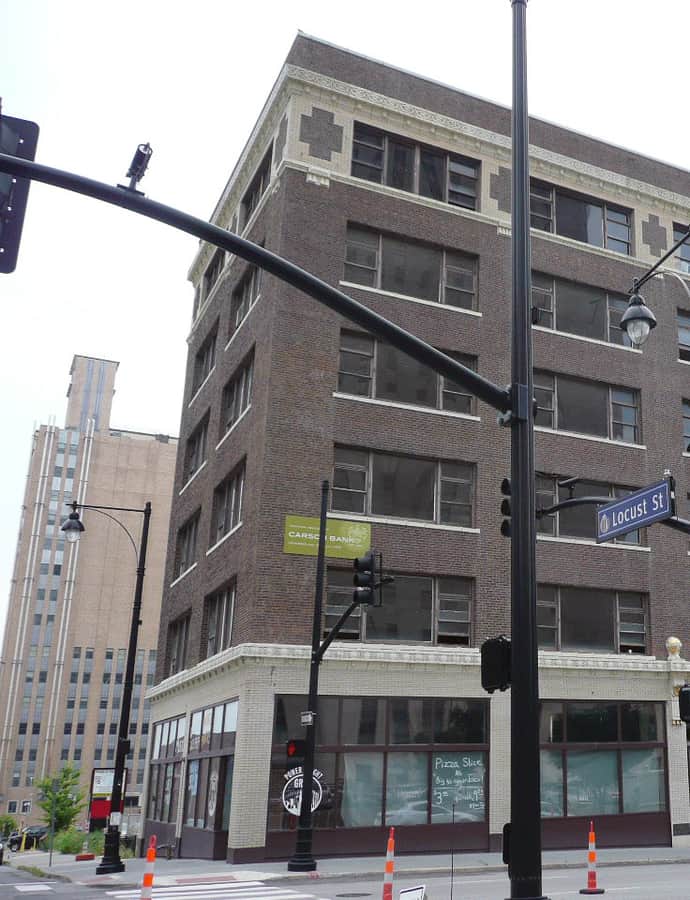
The Inter-State Building stands in downtown Kansas City, designed in the Chicago School style and listed on the National Register of Historic Places.
Photo: Mwkruse , CC BY-SA 3.0
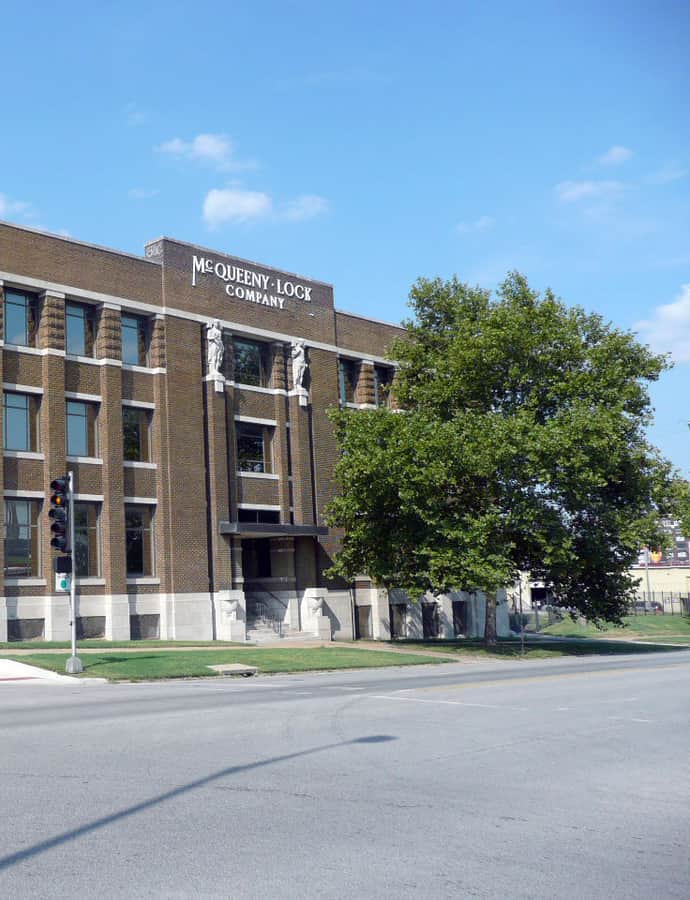
Jensen-Salsbery Laboratories, in downtown Kansas City, is a Prairie School building and a National Register of Historic Places listed place.
Photo: Mwkruse , CC BY-SA 3.0
The Judge Louis Gates House was designed by architect Clarence Shepard in 1923 in the Prairie School style. It carries a dual listing as a National Register of Historic Places contributing property and individual listing, and is also on the Register of Historic Kansas Places.
Landmark
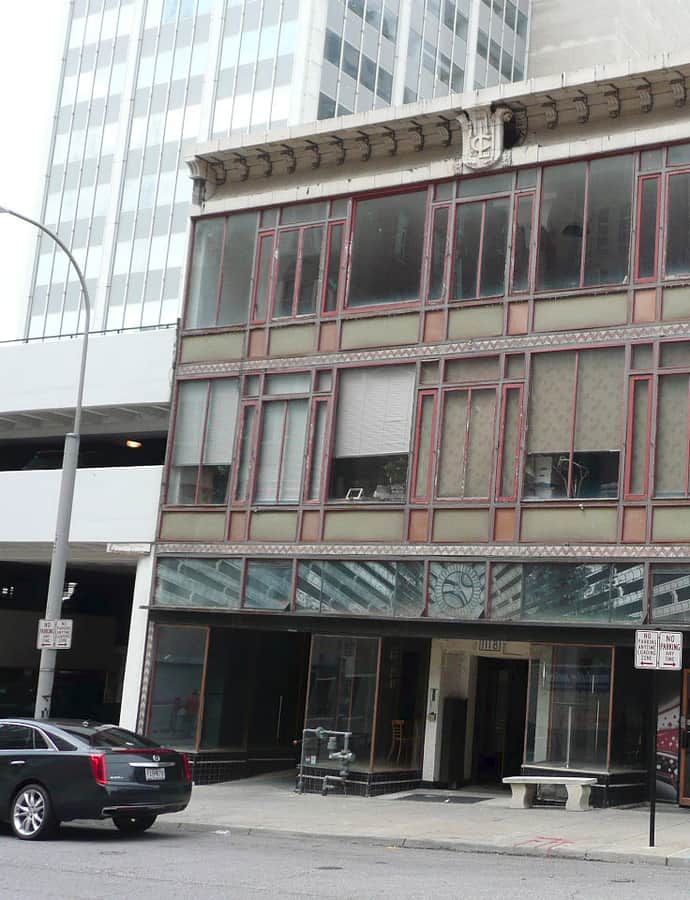
The Louis Curtiss Studio Building in downtown Kansas City was built in 1908 as the studio of architect Louis Curtiss for his own use. It is listed on the National Register of Historic Places.
Photo: Mwkruse , CC BY-SA 3.0
Landmark
The Mary Rockwell Hook House in the Plaza neighborhood was designed by architect Mary Rockwell Hook as her own home. It is listed on the National Register of Historic Places.
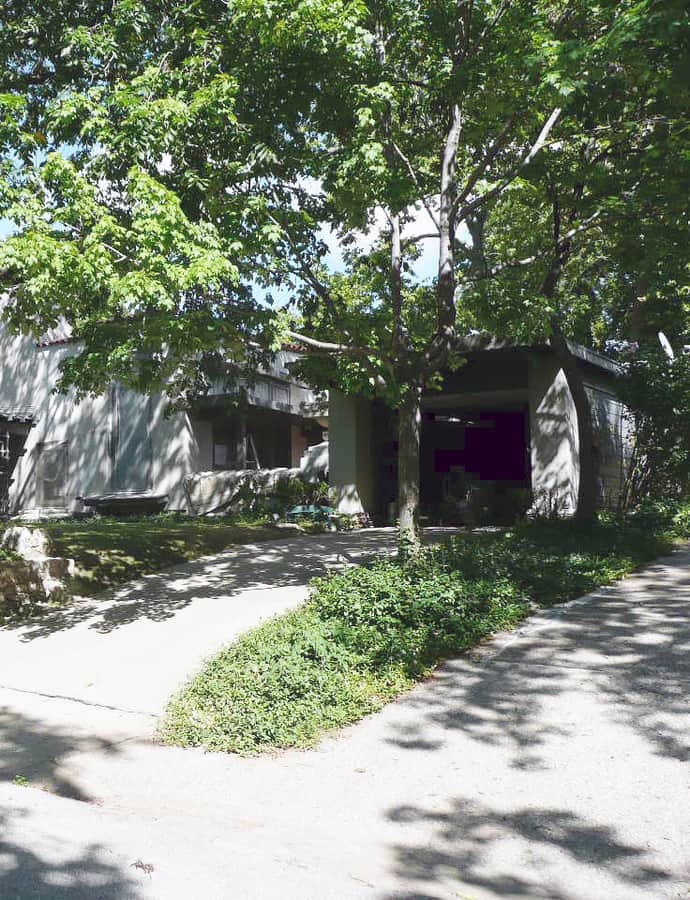
The Norman Tromanhauser House was designed by Louis Curtiss in the Prairie School style and is listed on the National Register of Historic Places.
Photo: Mwkruse , CC BY-SA 3.0
Landmark
The Pink House is a Plaza-area residence designed by Mary Rockwell Hook and listed on the National Register of Historic Places.
Landmark
The Robert Ostertag House is a Plaza-area residence designed by Mary Rockwell Hook and listed on the National Register of Historic Places.
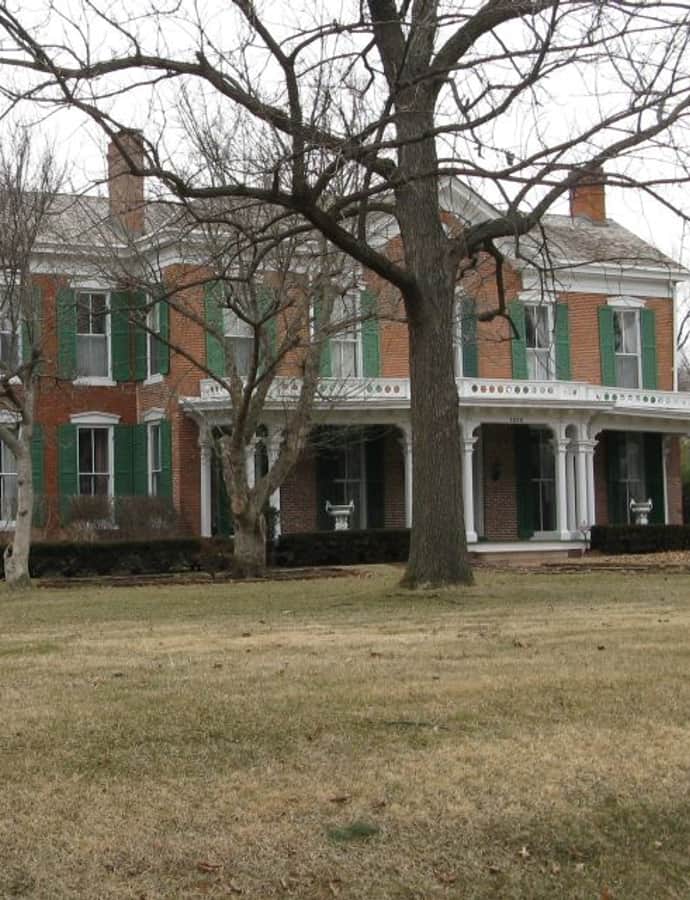
The Seth E. Ward Homestead is a Greek Revival house in Kansas City, listed on the National Register of Historic Places.
Photo: Americasroof at en.wikipedia , CC BY-SA 3.0
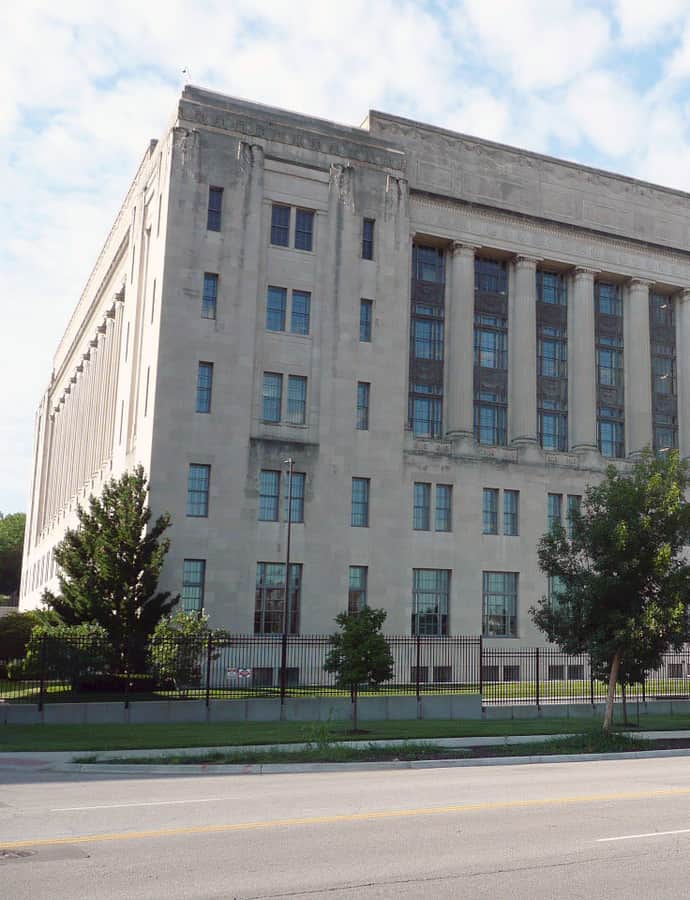
The United States Post Office-Kansas City is a Neoclassical building in downtown Kansas City, listed on the National Register of Historic Places.
Photo: Mwkruse , CC BY-SA 3.0
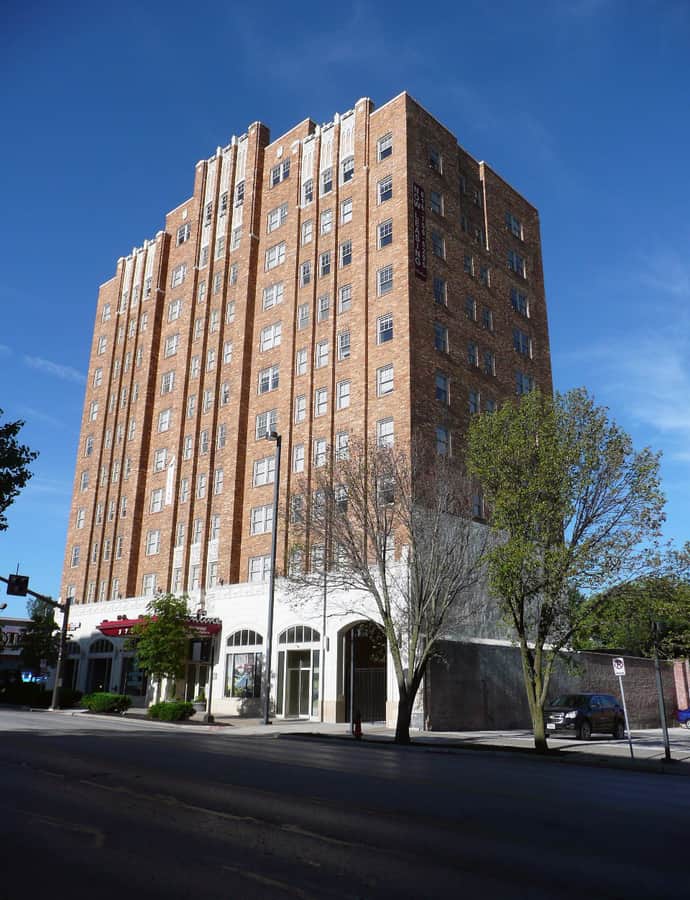
Landmark
The Valentine on Broadway Hotel was designed by Nelle Peters and is listed on the National Register of Historic Places.
Photo: Mwkruse , CC BY-SA 3.0
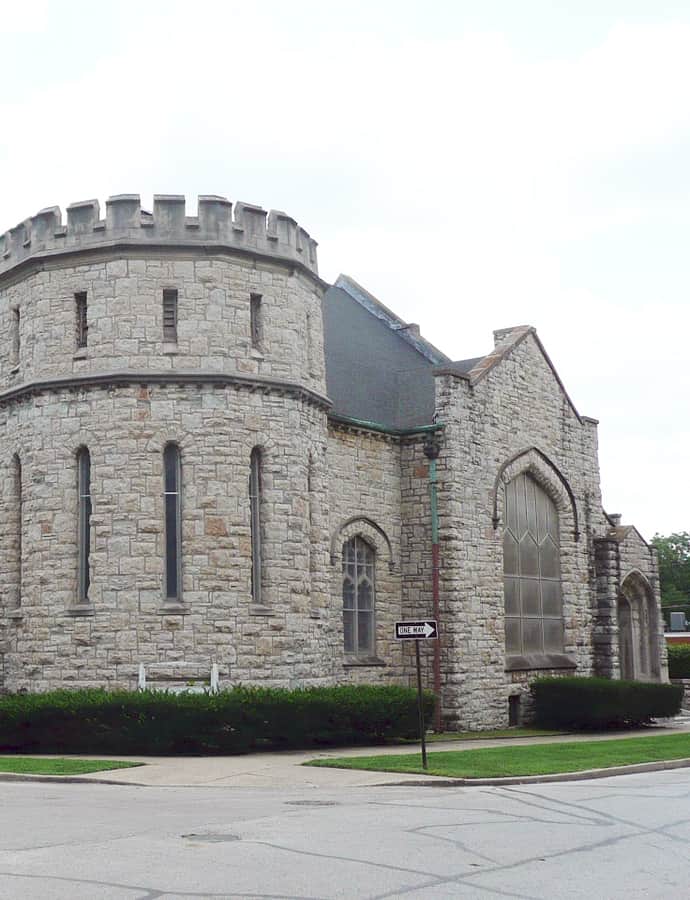
Westminster Congregational Church is a Gothic Revival church listed on the National Register of Historic Places.
Photo: Mwkruse , CC BY-SA 3.0
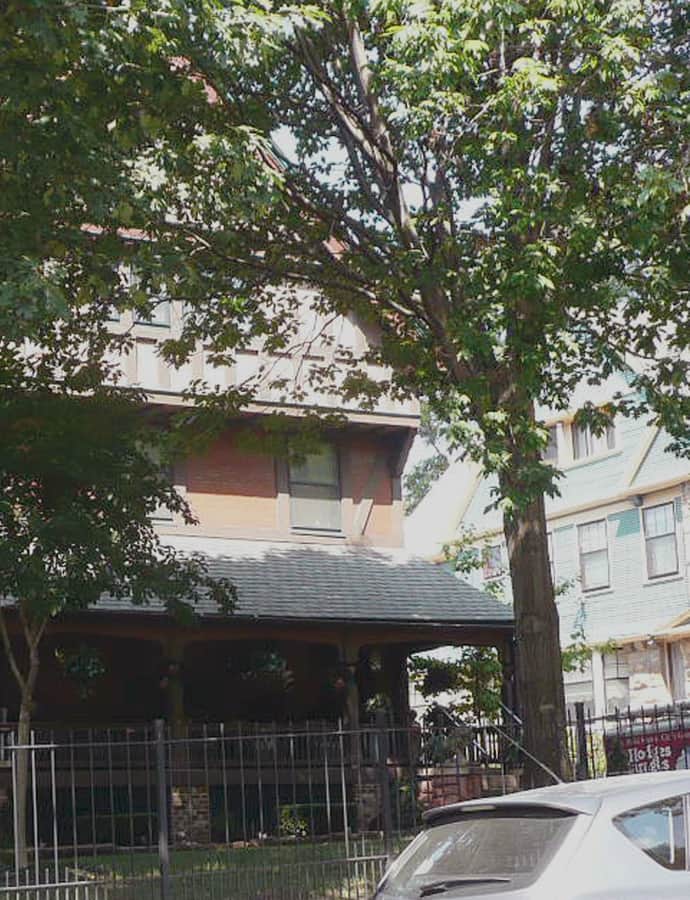
The William Baker and Mary Knight House is a Queen Anne style residence listed on the National Register of Historic Places.
Photo: Mwkruse , CC BY-SA 3.0


.jpg)


