
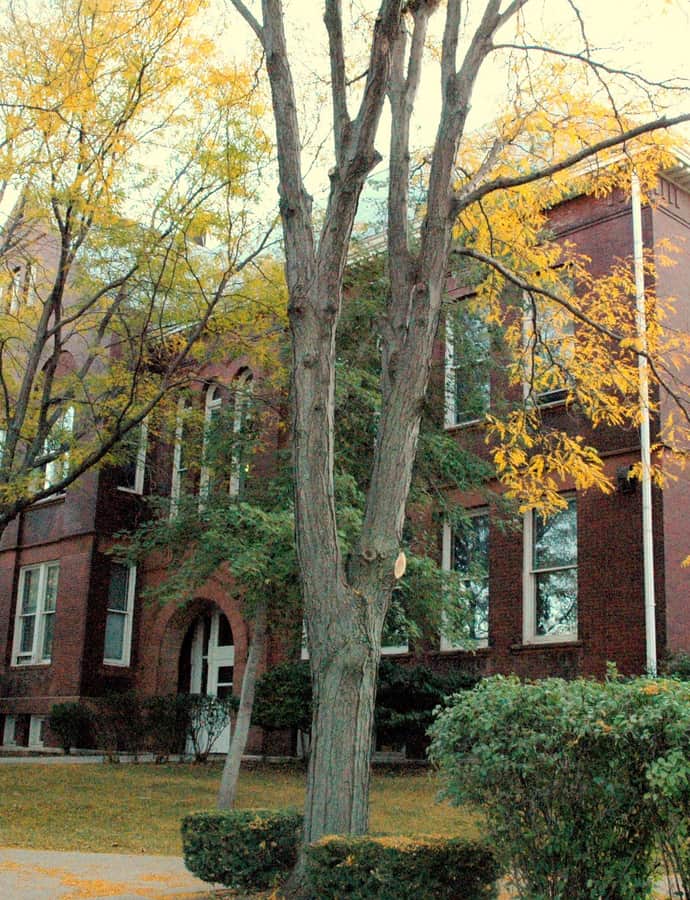
Center School
Center School was designed by John Latenser, Sr. in the Richardsonian Romanesque style. It is listed on the National Register of Historic Places.
Photo: PhotoMary , CC BY-SA 3.0
City guide
9 buildings worth a detour, each with what to look for. Open them on the map, or walk them with the iPhone app, which collects each one you photograph.
The buildings that define the city's architecture.
Center School was designed by John Latenser, Sr. in the Richardsonian Romanesque style. It is listed on the National Register of Historic Places.
Photo: PhotoMary , CC BY-SA 3.0
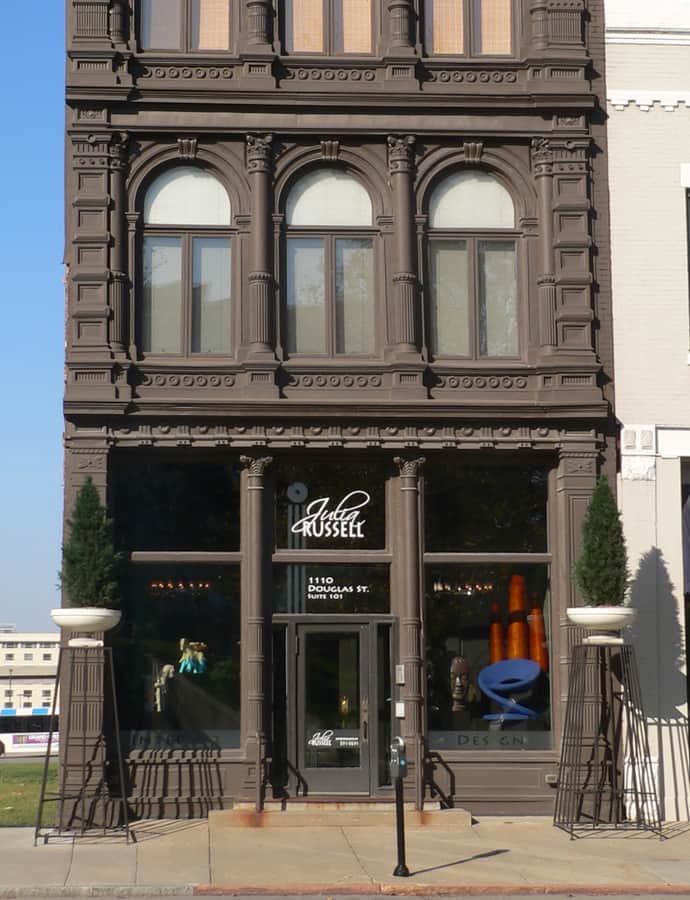
The Christian Specht Building, in Omaha's Old Market, was designed by the firm Mendelssohn, Fisher and Lawrie in the Renaissance Revival style. It is listed on the National Register of Historic Places.
Photo: Ammodramus , CC0
The Ford Warehouse, in Omaha's Old Market, was designed by John Latenser, Sr. in the Renaissance Revival style. It is listed on the National Register of Historic Places.
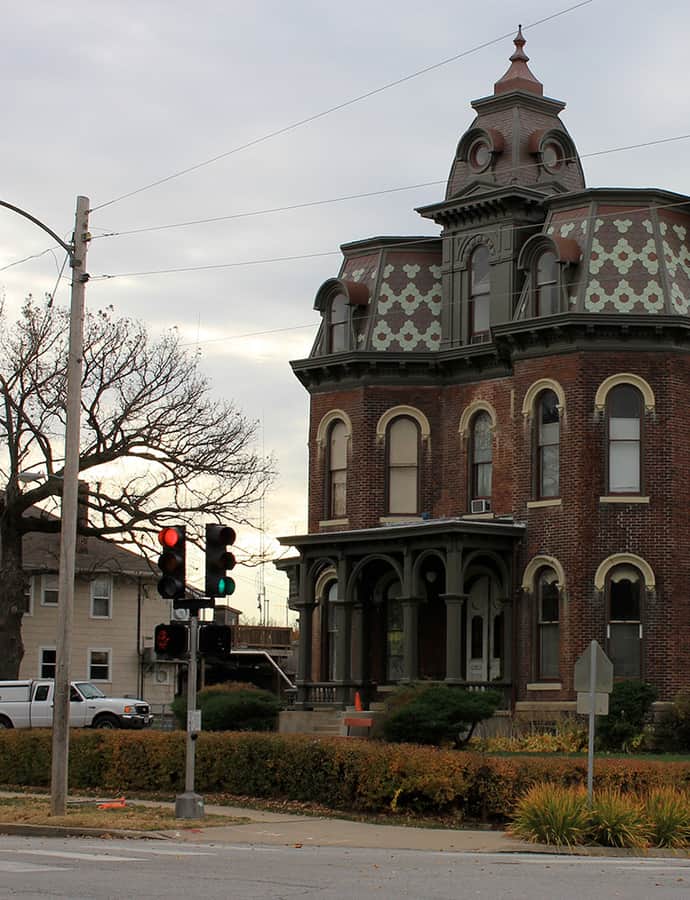
The Joel N. Cornish House is built in the Second Empire style and is listed on the National Register of Historic Places.
Photo: Cornstalker , CC BY-SA 3.0
The Nash Block, in Omaha's Old Market, was designed by Thomas Rogers Kimball in the Renaissance Revival style. It is listed on the National Register of Historic Places.
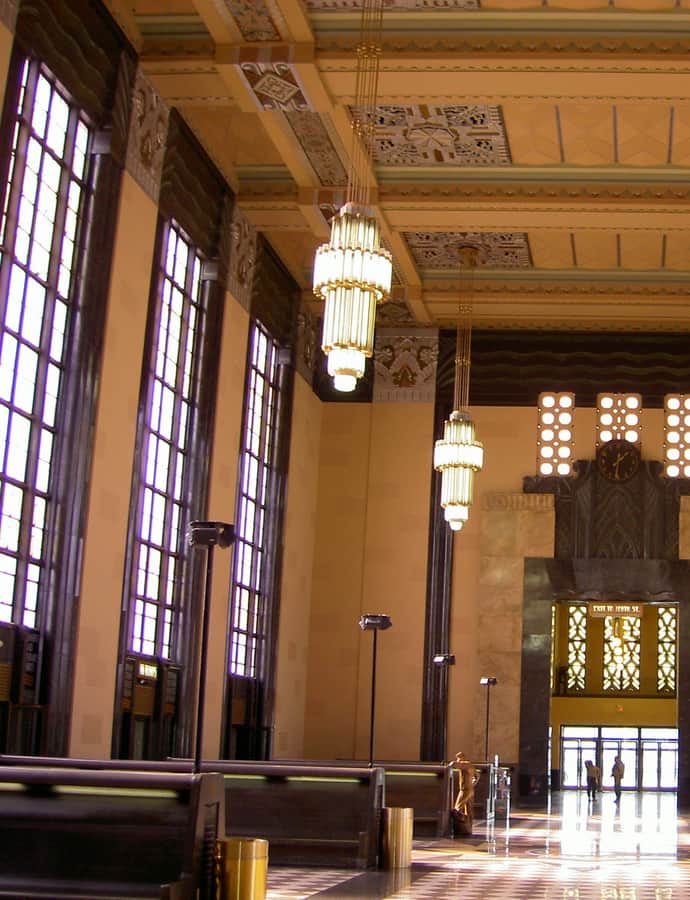
Omaha Union Station was completed in 1931 to a design by Gilbert Stanley Underwood in the Art Deco style, and it is widely cited as one of the finest Art Deco train stations in the Midwest. It is listed on the National Register of Historic Places, and since 1975 it has been adaptively reused as The Durham Museum.
Photo: Original uploader was Robertmoo40 at en.wikipedia , Public domain
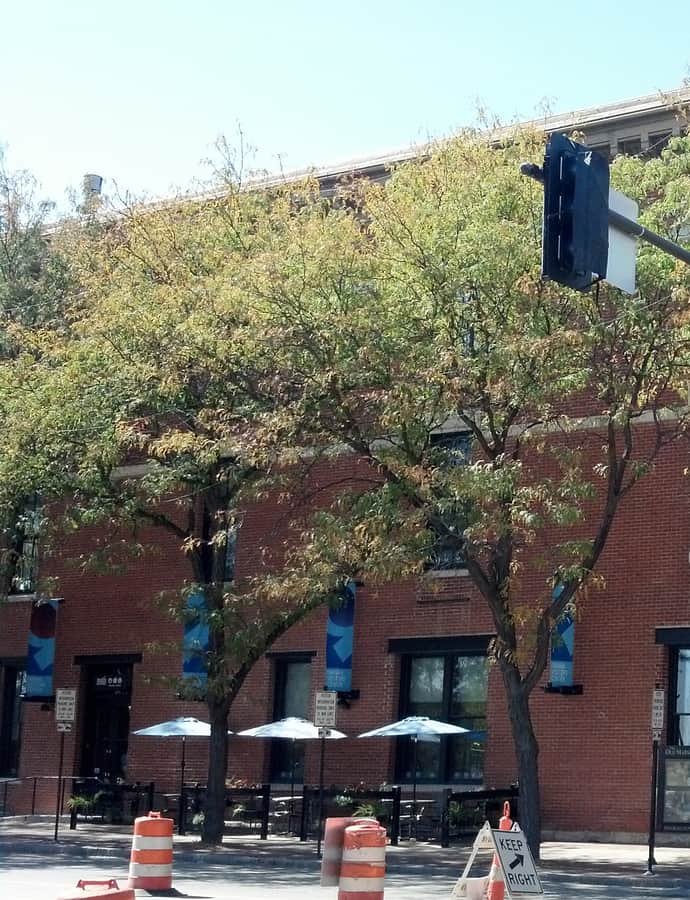
The Poppleton Block, in Omaha's Old Market, was designed by Henry Voss in the Italianate style. It is listed on the National Register of Historic Places.
Photo: porterhse , CC BY-SA 3.0
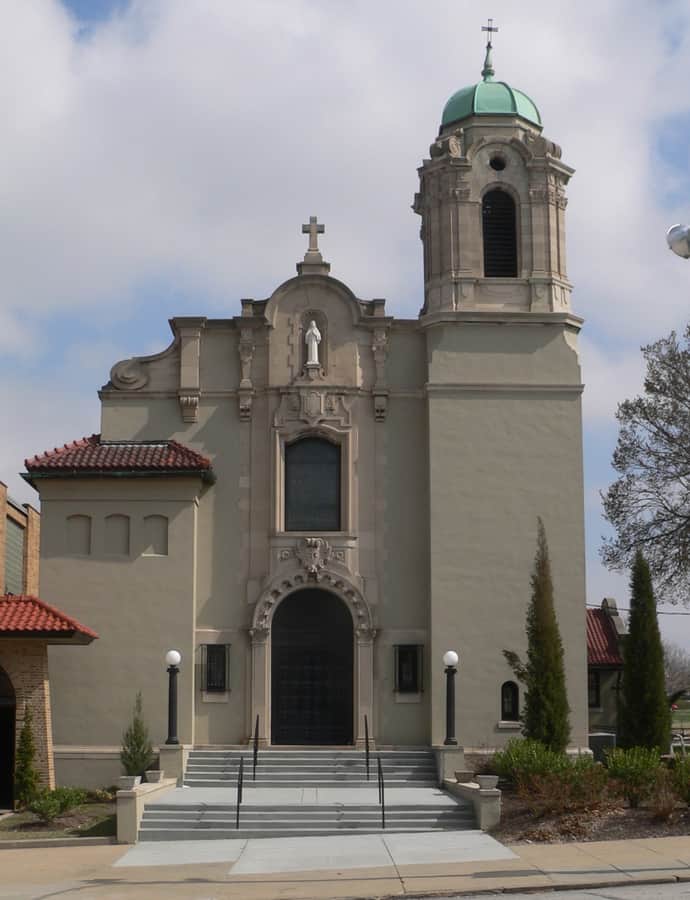
St. Frances Cabrini Catholic Church was designed by Thomas Rogers Kimball in the Spanish Colonial Revival style. It is listed on the National Register of Historic Places.
Photo: Ammodramus , CC0
Worth a stop when you're nearby.
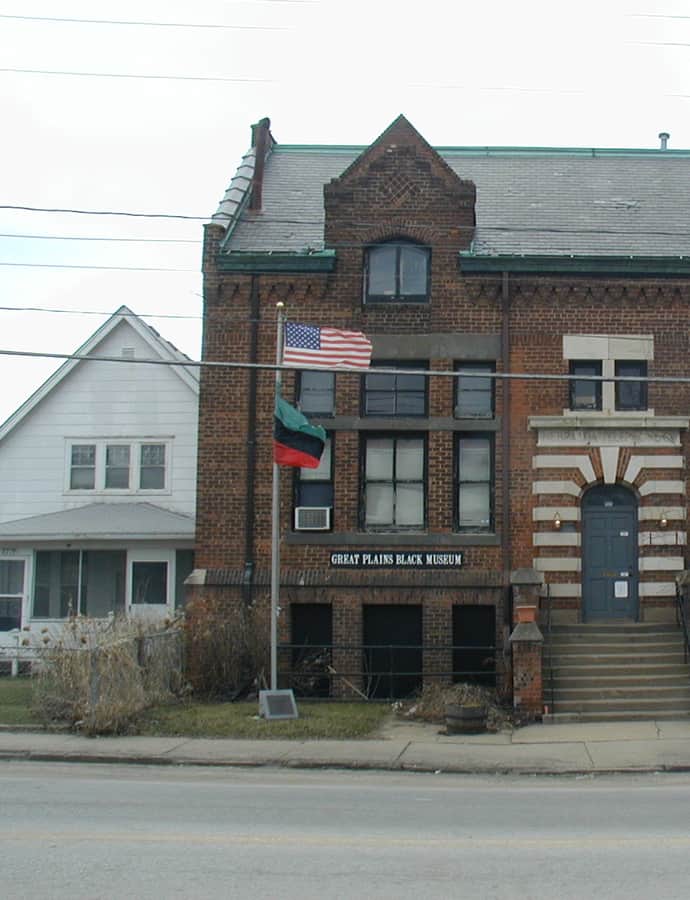
The Webster Telephone Exchange Building was completed in 1906 and designed by architect Thomas Rogers Kimball in the Tudor Revival style. It is listed on the National Register of Historic Places.
Photo: Dolph72 , Public domain
.jpg)
_from_S_1.JPG)

.JPG)


