
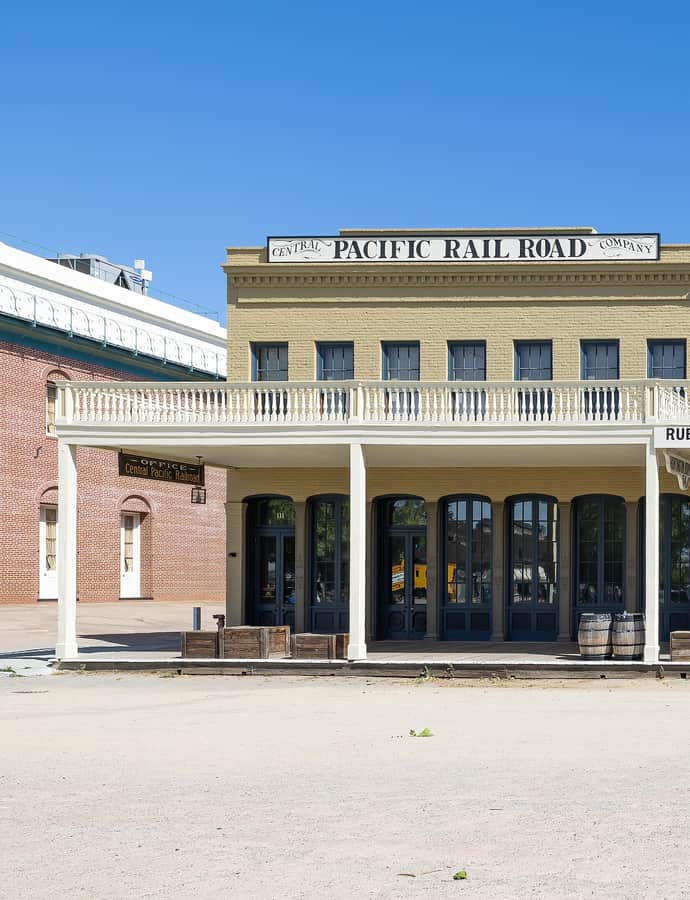
Big Four Building
The Big Four Building dates to 1855 and takes its name from its ties to the 'Big Four' railroad figures. It was built in the Renaissance Revival style.
Photo: Frank Schulenburg , CC BY-SA 4.0
City guide
13 buildings worth a detour, each with what to look for. Open them on the map, or walk them with the iPhone app, which collects each one you photograph.
The buildings that define the city's architecture.
The Big Four Building dates to 1855 and takes its name from its ties to the 'Big Four' railroad figures. It was built in the Renaissance Revival style.
Photo: Frank Schulenburg , CC BY-SA 4.0
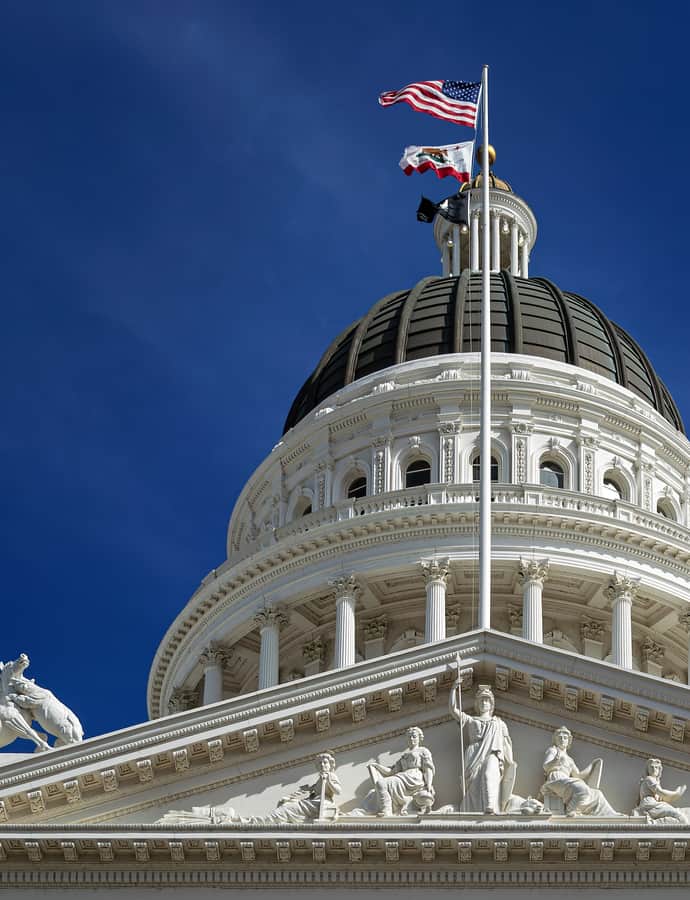
The California State Capitol has served as the seat of California's state government since 1874. It was built in a Neoclassical style, drawing on Palladian and Greek Revival vocabulary for its dome, facade, and grounds, and it remains one of the state's most recognizable civic landmarks.
Photo: Photograph: Radomianin , Public domain
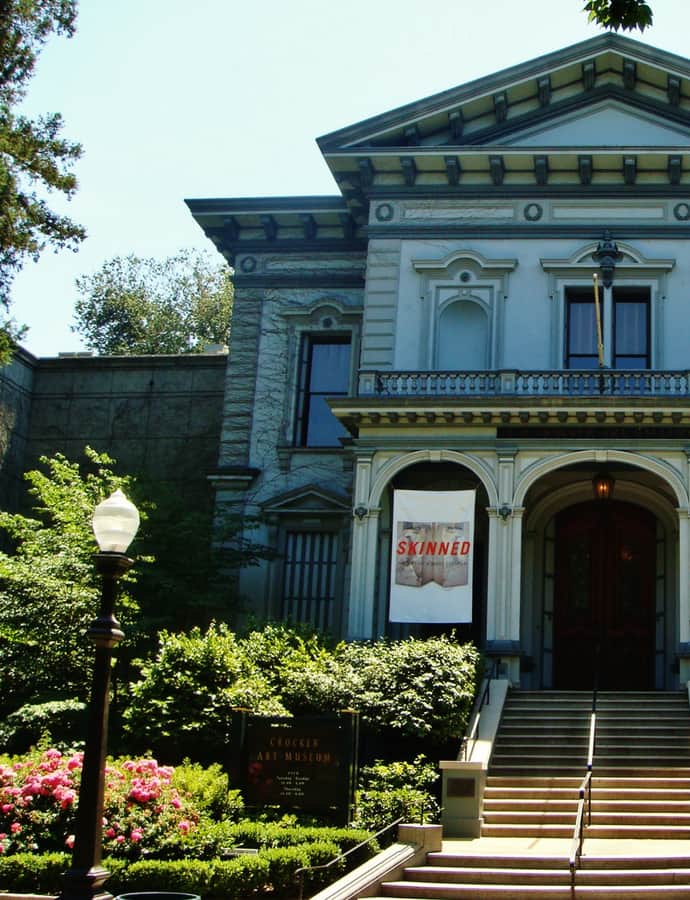
The Crocker Art Museum opened in 1885 in the Renaissance Revival style and is counted among the oldest public art museums in the American West.
Photo: Amadscientist Mark James Miller , CC BY 3.0
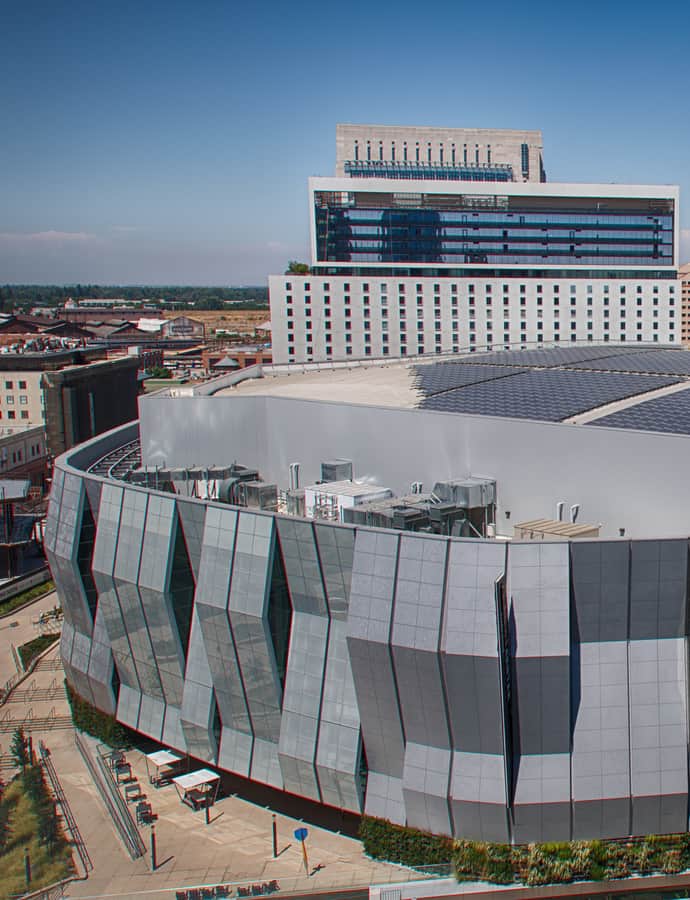
Golden 1 Center opened in 2016, designed by AECOM in a Contemporary Modern style, and anchored downtown Sacramento's DOCO redevelopment. It was the first LEED Platinum-certified sports arena in the world.
Photo: Photo by Chris Allan. – U.S. Department of Energy from United States , Public domain
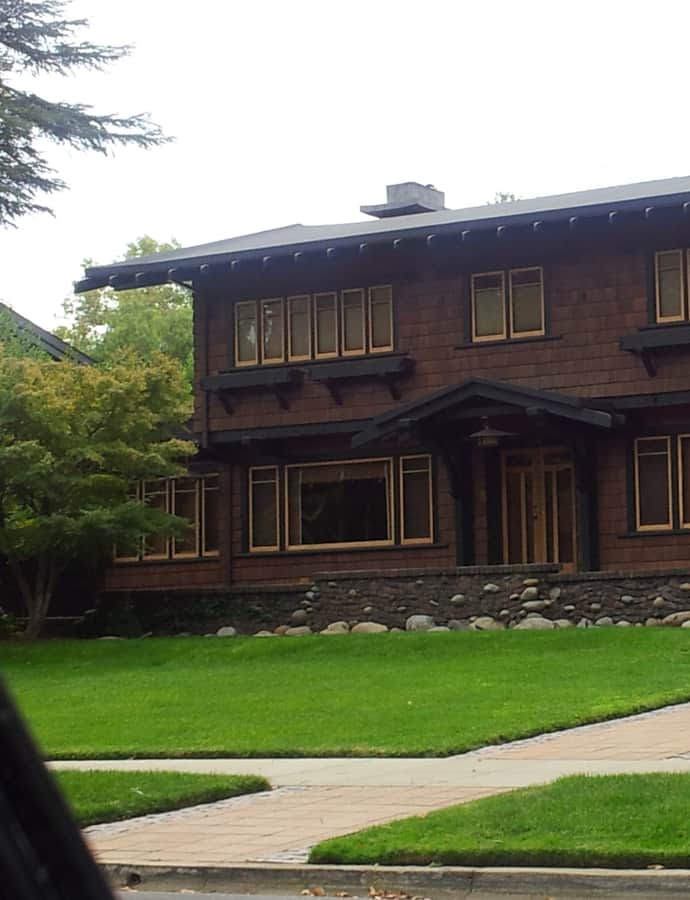
The John T. Greene House was built in 1915 in the American Craftsman style, a documented work of the architecture firm Greene and Greene.
Photo: Earl Paden , CC BY-SA 3.0
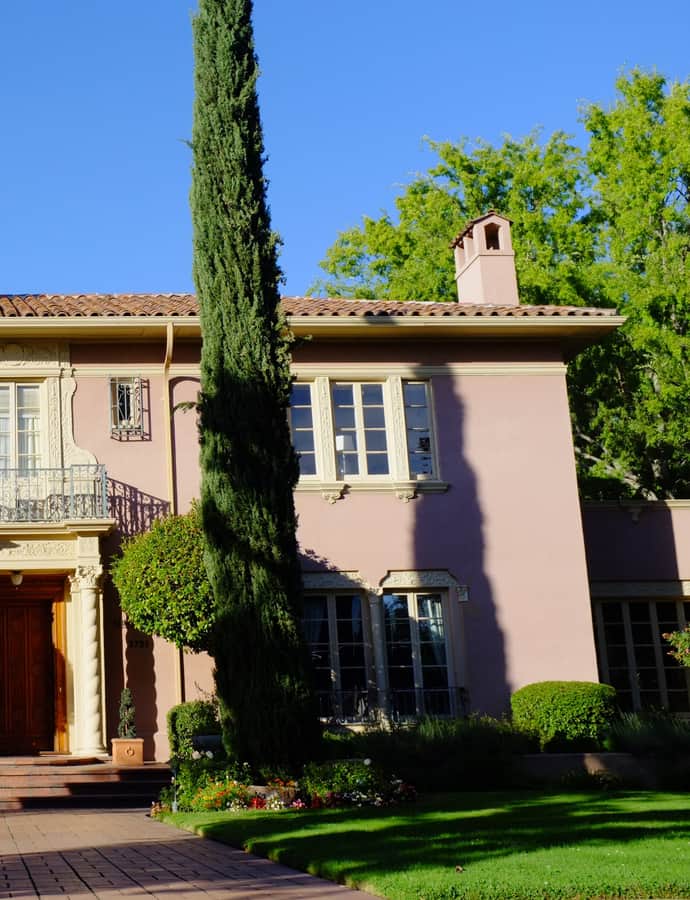
The Julia Morgan House is a Mediterranean Revival residence designed by architect Julia Morgan.
Photo: Irneh , CC BY-SA 3.0
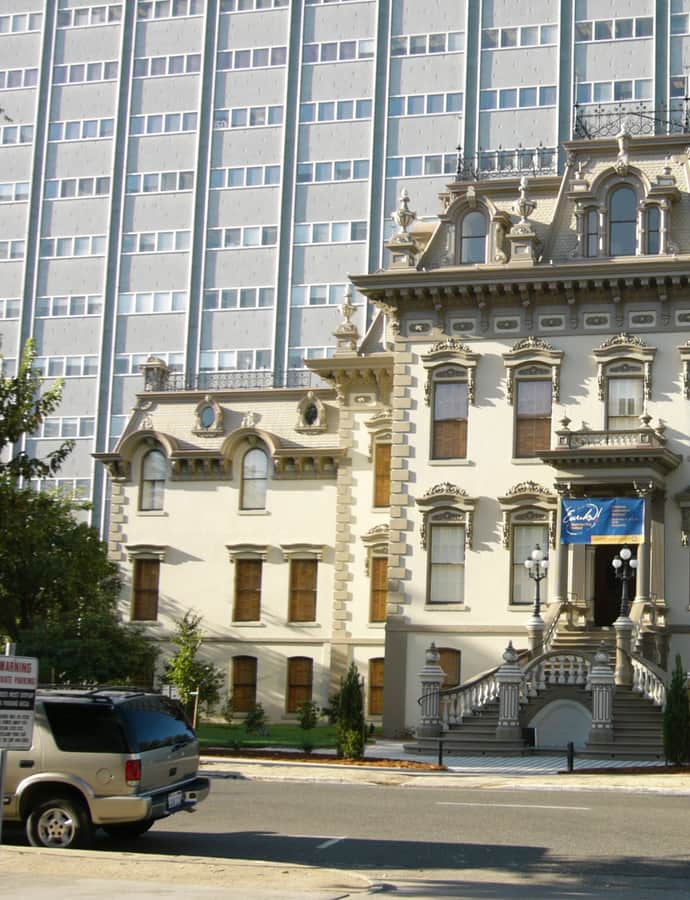
The Leland Stanford Mansion is Leland Stanford's historic residence, now preserved as a State Historic Park. It was built in the Second Empire style.
Photo: M.Mierzwa. MCalamari at en.wikipedia , Public domain
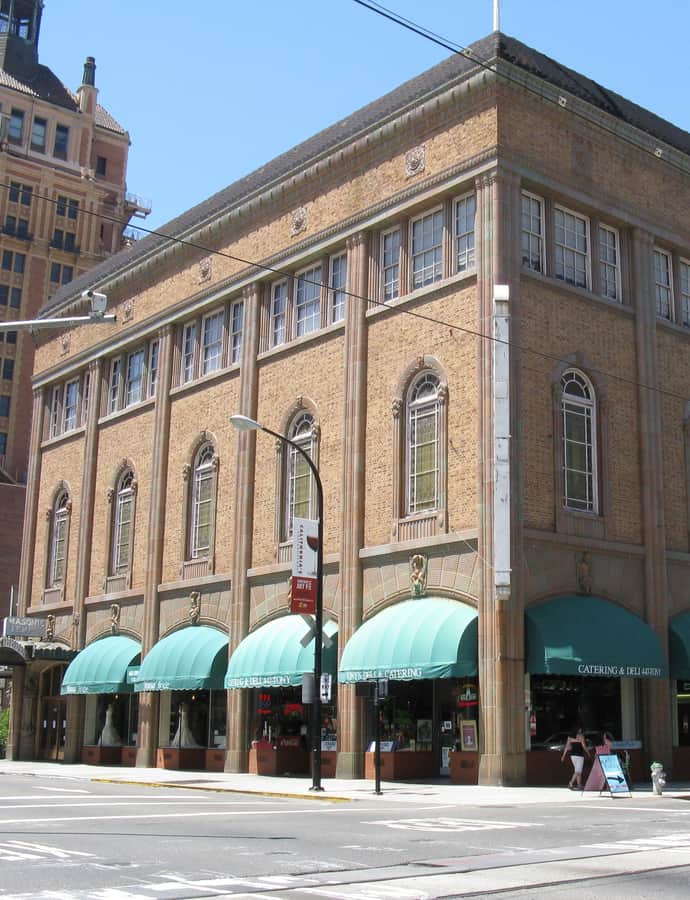
The Sacramento Masonic Temple is a Beaux-Arts building in Old Sacramento.
Photo: Publichall , CC BY-SA 3.0
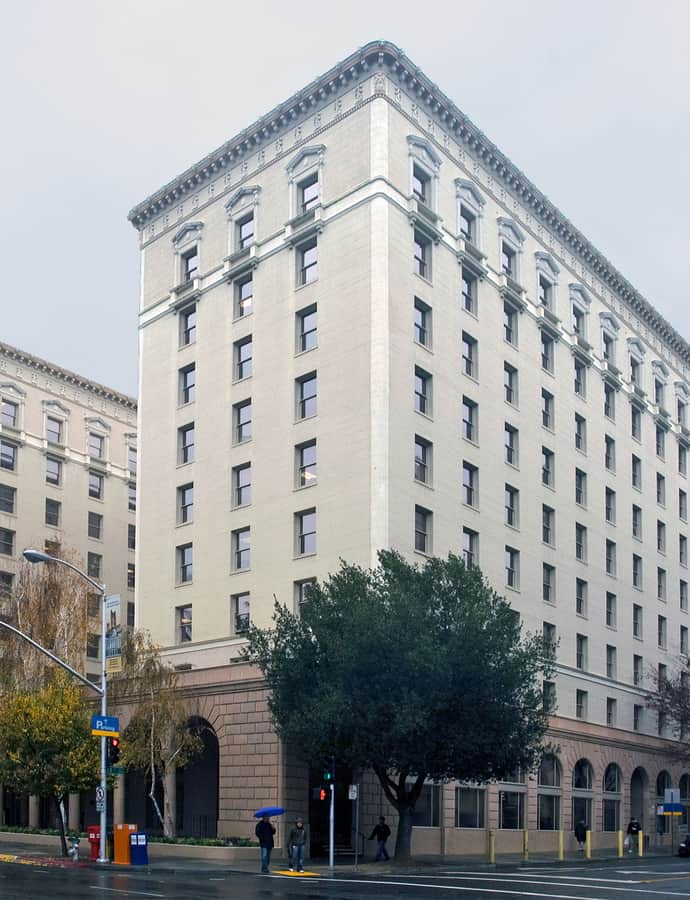
The Senator Hotel opened in 1924 directly across from the State Capitol, its ornate terra-cotta facade done in the Renaissance Revival style. It became a fixture of California political life, long used as temporary lodging for governors-elect and visiting dignitaries. The hotel is individually listed on the National Register of Historic Places.
Photo: NoeHill , CC BY-SA 3.0
Landmark
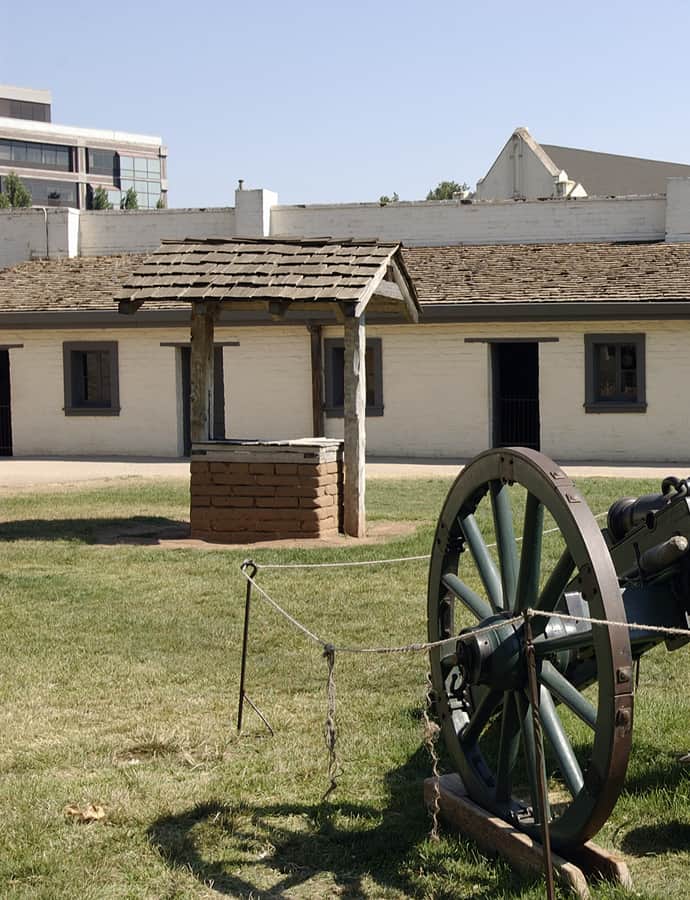
Sutter's Fort is an 1839 adobe fort central to the founding of Sacramento and to California's Gold Rush-era history, its story retold heavily over the decades. It carries triple individual recognition as a National Historic Landmark, a California Historical Landmark, and a National Register of Historic Places listing.
Photo: Ian Howard , CC BY 2.5
Worth a stop when you're nearby.
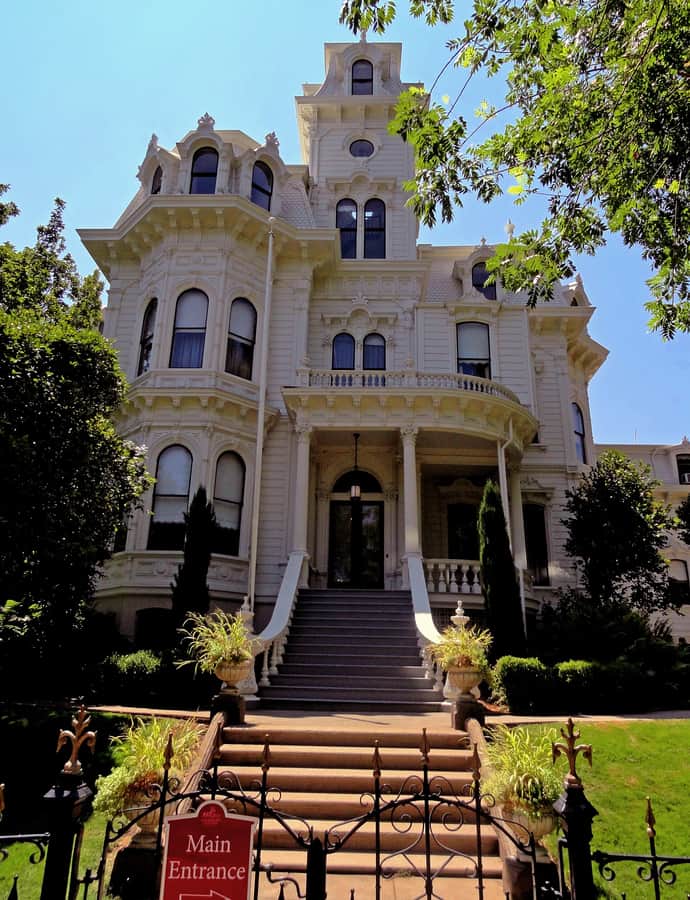
Built in 1877 in the Second Empire style, the Governor's Mansion State Historic Park carries dual individual recognition as a California Historical Landmark and a National Register of Historic Places listing.
Photo: Mark James Miller , CC BY 3.0
Fine buildings that fewer people seek out.
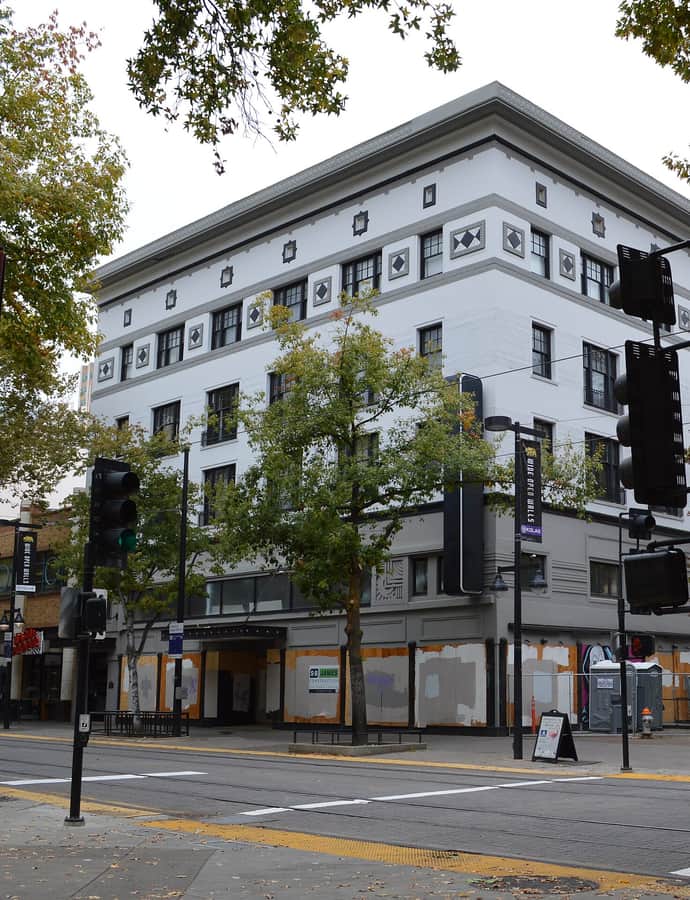
The Mohr and Yoerk Market was designed by architect George C. Sellon and completed in 1911, with an unusual dual style claim spanning Prairie School and Art Deco architecture. It is individually listed on the National Register of Historic Places.
Photo: T71024 , CC BY-SA 4.0
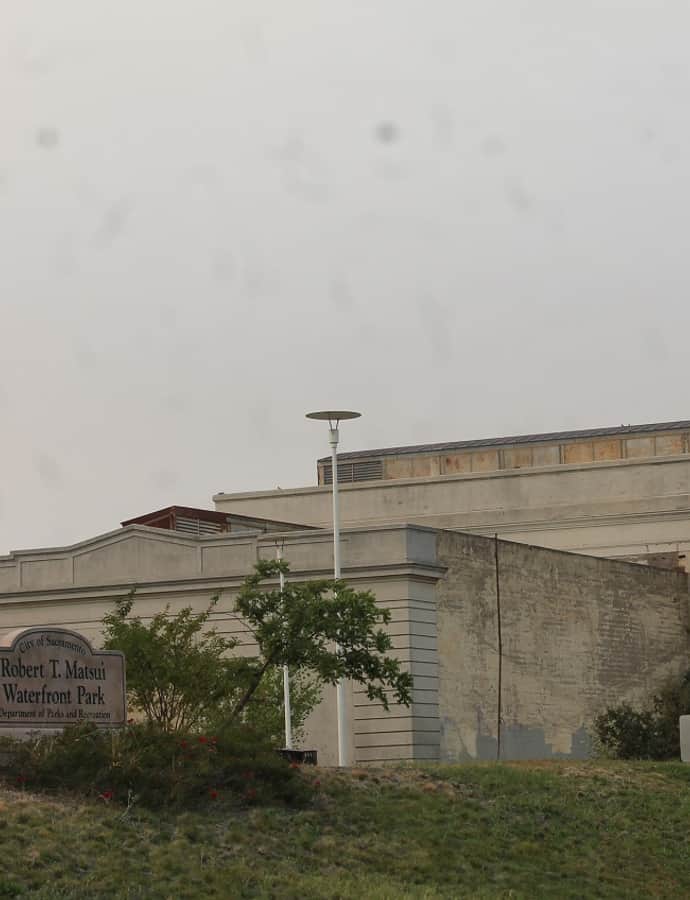
The PG&E Powerhouse was designed by architect Willis Polk in the Beaux-Arts style and is individually listed on the National Register of Historic Places.
Photo: Oscarmostofi , CC BY-SA 3.0

,_NW_view_up.jpg)

.jpg)


