City guide

architecture in South Bend.

29 buildings worth a detour, each with what to look for. Open them on the map, or walk them with the iPhone app, which collects each one you photograph.

Landmarks

The buildings that define the city's architecture.

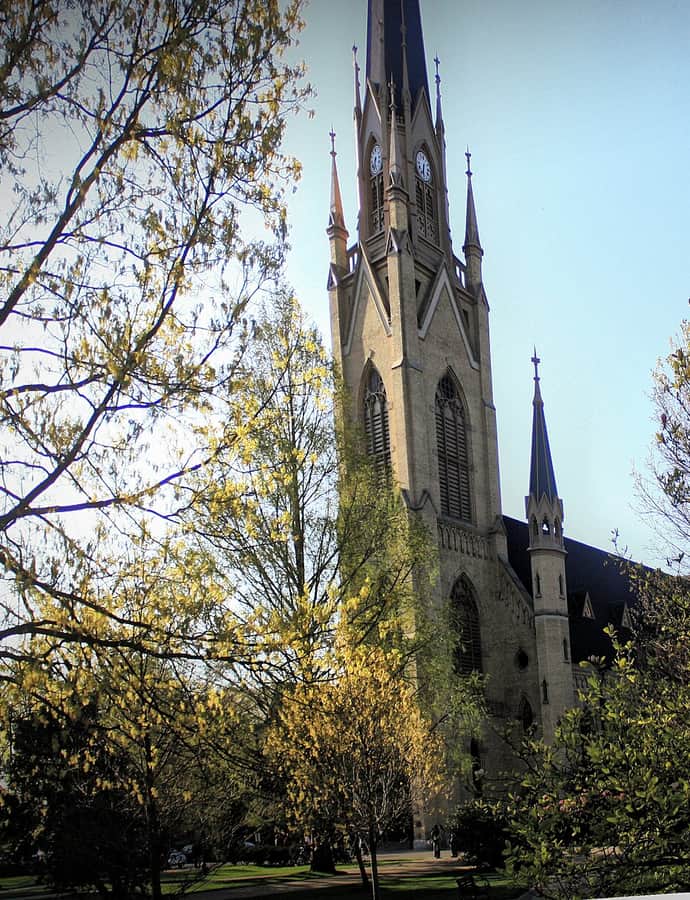
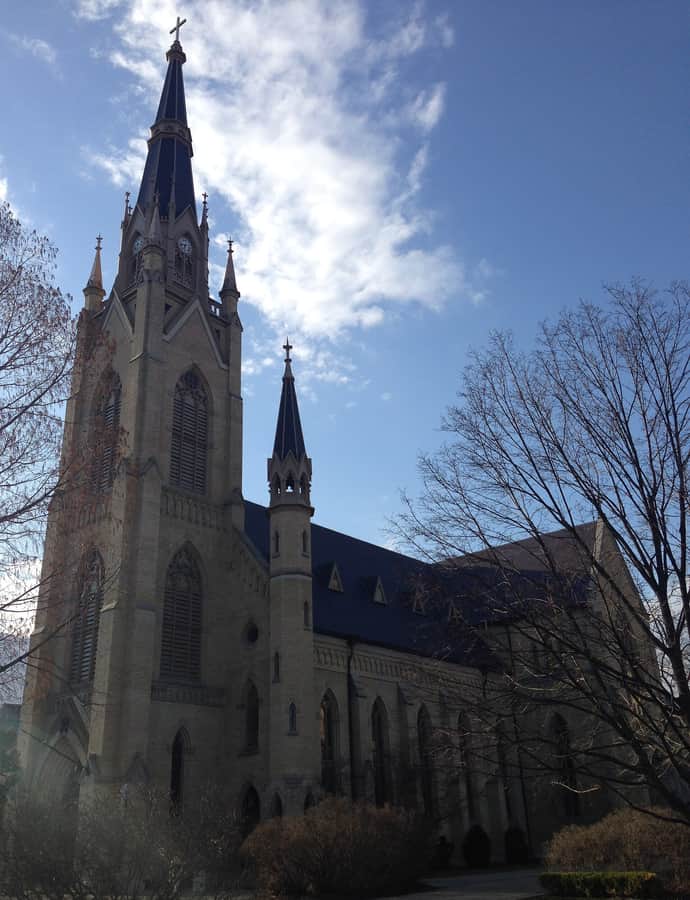
Basilica of the Sacred Heart, University of Notre Dame

Gothic Revival

Basilica of the Sacred Heart, University of Notre Dame

Edward Sorin

The Basilica of the Sacred Heart is a Catholic church on the University of Notre Dame campus, serving as the mother church of the Congregation of Holy Cross in the United States. Its site traces back to 1686, when Fr. Claude-Jean Allouez established the Ste-Marie-des-Lacs mission on St. Mary's Lake; after French missionaries were expelled following the French and Indian War, Stephen Badin re-established the mission in 1832 and built the Log Chapel, and Fr. Edward Sorin later built the church that stands today. The basilica is visited by more than 100,000 tourists annually and is a contributing building in Notre Dame's NRHP-listed historic district.

Photo: Eccekevin , CC BY-SA 3.0
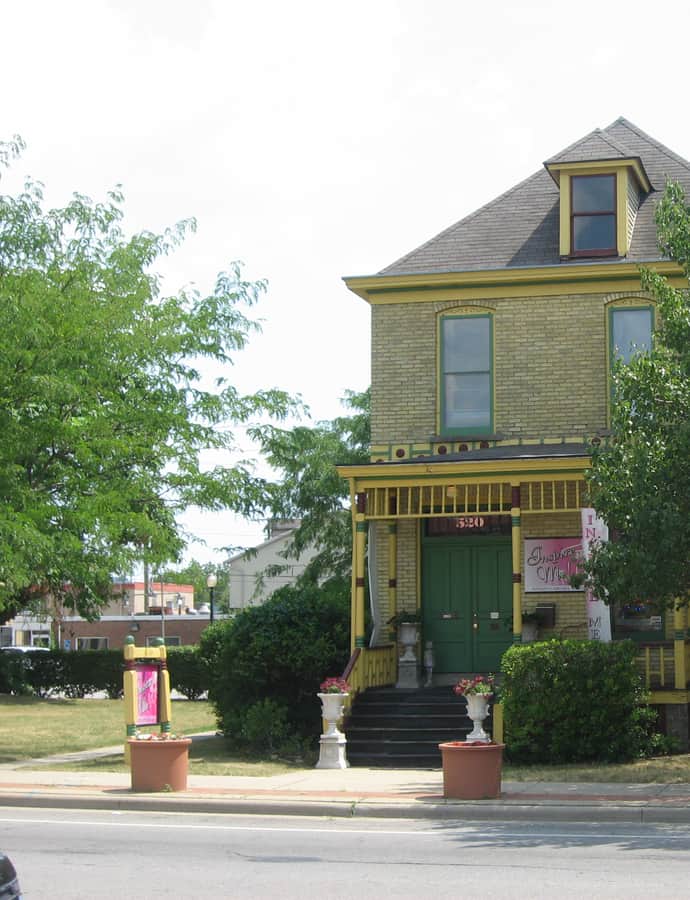
Gothic Revival

Breen-Phillips Hall

Maginnis & Walsh · 1939

Breen-Phillips Hall is a residence hall on the University of Notre Dame's North Quad, established in 1939 and designed by Maginnis & Walsh in the Collegiate Gothic style. It hosts approximately 200 students and is one of 15 female dorms among the university's 33 residence halls.

Dille-Probst House

Queen Anne

Dille-Probst House

The Dille-Probst House, also known as the Colonel Otto Probst House, is a historic home in South Bend built in 1888 in the Queen Anne style. It is a 2½-story, T-plan frame dwelling with a brick veneer, and it was listed on the National Register of Historic Places in 1994.

Photo: Nyttend , Public domain

Hager House

Craftsman / Bungalow

Hager House

Austin & Shambleau · 1910

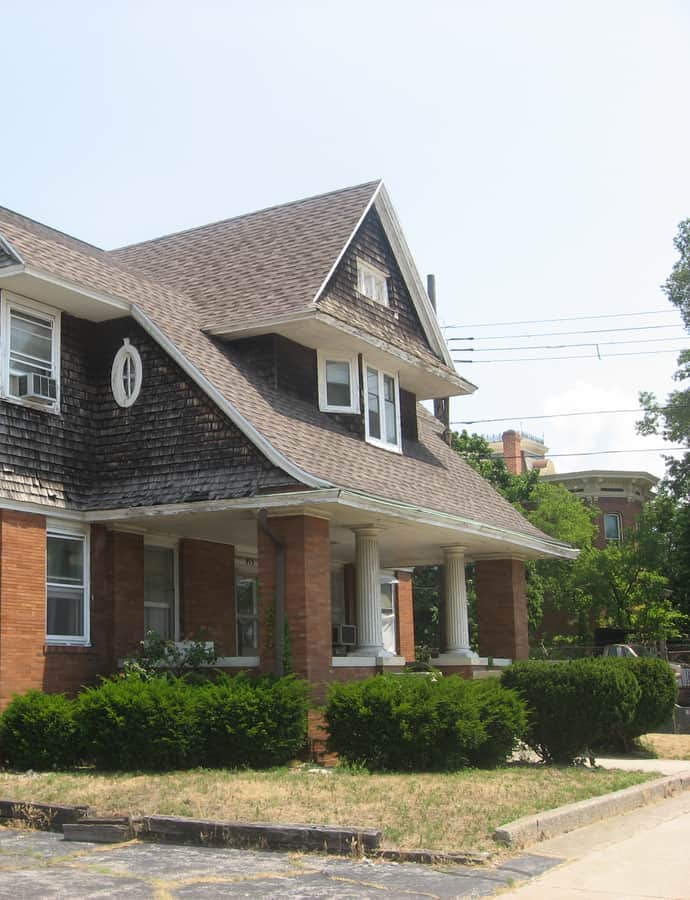
The Hager House is a historic home in South Bend designed by Austin & Shambleau and built in 1910 as a 2½-story Shingle Style dwelling. It is listed on the National Register of Historic Places.

Photo: Nyttend , Public domain

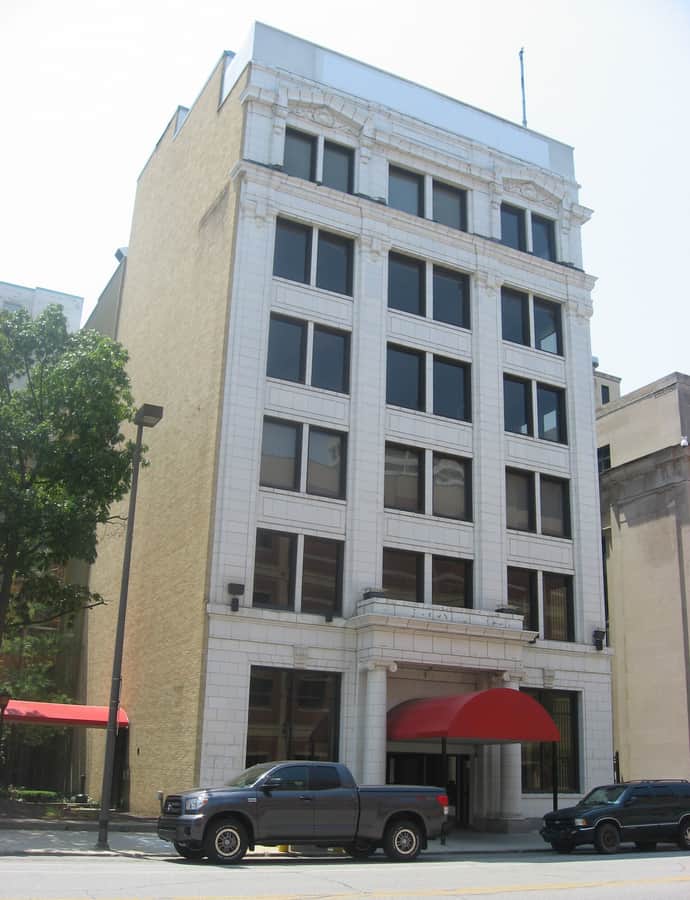
I & M Building

Art Deco

I & M Building

Austin & Shambleau

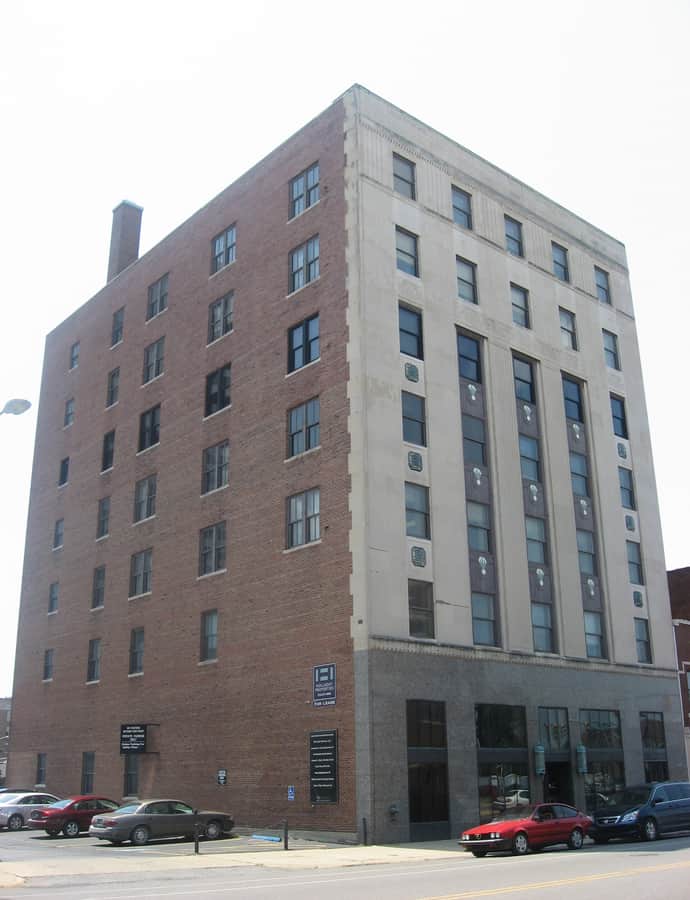
The I & M Building, also known as Colfax Place, is a seven-story building at 220 W. Colfax built in 1929 to house the offices of the Indiana and Michigan Electric Company. Designed by Austin & Shambleau in the Art Deco style, it is one of the few Art Deco structures in South Bend and the only "pure" example of the style within its downtown business district. After a brief tenure as a condominium development, it is now used as office space.

Photo: Nyttend , Public domain

J.M.S. Building

Chicago School

J.M.S. Building

Solon Spencer Beman

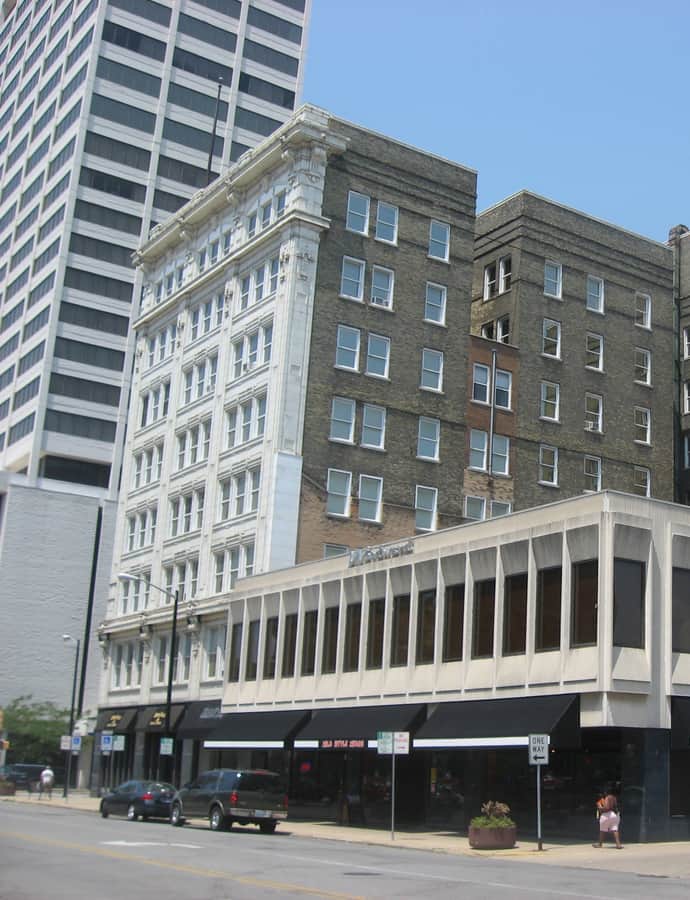
The J.M.S. Building is an eight-story office building at 108 North Main Street, designed by architect Solon Spencer Beman and built in 1910. It was built by John Studebaker, co-founder and later executive of what became the Studebaker Corporation, making it another downtown landmark tied to the Studebaker family's industrial fortune.

Photo: Nyttend , Public domain

K. C. DeRhodes House

Prairie School

K. C. DeRhodes House

Frank Lloyd Wright

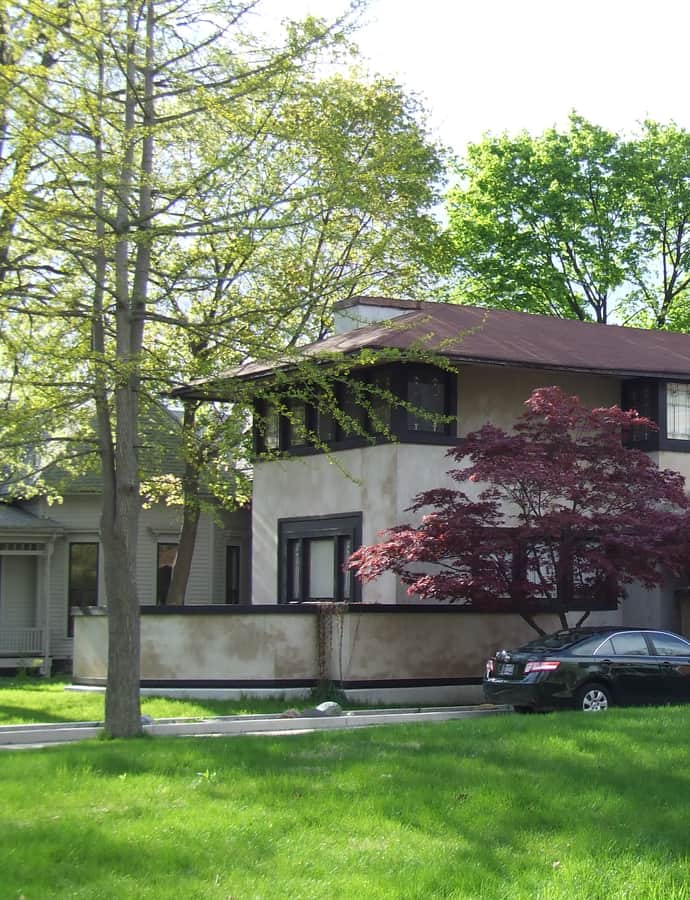
The K. C. DeRhodes House is a Prairie style home at 715 West Washington Street, built in 1906 by Frank Lloyd Wright for newlyweds Laura Caskey Bowsher DeRhodes and Kersey C. DeRhodes. It was the first home Wright built in Indiana, one of eight Wright-designed homes in the state, and one of two Wright houses in South Bend, the other being the Herman T. Mossberg Residence. The house was carefully restored by Tom and Suzanne Miller over more than four decades and remains in private ownership.

Photo: User:Jaydec , CC BY-SA 3.0
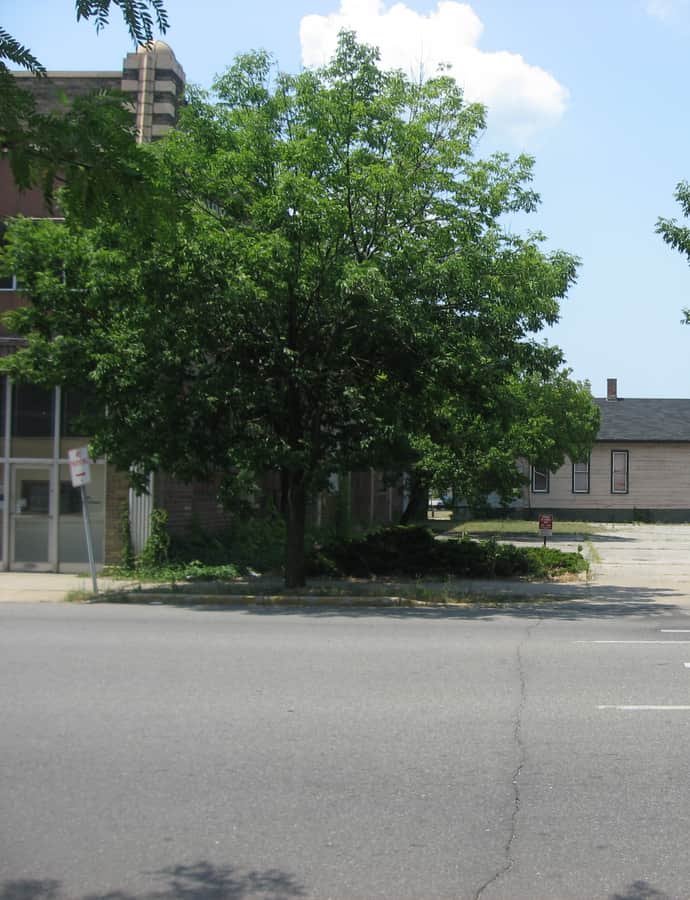
Knights of Pythias Lodge

Neoclassical

Knights of Pythias Lodge

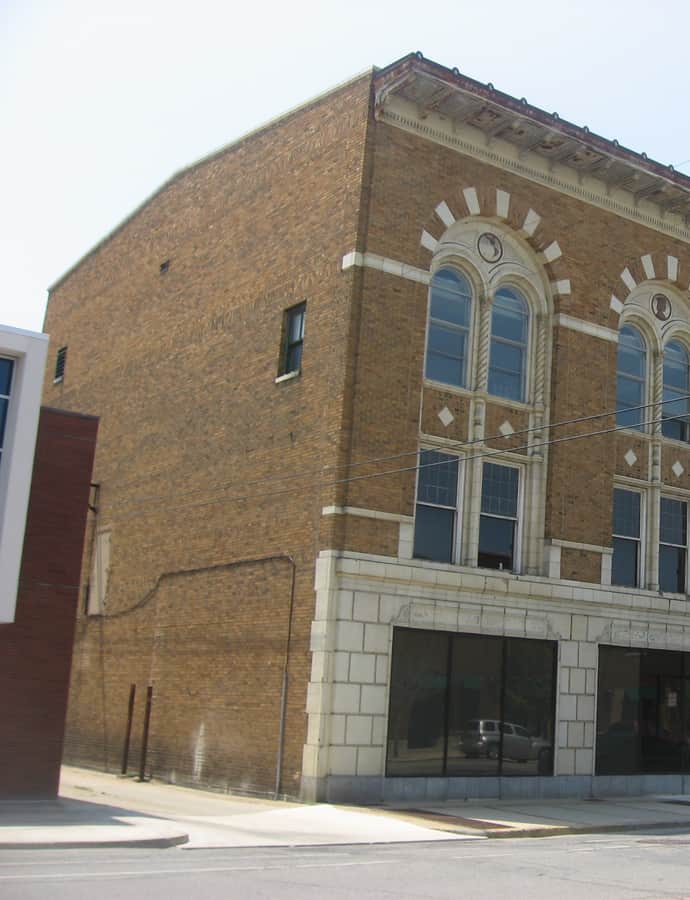
The Knights of Pythias Lodge is a seven-story fraternal lodge building in downtown South Bend, built in 1922 as a Commercial style brick structure with terra cotta and applied Classical Revival design elements.

Photo: Nyttend , Public domain

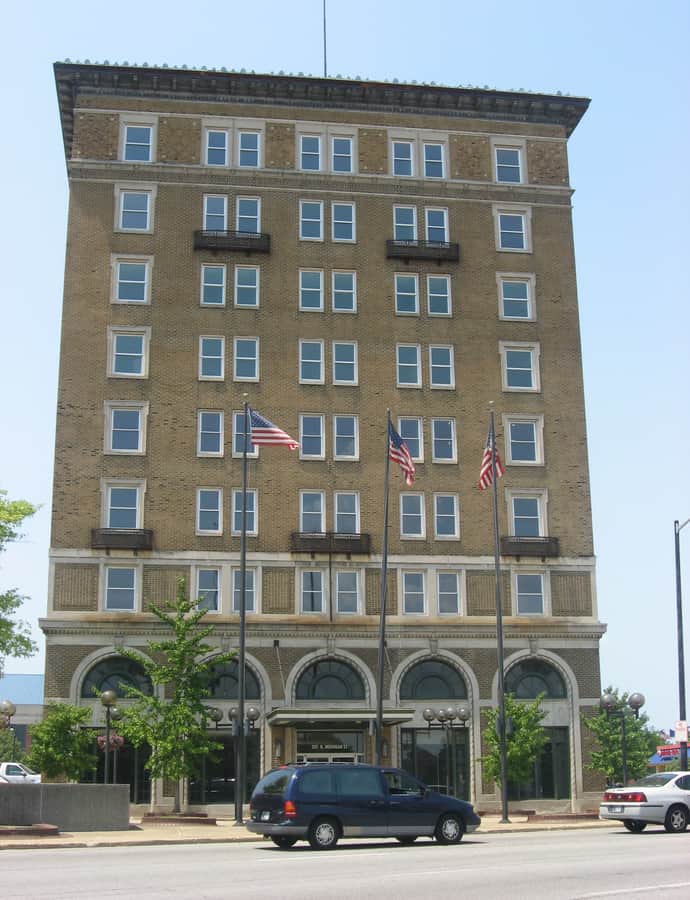
LaSalle Hotel

Neoclassical

LaSalle Hotel

The LaSalle Hotel is a nine-story historic hotel in South Bend, built in 1921 with 223 rooms. It stood next to the Hoffman Hotel and across the street from the original South Bend station of the Chicago South Shore and South Bend Railroad, with a tunnel connecting the station and the hotel.

Photo: Nyttend , Public domain

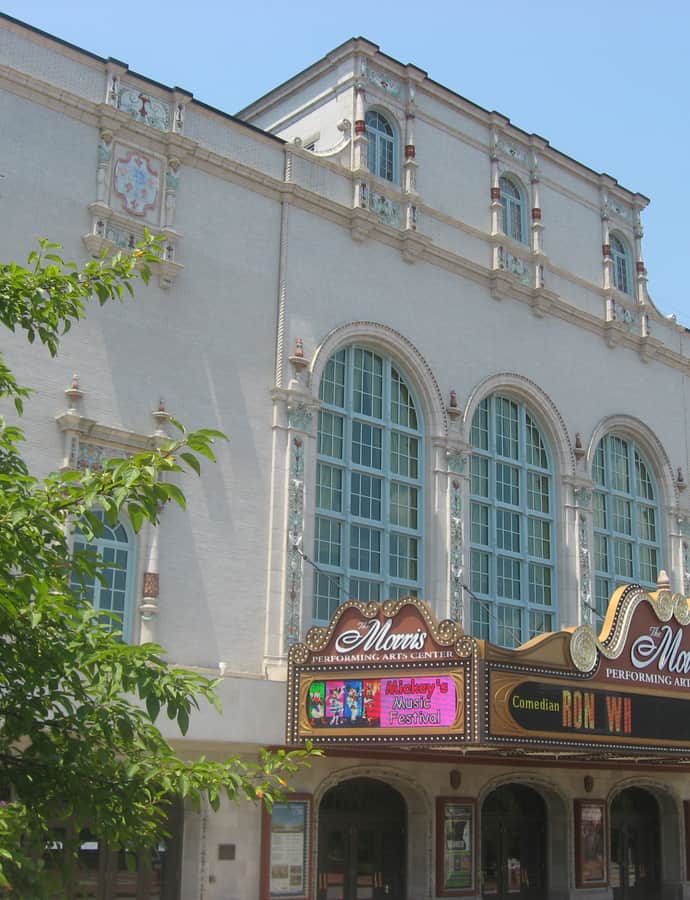
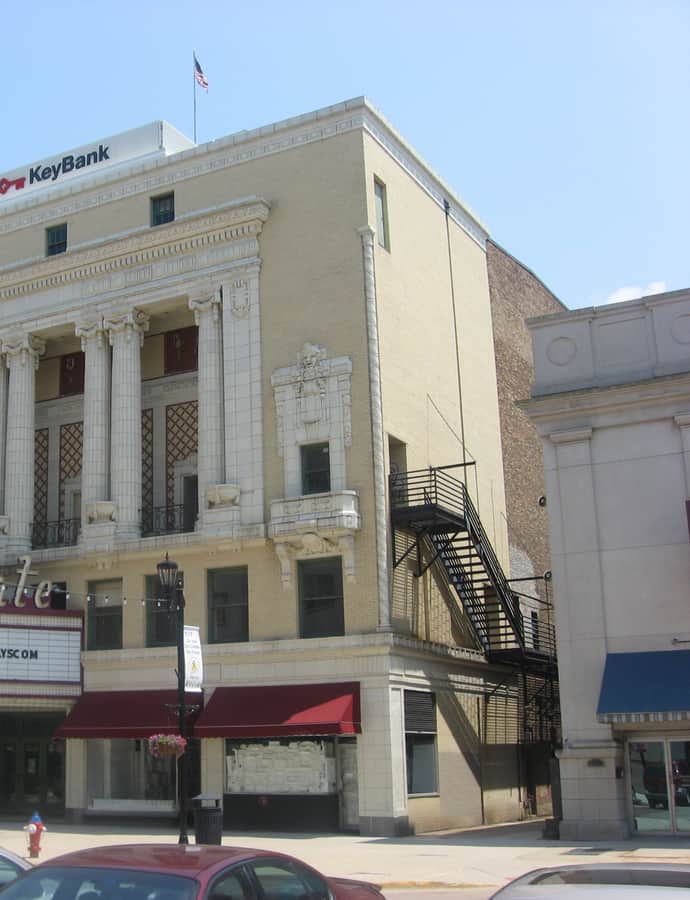
Morris Performing Arts Center

Renaissance Revival

Morris Performing Arts Center

1922

The Morris Performing Arts Center opened in 1922 as the Palace Theatre, a vaudeville house that later became a movie palace, developed alongside the neighboring Palais Royale Building by the Palace Theater Corporation. Built in the Spanish Renaissance Revival style with finely crafted terra cotta ornamentation, the 2,564-seat hall was slated for demolition in 1959 but was saved, and was restored and remodeled between 1998 and 2000. It is listed on the National Register of Historic Places and today hosts the South Bend Symphony Orchestra and Broadway shows.

Photo: Nyttend , Public domain

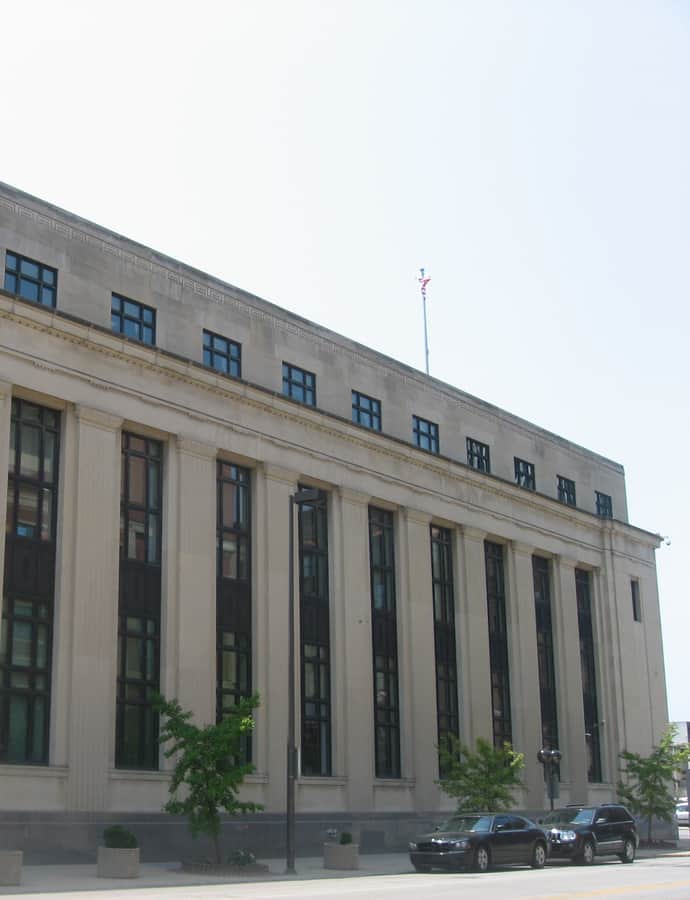
Robert A. Grant Federal Building and U.S. Courthouse

Neoclassical

Robert A. Grant Federal Building and U.S. Courthouse

Austin & Shambleau

The Robert A. Grant Federal Building and U.S. Courthouse, also known simply as the Federal Building, was designed by Austin & Shambleau and built in 1932-1933 as a combined post office and courthouse in downtown South Bend. It is a four-story building faced with Indiana limestone and Vermont granite, done in the Art Deco / Art Moderne style, and it served as a working post office until 1973. It is listed on the National Register of Historic Places.

Photo: Nyttend , Public domain

State Theatre

Neoclassical

State Theatre

Henry L. Newhouse

The State Theatre, historically the Blackstone-State Theater, is a four-story Classical Revival building in downtown South Bend built in 1919 and designed by Henry L. Newhouse. It originally seated 2,500 patrons. The theater closed between 1977 and 1994, and closed again in 2016; in 2025 the South Bend Redevelopment Commission bought the building, made improvements, and put it up for bid.

Photo: Nyttend , Public domain

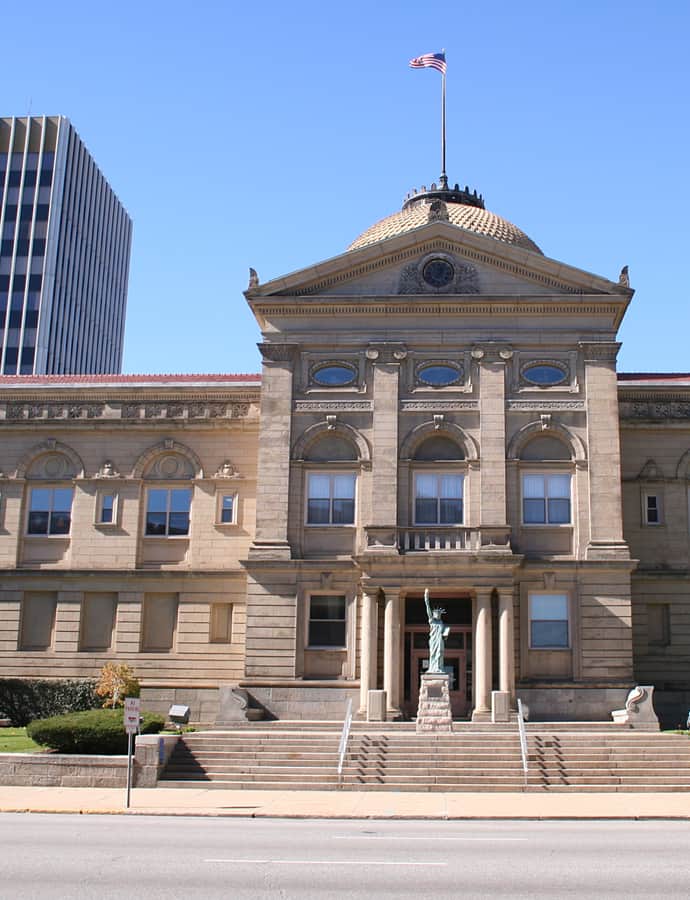
Third St. Joseph County Courthouse

Neoclassical

Third St. Joseph County Courthouse

The Third St. Joseph County Courthouse was designed by the firm Shepley, Rutan and Coolidge and built in 1897 as a 2½-story Classical Revival building of stone and granite. It is located in the West Washington Historic District in South Bend and is listed on the National Register of Historic Places.

Photo: unknown , Public domain

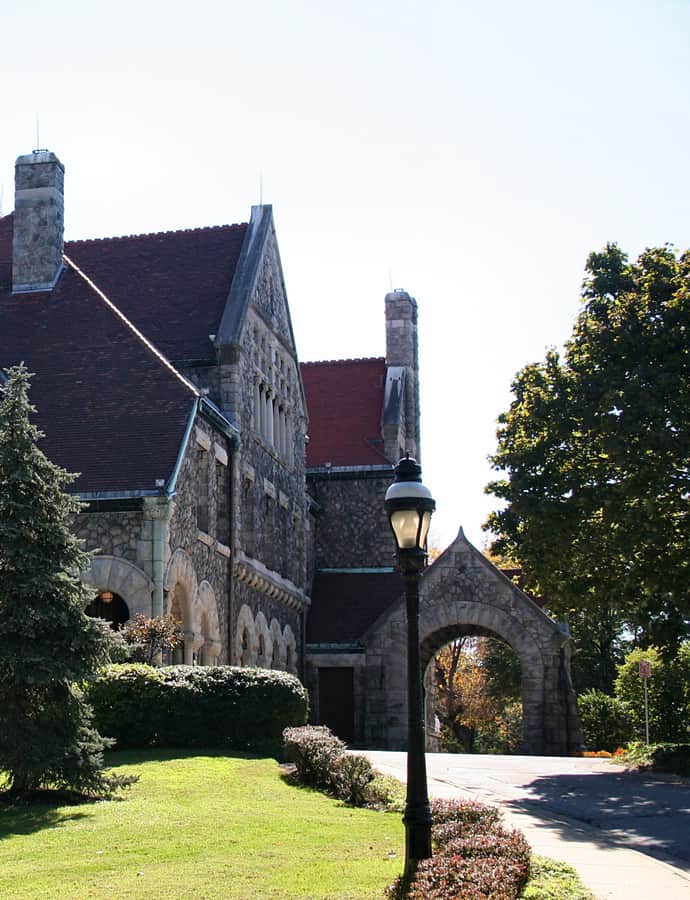
Tippecanoe Place

Richardsonian Romanesque

Tippecanoe Place

Henry Ives Cobb

Tippecanoe Place is a mansion on West Washington Street built in 1889 as the residence of Clement Studebaker, co-founder of the Studebaker vehicle manufacturing firm. Studebaker lived here from 1889 until his death in 1901, and the house stands today as one of the few surviving reminders of the Studebaker automotive empire, the only major coach manufacturer to successfully transition into building automobiles. It was designed by Henry Ives Cobb in the Richardsonian Romanesque style.

Photo: unknown , Public domain

University of Notre Dame: Main and South Quadrangles

Collegiate Gothic

University of Notre Dame: Main and South Quadrangles

1879

The Main Building at Notre Dame, topped by its gold-leafed Golden Dome and statue of Mary, is the third building on this site, erected after the second structure burned down in 1879. The first building here went up in 1843 under founder Edward Sorin, replaced by a larger one in 1865; the current Main Building has housed the university's administrative offices, including the president's, ever since it rose from the ashes. It is listed on the National Register of Historic Places and remains the most recognizable landmark of the university.

Photo: Michael Fernandes , CC BY-SA 3.0
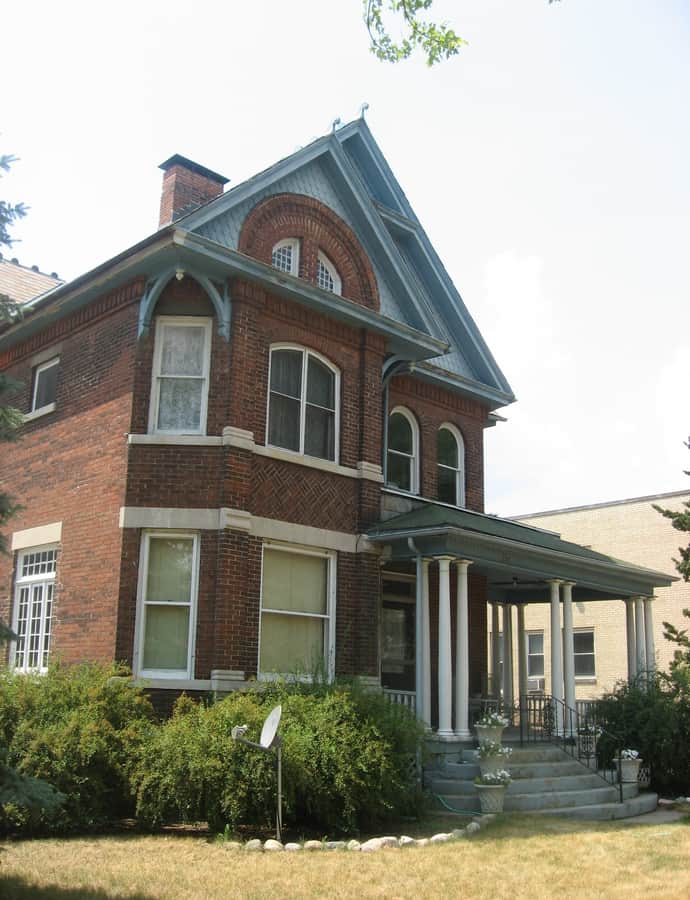
Notable buildings

Worth a stop when you're nearby.

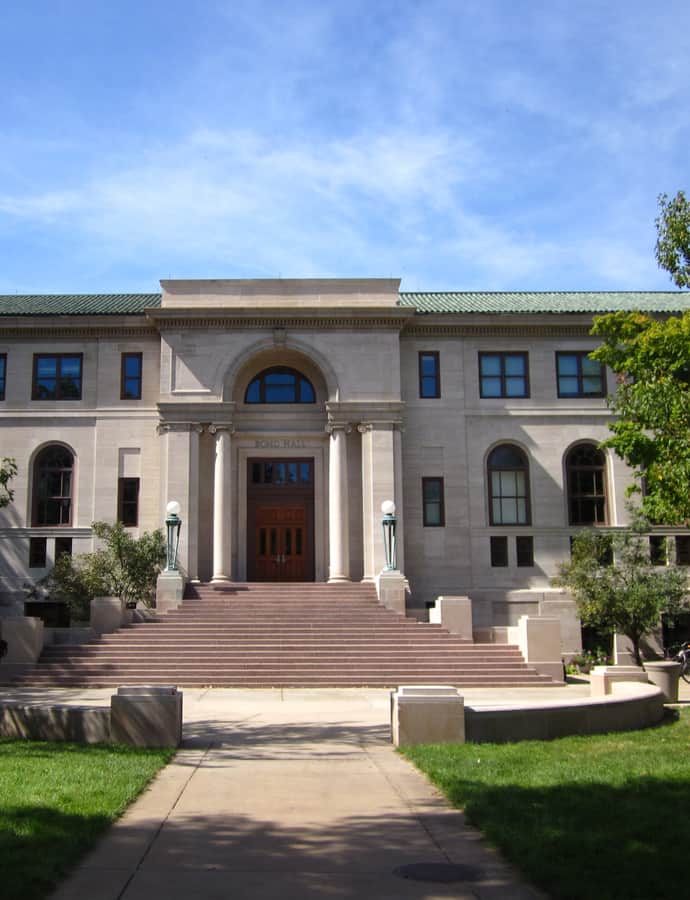
Bond Hall

Neoclassical

Bond Hall

1917

Bond Hall on the University of Notre Dame campus was built in 1917 as the Lemonnier Library, designed by neoclassical architect Edward Lippincott Tilton of New York in the Beaux Arts Classical style using Indiana limestone. It cost $200,000 and replaced the university's first library, which had been housed in the Main Building. It later housed the Notre Dame School of Architecture from 1964 to 2019 and is a National Register of Historic Places contributing property.

Photo: Ssantera , CC BY-SA 3.0
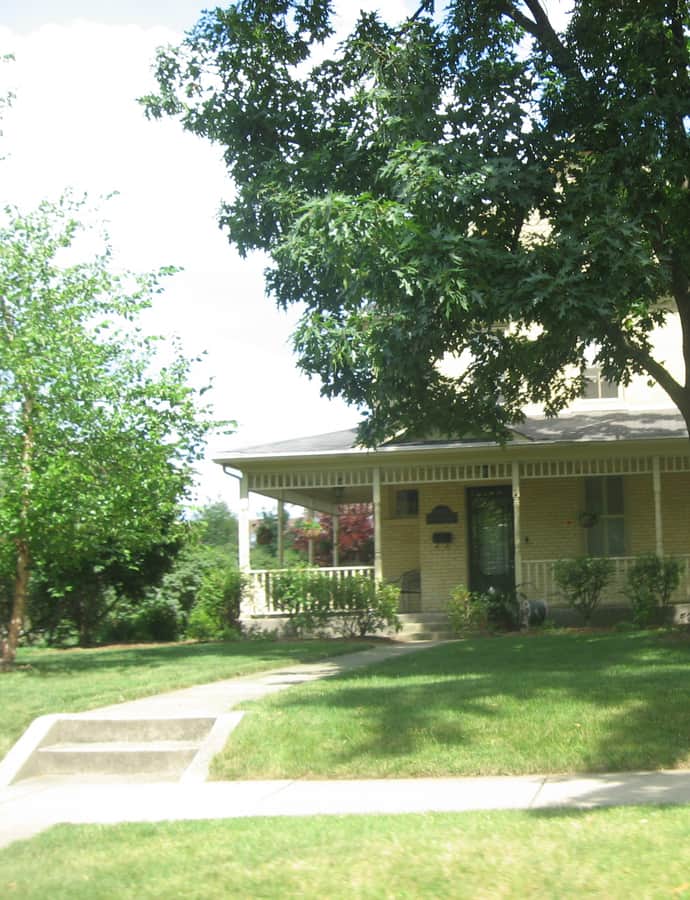
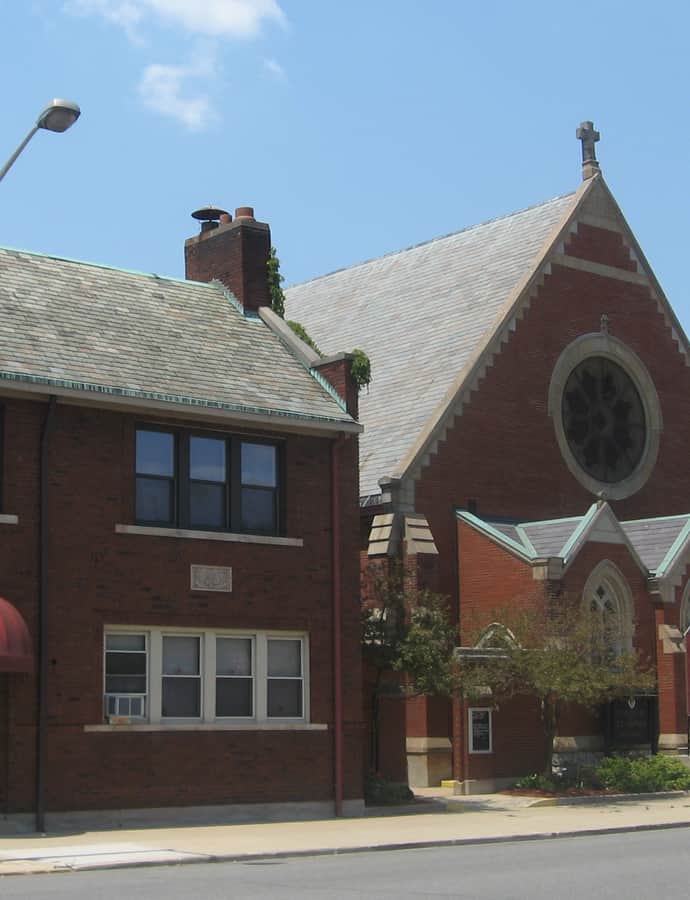
Cathedral of St. James

Gothic Revival

Cathedral of St. James

The Cathedral of St. James is an Episcopal cathedral in downtown South Bend, seat of the Diocese of Northern Indiana. St. James parish was established in 1868 as the city's first Episcopal congregation, and the present Gothic Revival church, designed by Austin & Parker, was completed in 1894; the adjoining parish hall followed in 1920. Both were listed on the National Register of Historic Places in 1985.

Photo: Nyttend , Public domain

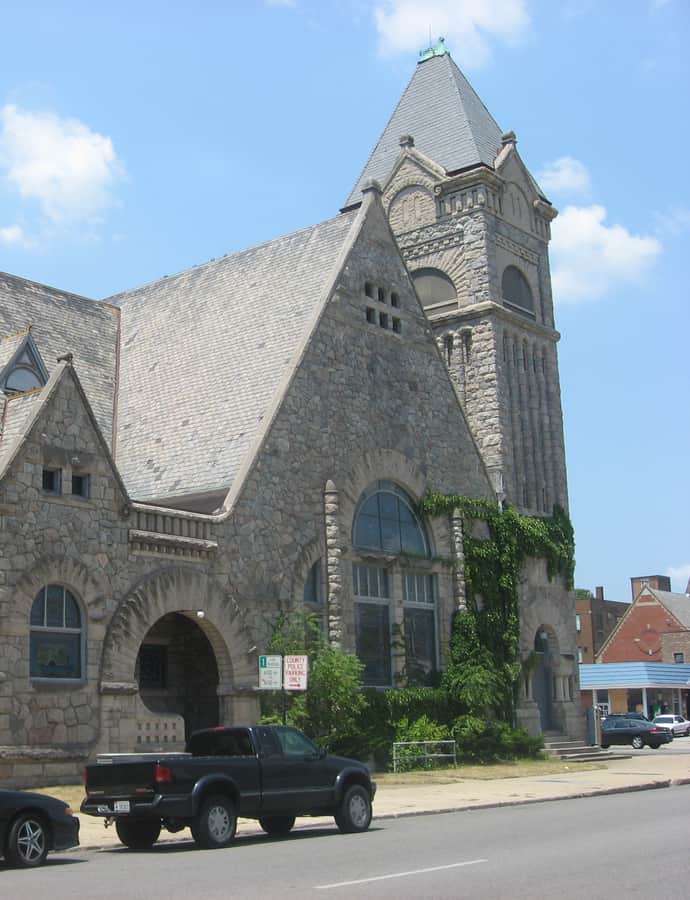
First Presbyterian Church

Romanesque Revival

First Presbyterian Church

The Former First Presbyterian Church stands at 101 S. Lafayette in downtown South Bend, built in 1888 for the First Presbyterian congregation. It's a Richardsonian Romanesque building of fieldstone with limestone trim, listed on the National Register of Historic Places in 1985. The congregation later moved to a new church at 333 W. Colfax Ave, completed in 1952, leaving this building behind as its former home.

Photo: Nyttend , Public domain

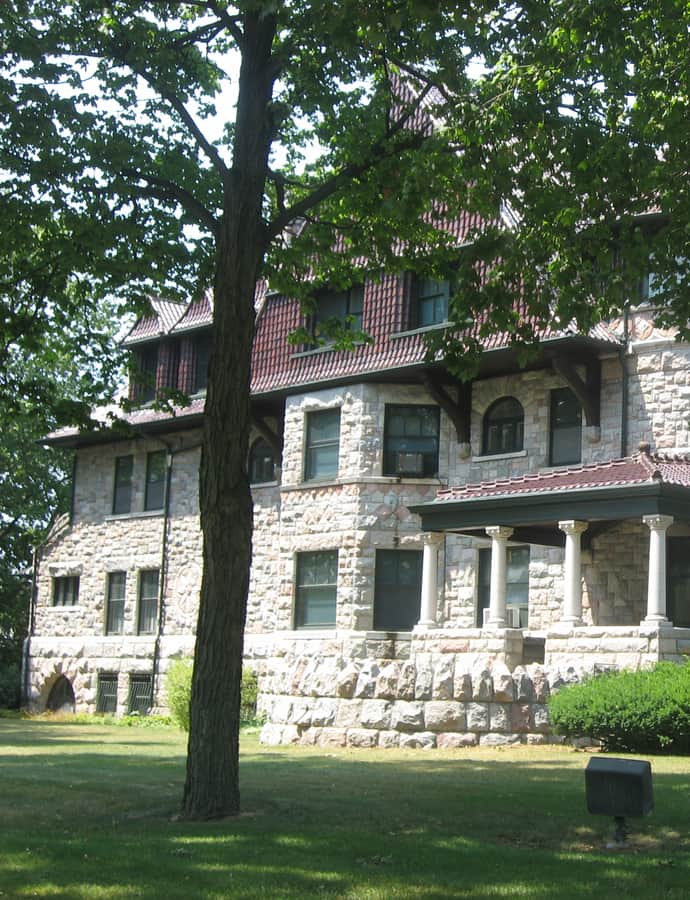
Joseph D. Oliver House

Queen Anne

Joseph D. Oliver House

Copshaholm, the Joseph D. Oliver House, sits at 808 W. Washington Street at Chapin Street in South Bend, built in 1895-96 for the family behind the Oliver Chilled Plow Works. Joseph Oliver named it after the Scottish village of the family patriarch. Designed by New York architect Charles Alonzo Rich of Lamb and Rich, the 38-room mansion is listed on the National Register of Historic Places, and its original furnishings across all three floors preserve how it looked during the 72 years the Oliver family lived there.

Photo: Nyttend , Public domain

Knights of Columbus-Indiana Club

Renaissance Revival

Knights of Columbus-Indiana Club

The Knights of Columbus-Indiana Club is a historic fraternal club building in downtown South Bend, built in 1924 as a three-story Renaissance Revival structure of brick and terra cotta. It was listed on the National Register of Historic Places in 1985.

Photo: Nyttend , Public domain

St. Joseph School

Gothic Revival

St. Joseph School

1925

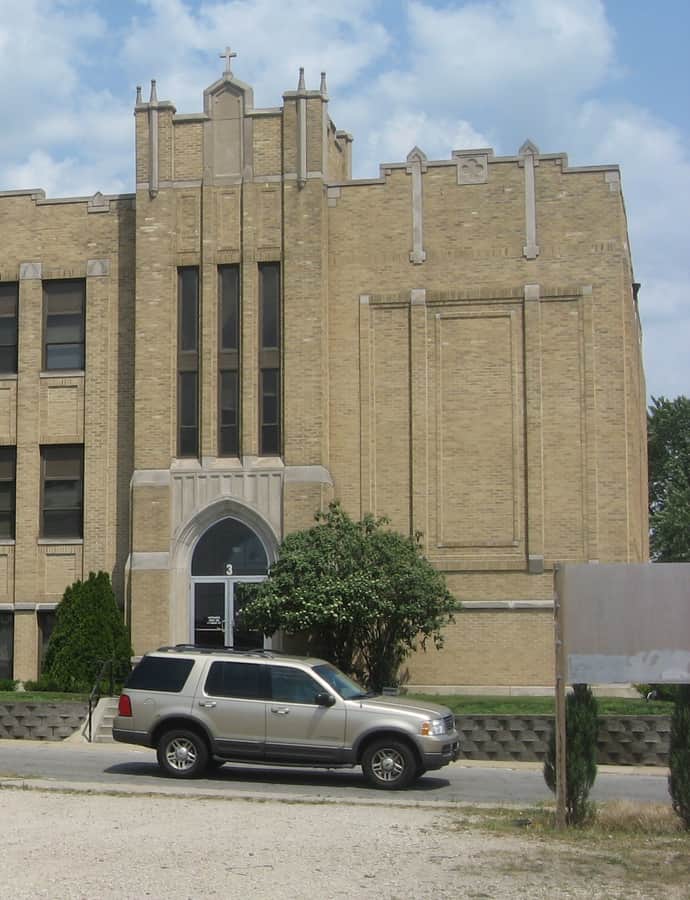
St. Joseph Grade School's historic building is a Late Gothic Revival tan brick structure built in 1925, serving the Catholic pre-K through 8 school administered by the Congregation of Holy Cross. It is the parochial school of the Parish of St. Joseph, the oldest Catholic congregation in the city, and was listed on the National Register of Historic Places in 1999 among 95 other districts, properties, and landmarks in the county.

Photo: Nyttend , Public domain

Hidden gems

Fine buildings that fewer people seek out.

All American Bank Building

Neoclassical

All American Bank Building

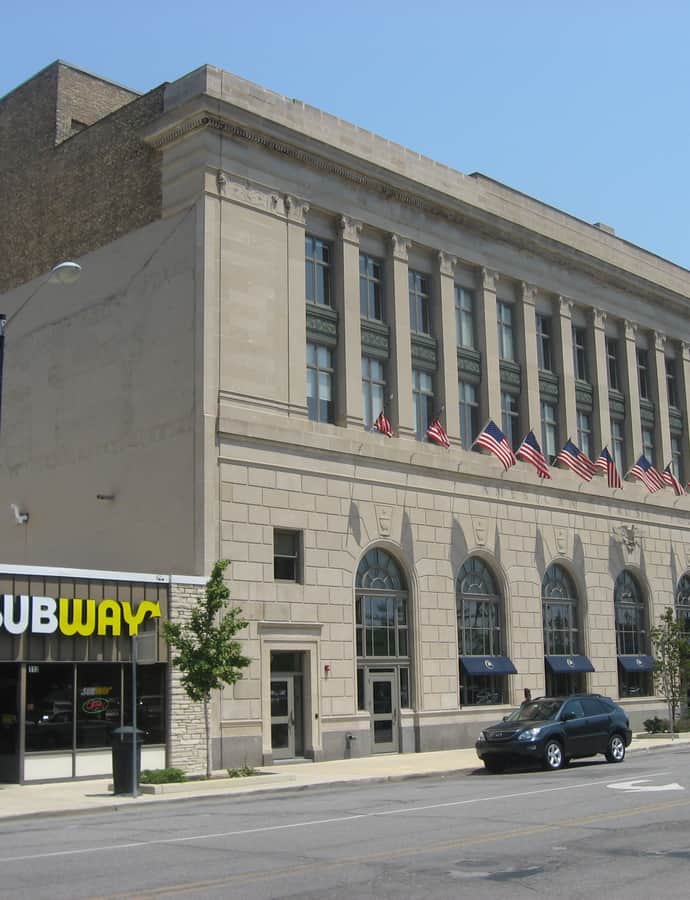
The All American Bank Building is a historic bank building in downtown South Bend, built in 1924 as a four-story Classical Revival building in Indiana limestone, designed by the Chicago architects Vitzthum & Burns. The All American Bank occupied the building until 1970, and it was listed on the National Register of Historic Places in 1985.

Photo: Nyttend , Public domain

Children's Dispensary

Neoclassical

Children's Dispensary

The Children's Dispensary, also known as Hansel Center, is a historic hospital building in South Bend. The main building was built in 1925 as a two-story, T-plan Classical Revival brick building with limestone trim, with a contributing garage and wall dating to the 1910s. It provided general medical care to disadvantaged children, and was renovated in 2012 to house the Notre Dame Center for Arts and Culture.

Photo: Nyttend , Public domain

Citizens Bank

Chicago School

Citizens Bank

Citizens Bank is a historic bank building in downtown South Bend, built in 1913 as a six-story, three-bay Commercial style brick building with a terra cotta front facade. A rear addition followed in 1923. The building was listed on the National Register of Historic Places in 1985.

Photo: Nyttend , Public domain

Fire House No. 3

Queen Anne

Fire House No. 3

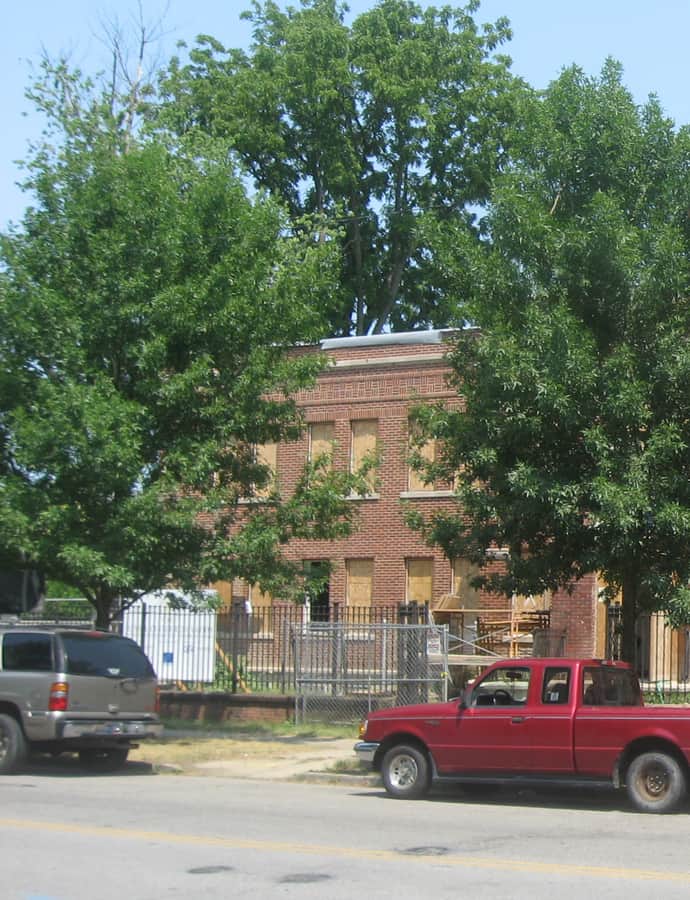
Fire House No. 3 is a historic fire station in South Bend built in 1892, a 2 1/2-story Queen Anne brick building that served as a working firehouse until the 1960s before being adapted for commercial use. It was listed on the National Register of Historic Places in 1999.

Photo: Nyttend , Public domain

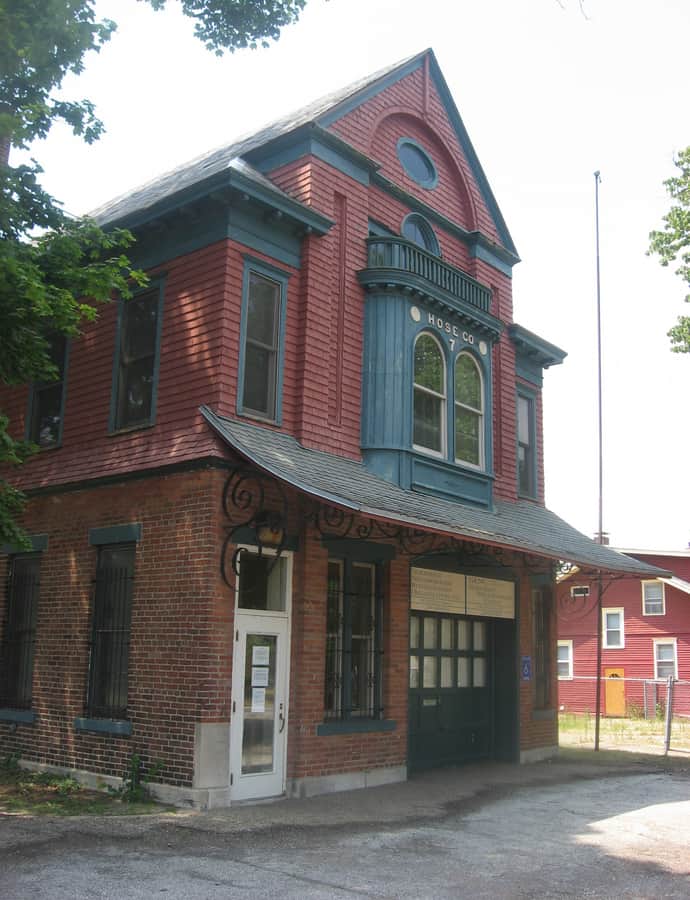
Fire Station No. 7

Shingle Style

Fire Station No. 7

Fire Station No. 7 is a historic fire station in South Bend, built in 1904 as a 2½-story Queen Anne style brick building with a Shingle Style upper story. It served as a fire station until 1968, after which it was adapted for community uses. It was listed on the National Register of Historic Places in 1999.

Photo: Nyttend , Public domain

Kelley-Fredrickson House and Office Building

Queen Anne

Kelley-Fredrickson House and Office Building

The Kelley–Fredrickson House and Office Building, also known as the Arthur Fredrickson House and Candy Store, is a historic home and commercial building in South Bend's near northwest. The house was built in 1892 as a 2½-story, irregular-plan Queen Anne frame dwelling, with two additions built between 1898 and 1917; an accompanying office/store was also built in 1892 as a 1½-story wood-frame building on a brick foundation. The house was moved to 702 W. Colfax in 1986 and is operated as a bed and breakfast.

Photo: Nyttend , Public domain

Martin Hoban House

Queen Anne

Martin Hoban House

The Martin Hoban House is a historic home in South Bend built in 1896, a 2 1/2-story Queen Anne brick dwelling with an irregular plan, listed on the National Register of Historic Places in 1999.

Photo: Nyttend , Public domain

Maurice Egan House

Queen Anne

Maurice Egan House

The Maurice Egan House is a historic home in South Bend built in 1889, a 2 1/2-story rectangular Queen Anne dwelling of yellow ochre brick, listed on the National Register of Historic Places in 1999.

Photo: Nyttend , Public domain