City guide

architecture in Baltimore.

97 buildings worth a detour, each with what to look for. Open them on the map, or walk them with the iPhone app, which collects each one you photograph.

Landmarks

The buildings that define the city's architecture.

B&O Railroad Headquarters Building

Beaux-Arts

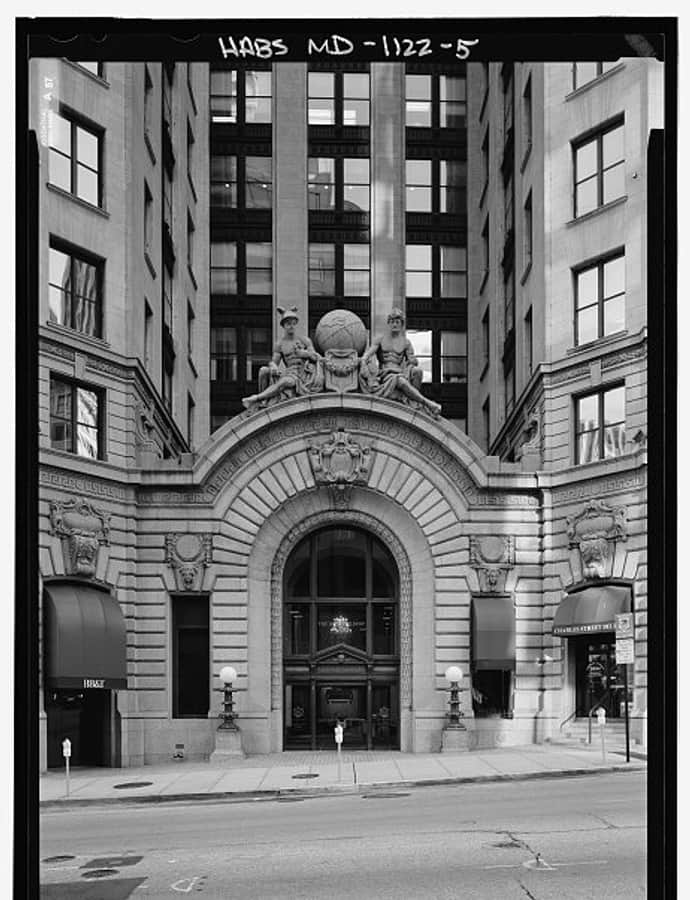
B&O Railroad Headquarters Building

James Gamble Rogers · 1906

The B&O Railroad Headquarters Building was built in 1906 in downtown Baltimore in the Beaux-Arts style, designed by architect James Gamble Rogers to serve as headquarters of the B&O Railroad.

Photo: Library of Congress , Public domain
B&O Railroad Museum

Georgian

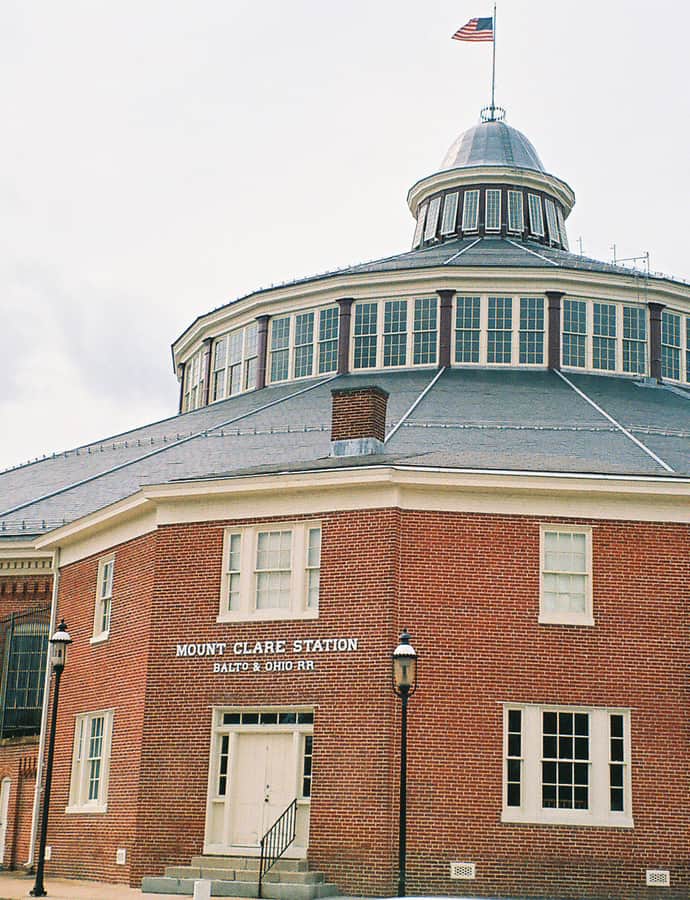
B&O Railroad Museum

Ephraim Francis Baldwin · 1884

The B&O Railroad Museum occupies a roundhouse completed in 1884 and designed by Ephraim Francis Baldwin, a noted architect for the Baltimore & Ohio Railroad, in the Georgian style. The building's iconic roundhouse form is visible from the street, and its history as a railroad roundhouse gives it a strong, retellable story.

Photo: JGHowes , Attribution

Baltimore City Hall

Second Empire

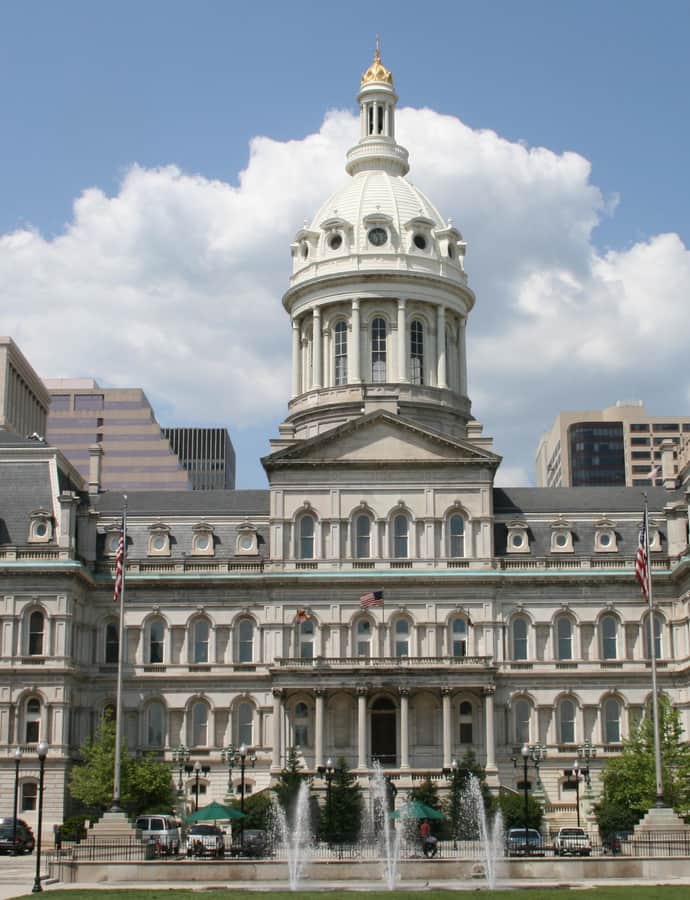
Baltimore City Hall

George A. Frederick · 1875

Baltimore City Hall was completed in 1875 to a design by architect George A. Frederick in the Second Empire style. As the seat of city government, it carries a strong civic story, and its prominent domed facade forms a landmark on the street.

Photo: Marylandstater , Public domain
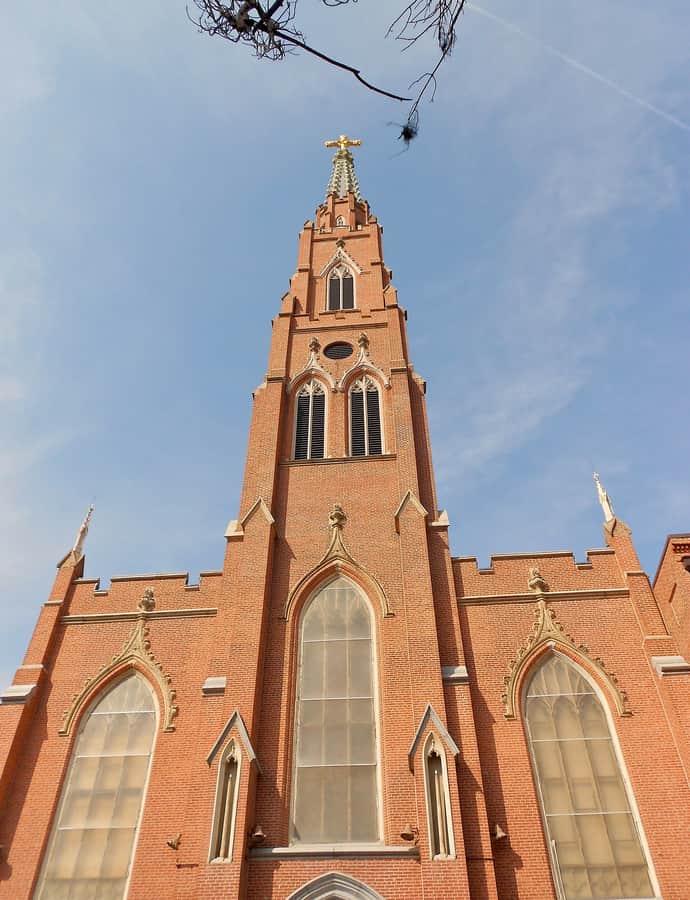
Basilica of the National Shrine of the Assumption of the Blessed Virgin Mary

Neoclassical

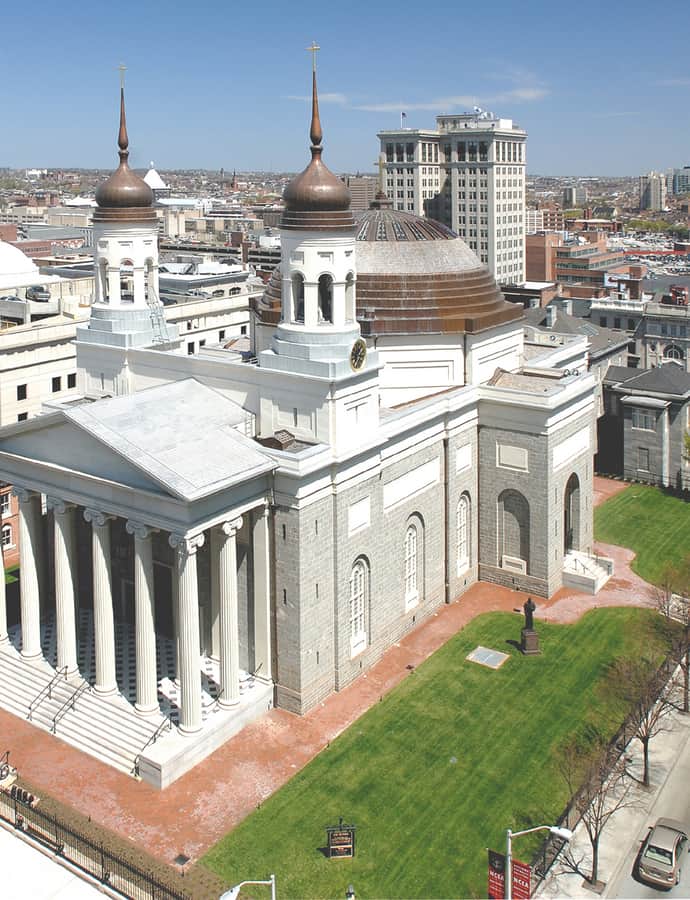
Basilica of the National Shrine of the Assumption of the Blessed Virgin Mary

Benjamin Henry Latrobe · 1821

The Basilica of the National Shrine of the Assumption of the Blessed Virgin Mary was completed in 1821 and designed by Benjamin Henry Latrobe, one of the most historically significant American architects. It is an exemplary early American Neoclassical cathedral and a notable early domed masonry cathedral in the young United States.

Photo: The original uploader was Basilica1 at English Wikipedia. , Public domain
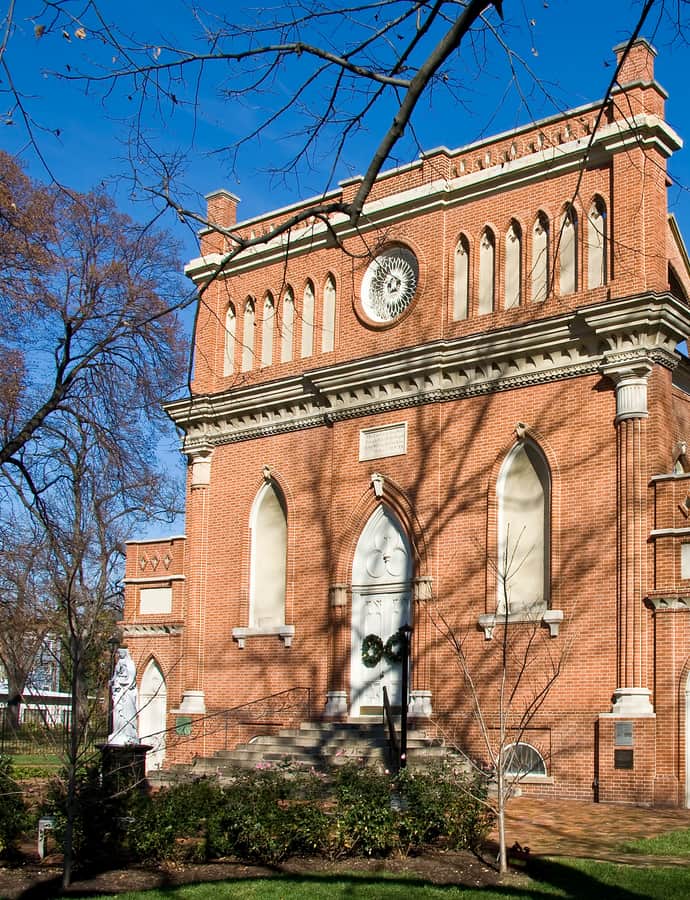
Brewers Exchange

Renaissance Revival

Brewers Exchange

Joseph Evans Sperry

The Brewers Exchange is a Renaissance Revival commercial building in downtown Baltimore designed by Joseph Evans Sperry, a prominent Baltimore architect. It is listed on the National Register of Historic Places.

Photo: Smallbones , CC0

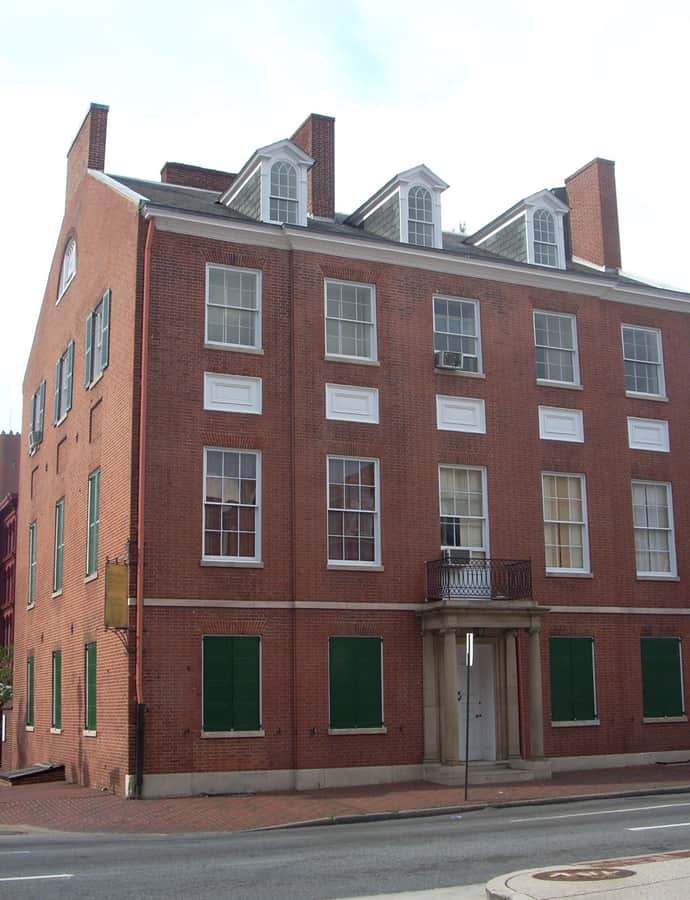
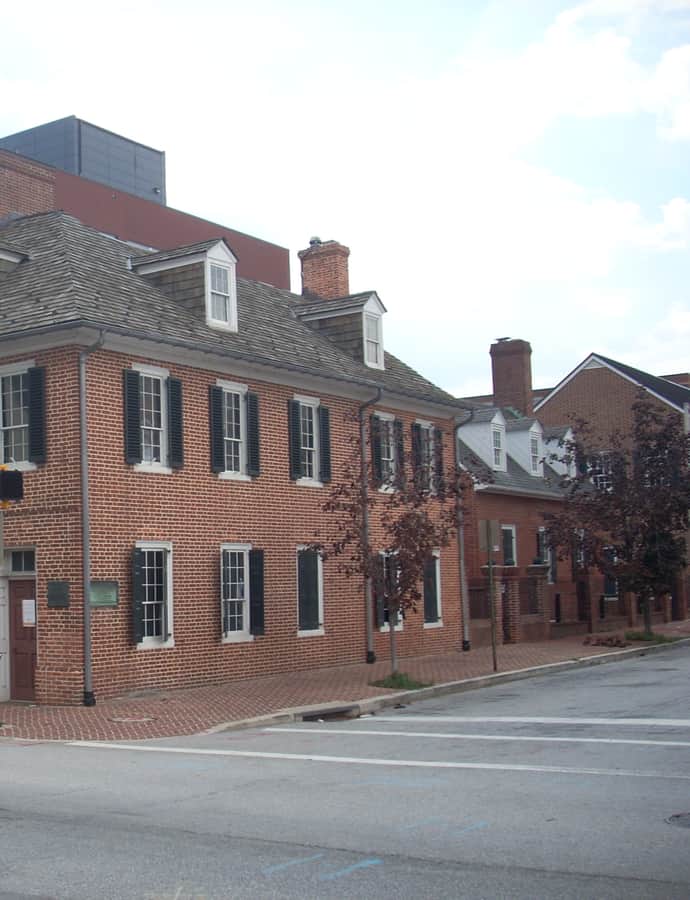
Carroll Mansion

Federal

Carroll Mansion

Carroll Mansion is a Federal-style house in downtown Baltimore, listed on the National Register of Historic Places. It operates as a historic house museum with ties to the Carroll family.

Photo: KudzuVine , Public domain
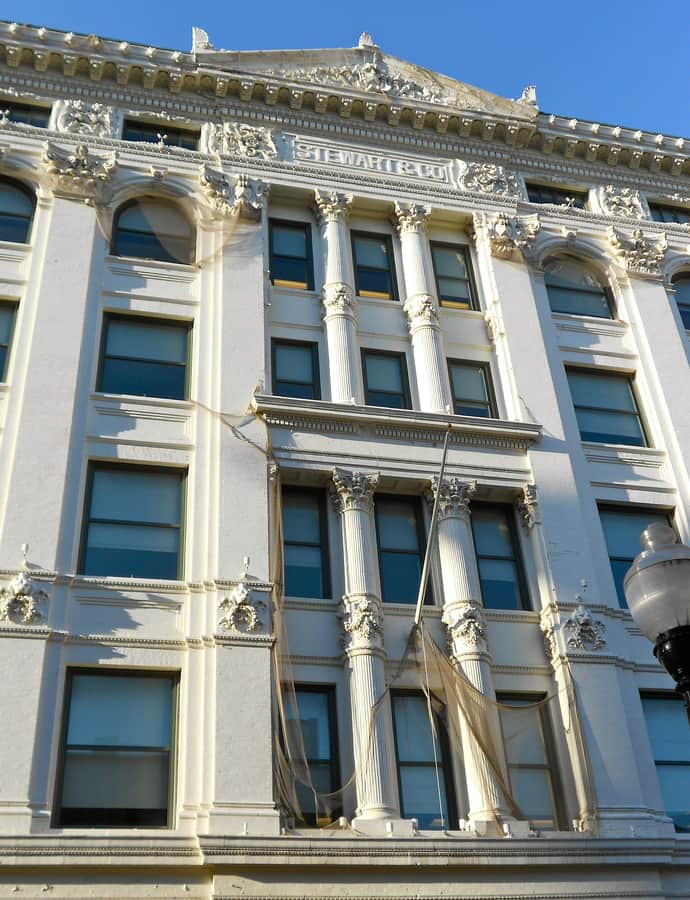
Chizuk Amuno Synagogue

Moorish / Mudéjar

Chizuk Amuno Synagogue

1876

Chizuk Amuno Synagogue, built in 1876 in downtown Baltimore, is a neo-Mudéjar building, an unusual style choice for a synagogue of its era. It is listed on the National Register of Historic Places.

Photo: KudzuVine , Public domain
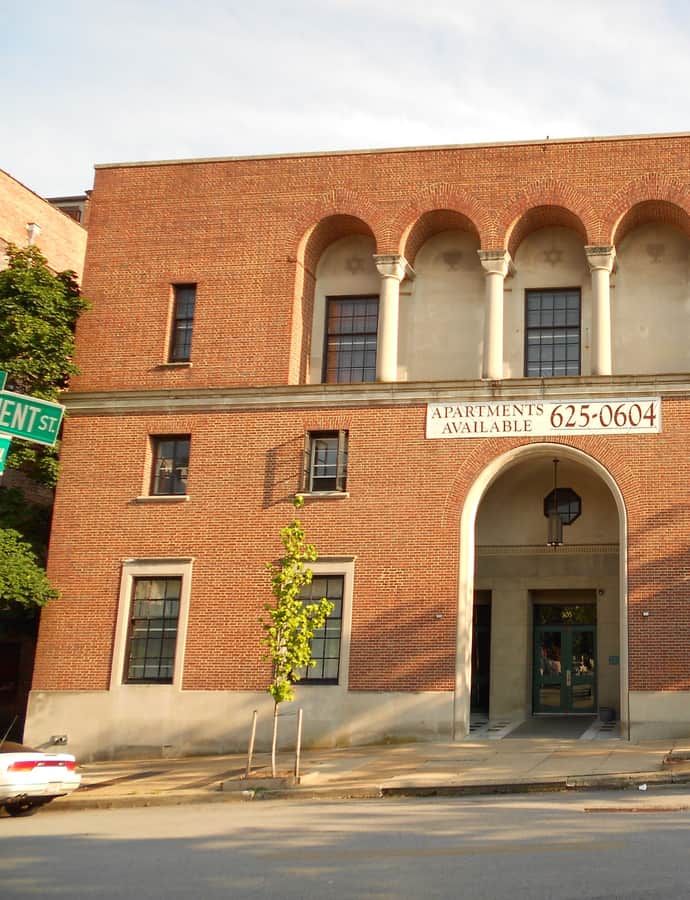
Mid-Century Modern

Commercial Credit Company Building

Harrison & Abramovitz · 1954

The Commercial Credit Company Building is a modern office building in downtown Baltimore, completed in 1954 and designed by Harrison & Abramovitz, a nationally significant firm in modern architecture. It is individually listed on the National Register of Historic Places.

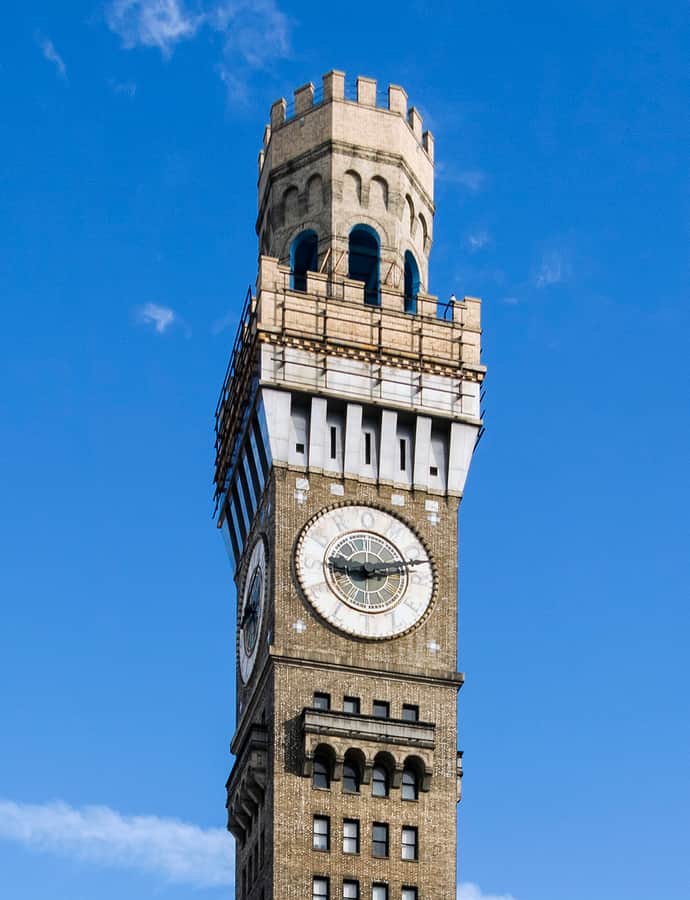
Emerson Bromo-Seltzer Tower

Renaissance Revival

Emerson Bromo-Seltzer Tower

Joseph Evans Sperry · 1911

The Emerson Bromo-Seltzer Tower was completed in 1911 and designed by Joseph Evans Sperry, a prominent Baltimore architect, in the Renaissance Revival style. It is modeled on the tower of the Palazzo Vecchio, a distinctive typological reference, and remains an iconic skyline tower highly visible from the street.

Photo: Acroterion , CC BY-SA 4.0

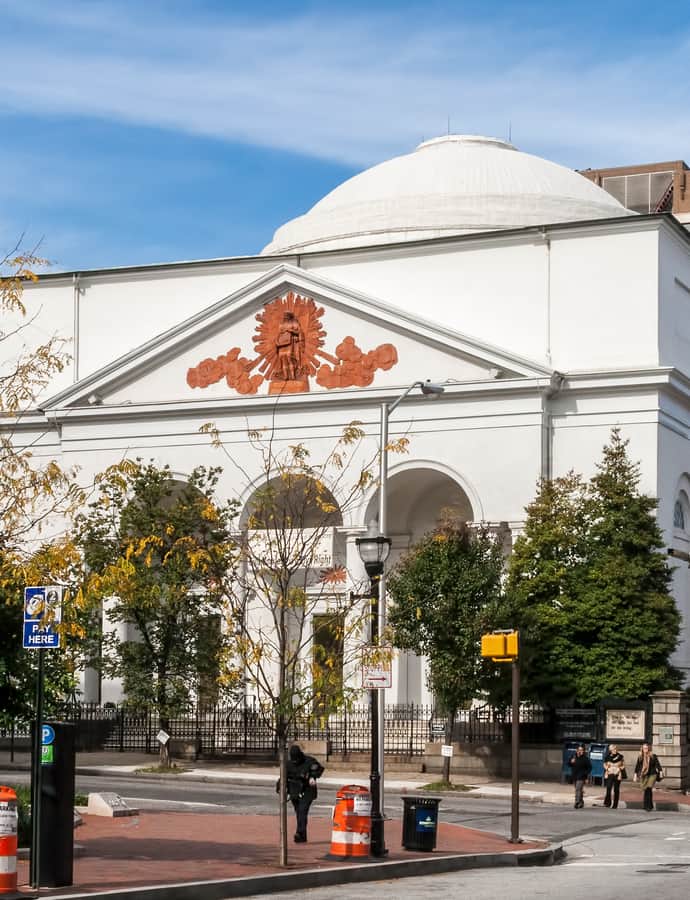
First Unitarian Church

Neoclassical

First Unitarian Church

Maximilian Godefroy

The First Unitarian Church was designed by Maximilian Godefroy in the Neoclassical style. Its Neoclassical dome and facade are visible from the street, and the church's National Historic Landmark status supports a strong, retellable story.

Photo: Acroterion , CC BY-SA 4.0

Flag House & Star-Spangled Banner Museum

Federal

Flag House & Star-Spangled Banner Museum

The Flag House & Star-Spangled Banner Museum is a Federal-style building in downtown Baltimore, designated a National Historic Landmark and listed on the National Register of Historic Places. It stands as the site connected to the making of the Star-Spangled Banner flag, preserved today as a historic house museum.

Photo: KudzuVine , Public domain
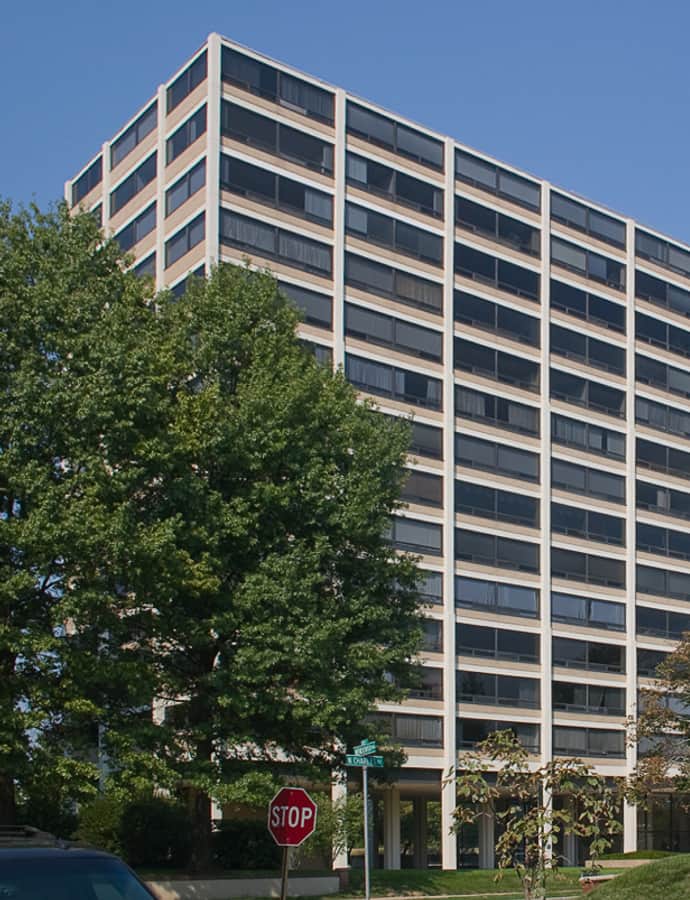
Highfield House Condominium

International Style

Highfield House Condominium

Highfield House Condominium is an International Style tower listed on the National Register of Historic Places, its massing visible from the street.

Photo: Frederic C. Chalfant , CC BY-SA 3.0

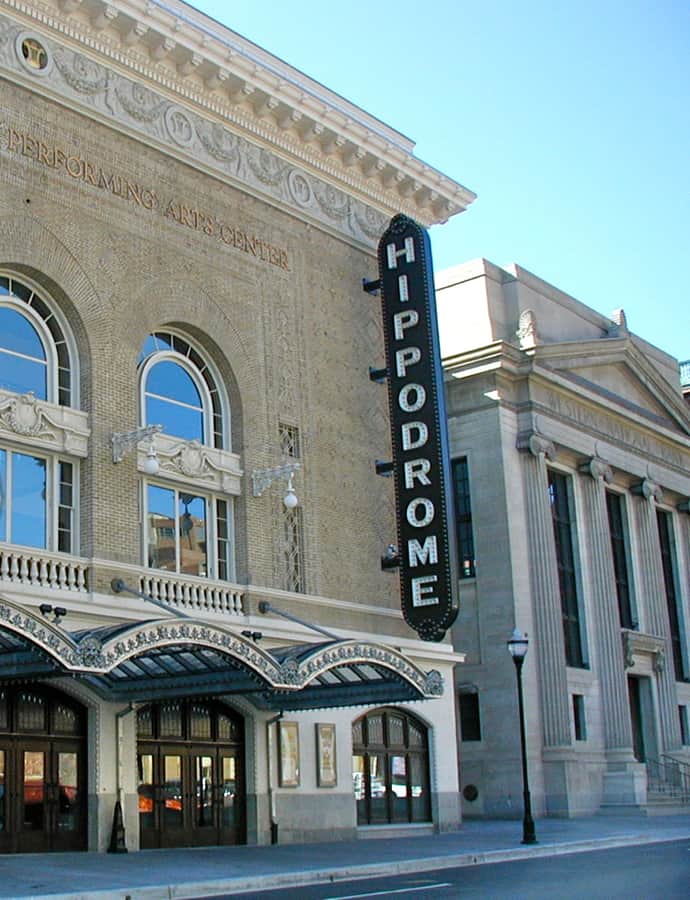
Hippodrome Theatre

Beaux-Arts

Hippodrome Theatre

Thomas W. Lamb

The Hippodrome Theatre is a Beaux-Arts theater in downtown Baltimore, designed by Thomas W. Lamb, a noted theater architect. The building is individually listed on the National Register of Historic Places.

Photo: Teda13 , CC BY-SA 3.0

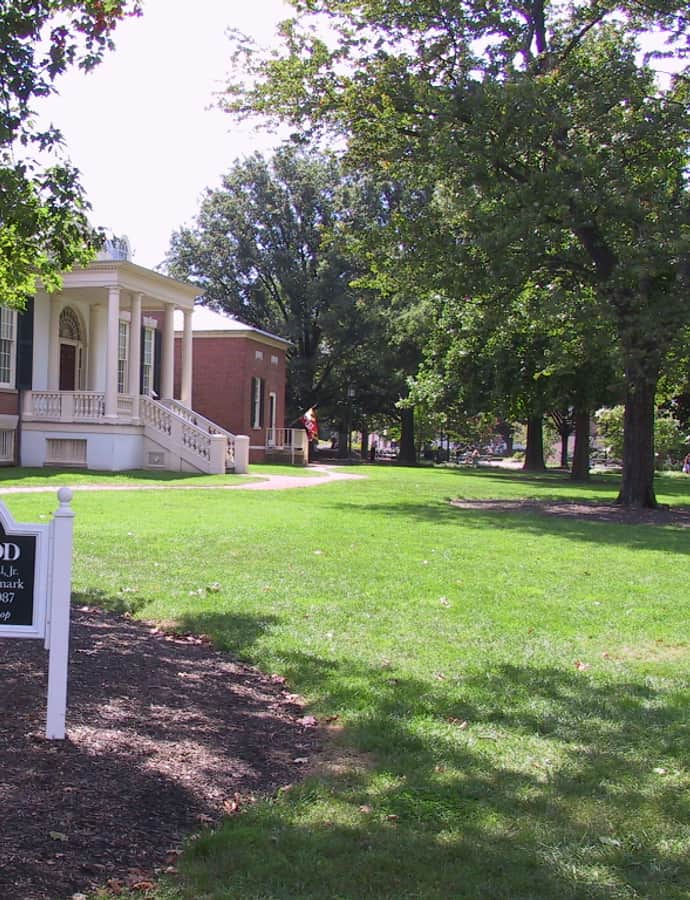
Homewood Museum

Federal

Homewood Museum

Homewood Museum is a Federal-style house museum in Baltimore, designated a National Historic Landmark and listed on the National Register of Historic Places. Its Federal-style facade is visible from the street.

Photo: Rdsmith4 , CC BY-SA 2.5

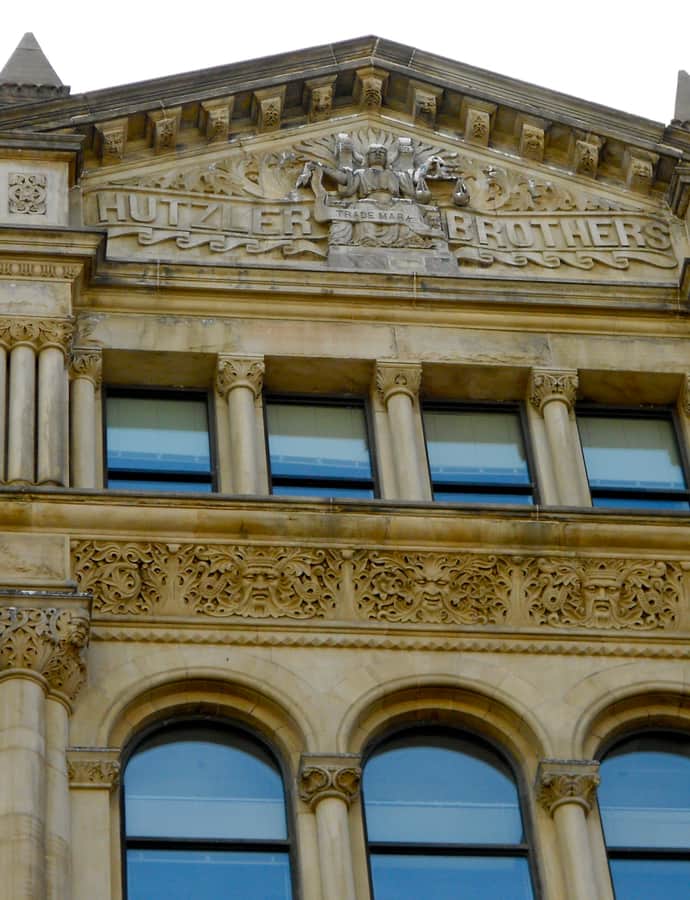
Hutzler Brothers Palace Building

Second Empire

Hutzler Brothers Palace Building

Baldwin & Pennington

The Hutzler Brothers Palace Building is a Second Empire commercial building in downtown Baltimore, designed by the Baltimore architecture firm Baldwin & Pennington. It is individually listed on the National Register of Historic Places.

Photo: Smallbones , CC0

Queen Anne

Johns Hopkins Hospital

1889

The original Johns Hopkins Hospital building dates to 1889 and was built in the Queen Anne style. It is listed on the National Register of Historic Places.

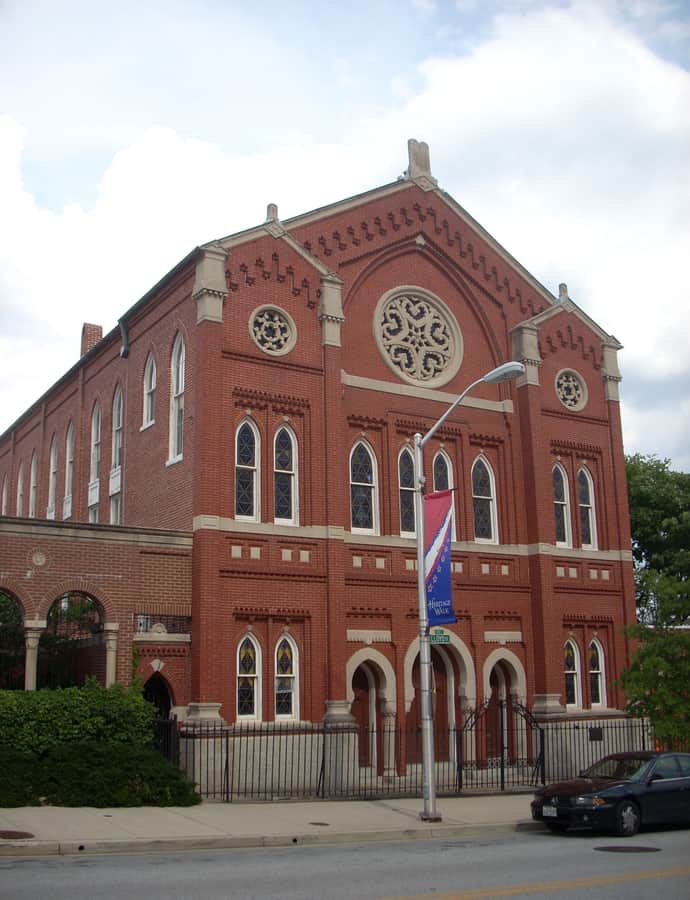
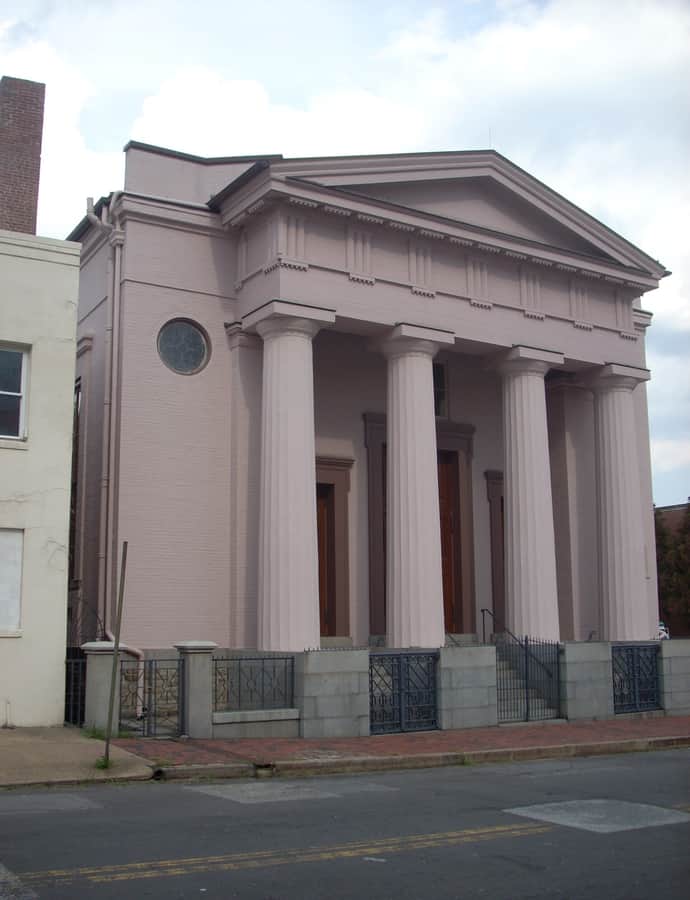
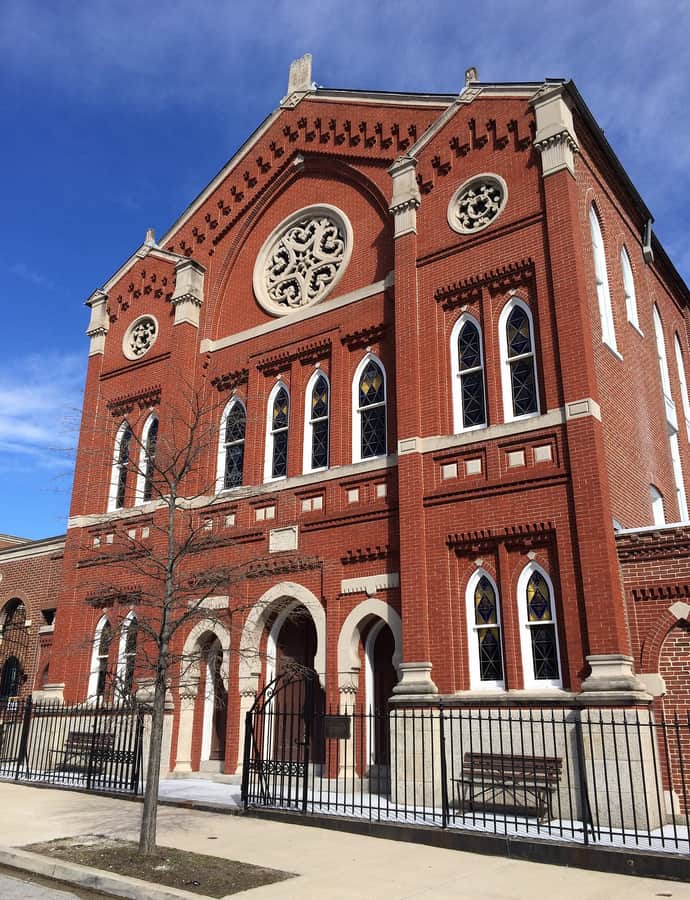
Lloyd Street Synagogue

Greek Revival

Lloyd Street Synagogue

1845

The Lloyd Street Synagogue was built in 1845 in downtown Baltimore in the Greek Revival style, and it is among the oldest surviving synagogue buildings in the United States. It is individually listed on the National Register of Historic Places.

Photo: KudzuVine , Public domain
Renaissance Revival

Lord Baltimore Hotel

William Lee Stoddart

The Lord Baltimore Hotel is a Renaissance Revival hotel tower in downtown Baltimore designed by William Lee Stoddart, a noted hotel architect of the era. It is listed on the National Register of Historic Places.

Art Deco

Montgomery Park

1925

Montgomery Park is an Art Deco building completed in 1925, individually listed on the National Register of Historic Places. Its large Art Deco facade is visible from the street.

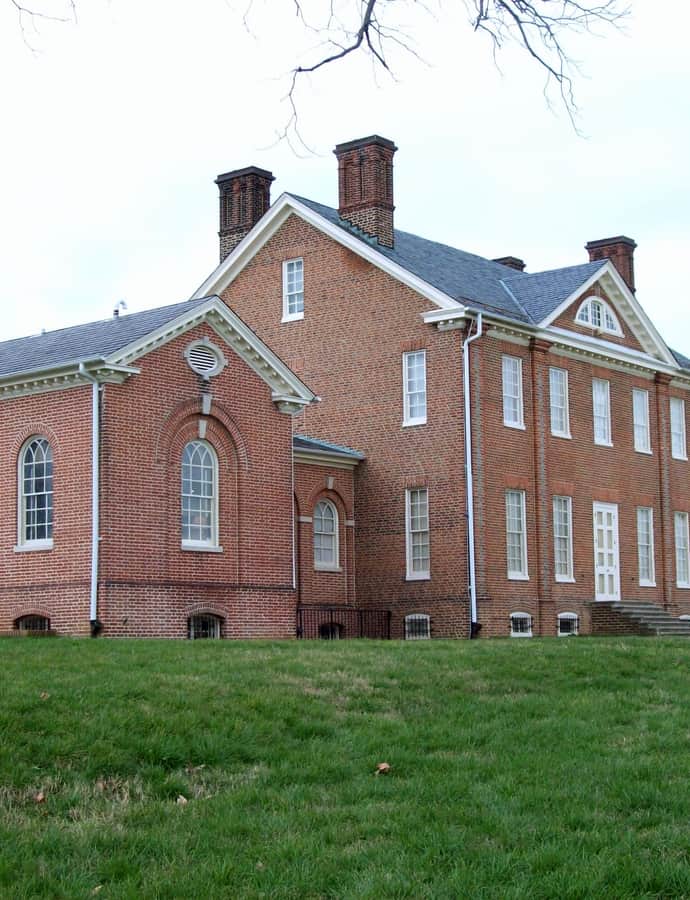
Mount Clare

Georgian

Mount Clare

Mount Clare is a Georgian-style mansion in Baltimore, recognized as the city's oldest surviving 18th-century mansion and associated with the Carroll family. It is designated a National Historic Landmark and listed on the National Register of Historic Places.

Photo: Pubdog , Public domain
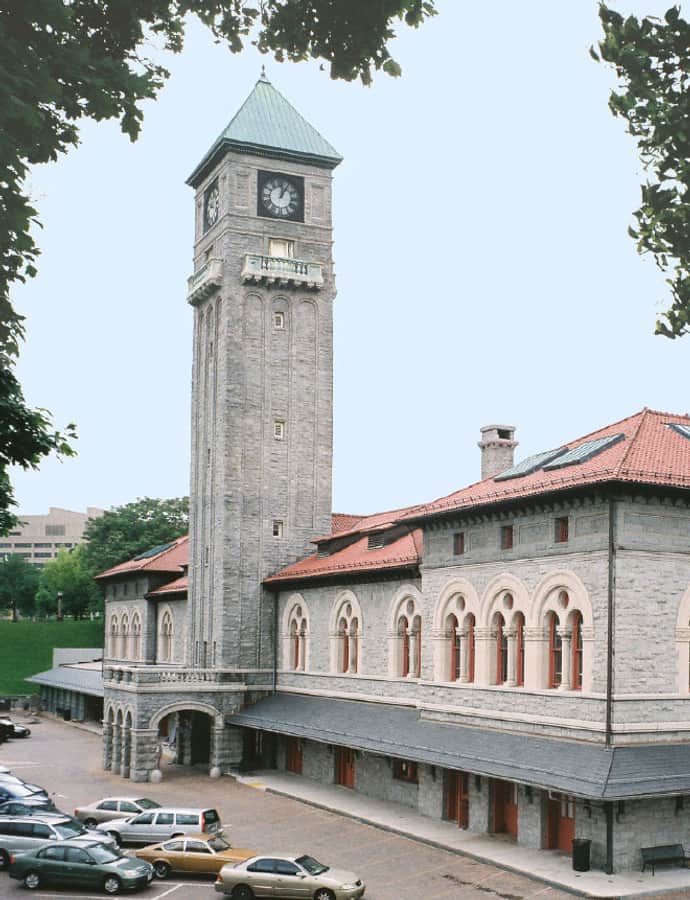
Mount Royal Station

Renaissance Revival

Mount Royal Station

Mount Royal Station is a former railroad station built in the Renaissance Revival style. It is designated a National Historic Landmark and listed on the National Register of Historic Places.

Photo: JGHowes , Attribution

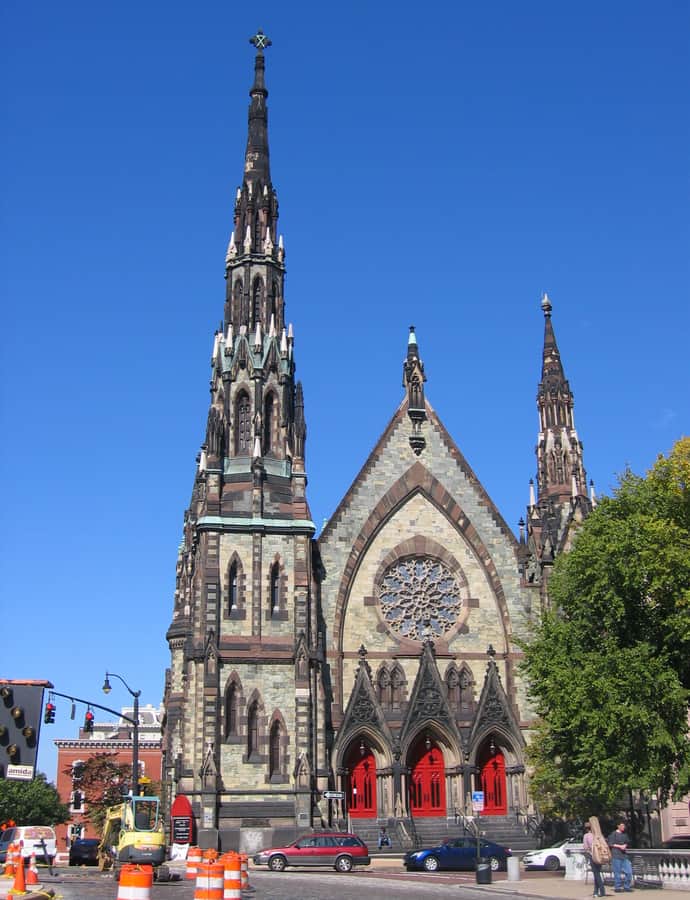
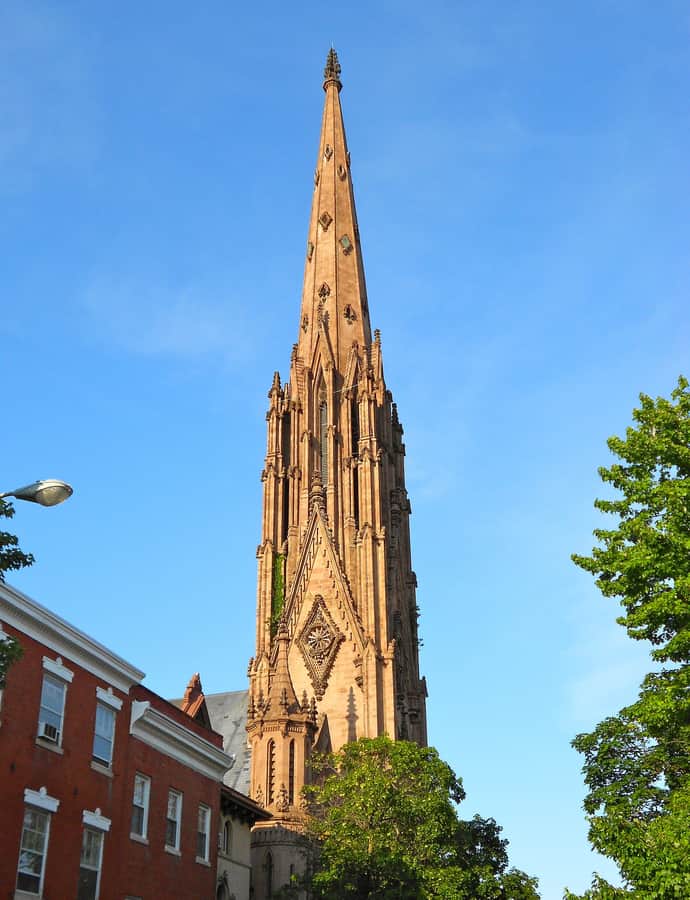
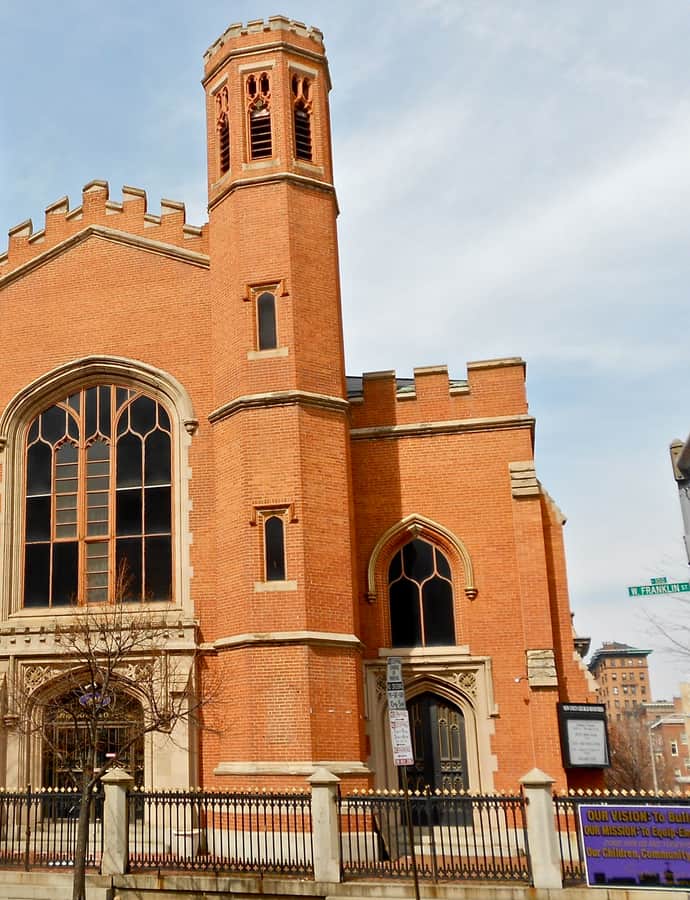
Mount Vernon Place United Methodist Church and Asbury House

Gothic Revival

Mount Vernon Place United Methodist Church and Asbury House

Thomas Dixon

Mount Vernon Place United Methodist Church and Asbury House is a Gothic Revival complex in downtown Baltimore designed by architect Thomas Dixon. It is a National Register of Historic Places contributing property within a listed place.

Photo: Eli Pousson from Washington, DC, USA , CC BY-SA 2.0

Gothic Revival

Old Frederick Douglass High School

1924

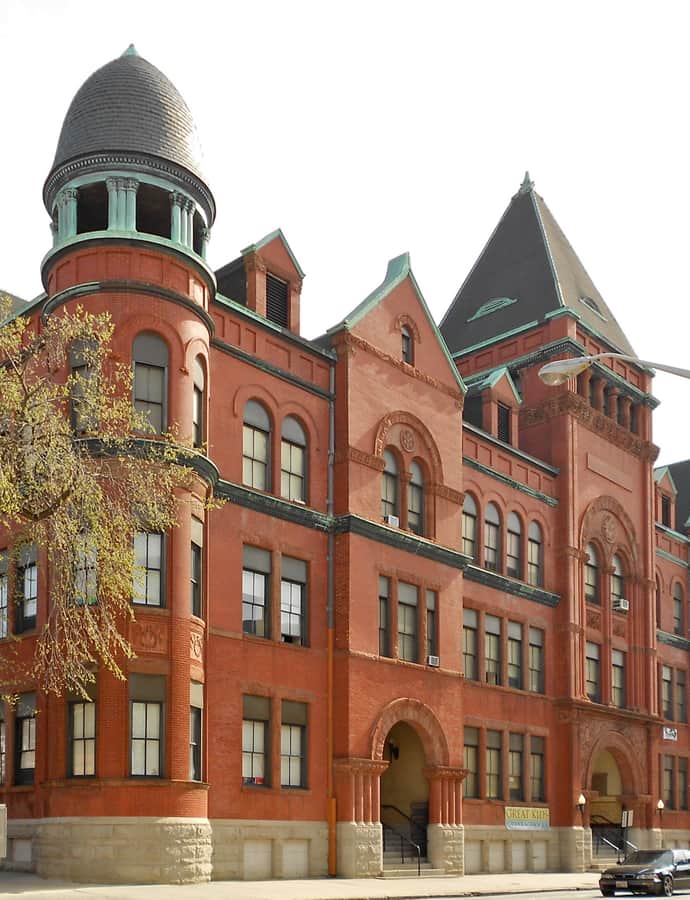
Old Frederick Douglass High School was built in 1924 in a late Gothic Revival style. Named for Frederick Douglass, it was an early African American high school in Baltimore, and its Gothic Revival massing reads clearly from the street.

Beaux-Arts

One Calvert Plaza

D. H. Burnham & Company

One Calvert Plaza was designed by D. H. Burnham & Company, a nationally significant architecture firm, in the Beaux-Arts style. It is individually listed on the National Register of Historic Places.

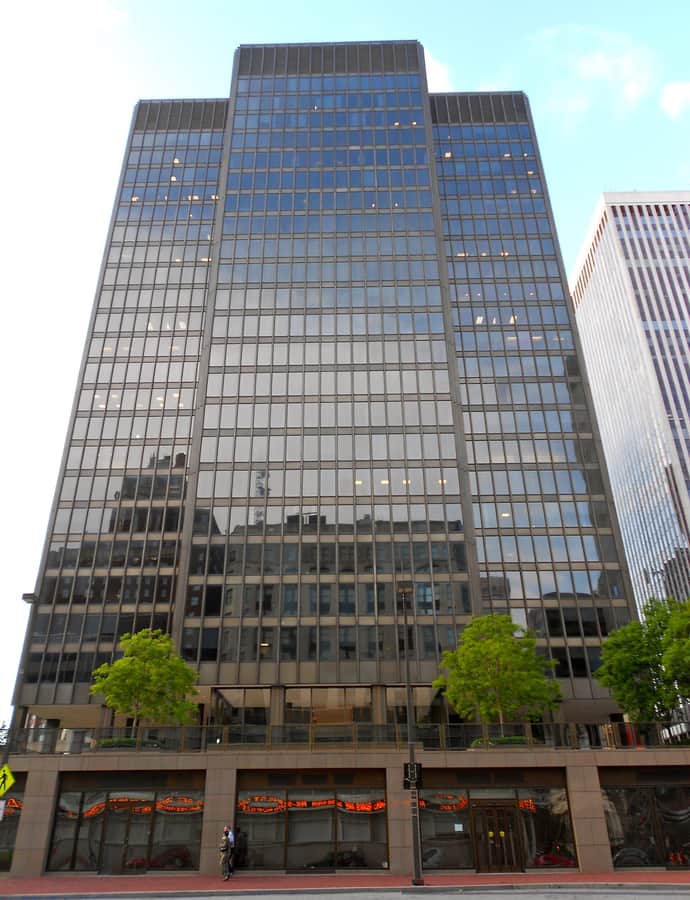
One Charles Center

International Style

One Charles Center

Ludwig Mies van der Rohe · 1962

One Charles Center was completed in 1962 to a design by Ludwig Mies van der Rohe, a historically major architect, in the International Style. It is an early International Style tower central to Baltimore's urban renewal era and gives a strong sidewalk-level presence as a landmark tower.

Photo: Smallbones , CC0

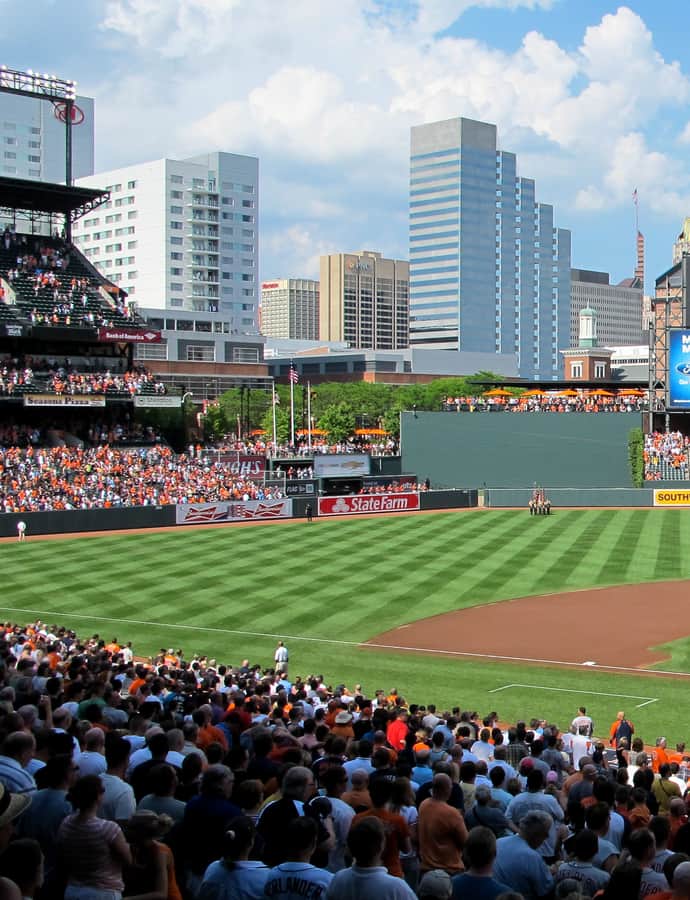
Oriole Park at Camden Yards

Landmark

Oriole Park at Camden Yards

Populous

Oriole Park at Camden Yards in downtown Baltimore was designed by Populous and is widely credited with sparking the retro-classic ballpark movement, launching a new ballpark typology. Its facade and the adjacent warehouse backdrop are a well-known part of the city's story.

Photo: Keith Allison , CC BY-SA 2.0

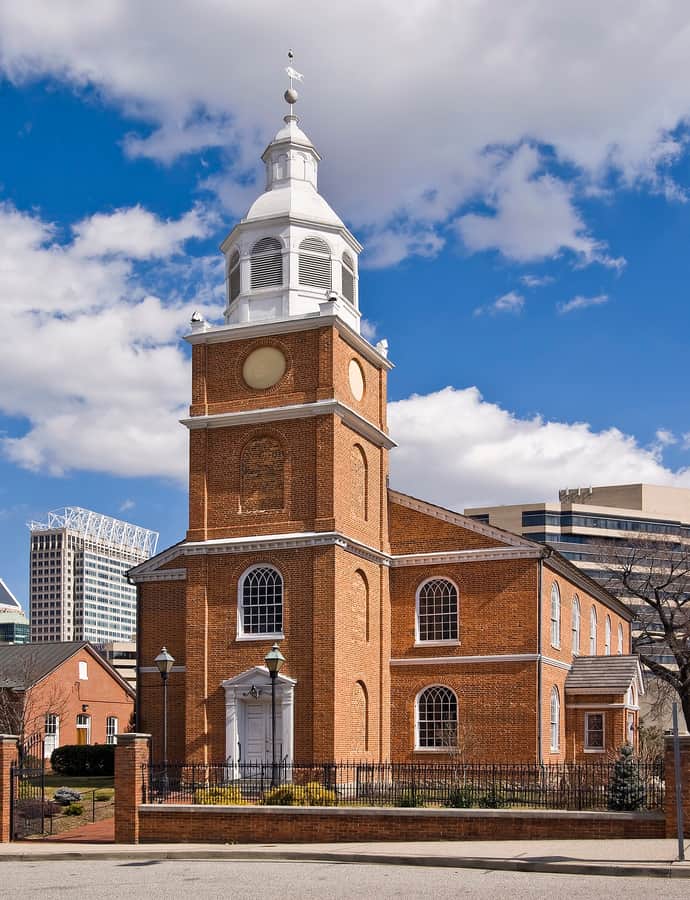
Otterbein Church

Georgian

Otterbein Church

Otterbein Church is a Georgian-style church in downtown Baltimore, one of the city's oldest churches. It is named for Philip William Otterbein and is listed on the National Register of Historic Places.

Photo: Acroterion , CC BY-SA 4.0

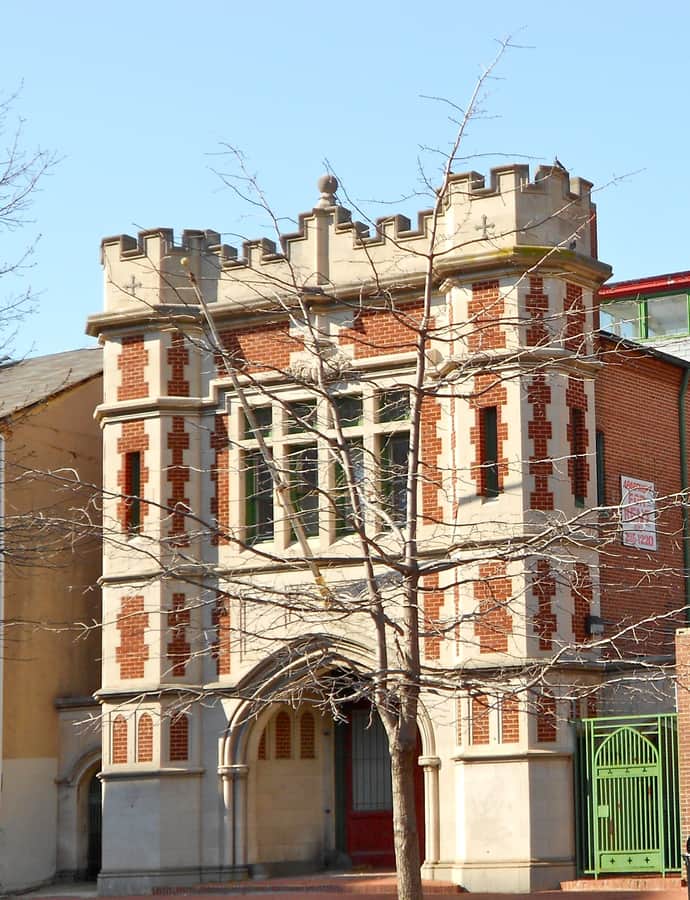
Poppleton Fire Station

Tudor Revival

Poppleton Fire Station

Poppleton Fire Station is a fire station in downtown Baltimore built in the Tudor Revival style, an unusual choice for the typology. It is listed on the National Register of Historic Places.

Photo: Smallbones , CC0

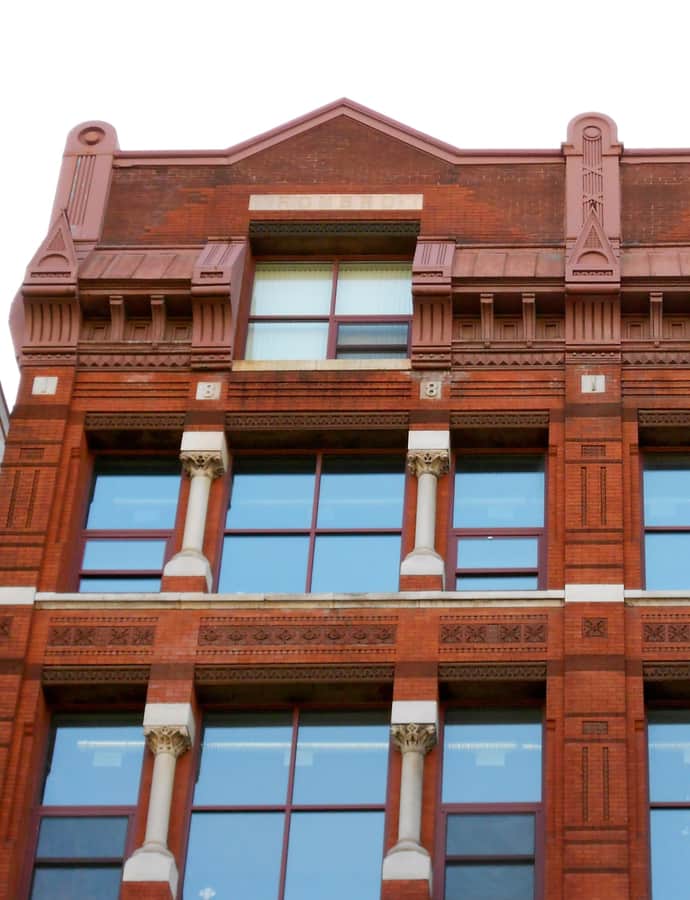
Rombro Building

Queen Anne

Rombro Building

Jackson C. Gott

The Rombro Building is a Queen Anne style building in downtown Baltimore, designed by architect Jackson C. Gott. It is listed on the National Register of Historic Places.

Photo: Smallbones , CC0

St. Alphonsus' Church, Rectory, Convent and Halle

Gothic Revival

St. Alphonsus' Church, Rectory, Convent and Halle

Robert Cary Long, Jr.

St. Alphonsus' Church, Rectory, Convent and Halle is a Gothic Revival church complex in downtown Baltimore designed by architect Robert Cary Long, Jr. The multi-building ensemble is listed on the National Register of Historic Places.

Photo: Smallbones , CC0

St. Mary's Seminary Chapel

Gothic Revival

St. Mary's Seminary Chapel

Maximilian Godefroy

St. Mary's Seminary Chapel was designed by Maximilian Godefroy in the Gothic Revival style and ranks among the earliest Gothic Revival buildings in the United States. Its facade is visible from the street.

Photo: Acroterion , CC BY-SA 4.0

Stewart's Department Store

Renaissance Revival

Stewart's Department Store

Charles E. Cassell

Stewart's Department Store in downtown Baltimore was designed by architect Charles E. Cassell in a Renaissance Revival and Mediterranean Revival style. The former department store facade is individually listed on the National Register of Historic Places.

Photo: Smallbones , CC0

Beaux-Arts

United States Custom House

Francis Davis Millet; Hornblower & Marshall · 1907

The United States Custom House is a Beaux-Arts federal customs house in downtown Baltimore, completed in 1907. It was designed by Francis Davis Millet together with the architecture firm Hornblower & Marshall, and it is individually listed on the National Register of Historic Places.

Young Men's and Young Women's Hebrew Association Building

Moorish / Mudéjar

Young Men's and Young Women's Hebrew Association Building

Joseph Evans Sperry

The Young Men's and Young Women's Hebrew Association Building is a Moorish Revival building in downtown Baltimore, designed by architect Joseph Evans Sperry. It is listed on the National Register of Historic Places.

Photo: Smallbones , CC0

Notable buildings

Worth a stop when you're nearby.

B'nai Israel Synagogue

Moorish / Mudéjar

B'nai Israel Synagogue

B'nai Israel Synagogue in downtown Baltimore is built in the Moorish Revival style, a rare choice among Baltimore's synagogues, with an ornamented facade visible from the street.

Photo: Baltimore Heritage , CC0

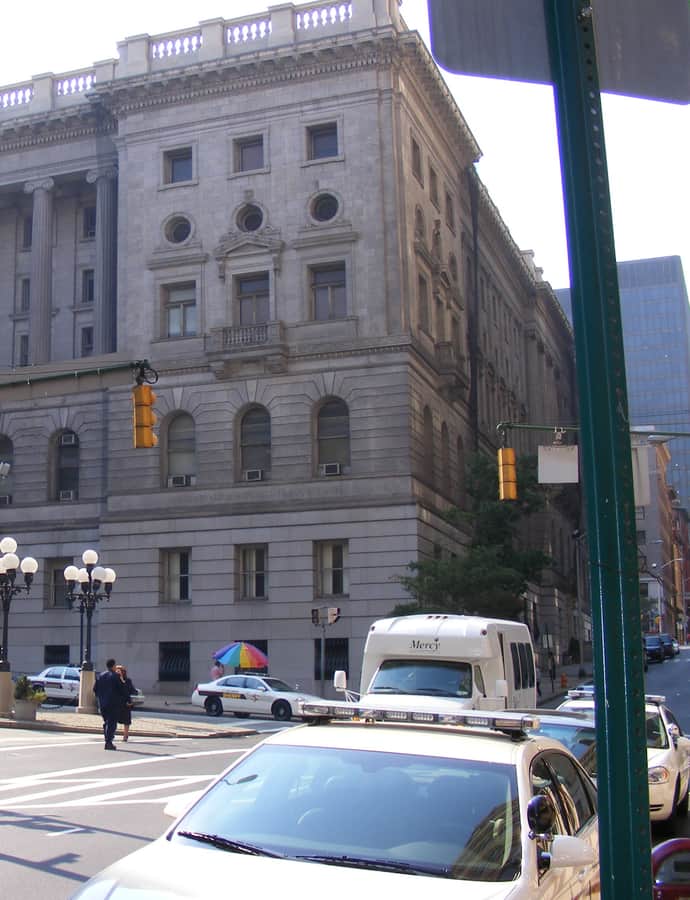
Baltimore City Circuit Courthouses

Greek Revival

Baltimore City Circuit Courthouses

Wyatt & Nolting · 1900

The Baltimore City Circuit Courthouses were built in 1900 to designs by the architecture firm Wyatt & Nolting, giving the city's judicial system a Greek Revival home downtown. The building tells a civic story, housing the circuit courts at the turn of the twentieth century.

Photo: User:Marylandstater , Public domain
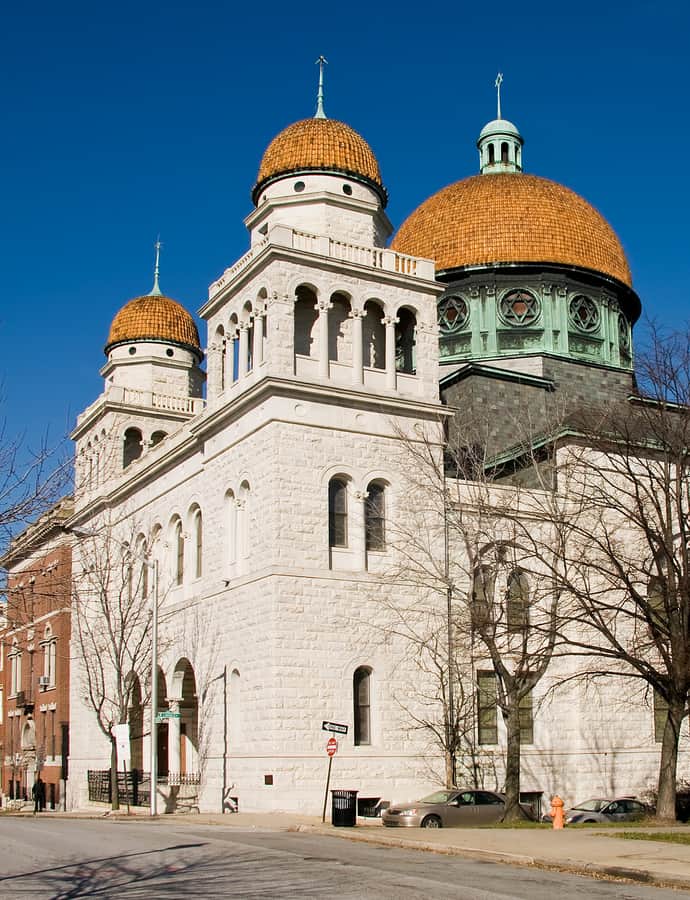
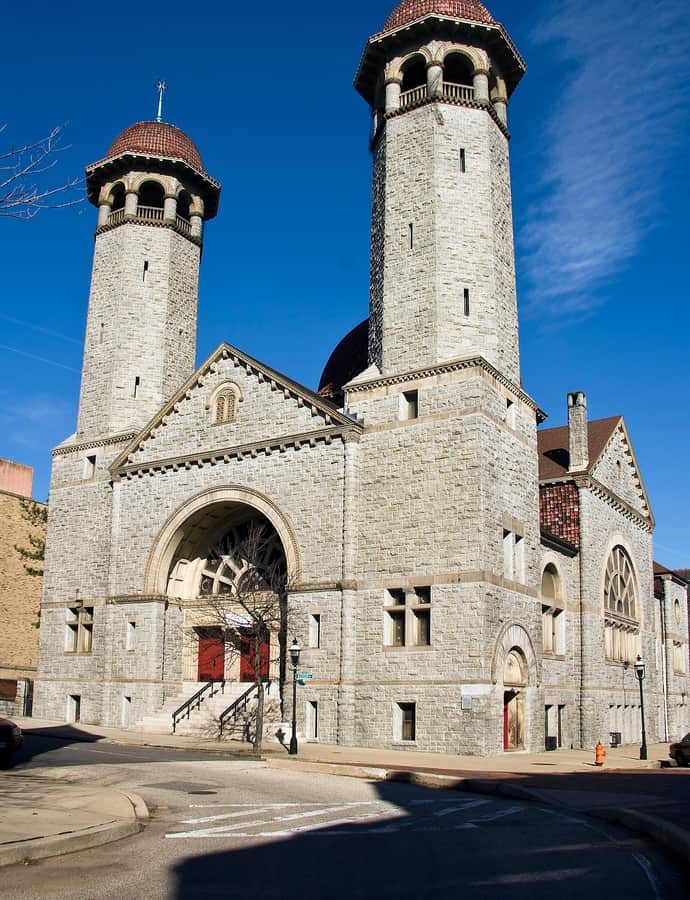
Baltimore Hebrew Congregation Synagogue

Byzantine

Baltimore Hebrew Congregation Synagogue

Baltimore Hebrew Congregation Synagogue was built in the Byzantine Revival style, a distinctive choice for a synagogue. It is listed on the National Register of Historic Places.

Photo: Acroterion , CC BY-SA 4.0

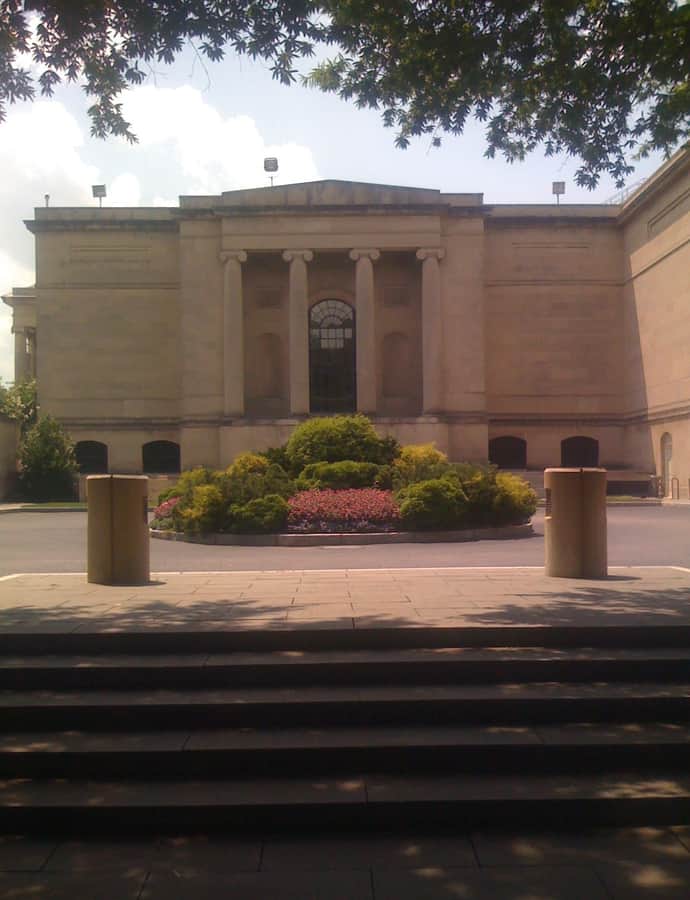
Baltimore Museum of Art

Landmark

Baltimore Museum of Art

John Russell Pope · 1914

The Baltimore Museum of Art was designed by John Russell Pope, the architect later responsible for the National Gallery of Art and the Jefferson Memorial, and dates to 1914. Its purpose-built museum facade holds a prominent place on the street.

Photo: Nrswanson (talk) at en.wikipedia , Public domain
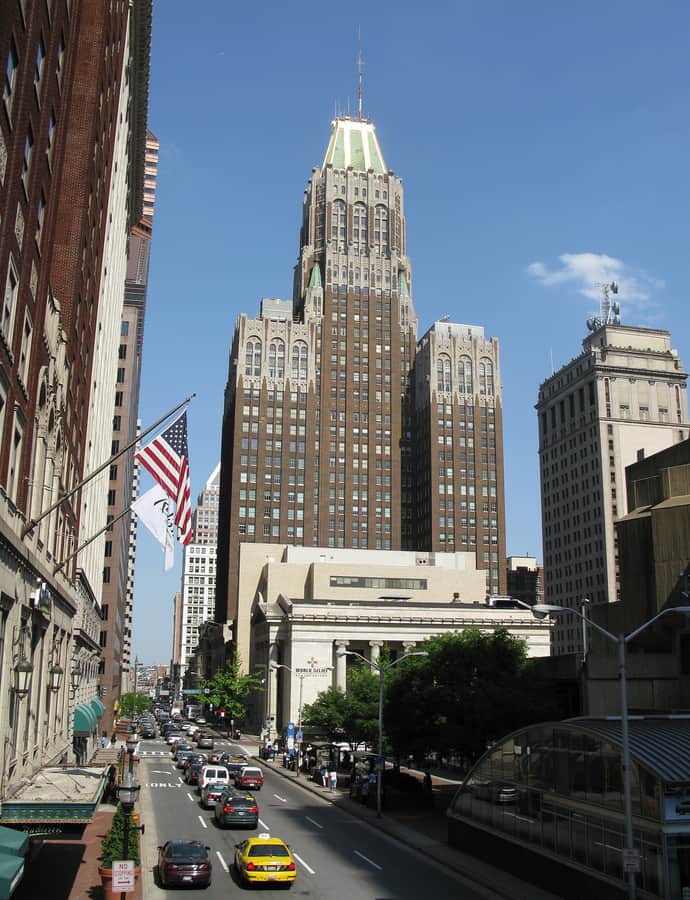
International Style

Baltimore World Trade Center

Pei Cobb Freed & Partners · 1977

The Baltimore World Trade Center rose in 1977 to designs by Pei Cobb Freed & Partners, giving downtown Baltimore a prominent modern high-rise on its skyline.

Bank of America Building

Art Deco

Bank of America Building

1929

The Bank of America Building is a 1929 Art Deco tower in downtown Baltimore, a landmark skyscraper of its style and period visible from the street.

Photo: Andrew Bossi , CC BY-SA 2.5

Bankard-Gunther Mansion

Renaissance Revival

Bankard-Gunther Mansion

The Bankard-Gunther Mansion is a Renaissance Revival mansion listed on the National Register of Historic Places.

Photo: Smallbones , CC0

Bishop Cummins Reformed Episcopal Church

Gothic Revival

Bishop Cummins Reformed Episcopal Church

John Appleton Wilson

Bishop Cummins Reformed Episcopal Church is a Gothic Revival church designed by architect John Appleton Wilson. It is individually listed on the National Register of Historic Places.

Photo: Dclemens1971 , CC BY-SA 4.0

Douglass Place

Renaissance Revival

Douglass Place

Douglass Place is a Renaissance Revival building in Fells Point, listed on the National Register of Historic Places. Its name suggests a connection to Frederick Douglass.

Photo: Smallbones , CC0

Eastern Female High School

Renaissance Revival

Eastern Female High School

Richard Snowden Andrews

Eastern Female High School, located downtown, was designed by architect Richard Snowden Andrews in the Renaissance Revival style. It is individually listed on the National Register of Historic Places.

Photo: Smallbones , CC0

Eastern High School

Tudor Revival

Eastern High School

James R. Edmunds, Jr.

Eastern High School was designed by architect James R. Edmunds, Jr. in the Tudor Revival style, giving the former school its distinct massing. It is individually listed on the National Register of Historic Places.

Photo: Frederic C. Chalfant , CC BY-SA 3.0

Edgar Allan Poe House and Museum

Landmark

Edgar Allan Poe House and Museum

1830

The Edgar Allan Poe House and Museum, built in 1830, was home to the writer Edgar Allan Poe. Now a National Historic Landmark and National Register of Historic Places listed site, it preserves a small rowhouse facade tied to his story.

Photo: Midnightdreary , Public domain
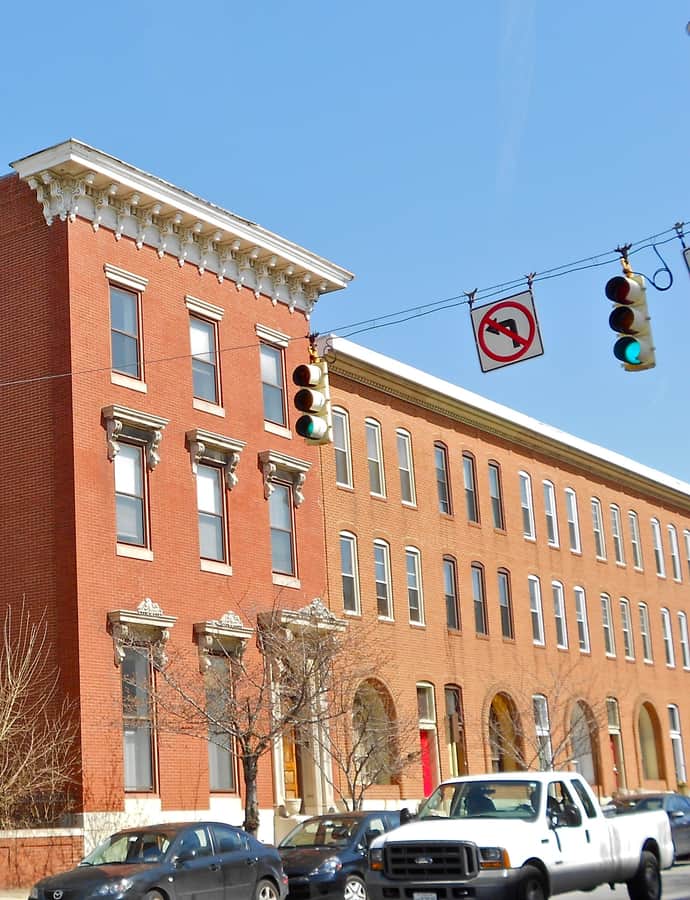
Eutaw Place Temple

Byzantine

Eutaw Place Temple

Joseph Evans Sperry

Eutaw Place Temple is a synagogue designed by architect Joseph Evans Sperry in the Byzantine Revival style, notable for its Byzantine-influenced facade.

Photo: Acroterion , CC BY-SA 4.0

First Presbyterian Church and Manse

Gothic Revival

First Presbyterian Church and Manse

First Presbyterian Church and Manse is a Gothic Revival church and manse in downtown Baltimore, listed on the National Register of Historic Places. The paired church and manse facade is visible from the street.

Photo: Smallbones , CC0

Franklin Street Presbyterian Church and Parsonage

Gothic Revival

Franklin Street Presbyterian Church and Parsonage

Franklin Street Presbyterian Church and Parsonage is a Gothic Revival church and parsonage in downtown Baltimore, listed on the National Register of Historic Places. The paired church and parsonage facade is visible from the street.

Photo: Smallbones , CC0

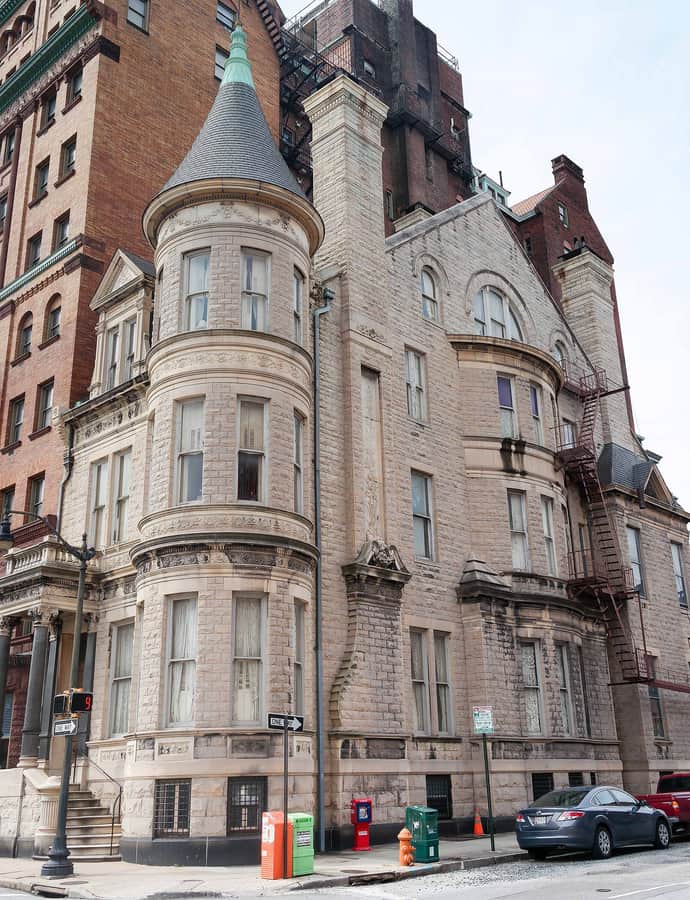
Graham-Hughes House

Chateauesque

Graham-Hughes House

George Archer · 1888

The Graham-Hughes House in downtown Baltimore was designed by architect George Archer in 1888, in the châteauesque style.

Photo: Smash the Iron Cage , CC BY-SA 4.0

Landmark

H. L. Mencken House

1883

The H. L. Mencken House, built in 1883, was the home of the nationally significant writer H. L. Mencken. It is a National Historic Landmark and is listed on the National Register of Historic Places, a modest rowhouse whose significance rests on the man who lived there.

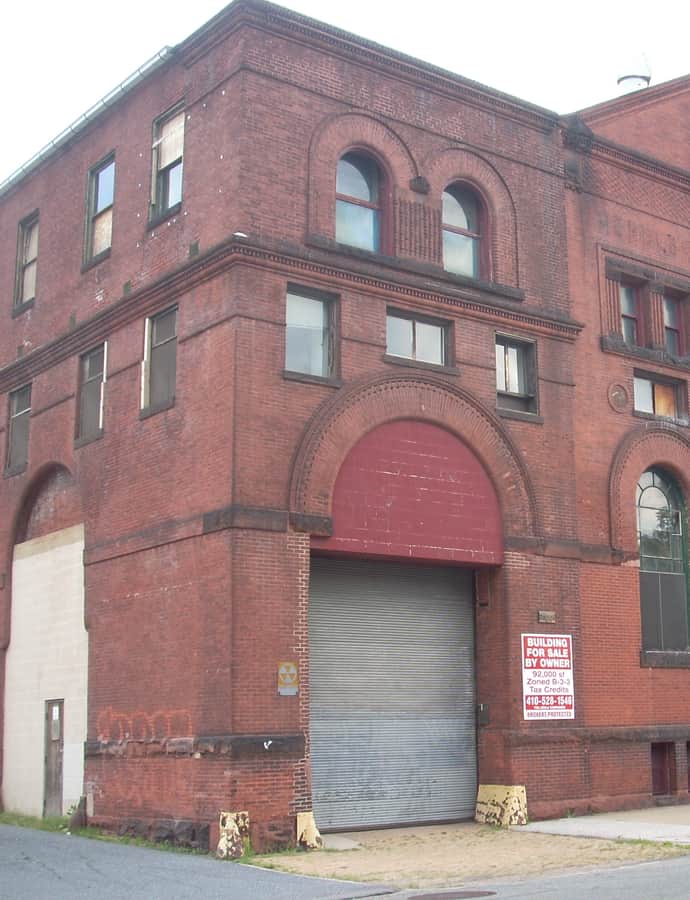
Hendler Creamery

Romanesque Revival

Hendler Creamery

Jackson C. Gott

Hendler Creamery in downtown Baltimore was designed by architect Jackson C. Gott in the Romanesque Revival style and is listed on the National Register of Historic Places.

Photo: KudzuVine , Public domain
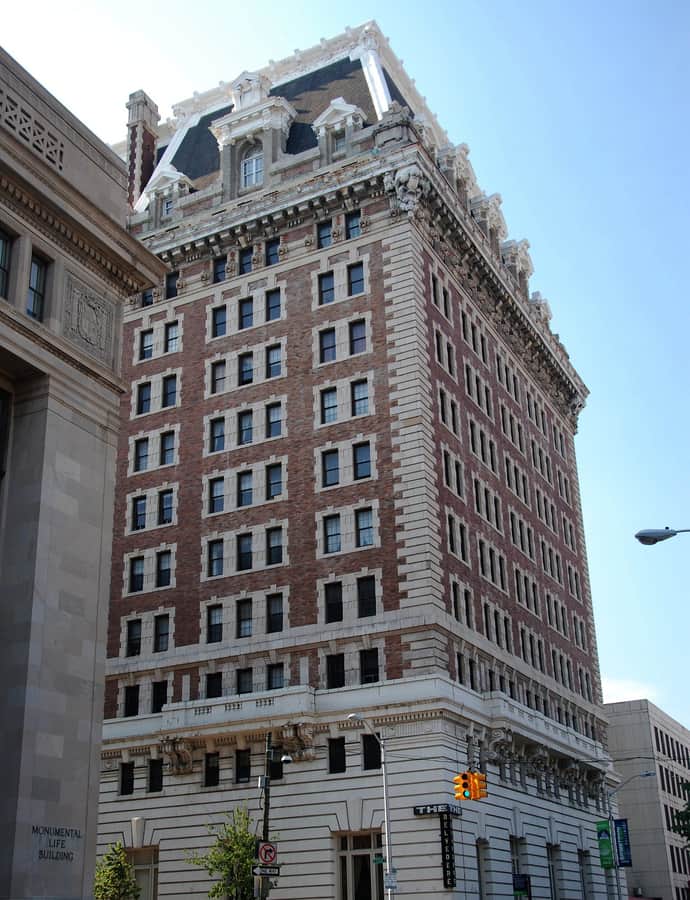
Greek Revival

Hollins Market

Hollins Market is Baltimore's oldest continuously operating public market, built in the Greek Revival style. It is a contributing property to a National Register of Historic Places historic district, and its market hall remains visible and active on the street today.

Lovely Lane Methodist Church

Landmark

Lovely Lane Methodist Church

Stanford White

Lovely Lane Methodist Church was designed by the architect Stanford White and is listed on the National Register of Historic Places, a mark of its architectural and historic standing in Baltimore.

Photo: {{{1}}} , No restrictions

McKim's School

Greek Revival

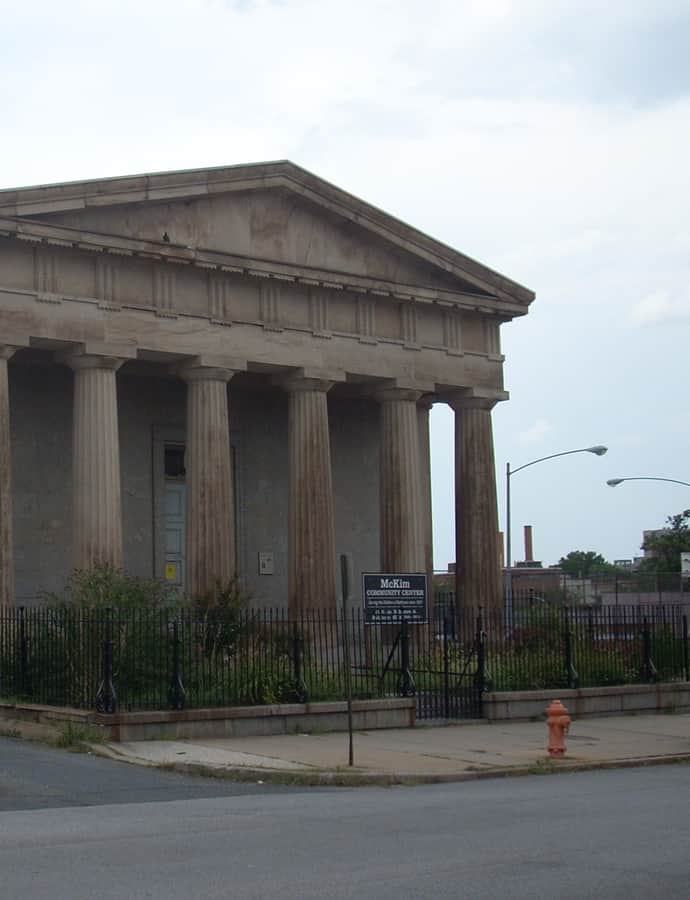
McKim's School

McKim's School, in downtown Baltimore, is a Greek Revival building listed on the National Register of Historic Places. It is associated with McKim's Free School, a notable early charitable institution in the city.

Photo: KudzuVine , Public domain
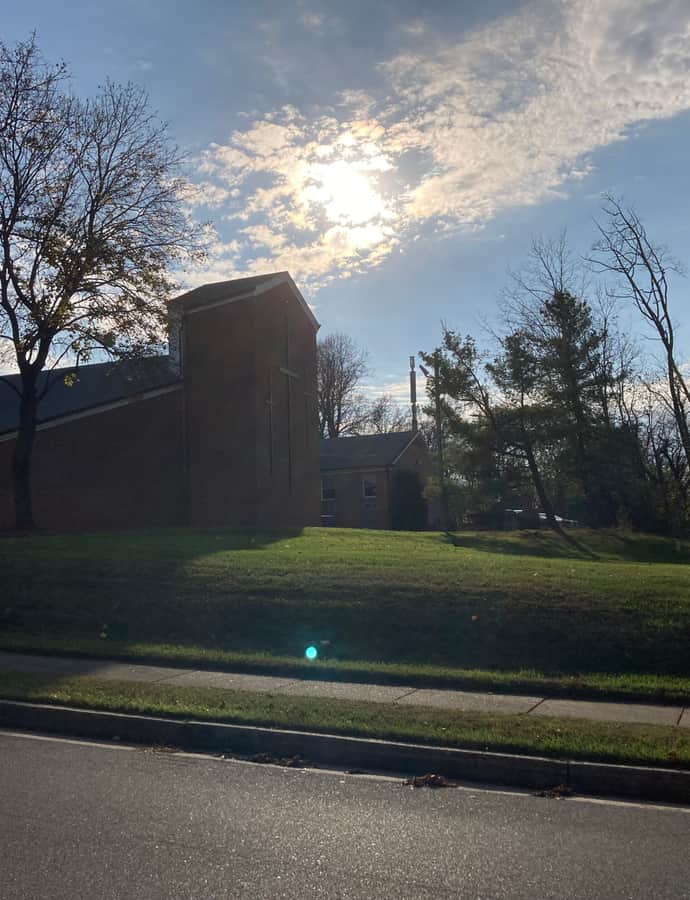
Landmark

Peale Museum

1786

The Peale Museum in downtown Baltimore was built in 1786, making it one of the earliest purpose-built museums in the United States. It is designated a National Historic Landmark and is listed on the National Register of Historic Places.

St. Elizabeth of Hungary

Romanesque Revival

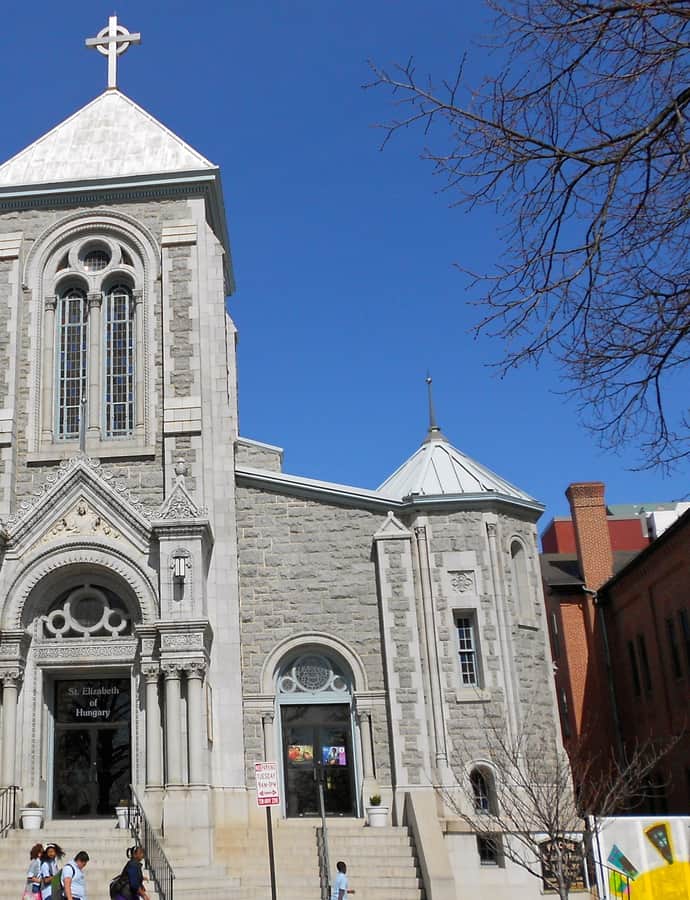
St. Elizabeth of Hungary

St. Elizabeth of Hungary is a Romanesque Revival church listed on the National Register of Historic Places, with a facade visible from the street.

Photo: Smallbones , CC0

St. James the Less Roman Catholic Church

Romanesque Revival

St. James the Less Roman Catholic Church

St. James the Less Roman Catholic Church is a Romanesque Revival church listed on the National Register of Historic Places, with a facade visible from the street.

Photo: Terry.a.white , CC BY-SA 3.0

Renaissance Revival

St. Leo's Church

1880

St. Leo's Church in downtown Baltimore was built in 1880 in the Renaissance Revival style. It is individually listed on the National Register of Historic Places.

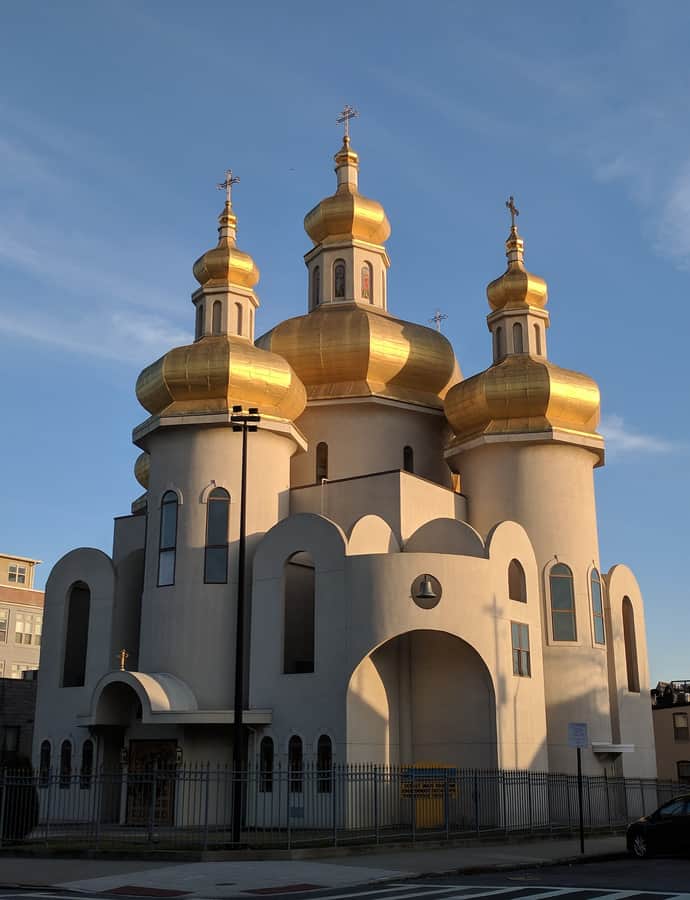
St. Michael the Archangel Ukrainian Catholic Church

Byzantine Revival architecture

St. Michael the Archangel Ukrainian Catholic Church

Zenon Mazurkevich

St. Michael the Archangel Ukrainian Catholic Church is a Byzantine Revival church in Fells Point, designed by architect Zenon Mazurkevich. Its onion-domed form is a distinctive sight in a Baltimore neighborhood better known for rowhouses and harbor trade, marking the presence of the city's Ukrainian Catholic community.

Photo: Bohemian Baltimore , CC BY-SA 4.0

St. Michael's Church Complex

Romanesque Revival

St. Michael's Church Complex

St. Michael's Church Complex is a multi-building Romanesque Revival church ensemble individually listed on the National Register of Historic Places.

Photo: Smallbones , CC0

St. Paul's Episcopal Church

Landmark

St. Paul's Episcopal Church

Richard Upjohn

St. Paul's Episcopal Church in downtown Baltimore was designed by Richard Upjohn, a historically important American church architect. It is individually listed on the National Register of Historic Places.

Photo: Ymblanter , CC BY-SA 4.0

St. Peter the Apostle Church

Greek Revival

St. Peter the Apostle Church

1843

St. Peter the Apostle Church was built in 1843 in the Greek Revival style. It is individually listed on the National Register of Historic Places.

Photo: Jaimenish at English Wikipedia , Public domain
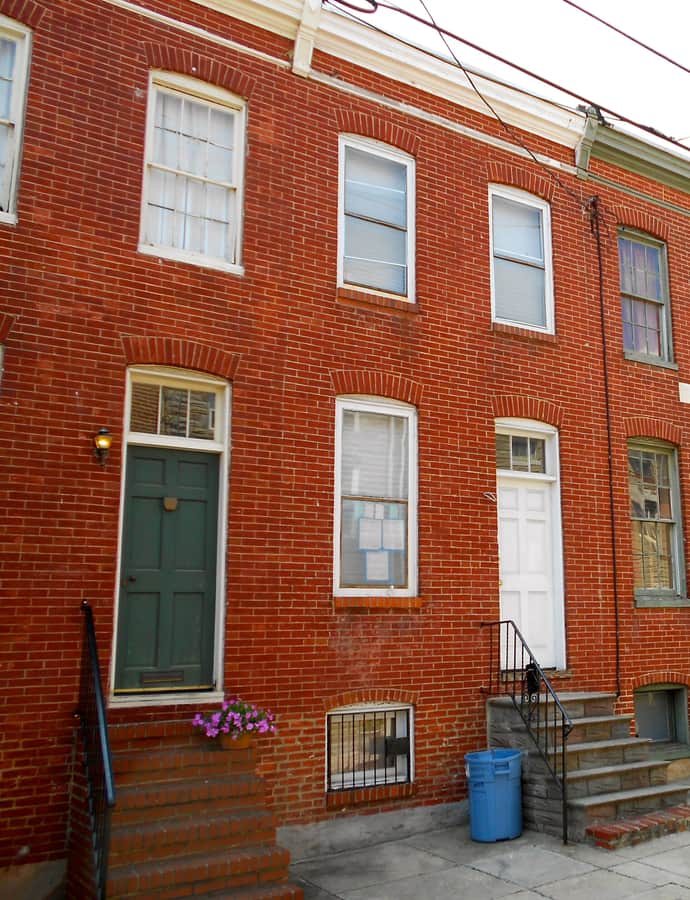
Standard Oil Building

Beaux-Arts

Standard Oil Building

The Standard Oil Building, located downtown, was built in the Beaux-Arts style and named for the Standard Oil company. It is individually listed on the National Register of Historic Places.

Photo: Smallbones , CC0

United States Post Office and Courthouse

Neoclassical

United States Post Office and Courthouse

James A. Wetmore · 1932

The United States Post Office and Courthouse is a Neoclassical federal building in downtown Baltimore, completed in 1932 and designed by James A. Wetmore, who served as the U.S. Supervising Architect. It is individually listed on the National Register of Historic Places.

Photo: Marylandstater (talk) , Public domain
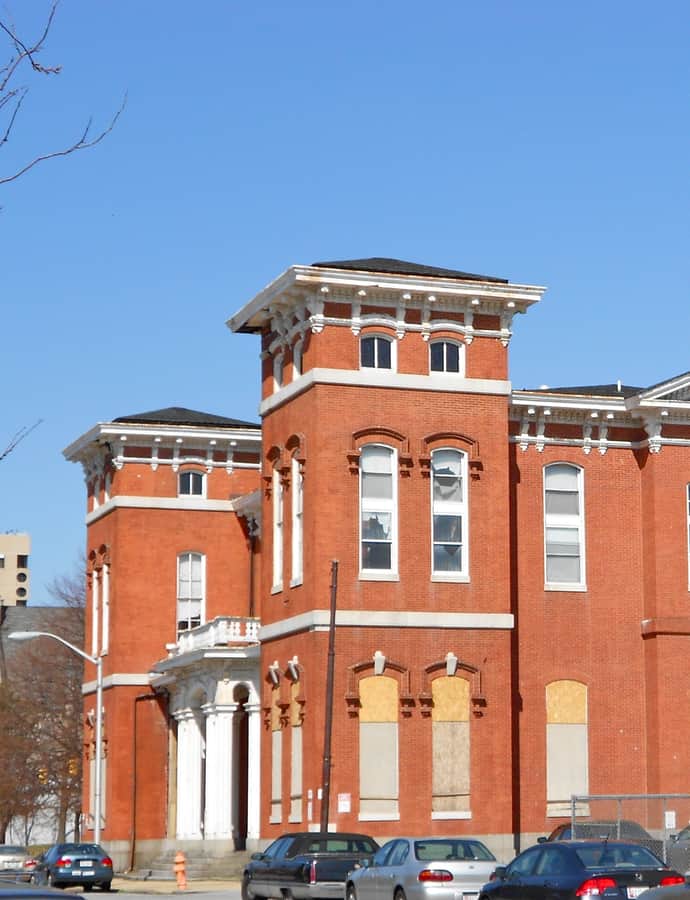
Zion Lutheran Church

Romanesque Revival

Zion Lutheran Church

Zion Lutheran Church stands in downtown Baltimore in the Romanesque Revival style. It is individually listed on the National Register of Historic Places.
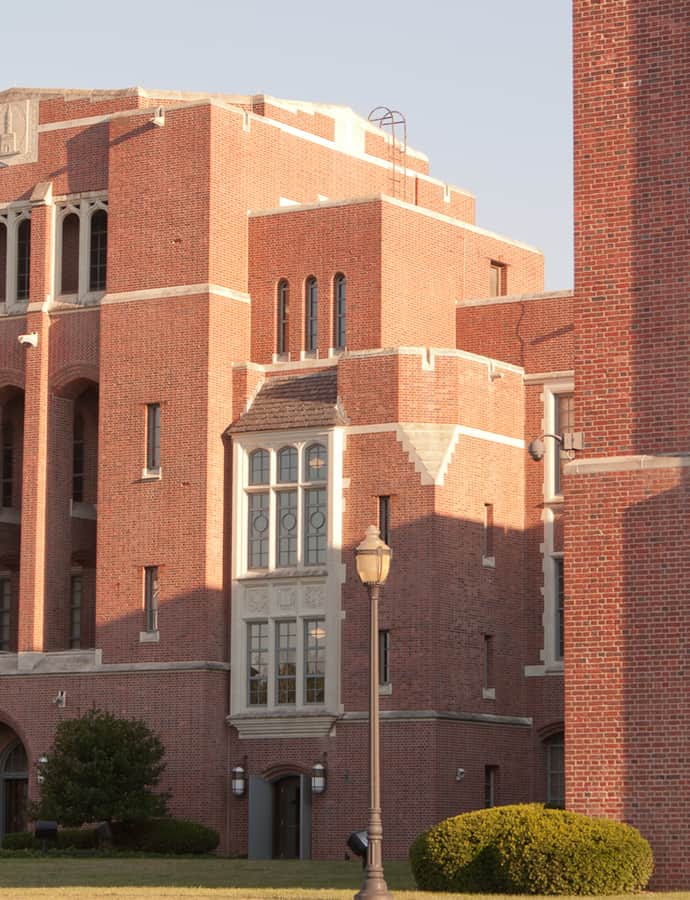
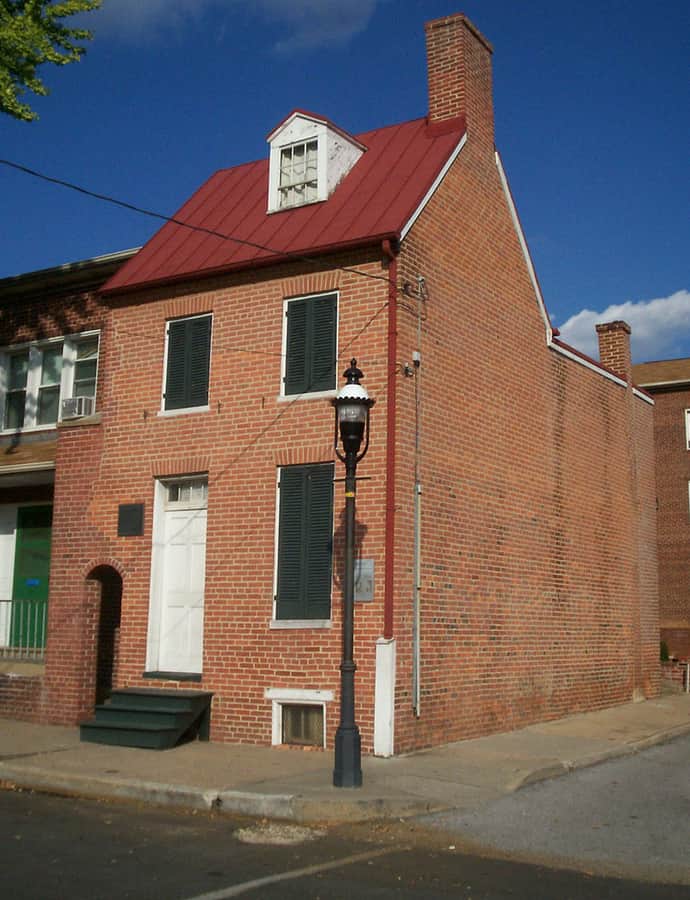
Photo: Concord , CC BY-SA 3.0

Hidden gems

Fine buildings that fewer people seek out.

Benson Building

Neoclassical

Benson Building

Baldwin & Pennington

The Benson Building is a Neoclassical, Chicago School-influenced commercial building in downtown Baltimore, designed by the notable Baltimore firm Baldwin & Pennington. It is listed on the National Register of Historic Places.

Photo: Smallbones , CC0

Booker T. Washington Middle School (Baltimore)

Romanesque Revival

Booker T. Washington Middle School (Baltimore)

1896

Booker T. Washington Middle School was built in 1896 in the Romanesque Revival style and is designated a Baltimore City Landmark.

Photo: Smallbones , CC0

Building at 409 West Baltimore Street

Italianate

Building at 409 West Baltimore Street

The building at 409 West Baltimore Street in downtown Baltimore is an Italianate style structure listed on the National Register of Historic Places. Its Italianate detailing is visible from the street.

Photo: Smallbones , CC0

Building at 423 West Baltimore Street

Queen Anne

Building at 423 West Baltimore Street

The building at 423 West Baltimore Street in downtown Baltimore is a Queen Anne style structure listed on the National Register of Historic Places. Its Queen Anne ornament is visible from the street.

Photo: KudzuVine , Public domain
Engine House No. 6

Gothic Revival

Engine House No. 6

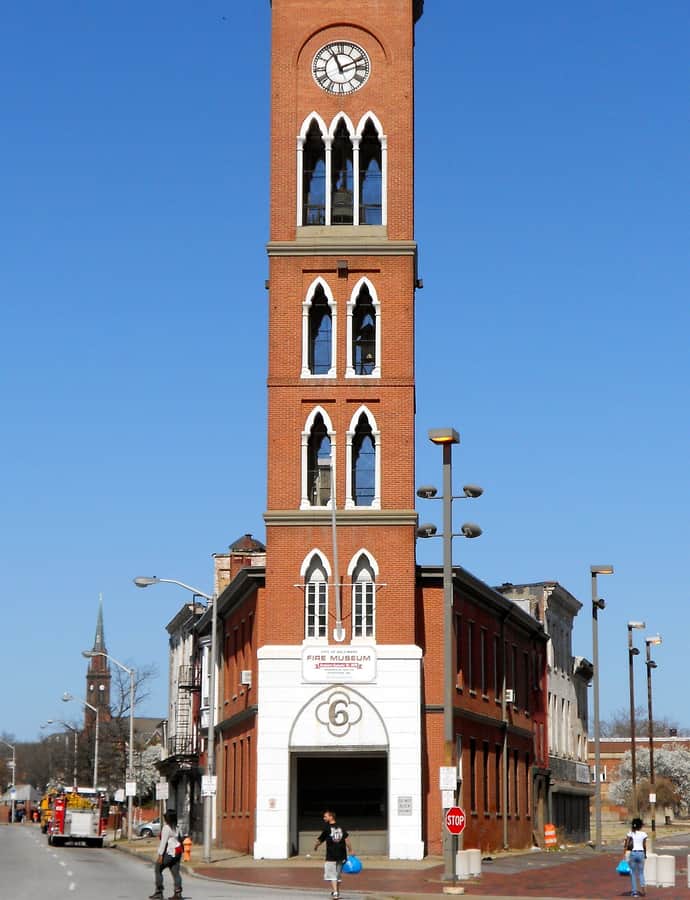
Engine House No. 6 is a Gothic Revival firehouse in downtown Baltimore, listed on the National Register of Historic Places.

Photo: Smallbones , CC0

Engine House No. 8

Renaissance Revival

Engine House No. 8

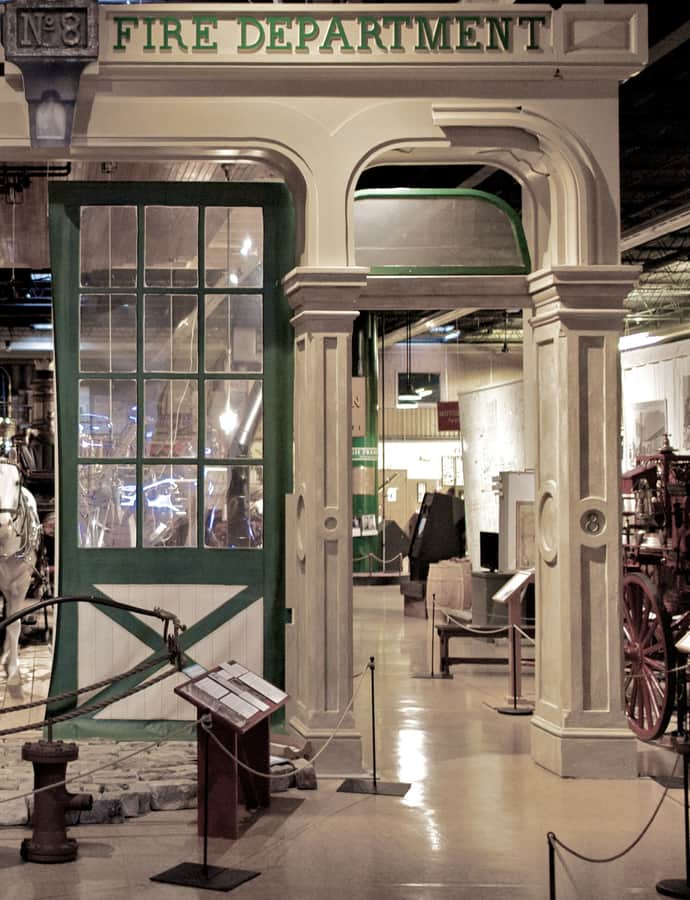
Engine House No. 8 is a Renaissance Revival firehouse listed on the National Register of Historic Places.

Photo: Aukirk , CC BY-SA 3.0

First Church of Christ, Scientist

Neoclassical

First Church of Christ, Scientist

Charles E. Cassell

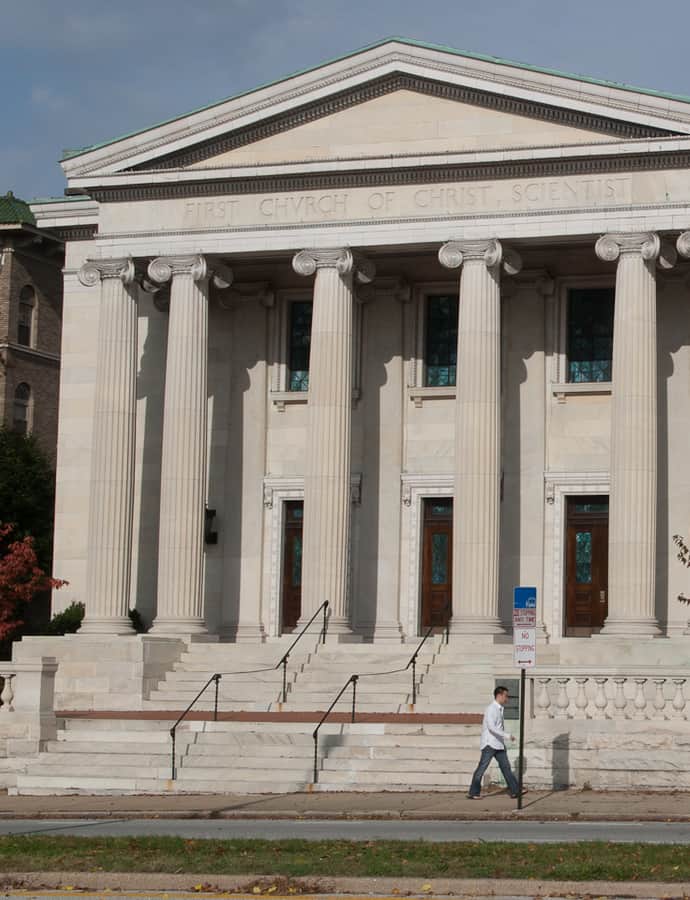
First Church of Christ, Scientist is a Neoclassical church designed by architect Charles E. Cassell and listed on the National Register of Historic Places.

Photo: Frederic C. Chalfant , CC BY-SA 3.0

Garrett Building

Renaissance Revival

Garrett Building

Wyatt & Nolting

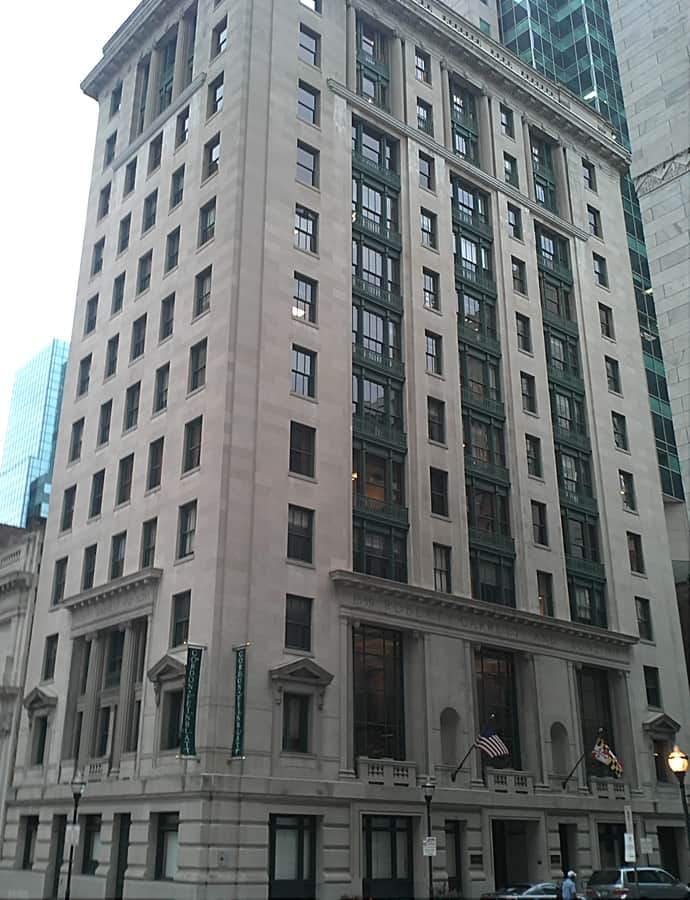
The Garrett Building in downtown Baltimore is a Renaissance Revival building designed by the Baltimore firm Wyatt & Nolting. It is individually listed on the National Register of Historic Places.

Photo: MKelly1990 , CC BY-SA 3.0

Grace-Hampden Methodist Episcopal Church

Romanesque Revival

Grace-Hampden Methodist Episcopal Church

Grace-Hampden Methodist Episcopal Church is a Romanesque Revival church listed on the National Register of Historic Places.

Photo: Acroterion , CC BY-SA 4.0

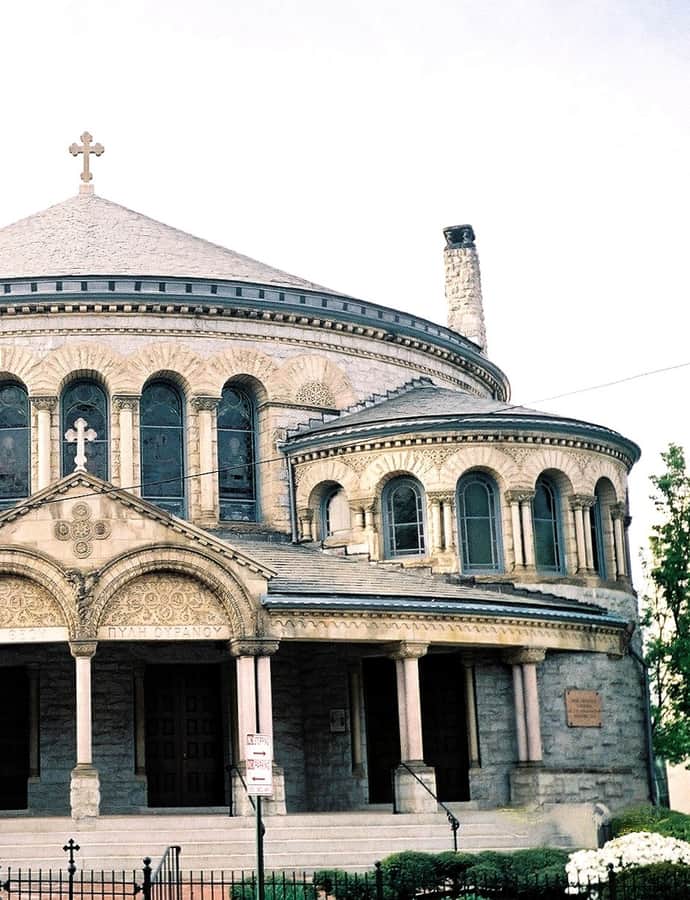
Greek Orthodox Cathedral of the Annunciation

Byzantine

Greek Orthodox Cathedral of the Annunciation

Charles E. Cassell

The Greek Orthodox Cathedral of the Annunciation in Mount Vernon was designed by architect Charles E. Cassell in the Byzantine Revival style, giving it a distinctive Byzantine-influenced facade.

Photo: ΙΣΧΣΝΙΚΑ-888 , CC BY-SA 3.0

Holy Cross Roman Catholic Church

Gothic Revival

Holy Cross Roman Catholic Church

1860

Holy Cross Roman Catholic Church, built in 1860, combines Gothic Revival and Renaissance Revival styles. It is listed on the National Register of Historic Places, with its 1860 facade still visible on the street.

Photo: Pubdog , Public domain

Hotel Kernan

Renaissance Revival

Hotel Kernan

The Hotel Kernan is a downtown Baltimore building in the Renaissance Revival style, listed on the National Register of Historic Places. Its facade remains visible from the street today.

Photo: Frederic C. Chalfant , CC BY-SA 3.0

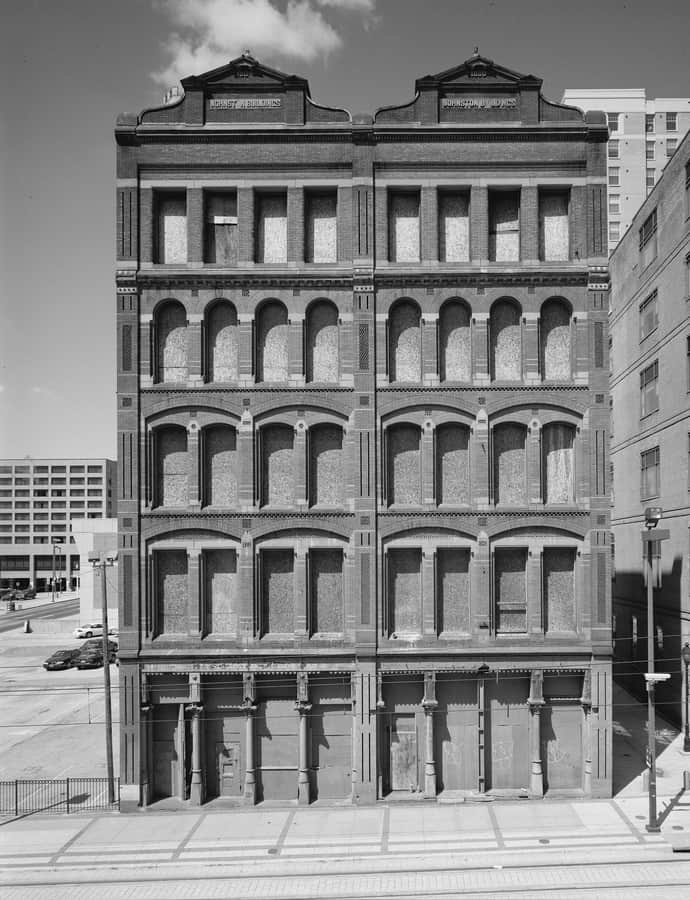
Johnston Building

Queen Anne

Johnston Building

Jackson C. Gott · 1880

The Johnston Building was built in 1880 in the Queen Anne style, designed by architect Jackson C. Gott, and is listed on the National Register of Historic Places.

Photo: James W. Rosenthal for HABS , Public domain

Lyric Performing Arts Center

Renaissance Revival

Lyric Performing Arts Center

1894

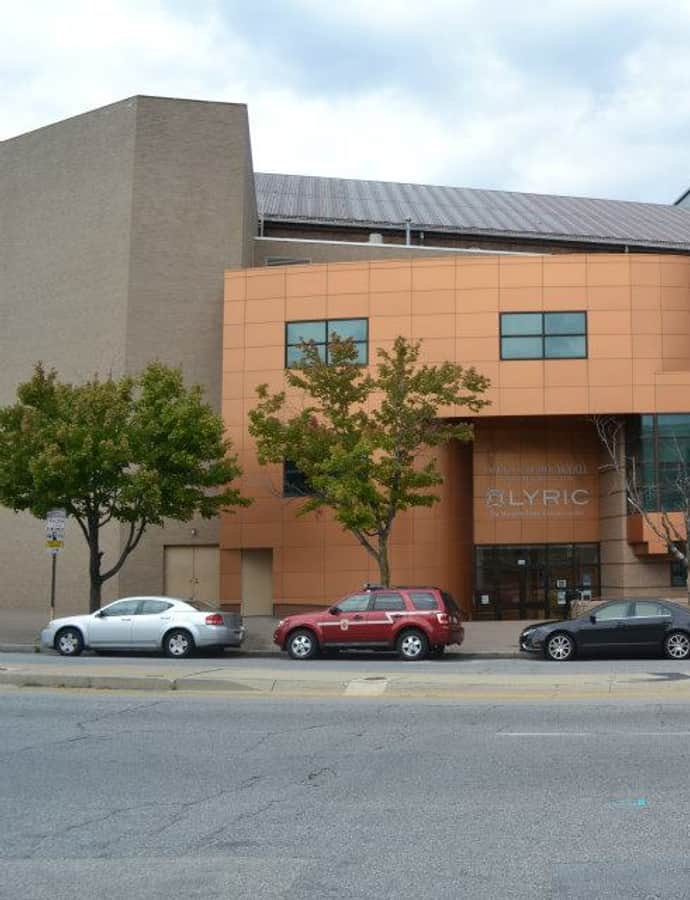
The Lyric Performing Arts Center is a Renaissance Revival performance hall built in 1894 and listed on the National Register of Historic Places.

Photo: Deb Kiley , CC BY-SA 3.0

National Enameling and Stamping Company

Gothic Revival

National Enameling and Stamping Company

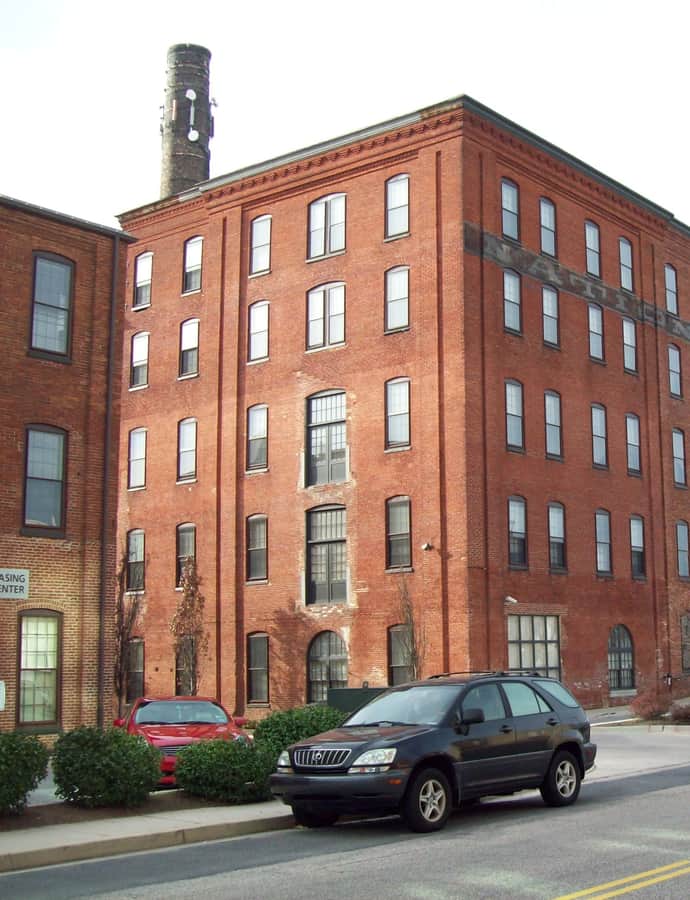
The National Enameling and Stamping Company building is a Gothic Revival industrial building, an unusual pairing of style and building type, listed on the National Register of Historic Places.

Photo: Pubdog , Public domain

Pascault Row

Federal

Pascault Row

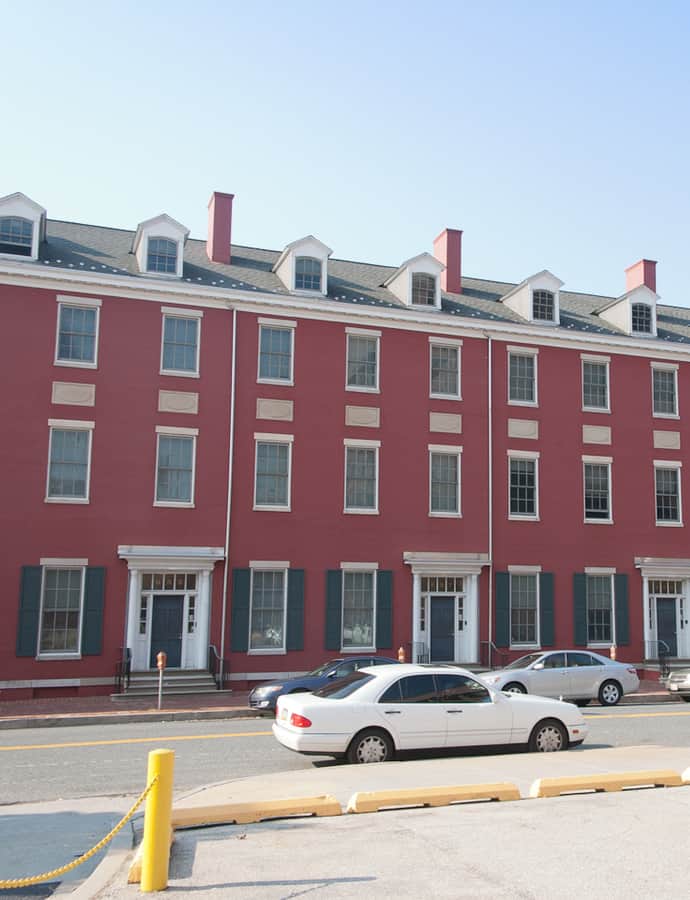
Pascault Row is one of Baltimore's earliest surviving groups of rowhouses, built in the Federal and Greek Revival styles. It is listed on the National Register of Historic Places.

Photo: Frederic C. Chalfant , CC BY-SA 3.0

Public School No. 111

Romanesque Revival

Public School No. 111

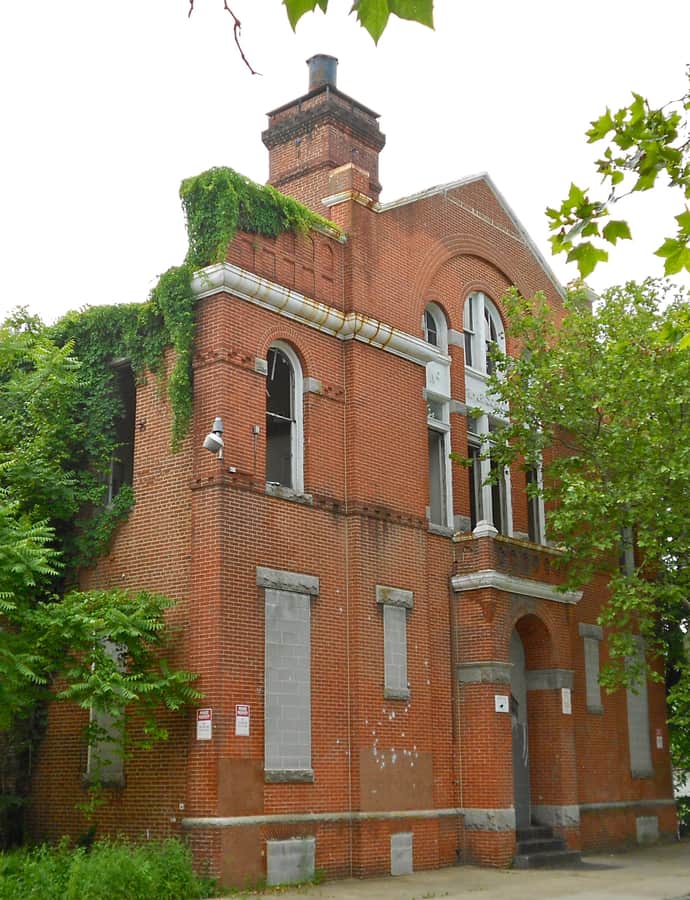
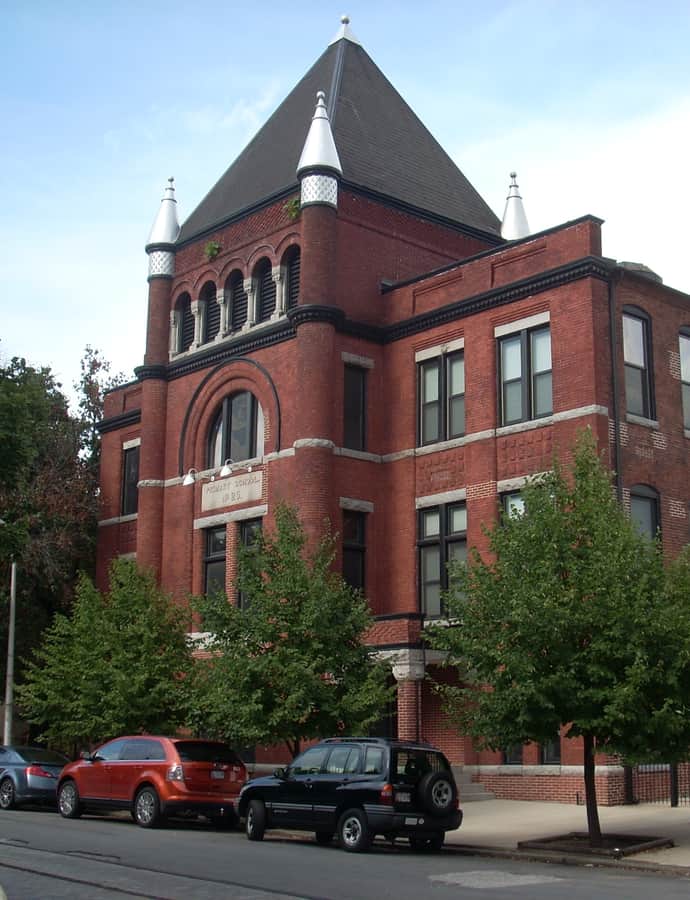
Public School No. 111 is a Romanesque Revival school building listed on the National Register of Historic Places. Its massing is visible from the street.

Photo: Smallbones , CC0

Public School No. 25

Romanesque Revival

Public School No. 25

Public School No. 25 in Fells Point is a Romanesque Revival school building listed on the National Register of Historic Places. Its facade is visible from the street.

Photo: KudzuVine , Public domain

Public School No. 37

Georgian

Public School No. 37

Public School No. 37 is a Georgian style school building listed on the National Register of Historic Places. Its facade is visible from the street.

Photo: Smallbones , CC0

Public School No. 99

Romanesque Revival

Public School No. 99

Public School No. 99 is a Romanesque Revival school building listed on the National Register of Historic Places. Its facade is visible from the street.

Photo: Terry.a.white , CC BY-SA 3.0

Rieman Block

Queen Anne

Rieman Block

The Rieman Block in downtown Baltimore is a Queen Anne style commercial block listed on the National Register of Historic Places. Its Queen Anne detailing is visible from the street.

Photo: Smallbones , CC0

Riviera Apartments

Neoclassical

Riviera Apartments

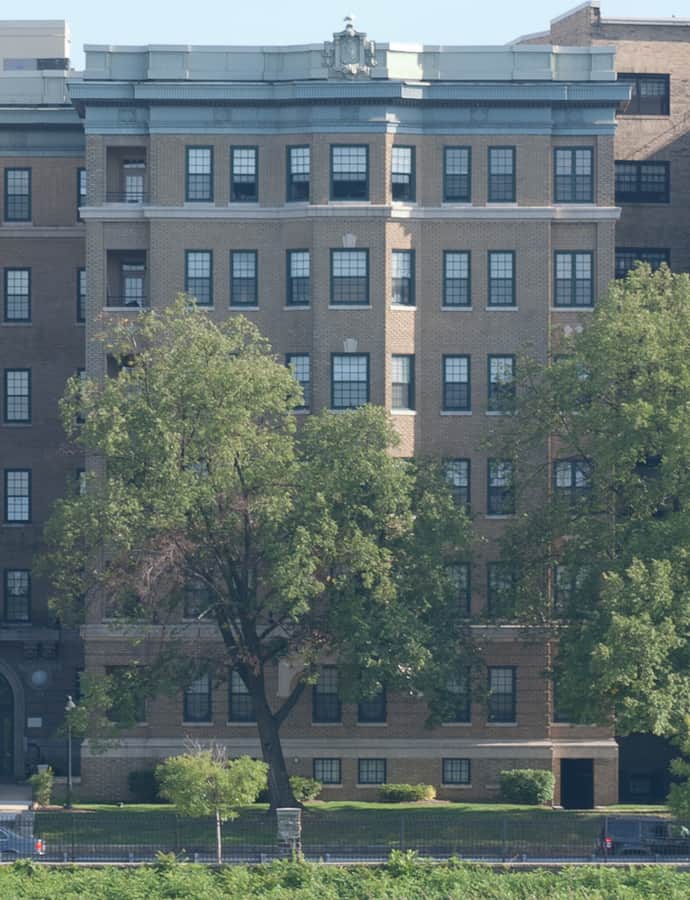
The Riviera Apartments is a Neoclassical apartment building listed on the National Register of Historic Places.

Photo: Frederic C. Chalfant , CC BY-SA 3.0

Rowhouses at 303-327 East North Avenue

Second Empire

Rowhouses at 303-327 East North Avenue

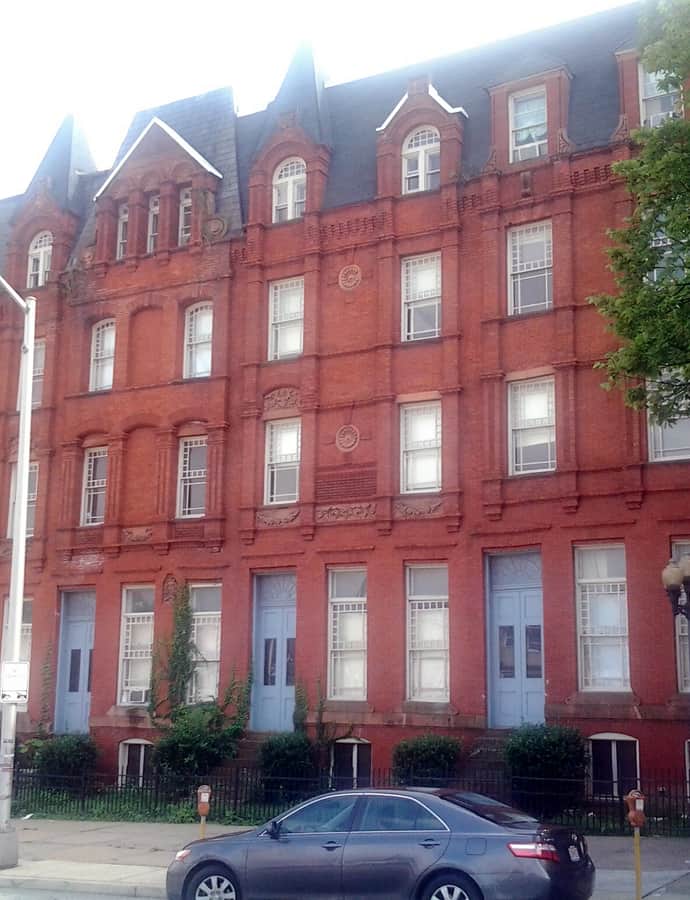
The Rowhouses at 303-327 East North Avenue are a Second Empire row of houses listed on the National Register of Historic Places.

Photo: Bill Angel , CC BY-SA 3.0

Southern District Police Station

Romanesque Revival

Southern District Police Station

Jackson C. Gott

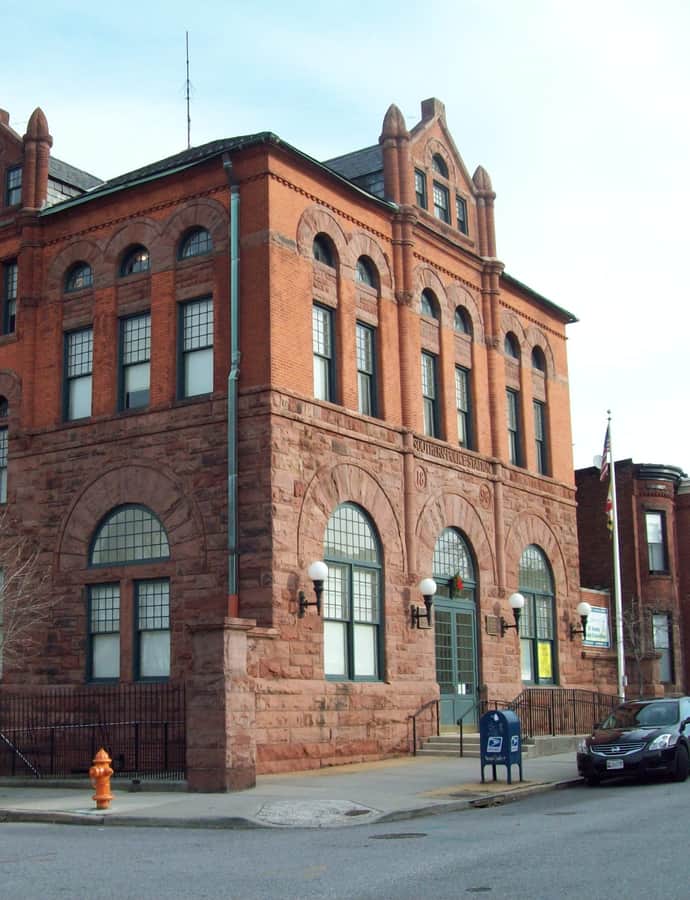
The Southern District Police Station is a Romanesque Revival building designed by architect Jackson C. Gott and individually listed on the National Register of Historic Places.

Photo: Pubdog , Public domain

St. John the Evangelist Roman Catholic Church

Renaissance Revival

St. John the Evangelist Roman Catholic Church

1856

St. John the Evangelist Roman Catholic Church was built in 1856 in the Renaissance Revival style and is listed on the National Register of Historic Places.

Photo: Terry.a.white , CC BY-SA 3.0

St. John's Episcopal Church

Gothic Revival

St. John's Episcopal Church

St. John's Episcopal Church is a Gothic Revival church listed on the National Register of Historic Places.

Photo: HomeopathyIsBad , CC BY-SA 3.0

St. Luke's Church

Gothic Revival

St. Luke's Church

St. Luke's Church is a Gothic Revival church individually listed on the National Register of Historic Places.

Photo: Smallbones , CC0

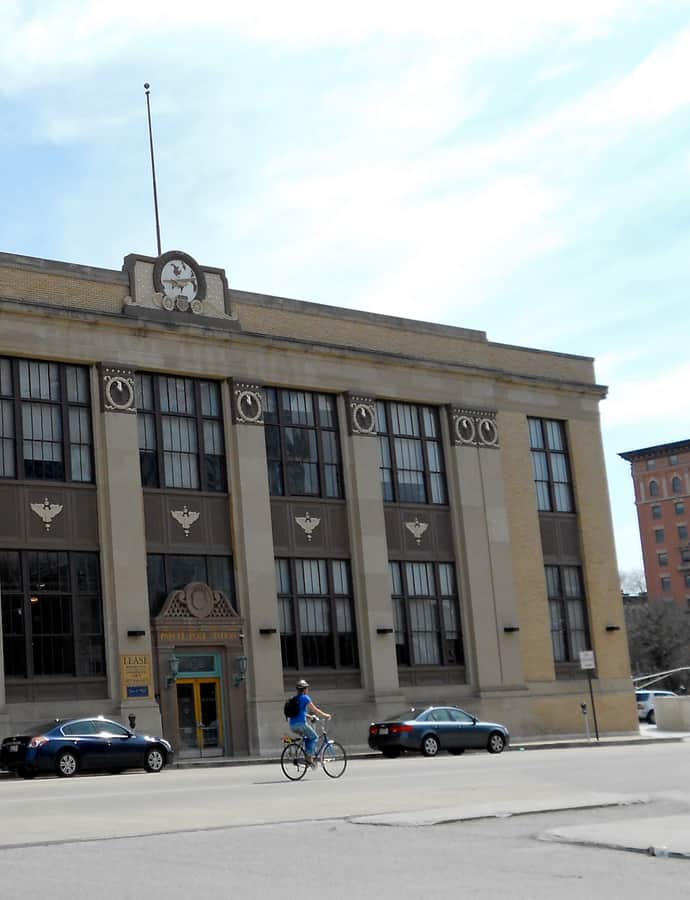
United States Parcel Post Station

Neoclassical

United States Parcel Post Station

The United States Parcel Post Station is a Neoclassical former U.S. postal facility listed on the National Register of Historic Places.

Photo: Smallbones , CC0