City guide

architecture in Cincinnati.

114 buildings worth a detour, each with what to look for. Open them on the map, or walk them with the iPhone app, which collects each one you photograph.

Landmarks

The buildings that define the city's architecture.

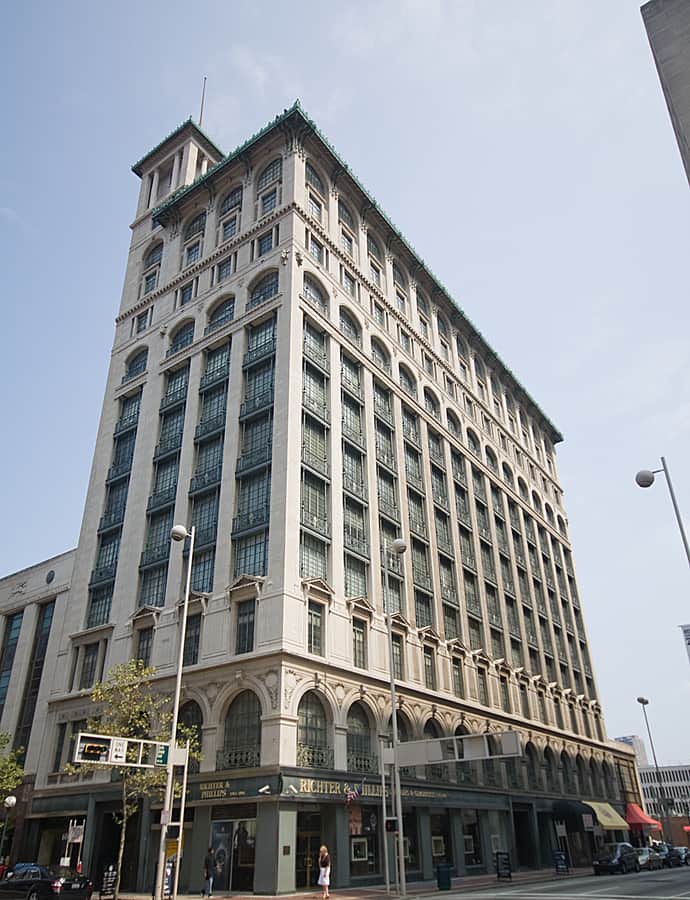
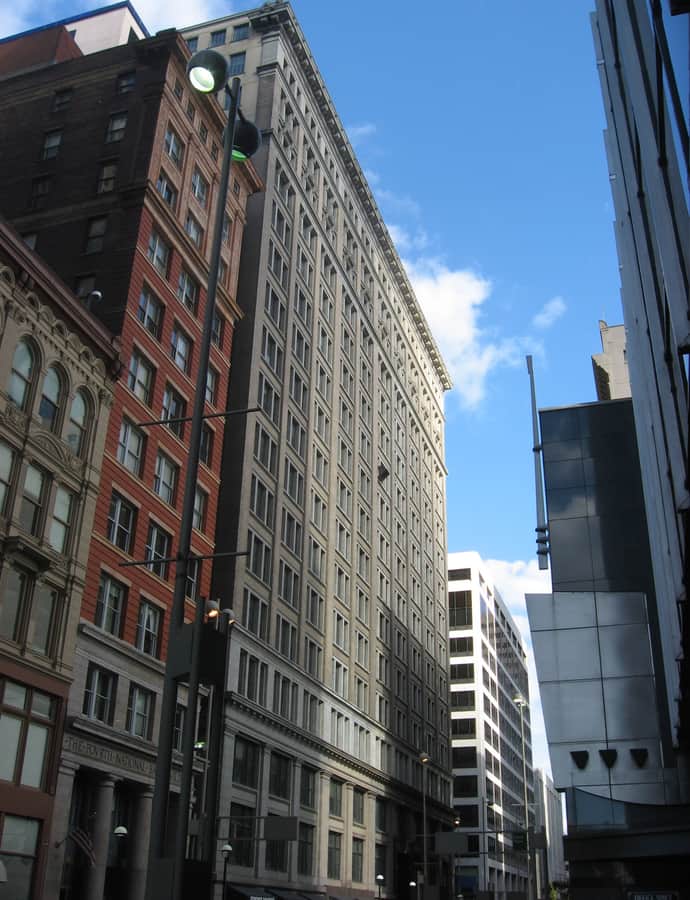
Bartlett Building

Neoclassical

Bartlett Building

D. H. Burnham & Company · 1901

The Bartlett Building is a 1901 downtown Cincinnati office tower designed by D. H. Burnham & Company, a nationally significant architecture firm, in the Neoclassical style. It is listed on the National Register of Historic Places.

Photo: Nyttend , Public domain
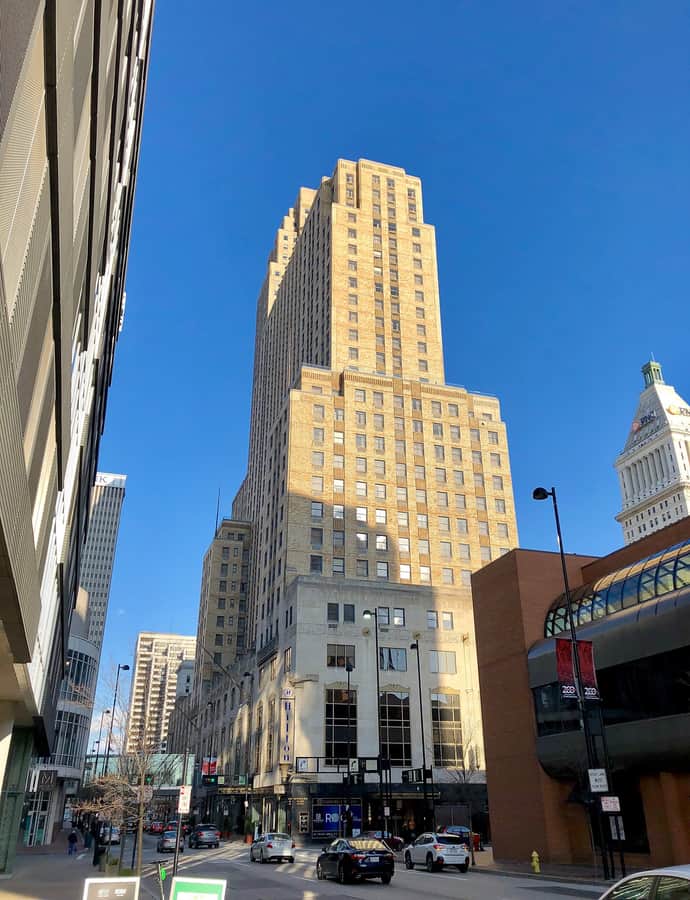
Carew Tower

Art Deco

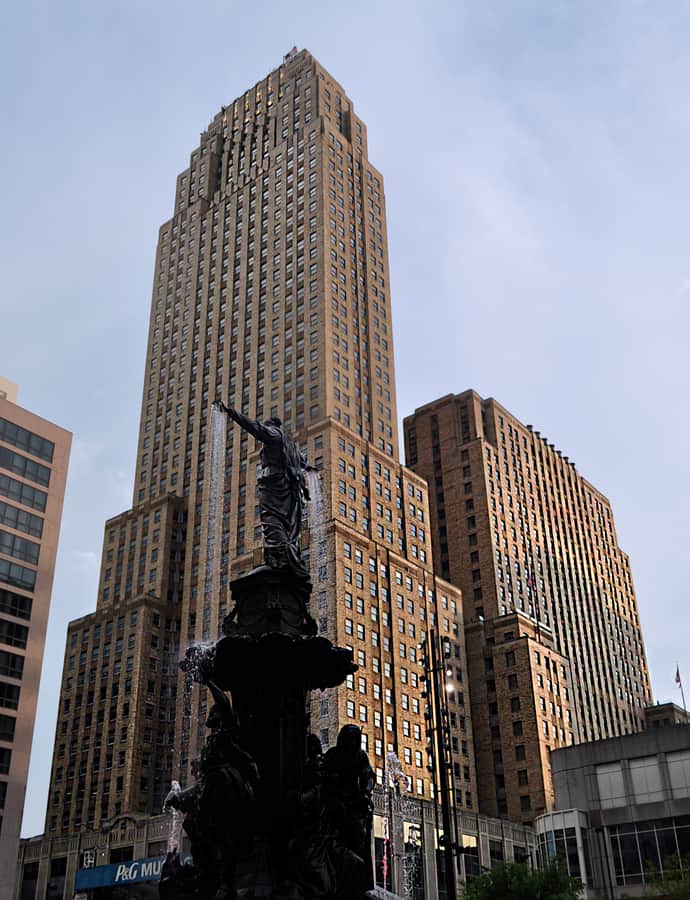
Carew Tower

Walter W. Ahlschlager · 1930

Carew Tower is a 1930 Art Deco skyscraper in downtown Cincinnati designed by Walter W. Ahlschlager as a large-scale mixed-use complex combining tower, hotel, and arcade. It is recognized as a textbook example of the Art Deco skyscraper and has been designated a National Historic Landmark. The tower remains a landmark downtown structure with a strong retellable history.

Photo: EEJCC , CC BY-SA 4.0

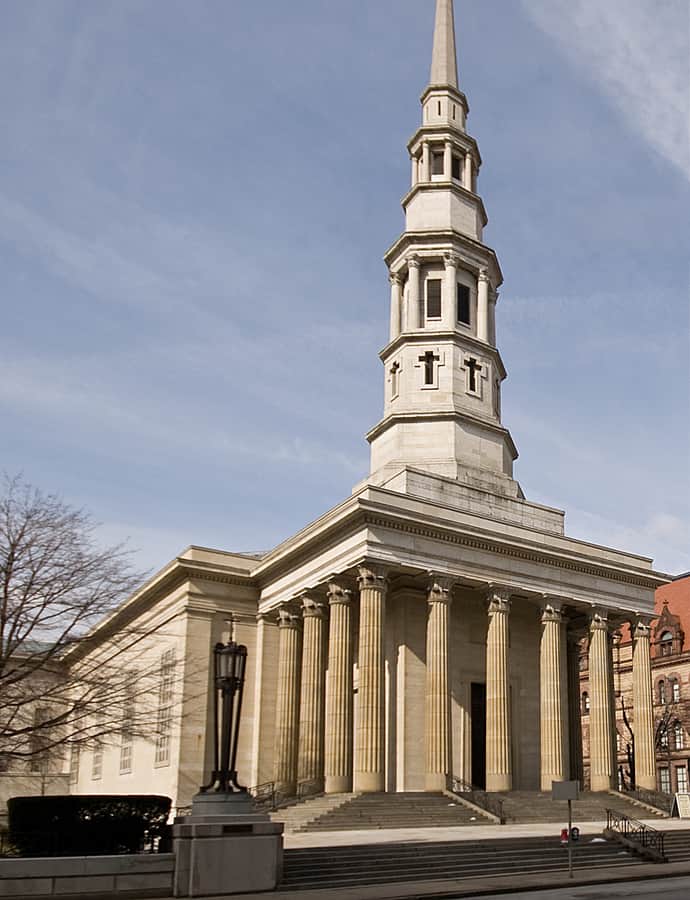
Cathedral Basilica of St. Peter in Chains

Neoclassical

Cathedral Basilica of St. Peter in Chains

Henry Walter · 1845

The Cathedral Basilica of St. Peter in Chains is an 1845 Neoclassical cathedral in downtown Cincinnati designed by Henry Walter, a notable early Ohio architect. Its prominent facade is visible from the street, and the cathedral basilica supports a strong retellable story.

Photo: Greg5030 Photo by Greg Hume , CC BY-SA 3.0

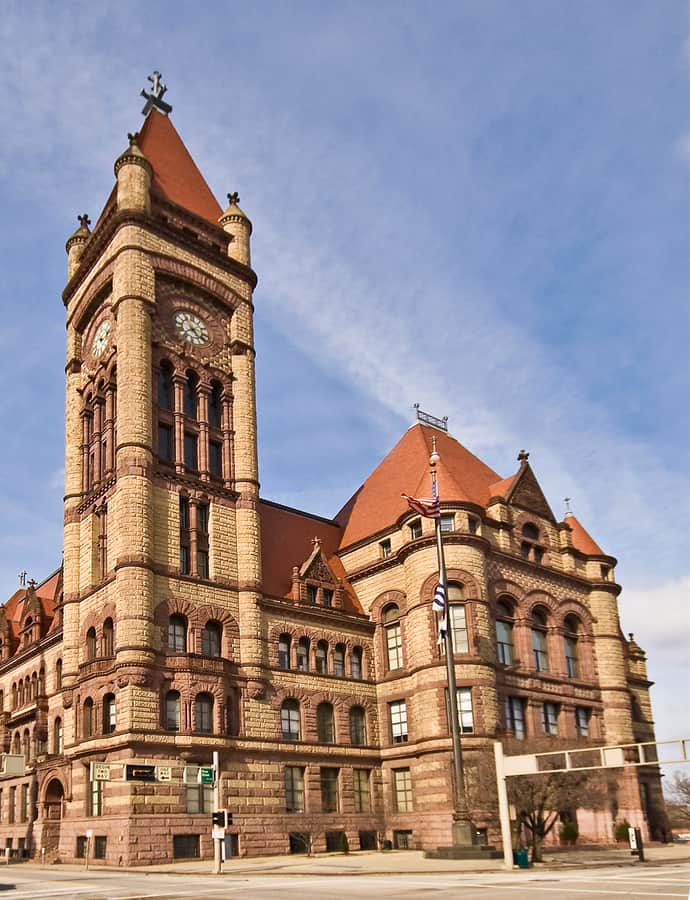
Cincinnati City Hall

Richardsonian Romanesque

Cincinnati City Hall

Samuel Hannaford

Cincinnati City Hall is a Richardsonian Romanesque municipal building designed by Samuel Hannaford, a prolific and locally important architect. Its monumental Romanesque facade is highly visible downtown, and the building carries a civic story as the seat of city government. It is listed on the National Register of Historic Places.

Photo: Greg Hume (talk) , CC BY-SA 3.0

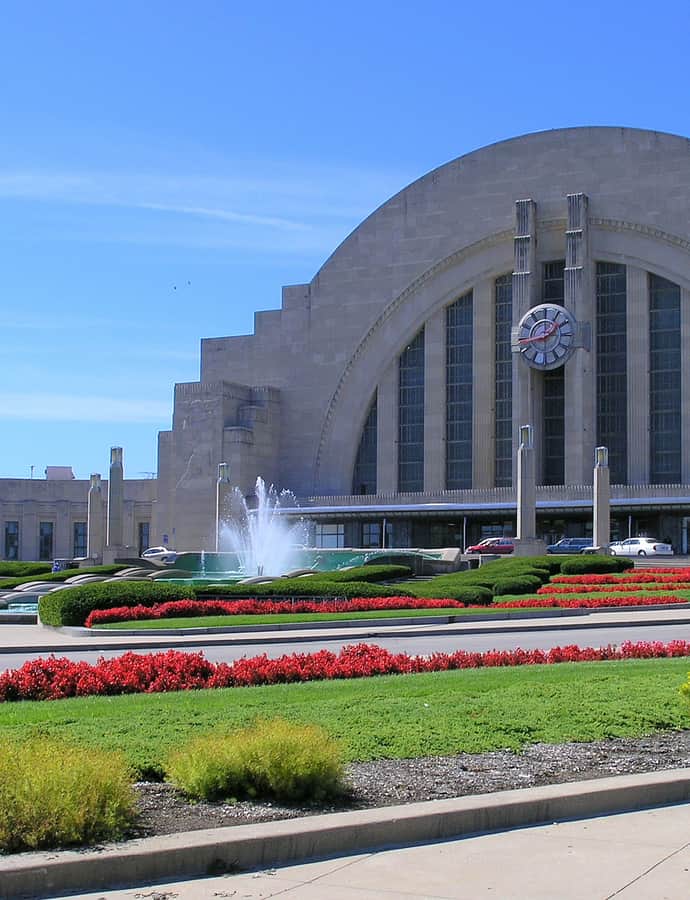
Cincinnati Museum Center at Union Terminal

Art Deco

Cincinnati Museum Center at Union Terminal

Alfred T. Fellheimer · 1933

Cincinnati Museum Center at Union Terminal is a 1933 Art Deco train terminal designed by Alfred T. Fellheimer, a noted terminal designer, and built around a monumental half-dome rotunda concourse. The building is a textbook example of the style and has been recognized as a National Historic Landmark and a National Treasure. It was once named to America's Most Endangered Historic Places, giving it a story of near-loss followed by preservation.

Photo: Greg Hume , CC BY-SA 3.0

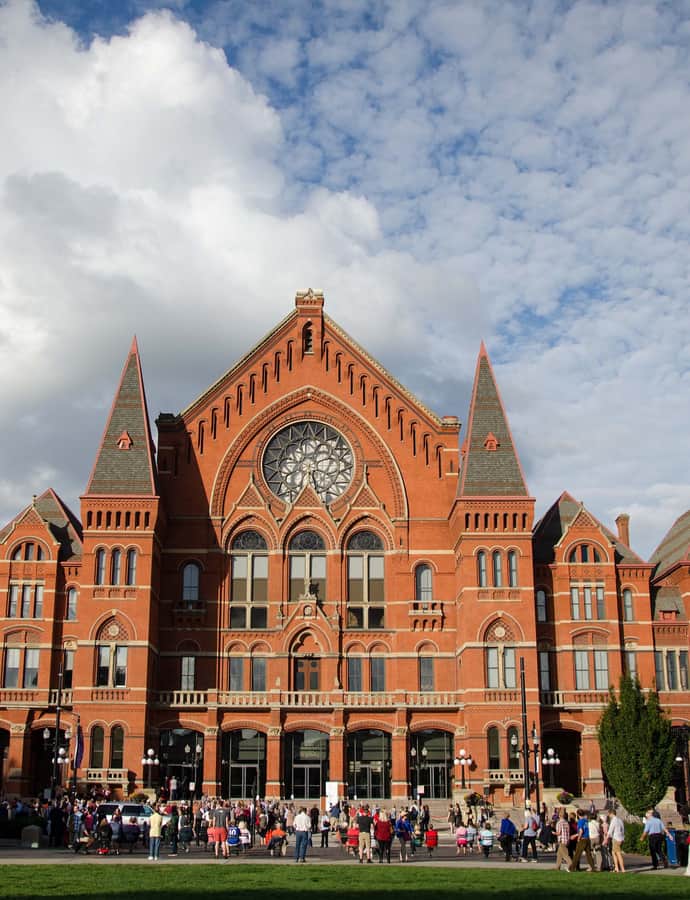
Cincinnati Music Hall

Venetian Gothic

Cincinnati Music Hall

Cincinnati Music Hall, located in Over-the-Rhine, is a rare regional example of Venetian Gothic architecture. Its iconic facade and massing are recognized citywide, and the building holds the strongest tier of heritage designation as both a National Historic Landmark and a National Treasure. It has also been named to America's Most Endangered Historic Places, reflecting a strong preservation narrative.

Photo: Larsonj3 , CC BY-SA 4.0

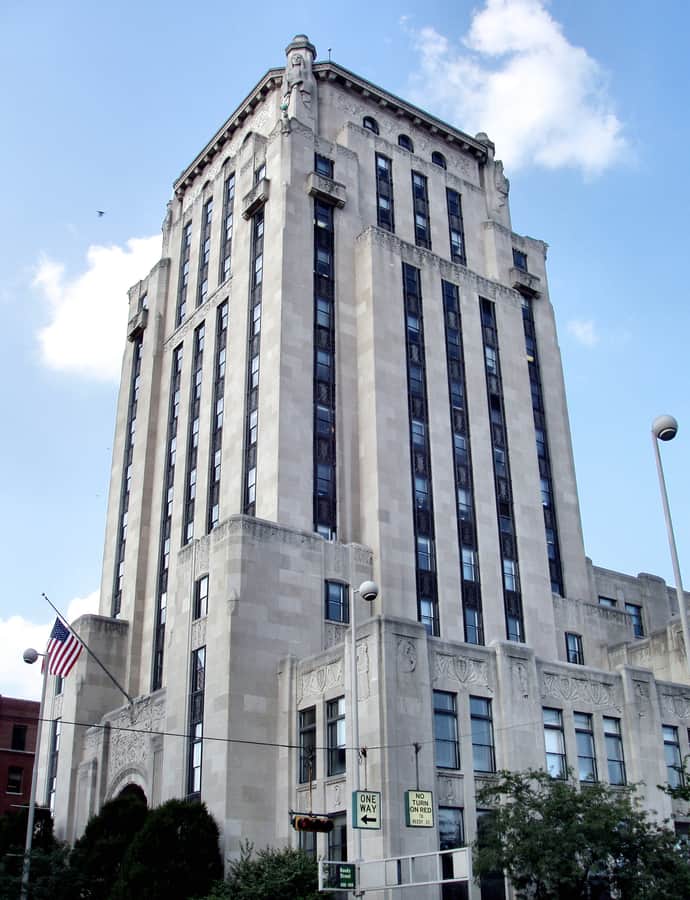
Cincinnati Times-Star Building

Art Deco

Cincinnati Times-Star Building

Samuel Hannaford · 1933

The Cincinnati Times-Star Building is an Art Deco newspaper building in Over-the-Rhine, completed in 1933 and designed by Samuel Hannaford's firm, one of Cincinnati's most prominent architectural practices. It is listed on the National Register of Historic Places.

Photo: unknown , Public domain

Crosley Building

Art Deco

Crosley Building

Samuel Hannaford

The Crosley Building is an Art Deco structure designed by Samuel Hannaford, a prominent Cincinnati architect, and is listed on the National Register of Historic Places. It is known for its manufacturing and broadcast history.

Photo: Nyttend , Public domain

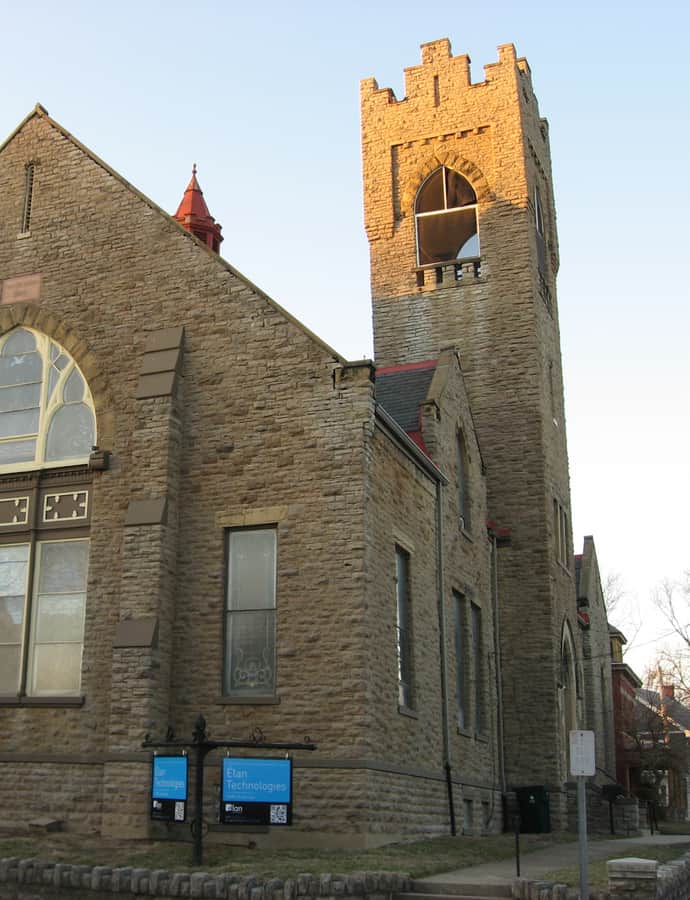
First Unitarian Church

Richardsonian Romanesque

First Unitarian Church

James W. McLaughlin · 1889

First Unitarian Church is an 1889 Cincinnati church designed by James W. McLaughlin in the Richardsonian Romanesque style. It is individually listed on the National Register of Historic Places.

Photo: Nyttend , Public domain

Ford Motor Company Cincinnati Plant

Chicago School

Ford Motor Company Cincinnati Plant

Albert Kahn

The Ford Motor Company Cincinnati Plant is an industrial building designed by Albert Kahn in the Chicago School idiom, employing Kahn's daylight-factory approach to industrial design. Its large facade is visible from the street, and the plant carries the history of Ford Motor Company's Cincinnati operations. It is listed on the National Register of Historic Places.

Photo: Photo by Greg Hume (Greg5030) , CC BY-SA 3.0

Fourth & Walnut Center

Chicago School

Fourth & Walnut Center

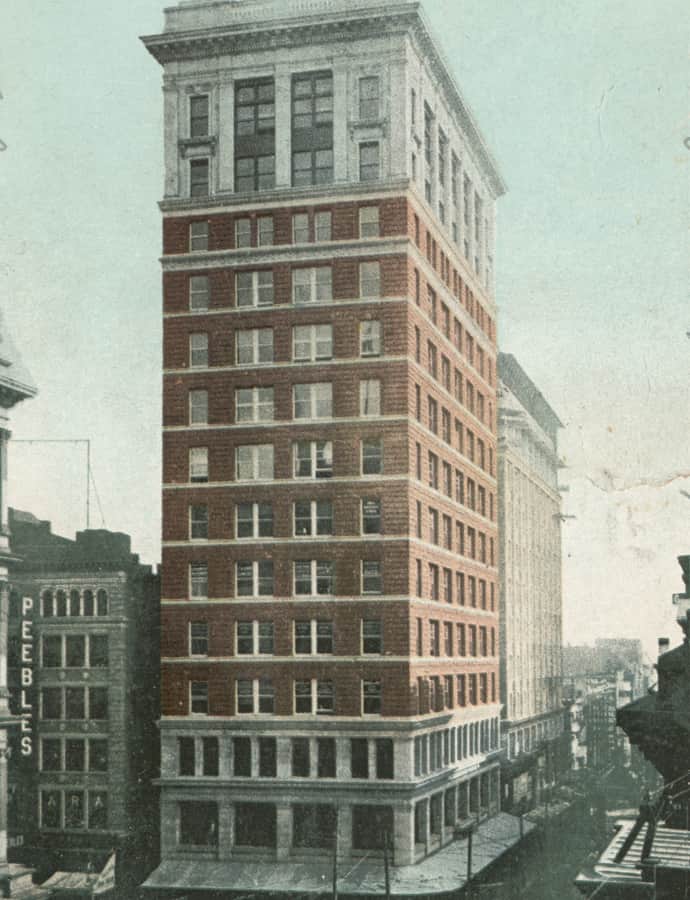
D. H. Burnham & Company · 1904

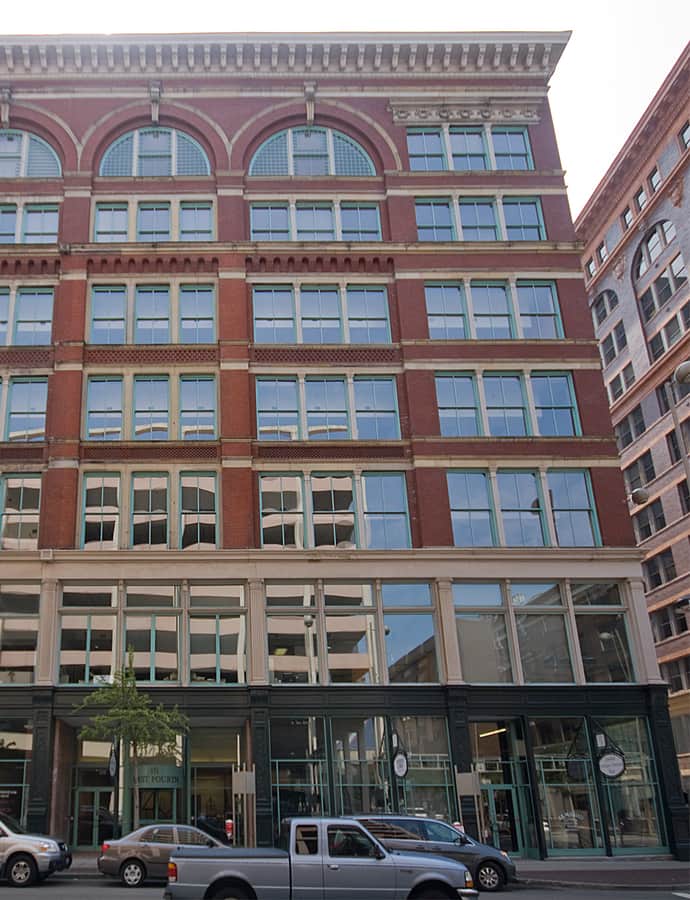
Fourth & Walnut Center is a 1904 downtown Cincinnati office tower designed by D. H. Burnham & Company, a nationally significant architecture firm, in the Chicago School idiom. It is listed on the National Register of Historic Places.

Photo: Warren LeMay from Cincinnati, OH, United States , CC0

George Hatch House

Greek Revival

George Hatch House

Isaiah Rogers

The George Hatch House is a Greek Revival building designed by Isaiah Rogers, a nationally significant hotel architect. It is listed on the National Register of Historic Places.

Photo: Jack E. Boucher , Public domain

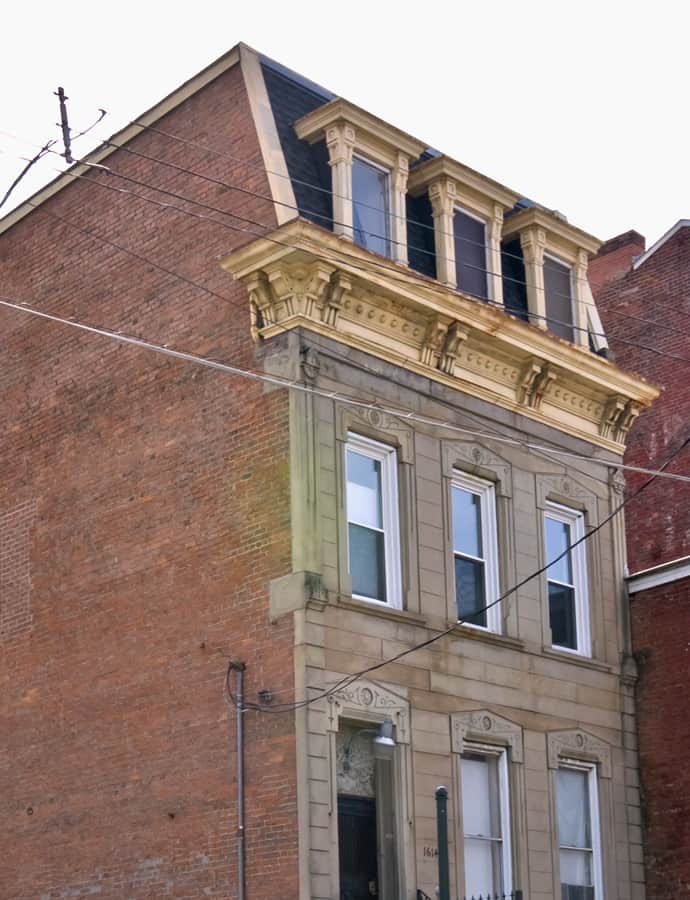
George Hunt Pendleton House

Second Empire

George Hunt Pendleton House

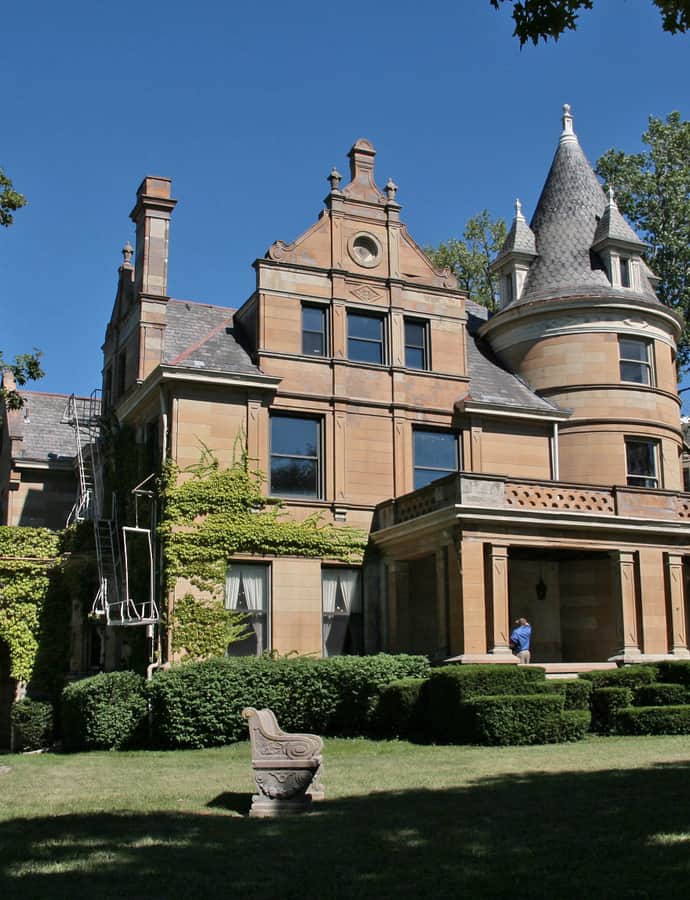
The George Hunt Pendleton House was the home of U.S. Senator George Hunt Pendleton, built in the Second Empire style.

Photo: Nyttend , Public domain

Gwynne Building

Beaux-Arts

Gwynne Building

Ernest Flagg

The Gwynne Building is a Beaux-Arts office building in downtown Cincinnati designed by Ernest Flagg, a nationally notable architect. It is listed on the National Register of Historic Places.

Photo: Photo by Greg Hume (Greg5030) , CC BY 3.0

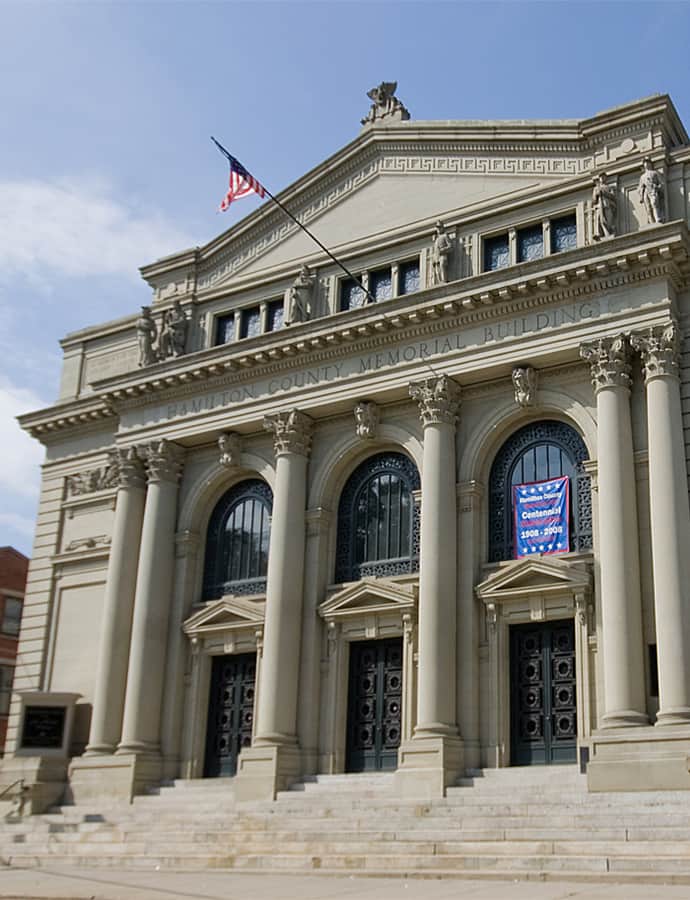
Hamilton County Memorial Building

Beaux-Arts

Hamilton County Memorial Building

Samuel Hannaford · 1908

The Hamilton County Memorial Building is a Beaux-Arts civic memorial in Over-the-Rhine, completed in 1908 and designed by Samuel Hannaford, a prominent Cincinnati architect. It is listed on the National Register of Historic Places.

Photo: Attribution required: Photo by Greg Hume (Greg5030) , CC BY 3.0

Hilton Cincinnati Netherland Plaza

Art Deco

Hilton Cincinnati Netherland Plaza

Walter W. Ahlschlager; Delano & Aldrich · 1931

The Hilton Cincinnati Netherland Plaza is a landmark Art Deco hotel in downtown Cincinnati, completed in 1931 and designed by Walter W. Ahlschlager with Delano & Aldrich.

Photo: Warren LeMay from Cincinnati, OH, United States , CC0

Landmark

Ingalls Building

Elzner & Anderson

The Ingalls Building is a downtown Cincinnati tower designed by the firm Elzner & Anderson. It is listed on the National Register of Historic Places and separately designated a Historic Civil Engineering Landmark, reflecting its structural and engineering significance.

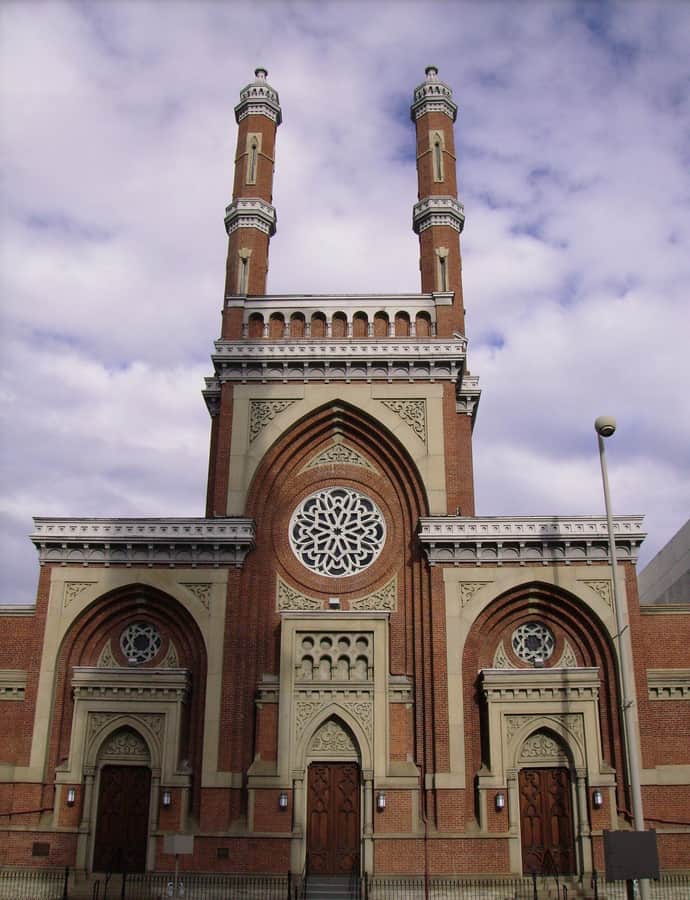
Isaac M. Wise Temple

Moorish / Mudéjar

Isaac M. Wise Temple

James Keys Wilson · 1865

Isaac M. Wise Temple is an 1865 synagogue in downtown Cincinnati designed by James Keys Wilson in the Moorish Revival style, a rare example of the style for the region. Its dual-minaret form is an unusual typology locally and remains highly visible from the sidewalk. The building is a National Historic Landmark.

Photo: unknown , Public domain

John Church Company Building

Renaissance Revival

John Church Company Building

Samuel Hannaford · 1885

The John Church Company Building was built in 1885 for the John Church Company, a music publishing firm, and designed by Samuel Hannaford in the Renaissance Revival style. It stands in downtown Cincinnati.

Photo: Photo by Greg Hume (Greg5030) , CC BY 3.0

Keating Aquatic Center

Landmark

Keating Aquatic Center

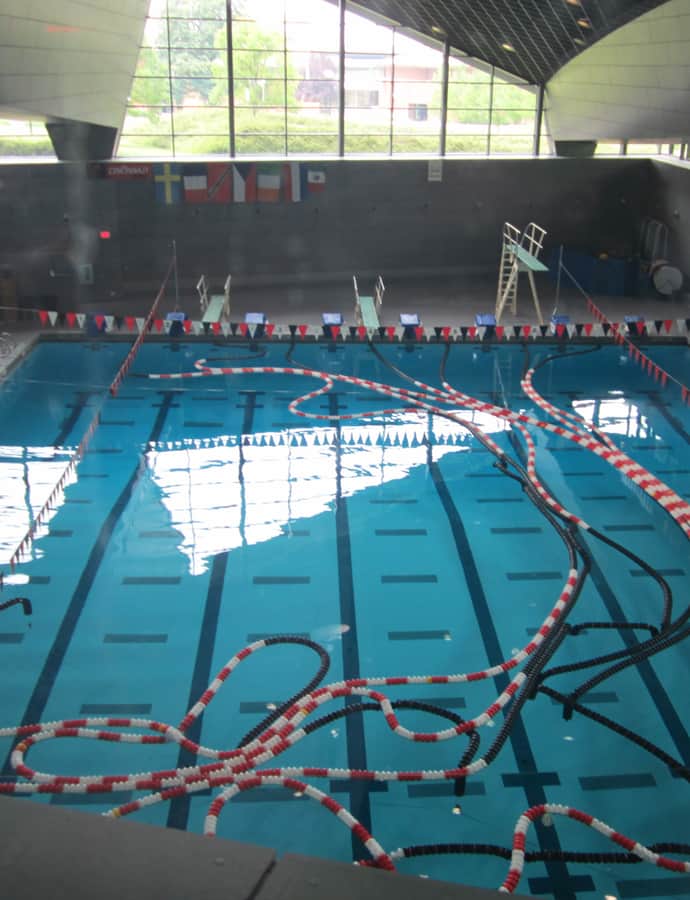
Thom Mayne · 2006

The Keating Aquatic Center was designed in 2006 by Thom Mayne of Morphosis, a Pritzker Prize-winning architect.

Photo: Bearcat2011 , CC BY-SA 3.0

Nast Trinity United Methodist Church

Romanesque Revival

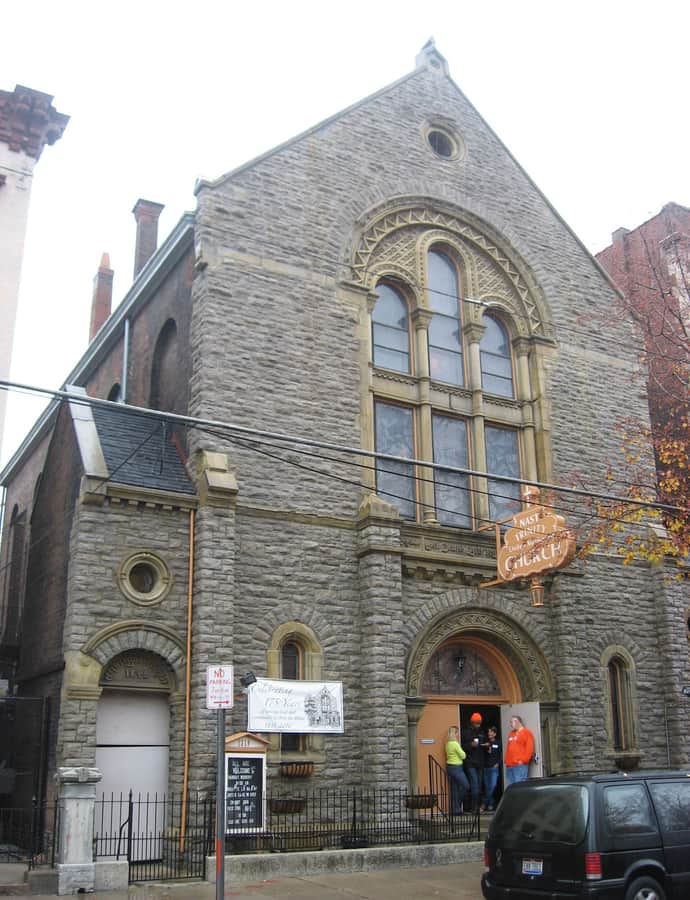
Nast Trinity United Methodist Church

Samuel Hannaford

Nast Trinity United Methodist Church is a Romanesque Revival church in Over-the-Rhine designed by Samuel Hannaford. It is listed on the National Register of Historic Places and carries a congregational history.

Photo: Nyttend , Public domain

Palace Theatre

Renaissance Revival

Palace Theatre

Rapp and Rapp

The Palace Theatre is a downtown Cincinnati movie palace designed by Rapp and Rapp, noted movie-palace architects, in a Renaissance Revival and Italianate style. It is listed on the National Register of Historic Places.

Photo: Nyttend , Public domain

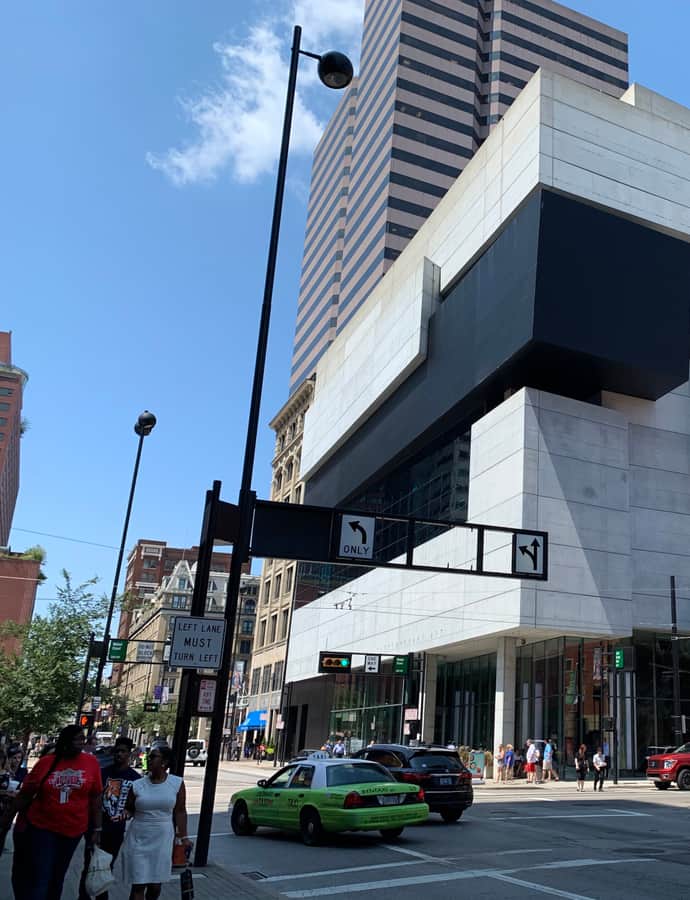
Rosenthal Center for Contemporary Art

Deconstructivism

Rosenthal Center for Contemporary Art

Zaha Hadid · 2003

The Rosenthal Center for Contemporary Art, completed in 2003 in downtown Cincinnati, was designed by Zaha Hadid, a Pritzker Prize-winning architect. It was Hadid's first major US-built commission, an innovation milestone in her career, and its bold cantilevered facade is highly visible on the street.

Photo: EEJCC , CC BY-SA 4.0

S. C. Mayer House

Second Empire

S. C. Mayer House

Samuel Hannaford

The S. C. Mayer House is a Second Empire house in Over-the-Rhine designed by Samuel Hannaford, one of Cincinnati's most prolific architects. It is individually listed on the National Register of Historic Places.

Photo: Photo by Greg Hume (Greg5030) , CC BY 3.0

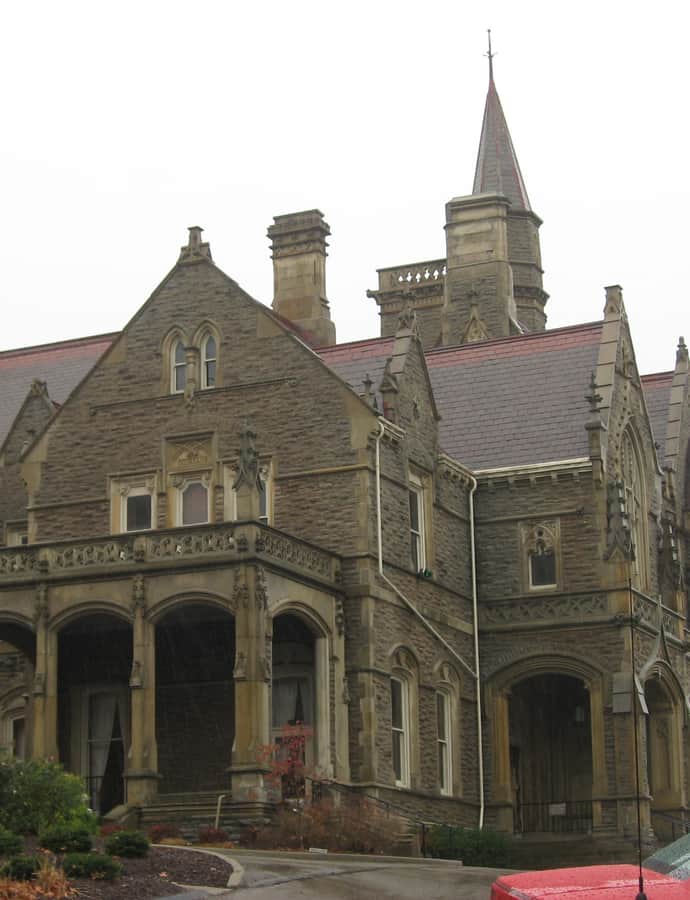
Scarlet Oaks

Romanesque Revival

Scarlet Oaks

James Keys Wilson · 1867

Scarlet Oaks is an 1867 Romanesque Revival building designed by James Keys Wilson, a notable Cincinnati architect, making it an early example of the style in the city. It is individually listed on the National Register of Historic Places.

Photo: Nyttend , Public domain

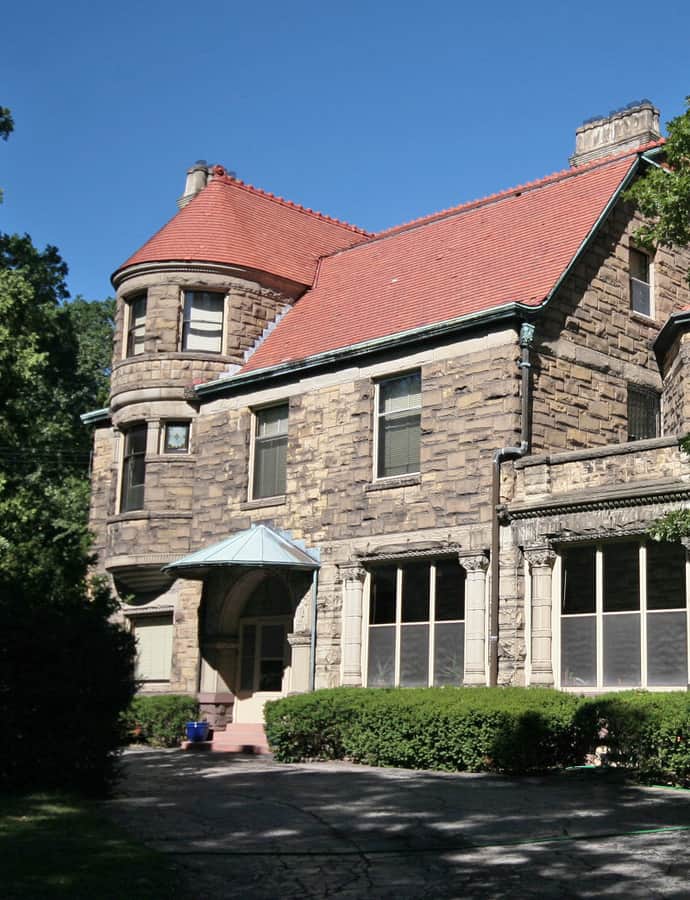
Sir Alfred T. Goshorn House

Richardsonian Romanesque

Sir Alfred T. Goshorn House

James W. McLaughlin

The Sir Alfred T. Goshorn House is a Richardsonian Romanesque residence designed by James W. McLaughlin, notable Cincinnati architect, and named for Alfred T. Goshorn, a notable local figure. It is individually listed on the National Register of Historic Places.

Photo: Photo by Greg Hume (Greg5030) , CC BY-SA 3.0

Spring Grove Cemetery Chapel

Romanesque Revival

Spring Grove Cemetery Chapel

Samuel Hannaford

The Spring Grove Cemetery Chapel is a Romanesque building within Cincinnati's noted Spring Grove Cemetery, designed by Samuel Hannaford. It is individually listed on the National Register of Historic Places.

Photo: Photo by Greg Hume (Greg5030) , CC BY 3.0

The Ascent at Roebling's Bridge

Deconstructivism

The Ascent at Roebling's Bridge

Daniel Libeskind

The Ascent at Roebling's Bridge is a twisting riverfront condo tower designed by Daniel Libeskind, a globally significant architect. Its distinctive, angular contemporary form marks a departure from the typological norms of the Cincinnati riverfront.

Photo: Studio Daniel Libeskind , CC BY 3.0

Walnut Hills United Presbyterian Church

Gothic Revival

Walnut Hills United Presbyterian Church

Samuel Hannaford

Walnut Hills United Presbyterian Church is a Gothic Revival church designed by Samuel Hannaford, a prolific Cincinnati architect. It is individually listed on the National Register of Historic Places.

Photo: Greg Hume , CC BY-SA 3.0

Notable buildings

Worth a stop when you're nearby.

Alms and Doepke Dry Goods Company

Victorian architecture

Alms and Doepke Dry Goods Company

Samuel Hannaford · 1878

The Alms and Doepke Dry Goods Company building in Over-the-Rhine dates to 1878 and was designed by architect Samuel Hannaford in the Victorian style for the named dry goods firm.

Photo: unknown , CC BY 3.0

Balch House

Queen Anne

Balch House

Samuel Hannaford

The Balch House is a Queen Anne style residence designed by Samuel Hannaford, one of Cincinnati's most prolific architects, and is individually listed on the National Register of Historic Places.

Photo: Photo by Greg Hume (Greg5030) , CC BY-SA 3.0

Captain Stone House

Romanesque Revival

Captain Stone House

Samuel Hannaford

The Captain Stone House was designed by architect Samuel Hannaford in the Romanesque Revival style. It is listed on the National Register of Historic Places.

Photo: Nyttend , Public domain
Cedric G. and Patricia Neils Boulter House

Landmark

Cedric G. and Patricia Neils Boulter House

Frank Lloyd Wright

The Cedric G. and Patricia Neils Boulter House was designed by Frank Lloyd Wright, one of the major figures of modern architecture, and is individually listed on the National Register of Historic Places.

Photo: Nyttend , Public domain
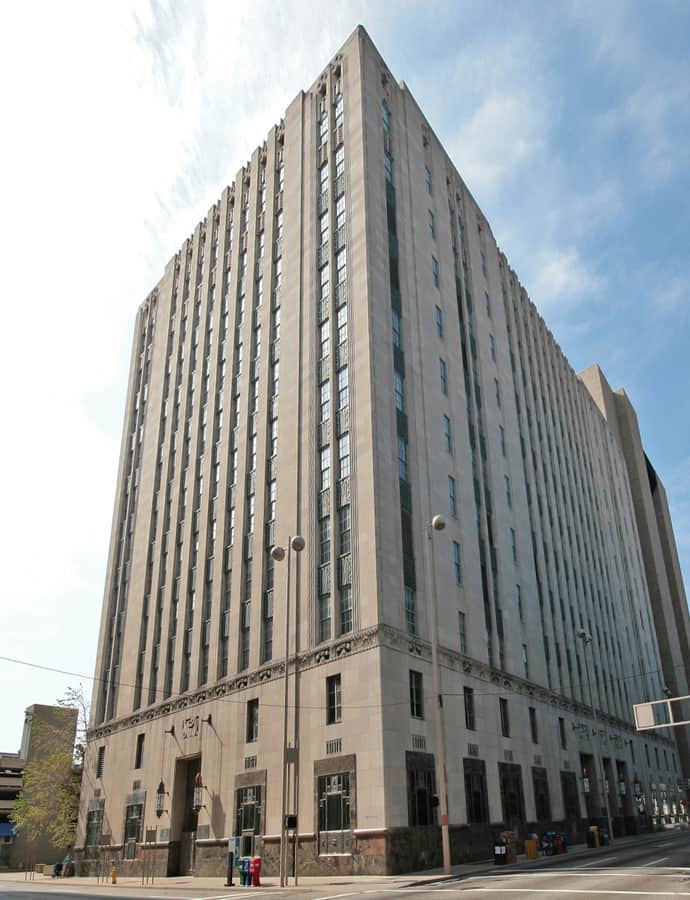
Cincinnati and Suburban Telephone Company Building

Art Deco

Cincinnati and Suburban Telephone Company Building

Harry Hake

The Cincinnati and Suburban Telephone Company Building is an Art Deco building in downtown Cincinnati, designed by Harry Hake, a locally notable Cincinnati architect.

Photo: Photo by Greg Hume (Greg5030) , CC BY 3.0

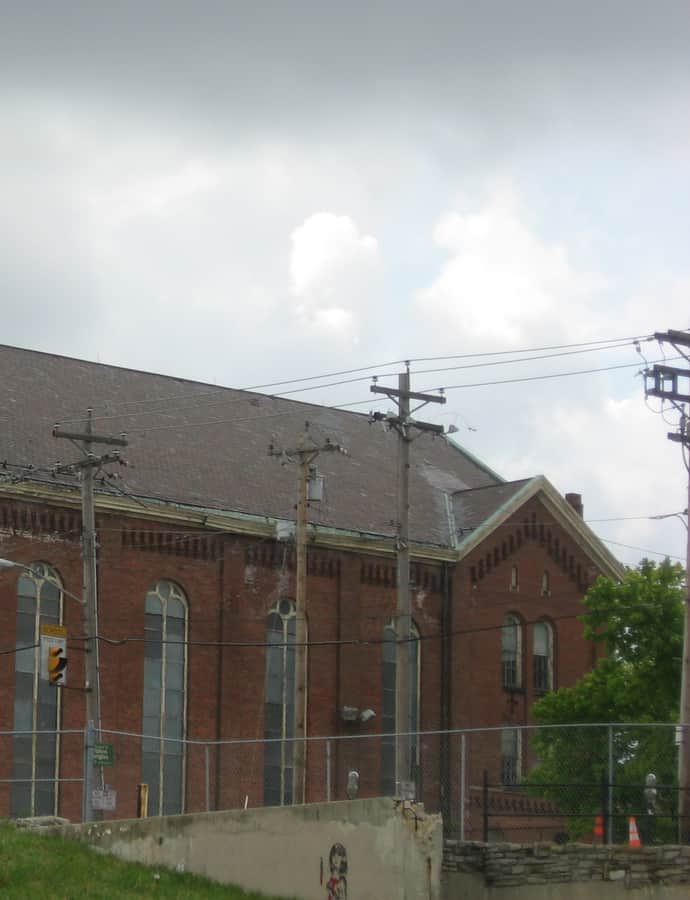
Cincinnati Work House and Hospital

Romanesque

Cincinnati Work House and Hospital

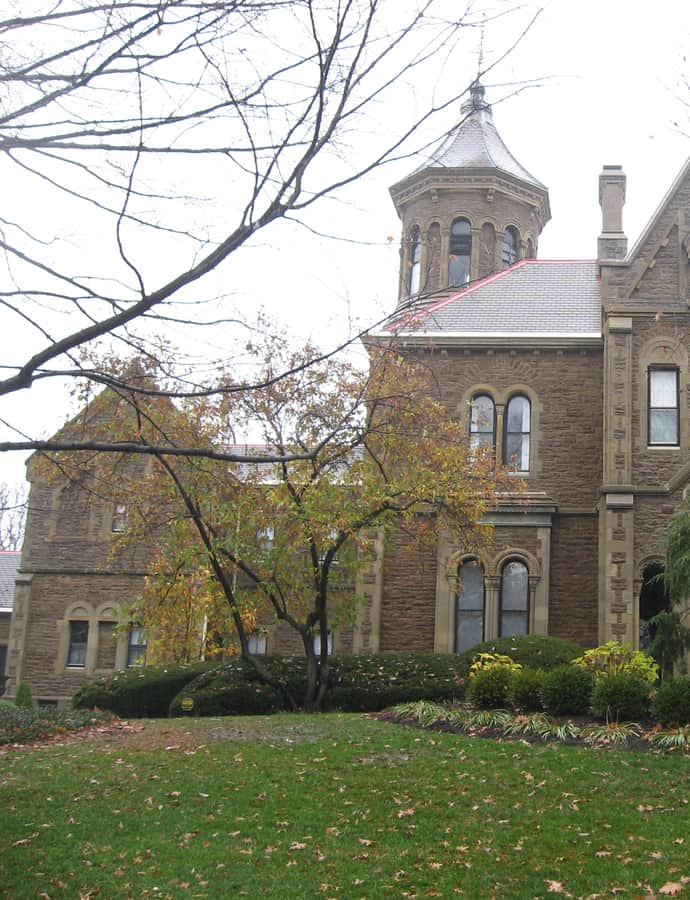
The Cincinnati Work House and Hospital combined an institutional workhouse and hospital under one Romanesque roof. It is listed on the National Register of Historic Places.

Photo: Nyttend , Public domain

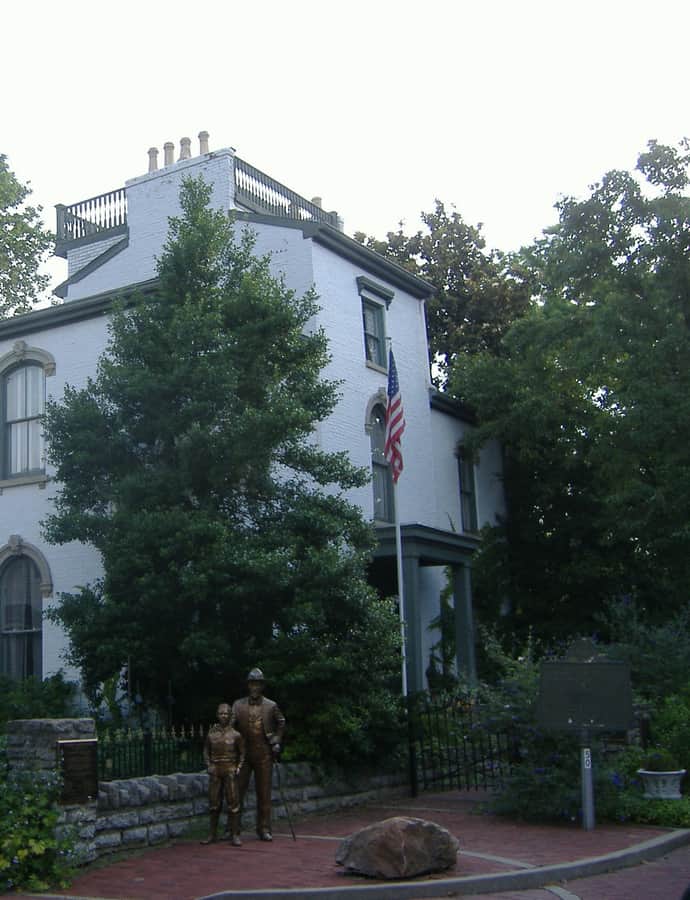
Daniel Carter Beard Boyhood Home

Landmark

Daniel Carter Beard Boyhood Home

The Daniel Carter Beard Boyhood Home was the childhood home of Daniel Carter Beard, founder of the Boy Scouts of America. It is designated a National Historic Landmark and is listed on the National Register of Historic Places.

Photo: C. Bedford Crenshaw, aka Bedford at en.wikipedia , Attribution

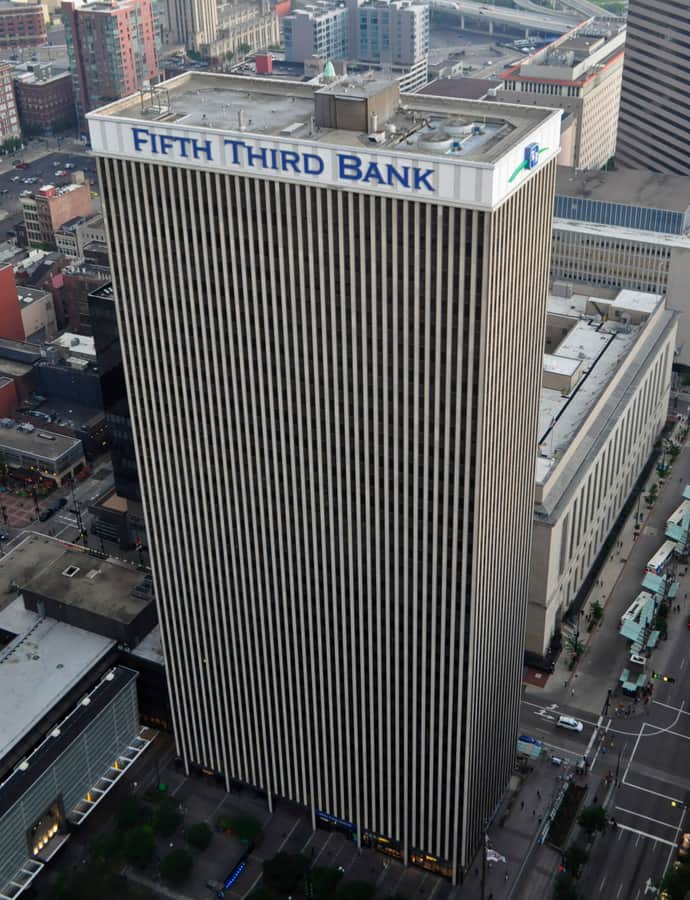
Fifth Third Center

International Style

Fifth Third Center

Harrison & Abramovitz · 1969

Fifth Third Center is a downtown Cincinnati office tower completed in 1969 in the International Style, designed by the firm Harrison & Abramovitz.

Photo: EEJCC , CC BY-SA 4.0

George B. Cox House

Renaissance Revival

George B. Cox House

The George B. Cox House was the residence of Cincinnati political figure George B. Cox, built in a blend of Renaissance Revival and Italianate architecture. It is listed on the National Register of Historic Places.

Photo: Photo by Greg Hume (Greg5030) , CC BY-SA 3.0

Great American Tower at Queen City Square

Postmodernism

Great American Tower at Queen City Square

Gyo Obata · 2011

Great American Tower at Queen City Square is a downtown Cincinnati skyscraper completed in 2011 and designed by Gyo Obata, a founding partner of HOK. It is the tallest building in Cincinnati, and its tiara-topped form is a novel addition to the city's skyline.

Photo: EEJCC , CC BY-SA 4.0

Gruen Watch Company-Time Hill

Tudor Revival

Gruen Watch Company-Time Hill

1916

Gruen Watch Company-Time Hill is a Tudor Revival building constructed in 1916 for the Gruen Watch Company and is listed on the National Register of Historic Places.

Photo: unknown , CC BY 3.0

Henry Probasco House

Romanesque Revival

Henry Probasco House

1859

The Henry Probasco House was built in 1859 in the Romanesque Revival style as the residence of philanthropist Henry Probasco. It is listed on the National Register of Historic Places.

Photo: Nyttend , Public domain

Hooper Building

Queen Anne

Hooper Building

Samuel Hannaford

The Hooper Building is a Queen Anne style building in downtown Cincinnati, designed by Samuel Hannaford, one of the city's most prominent architects. It is listed on the National Register of Historic Places.

Photo: Photo by Greg Hume (Greg5030) , CC BY 3.0

John Henry Weston House

Gothic Revival

John Henry Weston House

The John Henry Weston House is a Gothic Revival house listed on the National Register of Historic Places.

Photo: Nyttend , Public domain

John S. Baker House

Gothic Revival

John S. Baker House

James Keys Wilson

The John S. Baker House is a Gothic Revival residence designed by architect James Keys Wilson and is individually listed on the National Register of Historic Places.

Photo: Photo by Greg Hume (Greg5030) , CC BY 3.0

Lombardy Apartment Building

Victorian architecture

Lombardy Apartment Building

Samuel Hannaford

The Lombardy Apartment Building is a downtown Cincinnati apartment house designed by architect Samuel Hannaford in the Victorian style. It is listed on the National Register of Historic Places.

Photo: Photo by Greg Hume (Greg5030) , CC BY 3.0

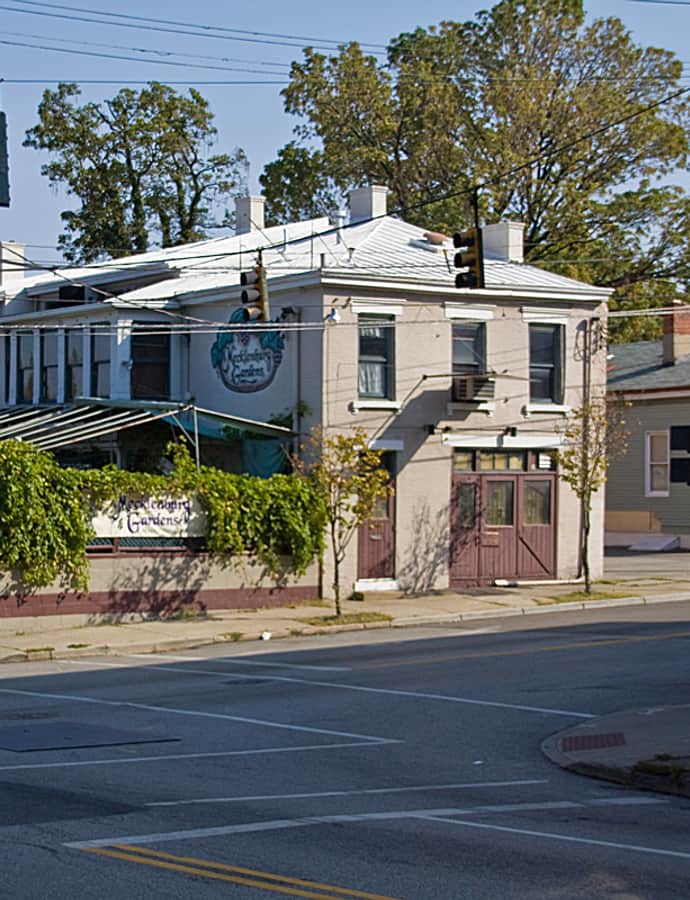
Mecklenburg's Garden

Renaissance Revival

Mecklenburg's Garden

1870

Mecklenburg's Garden dates to 1870 and was built in the Renaissance Revival and Italianate styles. It is individually listed on the National Register of Historic Places as a named beer garden site.

Photo: Photo by Greg Hume (Greg5030) , CC BY 3.0

Mother of God Roman Catholic Church

Renaissance Revival

Mother of God Roman Catholic Church

1869

Mother of God Roman Catholic Church dates to 1869 and is built in the Renaissance Revival style. It is listed on the National Register of Historic Places.

Photo: Photo by Greg Hume (Greg5030) , CC BY 3.0

Old St. Mary's Church

Greek Revival

Old St. Mary's Church

Old St. Mary's Church is a Greek Revival church in Over-the-Rhine.

Photo: Adam Sonnett , CC BY-SA 2.0

Palace Hotel

Second Empire

Palace Hotel

The Palace Hotel is a downtown Cincinnati hotel built in the Second Empire style and listed on the National Register of Historic Places. Its mansard-roofed facade is one of the more visible Second Empire survivors on the street today.

Photo: Photo by Greg Hume (Greg5030) , CC BY 3.0

Landmark

Potter Stewart United States Courthouse

Louis A. Simon

The Potter Stewart United States Courthouse is a downtown Cincinnati federal courthouse designed by Louis A. Simon, supervising architect for federal buildings, and is listed on the National Register of Historic Places.

Saint Francis De Sales Catholic Church

Gothic Revival

Saint Francis De Sales Catholic Church

Saint Francis De Sales Catholic Church is a Gothic Revival church individually listed on the National Register of Historic Places.

Photo: Photo by Greg Hume (Greg5030) , CC BY 3.0

St. Francis Hospital

Queen Anne

St. Francis Hospital

1888

St. Francis Hospital was built in 1888 in the Queen Anne style. It is listed on the National Register of Historic Places.

Photo: Nyttend , Public domain
St. George Parish and Newman Center

Romanesque Revival

St. George Parish and Newman Center

Samuel Hannaford

St. George Parish and Newman Center is a Romanesque church designed by Samuel Hannaford, one of Cincinnati's most prominent architects, and is individually listed on the National Register of Historic Places.

Photo: Nyttend , Public domain

St. Pius X Catholic Church

Romanesque Revival

St. Pius X Catholic Church

St. Pius X Catholic Church is a Romanesque church individually listed on the National Register of Historic Places.

Photo: Nyttend , Public domain

St. Rose Church

Romanesque Revival

St. Rose Church

1867

St. Rose Church was built in 1867 in the Romanesque Revival style and is individually listed on the National Register of Historic Places.

Photo: Nyttend , Public domain

Taft Museum of Art

Landmark

Taft Museum of Art

1927

The Taft Museum of Art is a downtown Cincinnati museum building dating to 1927. It is designated a National Historic Landmark and is listed on the National Register of Historic Places, both individually and as a contributing property.

Photo: Greg Hume (User:Greg5030) , CC BY-SA 2.5

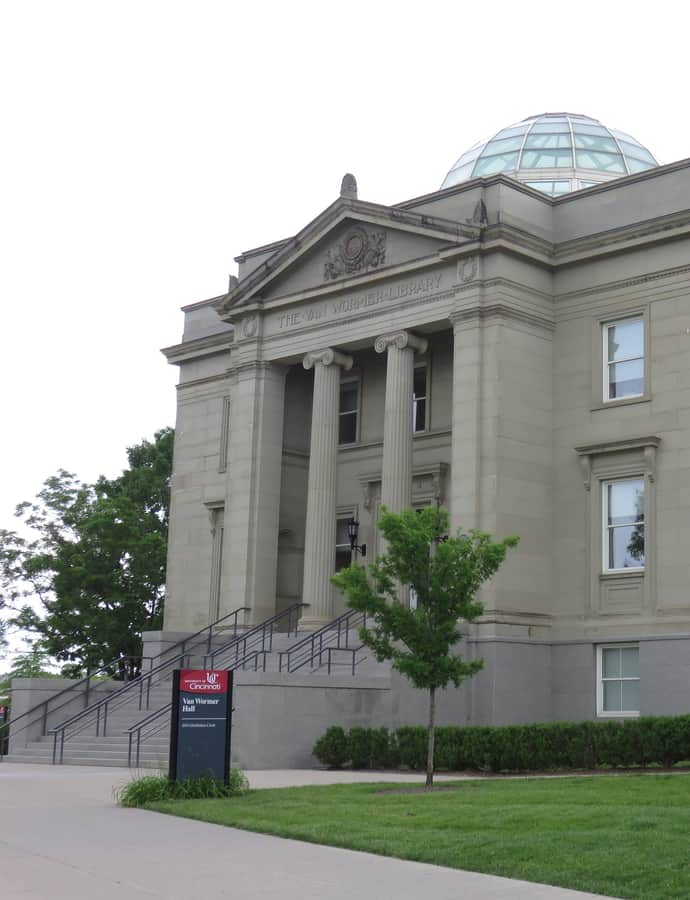
Van Wormer Hall

Neoclassical

Van Wormer Hall

Samuel Hannaford · 1899

Van Wormer Hall was designed by Samuel Hannaford, a prominent Cincinnati architect, and completed in 1899 in the classical style.

Photo: Antony-22 , CC BY-SA 4.0

William Howard Taft National Historic Site

Landmark

William Howard Taft National Historic Site

1969

The William Howard Taft National Historic Site, in Over-the-Rhine, marks the birthplace of U.S. President William Howard Taft. The current site dates to 1969 and is designated a National Historic Landmark, listed on the National Register of Historic Places both individually and as a contributing property.

Photo: Bedford at English Wikipedia , Public domain

Landmark

Withrow High School

1919

Withrow High School is a large school building completed in 1919. It is individually listed on the National Register of Historic Places and carries an OSM heritage=2 designation.

Hidden gems

Fine buildings that fewer people seek out.

August Sauer House

Queen Anne

August Sauer House

The August Sauer House is a Queen Anne style residence listed on the National Register of Historic Places.

Photo: Nyttend , Public domain

Brittany Apartments

Queen Anne

Brittany Apartments

Samuel Hannaford · 1885

The Brittany Apartments is a Queen Anne-style apartment building completed in 1885 in Over-the-Rhine, designed by Cincinnati architect Samuel Hannaford. It's a contributing property within a National Register of Historic Places-listed district.

Photo: Photo by Greg Hume (Greg5030) , CC BY 3.0

C. H. Burroughs House

Queen Anne

C. H. Burroughs House

Samuel Hannaford

The C. H. Burroughs House is a Queen Anne style residence designed by Samuel Hannaford, one of Cincinnati's most prolific architects. It is individually listed on the National Register of Historic Places.

Photo: Nyttend , Public domain

Calvary Episcopal Church

Landmark

Calvary Episcopal Church

Samuel Hannaford

Calvary Episcopal Church was designed by Samuel Hannaford, a prolific Cincinnati architect, and is individually listed on the National Register of Historic Places.

Photo: Photo by Greg Hume (Greg5030) , CC BY 3.0

Charles Wiedemann House

Victorian architecture

Charles Wiedemann House

Samuel Hannaford · 1895

The Charles Wiedemann House was built in 1895 in the Victorian style, designed by Cincinnati architect Samuel Hannaford. It is a contributing property within a National Register of Historic Places-listed district.

Photo: Nyttend , Public domain

Coca-Cola Bottling Corporation Building

Streamline Moderne

Coca-Cola Bottling Corporation Building

The Coca-Cola Bottling Corporation Building is a Streamline Moderne structure named for the corporate bottler it once housed. It is individually listed on the National Register of Historic Places.

Photo: Photo by Greg Hume (Greg5030) , CC BY 3.0

Cummins School

Renaissance Revival

Cummins School

Samuel Hannaford · 1871

Cummins School was designed in 1871 by Samuel Hannaford in a Renaissance Revival and Italianate mode. It is listed on the National Register of Historic Places.

Photo: Nyttend , Public domain

Edgecliff

Landmark

Edgecliff

Samuel Hannaford

Edgecliff was designed by Cincinnati architect Samuel Hannaford and is individually listed on the National Register of Historic Places.

Photo: Nyttend , Public domain

Eighteenth District School

Landmark

Eighteenth District School

Samuel Hannaford

The Eighteenth District School was designed by Cincinnati architect Samuel Hannaford and is individually listed on the National Register of Historic Places.

Photo: John Gerhardstein , Public domain

Elmwood Hall

Landmark

Elmwood Hall

Benjamin Henry Latrobe

Elmwood Hall was designed by Benjamin Henry Latrobe, one of the foundational figures of American architecture. It is listed on the National Register of Historic Places.

Photo: E.F. Schrand , Public domain

Landmark

Engineering Research Center

Michael Graves

The Engineering Research Center was designed by Michael Graves, a major figure of postmodern architecture.

First Universalist Church

Romanesque

First Universalist Church

Samuel Hannaford

First Universalist Church was designed by Samuel Hannaford in the Romanesque style. It is listed on the National Register of Historic Places.

Photo: Nyttend , Public domain
General Hospital Nurses' Home

Renaissance Revival

General Hospital Nurses' Home

Samuel Hannaford

The General Hospital Nurses' Home was designed by Samuel Hannaford in the Renaissance Revival style. It is listed on the National Register of Historic Places.

Photo: unknown , CC BY 3.0

George F. Sands School

Beaux-Arts

George F. Sands School

Rudolph Tietig

The George F. Sands School is a Beaux-Arts building designed by architect Rudolph Tietig. It is individually listed on the National Register of Historic Places.

Photo: Jim Roberts , CC BY-SA 4.0

George Hoadley Jr. House

Spanish Colonial Revival

George Hoadley Jr. House

The George Hoadley Jr. House is a Spanish Colonial Revival residence listed on the National Register of Historic Places.

Photo: Nyttend , Public domain
Gilbert Row

Queen Anne

Gilbert Row

Gilbert Row is a group of Queen Anne-style row houses listed on the National Register of Historic Places.

Photo: Nyttend , Public domain
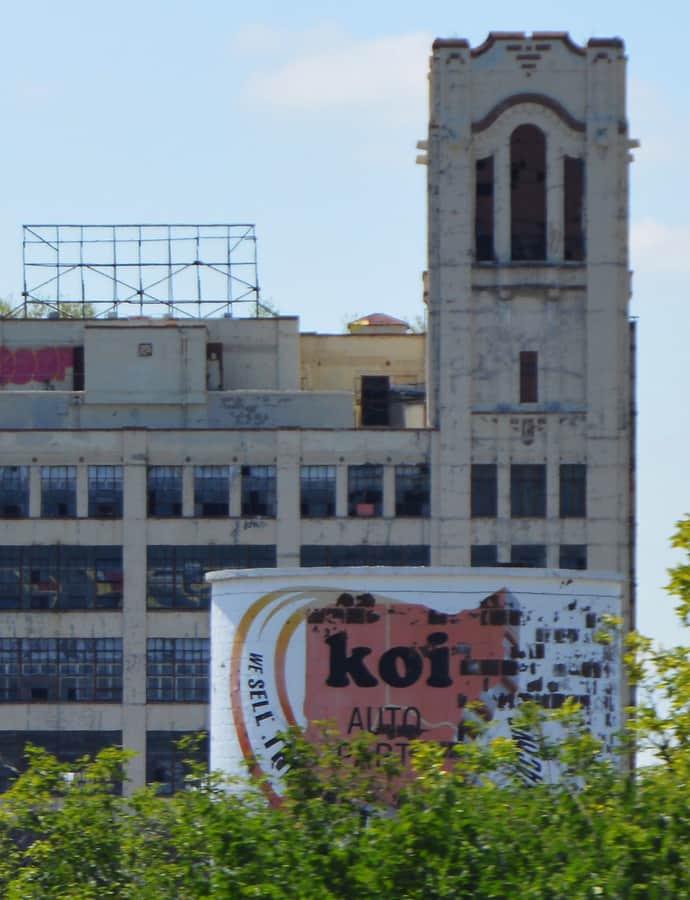
Grace Church

Gothic Revival

Grace Church

James W. McLaughlin

Grace Church is a Gothic Revival church designed by James W. McLaughlin. It is individually listed on the National Register of Historic Places.

Photo: Nyttend , Public domain
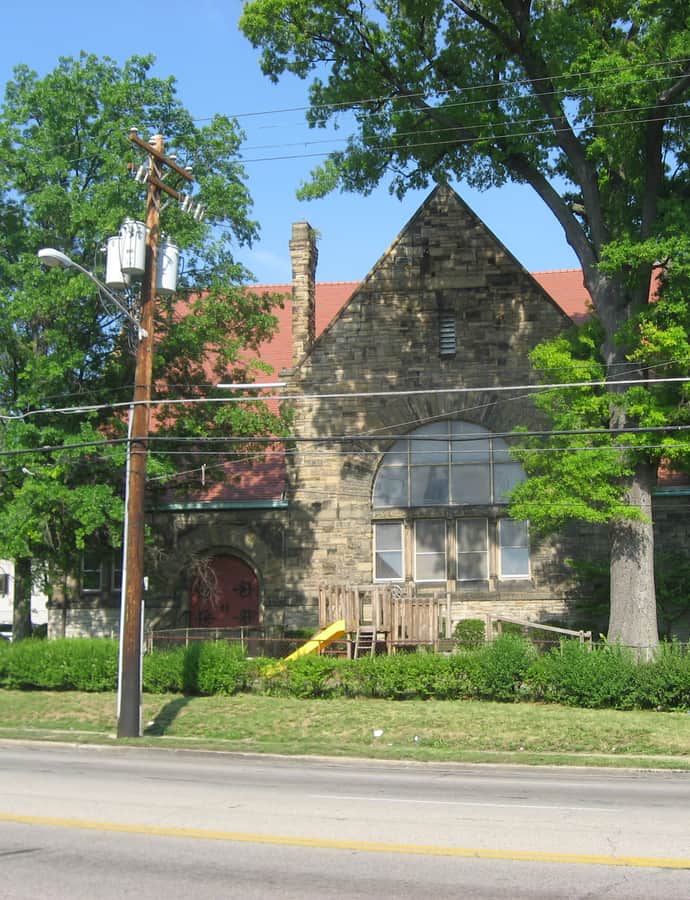
H. W. Derby Building

Italianate

H. W. Derby Building

Samuel Hannaford

The H. W. Derby Building stands downtown, an Italianate commercial building designed by Samuel Hannaford. It is individually listed on the National Register of Historic Places.

Photo: Nyttend , Public domain

Henry Powell House

Second Empire

Henry Powell House

Samuel Hannaford

The Henry Powell House is a Second Empire house designed by Samuel Hannaford and listed on the National Register of Historic Places.

Photo: Nyttend , Public domain

Hewson-Gutting House

Second Empire

Hewson-Gutting House

The Hewson-Gutting House is a Second Empire house listed on the National Register of Historic Places.

Photo: Nyttend , Public domain

Jacob D. Cox House

Renaissance Revival

Jacob D. Cox House

The Jacob D. Cox House combines Renaissance Revival and Italianate architecture and is listed on the National Register of Historic Places. It was the home of Jacob D. Cox, a Civil War general and politician.

Photo: Nyttend , Public domain

John Uri Lloyd House

Romanesque

John Uri Lloyd House

James W. McLaughlin

The John Uri Lloyd House is a Romanesque-style residence designed by architect James W. McLaughlin and listed on the National Register of Historic Places. It was the home of John Uri Lloyd, a pharmacist and scientist.

Photo: Greg5030 at English Wikipedia , CC BY 3.0

Lillybanks

Tudor Revival

Lillybanks

1926

Lillybanks is a Tudor Revival building completed in 1926 and individually listed on the National Register of Historic Places.

Photo: Nyttend , Public domain

Ludlow Theater

Art Deco

Ludlow Theater

The Ludlow Theater is an Art Deco theater listed on the National Register of Historic Places.

Photo: Nyttend , Public domain

Madam Fredin's Eden Park School and Neighboring Row House

Gothic Revival

Madam Fredin's Eden Park School and Neighboring Row House

Madam Fredin's Eden Park School and Neighboring Row House is a Gothic Revival property individually listed on the National Register of Historic Places, combining a former school building with an adjoining row house.

Photo: Nyttend , Public domain

Mary A. Wolfe House

Romanesque Revival

Mary A. Wolfe House

Samuel Hannaford

The Mary A. Wolfe House is a Romanesque Revival residence designed by Samuel Hannaford, a prominent Cincinnati architect. It is individually listed on the National Register of Historic Places.

Photo: Nyttend , Public domain

Morrison House

Renaissance Revival

Morrison House

Samuel Hannaford

The Morrison House was designed by Samuel Hannaford in a Renaissance Revival and Italianate mode. It is listed on the National Register of Historic Places.

Photo: Nyttend , Public domain
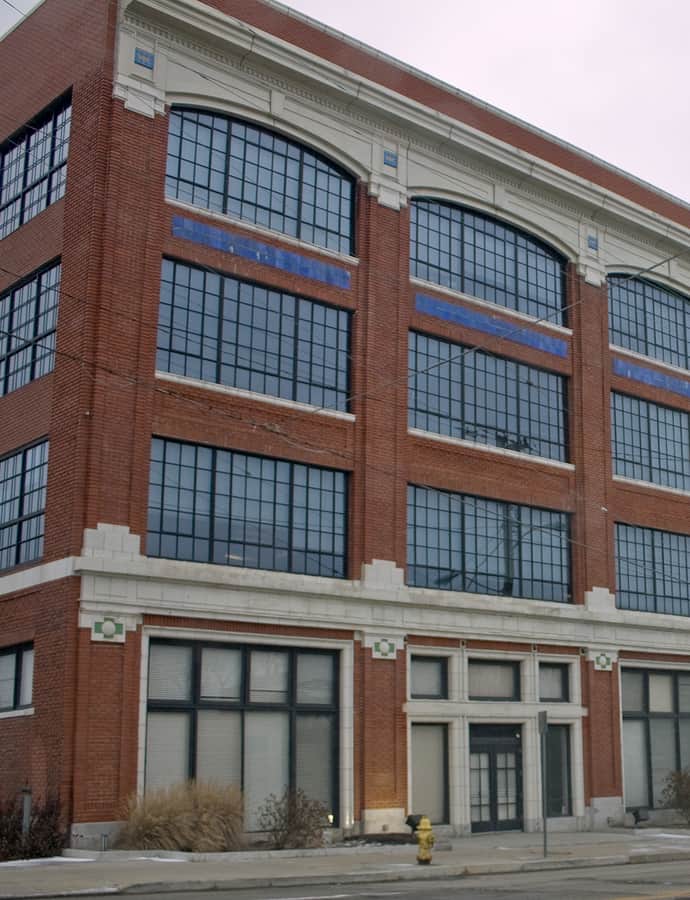
Moses Goldsmith Building

Renaissance Revival

Moses Goldsmith Building

The Moses Goldsmith Building is a Renaissance Revival structure individually listed on the National Register of Historic Places.

Photo: Greg Hume Greg5030 , CC BY-SA 3.0

Northern Bank of Kentucky

Greek Revival

Northern Bank of Kentucky

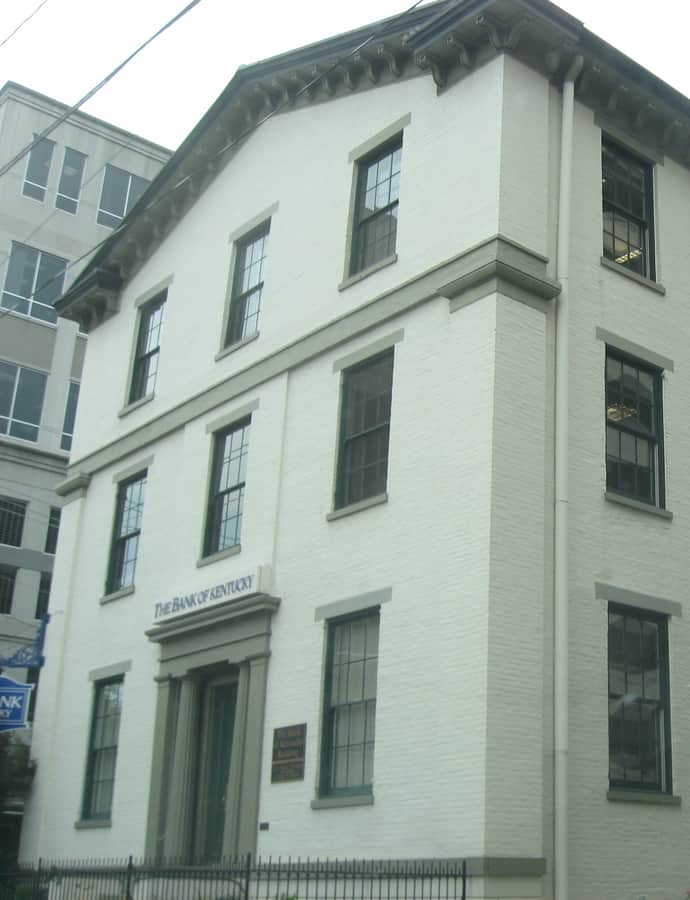
The Northern Bank of Kentucky is a Greek Revival building listed on the National Register of Historic Places.

Photo: Nyttend , Public domain

Northside United Methodist Church

Gothic Revival

Northside United Methodist Church

Samuel Hannaford

Northside United Methodist Church is a Gothic Revival church designed by Samuel Hannaford, a prominent Cincinnati architect. It is individually listed on the National Register of Historic Places.

Photo: Nyttend , Public domain

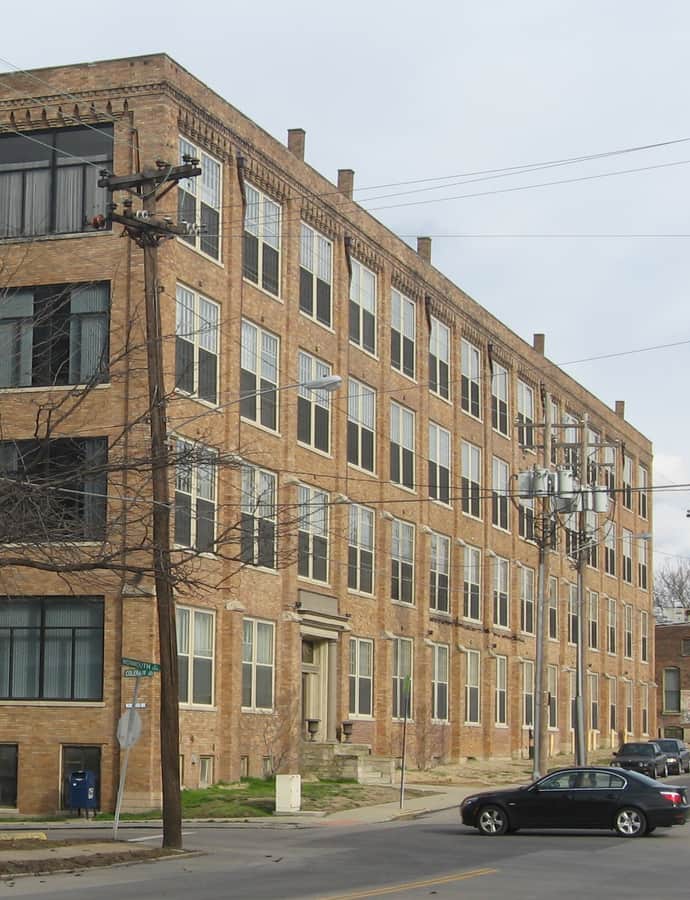
Oesterlein Machine Company-Fashion Frocks, Inc. Complex

Neoclassical

Oesterlein Machine Company-Fashion Frocks, Inc. Complex

The Oesterlein Machine Company-Fashion Frocks, Inc. Complex is a Neoclassical building listed on the National Register of Historic Places. Its name records two lives for the site: first as the Oesterlein Machine Company, then as Fashion Frocks, Inc.

Photo: Nyttend , Public domain

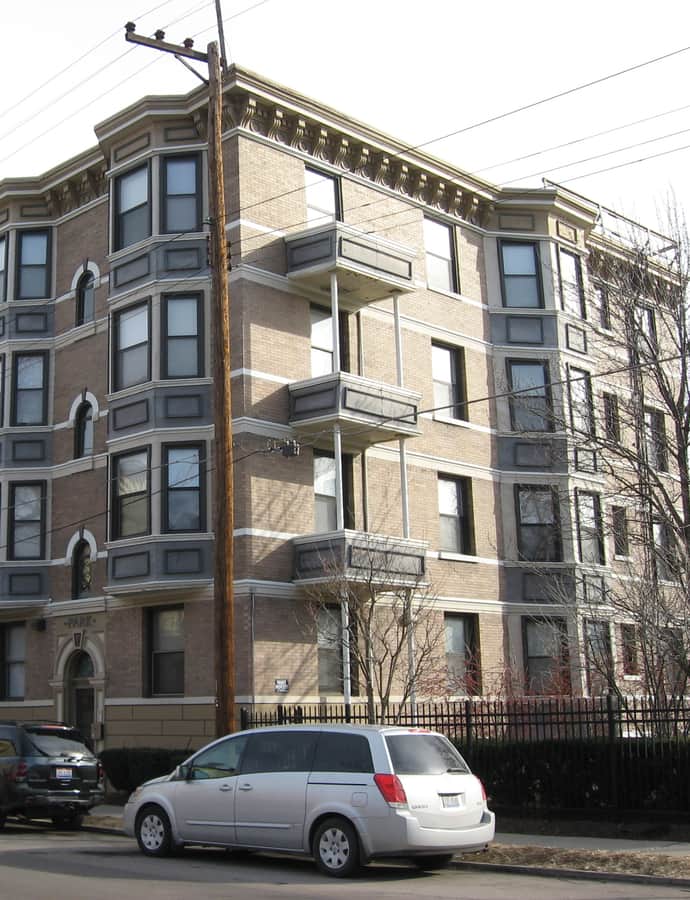
Park Flats

Chicago School

Park Flats

Park Flats is a Chicago School building, a style uncommon outside Chicago itself. It is individually listed on the National Register of Historic Places.

Photo: Nyttend , Public domain

Pfleger Family Houses

Queen Anne

Pfleger Family Houses

The Pfleger Family Houses are Queen Anne style residences individually listed on the National Register of Historic Places.

Photo: Nyttend , Public domain

Police Station No. 5

Romanesque Revival

Police Station No. 5

Samuel Hannaford

Police Station No. 5 is a Romanesque Revival institutional building designed by Samuel Hannaford and individually listed on the National Register of Historic Places.

Photo: Nyttend , Public domain

Police Station No. 7

Romanesque Revival

Police Station No. 7

Samuel Hannaford

Police Station No. 7 is a Romanesque building designed by Samuel Hannaford, a prominent Cincinnati architect. It is individually listed on the National Register of Historic Places.

Photo: Nyttend , Public domain

Procter and Collier-Beau Brummell Building

Tudor Revival

Procter and Collier-Beau Brummell Building

The Procter and Collier-Beau Brummell Building is a Tudor Revival building listed on the National Register of Historic Places, its combined name reflecting two occupants: Procter and Collier, and Beau Brummell.

Photo: Nyttend , Public domain

Sacred Heart Church

Gothic Revival

Sacred Heart Church

1892

Sacred Heart Church was built in 1892 in the Gothic style. It carries an individual National Register of Historic Places listing along with an OSM heritage=2 designation.

Photo: Wholtone , Public domain

Saxony Apartment Building

Landmark

Saxony Apartment Building

Samuel Hannaford

The Saxony Apartment Building in Over-the-Rhine was designed by Cincinnati architect Samuel Hannaford and is individually listed on the National Register of Historic Places.

Photo: Photo by Greg Hume (Greg5030) , CC BY 3.0

St. Francis Xavier Church

Gothic Revival

St. Francis Xavier Church

1819

St. Francis Xavier Church, in downtown Cincinnati, dates to 1819, making it one of the city's oldest congregations. Built in the Gothic Revival style, it is individually listed on the National Register of Historic Places.

Photo: MamaGeek at en.wikipedia , CC BY-SA 3.0

St. Paul's Episcopal Church

Gothic Revival

St. Paul's Episcopal Church

St. Paul's Episcopal Church is a Gothic Revival church individually listed on the National Register of Historic Places.

Photo: Paul Barnes , CC BY-SA 4.0

Stephen A. Gerrard Mansion

Tudor Revival

Stephen A. Gerrard Mansion

The Stephen A. Gerrard Mansion is a Tudor Revival residence individually listed on the National Register of Historic Places.

Photo: Nyttend , Public domain

Sycamore-13th Street Grouping

Renaissance Revival

Sycamore-13th Street Grouping

The Sycamore-13th Street Grouping is a corridor of varied facades in Over-the-Rhine, spanning Renaissance Revival, Italianate, and Greek Revival architecture. It is listed on the National Register of Historic Places.

Photo: Nyttend , Public domain
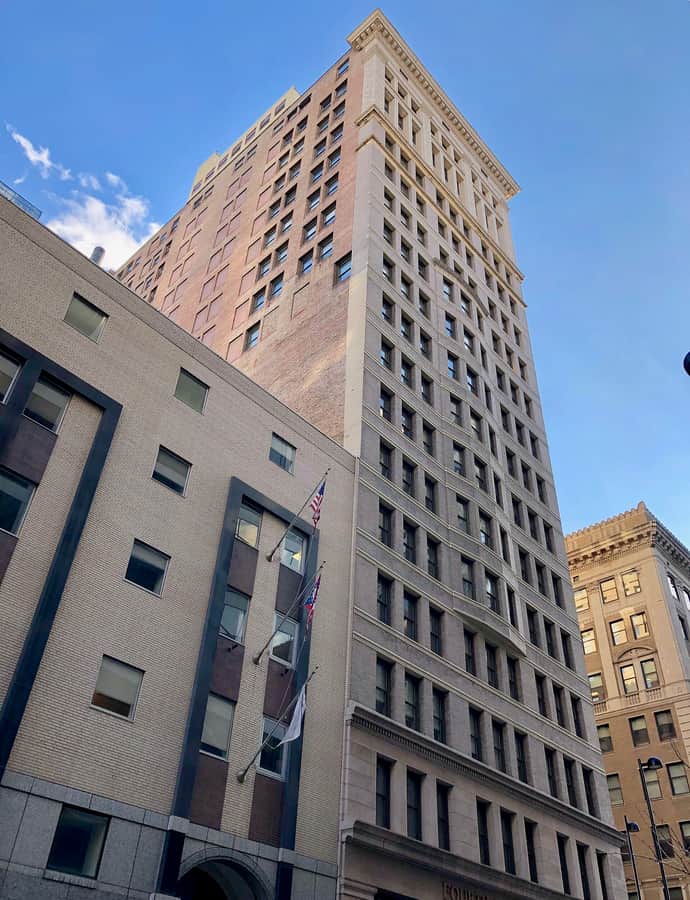
Theodore Krumberg Building

Renaissance Revival

Theodore Krumberg Building

The Theodore Krumberg Building is a commercial structure in Over-the-Rhine, individually listed on the National Register of Historic Places and recorded in OpenStreetMap as a heritage building.

Photo: unknown , CC BY 3.0

Traction Building

Landmark

Traction Building

Daniel Burnham · 1903

The Traction Building rose in downtown Cincinnati in 1903, designed by the nationally significant architect Daniel Burnham. It is listed on the National Register of Historic Places.

Photo: Detroit Publishing Company , Public domain

United States Playing Card Company Complex

Neoclassical

United States Playing Card Company Complex

Samuel Hannaford and Sons

The United States Playing Card Company Complex is a Neoclassical industrial complex designed by Samuel Hannaford and Sons and listed on the National Register of Historic Places.

Photo: Nyttend , Public domain
Landmark

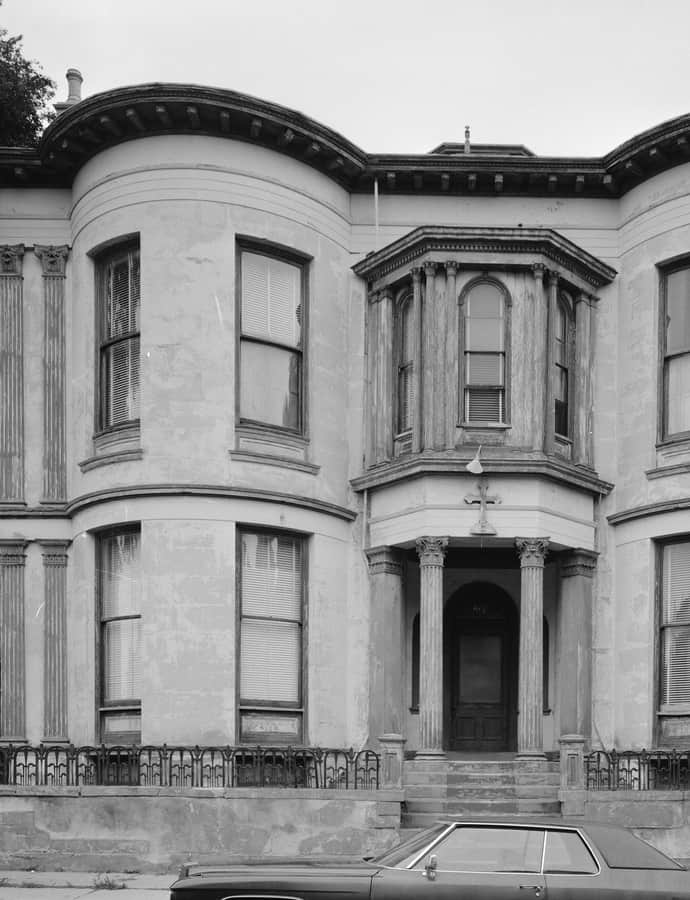
Vontz Center for Molecular Studies

Frank Gehry

The Vontz Center for Molecular Studies was designed by Frank Gehry, a Pritzker Prize-winning architect, known here for the deconstructed massing that marks the building as a Gehry commission.

Walter Field House

Shingle Style

Walter Field House

Samuel Hannaford

The Walter Field House is a Shingle style house designed by Samuel Hannaford and individually listed on the National Register of Historic Places.

Photo: Nyttend , Public domain
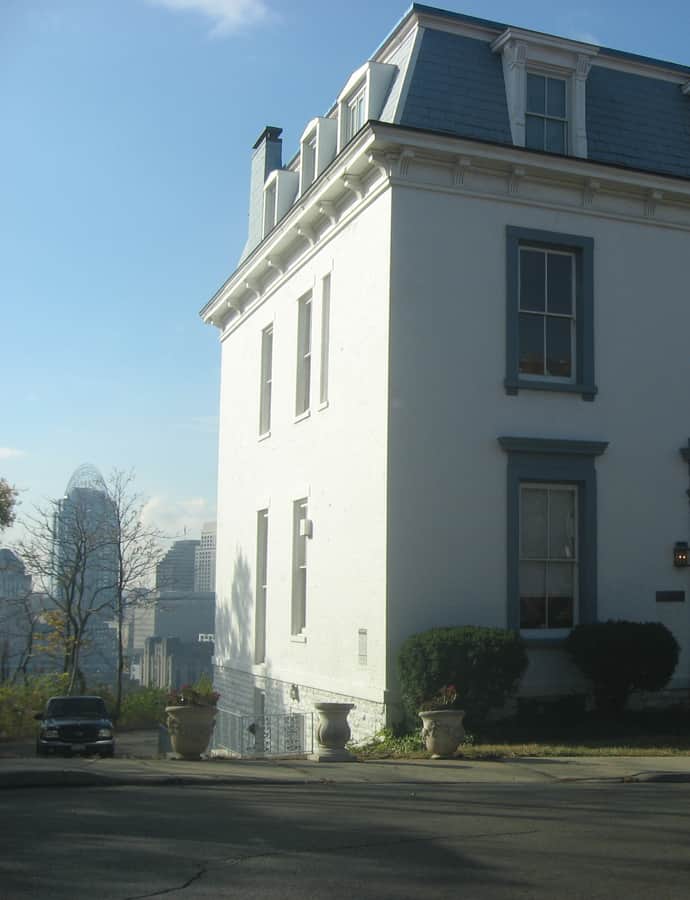
Wilson-Gibson House

Neoclassical

Wilson-Gibson House

1860

The Wilson-Gibson House was built in 1860 in the Neoclassical style. It carries an individual National Register of Historic Places listing along with an OSM heritage=2 designation.
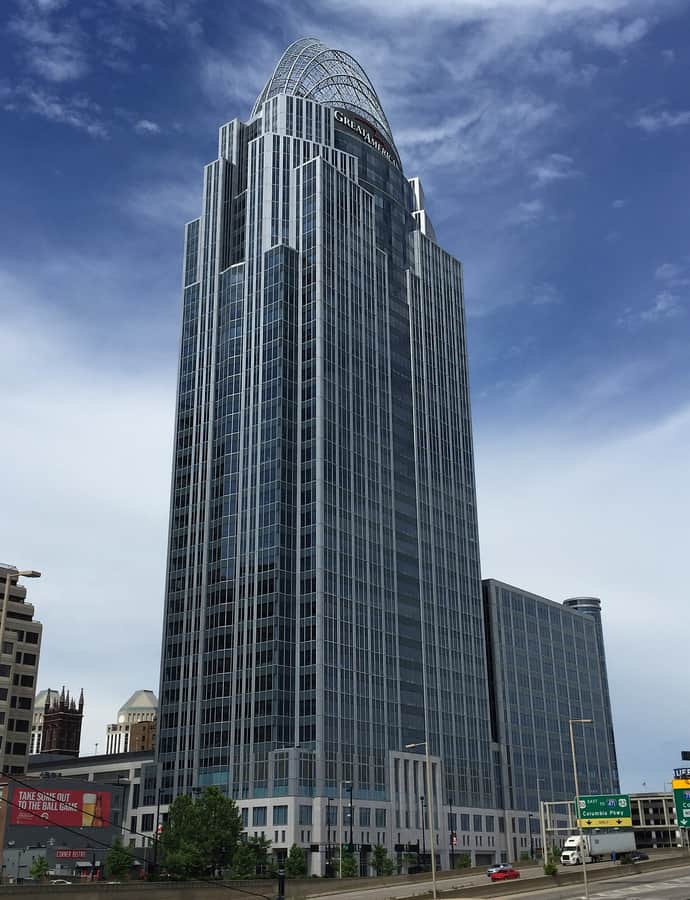
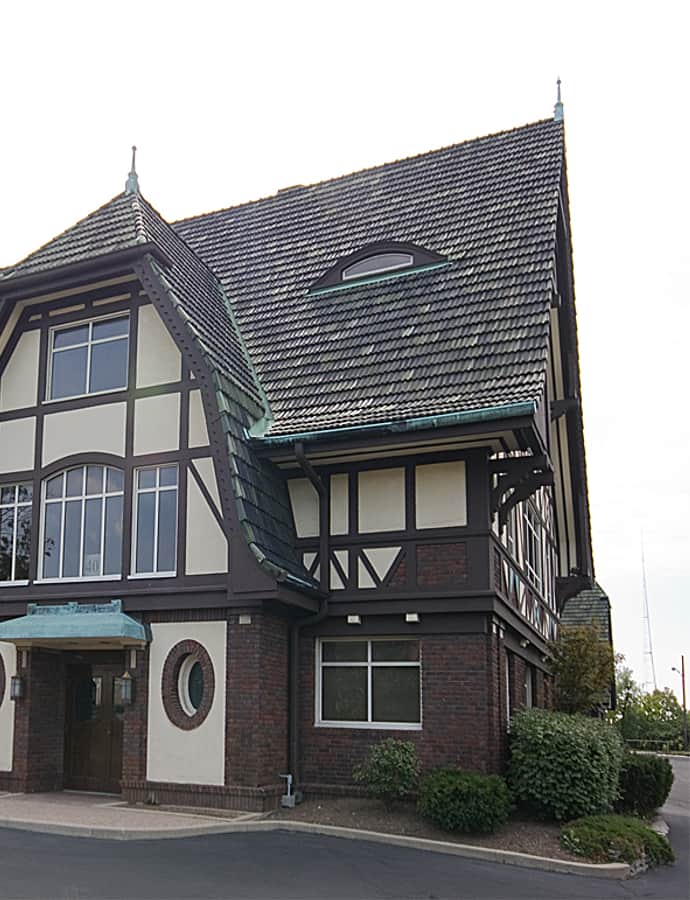
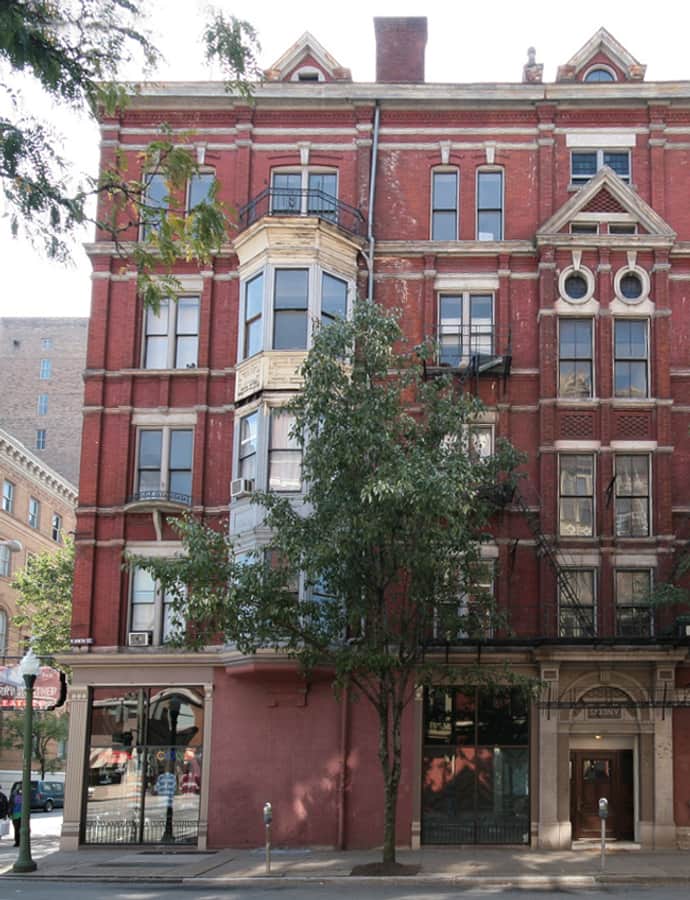
Photo: Nyttend , Public domain