
Landmark
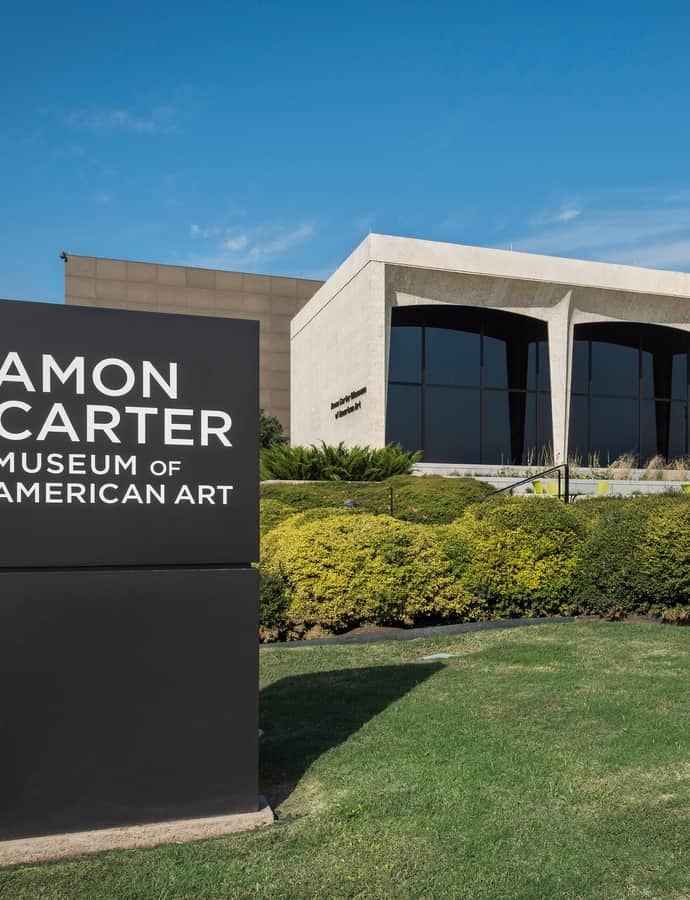
Amon Carter Museum of American Art
The Amon Carter Museum of American Art opened in 1961 in Fort Worth's cultural district, designed by architect Philip Johnson.
Photo: Steven Watson , CC BY-SA 4.0
City guide
45 buildings worth a detour, each with what to look for. Open them on the map, or walk them with the iPhone app, which collects each one you photograph.
The buildings that define the city's architecture.
Landmark
The Amon Carter Museum of American Art opened in 1961 in Fort Worth's cultural district, designed by architect Philip Johnson.
Photo: Steven Watson , CC BY-SA 4.0
modern architecture
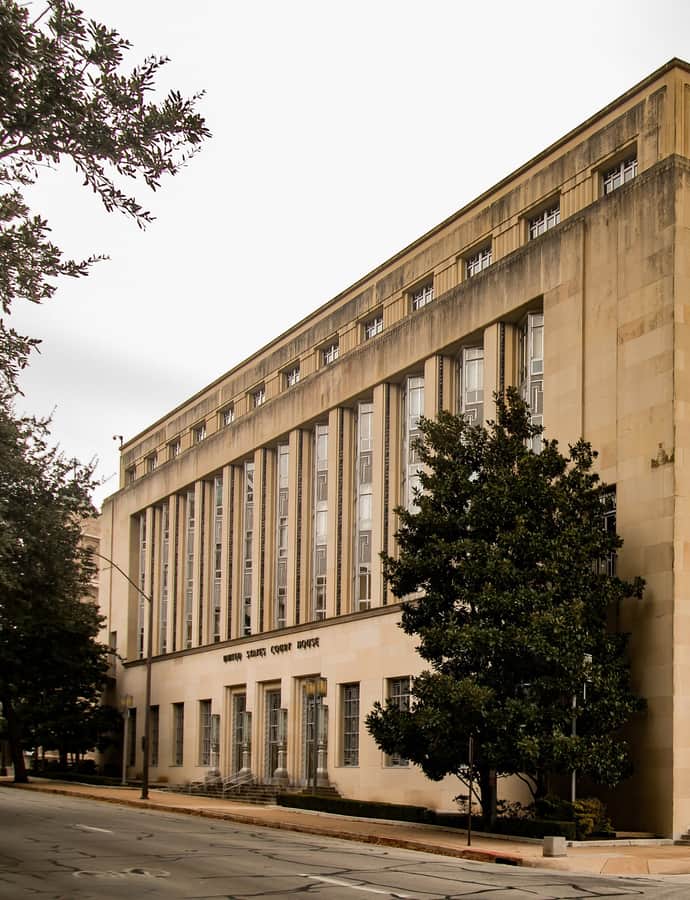
The Eldon B. Mahon United States Courthouse is a downtown Fort Worth federal courthouse designed by Paul Philippe Cret in a modern architectural style. It is listed on the National Register of Historic Places.
Photo: Renelibrary , CC BY-SA 4.0
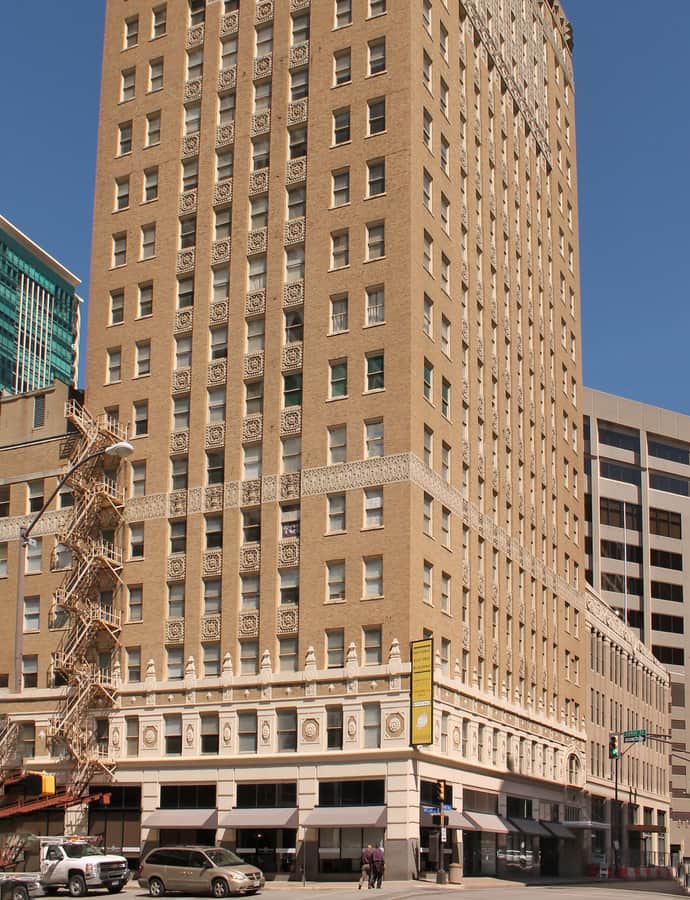
The Electric Building is a downtown Fort Worth landmark designed by Wyatt C. Hedrick in the Art Deco style. It is listed on the National Register of Historic Places.
Photo: Renelibrary , CC BY-SA 3.0
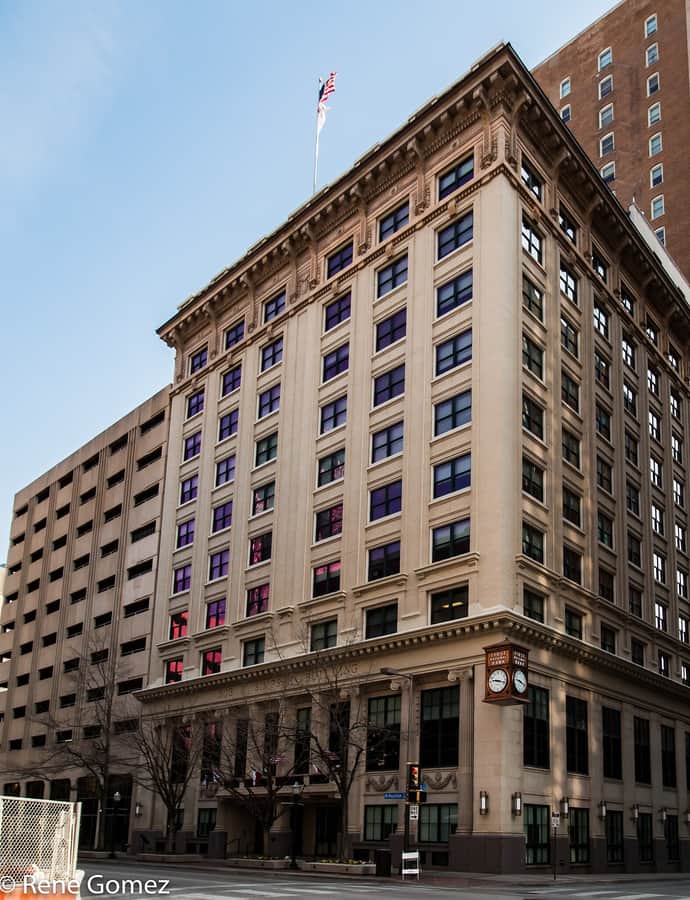
The First National Bank Building, completed in 1910 in downtown Fort Worth, was designed jointly by Sanguinet and Staats and Wyatt C. Hedrick in the Beaux-Arts style. The bank building is listed on the National Register of Historic Places.
Photo: Renelibrary , CC BY-SA 4.0
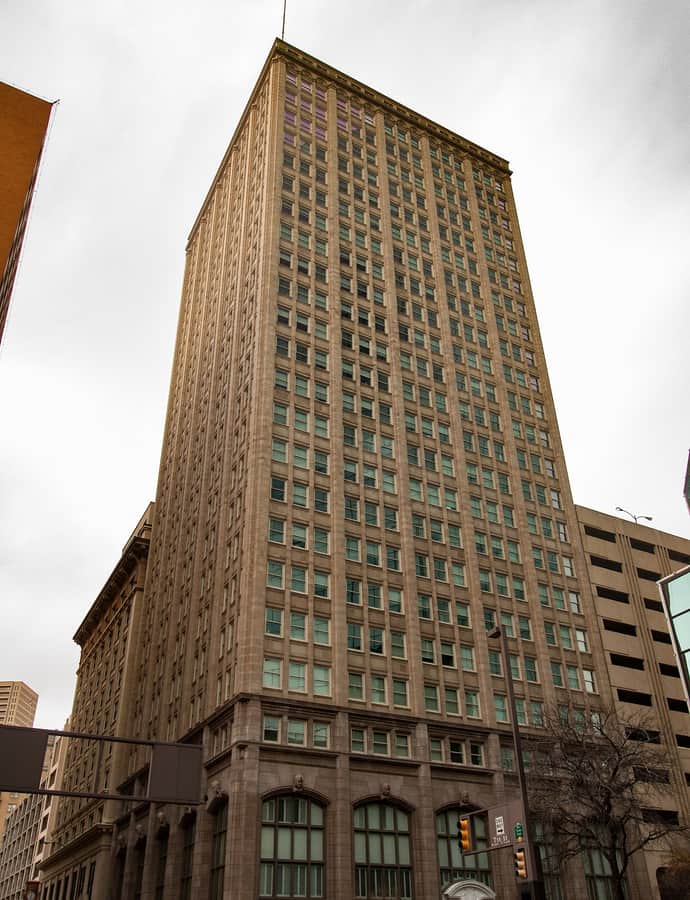
The First National Bank Building is a downtown Fort Worth bank building designed by the firm Sanguinet and Staats in the Chicago School style. It is listed on the National Register of Historic Places.
Photo: Renelibrary , CC BY-SA 4.0
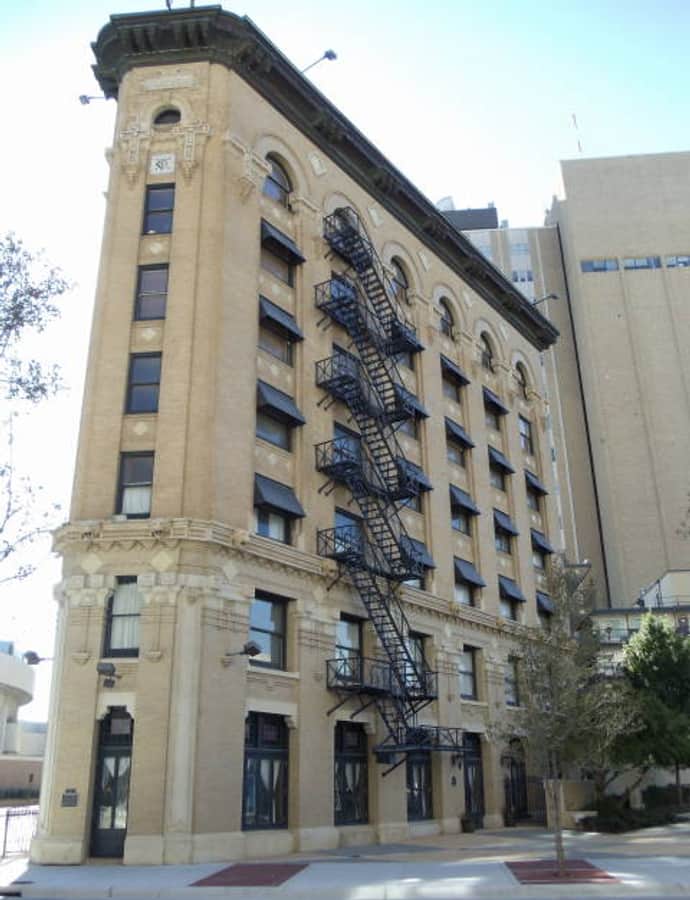
The Flatiron Building, completed in 1907 in downtown Fort Worth, was designed by the firm Sanguinet and Staats in the Chicago School style. Its wedge-shaped footprint gives the building its name, and it is recognized as both a Recorded Texas Historic Landmark and a National Register of Historic Places listing.
Photo: Renelibrary , CC BY-SA 3.0
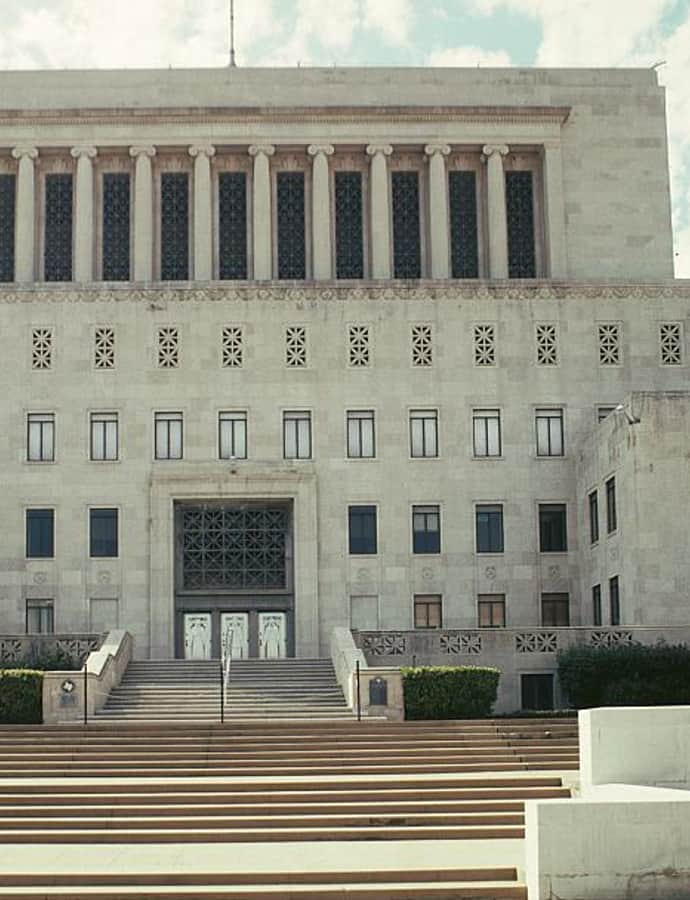
The Fort Worth Masonic Temple is a downtown building completed in 1931 and designed by architect Wiley G. Clarkson in the Art Deco style. It is a Recorded Texas Historic Landmark and is listed on the National Register of Historic Places.
Photo: Maxbillington , CC BY-SA 4.0
The Knights of Pythias Building is a downtown Fort Worth structure designed by the firm Sanguinet and Staats and dated to 1962. Built in a medieval-influenced architectural style, it is a Recorded Texas Historic Landmark and is listed on the National Register of Historic Places.
The Modern Art Museum of Fort Worth, dated to 1892 in the record, was designed by Tadao Ando Architects & Associates. It sits within Fort Worth's cultural district and is known for its prominent architectural facade.
The Neil P. Anderson Building is a downtown Fort Worth high-rise completed in 1921 and designed by the firm Sanguinet and Staats in the Chicago School style. It is a Recorded Texas Historic Landmark and is listed on the National Register of Historic Places.
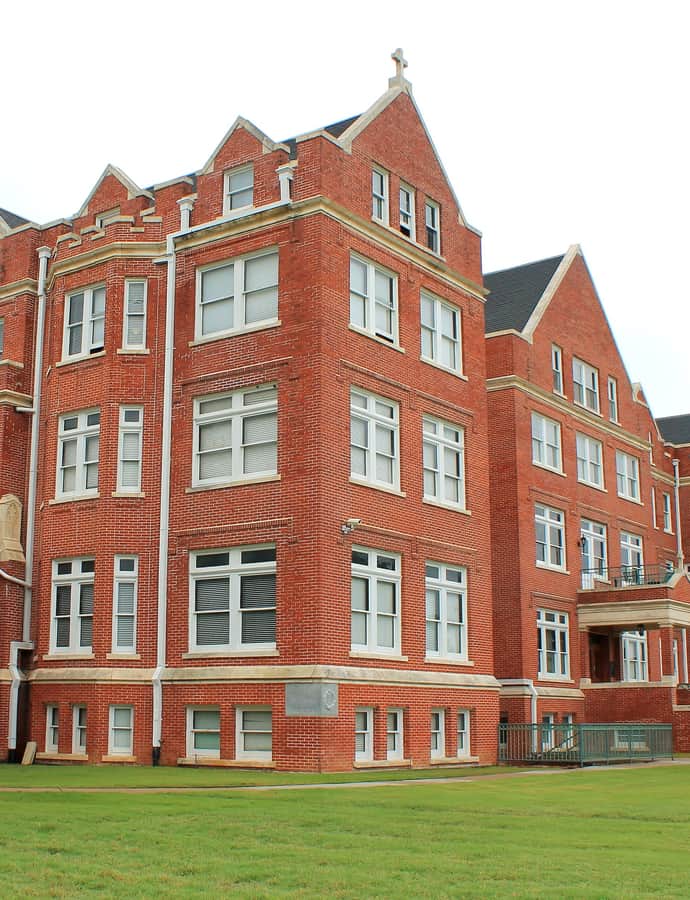
Our Lady of Victory Academy was designed by the firm Sanguinet and Staats in the Gothic Revival style. The former academy building is listed on the National Register of Historic Places.
Photo: Renelibrary , CC BY-SA 3.0
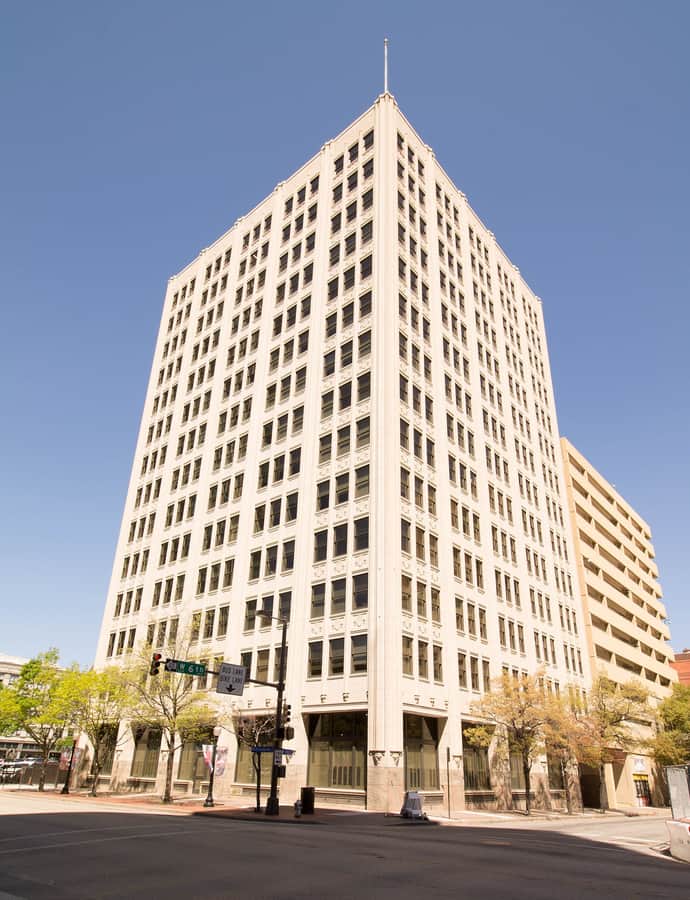
The Petroleum Building is a downtown Fort Worth high-rise designed by architect Wyatt C. Hedrick in a combined Art Deco and Gothic Revival style. It is listed on the National Register of Historic Places.
Photo: Renelibrary , CC BY-SA 4.0
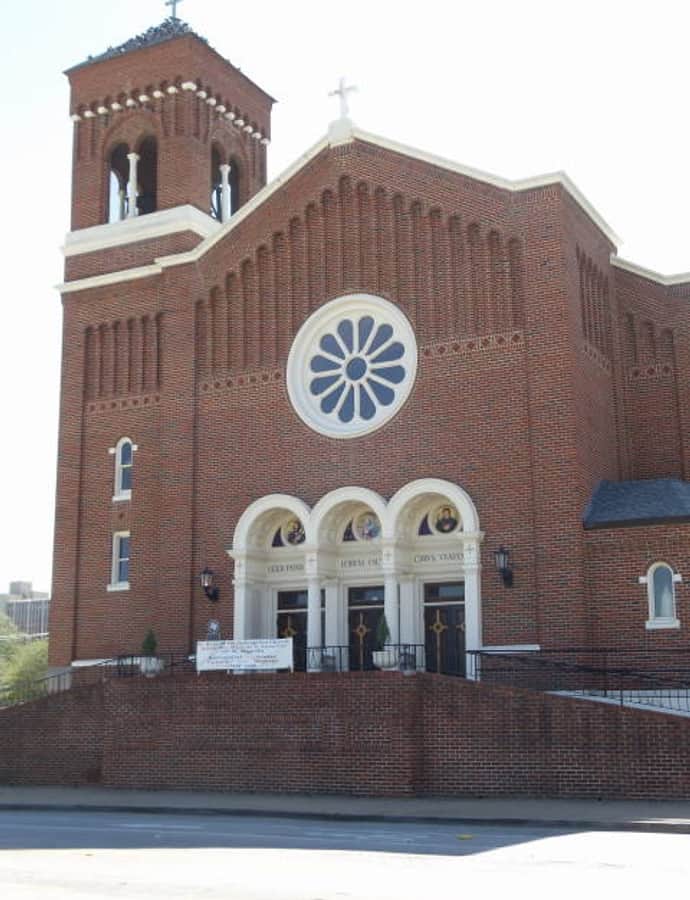
St. Mary of the Assumption Church, dated to 1979, was designed by the firm Sanguinet and Staats in the Romanesque and Romanesque Revival tradition. The church is both a Recorded Texas Historic Landmark and a National Register of Historic Places listed place.
Photo: Renelibrary , CC BY-SA 3.0
St. Patrick Cathedral in Fort Worth, completed in 1962, stands in the Gothic Revival style in the city's downtown. It is recognized as a Recorded Texas Historic Landmark and is listed on the National Register of Historic Places.
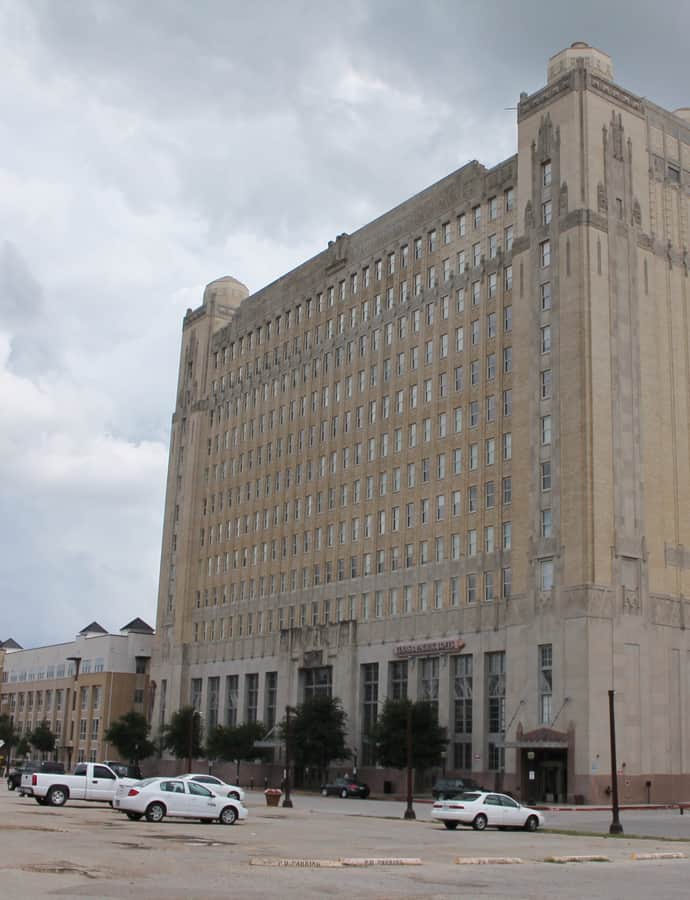
T&P Station is a landmark Art Deco railroad station in downtown Fort Worth, completed in 1931 and designed by architect Wyatt C. Hedrick. Its prominent tower and facade mark it as one of downtown's defining structures.
Photo: Renelibrary , CC BY-SA 3.0
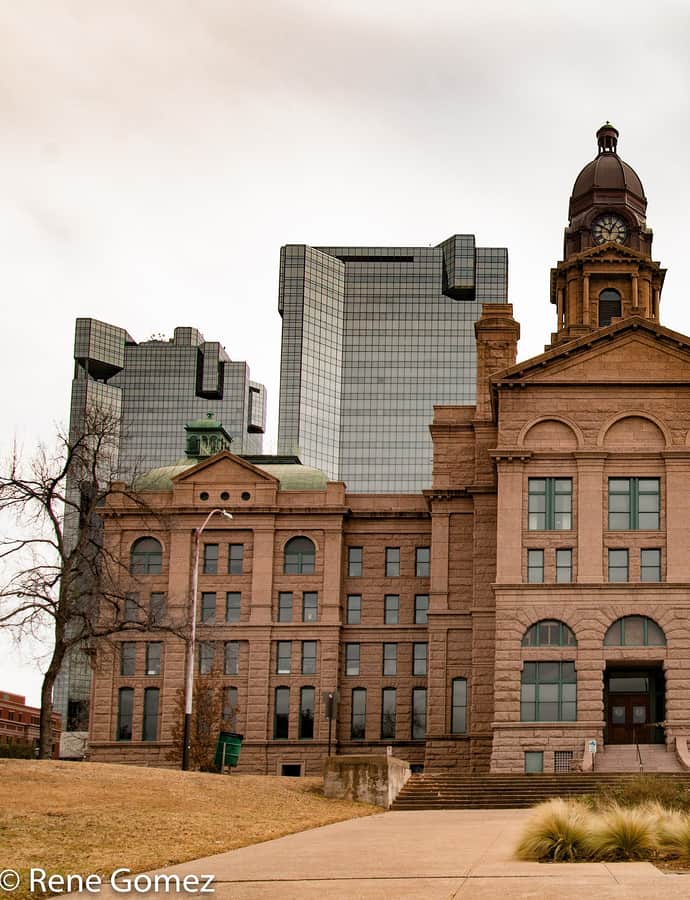
revivalism
The Tarrant County Courthouse is a downtown Fort Worth landmark completed in 1893, built in a revivalist style. It carries triple recognition: a Recorded Texas Historic Landmark, a listing on the National Register of Historic Places, and a State Antiquities Landmark designation.
Photo: Renelibrary , CC BY-SA 4.0
The Texas and Pacific Terminal Complex is a downtown Fort Worth landmark designed by Wyatt C. Hedrick in the Art Deco style. It is recognized as a Recorded Texas Historic Landmark and is listed on the National Register of Historic Places, reflecting its role as a civic and transit hub for the city.
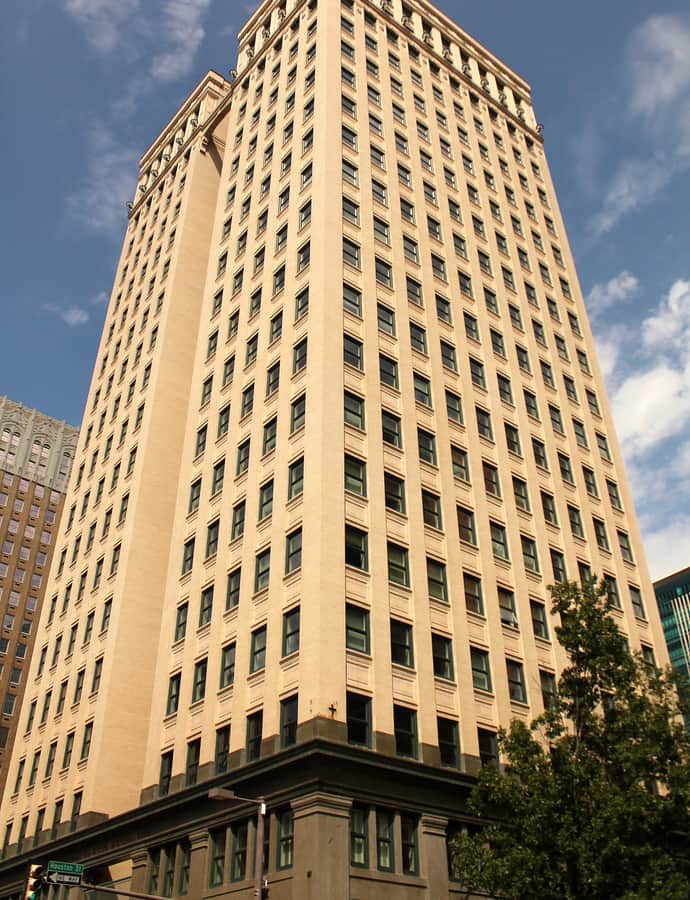
The W. T. Waggoner Building in downtown Fort Worth was designed by Sanguinet and Staats, blending Neoclassical and Chicago School architecture. The skyscraper is listed on the National Register of Historic Places.
Photo: Renelibrary , CC BY-SA 4.0
Landmark
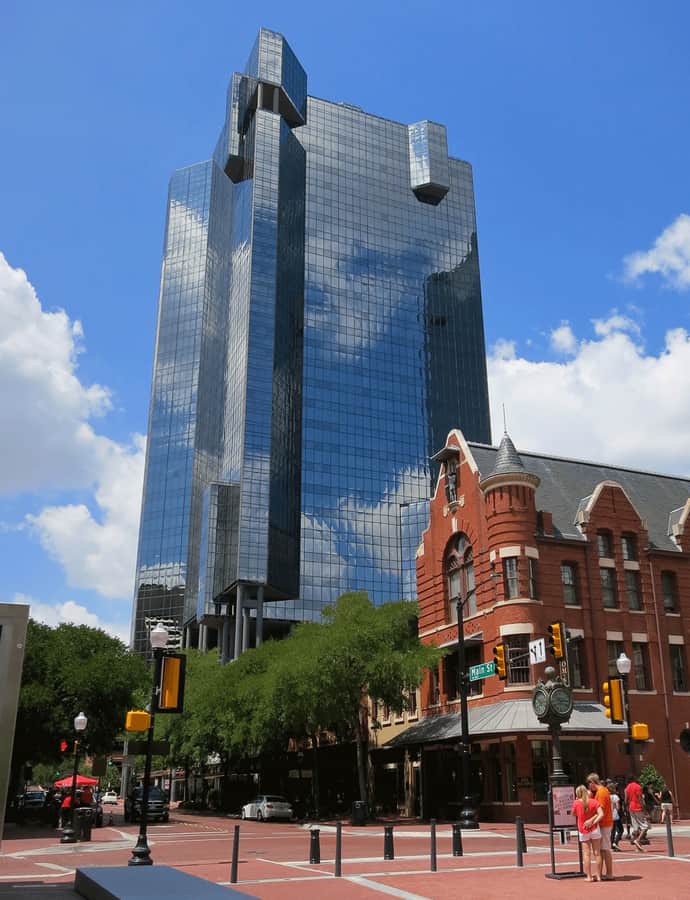
Wells Fargo Tower is a 1982 downtown Fort Worth office tower designed by Paul Rudolph, a nationally significant modernist architect.
Photo: Alex on Flickr , CC BY 2.0
The Wharton-Scott House was designed by the firm Sanguinet and Staats in a blend of Beaux-Arts and Colonial Revival architecture. It is listed on the National Register of Historic Places.
Worth a stop when you're nearby.
The Blackstone Hotel is a downtown Fort Worth hotel built in the Art Deco and modern architectural styles, with a recorded date of 1998. It has been designated a Recorded Texas Historic Landmark and listed on the National Register of Historic Places.
Landmark
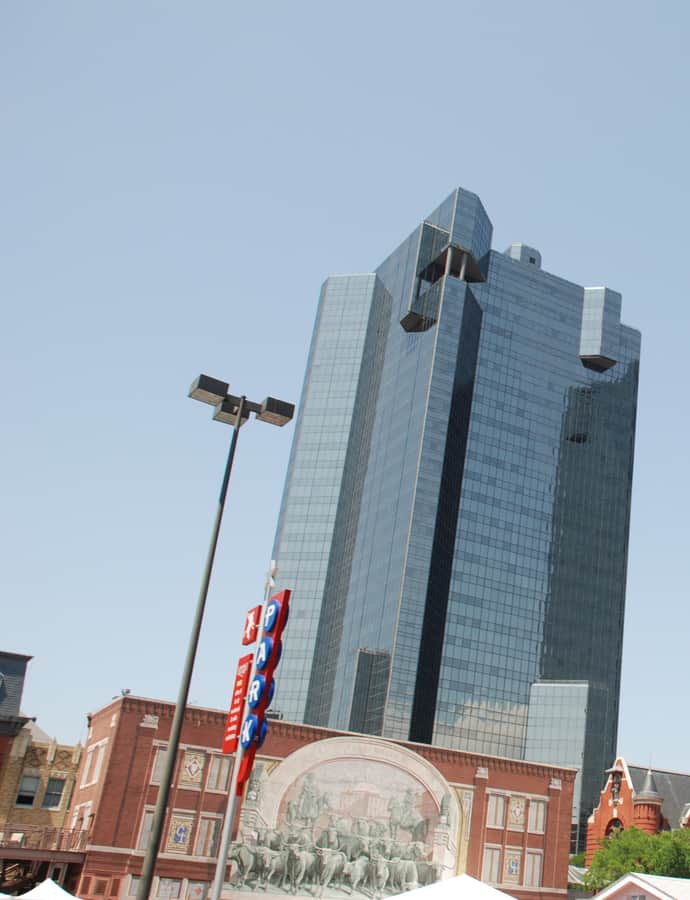
City Center Towers Complex is a downtown Fort Worth building complex designed by architect Paul Rudolph.
Photo: Sahmeditor , Public domain
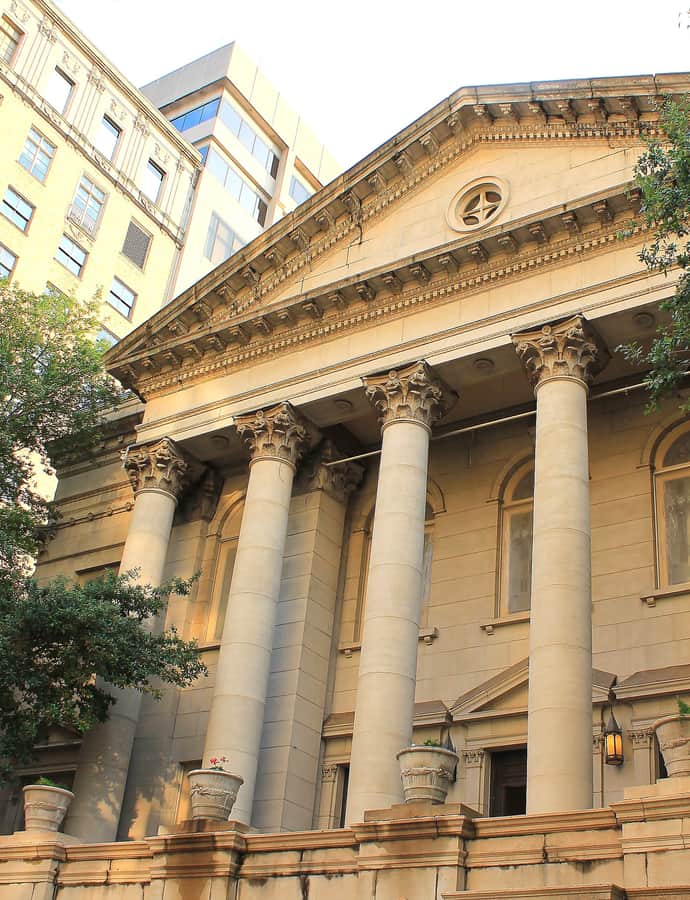
First Christian Church is a downtown Fort Worth church completed in 1970, designed by the firm Van Slyke and Woodruff in a Renaissance Revival and Beaux-Arts style. It is listed on the National Register of Historic Places.
Photo: Renelibrary , CC BY-SA 3.0
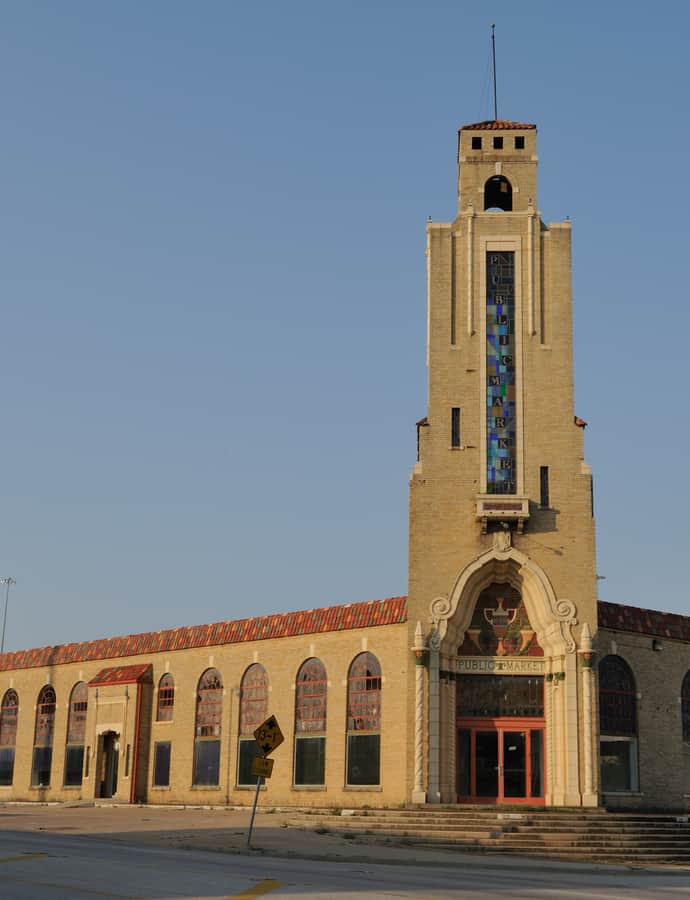
Fort Worth Public Market is a downtown market building completed in 1980 in the Mission Revival style. It is a Recorded Texas Historic Landmark and is listed on the National Register of Historic Places.
Photo: Mark Fisher , CC BY-SA 3.0
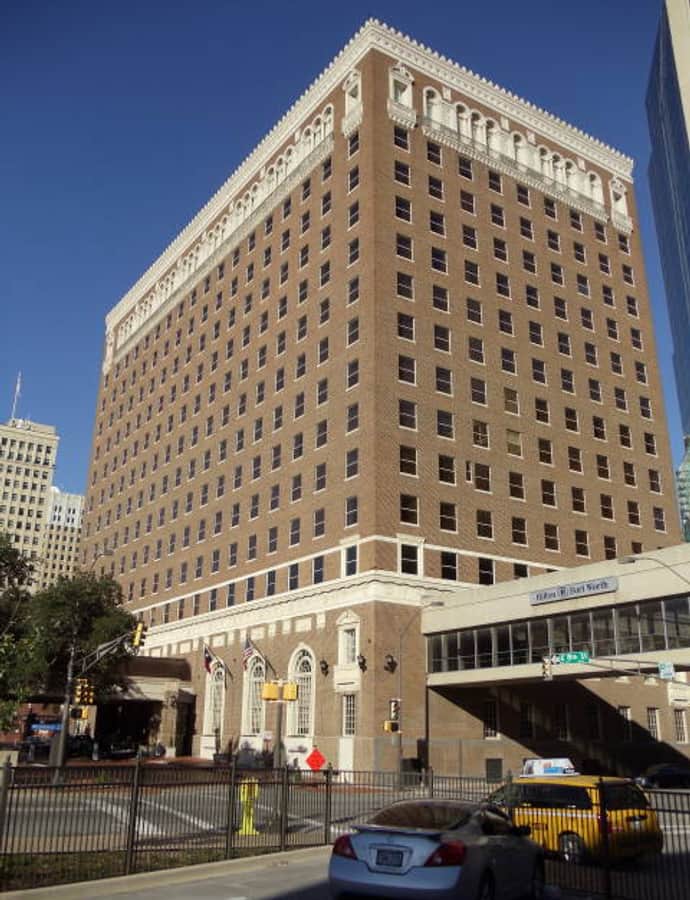
Hotel Texas is a downtown Fort Worth hotel completed in 1982 in the Chicago School style. It is a Recorded Texas Historic Landmark and is listed on the National Register of Historic Places.
Photo: Renelibrary , CC BY-SA 3.0
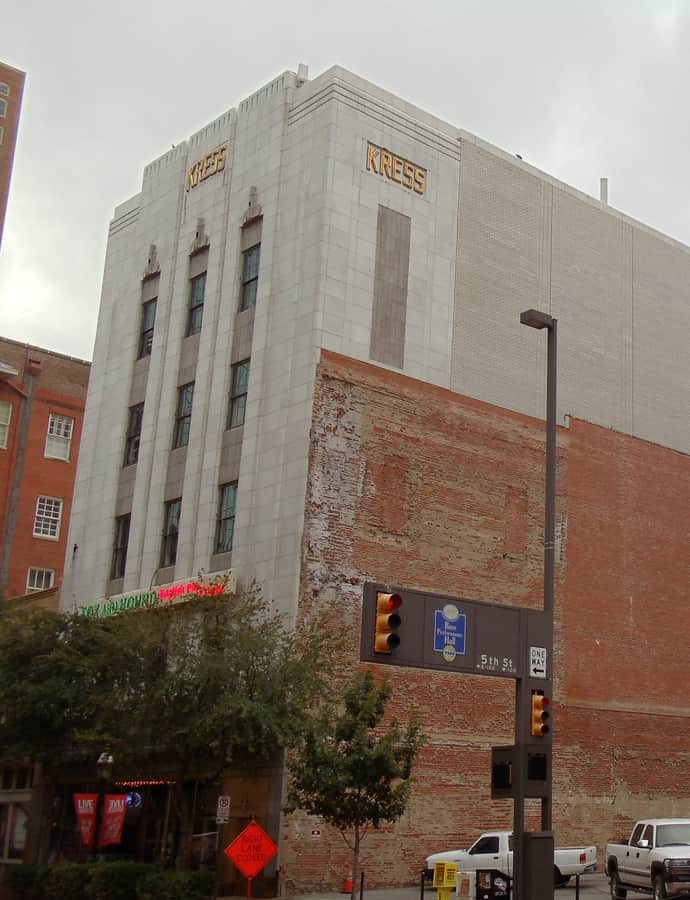
The Kress Building is a downtown Fort Worth retail building designed in the Moderne architectural style. It is individually listed on the National Register of Historic Places.
Photo: Renelibrary , CC BY-SA 3.0
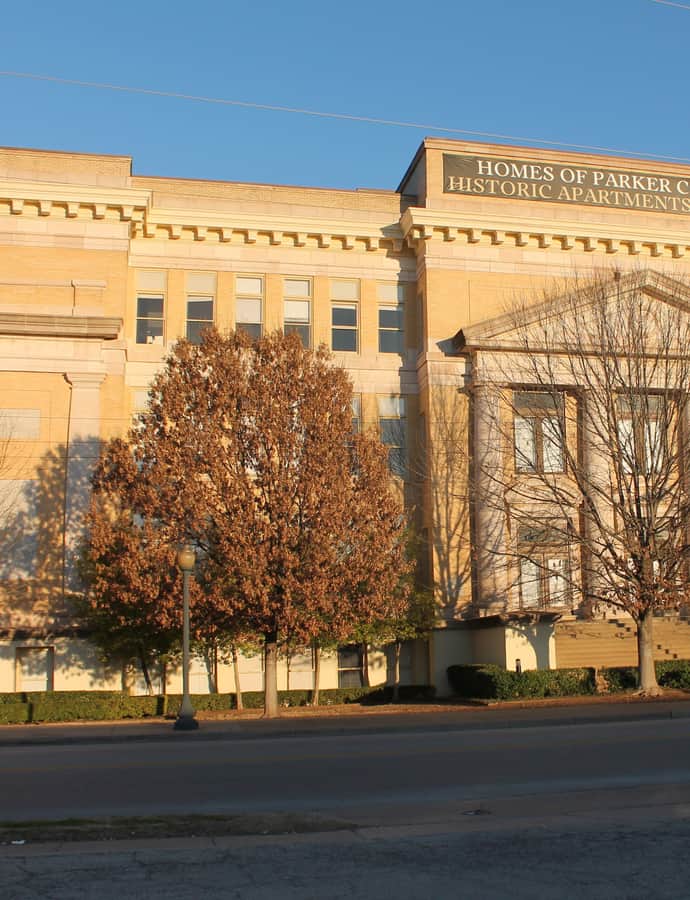
R. L. Paschal High School is a Fort Worth school building designed in the Neoclassical style. It is listed on the National Register of Historic Places.
Photo: Renelibrary , CC BY-SA 4.0
The Roy A. and Gladys Westbrook House is a Tudor Revival residence designed by architect Joseph R. Pelich. It is individually listed on the National Register of Historic Places.
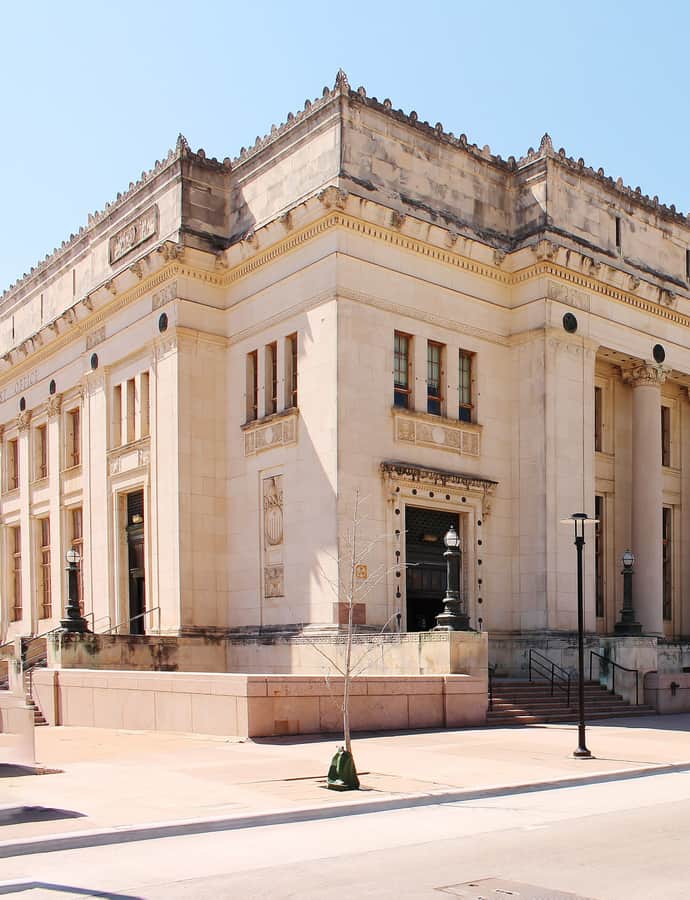
The United States Post Office is a downtown Fort Worth federal building completed in 1980 in the Neoclassical style. It is a Recorded Texas Historic Landmark and is listed on the National Register of Historic Places.
Photo: Renelibrary , CC BY-SA 3.0
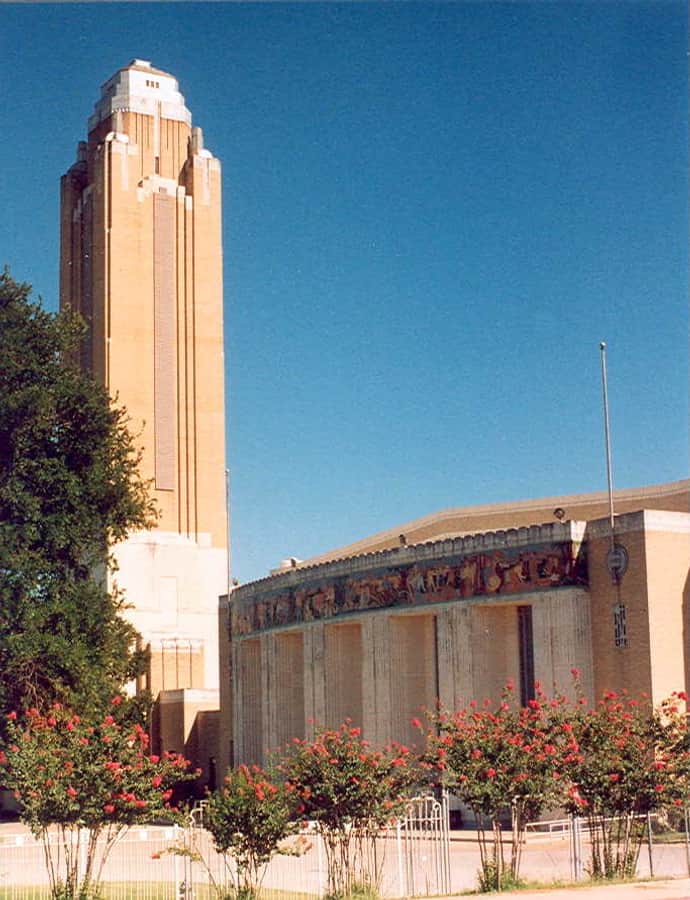
modern architecture
The Will Rogers Memorial Center is a civic memorial complex in Fort Worth's cultural district, designed by architect Wyatt C. Hedrick in a modern architectural style. It is individually listed on the National Register of Historic Places.
Photo: unknown , CC BY-SA 2.5
Fine buildings that fewer people seek out.
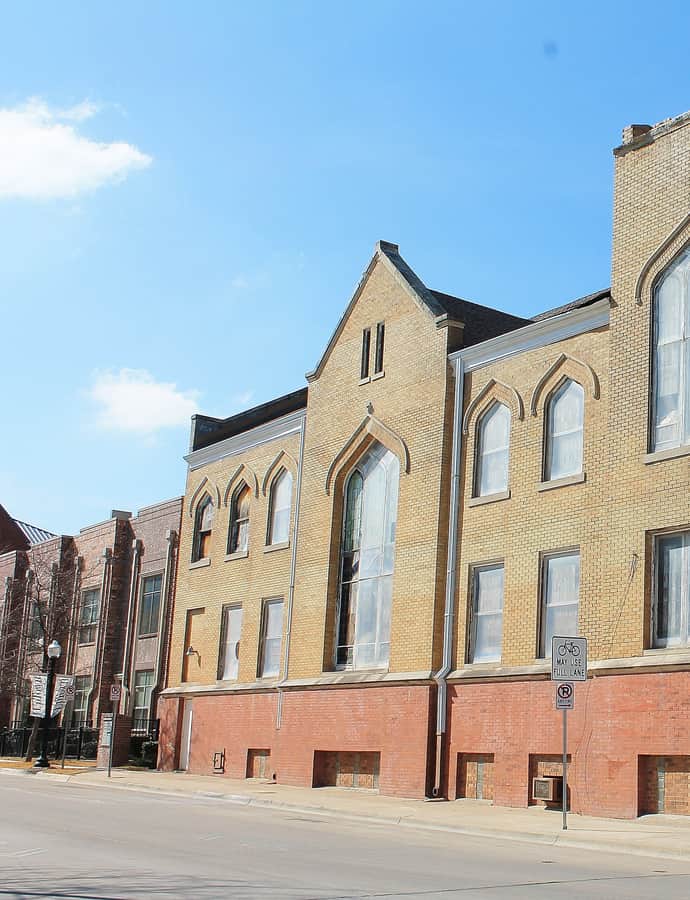
Allen Chapel AME Church is a downtown Fort Worth church, dated to 1982, built in the Gothic Revival style. It is listed on the National Register of Historic Places and is a Recorded Texas Historic Landmark.
Photo: Renelibrary , CC BY-SA 3.0
The American Airways Hangar and Administration Building is a downtown Fort Worth structure built in the Moderne style. It is listed on the National Register of Historic Places.
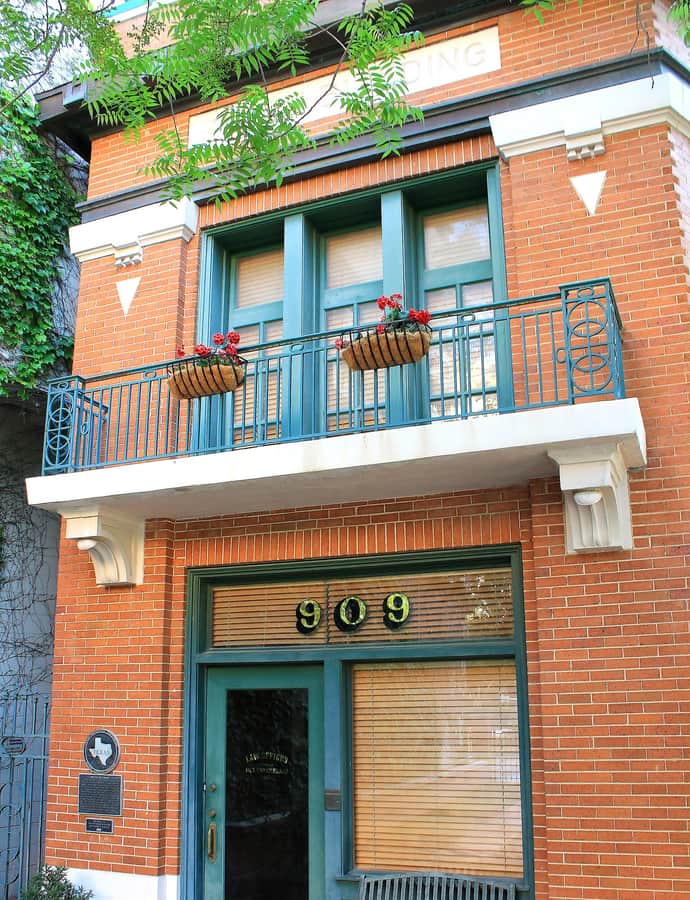
The Bryce Building is a downtown Fort Worth commercial building designed in the Renaissance Revival style. It is a Recorded Texas Historic Landmark and is listed on the National Register of Historic Places.
Photo: Renelibrary , CC BY-SA 3.0
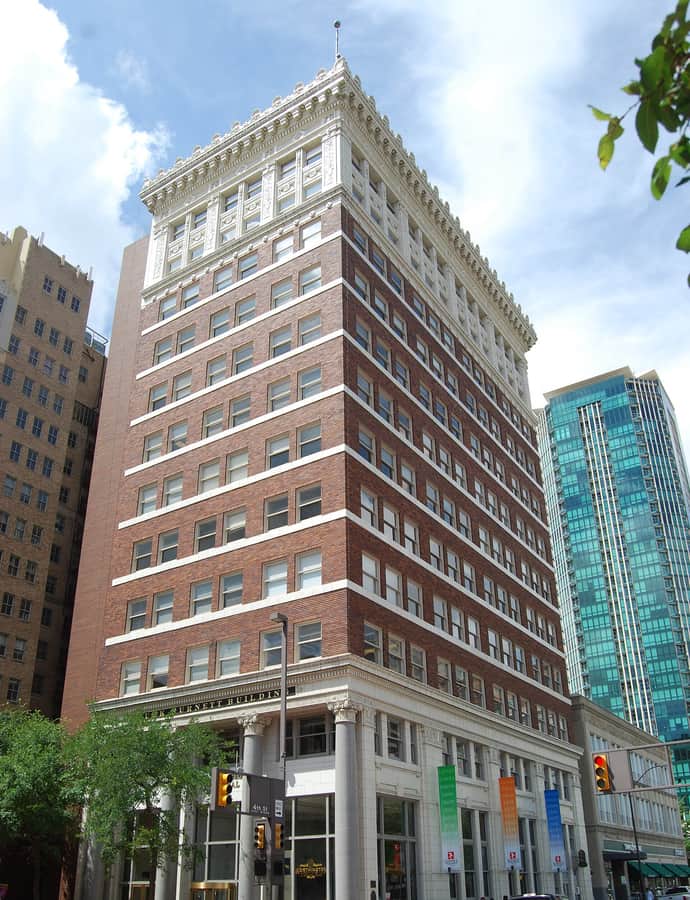
The Burk Burnett Building is a downtown Fort Worth commercial building designed by the regional architecture firm Sanguinet and Staats in the Neoclassical style. It is listed on the National Register of Historic Places.
Photo: Paul Lowry from New York, EEUU de A , CC BY 2.0
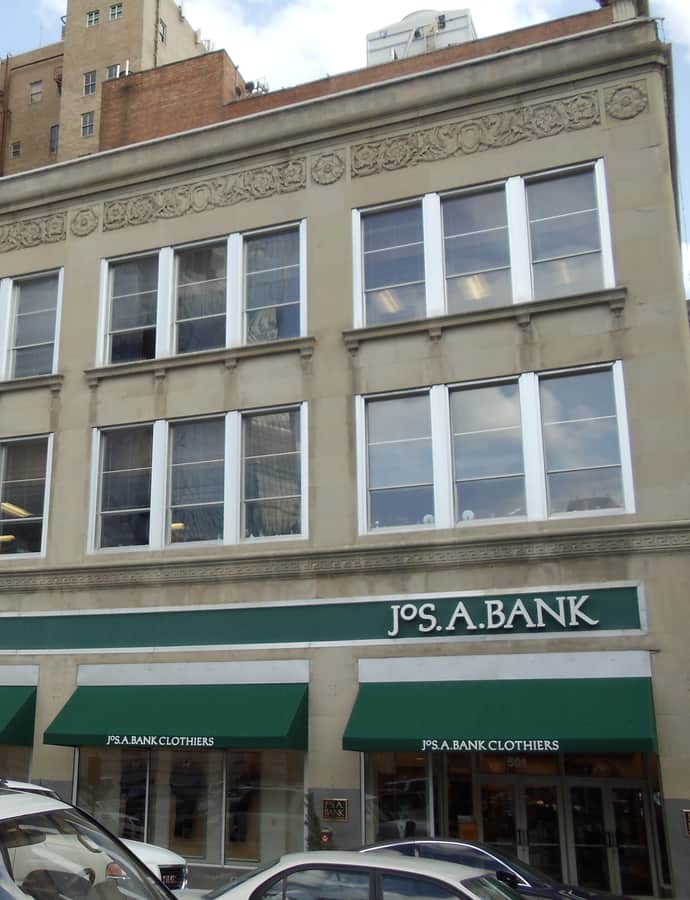
The F. W. Woolworth Building is a downtown Fort Worth retail building designed by architect Wiley G. Clarkson in the Neoclassical style. It is listed on the National Register of Historic Places and carries an OSM heritage designation.
Photo: Renelibrary , CC BY-SA 3.0
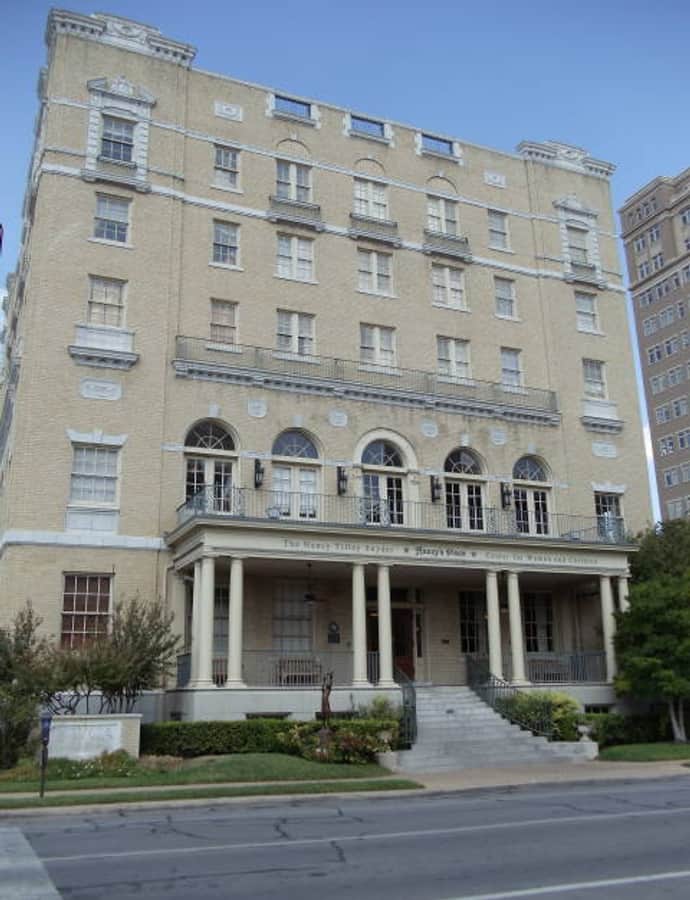
The Fort Worth Elks Lodge 124 is a downtown Fort Worth lodge building designed by architect Wyatt C. Hedrick in the Colonial Revival style, dated to 1986. It is a Recorded Texas Historic Landmark and is listed on the National Register of Historic Places.
Photo: Renelibrary , CC BY-SA 3.0
The Fort Worth Public Safety and Courts Building is a 1938 civic building in downtown Fort Worth, designed by architect Wyatt C. Hedrick in the PWA Moderne style — a Depression-era, New Deal-associated civic idiom.
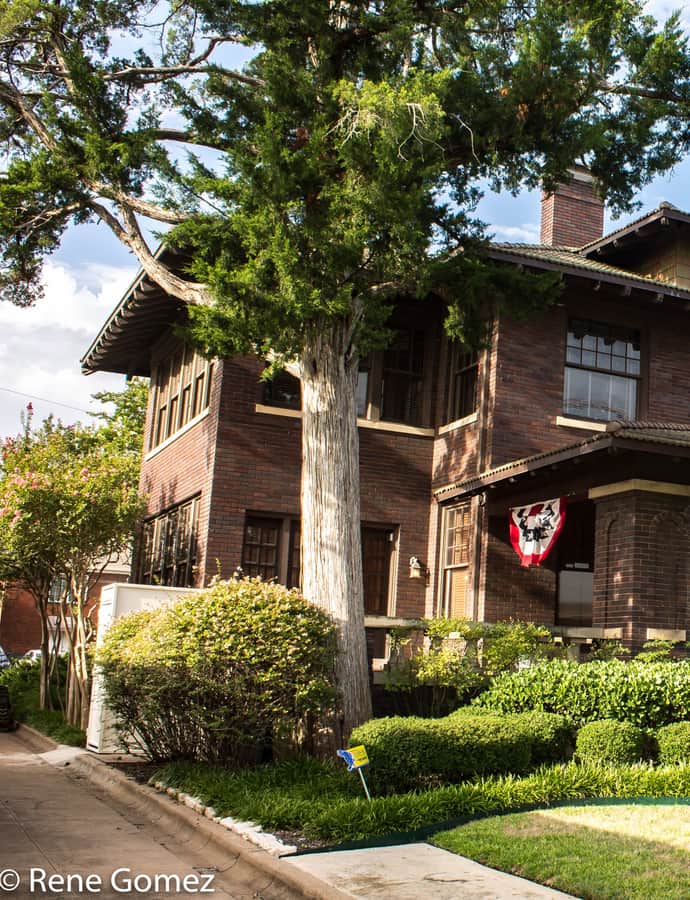
The Fountain G. and Mary Oxsheer House is a Prairie School residence designated a Recorded Texas Historic Landmark and listed on the National Register of Historic Places.
Photo: Renelibrary , CC BY-SA 4.0
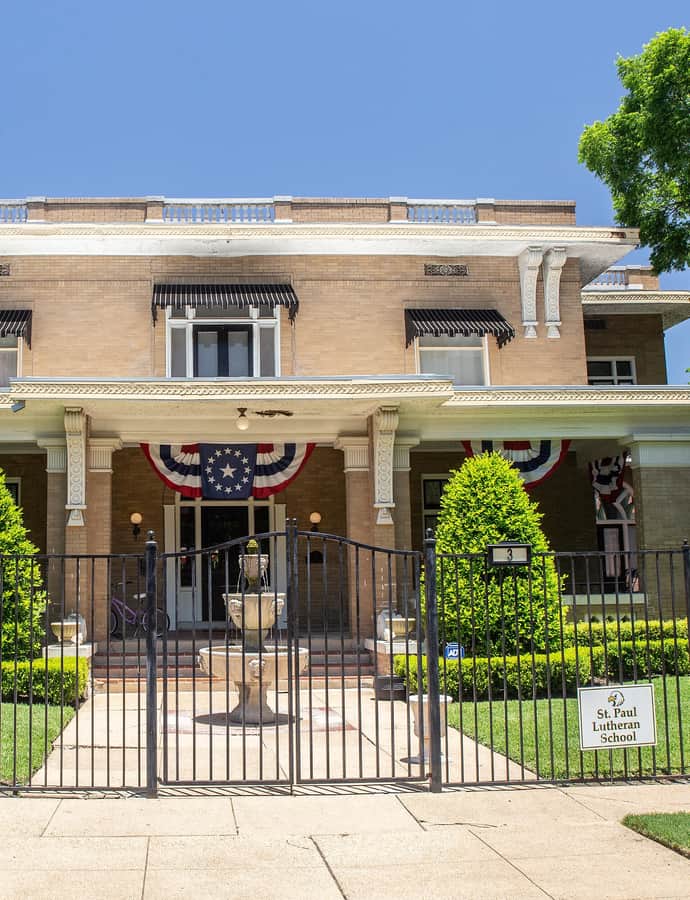
The Johnson-Elliott House is a Prairie School residence designated a Recorded Texas Historic Landmark and listed on the National Register of Historic Places.
Photo: Renelibrary , CC BY-SA 4.0
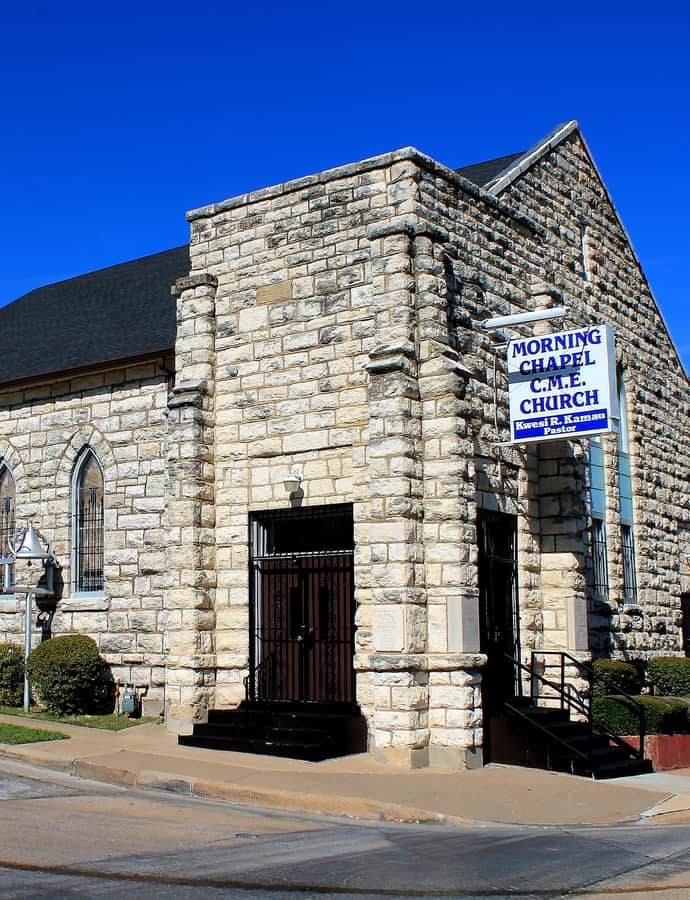
The Morning Chapel Colored Methodist Episcopal Church is a downtown Fort Worth church built in the Gothic Revival style. It is listed on the National Register of Historic Places and is associated with a historic African American congregation.
Photo: Renelibrary , CC BY-SA 3.0
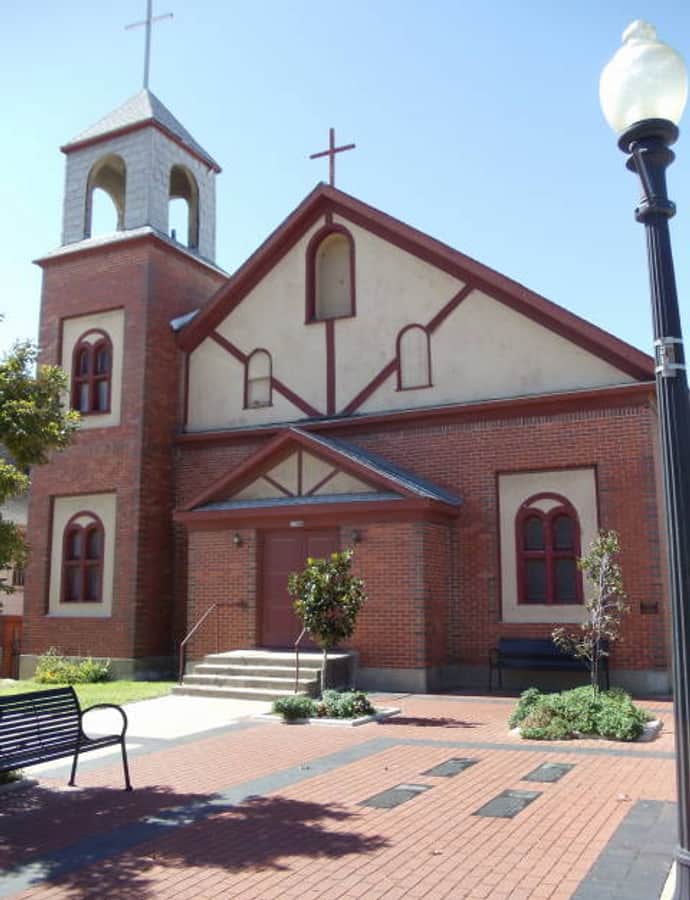
Our Mother of Mercy Catholic Church and Parsonage is a church and parsonage built in the Tudor Revival style. It is listed on the National Register of Historic Places.
Photo: Renelibrary , CC BY-SA 3.0
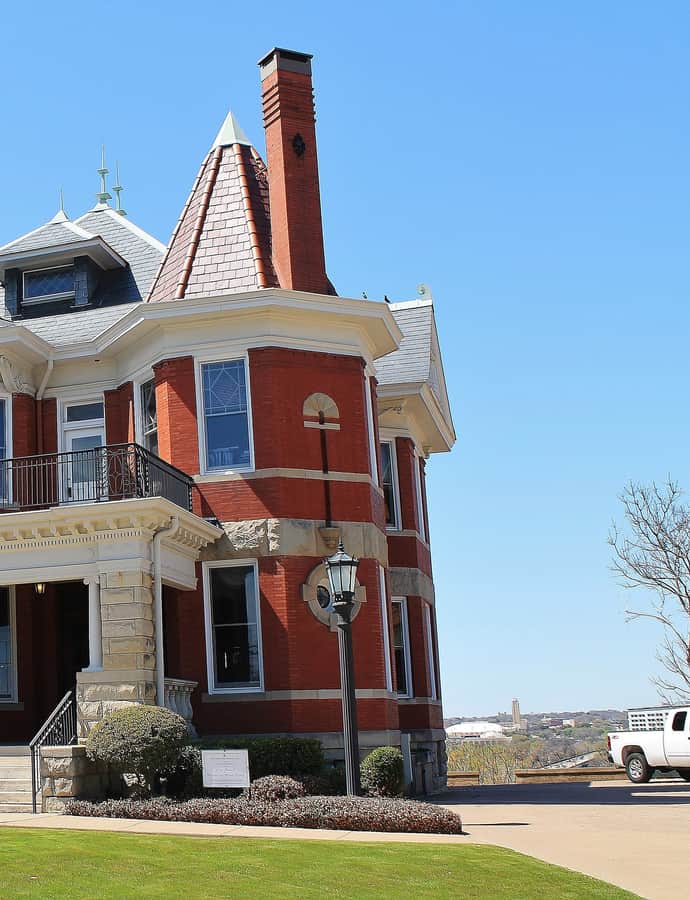
The Pollock-Capps House is a Fort Worth residence designed by architect Howard Messer in the Queen Anne style. It is a Recorded Texas Historic Landmark and is listed on the National Register of Historic Places.
Photo: Renelibrary , CC BY-SA 3.0
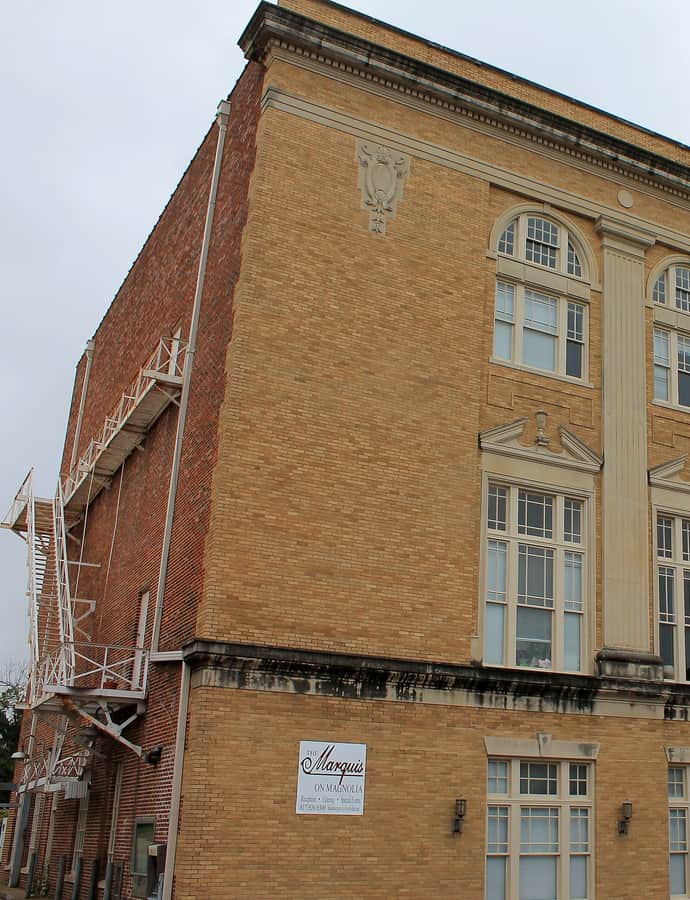
South Side Masonic Lodge No. 1114 was built in 1924 in the Neoclassical style. It is listed on the National Register of Historic Places.
Photo: Renelibrary , CC BY-SA 3.0
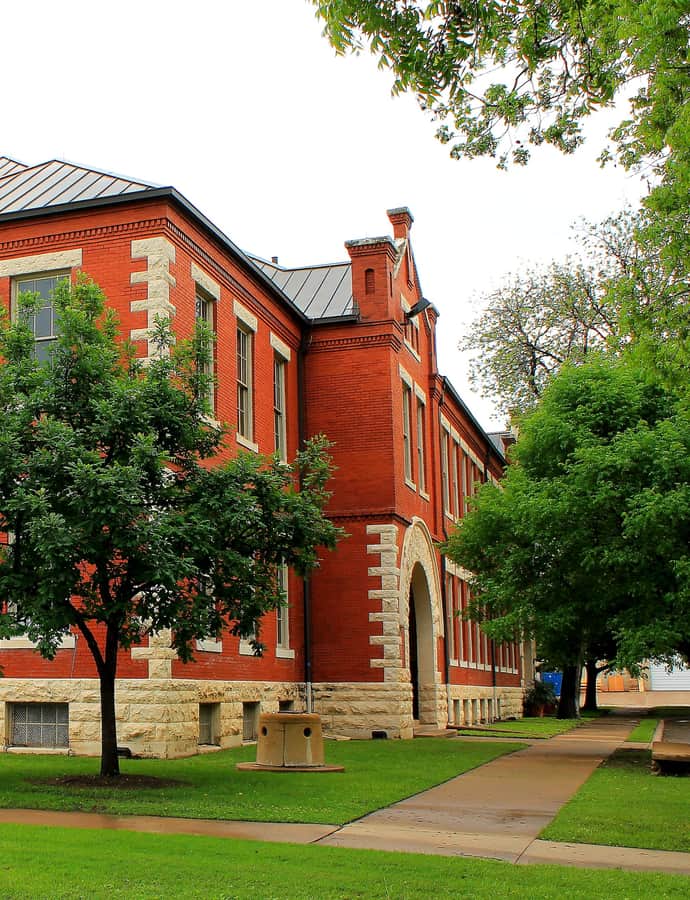
Stephen F. Austin Elementary School, in downtown Fort Worth, is a Romanesque Revival school building listed on the National Register of Historic Places.
Photo: Renelibrary , CC BY-SA 3.0
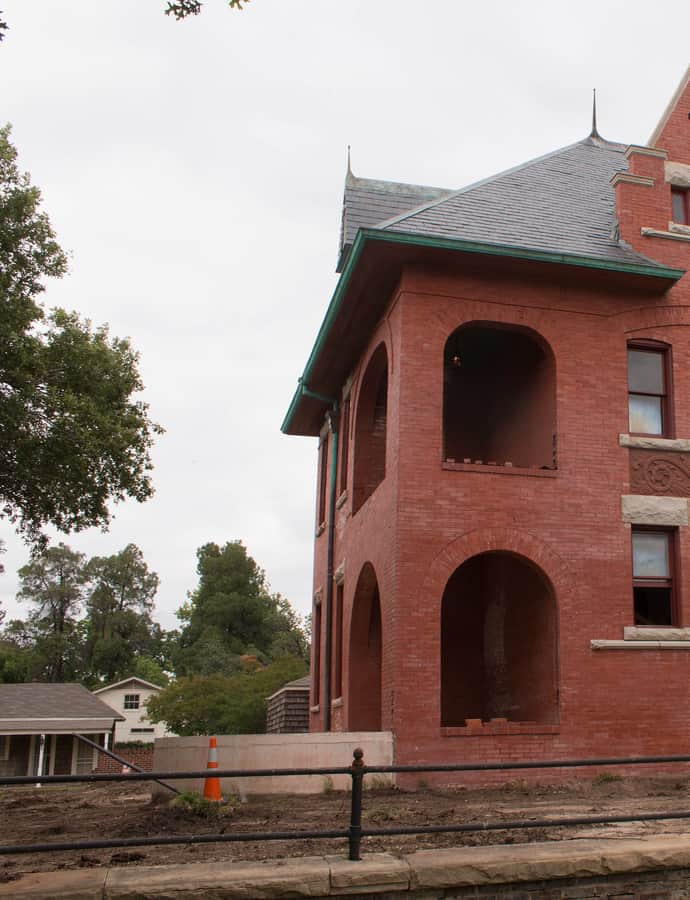
The William J. Bryce House, in downtown Fort Worth, was designed by the firm Sanguinet and Staats in the Renaissance Revival style. It is a Recorded Texas Historic Landmark and is listed on the National Register of Historic Places.
Photo: Renelibrary , CC BY-SA 4.0

.jpg)

.jpg)
.jpg)


.jpg)


.jpg)


.jpg)


.jpg)