City guide

architecture in Indianapolis.

38 buildings worth a detour, each with what to look for. Open them on the map, or walk them with the iPhone app, which collects each one you photograph.

Landmarks

The buildings that define the city's architecture.

Renaissance Revival

Athenæum

Vonnegut & Bohn · 1893

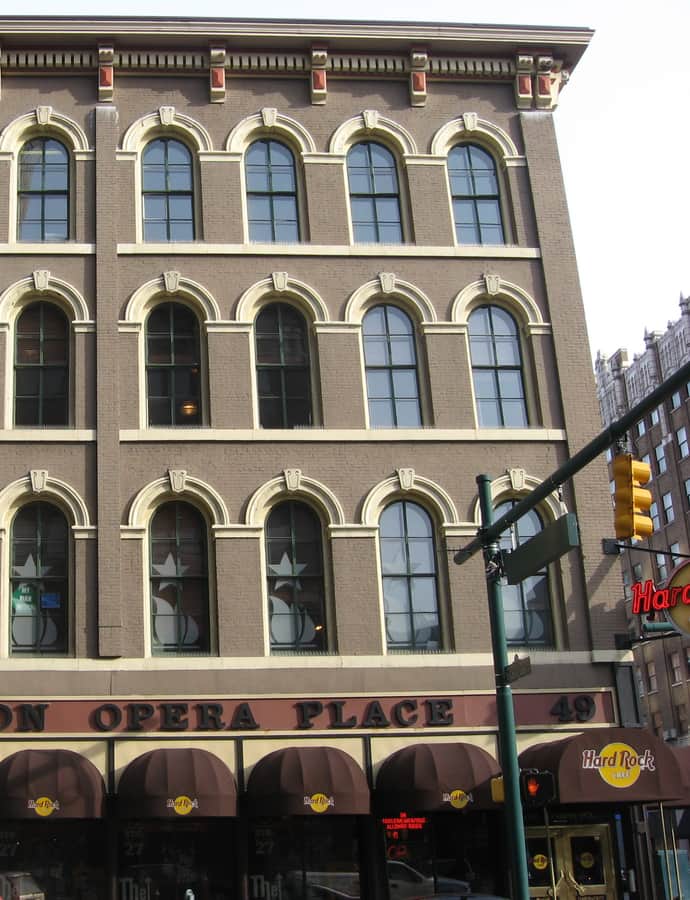
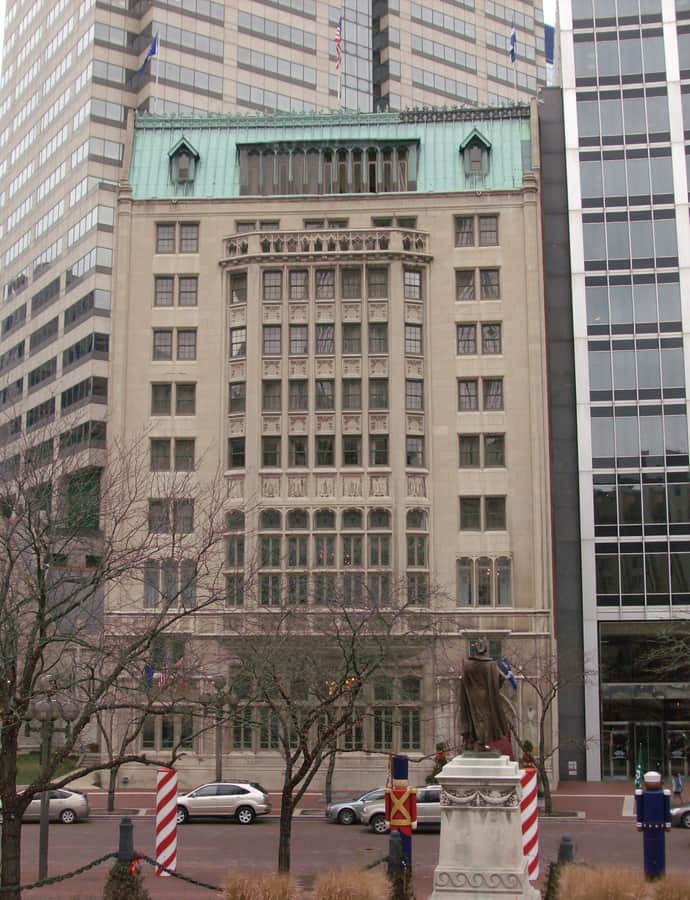
The Athenæum was completed in 1893 by the Indianapolis firm Vonnegut & Bohn, blending Renaissance Revival and Romanesque Revival architecture. It stands as a German-American cultural landmark in downtown Indianapolis and is listed on the National Register of Historic Places, its distinctive facade still visible from the street.
Barnes and Thornburg Building

Chicago School

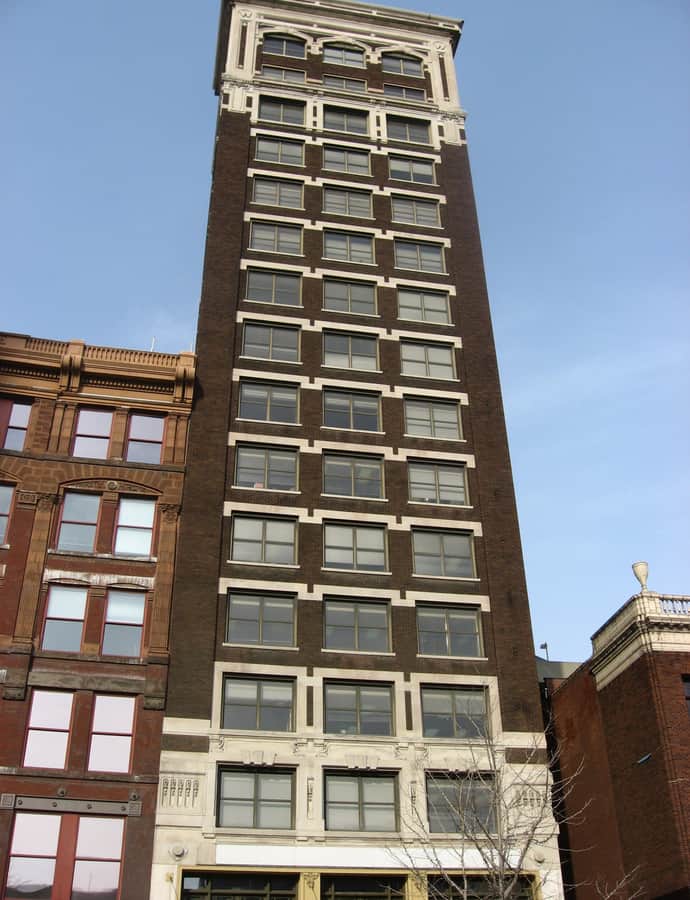
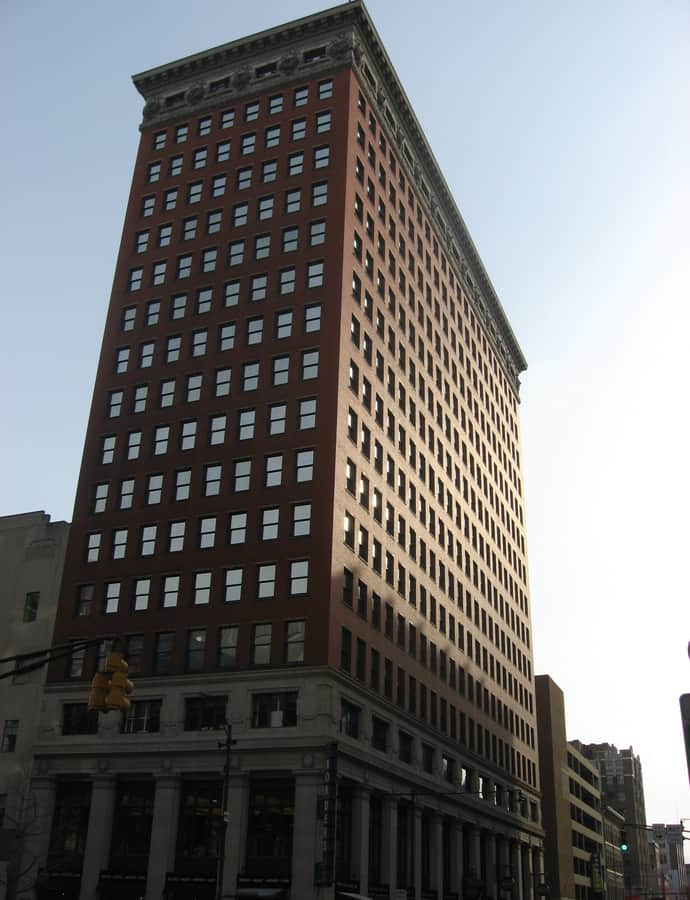
Barnes and Thornburg Building

D. H. Burnham & Company · 1912

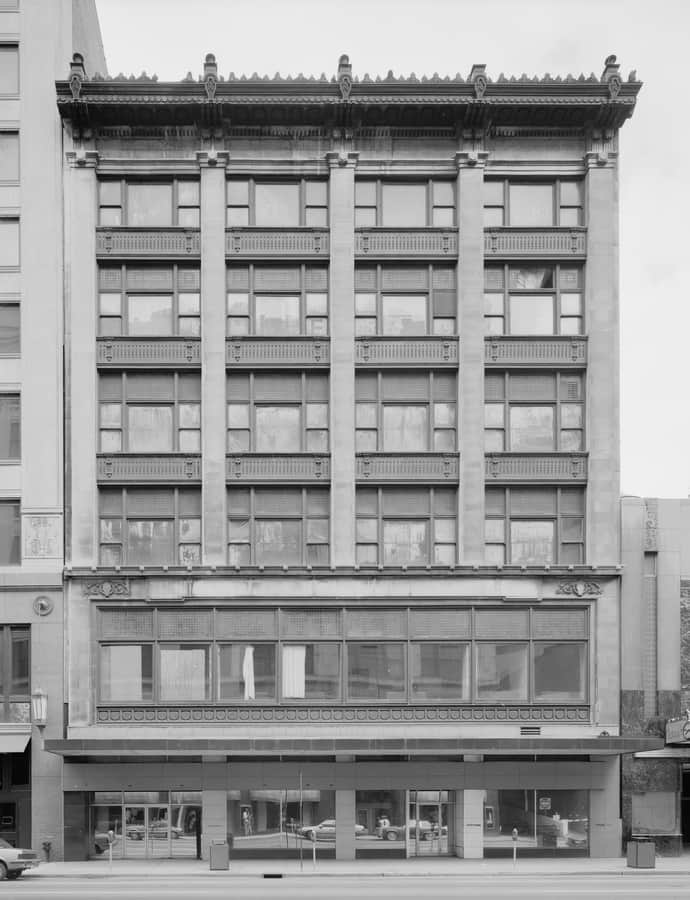
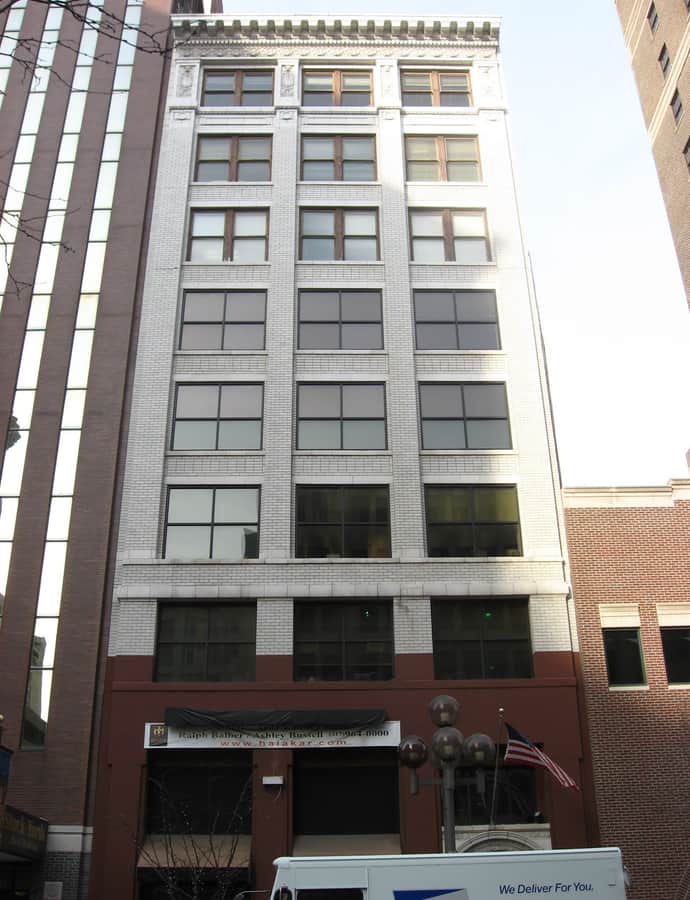
The Barnes and Thornburg Building was completed in 1912 and designed by D. H. Burnham & Company in the Chicago School style. It is listed on the National Register of Historic Places, with its commercial facade still visible from the sidewalk in downtown Indianapolis.

Photo: Nyttend , Public domain

Benjamin Franklin Public School Number 36

Romanesque Revival

Benjamin Franklin Public School Number 36

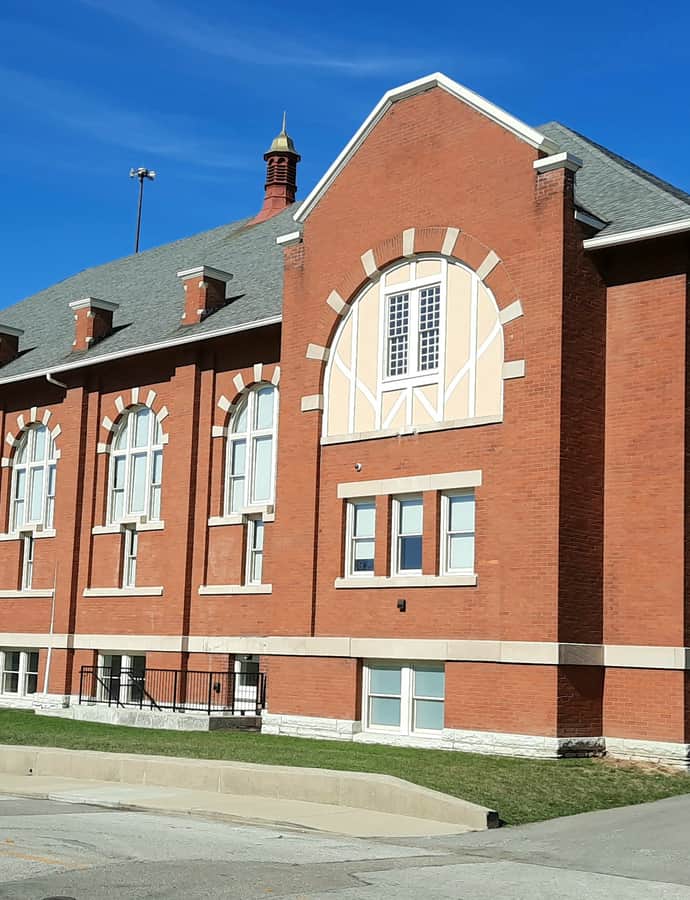
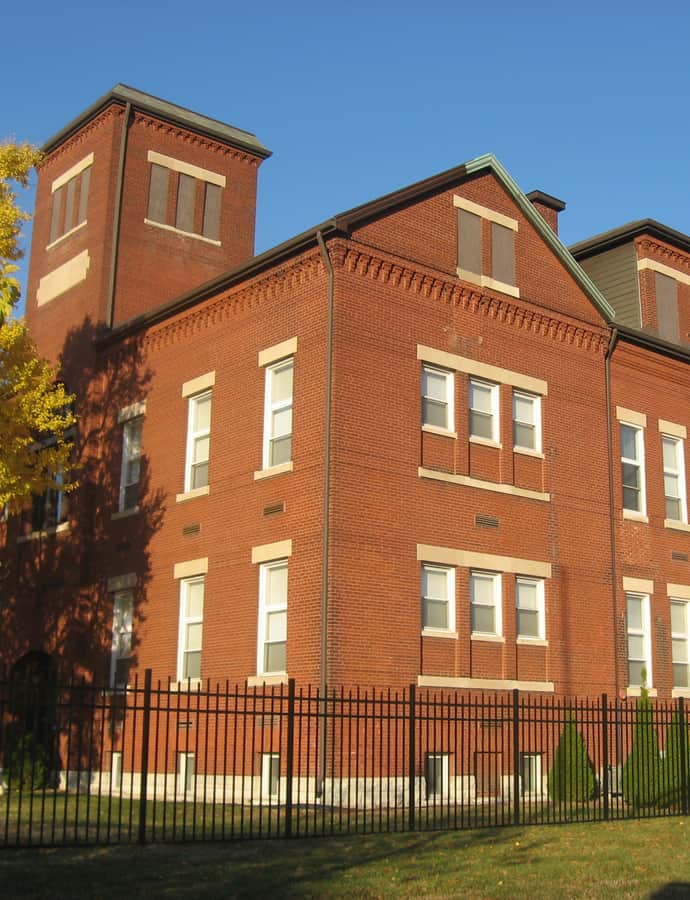
Benjamin Franklin Public School Number 36 is a Romanesque Revival school building individually listed on the National Register of Historic Places.

Photo: Nyttend , Public domain

Bush Stadium

Art Deco

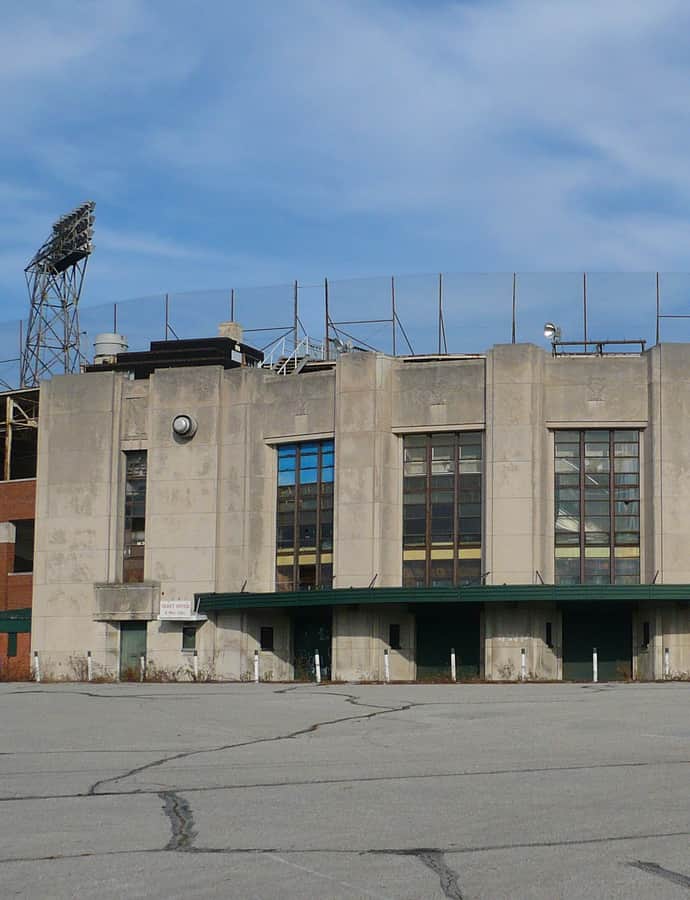
Bush Stadium

Pierre & Wright · 1931

Bush Stadium opened in 1931, designed by Pierre & Wright in the Art Deco style, and carries a storied baseball history. It is listed on the National Register of Historic Places.

Photo: Xti90 , CC BY-SA 3.0

Christ Church Cathedral, Indianapolis

Gothic Revival

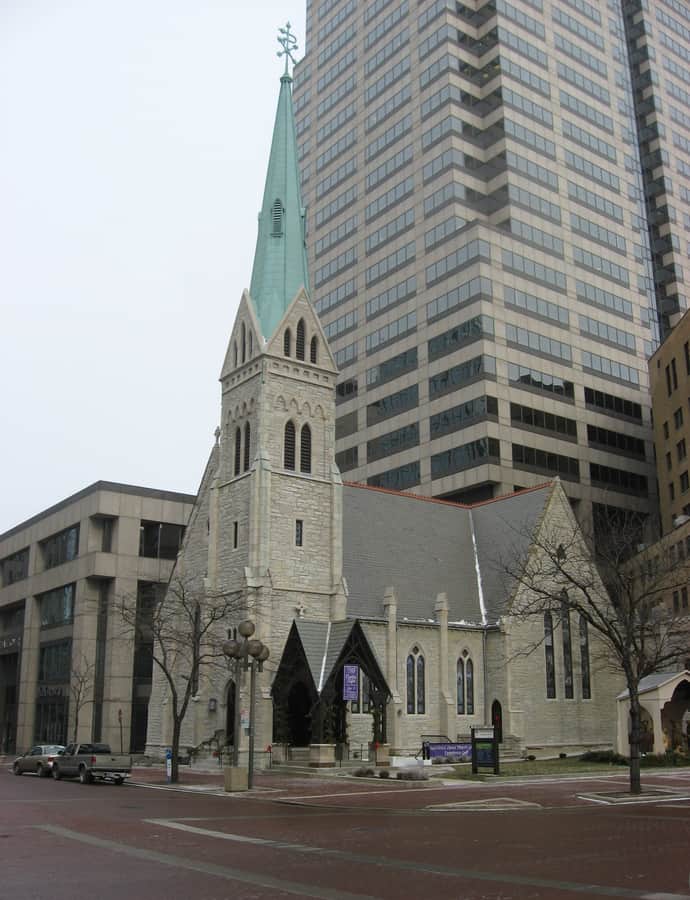
Christ Church Cathedral, Indianapolis

William Tinsley

Christ Church Cathedral stands on Monument Circle in downtown Indianapolis, designed by architect William Tinsley in the Gothic Revival style. It is listed on the National Register of Historic Places.

Photo: Nyttend , Public domain

Crispus Attucks High School

Gothic Revival

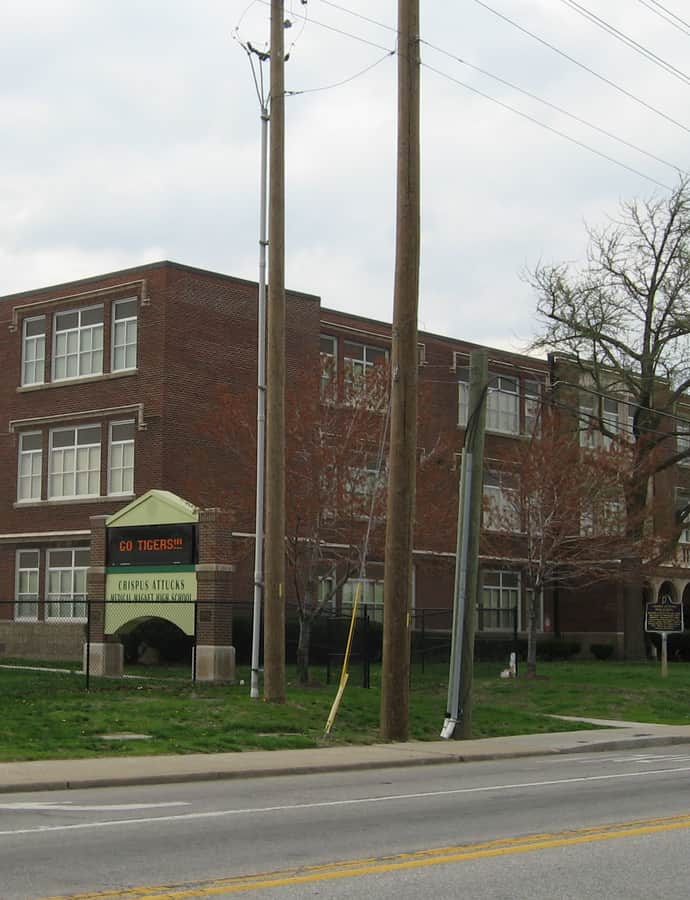
Crispus Attucks High School

1927

Crispus Attucks High School was built in 1927 in the Collegiate Gothic style. It carries a significant civil-rights and segregation-era history and is listed on the National Register of Historic Places.

Photo: Nyttend , Public domain

Esplanade Apartments

Prairie School

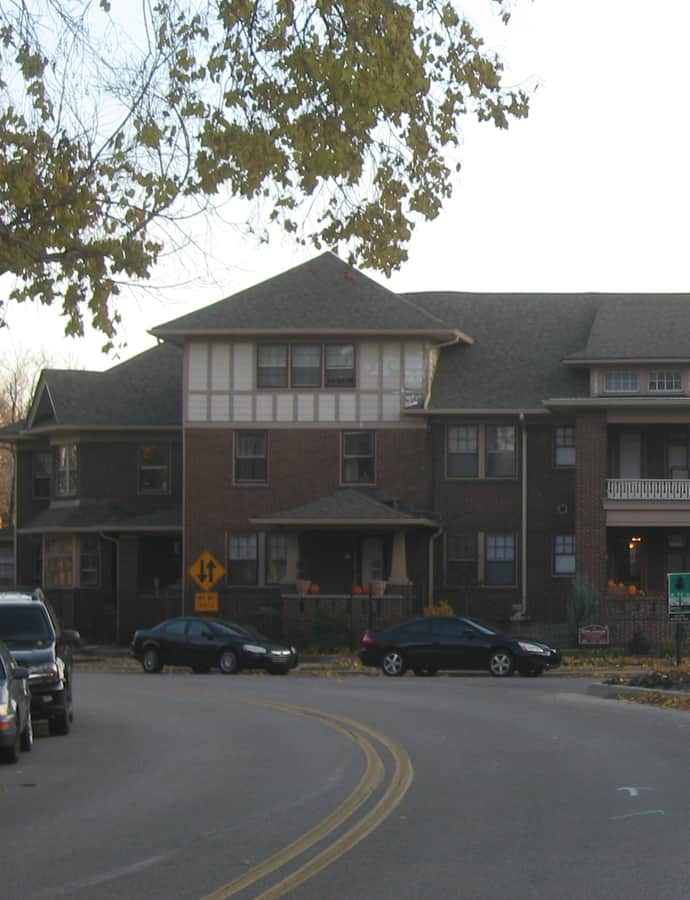
Esplanade Apartments

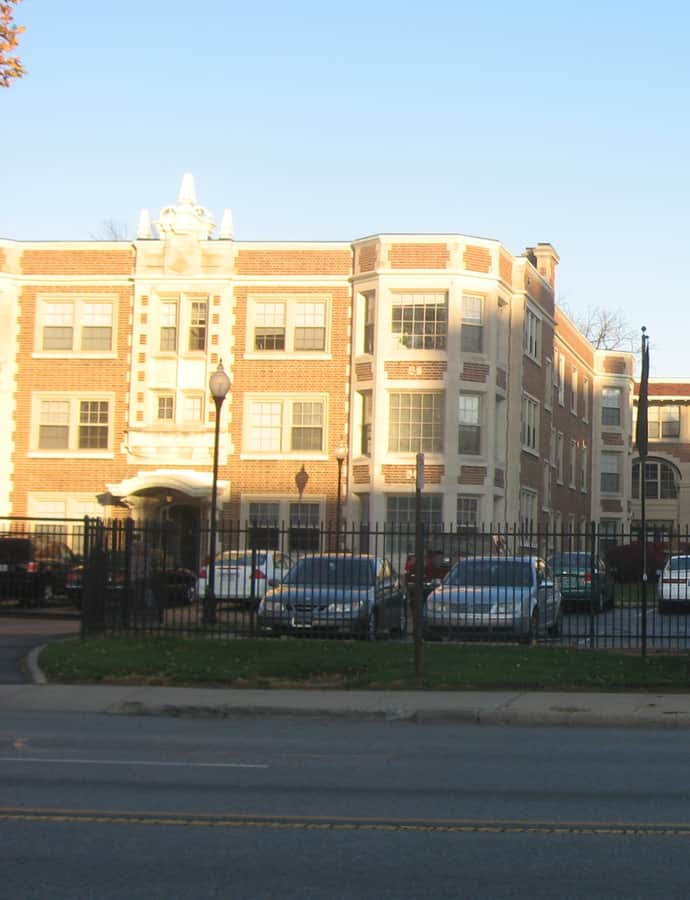
The Esplanade Apartments is a Prairie School apartment building, an uncommon choice of style for a multi-family residence. It is individually listed on the National Register of Historic Places.

Photo: Nyttend , Public domain

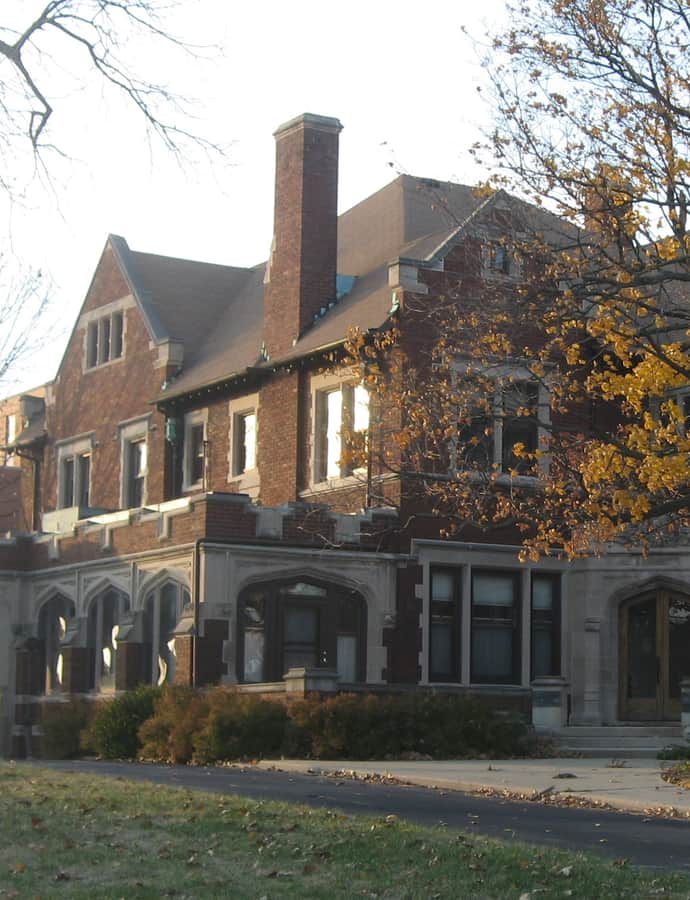
Glossbrenner Mansion

Tudor Revival

Glossbrenner Mansion

The Glossbrenner Mansion is a Tudor Revival house individually listed on the National Register of Historic Places. Its name and listing point to a substantial, street-facing residence built in that revival idiom, though no further construction details survive in the record.

Photo: Nyttend , Public domain

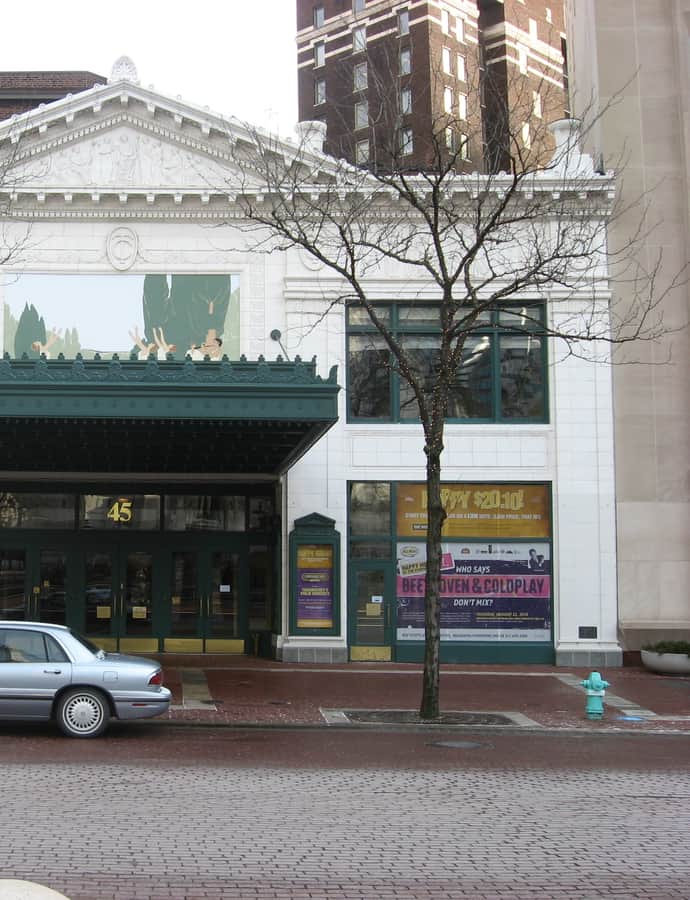
Hilbert Circle Theatre

Neoclassical

Hilbert Circle Theatre

Rubush & Hunter

The Hilbert Circle Theatre is a Neoclassical theatre building designed by Rubush & Hunter, standing on Monument Circle in downtown Indianapolis. It is listed on the National Register of Historic Places and serves as the home of the Indianapolis Symphony.

Photo: Nyttend , Public domain

Hotel Washington

Chicago School

Hotel Washington

The Hotel Washington is a downtown Indianapolis building that combines Chicago School and Beaux-Arts architecture. It is individually listed on the National Register of Historic Places.

Photo: Nyttend , Public domain

Indiana Statehouse

Neoclassical

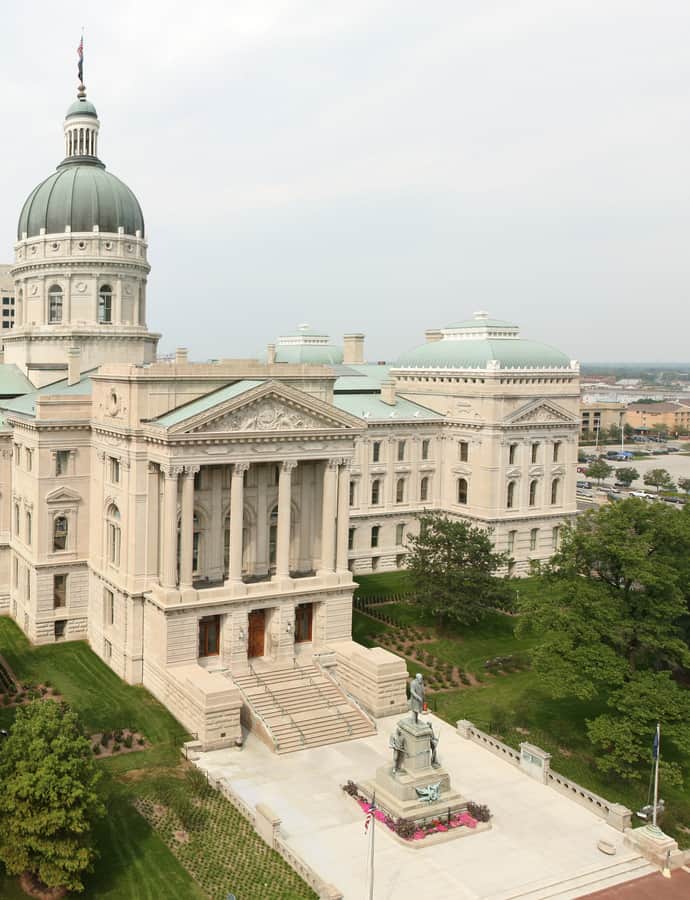
Indiana Statehouse

Edwin May

The Indiana Statehouse is the state capitol of Indiana, designed by Edwin May in the Neoclassical style. It is listed on the National Register of Historic Places and stands as a prominent civic building with a strong street presence in downtown Indianapolis.

Photo: Original: Daniel SchwenDerivative work: Massimo Catarinella , CC BY-SA 3.0

Indiana Theatre

Mission Revival

Indiana Theatre

Rubush & Hunter · 1927

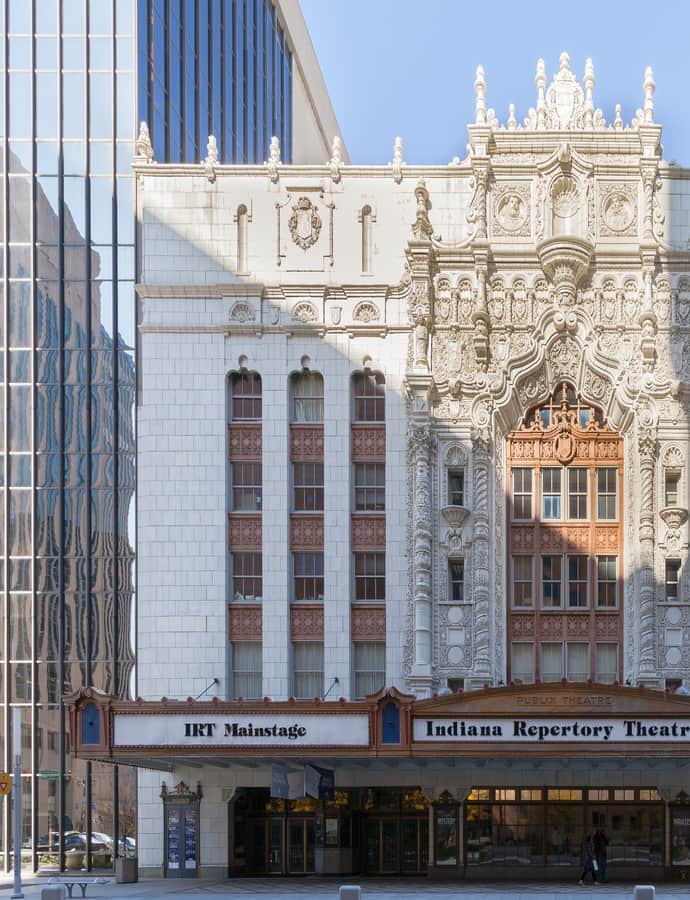
The Indiana Theatre opened in 1927 in downtown Indianapolis, designed by Rubush & Hunter in the Spanish Baroque style, an unusual specimen for the city. It is listed on the National Register of Historic Places.

Photo: Diego Delso , CC BY-SA 3.0

John Greenleaf Whittier School, No. 33

Queen Anne

John Greenleaf Whittier School, No. 33

1890

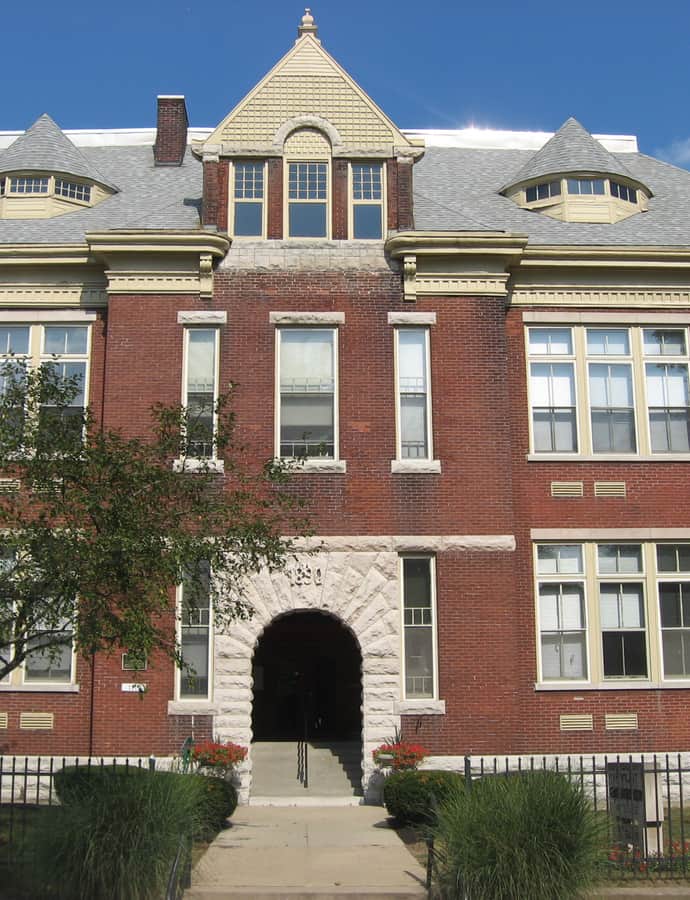
John Greenleaf Whittier School, No. 33 was built in 1890 as a public school, combining Queen Anne and Romanesque Revival design. It is individually listed on the National Register of Historic Places, recognition of its standing as a well-preserved late-nineteenth-century school building.

Photo: Nyttend , Public domain

Art Deco

Madam Walker Legacy Center

Rubush & Hunter · 1927

Madam Walker Legacy Center was completed in 1927 and designed by Rubush & Hunter. Named for Madam C.J. Walker, it is a landmark of African American entrepreneurship and culture in downtown Indianapolis. It is a rare specimen of Art Deco built with African-themed ornament, and it is designated both a National Historic Landmark and a National Register of Historic Places listed place.

Marott's Shoes Building

Chicago School

Marott's Shoes Building

The Marott's Shoes Building stands in downtown Indianapolis and combines Chicago School and Tudor Revival architecture, an unusual pairing of styles for a single commercial building. It is individually listed on the National Register of Historic Places.

Photo: Nyttend , Public domain

Minton-Capehart Federal Building

Brutalism

Minton-Capehart Federal Building

Woollen, Molzan and Partners

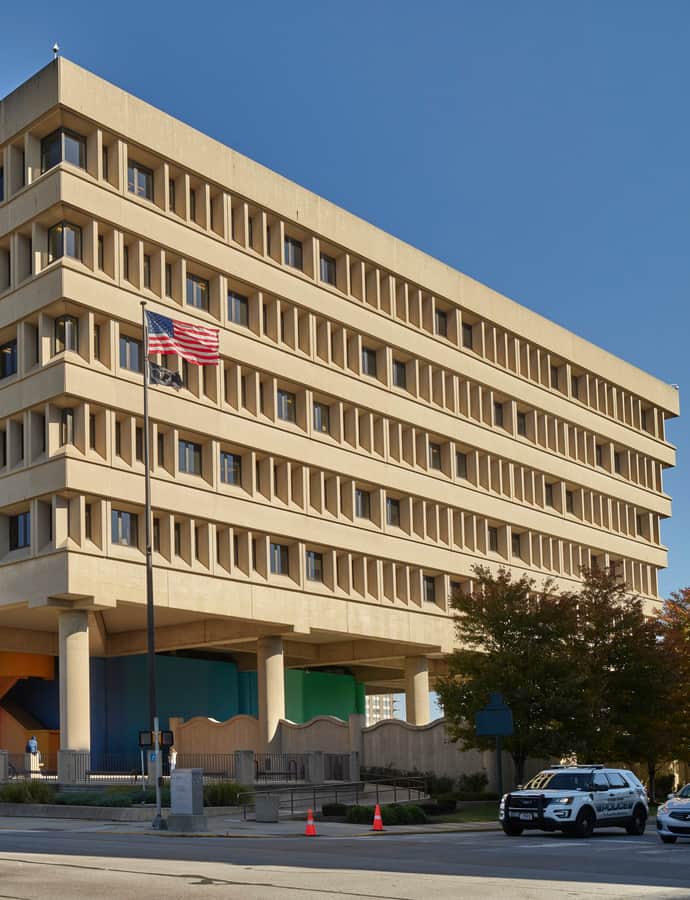
The Minton-Capehart Federal Building in downtown Indianapolis was designed by Woollen, Molzan and Partners, a significant regional modernist firm, in the Brutalist style.

Photo: Carol M. Highsmith , Public domain

Morris-Butler House

Second Empire

Morris-Butler House

Bohlen, Meyer, Gibson and Associates

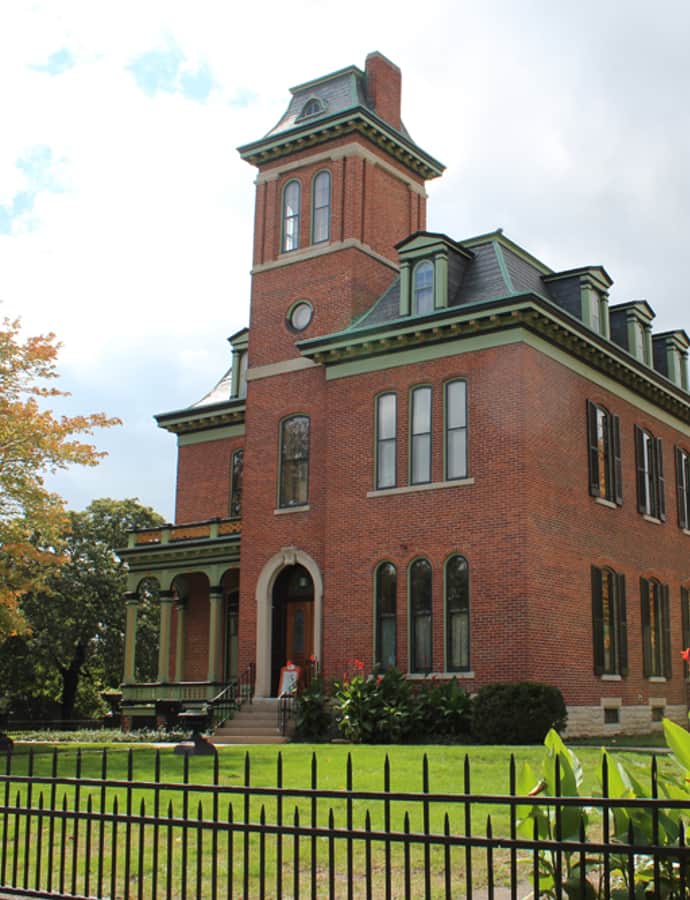
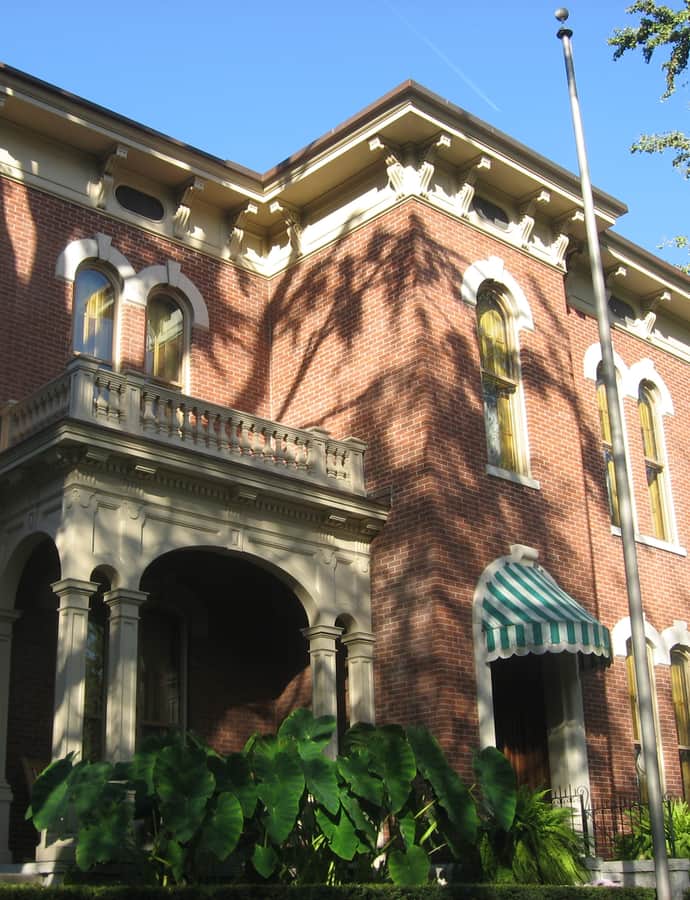
The Morris-Butler House was designed by Bohlen, Meyer, Gibson and Associates in the Second Empire style. It is individually listed on the National Register of Historic Places and is preserved today as a historic house museum.

Photo: MSWoolman , CC BY-SA 4.0

Morrison Block

Renaissance Revival

Morrison Block

The Morrison Block is a commercial building in downtown Indianapolis built in the Renaissance Revival style. It is individually listed on the National Register of Historic Places.

Photo: Nyttend , Public domain

Rink's Womens Apparel Store

Chicago School

Rink's Womens Apparel Store

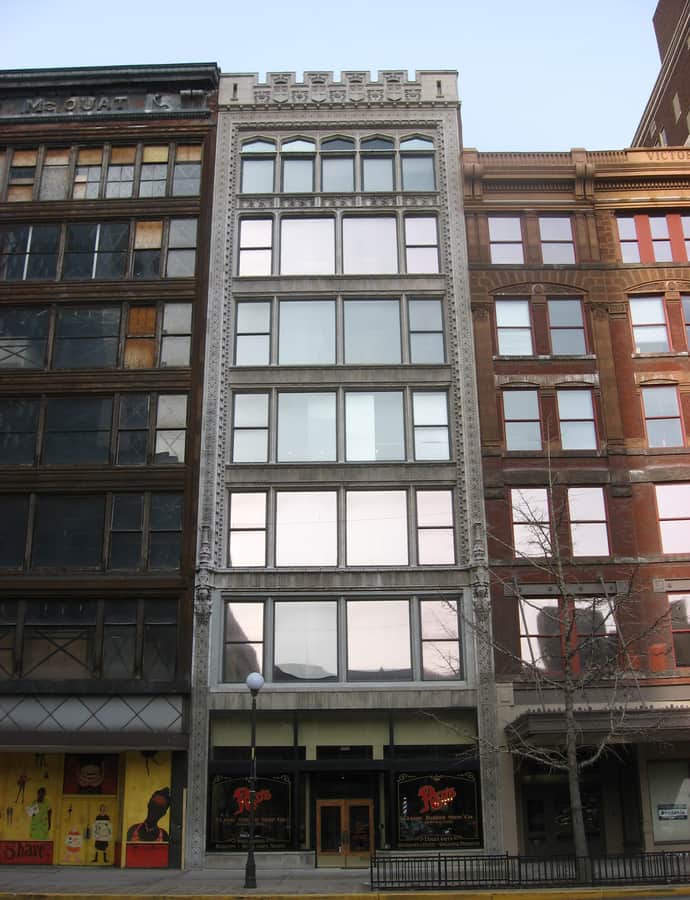
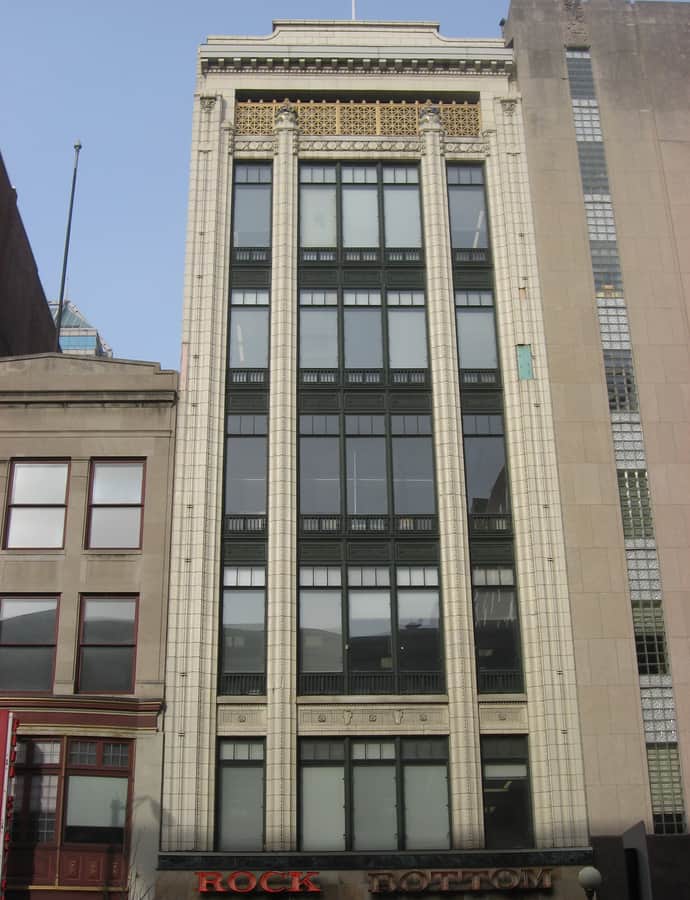
Rink's Womens Apparel Store is a downtown Indianapolis storefront built in the Chicago School style, a form developed for department store and commercial facades. Its name points to a prominent street-facing retail presence, and it is individually listed on the National Register of Historic Places.

Photo: Unknown authorUnknown author , Public domain

Roberts Park Methodist Episcopal Church

Romanesque Revival

Roberts Park Methodist Episcopal Church

Diedrich A. Bohlen

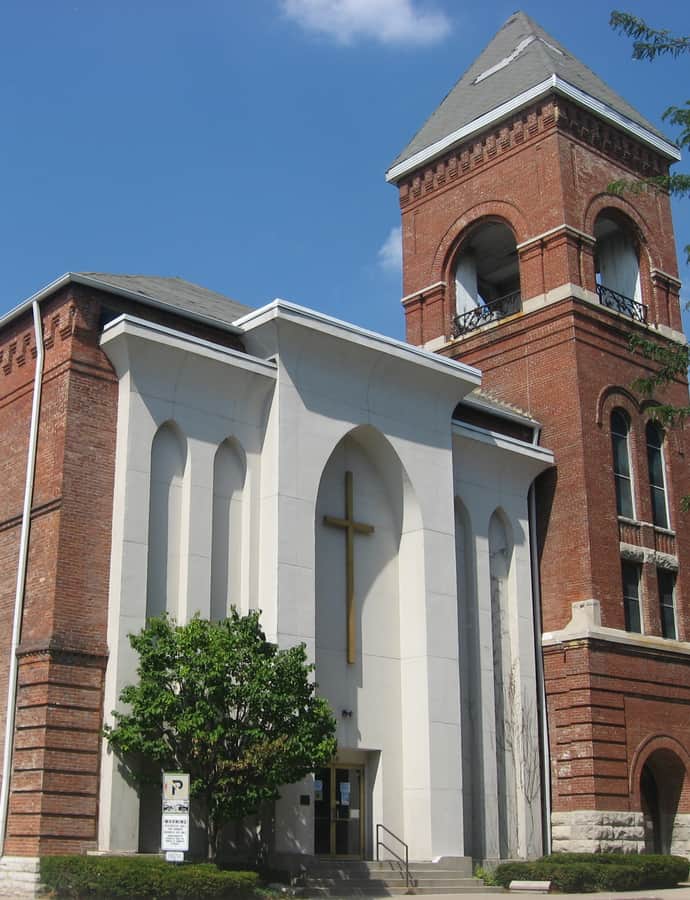
Roberts Park Methodist Episcopal Church, located in downtown Indianapolis, was designed by Diedrich A. Bohlen, a prominent Indianapolis architect, in the Romanesque Revival style. It is individually listed on the National Register of Historic Places.

Photo: Diego Delso , CC BY-SA 3.0

Romanesque Revival

Schnull-Rauch House

Bernard Vonnegut, Sr.

The Schnull-Rauch House was designed by Bernard Vonnegut, Sr., of the notable Vonnegut & Bohn firm, in the Romanesque Revival style. It is individually listed on the National Register of Historic Places.

Selig's Dry Goods Company Building

Beaux-Arts

Selig's Dry Goods Company Building

The Selig's Dry Goods Company Building is a downtown Indianapolis commercial building designed in the Beaux-Arts style. It is individually listed on the National Register of Historic Places.

Photo: Nyttend , Public domain

St. John the Evangelist Catholic Church

Gothic Revival

St. John the Evangelist Catholic Church

1871

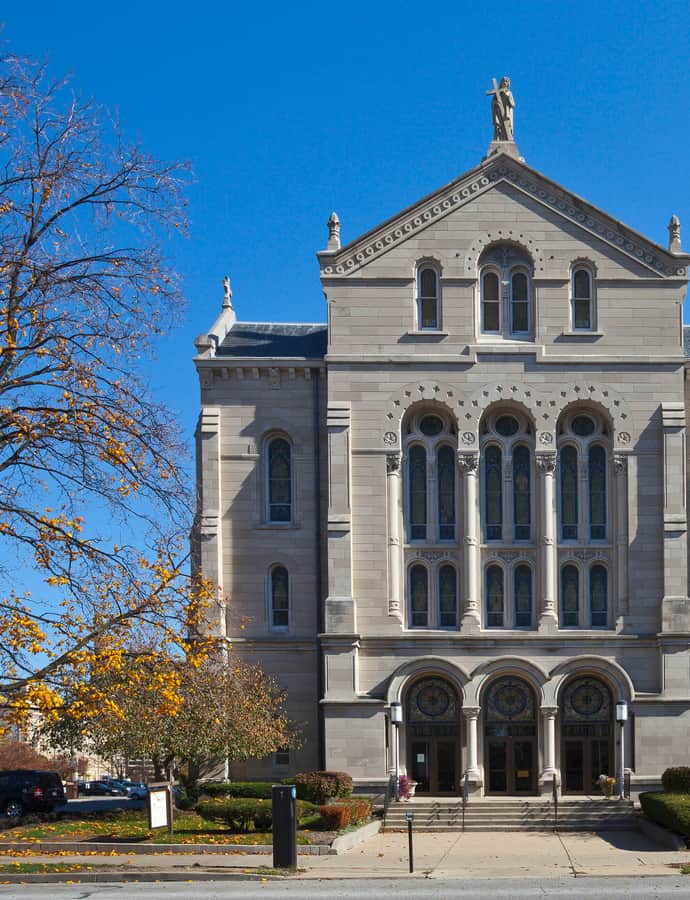
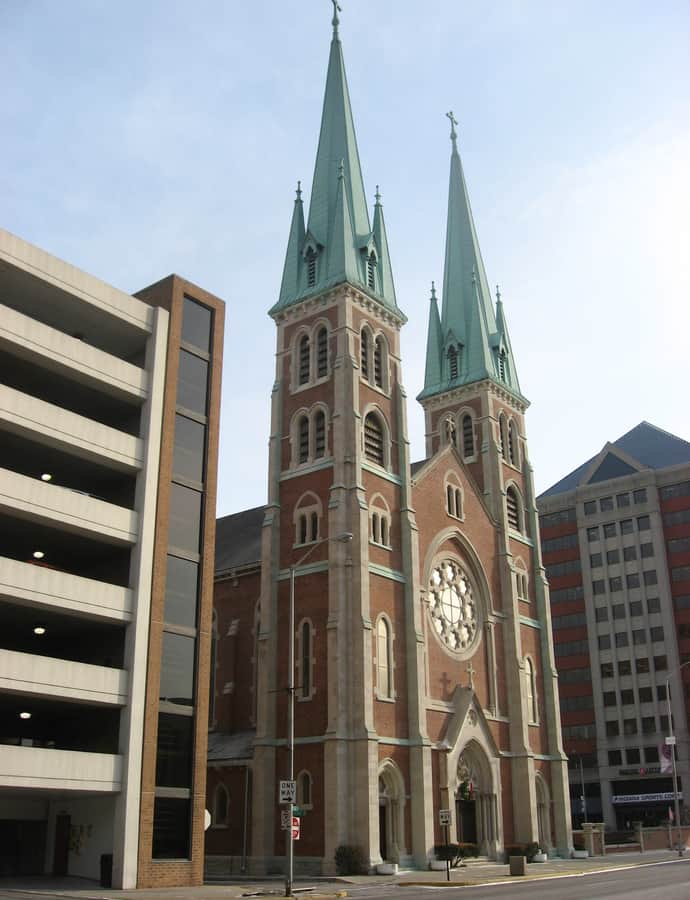
St. John the Evangelist Catholic Church was built in 1871 in downtown Indianapolis in the Gothic Revival style and carries a long parish history. It is listed on the National Register of Historic Places.

Photo: Nyttend , Public domain

St. Mary's Catholic Church

Gothic Revival

St. Mary's Catholic Church

Hermann J. Gaul · 1912

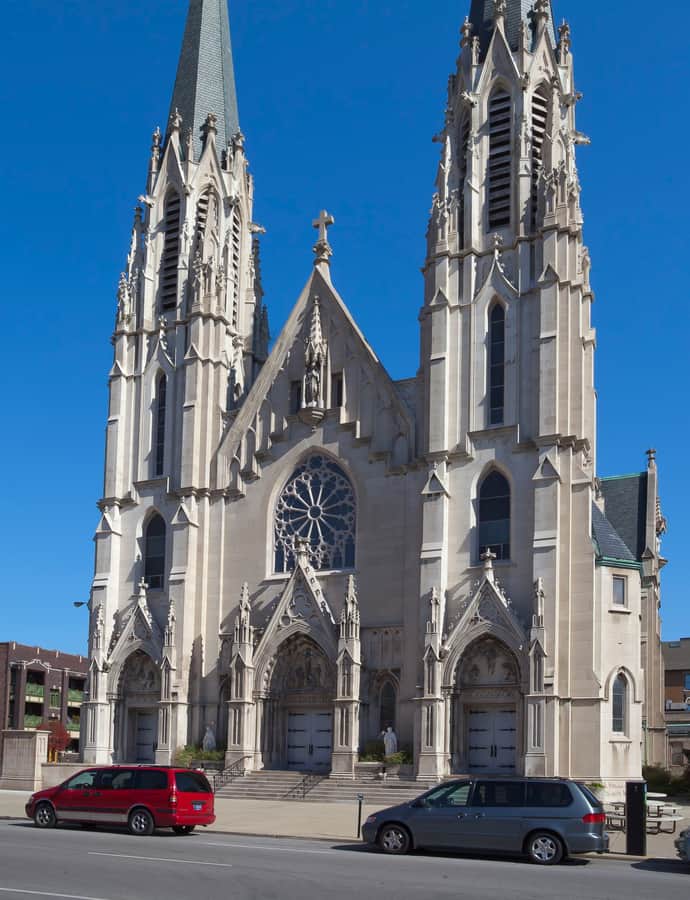
St. Mary's Catholic Church was completed in 1912 in downtown Indianapolis, designed by architect Hermann J. Gaul in the Gothic Revival style. It is listed on the National Register of Historic Places.

Photo: Diego Delso , CC BY-SA 3.0

The Buckingham

Tudor Revival

The Buckingham

Rubush & Hunter

The Buckingham was designed by the Indianapolis firm Rubush & Hunter in the Tudor Revival style. It is individually listed on the National Register of Historic Places.

Photo: Nyttend , Public domain

Notable buildings

Worth a stop when you're nearby.

Benjamin Harrison Presidential Site

Renaissance Revival

Benjamin Harrison Presidential Site

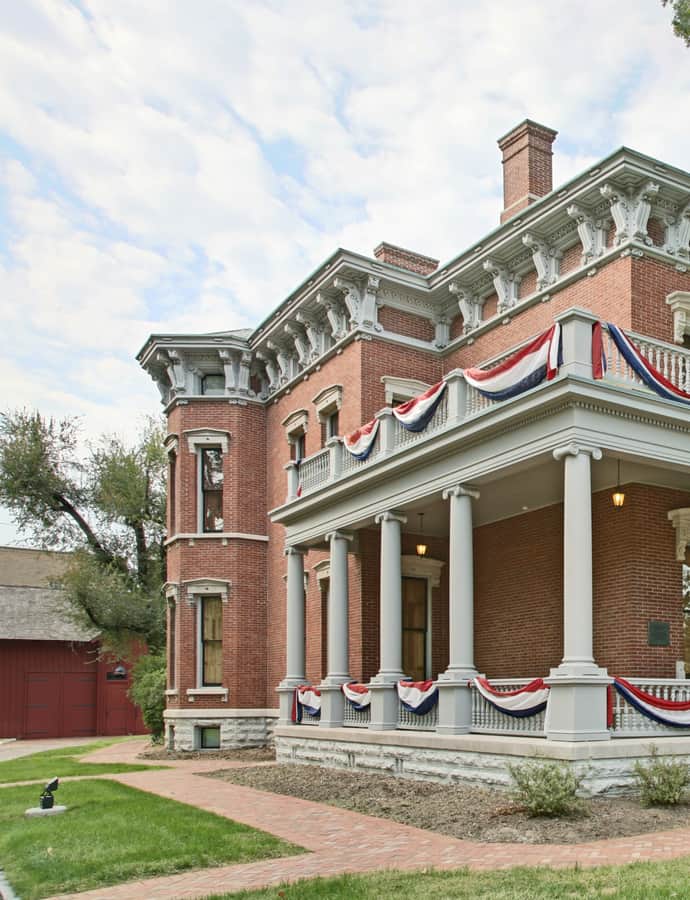
The Benjamin Harrison Presidential Site is a Renaissance Revival building that was the home of U.S. President Benjamin Harrison. It is designated a National Historic Landmark and is listed on the National Register of Historic Places.

Photo: Daniel Schwen , CC BY-SA 4.0

Bethel A.M.E. Church

Romanesque Revival

Bethel A.M.E. Church

1869

Bethel A.M.E. Church is a Romanesque Revival church built in 1869 in downtown Indianapolis. It is listed on the National Register of Historic Places and holds significance to the city's African American history.

Photo: Nyttend , Public domain

Columbia Club

Gothic Revival

Columbia Club

Rubush & Hunter

The Columbia Club is a Gothic Revival building designed by Rubush & Hunter, with a prominent facade on Monument Circle in downtown Indianapolis. It is listed on the National Register of Historic Places.

Photo: Xnatedawgx , CC BY-SA 3.0

Fidelity Trust Building

Neoclassical

Fidelity Trust Building

Rubush & Hunter

The Fidelity Trust Building is a downtown Indianapolis landmark designed by the local firm Rubush & Hunter in the Neoclassical style. It is listed on the National Register of Historic Places.

Photo: Nyttend , Public domain

H. P. Wasson and Company

Art Deco

H. P. Wasson and Company

1874

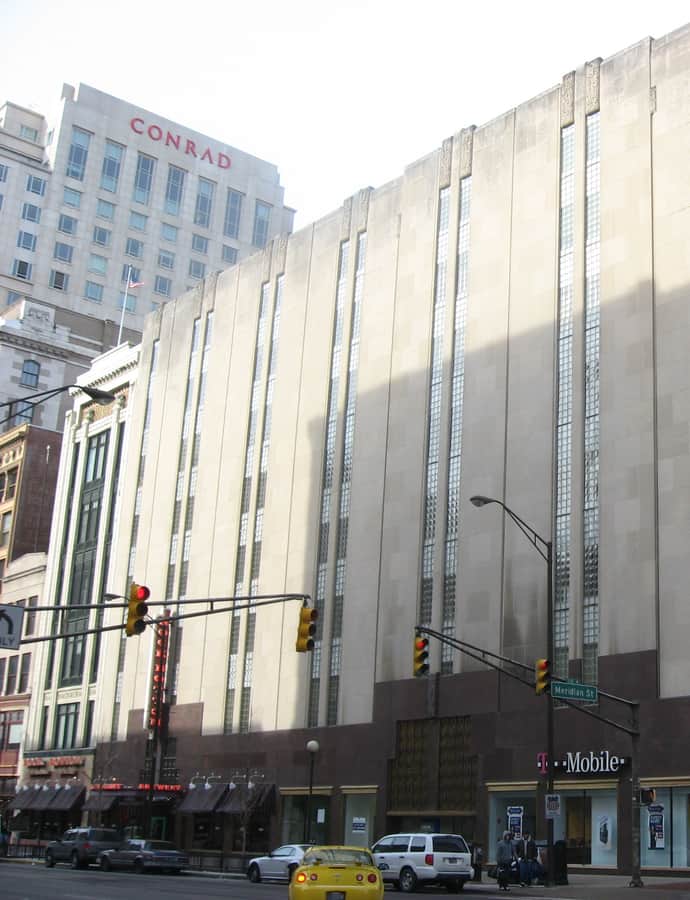
H. P. Wasson and Company is a downtown Indianapolis department store building dating to 1874, later given an Art Deco treatment. It is listed on the National Register of Historic Places.

Photo: Nyttend , Public domain

Streamline Moderne

Heslar Naval Armory

Heslar Naval Armory is a Streamline Moderne building whose nautical-inspired form reflects its function as a naval armory.

Landmark

Indiana Tower

César Pelli

Indiana Tower is a notable presence on the Indianapolis skyline, designed by the nationally significant architect César Pelli.

Indianapolis Masonic Temple

Neoclassical

Indianapolis Masonic Temple

Rubush & Hunter

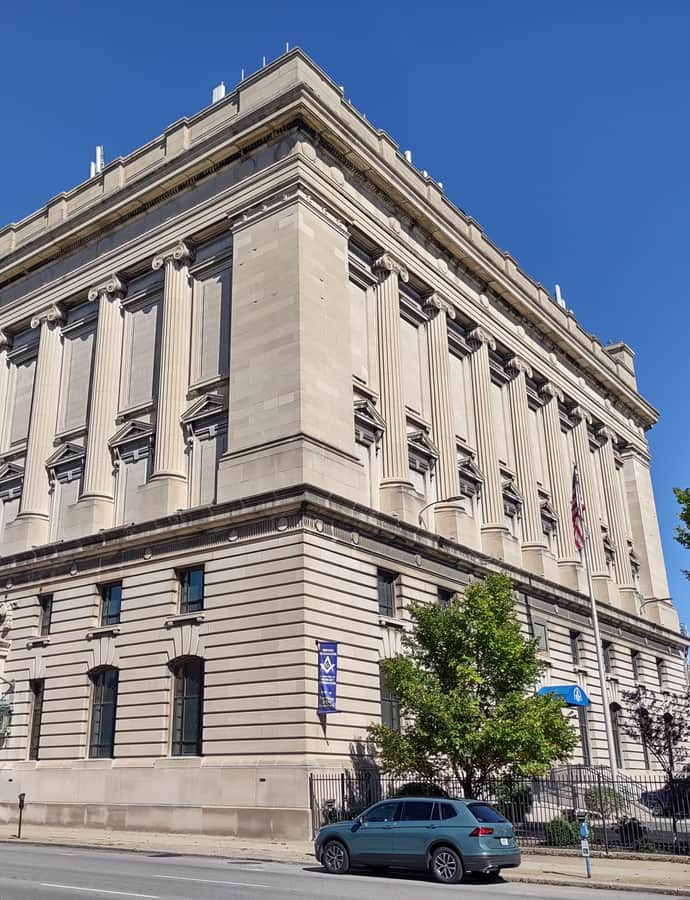
The Indianapolis Masonic Temple is a downtown Neoclassical building designed by Rubush & Hunter. It is listed on the National Register of Historic Places.

Photo: Jim.henderson , CC BY-SA 4.0

James Whitcomb Riley Museum Home

Landmark

James Whitcomb Riley Museum Home

The James Whitcomb Riley Museum Home in downtown Indianapolis was the residence of poet James Whitcomb Riley and now operates as a museum. It is designated a National Historic Landmark and is listed on the National Register of Historic Places.

Photo: Nyttend , Public domain

Lockefield Gardens

International Style

Lockefield Gardens

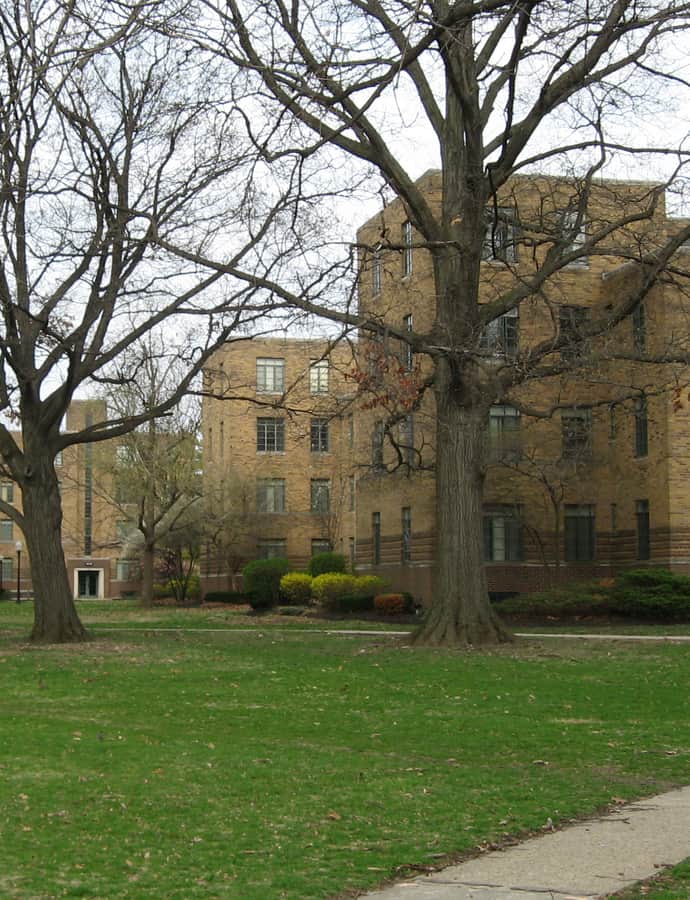
Lockefield Gardens is an International Style public-housing project in Indianapolis, listed on the National Register of Historic Places. It is tied to the city's African American history.

Photo: Nyttend , Public domain

South Side Turnverein Hall

Renaissance Revival

South Side Turnverein Hall

Vonnegut & Bohn · 1900

South Side Turnverein Hall is a Renaissance Revival building completed in 1900 and designed by Vonnegut & Bohn. It is listed on the National Register of Historic Places and reflects the history of Indianapolis's German-American community, who built turnverein halls as gathering places for gymnastics and social life.

Photo: Paulgush , CC BY-SA 4.0

Hidden gems

Fine buildings that fewer people seek out.

Central Library

Landmark

Central Library

Paul Philippe Cret · 1913

Central Library in downtown Indianapolis was designed by Paul Philippe Cret and completed in 1913 as a landmark public library commission. It is listed on the National Register of Historic Places.

Photo: Diego Delso , CC BY-SA 3.0

John Fitch Hill House

Italianate

John Fitch Hill House

1852

The John Fitch Hill House is an Italianate house built in 1852, individually listed on the National Register of Historic Places.

Photo: Nyttend , Public domain