
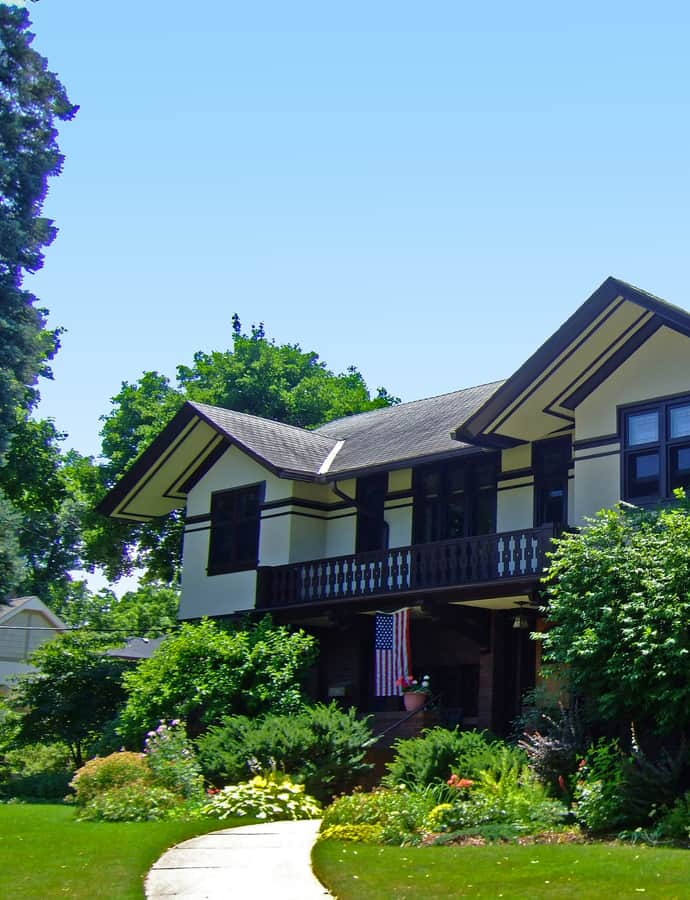
August Cornelius Larson House
The August Cornelius Larson House was designed by the Wisconsin firm Claude and Starck in the Prairie School style. It is listed on the National Register of Historic Places.
Photo: James Steakley , CC BY-SA 3.0
City guide
33 buildings worth a detour, each with what to look for. Open them on the map, or walk them with the iPhone app, which collects each one you photograph.
The buildings that define the city's architecture.
The August Cornelius Larson House was designed by the Wisconsin firm Claude and Starck in the Prairie School style. It is listed on the National Register of Historic Places.
Photo: James Steakley , CC BY-SA 3.0
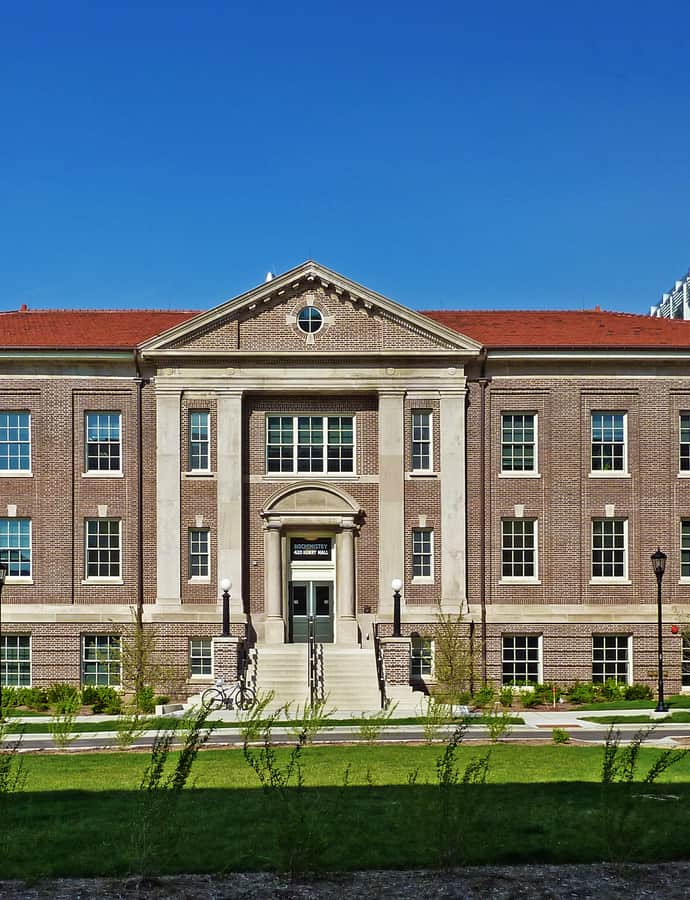
The DeLuca Biochemistry Building was designed by Paul Philippe Cret and Warren Powers Laird in 1912 in the Colonial Revival style. It is listed on both the National Register of Historic Places and the Wisconsin State Register of Historic Places.
Photo: James Steakley , CC BY-SA 3.0
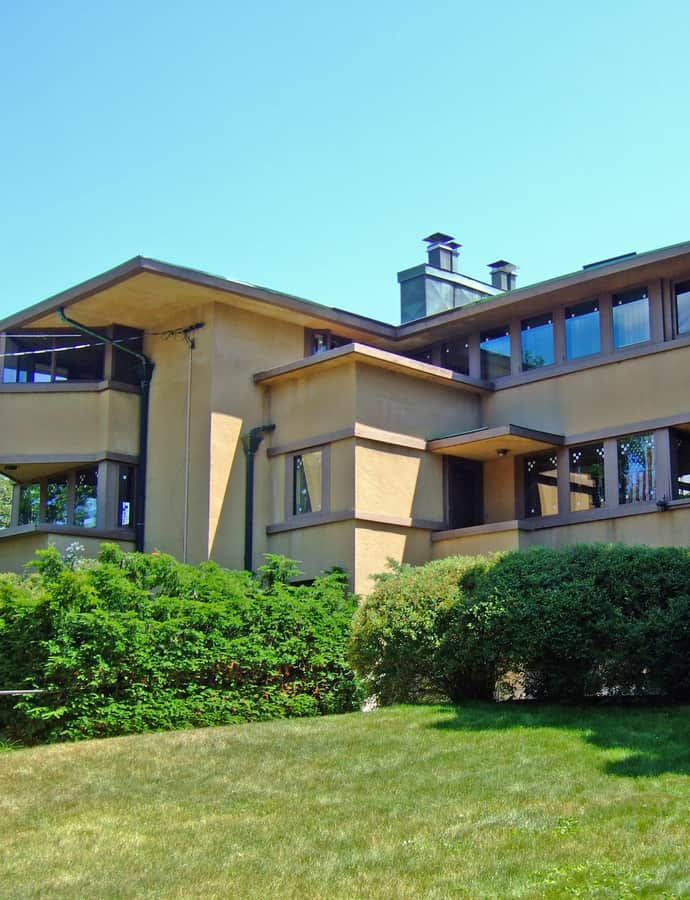
The Eugene A. Gilmore House was designed by Frank Lloyd Wright in 1908 in the Prairie School style. It is individually listed on the National Register of Historic Places and the Wisconsin State Register of Historic Places, and it holds Madison Landmark status.
Photo: James Steakley , CC BY-SA 3.0
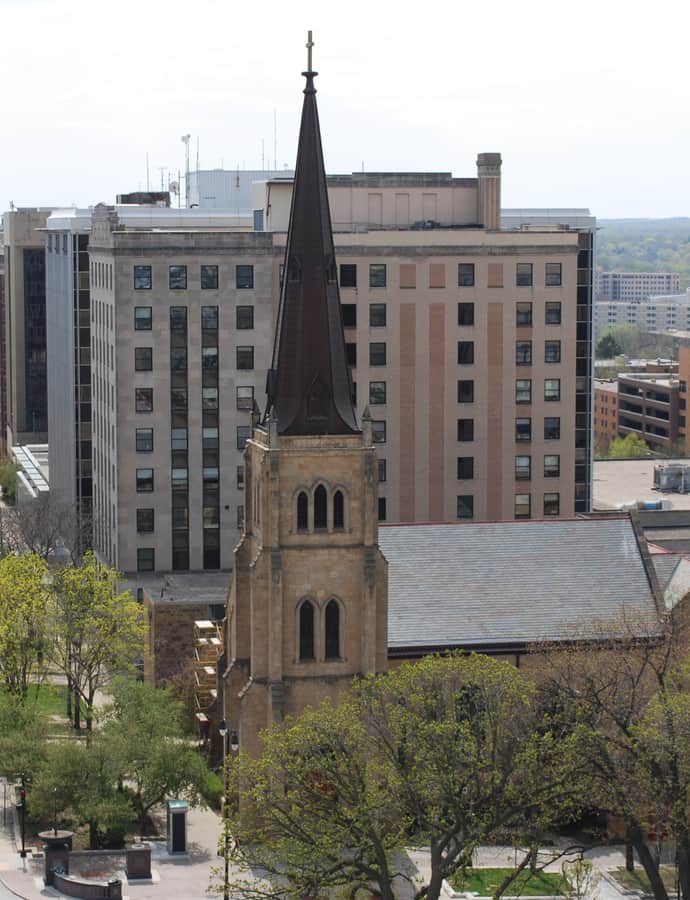
Grace Episcopal Church was built in 1855 to a design by James Douglas in the Gothic Revival style. It is individually designated a Madison Landmark and is also listed on the National Register of Historic Places and the Wisconsin State Register of Historic Places.
Photo: Michael Howe , CC BY-SA 3.0
The Harold C. Bradley House was designed in 1909 by Louis Sullivan and George Grant Elmslie in the Prairie School style. It is a National Historic Landmark, a National Register of Historic Places contributing and individually listed property, and it is also listed on the Wisconsin State Register of Historic Places and designated a Madison Landmark.
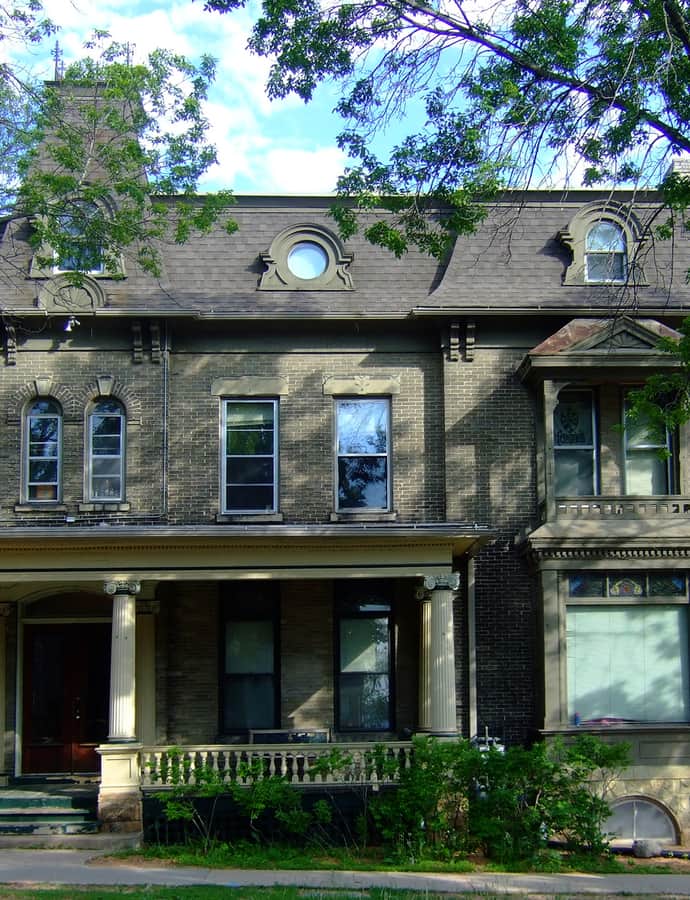
The John J. Suhr House is a Second Empire style residence completed in 1902 on Madison's isthmus, a relatively rare Midwest specimen of the style. It carries triple recognition: individual Madison Landmark status, and listing on both the National Register of Historic Places and the Wisconsin State Register of Historic Places.
Photo: James Steakley , CC BY-SA 3.0
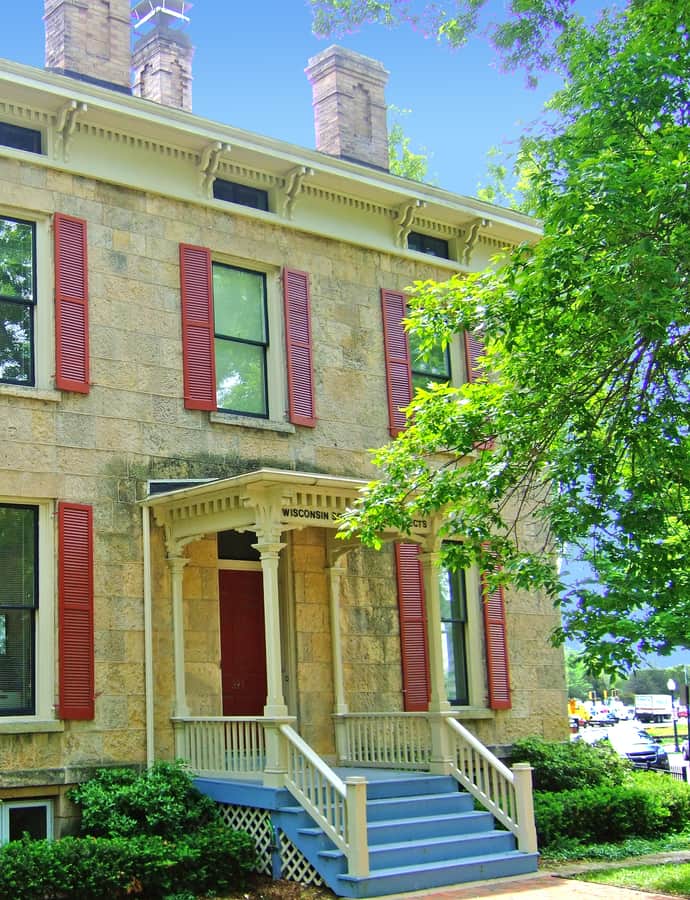
The Joseph J. Stoner House was built in 1855 in the Italianate style. It is individually designated a Madison Landmark and is also listed on the National Register of Historic Places and the Wisconsin State Register of Historic Places.
Photo: James Steakley , CC BY-SA 3.0
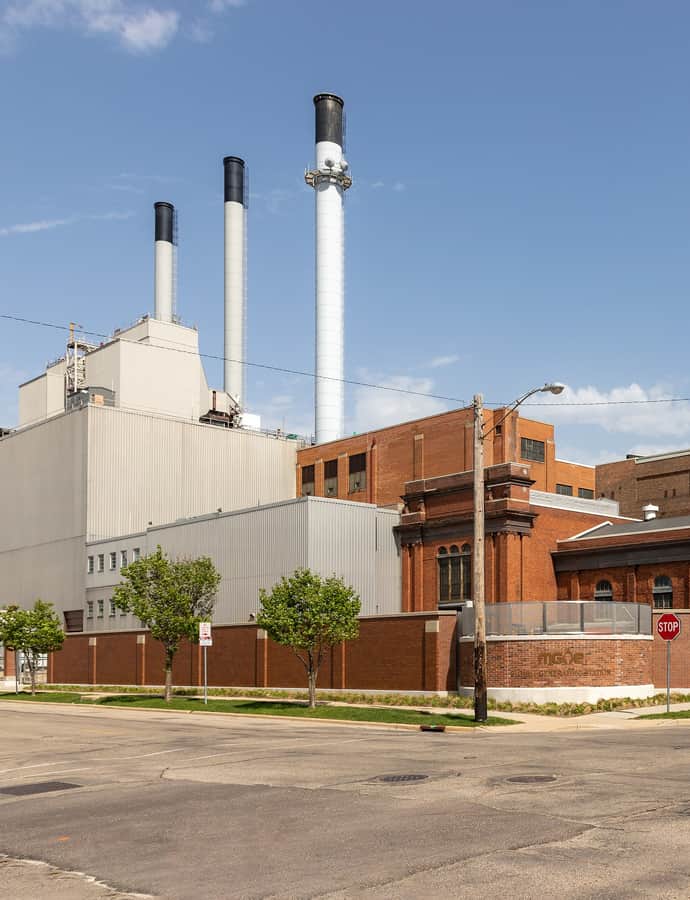
The Madison Gas and Electric Company Powerhouse is a Neoclassical industrial building completed in 1902 and designed by the Wisconsin architecture firm Claude and Starck. It is individually designated a Madison Landmark and listed on both the National Register of Historic Places and the Wisconsin State Register of Historic Places.
Photo: Paul R. Burley , CC BY-SA 4.0
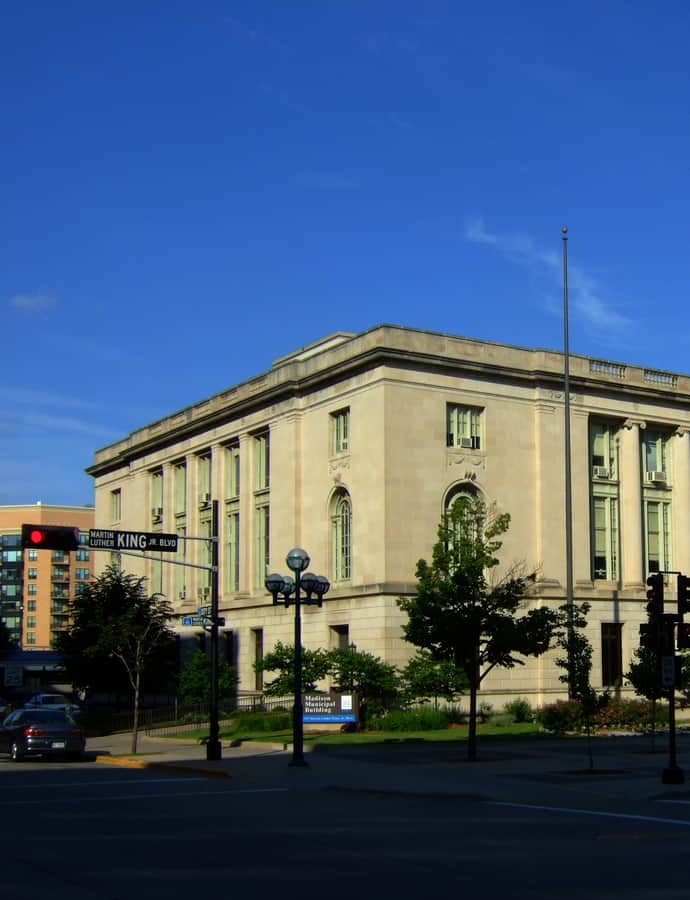
The Madison Municipal Building, on the isthmus, was completed in 1929 to a Neoclassical design by James A. Wetmore, a federal supervising architect. It is individually designated a Madison Landmark and listed on both the National Register of Historic Places and the Wisconsin State Register of Historic Places.
Photo: James Steakley , CC BY-SA 3.0
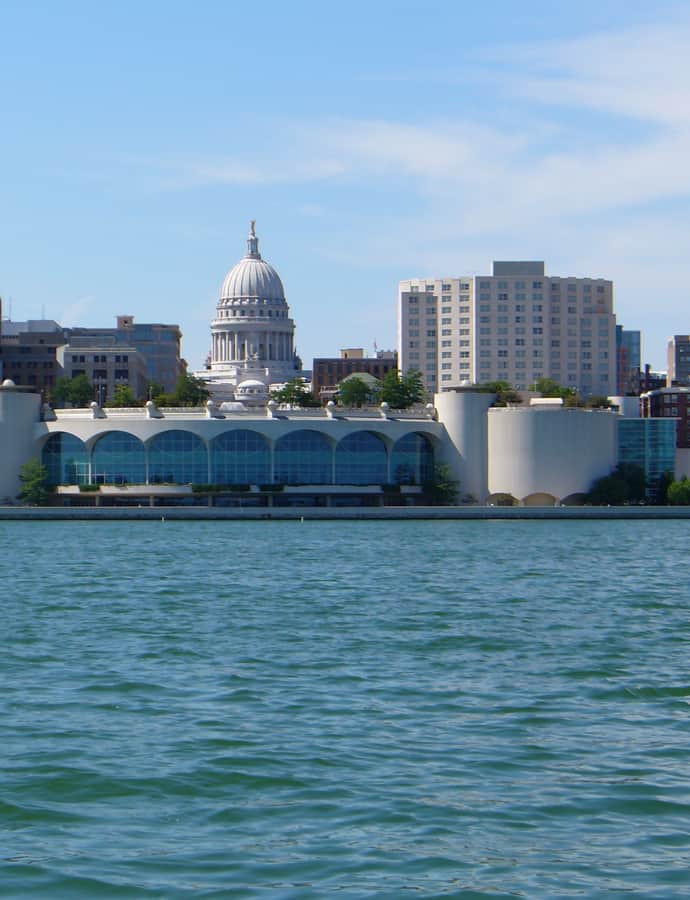
Landmark
Monona Terrace on Madison's isthmus was designed by Frank Lloyd Wright, who first proposed the civic center in 1938. Political disputes stalled the project for nearly sixty years before Taliesin apprentice Anthony Puttnam completed it in 1997, following a 1992 public referendum.
Photo: Emery , CC BY-SA 2.5
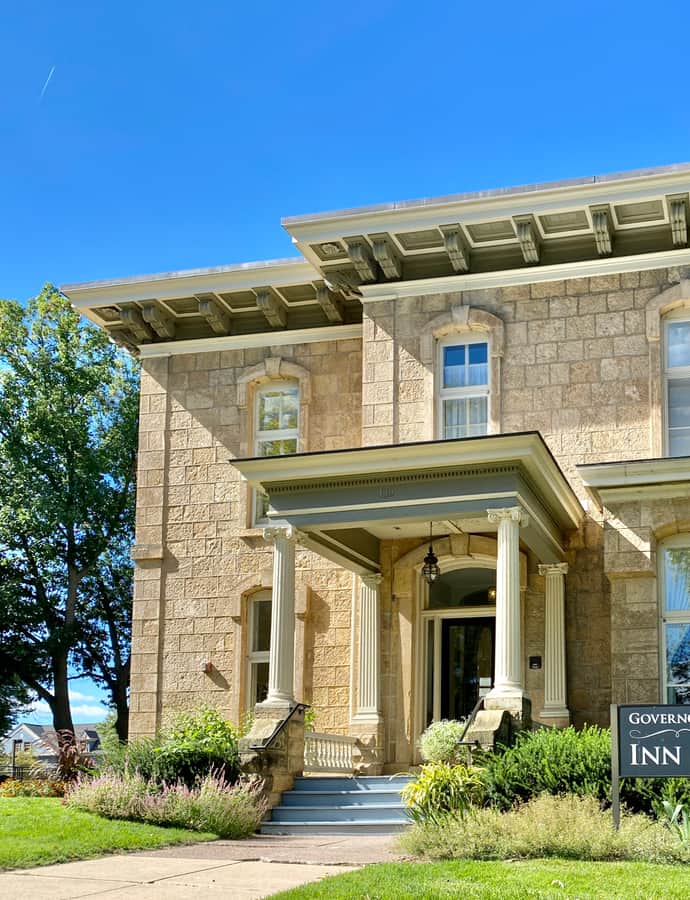
The Old Executive Mansion is an Italianate building completed in 1856 on Madison's isthmus. It is individually designated a Madison Landmark and listed on both the National Register of Historic Places and the Wisconsin State Register of Historic Places.
Photo: w_lemay , CC BY-SA 2.0
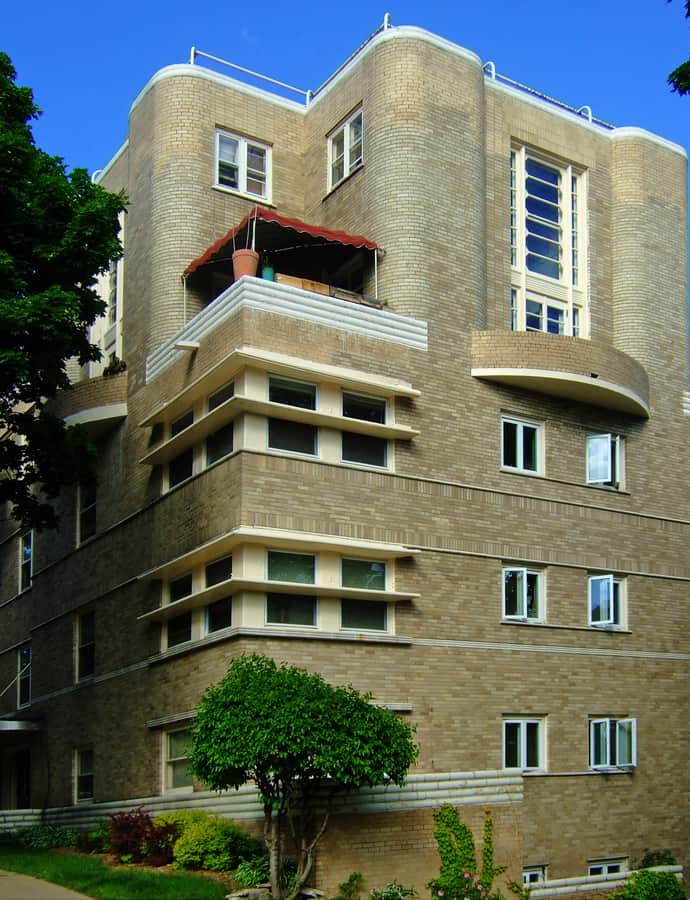
Quisling Towers Apartments is a Streamline Moderne apartment building completed in 1937 on Madison's isthmus, a relatively rare specimen of the style in the region. It is individually designated a Madison Landmark and listed on both the National Register of Historic Places and the Wisconsin State Register of Historic Places.
Photo: James Steakley , CC BY-SA 3.0
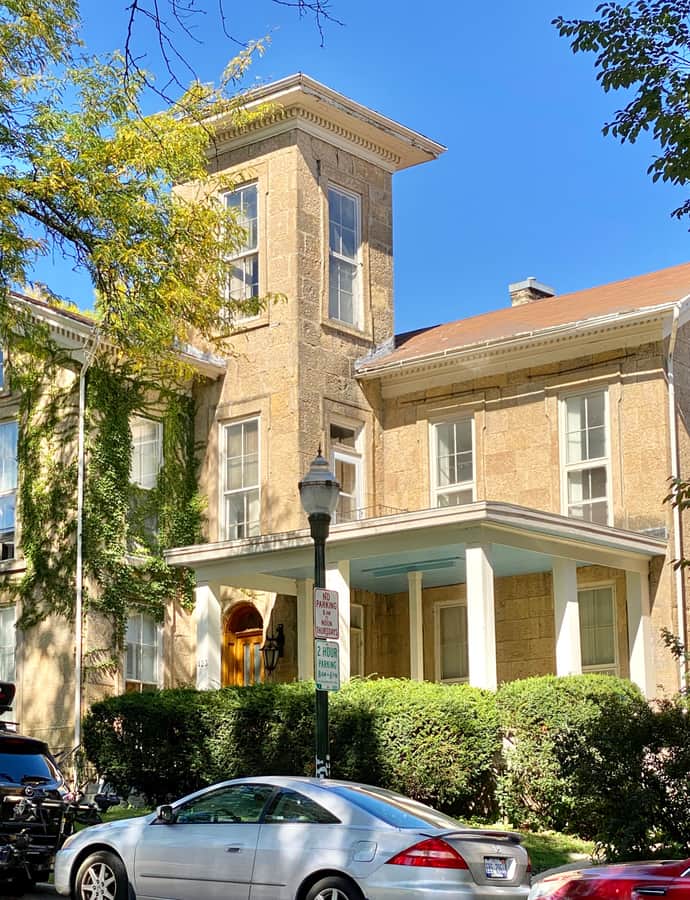
The Robert M. Bashford House is an Italianate residence completed in 1855 and designed by early Wisconsin architect August Kutzbock. It is individually designated a Madison Landmark and listed on both the National Register of Historic Places and the Wisconsin State Register of Historic Places.
Photo: w_lemay , CC BY-SA 2.0
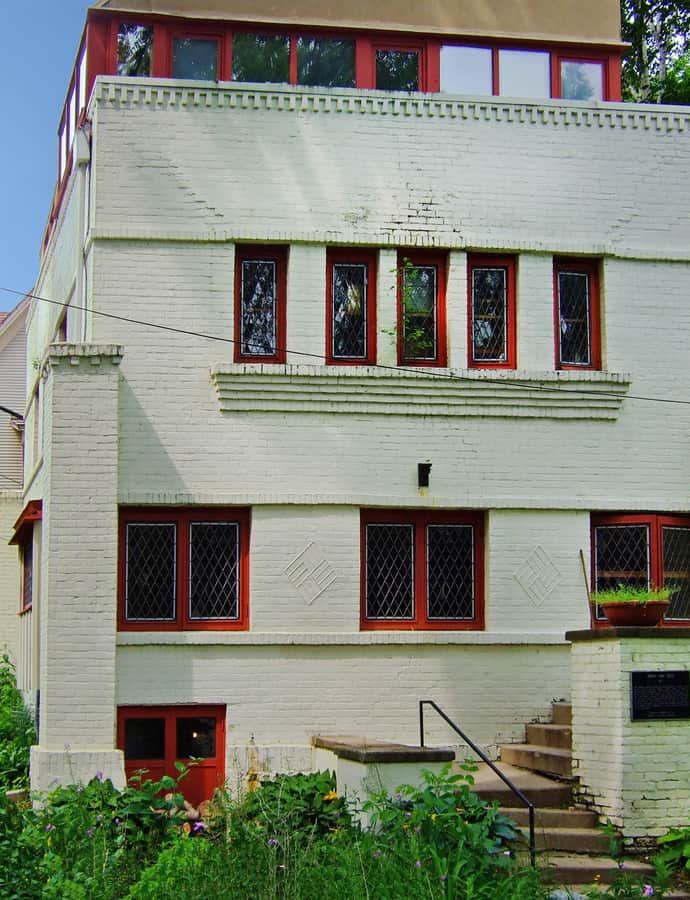
The Robert M. Lamp House, on Madison's isthmus, was designed by Frank Lloyd Wright in 1903, blending the Prairie School with the Chicago School idiom. It is individually listed on the National Register of Historic Places and the Wisconsin State Register of Historic Places, and it holds Madison Landmark status.
Photo: James Steakley , CC BY-SA 3.0
The State Historical Society building stands at 816 State Street on Madison's isthmus, a monumental Neoclassical civic building designed by the Milwaukee firm Ferry & Clas. Completed in 1900, it was the most expensive building the state had built to that point. It now houses one of the largest historical research libraries in the United States.
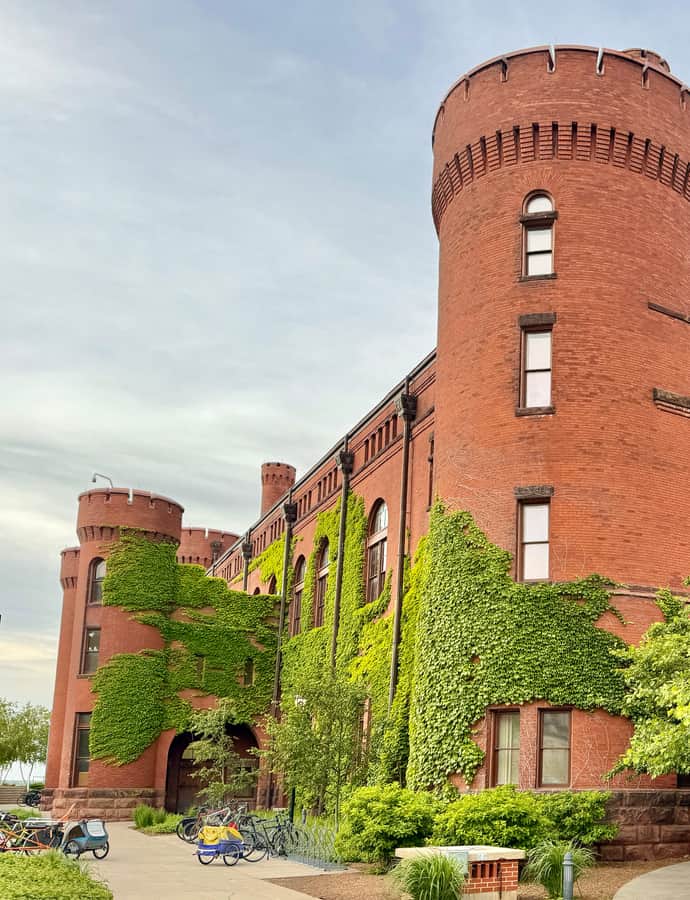
The University of Wisconsin Armory and Gymnasium is a Romanesque Revival building completed in 1894 and designed by the firm Conover & Porter. It holds National Historic Landmark status, is individually designated a Madison Landmark, and is listed on the National Register of Historic Places as both a listed place and a contributing property.
Photo: w_lemay , CC BY-SA 2.0
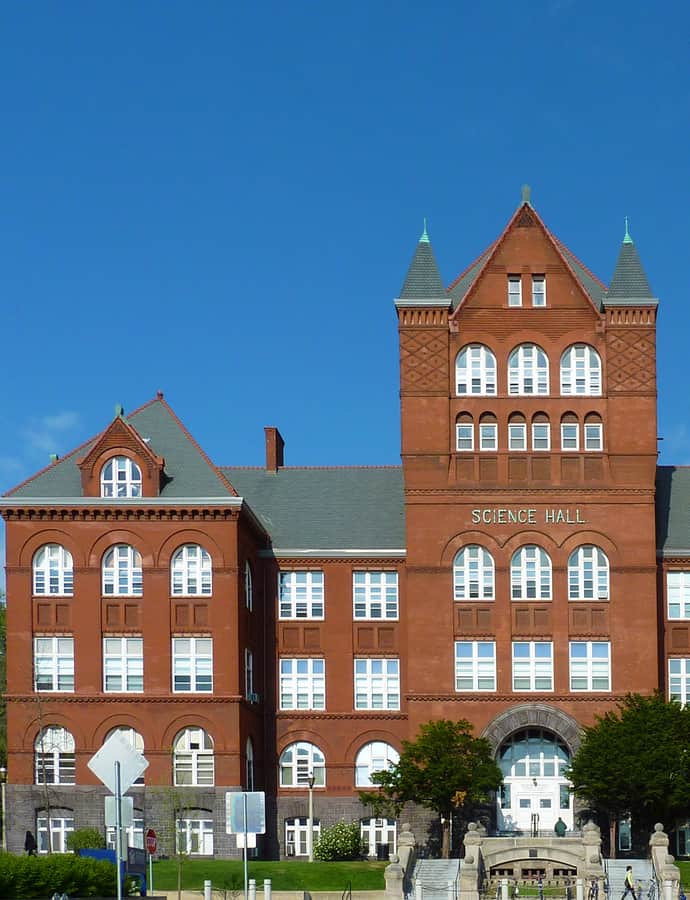
Science Hall at the University of Wisconsin was completed in 1887 to a design by Henry C. Koch in the Romanesque Revival style. It has since been recognized as a National Historic Landmark, listed on the National Register of Historic Places, the Wisconsin State Register of Historic Places, and designated an individual Madison Landmark.
Photo: James Steakley , CC BY-SA 3.0
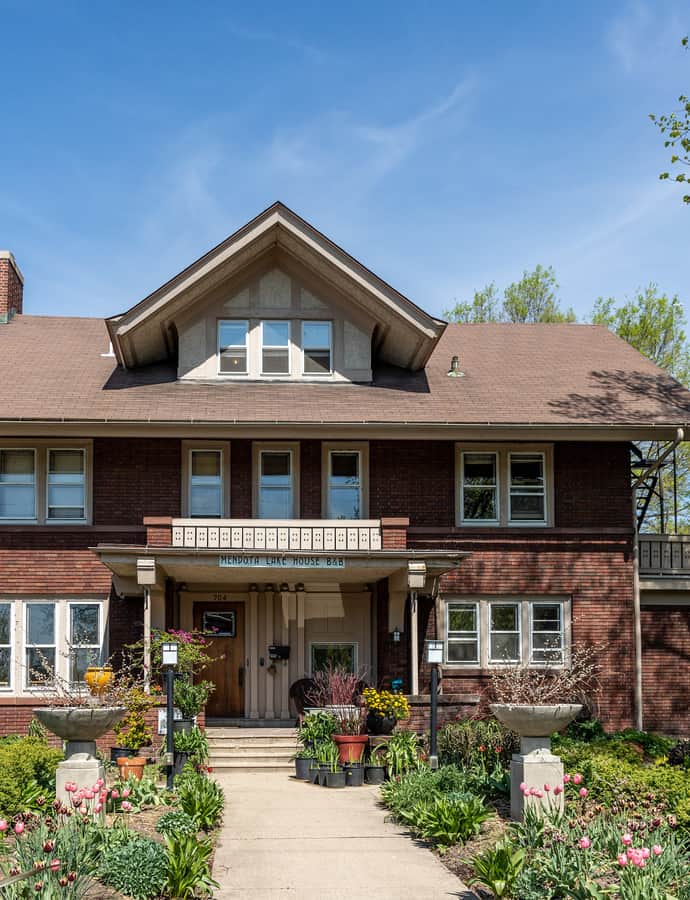
The William Collins House, on Madison's isthmus, was designed by the firm Claude and Starck in 1912 in the Prairie School style. It is individually designated a Madison Landmark and listed on both the National Register of Historic Places and the Wisconsin State Register of Historic Places.
Photo: Paul R. Burley , CC BY-SA 4.0
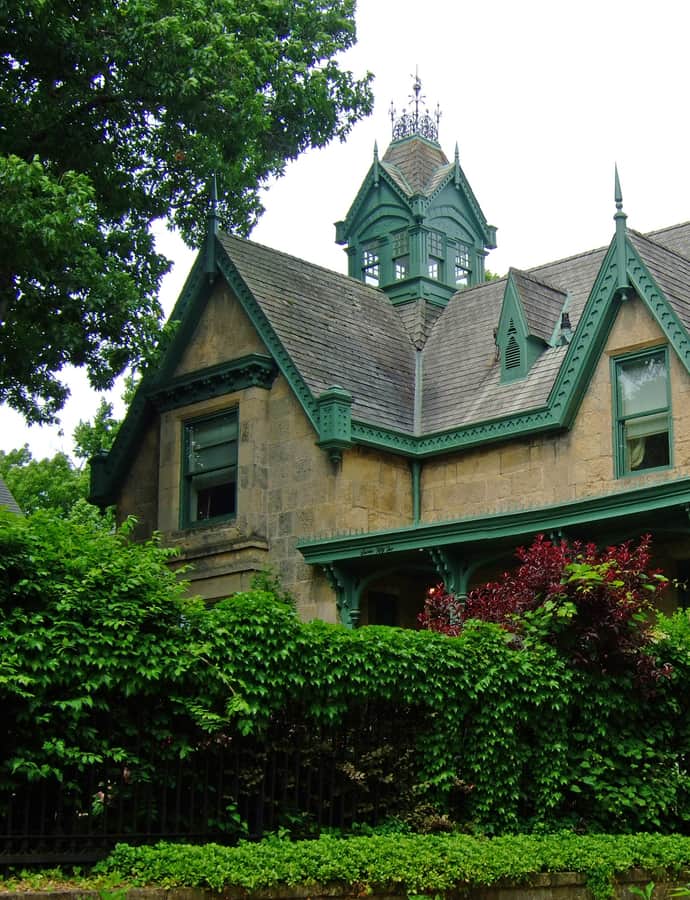
The William T. Leitch House is a Gothic Revival residence completed in 1854 and designed by early Wisconsin architect August Kutzbock. It is individually designated a Madison Landmark and listed on both the National Register of Historic Places and the Wisconsin State Register of Historic Places.
Photo: James Steakley , CC BY-SA 3.0

The Wisconsin State Capitol is a Beaux-Arts building completed in 1970 and designed by architect George B. Post. It is designated a National Historic Landmark and listed on the National Register of Historic Places.
Photo: Wikideas1 , CC0
Worth a stop when you're nearby.
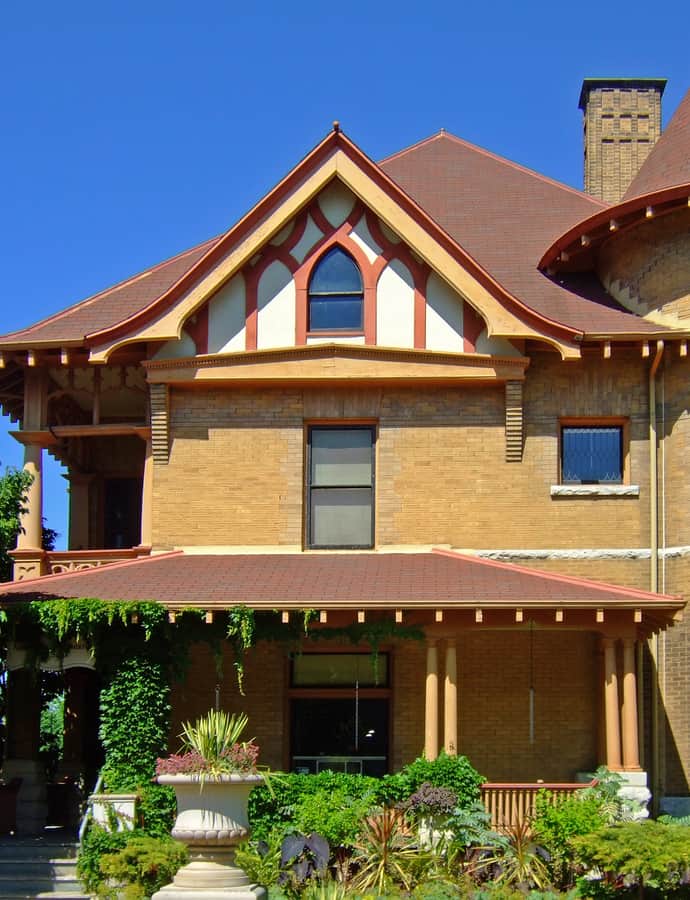
Allen Centennial Gardens was built in 1897 in the Queen Anne style to a design by Conover & Porter. It is listed on the National Register of Historic Places and the Wisconsin State Register of Historic Places.
Photo: James Steakley , CC BY-SA 3.0
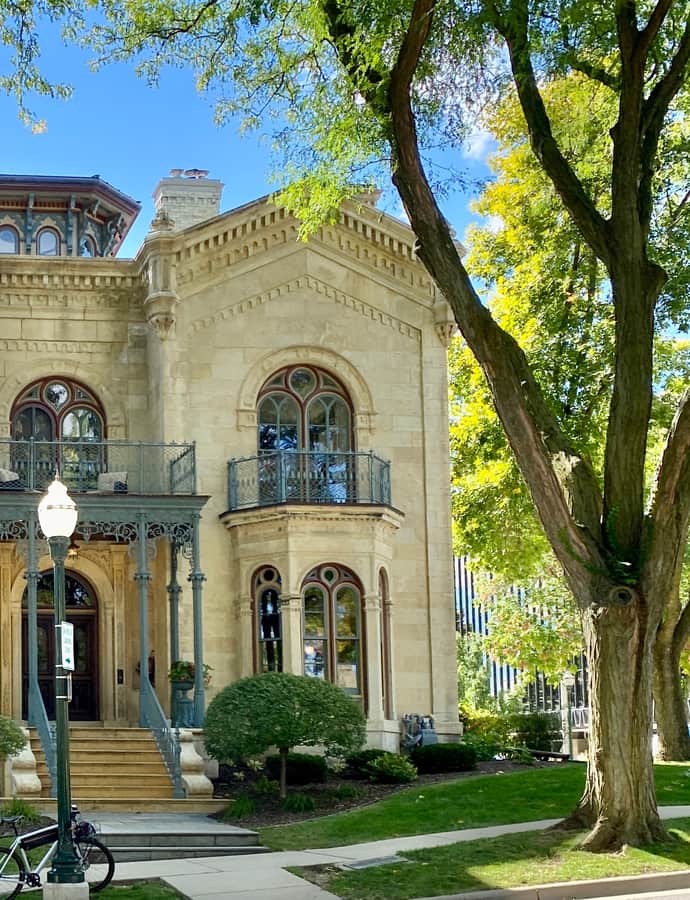
The Carrie Pierce House was built in 1857 on the isthmus to a design by architect August Kutzbock in the Rundbogenstil, or round-arch, style. It is a Madison Landmark and is listed on both the National Register of Historic Places and the Wisconsin State Register of Historic Places.
Photo: Carrie Pierce House, Pinckney Street and Gilman Street, Mansion Hill, Madison, WI.jpg: w_lemay derivative work: James Steakley , CC BY 2.0
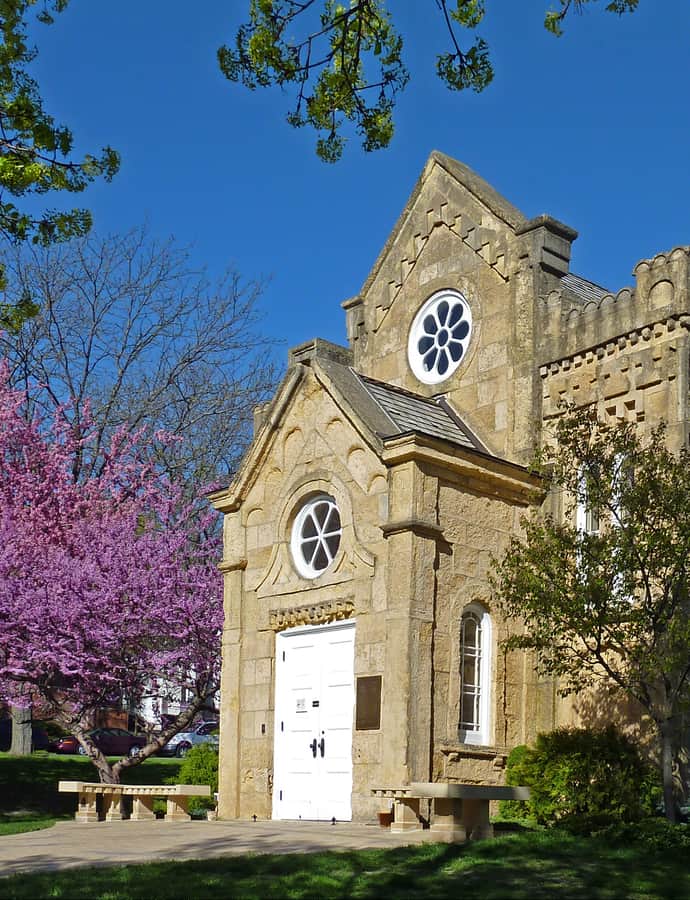
Gates of Heaven Synagogue was built in 1863 on the isthmus to a design by architect August Kutzbock, again in the Rundbogenstil, or round-arch, style he used for the Carrie Pierce House. It is a Madison Landmark and is listed on the National Register of Historic Places and the Wisconsin State Register of Historic Places.
Photo: James Steakley , CC BY-SA 3.0
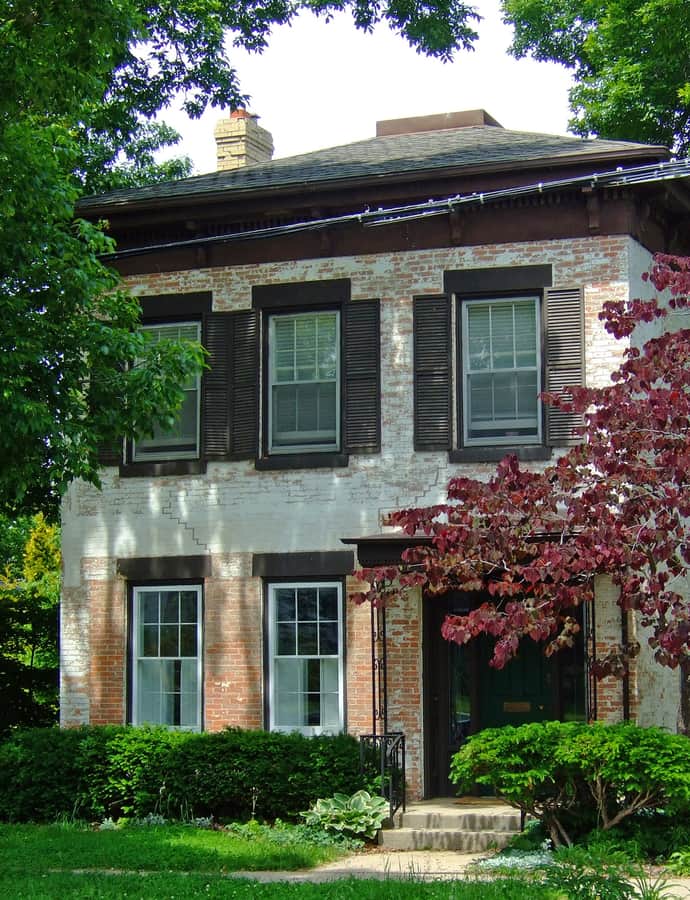
Hyer's Hotel dates to 1854 and stands as a Madison Landmark, listed both on the National Register of Historic Places as a contributing property and in the Wisconsin State Register of Historic Places. It was built in the Italianate style, one of the more ornate architectural fashions available to Madison builders in the mid-1850s.
Photo: James Steakley , CC BY-SA 3.0
The Madison Masonic Temple was completed in 1923 to a Neoclassical design by the firm Law, Law & Potter. It is individually designated a Madison Landmark and is also listed on the National Register of Historic Places and the Wisconsin State Register of Historic Places.

Landmark
The Madison Milwaukee Road depot was built in 1903 on the isthmus and designed by Frost & Granger, a firm noted for its railroad-depot architecture. The depot is listed on the National Register of Historic Places.
Photo: James Steakley , CC BY-SA 3.0
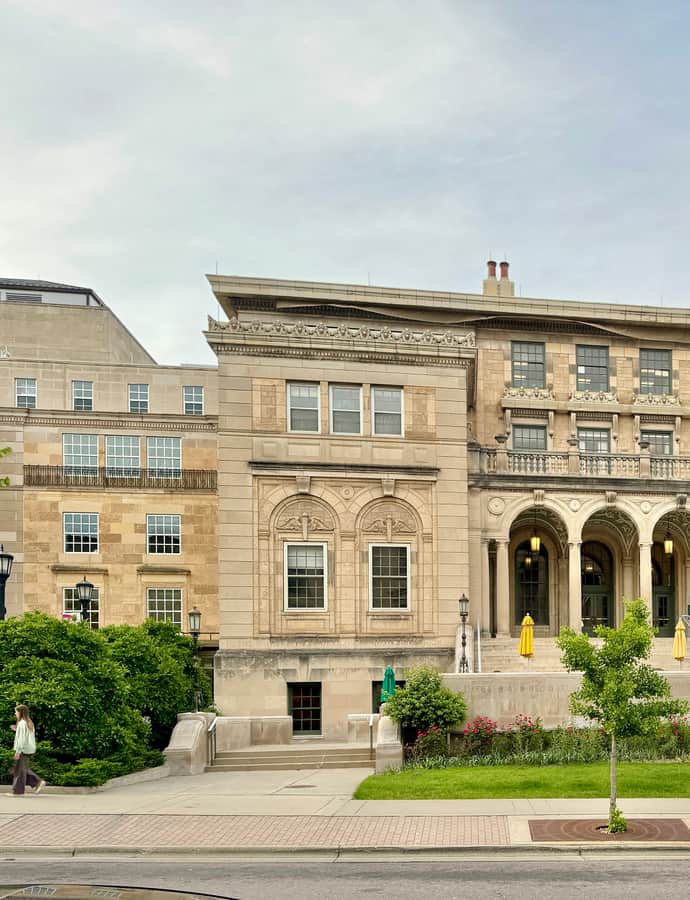
Memorial Union is the University of Wisconsin's landmark student union, built in the Renaissance Revival style and recognized as a contributing property on the National Register of Historic Places as well as the Wisconsin State Register of Historic Places. Its facade and lakeside terrace are among the most visible and well-known gathering spaces on campus.
Photo: w_lemay , CC BY-SA 2.0
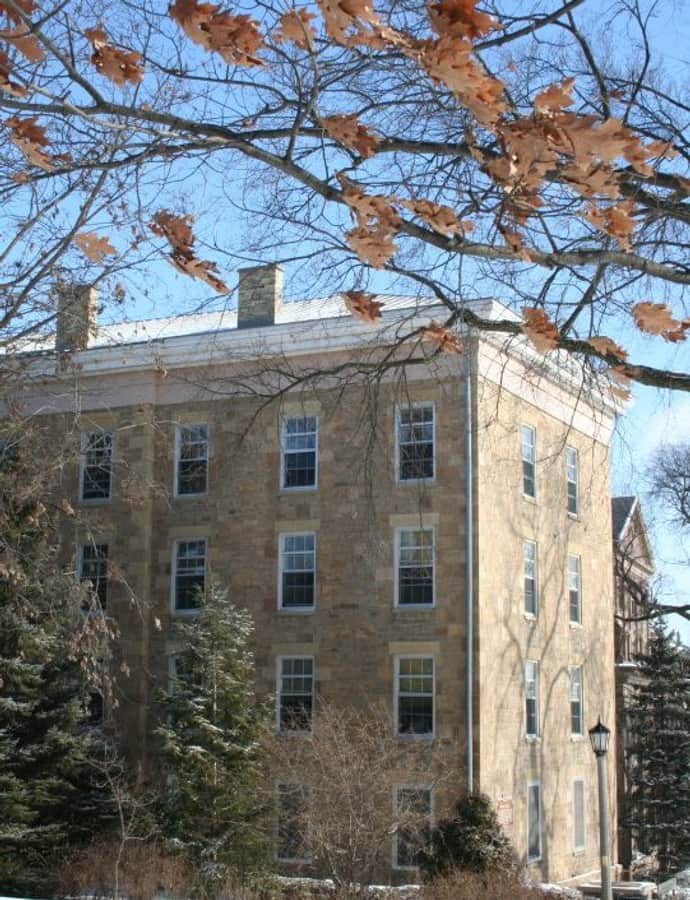
North Hall was built in 1851 to a design by architect John F. Rague in the Greek Revival style, making it one of the oldest buildings on the University of Wisconsin campus. It holds National Historic Landmark status in addition to listings on the National Register of Historic Places and the Wisconsin State Register of Historic Places.
Photo: Slambo , CC BY-SA 3.0
The Overture Center for the Arts, completed in 2004 to a Contemporary design by César Pelli, anchors the State Street streetscape at Capitol Square. The complex preserves and incorporates two historic State Street facades, the 1923 Yost Building and the 1928 Capitol Theater, within Pelli's modern design.
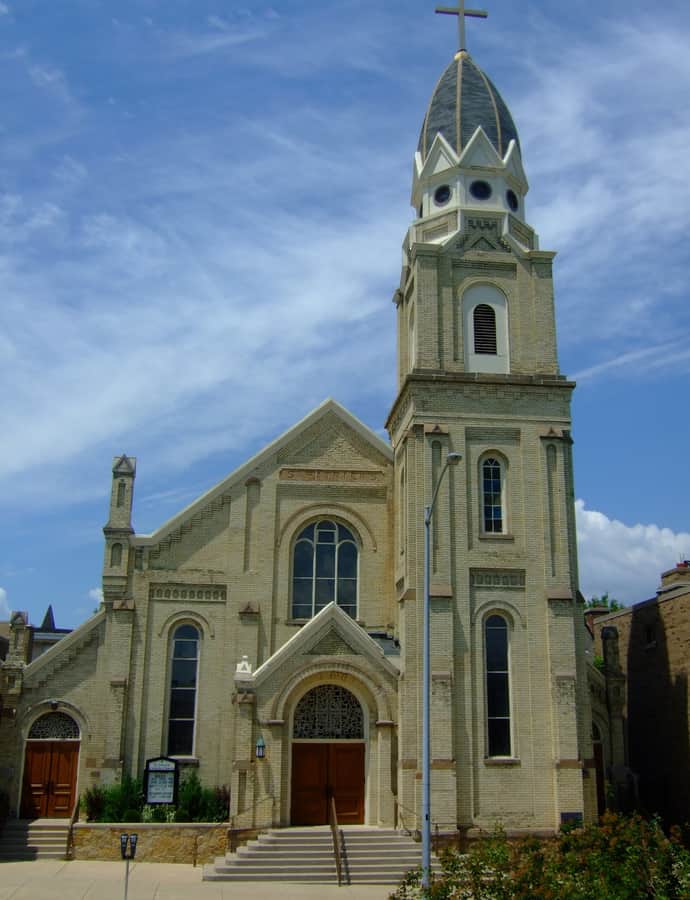
St. Patrick's Roman Catholic Church was completed in 1888 to a Romanesque Revival design by John Nader. It is individually designated a Madison Landmark and is also listed on the National Register of Historic Places and the Wisconsin State Register of Historic Places.
Photo: James Steakley , CC BY-SA 3.0
Fine buildings that fewer people seek out.
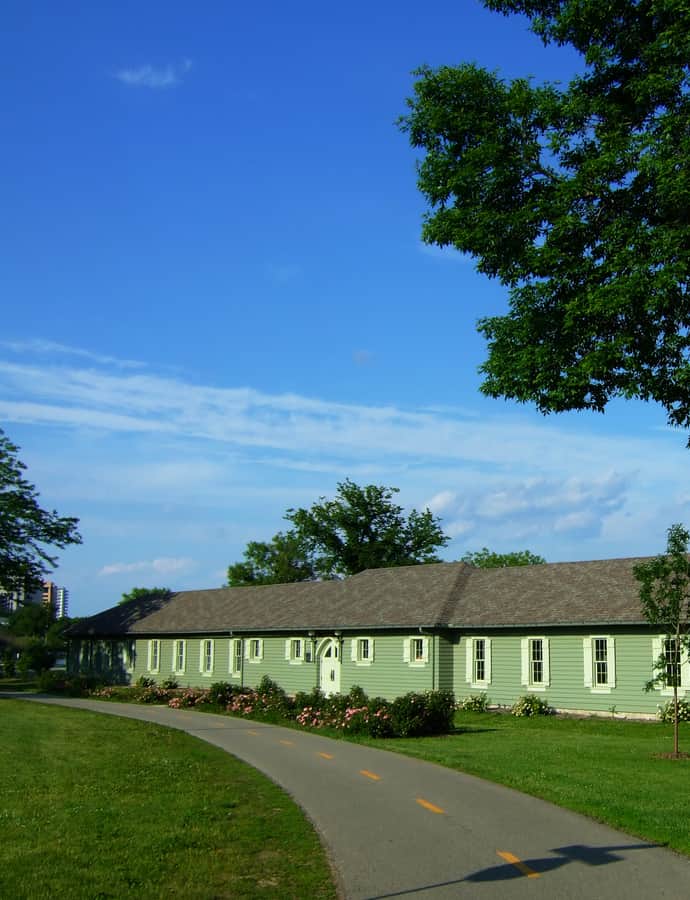
Landmark
The Brittingham Boathouse dates to 1909 and was designed by Ferry & Clas, the Wisconsin architectural firm behind a number of the state's notable buildings. It sits on the isthmus in Madison and is listed on both the National Register of Historic Places and the Wisconsin State Register of Historic Places.
Photo: James Steakley , CC BY-SA 3.0
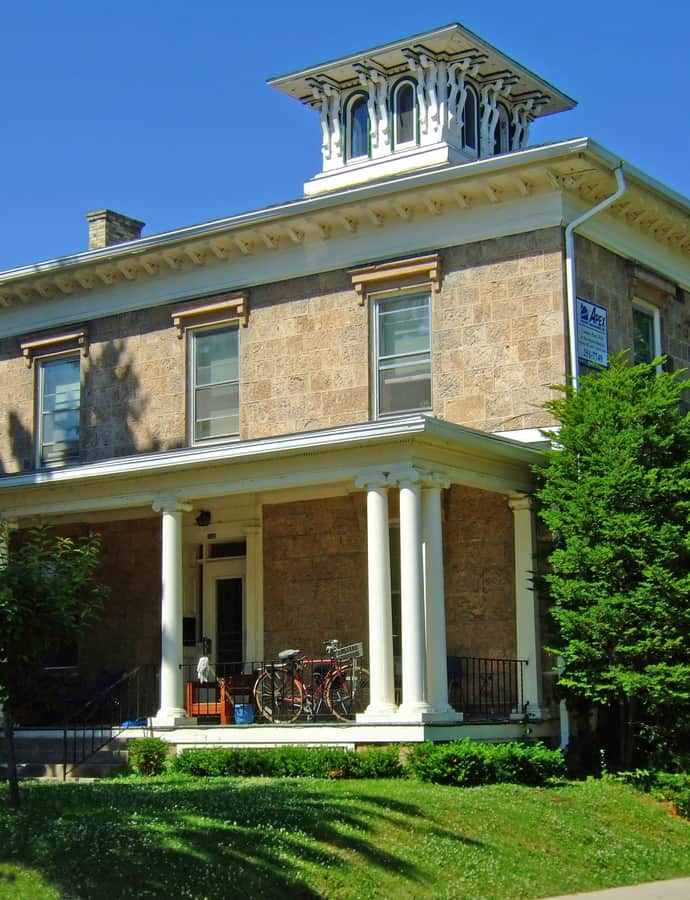
The James B. Bowen House was built in 1855 in the Italianate style. It is a Madison Landmark and is listed on the National Register of Historic Places and the Wisconsin State Register of Historic Places.
Photo: James Steakley , CC BY-SA 3.0
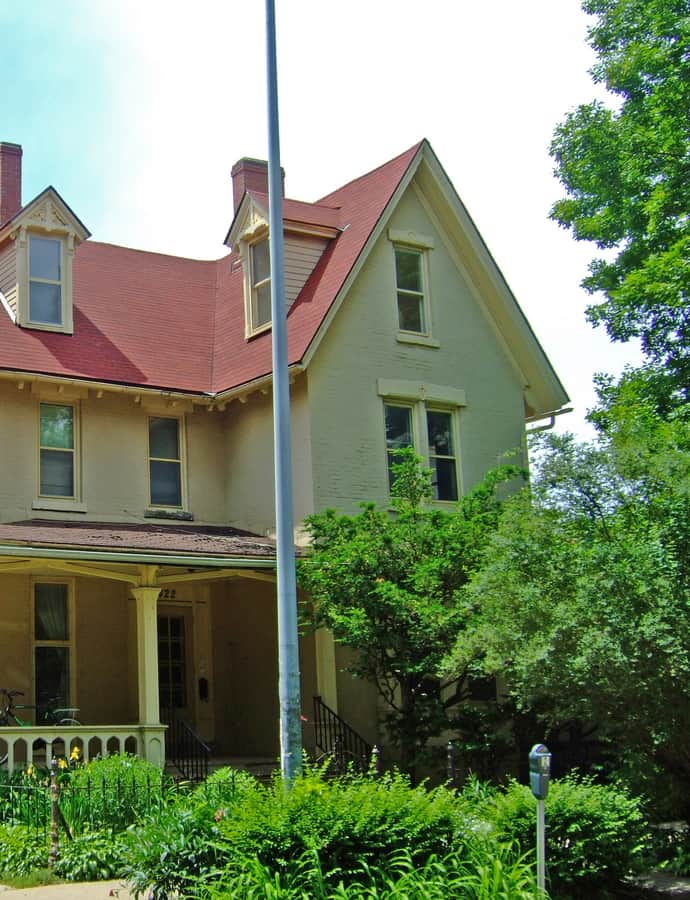
The Judge Arthur B. Braley House was built in 1875 on the isthmus in the Gothic Revival style. Named for the judge, it is a Madison Landmark and is listed on the National Register of Historic Places and the Wisconsin State Register of Historic Places.
Photo: James Steakley , CC BY-SA 3.0


,_Gilman_Street,_Mansion_Hill,_Madison,_WI_-_52762366487.jpg)


,_University_of_Wisconsin,_Langdon_Street,_Madison,_WI_-_54302241387.jpg)


