
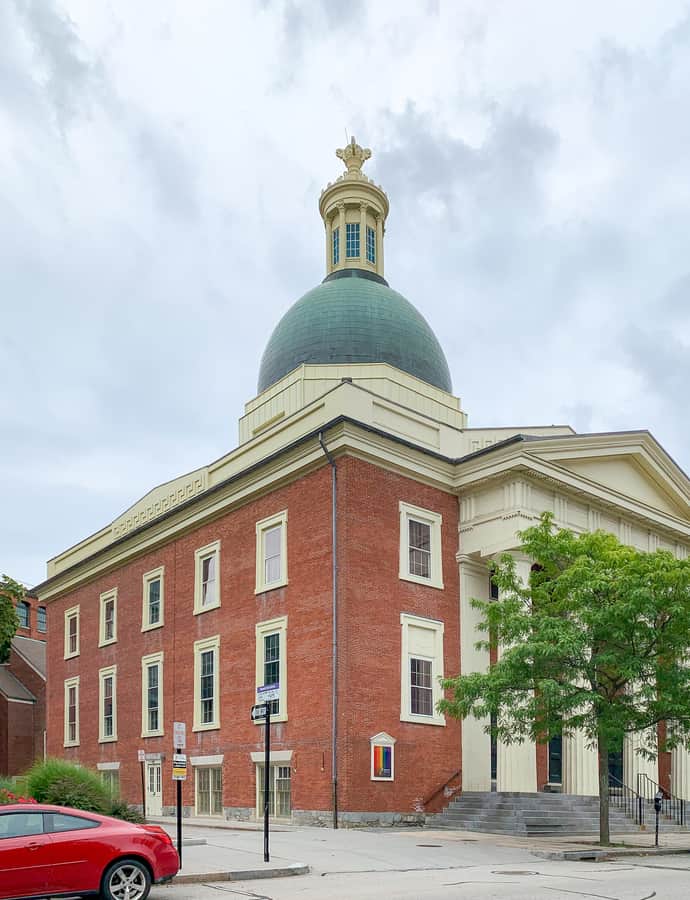
Beneficent Congregational Church
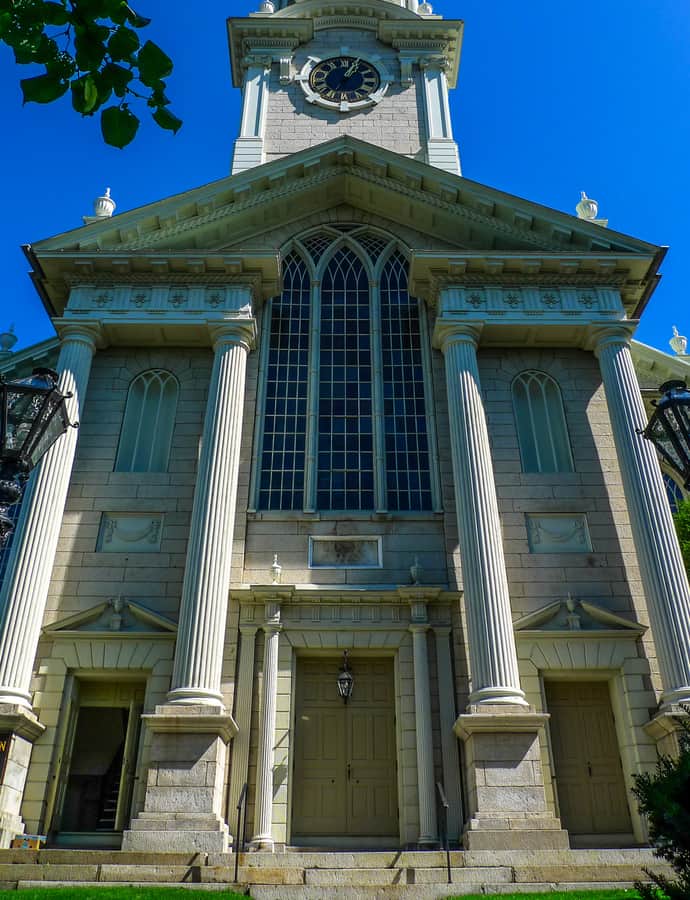
Beneficent Congregational Church was built in 1809 in the Greek Revival style, making it an early dated church with a distinct style. It is listed on the National Register of Historic Places.
Photo: Filetime , CC0
City guide
65 buildings worth a detour, each with what to look for. Open them on the map, or walk them with the iPhone app, which collects each one you photograph.
The buildings that define the city's architecture.
Beneficent Congregational Church was built in 1809 in the Greek Revival style, making it an early dated church with a distinct style. It is listed on the National Register of Historic Places.
Photo: Filetime , CC0
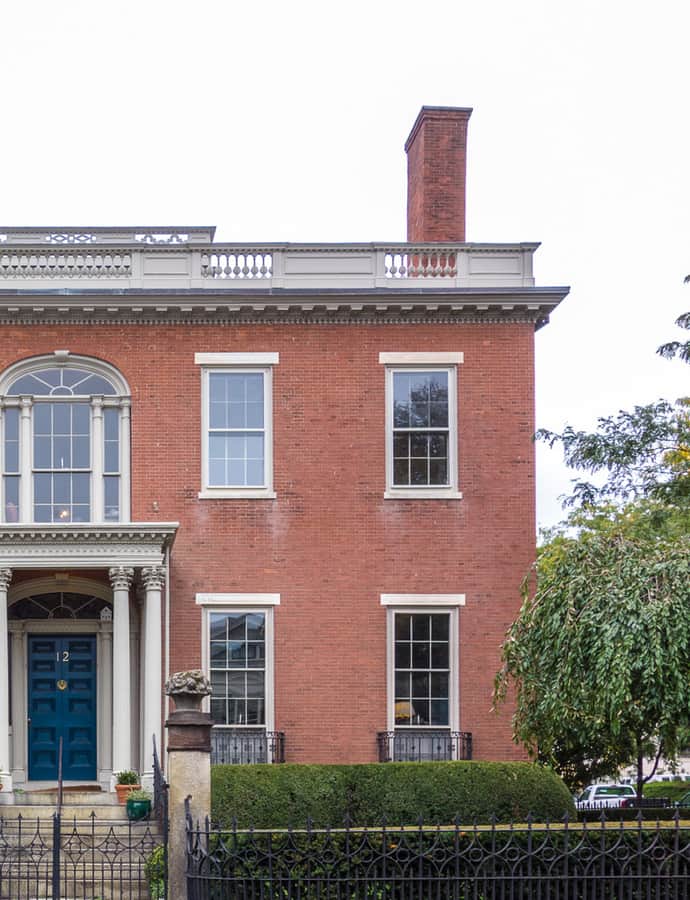
The Candace Allen House was designed by architect John Holden Greene and built in 1818 in College Hill in the Federal style. It is listed on the National Register of Historic Places.
Photo: Kenneth C. Zirkel , CC BY-SA 3.0
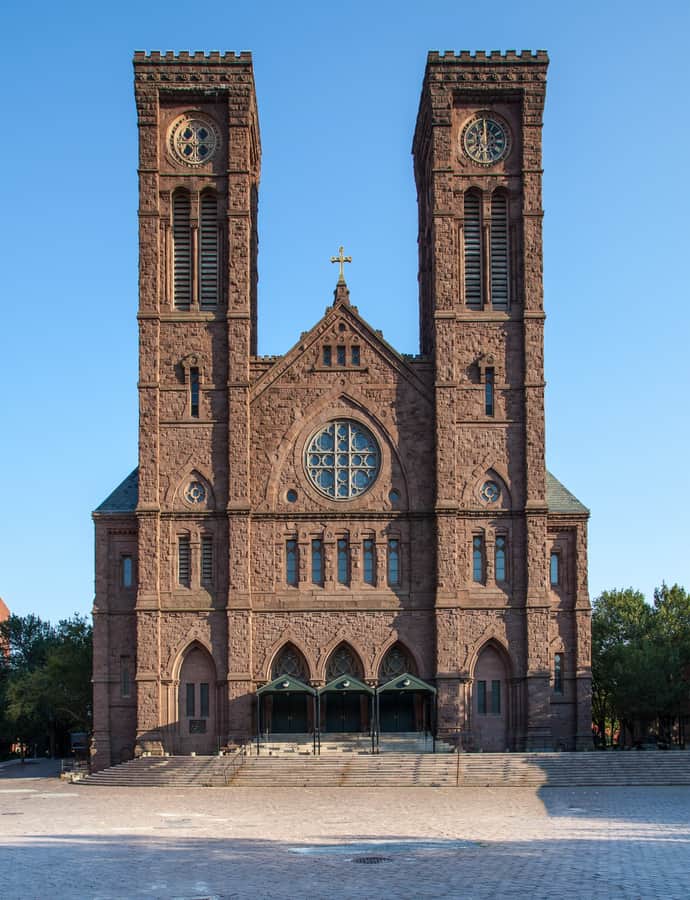
The Cathedral of Saints Peter and Paul in downtown Providence was designed by Patrick Charles Keely in the Romanesque Revival style. It is listed on the National Register of Historic Places and has a strong presence on the street.
Photo: Kenneth C. Zirkel , CC BY-SA 3.0
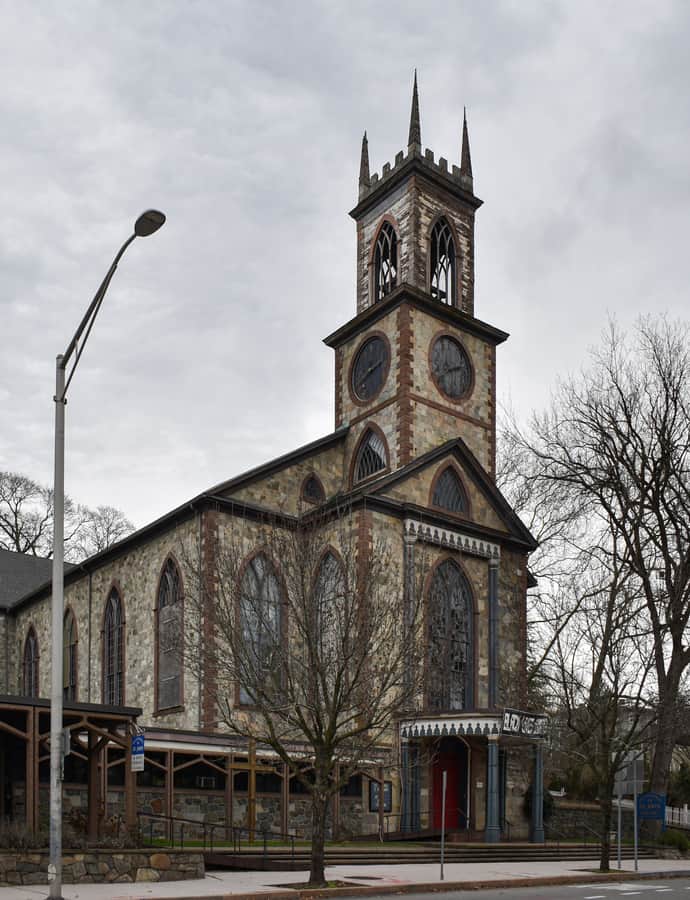
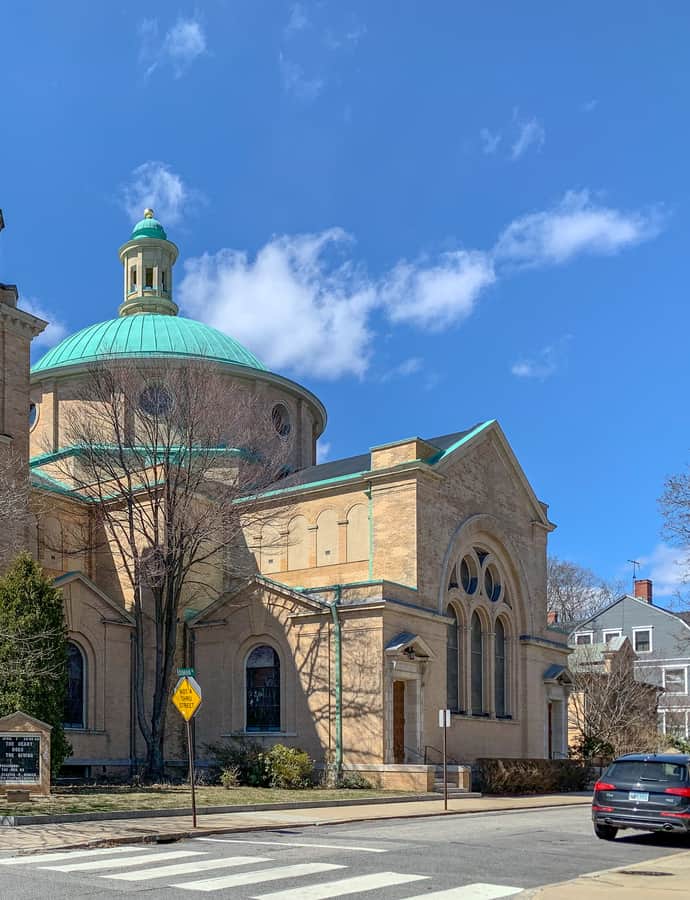
Central Congregational Church in Providence, Rhode Island, was built in 1893 in the Renaissance Revival style, designed by Carrère and Hastings, a major national architecture firm.
Photo: Kenneth C. Zirkel , CC BY-SA 4.0
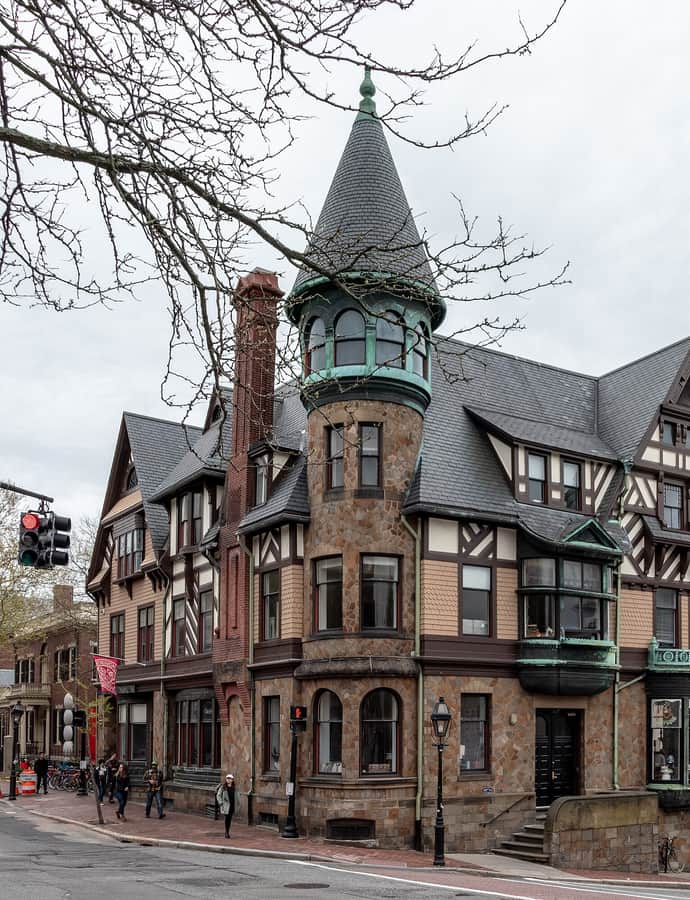
The Dr. George W. Carr House is built in the Queen Anne style, with an ornate Queen Anne facade visible from the sidewalk. It is listed on the National Register of Historic Places.
Photo: Kenneth C. Zirkel , CC BY-SA 4.0
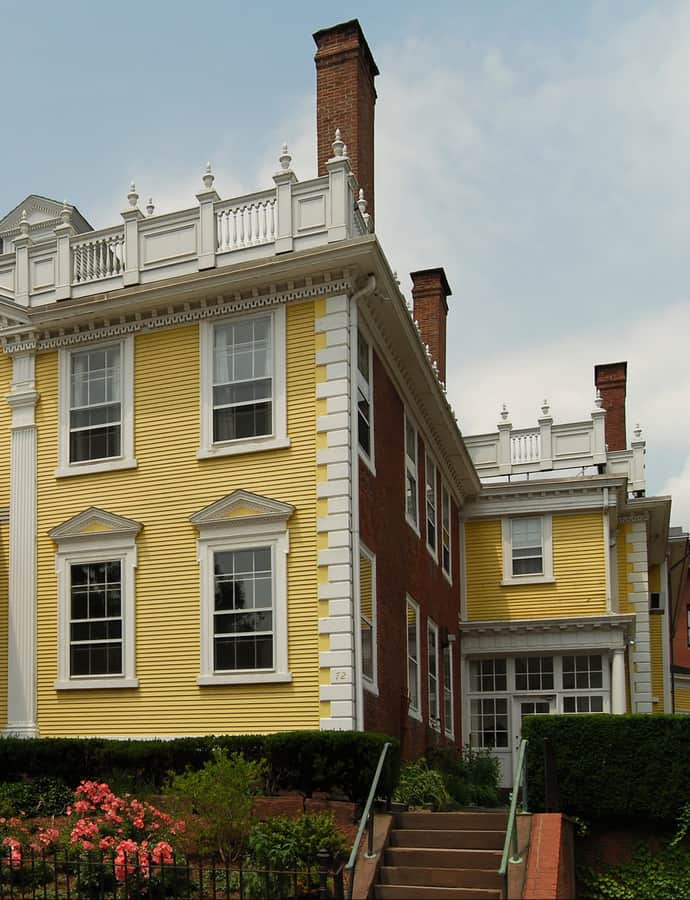
The Edward Dexter House is built in the Georgian and Federal architectural styles, with a historic house facade visible from the street. It is listed on the National Register of Historic Places.
Photo: Marcbela (Marc N. Belanger) , Public domain
The Elizabeth Building is a downtown commercial building designed by architect Alfred E. Stone in the Italianate style. It is listed on the National Register of Historic Places.
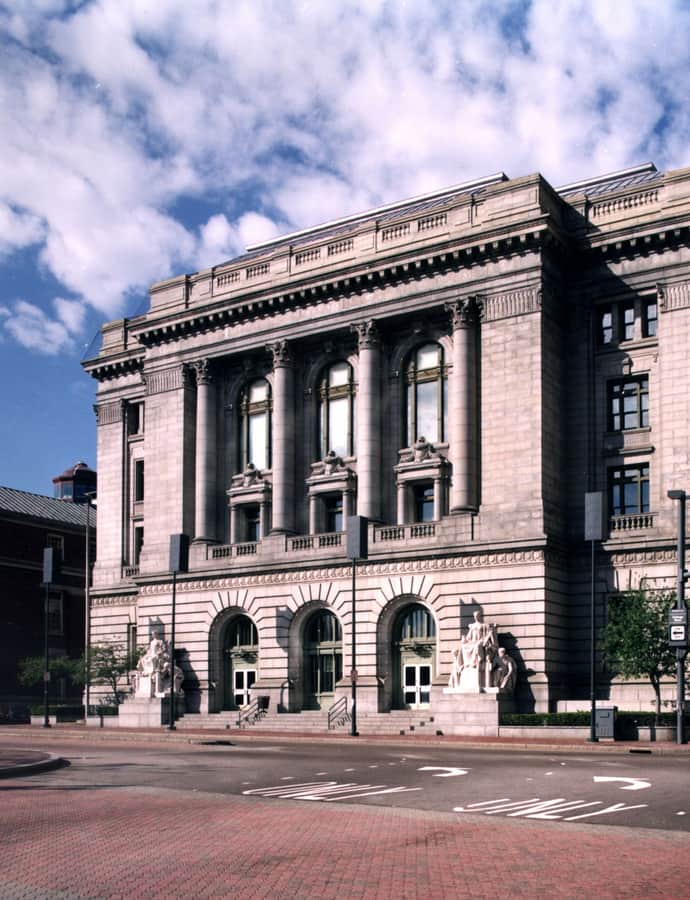
The Federal Building is a downtown building designed by the architecture firm Clarke & Howe in the Beaux-Arts style. It is listed on the National Register of Historic Places.
Photo: General Services Administration , Public domain
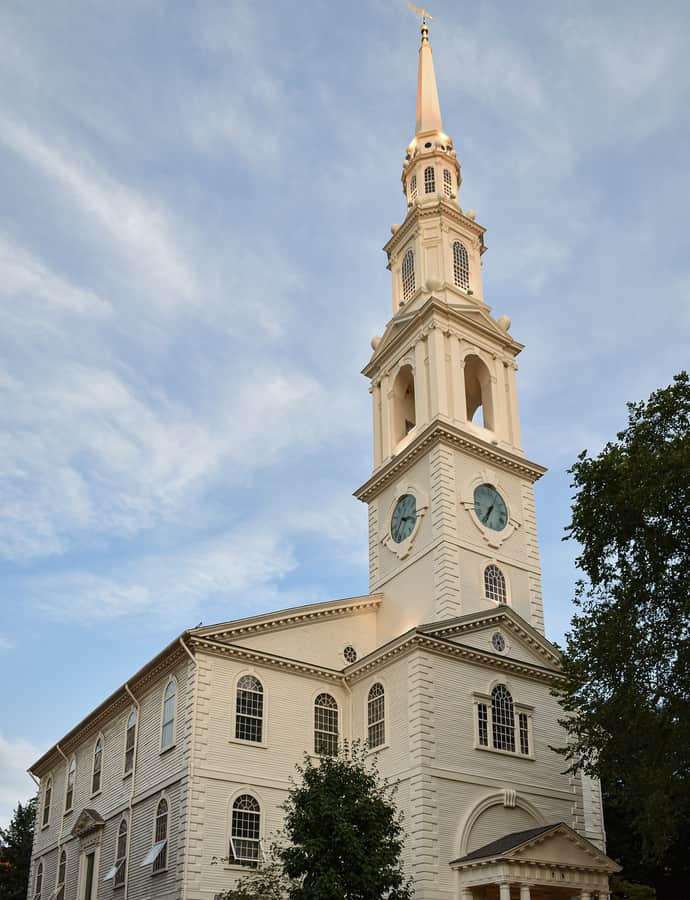
The First Baptist Church in America, on College Hill, is home to the first Baptist congregation founded in America. Built in the Georgian style, it is designated a National Historic Landmark and is also listed on the National Register of Historic Places.
Photo: Filetime , CC BY-SA 4.0
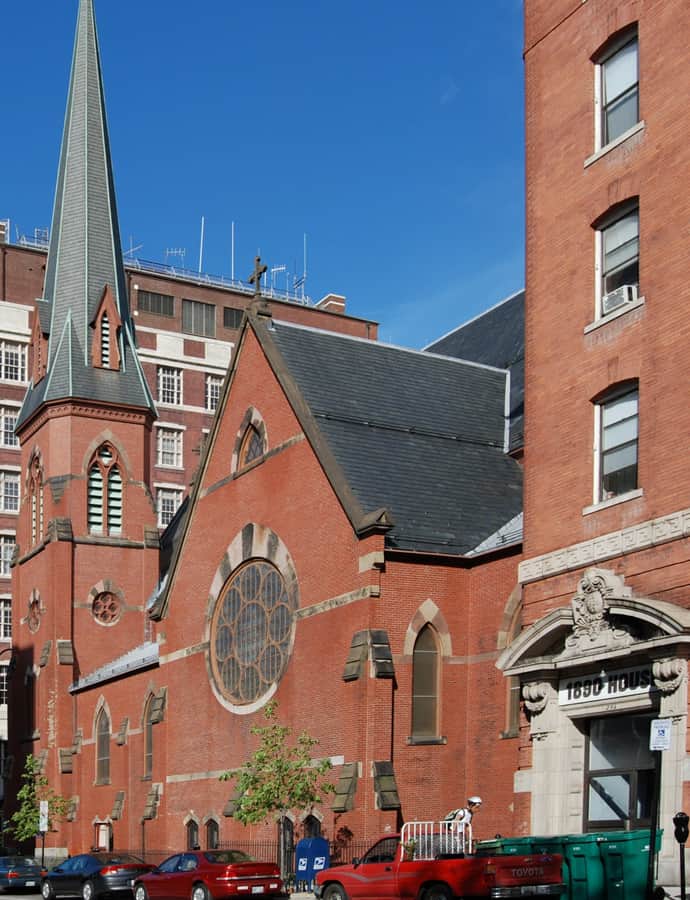
First Universalist Church is built in the High Victorian Gothic style, a distinctive Gothic church style. It is listed on the National Register of Historic Places.
Photo: Marcbela (Marc N. Belanger) , Public domain
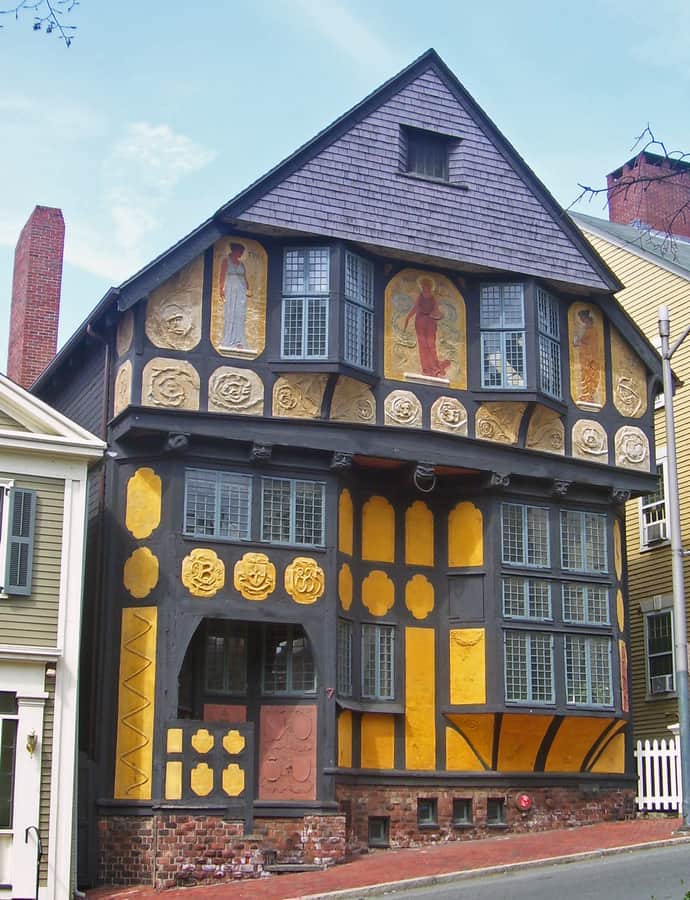
Fleur-de-lys Studios is an artist studio building in College Hill built in the Tudor Revival style, distinguished by its half-timbered facade. It is a National Historic Landmark and is listed on the National Register of Historic Places.
Photo: Daniel Case , CC BY-SA 3.0
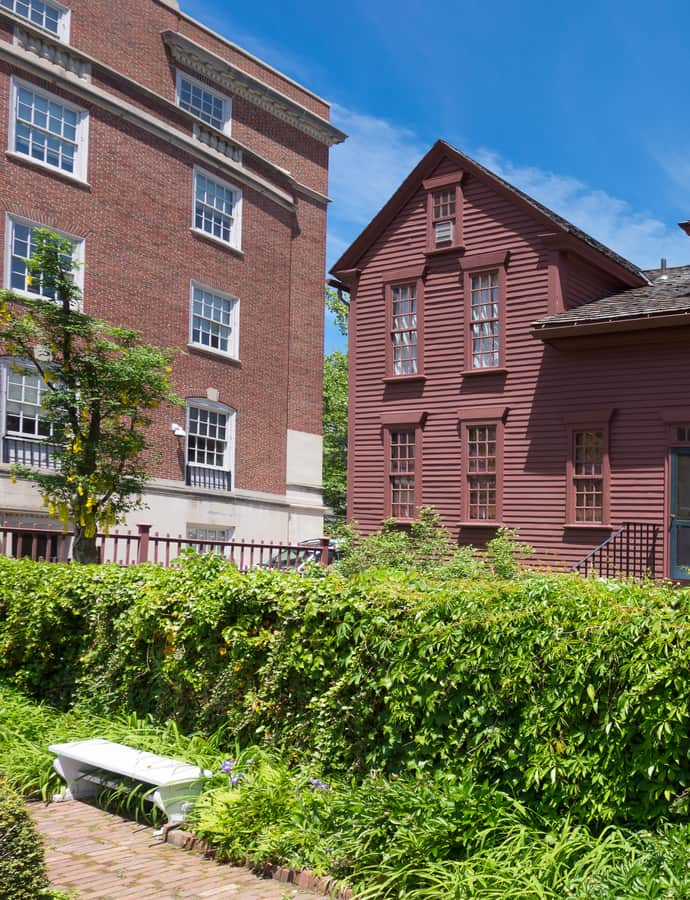
Landmark
The Governor Stephen Hopkins House was home to a colonial governor who also signed the Declaration of Independence. It is designated a National Historic Landmark and is listed on the National Register of Historic Places, and its colonial house facade remains visible from the street.
Photo: Kenneth C. Zirkel , CC BY-SA 4.0
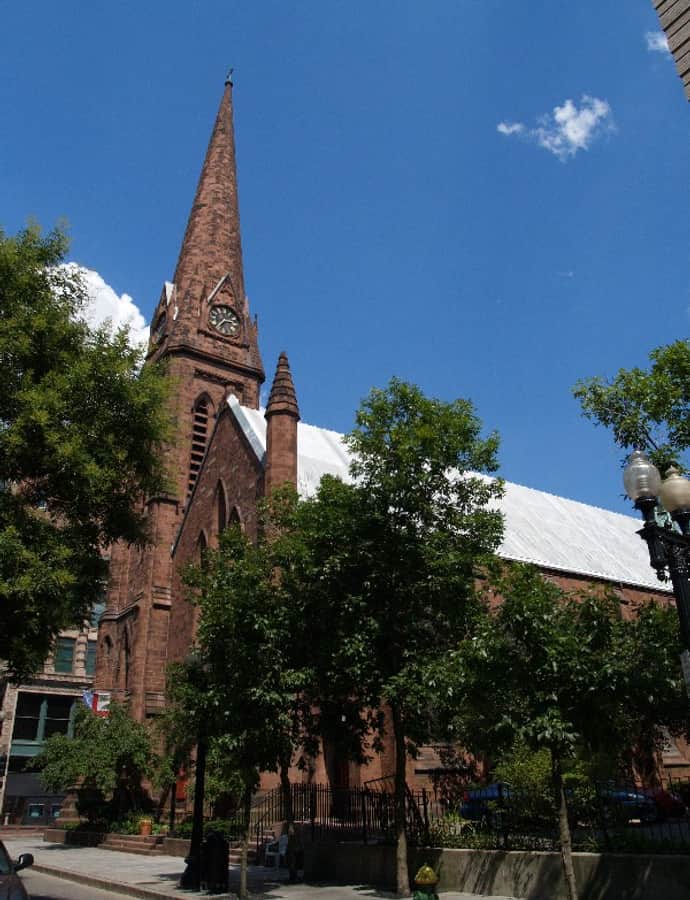
Grace Church in downtown Providence was built in 1829 in the Gothic Revival style. Its design involved two significant architects across its history, Richard Upjohn and Ralph Adams Cram, and the church is a National Register of Historic Places contributing property and listed place.
Photo: Marcbela , Public domain
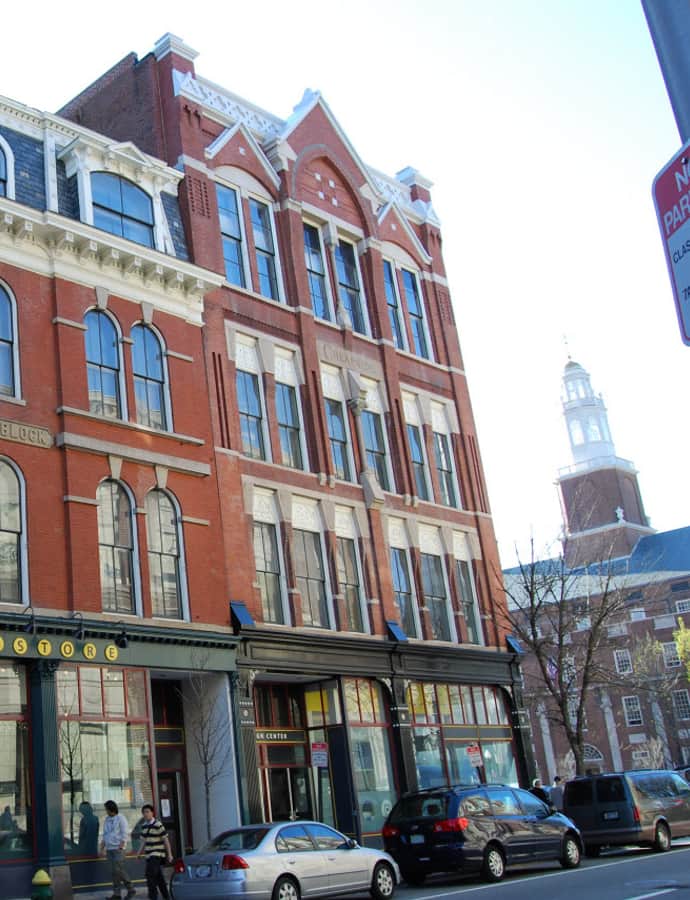
Hope Block and Cheapside is a mansard-roofed commercial block on College Hill, built in the Second Empire style and listed on the National Register of Historic Places. The steep mansard roofline, the hallmark of Second Empire design, is visible from the street and marks it as part of that wave of 19th-century commercial architecture in the United States and Canada.
Photo: Marcbela (Marc N. Belanger) , Public domain
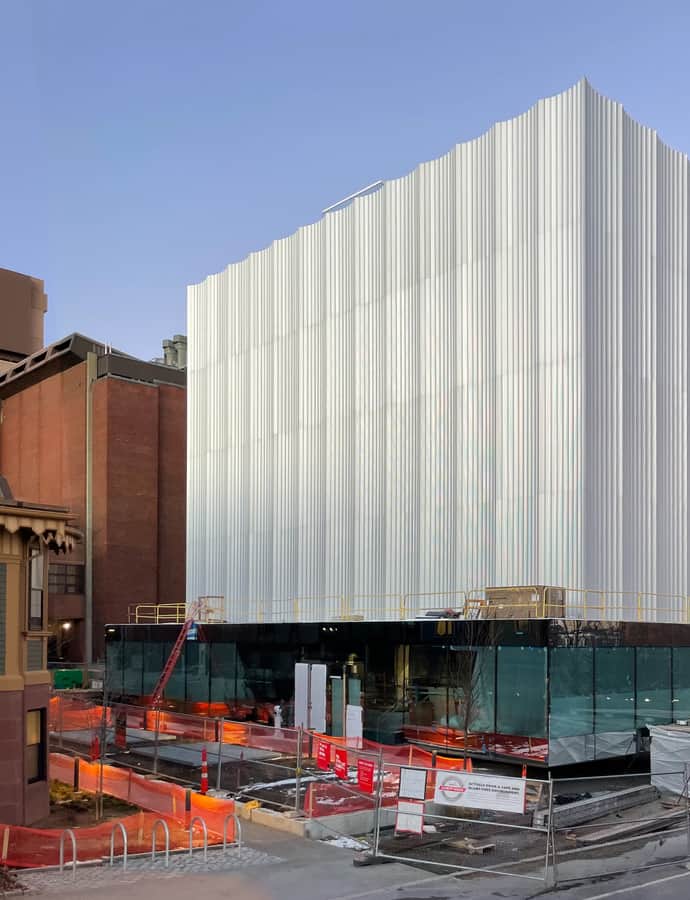
The Lindemann Performing Arts Center was designed by the architecture firm REX and completed in 2023 on the College Hill campus, introducing a new performing arts typology to the campus.
Photo: Kenneth C. Zirkel , CC BY-SA 4.0
The Providence Biltmore is a hotel tower in downtown Providence, completed in 1922 and designed by the firm Warren and Wetmore in the Beaux-Arts style. It is listed on the National Register of Historic Places.
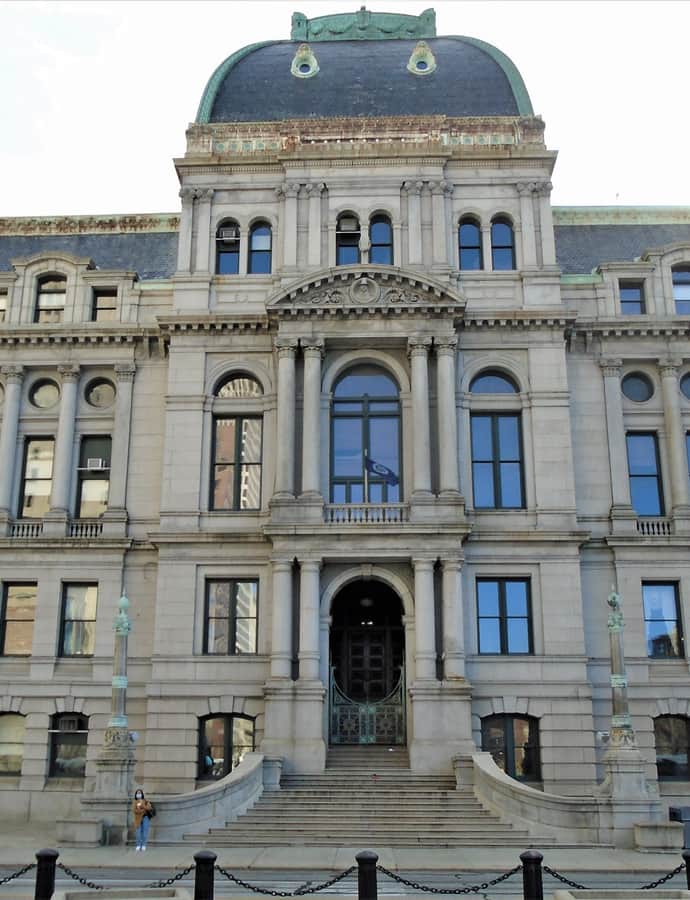
Providence City Hall, completed in 1878 and designed by Samuel J. F. Thayer in the Second Empire style, has served as the seat of city government in downtown Providence. It is listed on the National Register of Historic Places.
Photo: Beyond My Ken , CC BY-SA 4.0
Landmark
The Providence Performing Arts Center began as a movie palace, designed by Rapp and Rapp, the architects noted for their movie palace work. It is listed on the National Register of Historic Places, and the building has since been turned from a historic movie palace into a performing arts venue.
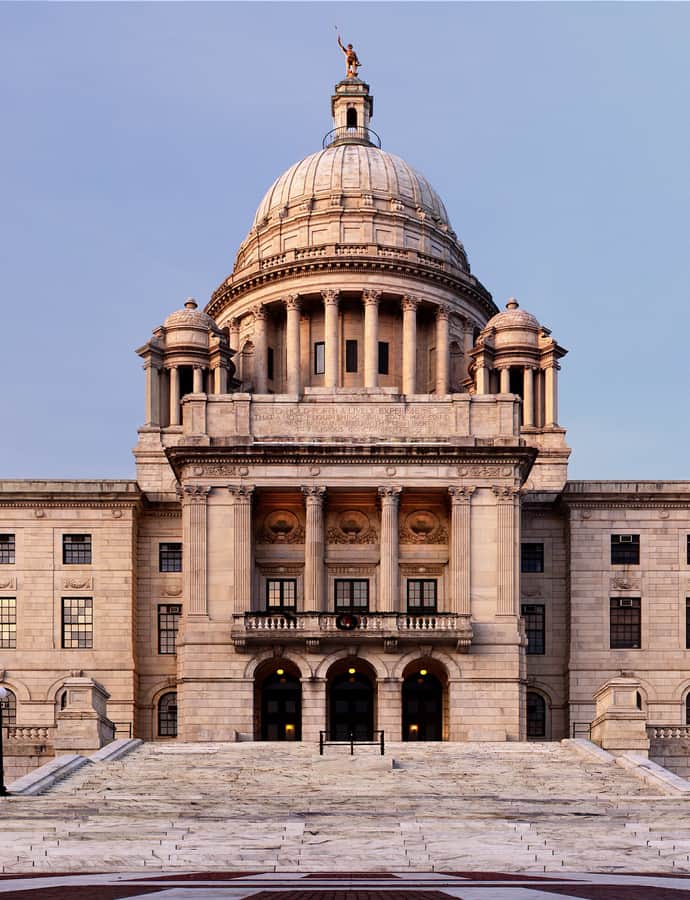
The Rhode Island State House is the state capitol, completed in 1904 in the Neoclassical style by the firm McKim, Mead & White. It is listed on the National Register of Historic Places and stands as a prominent, iconic civic landmark in Providence.
Photo: Kumar Appaiah , CC BY-SA 2.0
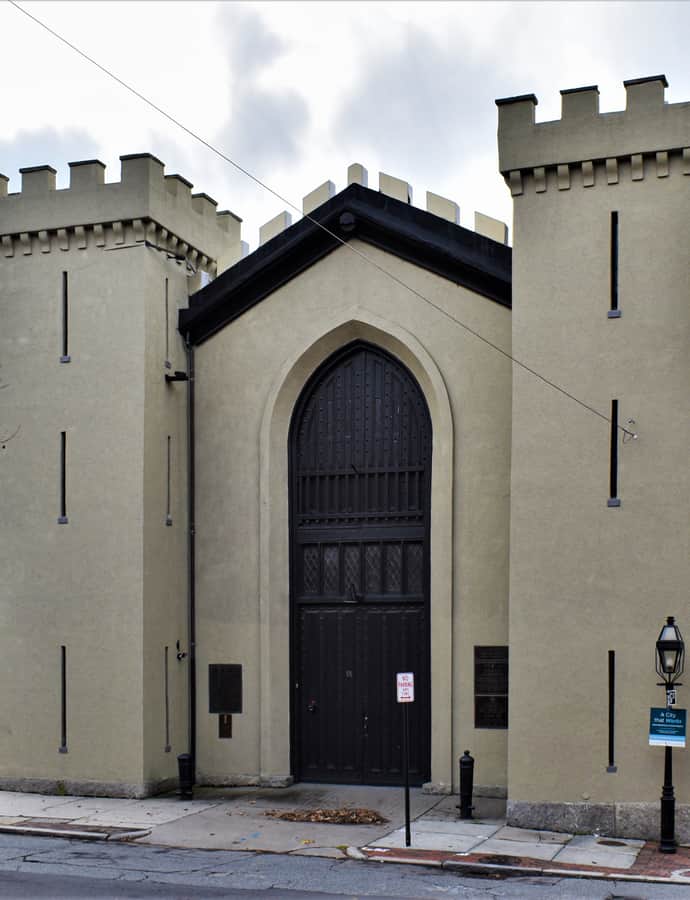
The State Arsenal is a castellated Gothic Revival armory designed by Russell Warren, a documented significant architect. It is listed on the National Register of Historic Places, and its Gothic Revival armory facade is visible from the street.
Photo: Filetime , CC BY-SA 4.0
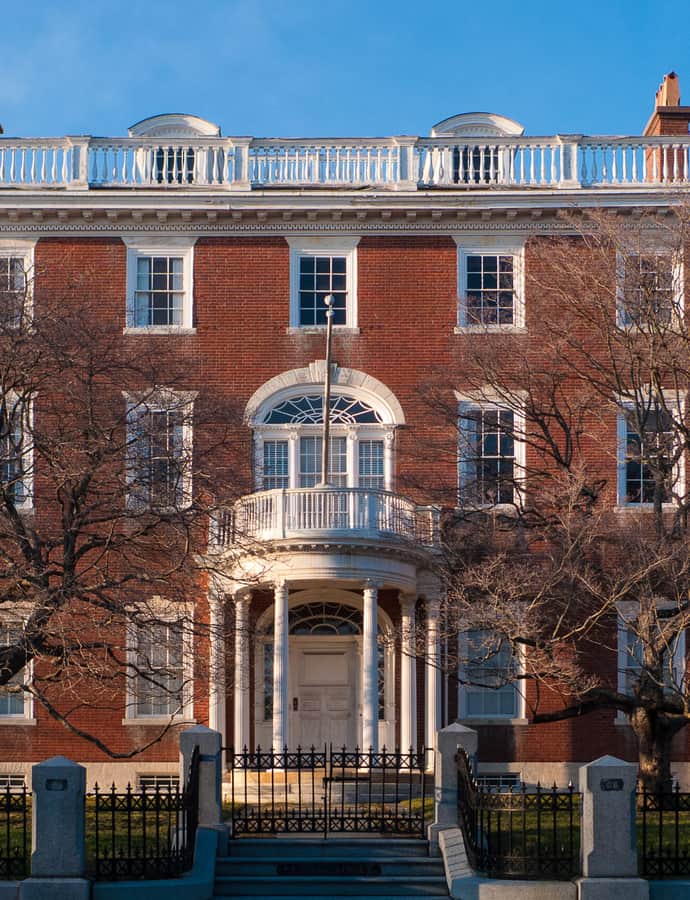
The Thomas P. Ives House is a Federal-style residence in College Hill. It is designated a National Historic Landmark and is listed on the National Register of Historic Places.
Photo: Kenneth C. Zirkel , CC BY-SA 3.0
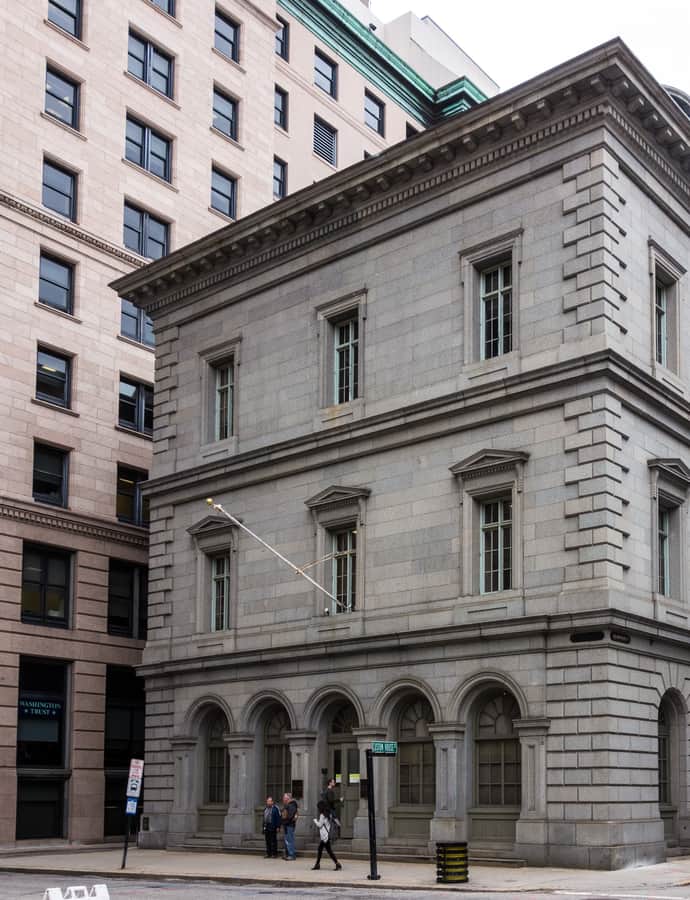
The United States Customshouse, completed in 1855 on College Hill, was designed by Ammi B. Young in the Renaissance Revival style. It is listed on the National Register of Historic Places.
Photo: Kenneth C. Zirkel , CC BY-SA 4.0
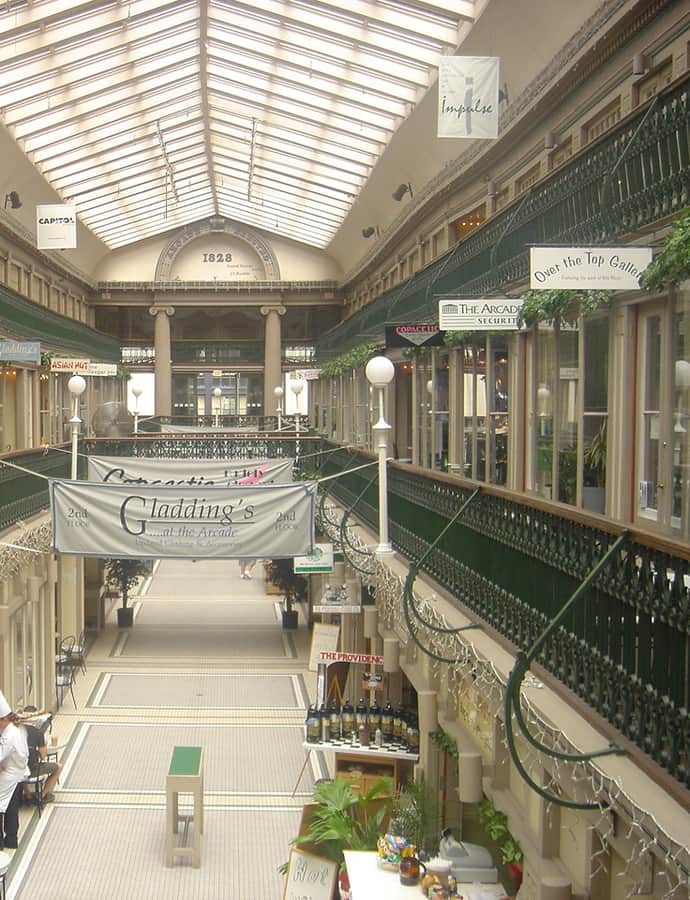
The Westminster Arcade in downtown Providence was built in the Greek Revival style and is regarded as one of the earliest indoor shopping arcades in the United States. It is a National Historic Landmark and is also listed on the National Register of Historic Places.
Photo: Nutmegger (talk) , Public domain
Worth a stop when you're nearby.
Landmark
The Central Diner is a small streetfront diner car listed on the National Register of Historic Places, the kind of roadside eatery that carries its own retellable slice of roadside-culture history.
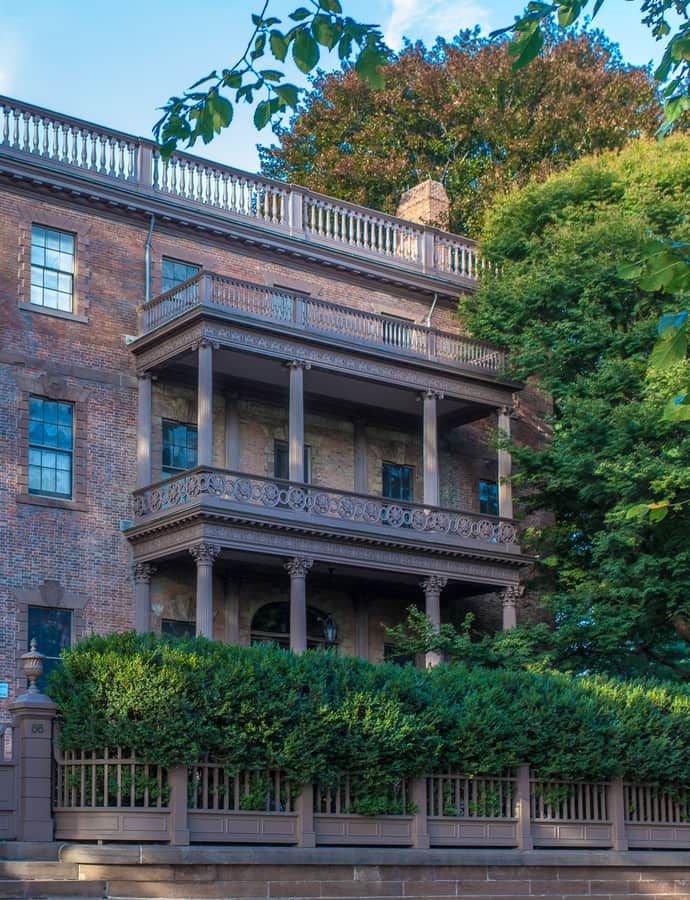
The Corliss-Carrington House on College Hill is a Federal-style historic house recognized as a National Historic Landmark and listed on the National Register of Historic Places.
Photo: Kenneth C. Zirkel , CC BY-SA 3.0
Landmark
The First Unitarian Church of Providence was completed in 1816 to a design by John Holden Greene, a documented significant Providence architect. It stands on College Hill with a prominent street-facing facade.
Photo: Kenneth C. Zirkel , CC BY-SA 3.0
Landmark
Gloria Dei Evangelical Lutheran Church is a downtown Providence church designed by Martin Hedmark. It is listed on the National Register of Historic Places.
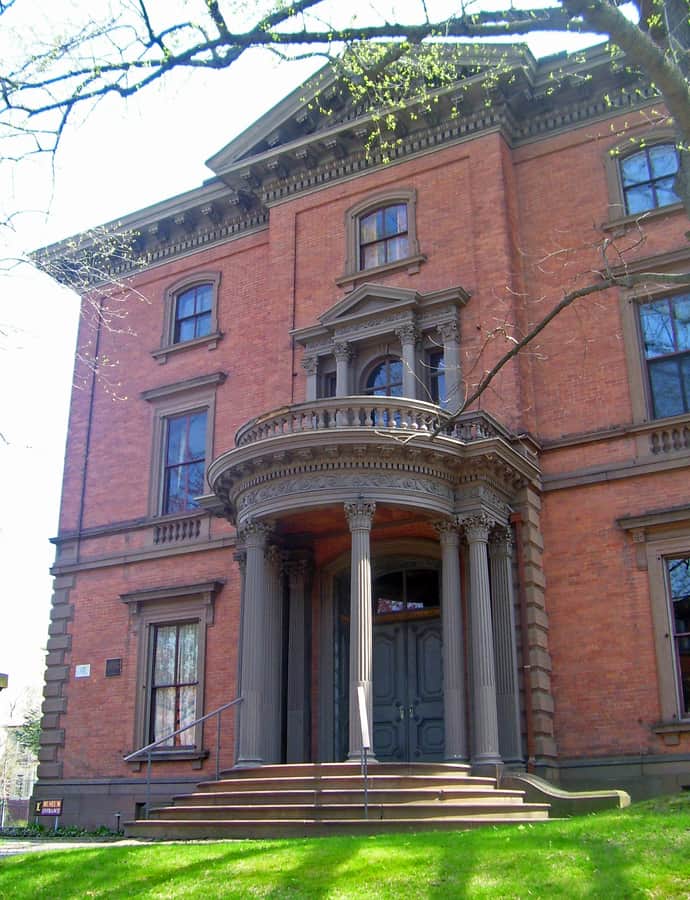
Landmark
The Governor Henry Lippitt House in College Hill was built in 1862 and takes its name from the governor who lived there. It holds the rare distinction of National Historic Landmark status, in addition to its National Register of Historic Places listing.
Photo: Daniel Case , CC BY-SA 3.0
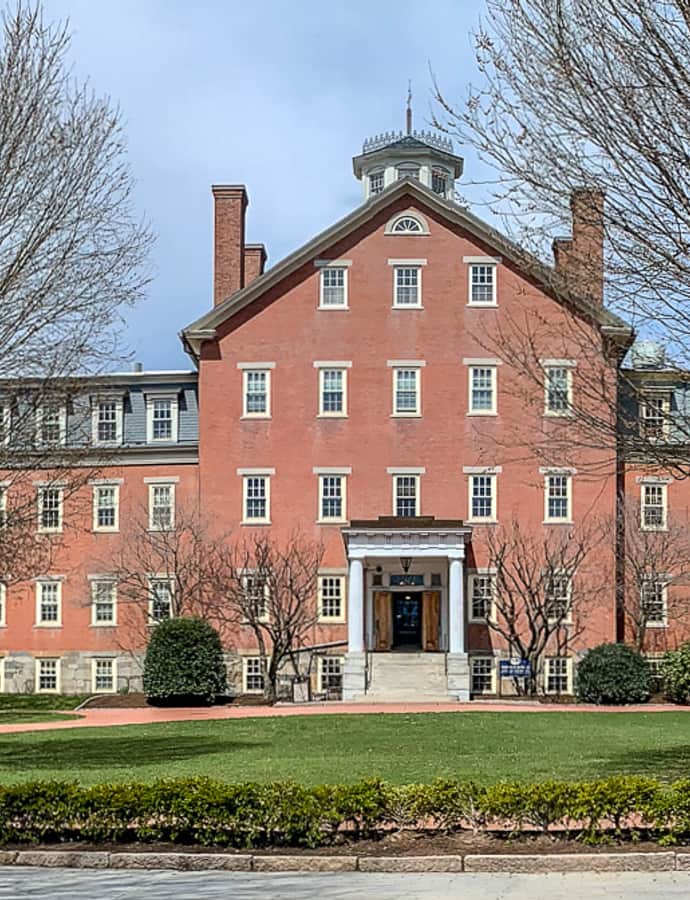
Moses Brown School, in College Hill, traces its founding to 1784, giving it a long institutional history in Providence. Its buildings mix Colonial Revival and Second Empire architecture, and the school is listed on the National Register of Historic Places.
Photo: Kenneth C. Zirkel , CC BY-SA 4.0
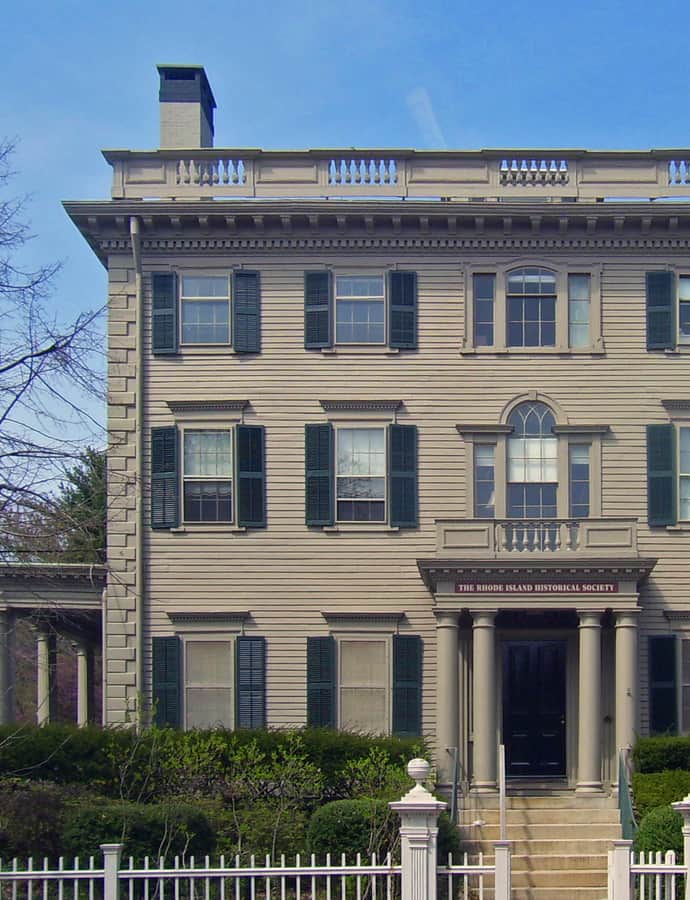
The Nelson W. Aldrich House in College Hill was designed by Providence architect John Holden Greene in the Federal style and is associated with Nelson W. Aldrich. It is listed on the National Register of Historic Places.
Photo: Daniel Case , CC BY-SA 3.0
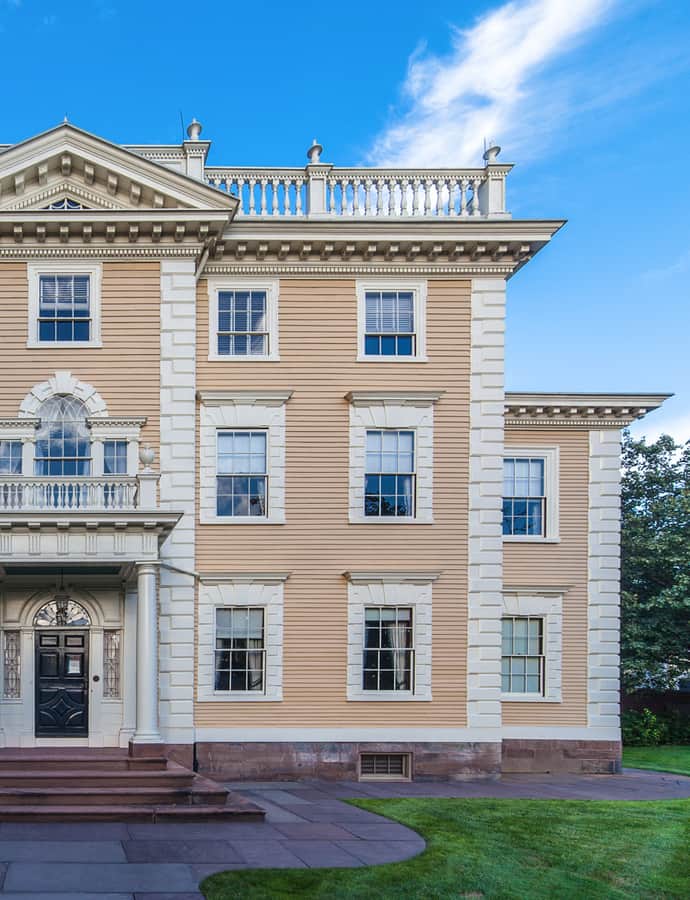
American colonial architecture
The Nightingale–Brown House in College Hill is built in the American colonial architecture tradition and is designated a National Historic Landmark as well as listed on the National Register of Historic Places. Its name points to the notable families associated with the property.
Photo: Kenneth C. Zirkel , CC BY-SA 3.0
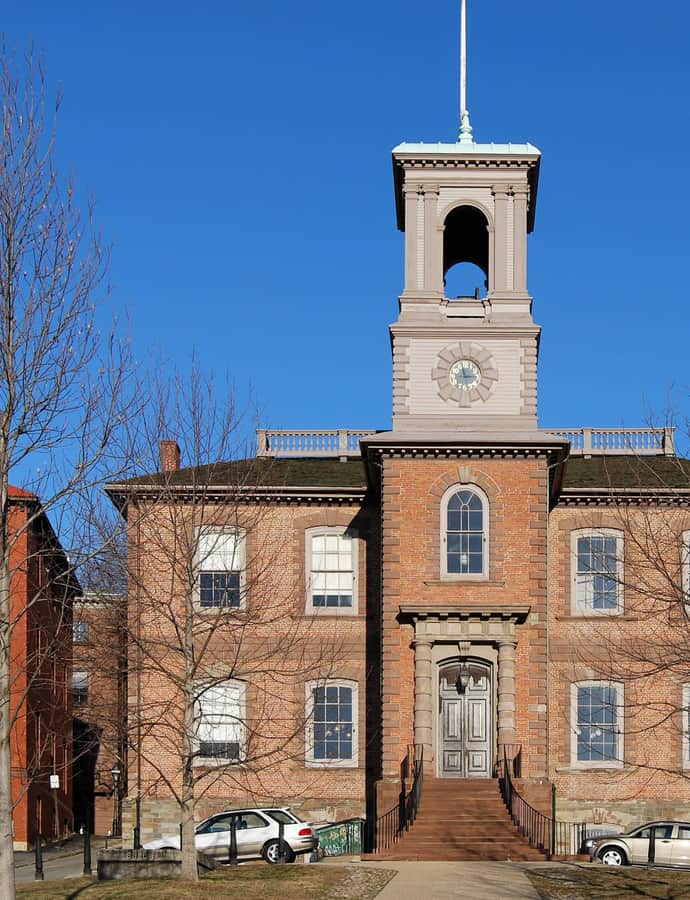
The Old State House on College Hill served as the former seat of Rhode Island's state government and is built in the Georgian style. It is a prominent standing landmark today, listed on the National Register of Historic Places both as an individually listed place and as a contributing property.
Photo: Marcbela , Public domain
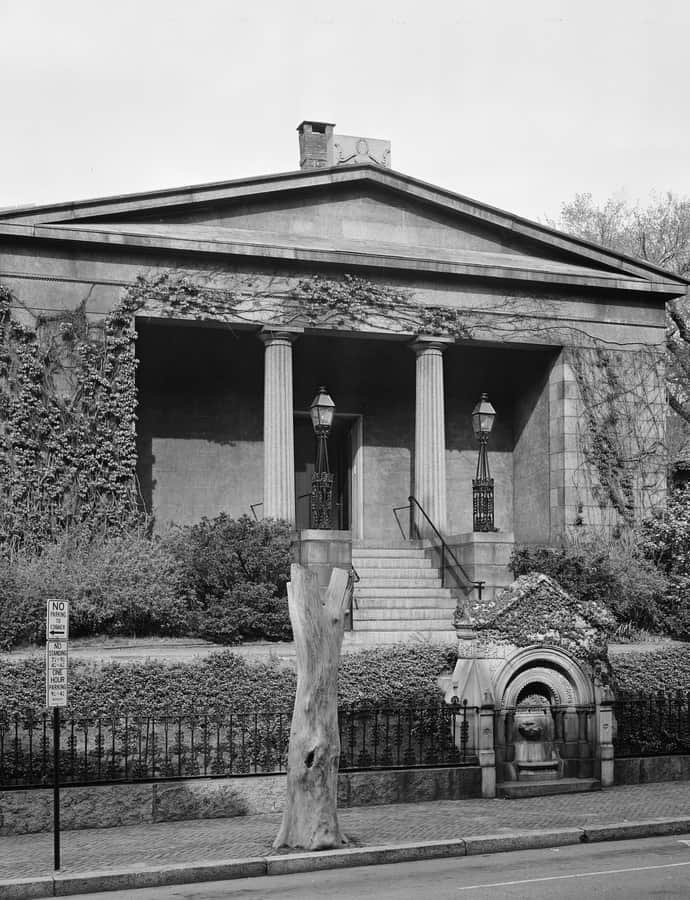
The Providence Athenaeum is a subscription library on College Hill designed by William Strickland and completed in 1836. Its Greek Revival facade fronts the street and reflects the era's turn to classical forms for civic and literary institutions.
Photo: Laurence E. Tilley , Public domain
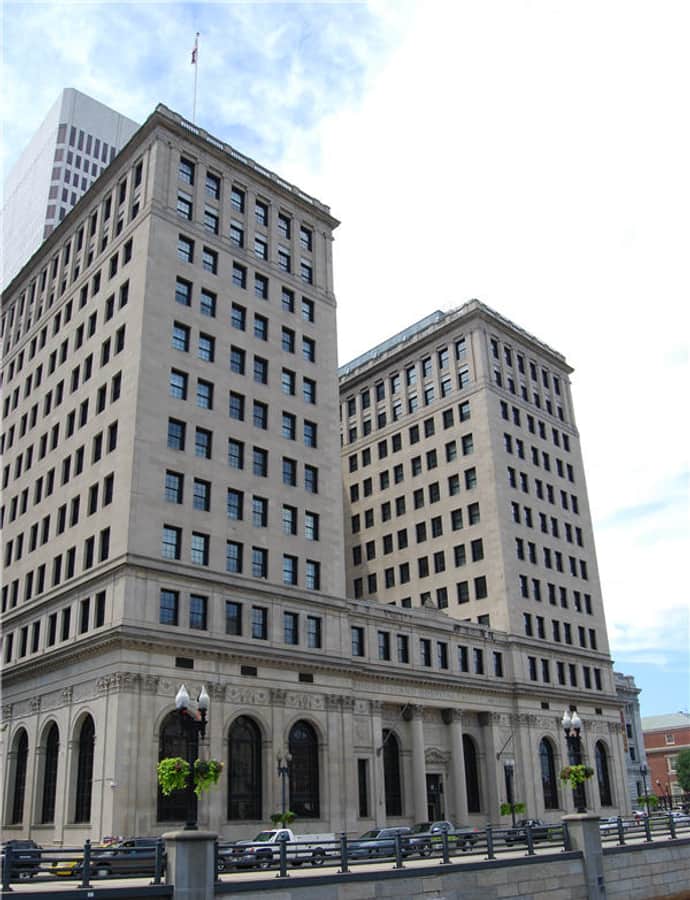
Landmark
The Rhode Island Hospital Trust Building is a bank building in College Hill designed by York and Sawyer, a firm known for significant architectural work. It presents a prominent street-facing facade and is recognized both on the National Register of Historic Places and in OpenStreetMap's heritage listings.
Photo: Marcbela (Marc N. Belanger) , Public domain
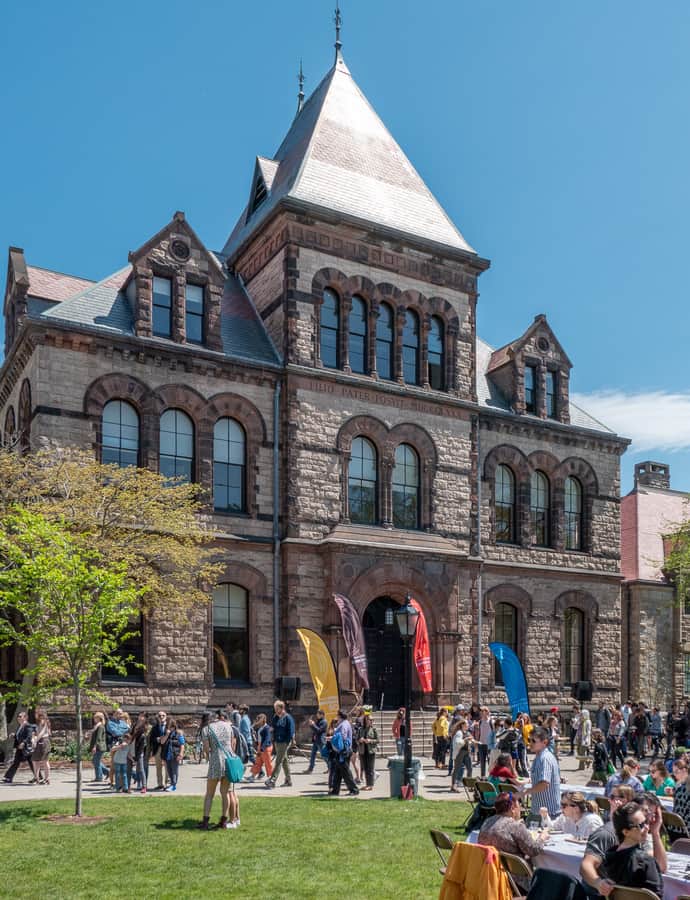
Sayles Memorial Hall in College Hill was built in 1881 in the Richardsonian Romanesque style and is recognized as a contributing property to the National Register of Historic Places.
Photo: Kenneth C. Zirkel , CC BY-SA 3.0
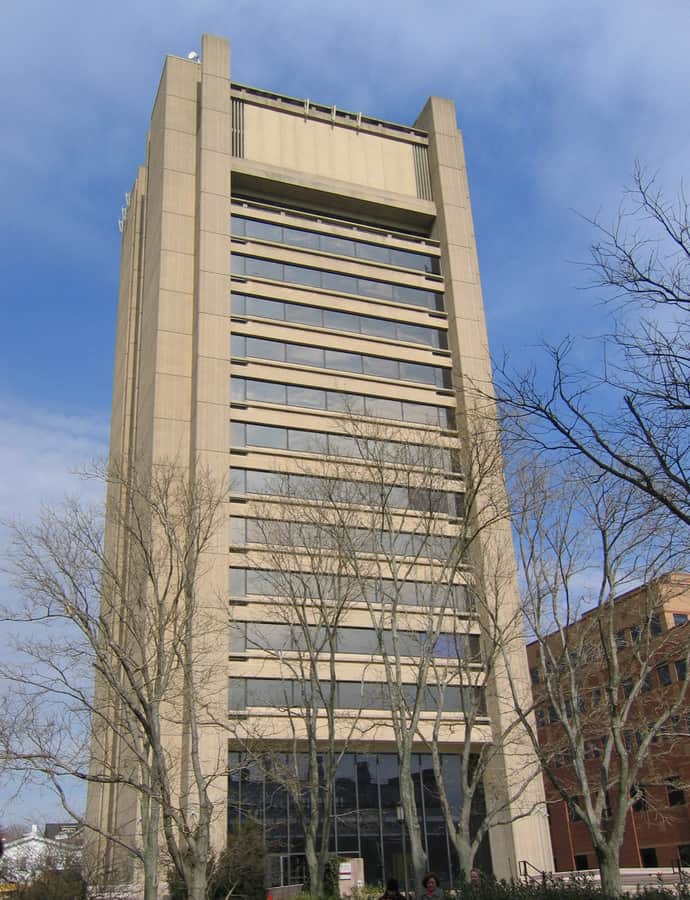
Landmark
The Shepard Company Building in downtown Providence was designed by the firm Martin & Hall and is listed on the National Register of Historic Places.
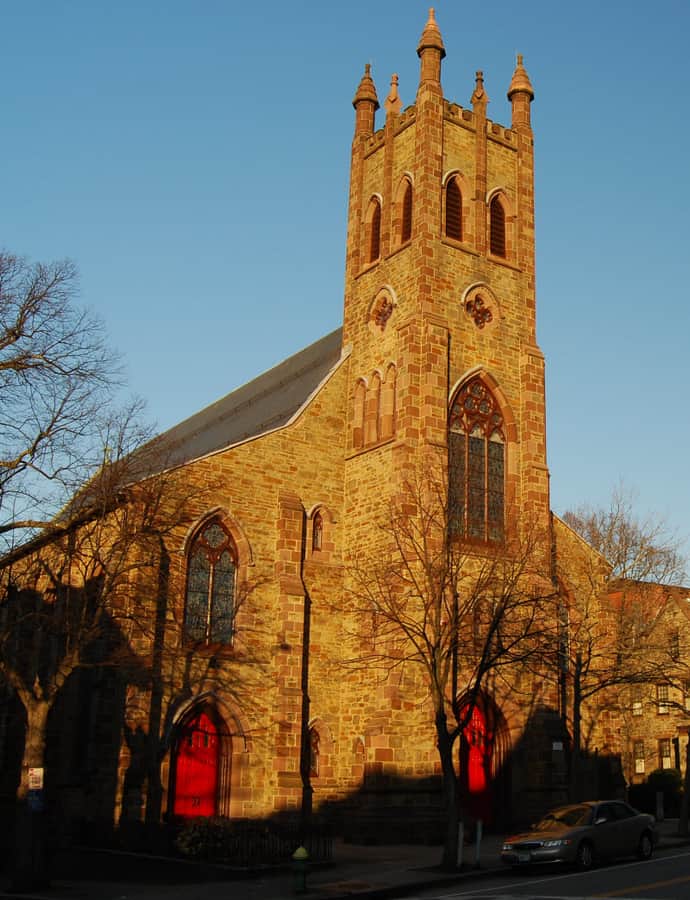
Landmark
St. Joseph's Roman Catholic Church on College Hill was designed by Patrick Charles Keely, a prolific 19th-century church architect, and is listed on the National Register of Historic Places.
Photo: Marcbela (Marc N Belanger) , Public domain
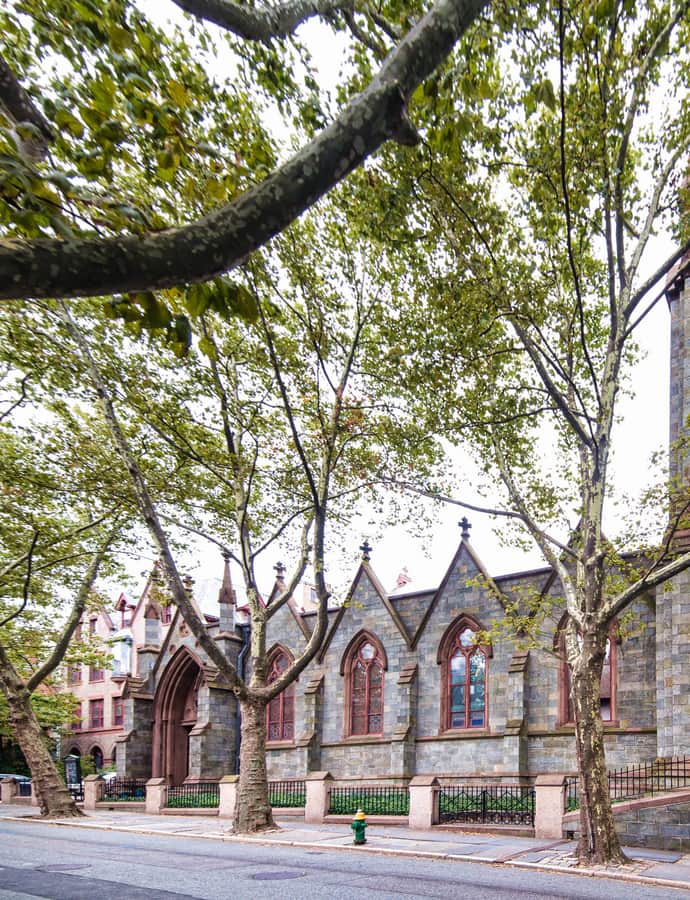
Landmark
St. Stephen's Church on College Hill was designed by Richard Upjohn, a nationally significant Gothic Revival architect, and is listed on the National Register of Historic Places.
Photo: Kenneth C. Zirkel , CC BY-SA 3.0
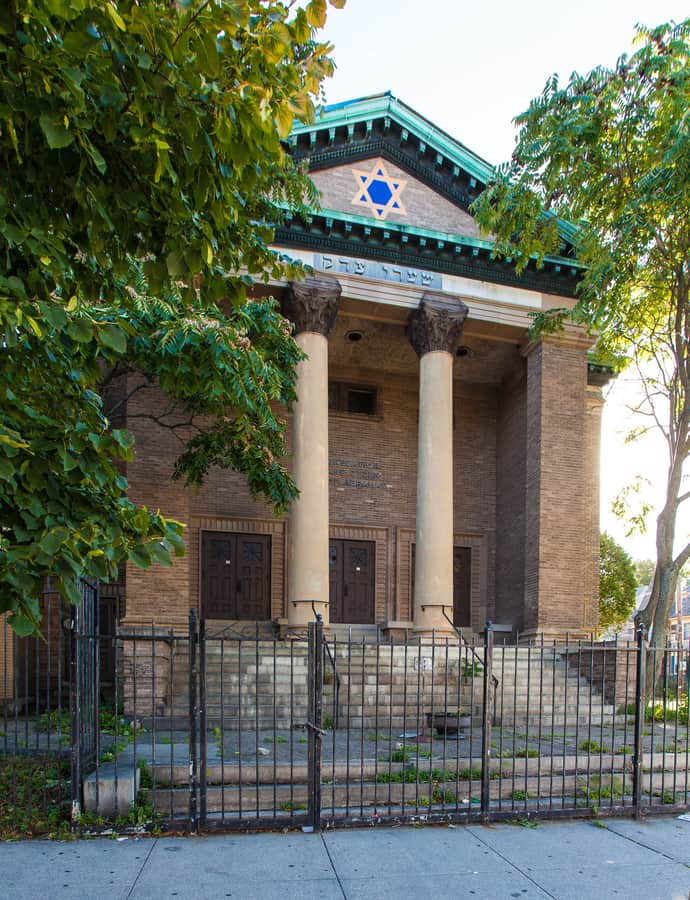
Temple Beth-El is a Neoclassical building listed on the National Register of Historic Places. The record here is thin, but the Neoclassical style and its National Register listing mark it as a recognized piece of Providence's built history.
Photo: Kenneth C. Zirkel , CC BY-SA 3.0
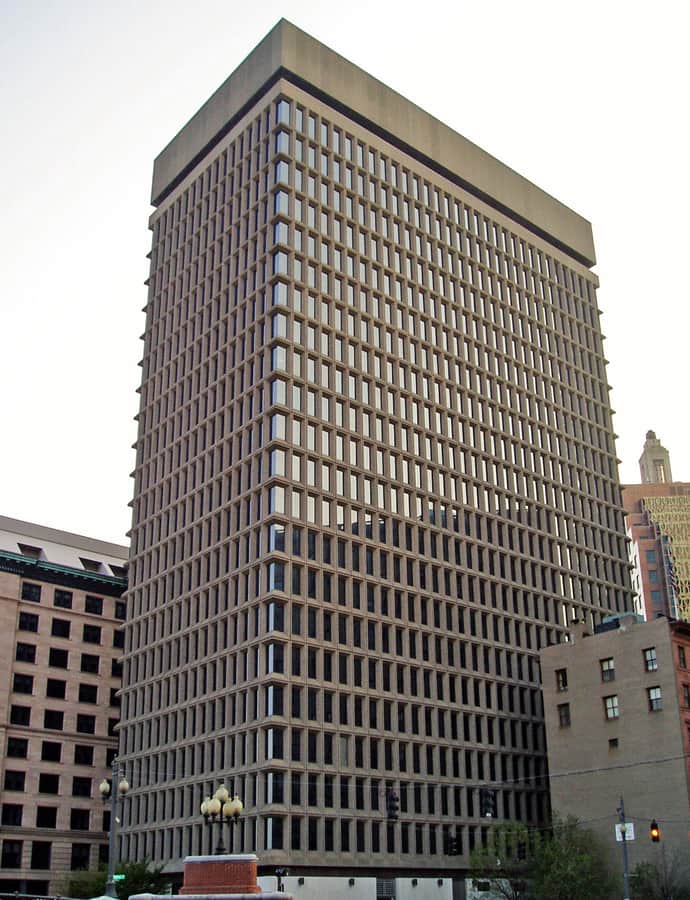
Landmark
Textron Tower, completed in 1972 on College Hill, was designed by Shreve, Lamb & Harmon, the firm behind the Empire State Building. The tower has a prominent street-visible presence.
Photo: Loodog at English Wikipedia , CC BY-SA 3.0
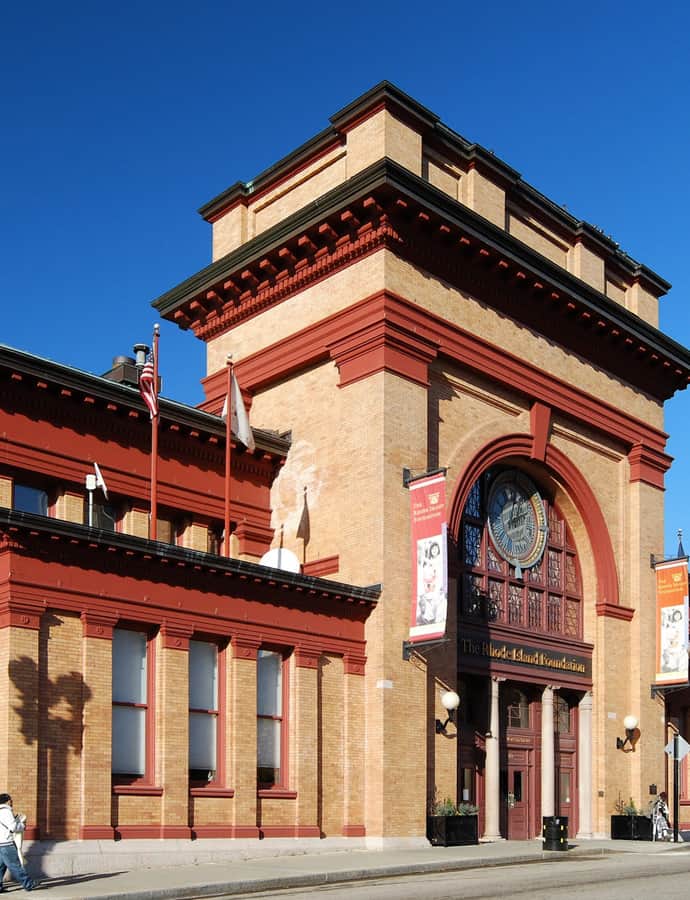
Union Station in downtown Providence was designed by the firm Stone, Carpenter, and Willson in the Neoclassical style. Its facade fronts a public plaza and the building is listed on the National Register of Historic Places.
Photo: Marcbela , Public domain
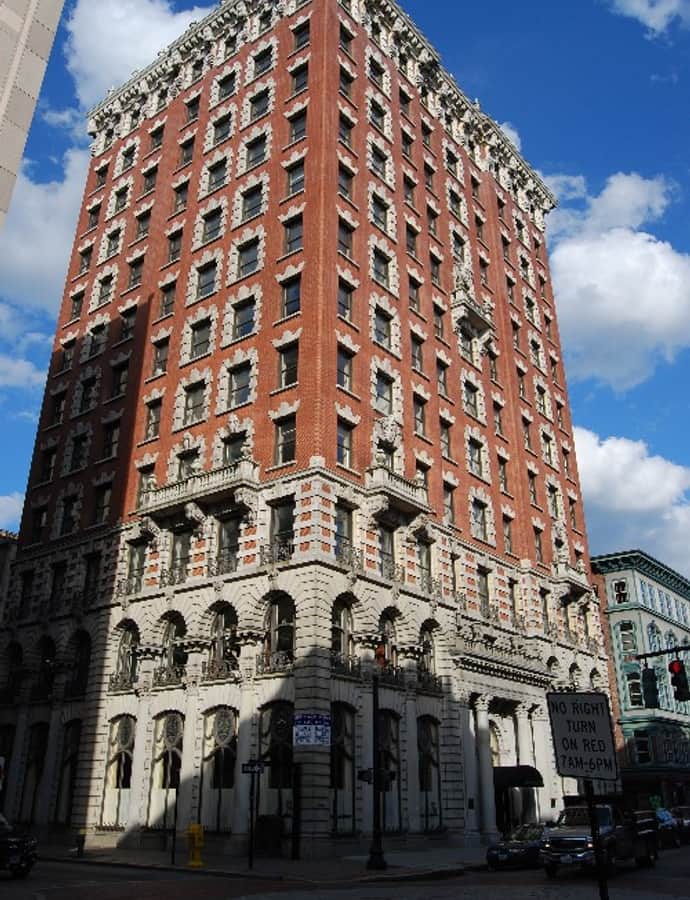
The Union Trust Company Building in downtown Providence was completed in 1901 to designs by Stone, Carpenter, and Willson in the Neoclassical style. It is listed on the National Register of Historic Places and carries an OSM heritage designation.
Photo: Marcbela (Marc N. Belanger) , Public domain
Fine buildings that fewer people seek out.
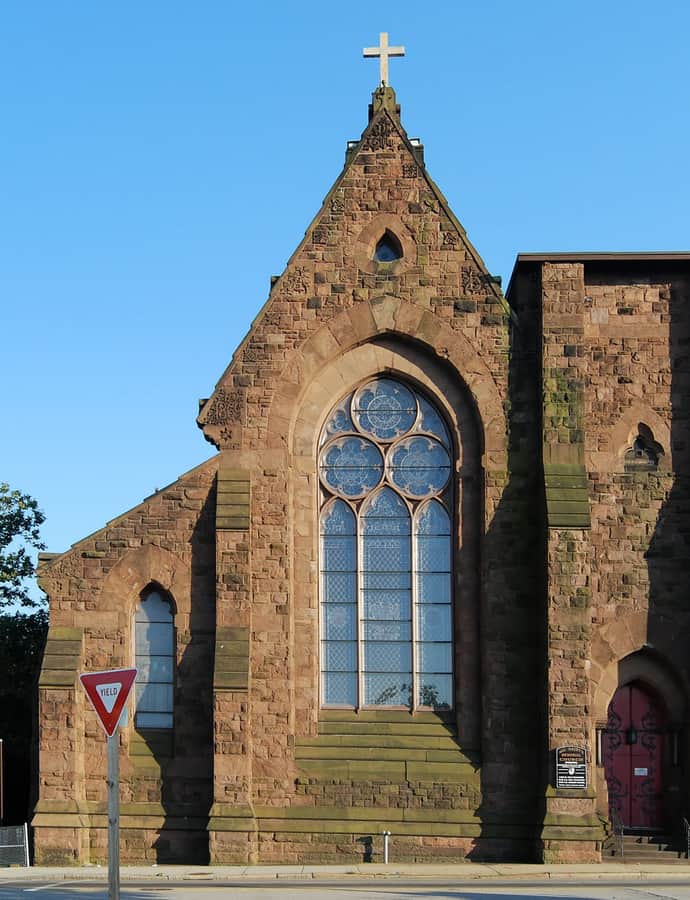
Landmark
All Saints Memorial Church in downtown Providence was designed by Edward Tuckerman Potter and completed in 1869. It is listed on the National Register of Historic Places.
Photo: Marcbela (Marc N. Belanger) , CC0
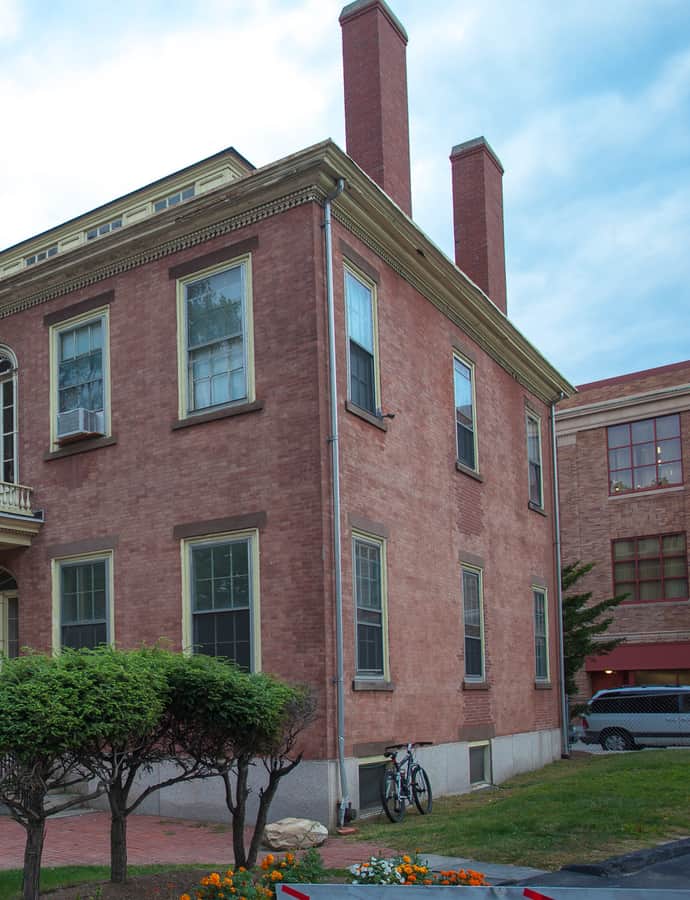
Landmark
The Arnold–Palmer House is a historic house in downtown Providence, designed by architect John Holden Greene in 1826. It is listed on the National Register of Historic Places.
Photo: Kenneth C. Zirkel , CC BY-SA 3.0
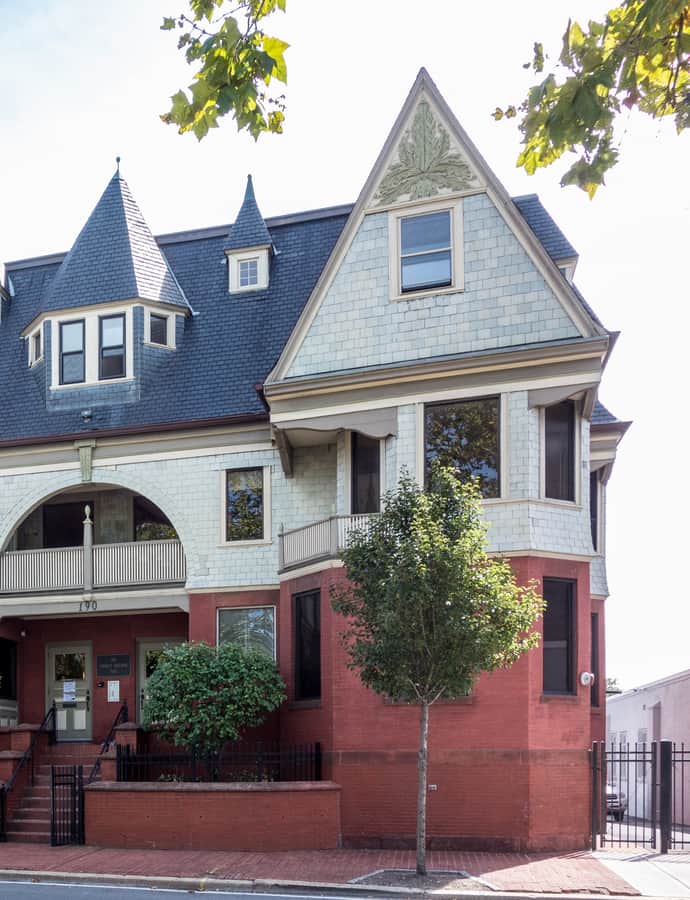
The Aylesworth Apartments, in downtown Providence, is a Queen Anne style apartment building listed on the National Register of Historic Places.
Photo: Kenneth C. Zirkel , CC BY-SA 4.0
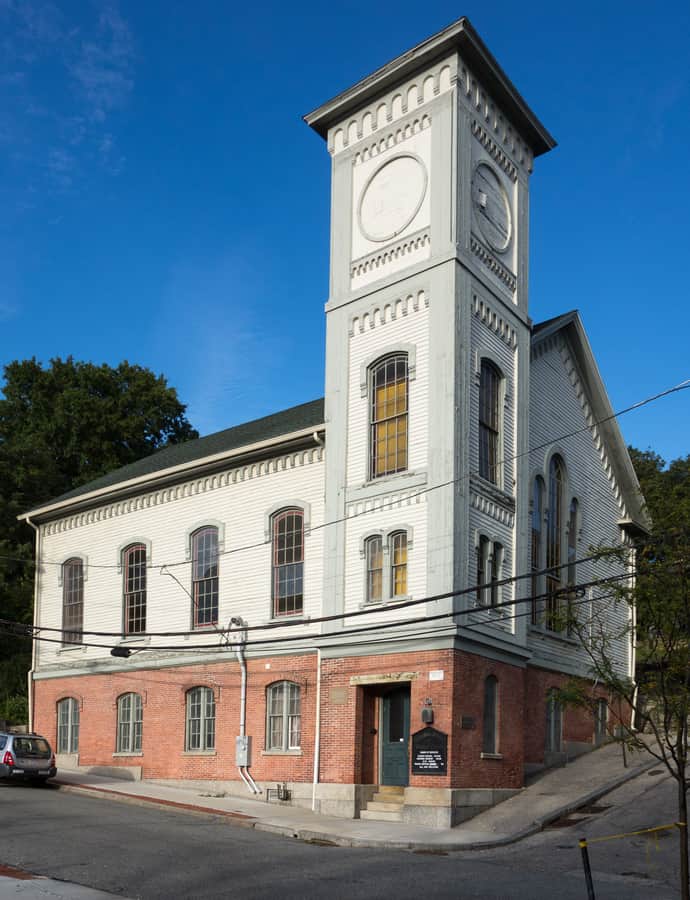
Landmark
Congdon Street Baptist Church, on Providence's College Hill, was designed by Charles P. Hartshorn and built in 1874. It has served a historic Black congregation and is listed on the National Register of Historic Places, with its facade visible from the street.
Photo: Kenneth C. Zirkel , CC BY-SA 3.0
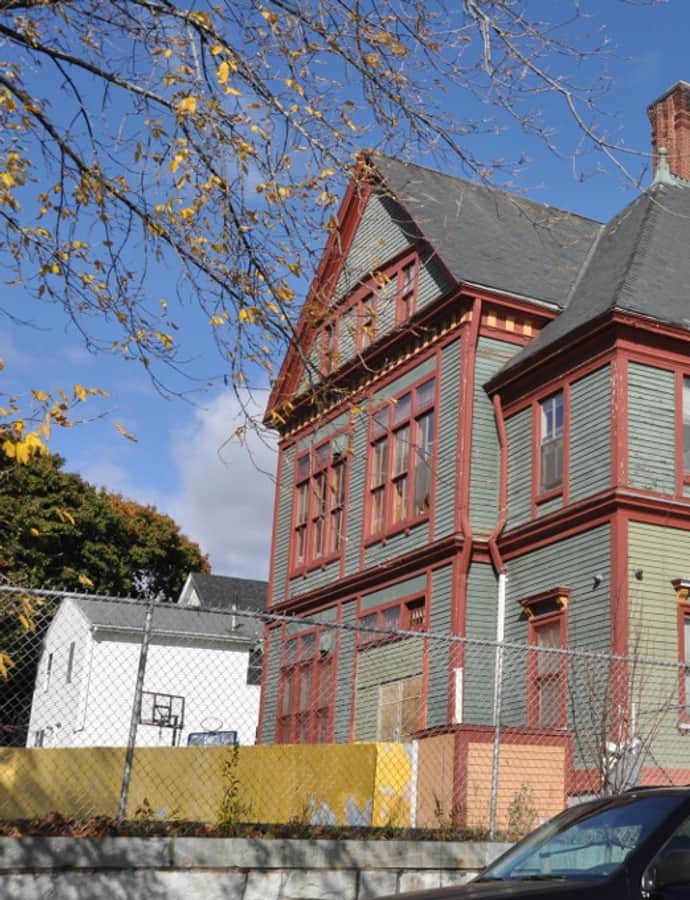
Covell Street School was designed by the firm William R. Walker & Son in the Queen Anne style. It is listed on the National Register of Historic Places.
Photo: Magicpiano , CC BY-SA 3.0
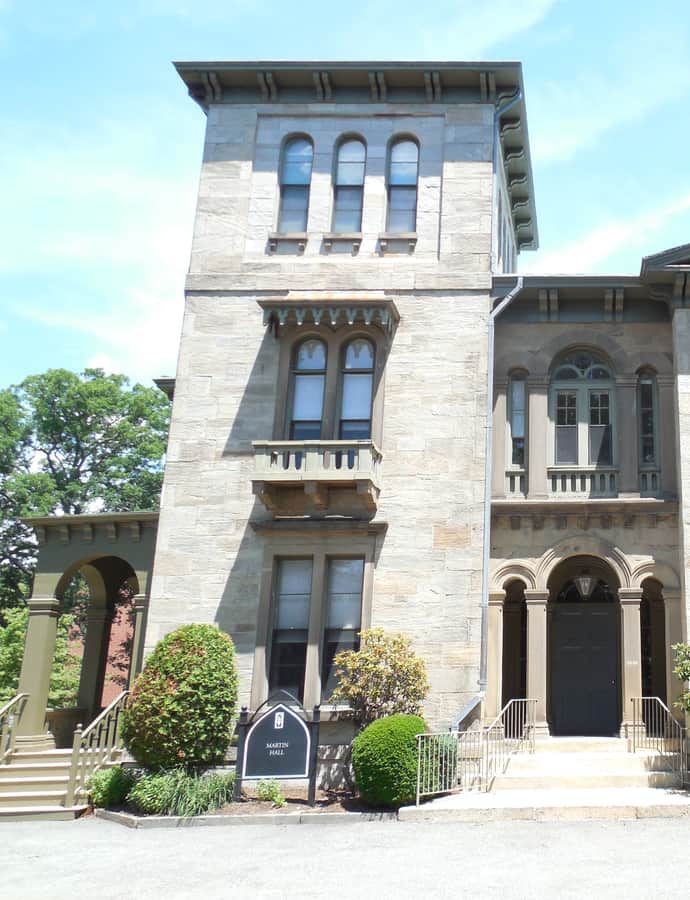
Landmark
The George M. Bradley House was designed by Thomas Alexander Tefft, a notable regional architect, and is listed on the National Register of Historic Places.
Photo: John Phelan , CC BY-SA 3.0
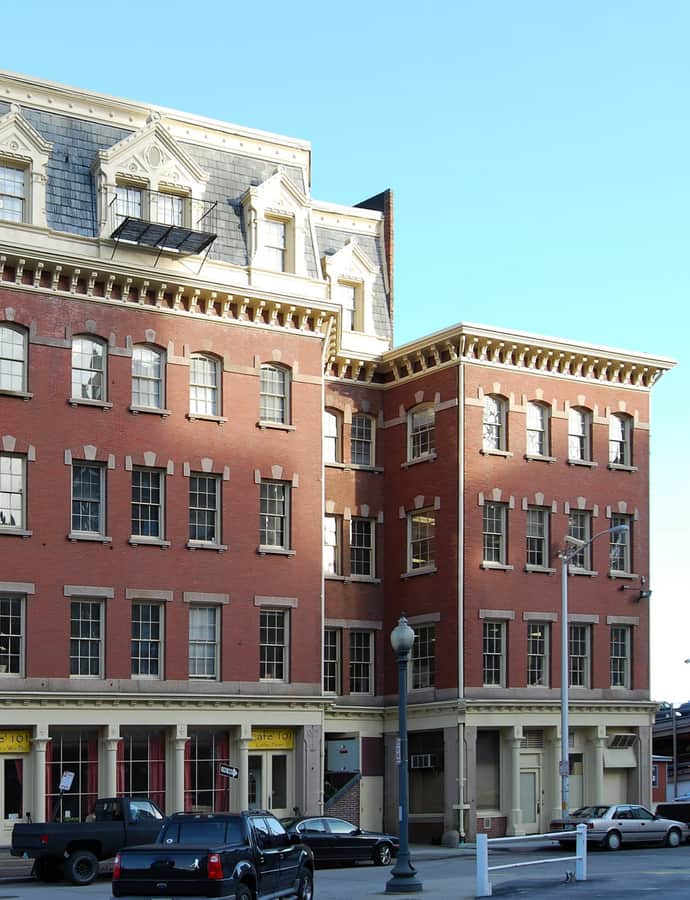
The Hay and Owen Buildings on Providence's College Hill were designed by notable Providence architect James C. Bucklin in the Second Empire style. They are listed on the National Register of Historic Places.
Photo: Marcbela , Public domain
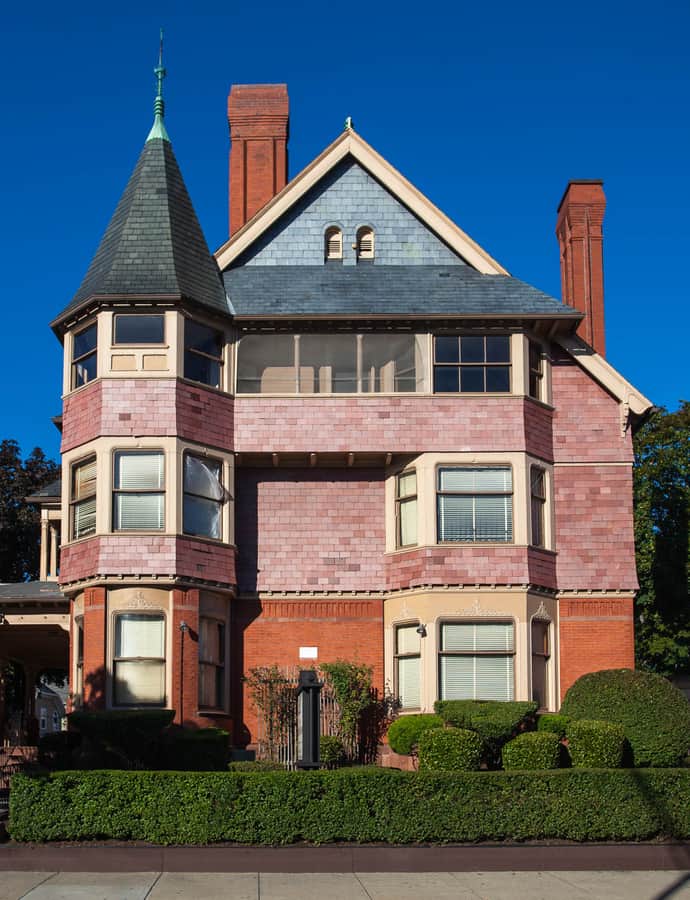
The Israel B. Mason House is a Queen Anne style house listed on the National Register of Historic Places.
Photo: Kenneth C. Zirkel , CC BY-SA 3.0
The John O. Pastore Federal Building is a Neoclassical federal building in downtown Providence, listed on the National Register of Historic Places.
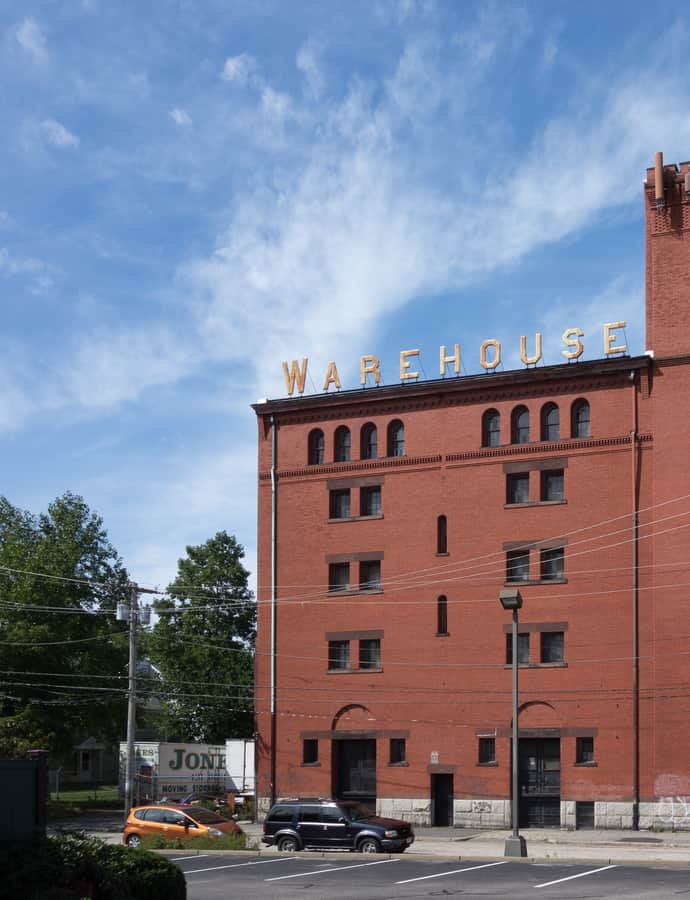
The Jones Warehouses are a Romanesque Revival group of warehouses listed on the National Register of Historic Places.
Photo: Kenneth C. Zirkel , CC BY-SA 4.0
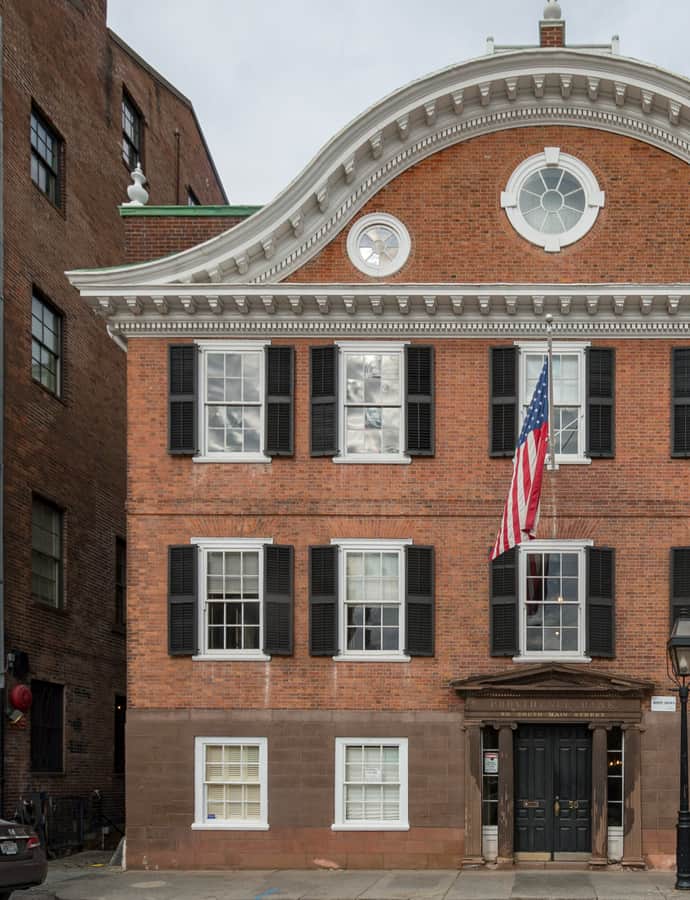
The Joseph Brown House, on College Hill, was built in 1774 for the Brown family and designed by Joseph Brown himself, who was both the owner and the architect. It is a Georgian house and a contributing property to the National Register of Historic Places.
Photo: xiquinhosilva , CC BY 2.0
Landmark
Market House is a historic colonial-era market building in Providence's College Hill neighborhood, presiding over a prominent facade on the downtown square. It is listed on the National Register of Historic Places and recognized as a heritage site by OpenStreetMap.
The Merchants Bank Building on College Hill was designed by Alpheus C. Morse in the Renaissance Revival style and is listed on the National Register of Historic Places.
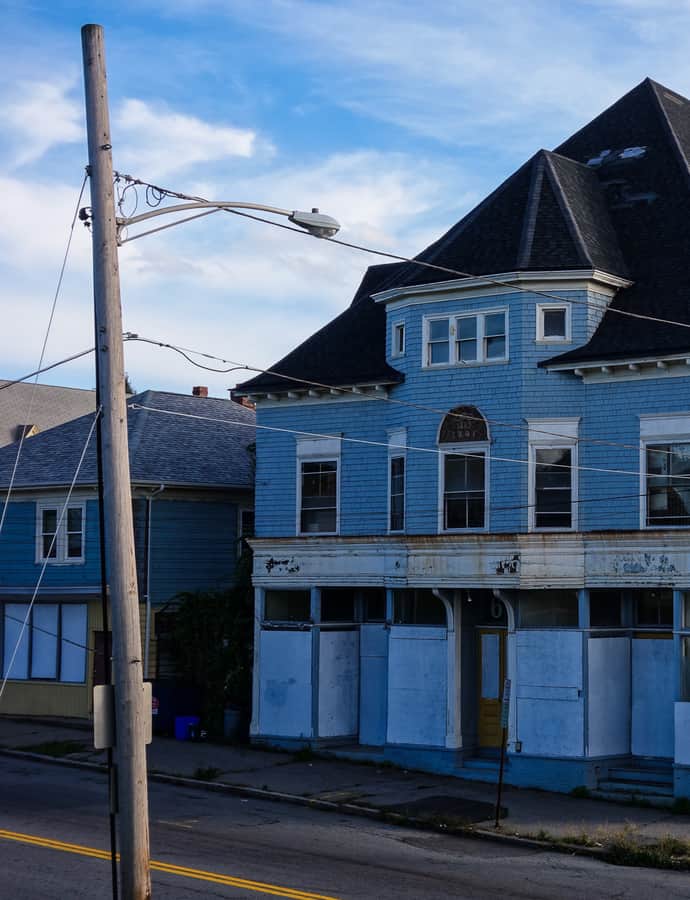
Oddfellows' Hall was designed by architect Frank W. Angell in the Shingle style. It is listed on the National Register of Historic Places.
Photo: Kenneth C. Zirkel , CC BY-SA 3.0
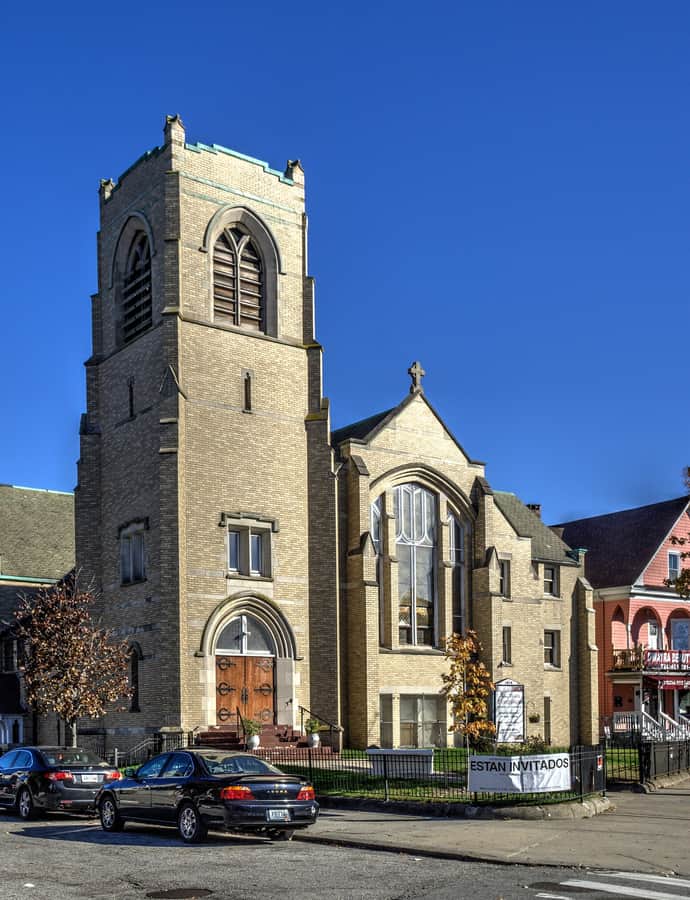
Plymouth Congregational Church was built in 1915 in the Gothic Revival style and is listed on the National Register of Historic Places.
Photo: Kenneth C. Zirkel , CC BY-SA 4.0
The Providence Telephone Building, designed by Stone, Carpenter, and Willson in the Renaissance Revival style, stands in downtown Providence and is listed on the National Register of Historic Places.
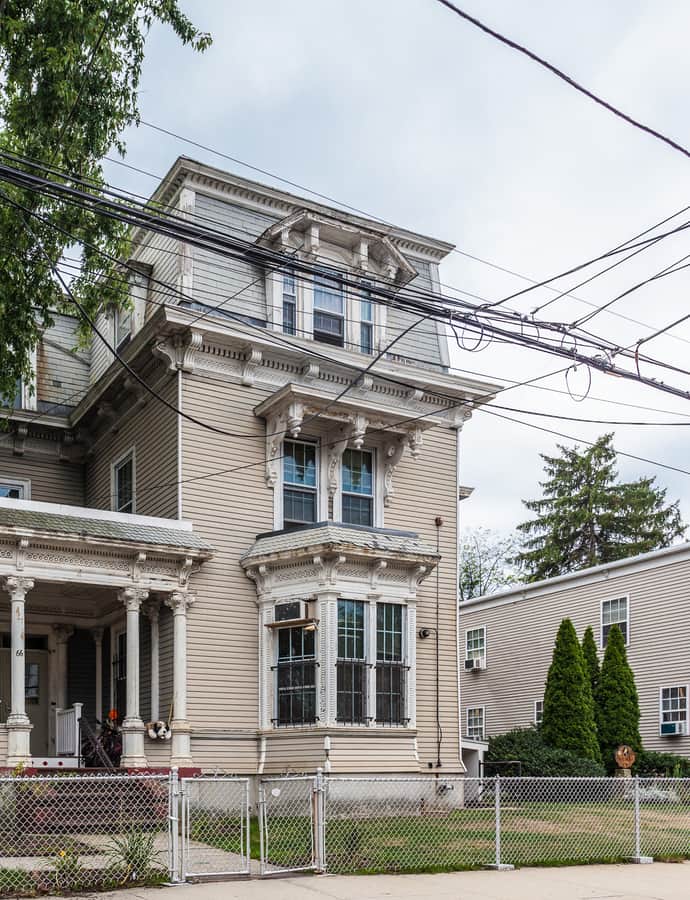
The Richard Henry Deming House was built in the Second Empire style and is listed on the National Register of Historic Places.
Photo: Kenneth C. Zirkel , CC BY-SA 3.0
Landmark
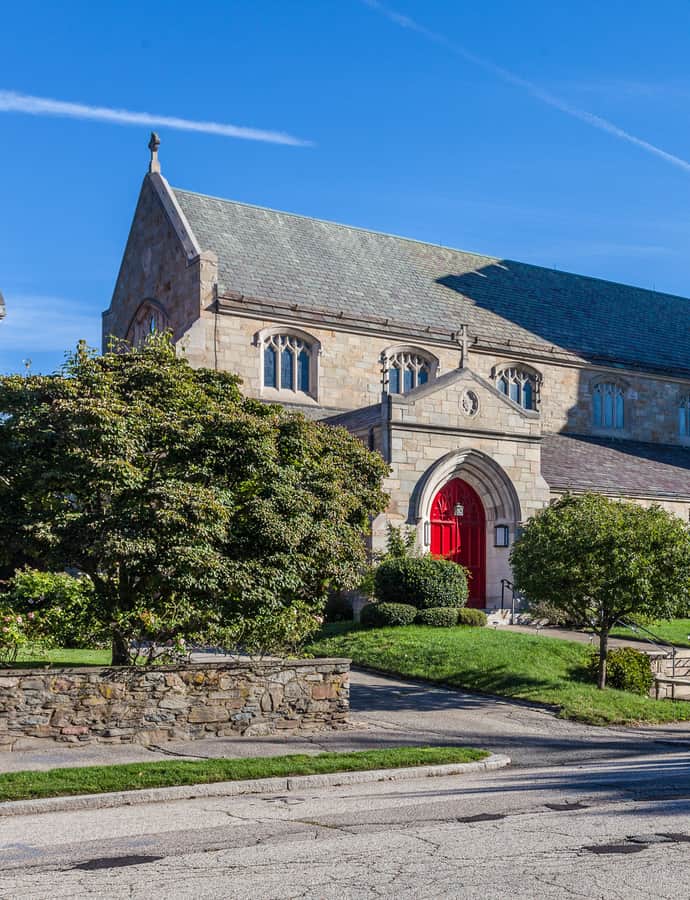
Saint Martin's Church was designed by the Providence firm of Clarke & Howe and is listed on the National Register of Historic Places.
Photo: Kenneth C. Zirkel , CC BY-SA 3.0
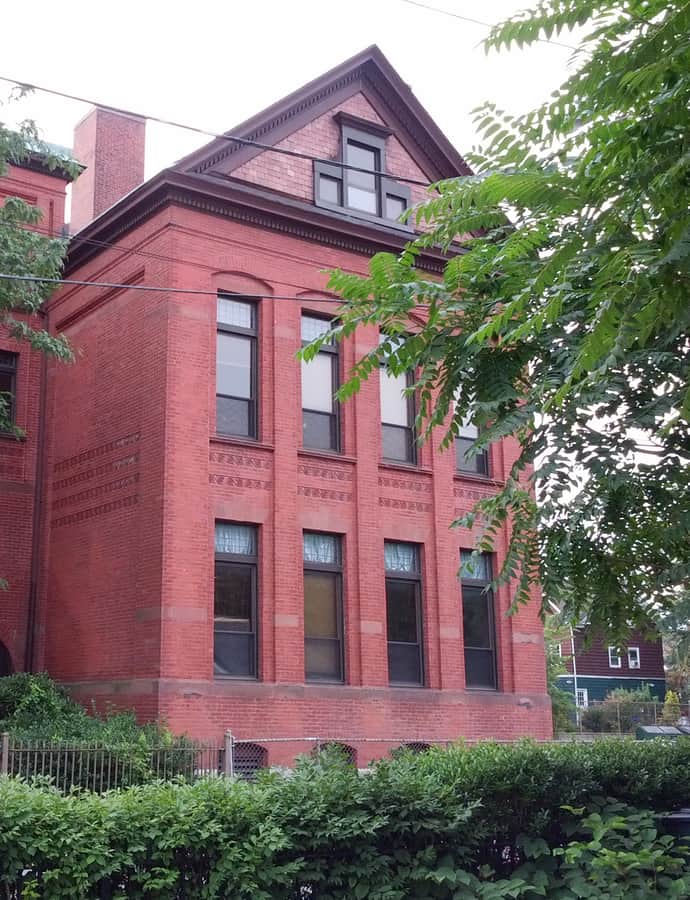
Smith Street Primary School was designed by the firm William R. Walker & Son in the Queen Anne style. It is listed on the National Register of Historic Places.
Photo: Caffeinatedlibrarian , CC BY-SA 3.0
South Street Station, in downtown Providence, was built in the Neoclassical style and is listed on the National Register of Historic Places.


.jpg)

_2016.jpg)


.jpg)


