City guide

architecture in Richmond.

78 buildings worth a detour, each with what to look for. Open them on the map, or walk them with the iPhone app, which collects each one you photograph.

Landmarks

The buildings that define the city's architecture.

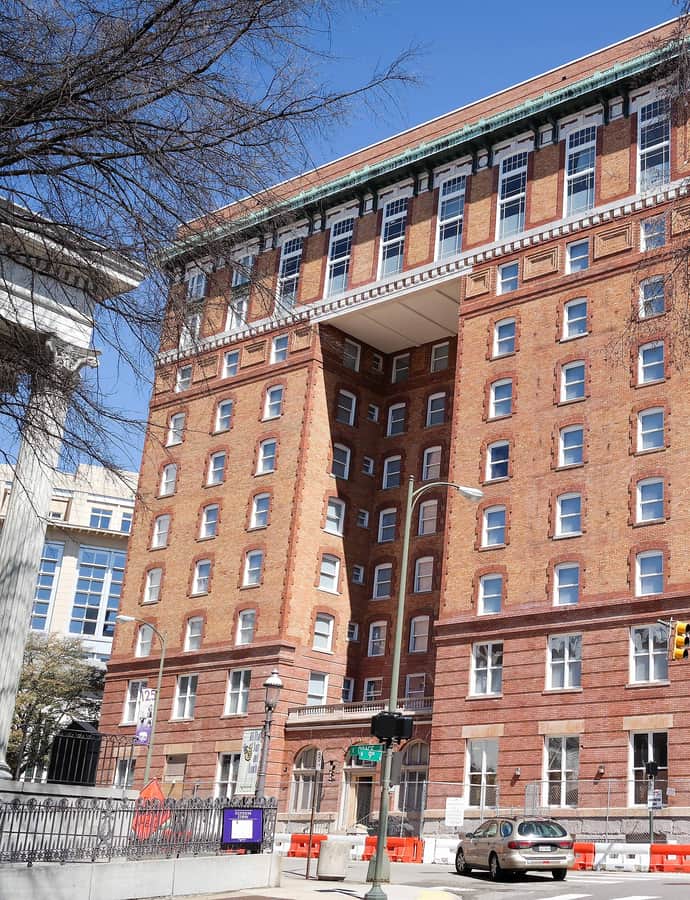
Belgian Building

International Style

Belgian Building

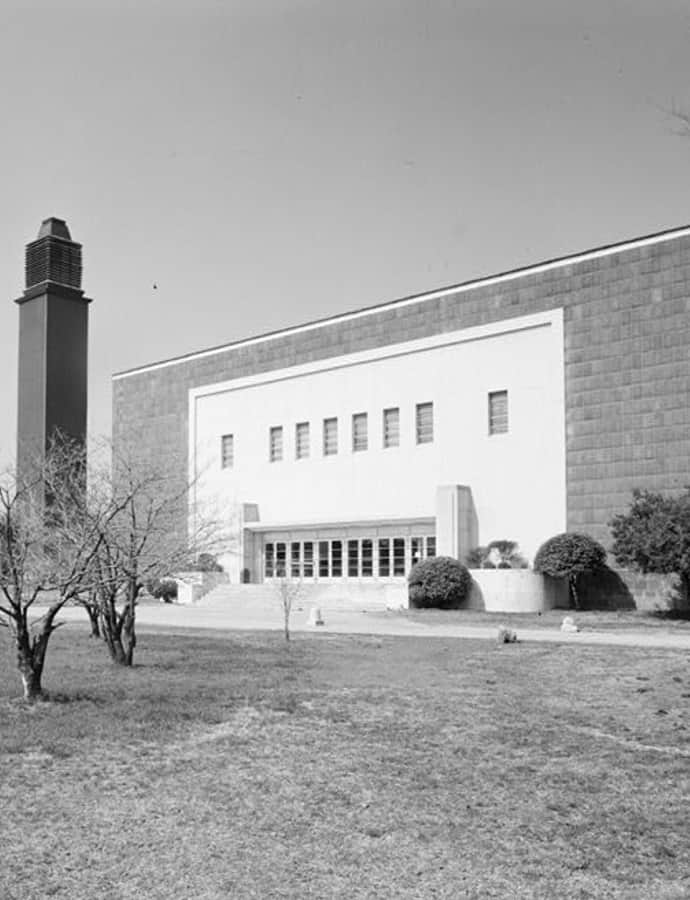
Henry van de Velde; Victor Bourgeois; Léon Stynen · 1941

The Belgian Building was originally built as a pavilion for the 1939 World's Fair before being relocated to Richmond, where it was completed in its current form in 1941. It was designed by Henry van de Velde, Victor Bourgeois, and Léon Stynen, all major figures of early modern architecture, making it a rare International Style landmark with an unusual transatlantic origin.

Photo: Unknown authorUnknown author , Public domain
Branch House

Tudor Revival

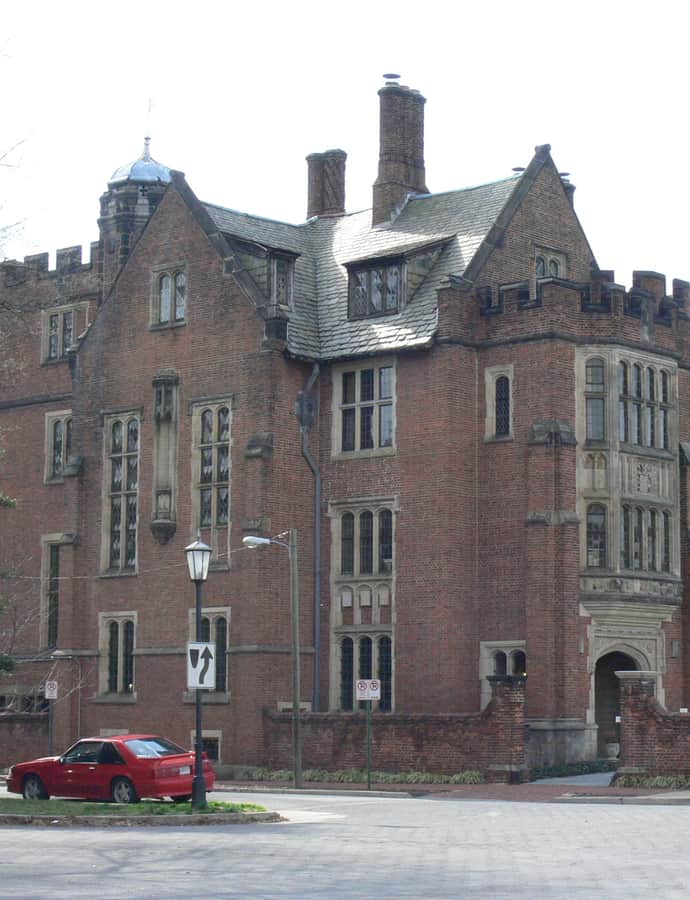
Branch House

John Russell Pope · 1919

Branch House was designed by John Russell Pope and completed in 1919 as a private residence in the Tudor Revival style. It stands in the Fan neighborhood as a notable example of Pope's residential work.

Photo: Morgan Riley , CC BY 3.0

Landmark

Broad Street Station

John Russell Pope · 1919

Broad Street Station is a former grand train station in Richmond, designed by architect John Russell Pope and completed in 1919. It later found new use after its railroad days ended. The building is listed on the National Register of Historic Places, and OpenStreetMap records it with heritage tier 2.

Capitol Square Bell Tower

Federal

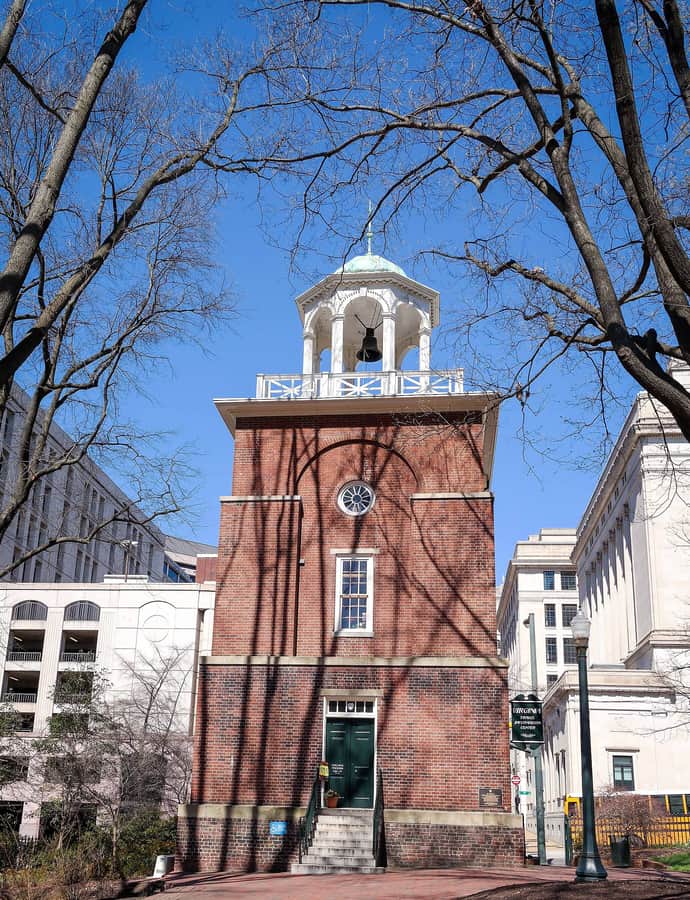
Capitol Square Bell Tower

1824

The Capitol Square Bell Tower was built in 1824 on Capitol Square in downtown Richmond in the Federal style. It is designated a Virginia Historic Landmark and listed on the National Register of Historic Places.

Photo: Smash the Iron Cage , CC BY-SA 4.0

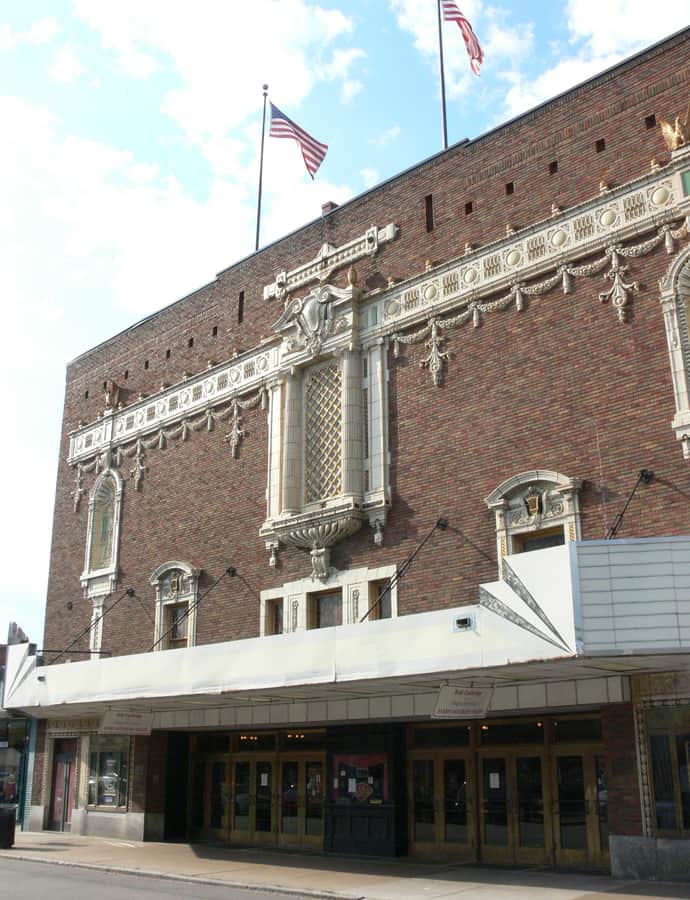
Carpenter Theatre

Moorish / Mudéjar

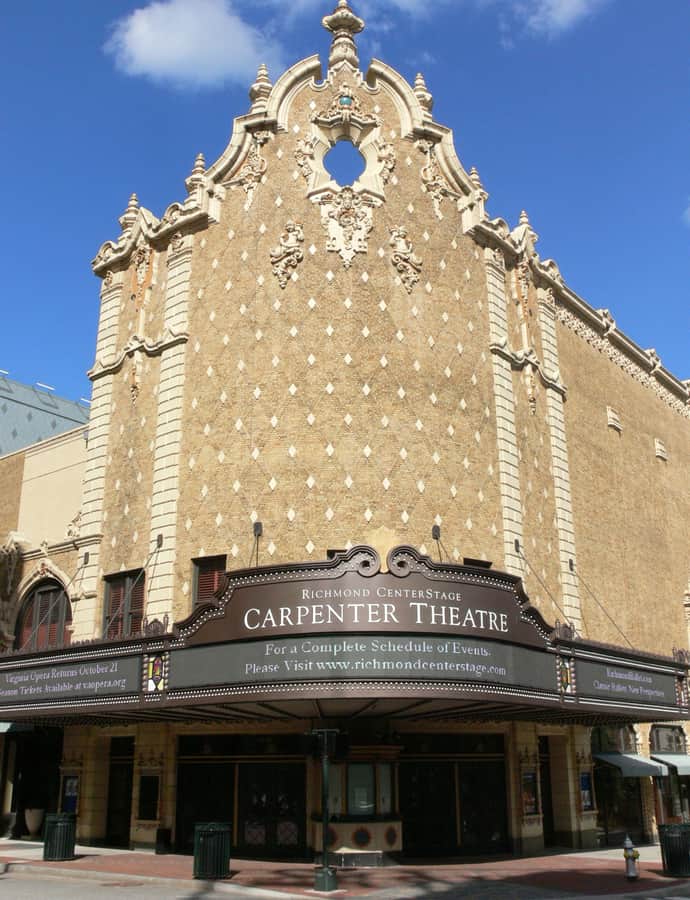
Carpenter Theatre

John Eberson · 1928

The Carpenter Theatre opened in 1928 as a Depression-era movie palace, designed by John Eberson, the pioneer of the atmospheric theater. Its Moorish and Spanish Colonial Revival styling made it one of Eberson's typologically innovative atmospheric theaters, a design approach that transformed the moviegoing experience.

Photo: Morgan Riley , CC BY 3.0

Central National Bank

Art Deco

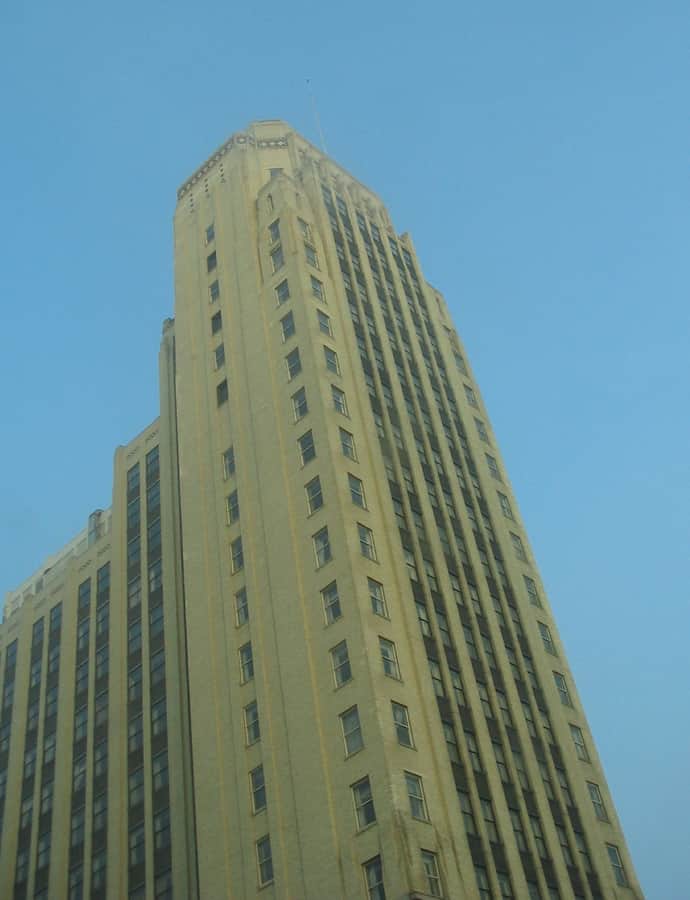
Central National Bank

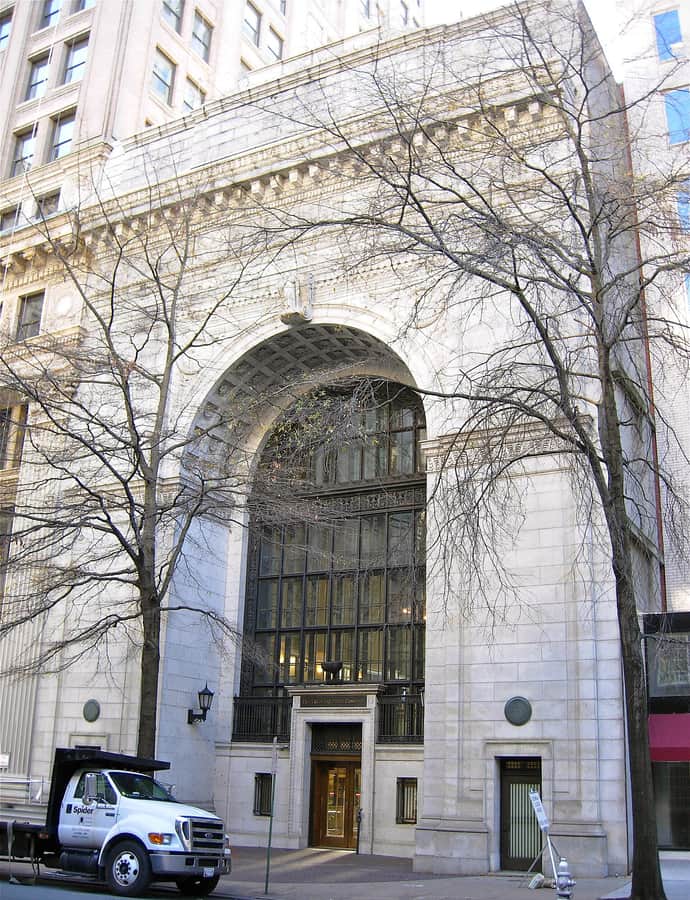
John Eberson · 1929

Central National Bank is a 1929 Art Deco skyscraper designed by John Eberson, known for his atmospheric theater and skyscraper designs. The tower's form gives it a strong presence on the street and stands as a notable Art Deco landmark in downtown Richmond.

Photo: Morgan Riley, Midlothian, Virginia , CC BY-SA 3.0

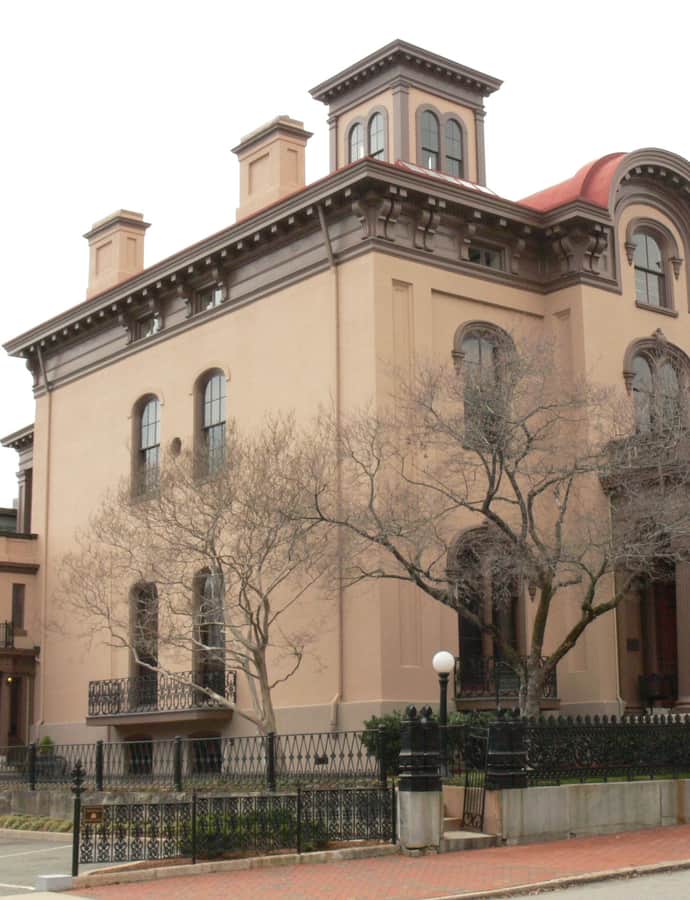
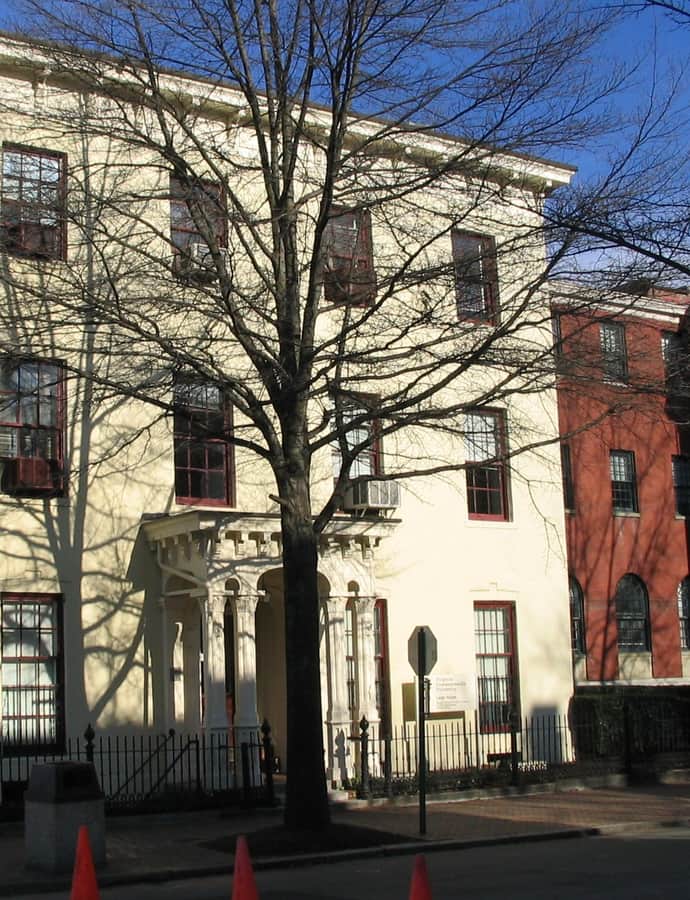
Decatur O. Davis House

Second Empire

Decatur O. Davis House

Albert L. West

The Decatur O. Davis House, in downtown Richmond, was designed by architect Albert L. West in the Second Empire style. It is designated a Virginia Historic Landmark and is listed on the National Register of Historic Places.

Photo: Morgan Riley , CC BY 3.0

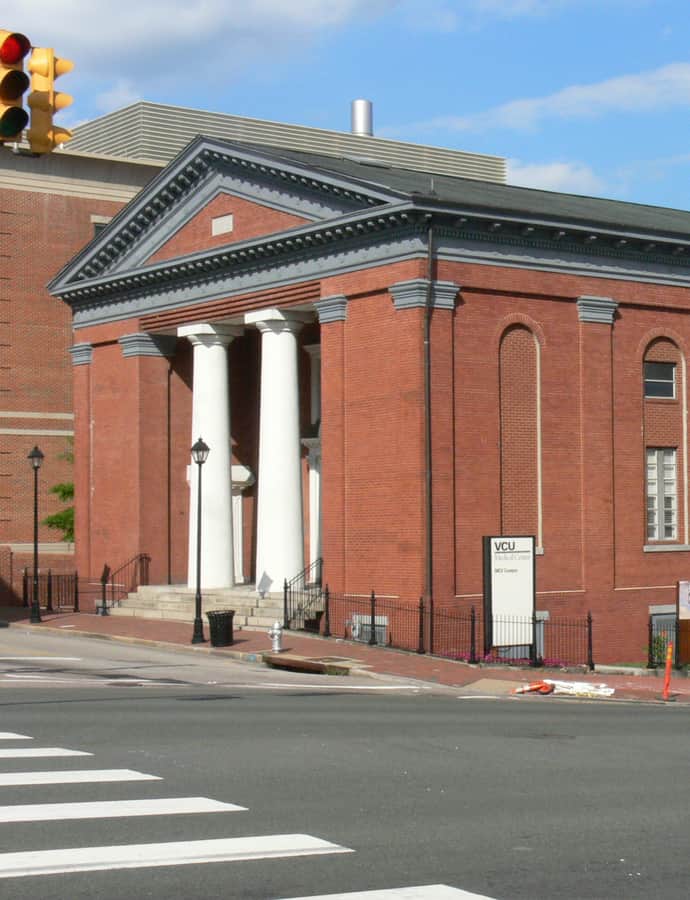
Egyptian Building

Egyptian Revival

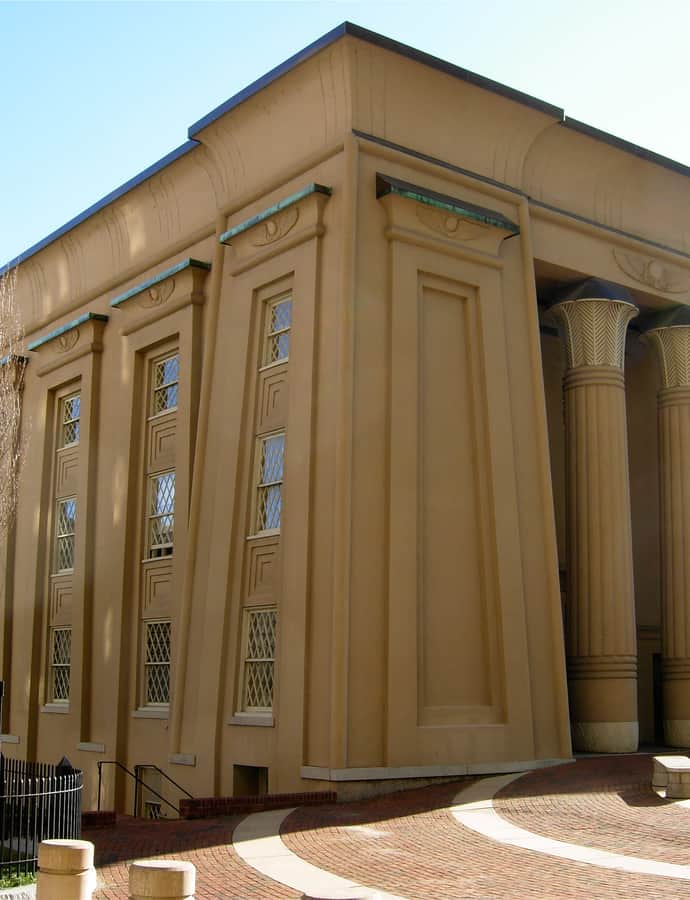
Egyptian Building

Thomas Somerville Stewart · 1845

The Egyptian Building was designed by Thomas Somerville Stewart and completed in 1845 in the Egyptian Revival style, a rare choice for the region at the time. It is counted among the few surviving Egyptian Revival buildings in the United States, with a distinctive facade of Egyptian motifs visible from the street.

Photo: Crazyale , CC BY-SA 3.0

Greek Revival

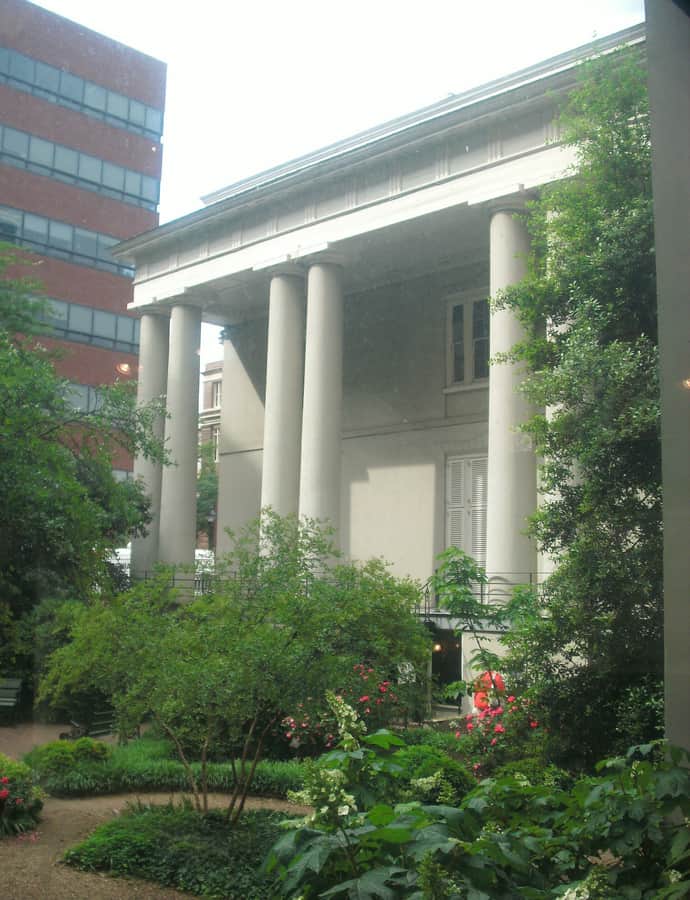
Ellen Glasgow House

The Ellen Glasgow House, in downtown Richmond, was the home of novelist Ellen Glasgow. Built in the Greek Revival style, it is designated a National Historic Landmark, a Virginia Historic Landmark, and is listed on the National Register of Historic Places.

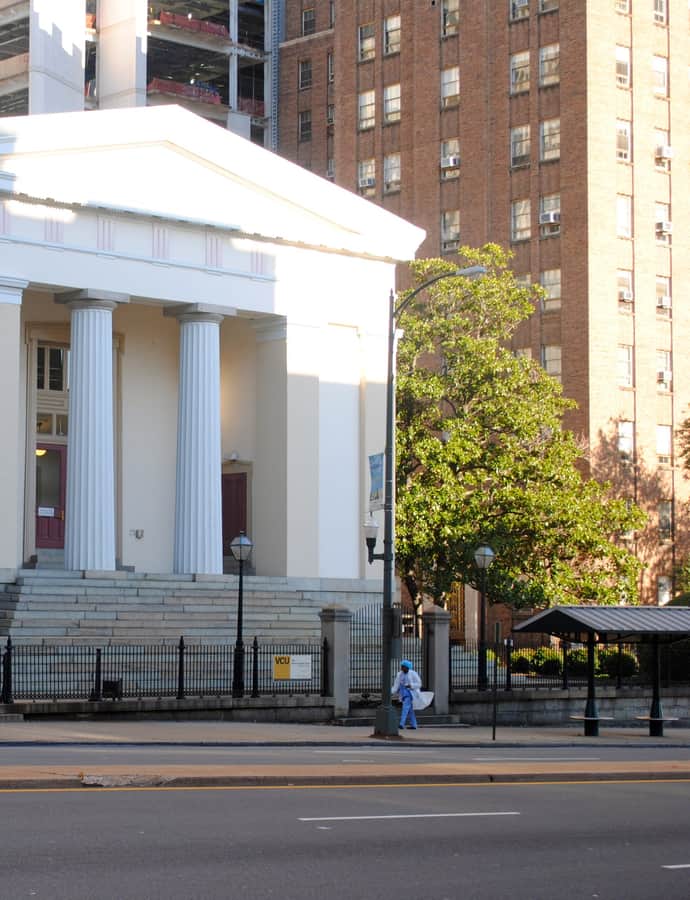
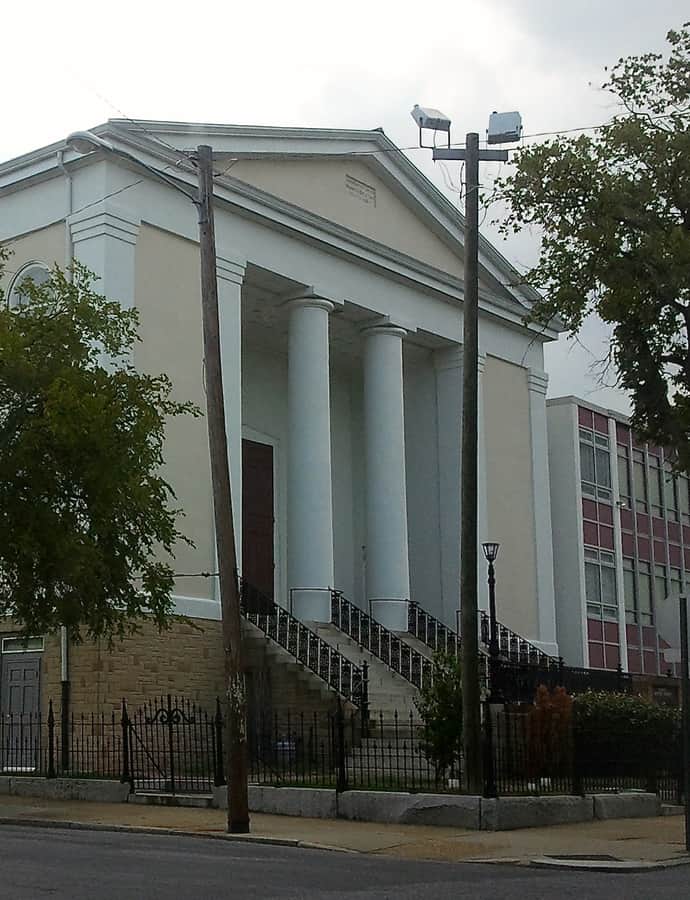
First Baptist Church

Greek Revival

First Baptist Church

Thomas Ustick Walter

First Baptist Church in downtown Richmond was designed by Thomas Ustick Walter, the architect of the U.S. Capitol dome, in the Greek Revival style. The church is a Virginia Historic Landmark and is listed on the National Register of Historic Places.

Photo: Crazyale , CC BY-SA 3.0

Governor’s Mansion

Federal

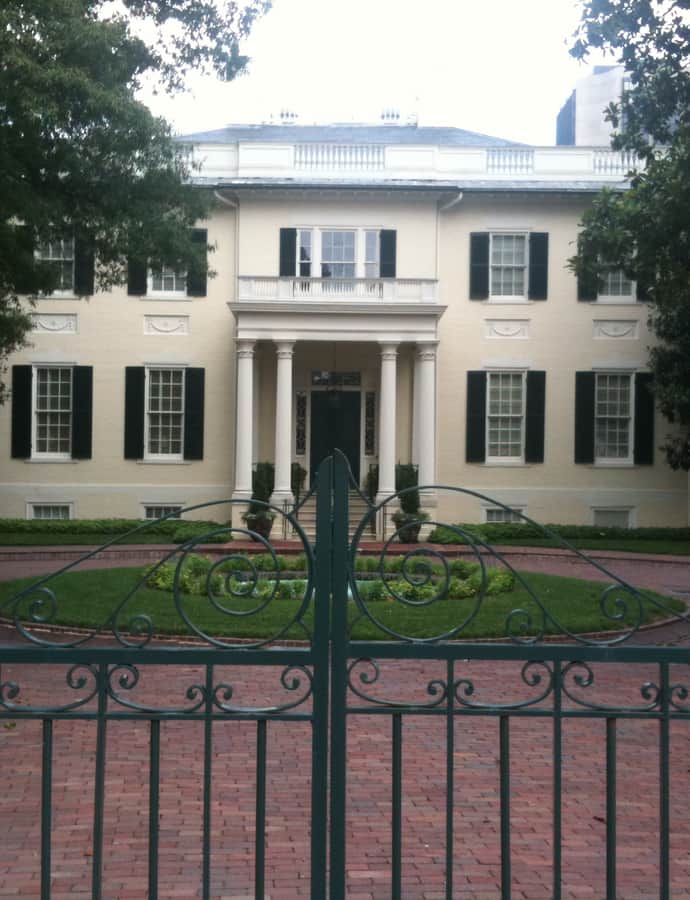
Governor’s Mansion

Alexander Parris · 1813

The Governor's Mansion was designed by Alexander Parris and completed in 1813 in the Federal style. It has served continuously as the governor's residence since it was built, giving it an unbroken institutional story spanning over two centuries.

Photo: Leonard Woody , CC BY-SA 3.0

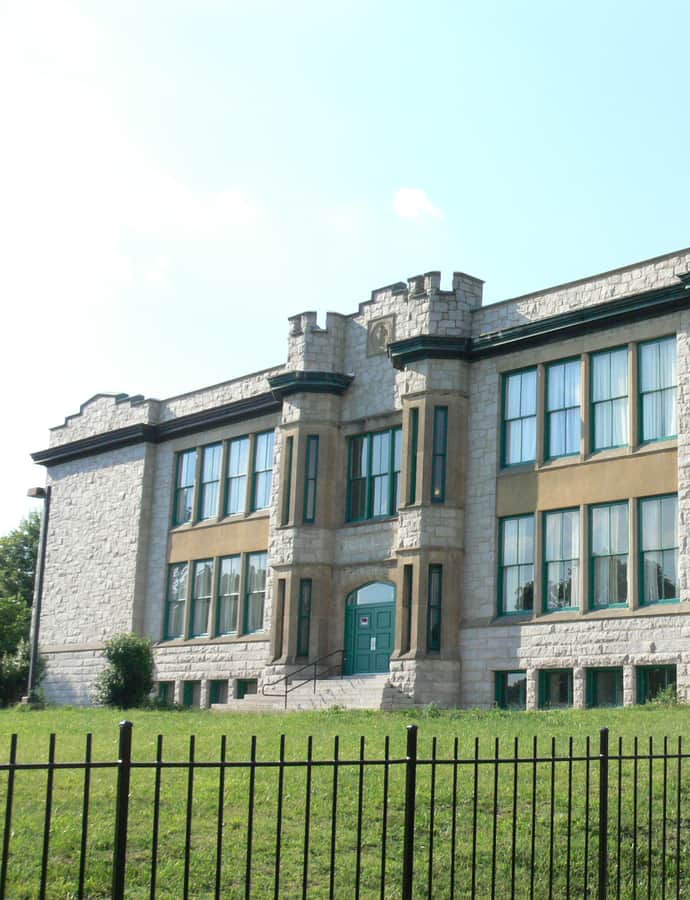
Highland Park Public School

Spanish Colonial Revival

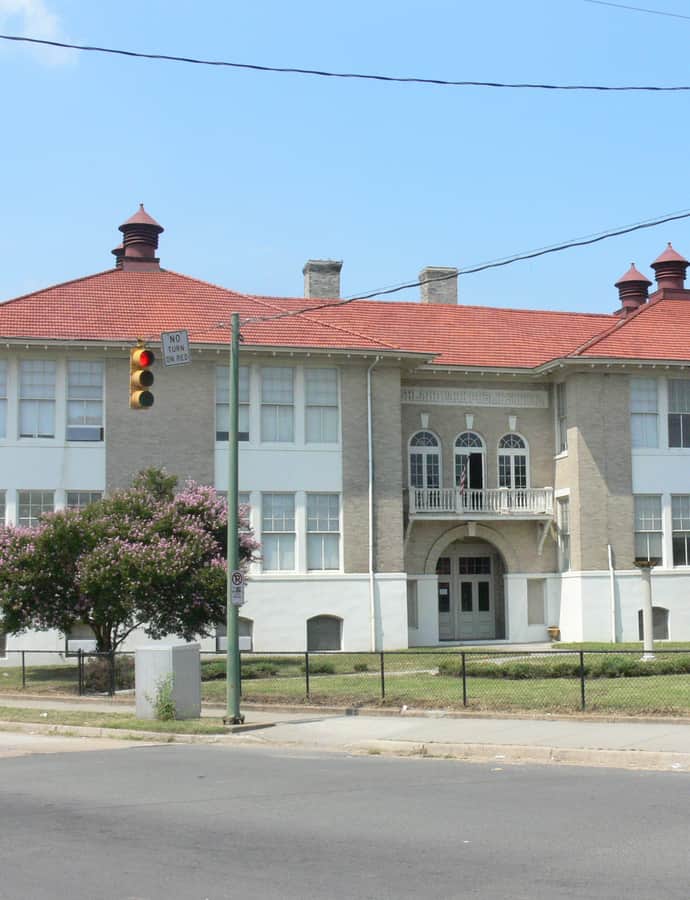
Highland Park Public School

Charles M. Robinson

Highland Park Public School was designed by Charles M. Robinson in the Spanish Colonial Revival style. It is a designated Virginia Historic Landmark and is listed on the National Register of Historic Places.

Photo: Morgan Riley , CC BY-SA 3.0

Institute for Contemporary Art, Richmond

Contemporary Modern

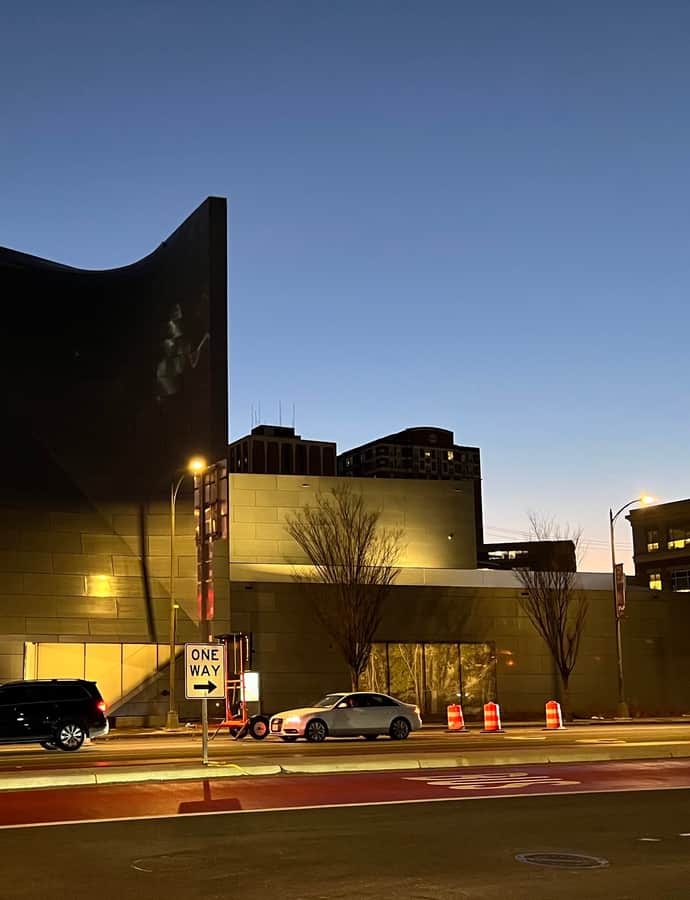
Institute for Contemporary Art, Richmond

Steven Holl · 2018

The Institute for Contemporary Art, Richmond, was designed by Steven Holl and completed in 2018. Its folded-form design gives the museum a sculptural exterior that stands out clearly from the street.

Photo: Packer1028 , CC0

Leigh Street Baptist Church

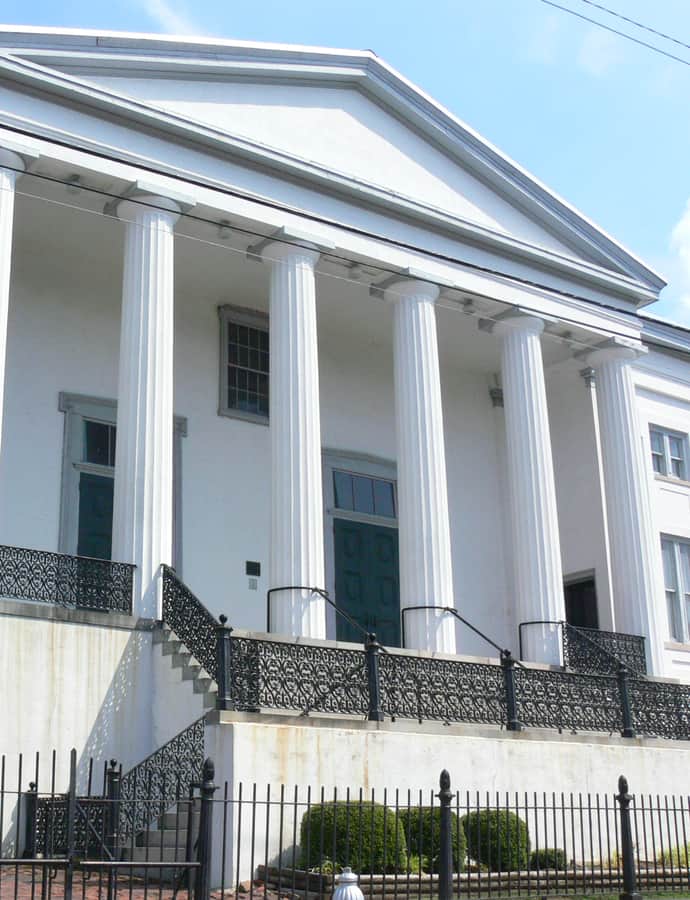
Greek Revival

Leigh Street Baptist Church

Samuel Sloan

Leigh Street Baptist Church was designed by Samuel Sloan, a nationally known 19th-century architect, in the Greek Revival style. The church is known for its prominent Greek Revival facade, and it is individually listed on the National Register of Historic Places as well as designated a Virginia Historic Landmark.

Photo: Morgan Riley , CC BY 3.0

Lewis F. Powell, Jr., United States Courthouse

Renaissance Revival

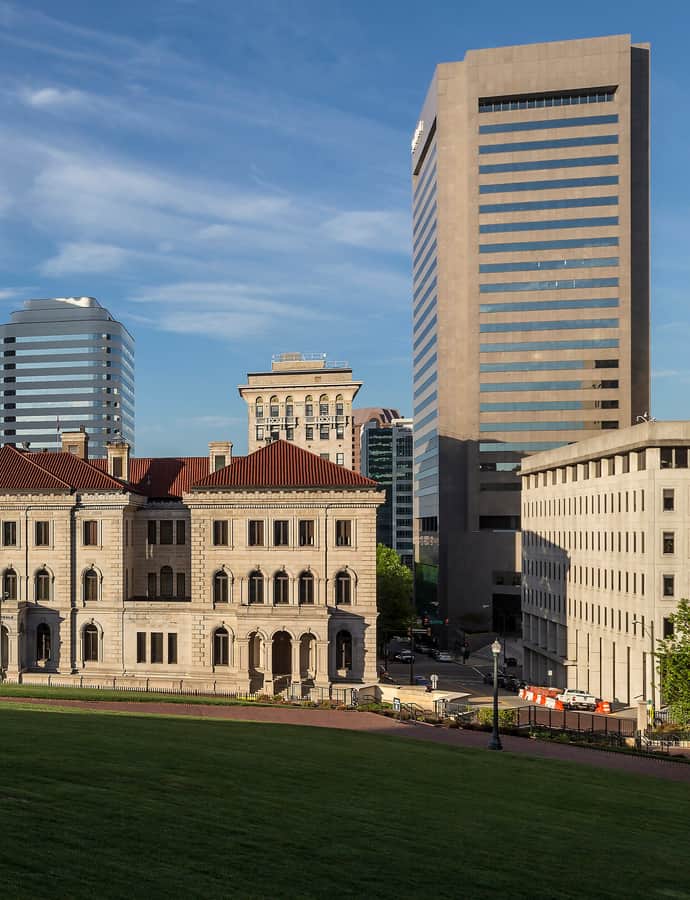
Lewis F. Powell, Jr., United States Courthouse

Ammi B. Young

The Lewis F. Powell, Jr., United States Courthouse in downtown Richmond was designed by Ammi B. Young in the Renaissance Revival style. It is named for Supreme Court Justice Lewis F. Powell Jr. and is listed on the National Register of Historic Places as a Virginia Historic Landmark.

Photo: Acroterion , CC BY-SA 4.0

Maggie L. Walker High School

Art Deco

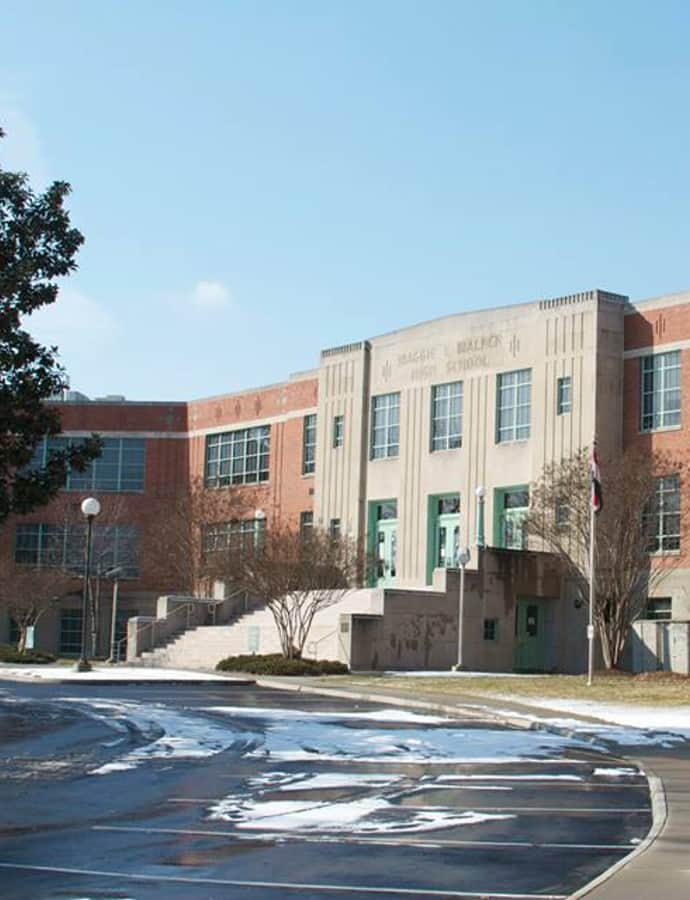
Maggie L. Walker High School

1938

Maggie L. Walker High School in the Fan neighborhood was built in 1938 in the Art Deco style. It is a designated Virginia Historic Landmark and is listed on the National Register of Historic Places.

Photo: MTK4RVA , CC BY-SA 3.0

Monumental Church

Greek Revival

Monumental Church

Robert Mills

Monumental Church was designed by Robert Mills and built as a memorial on the site of the 1811 theater fire, one of the deadliest disasters in Richmond's history. Its Greek Revival design gave the memorial a distinctive commemorative building type rather than a conventional church form.

Photo: Mills, Robert; Upjohn, Richard; Marshal, John; Allan, John , Public domain

New Pump-House

Gothic Revival

New Pump-House

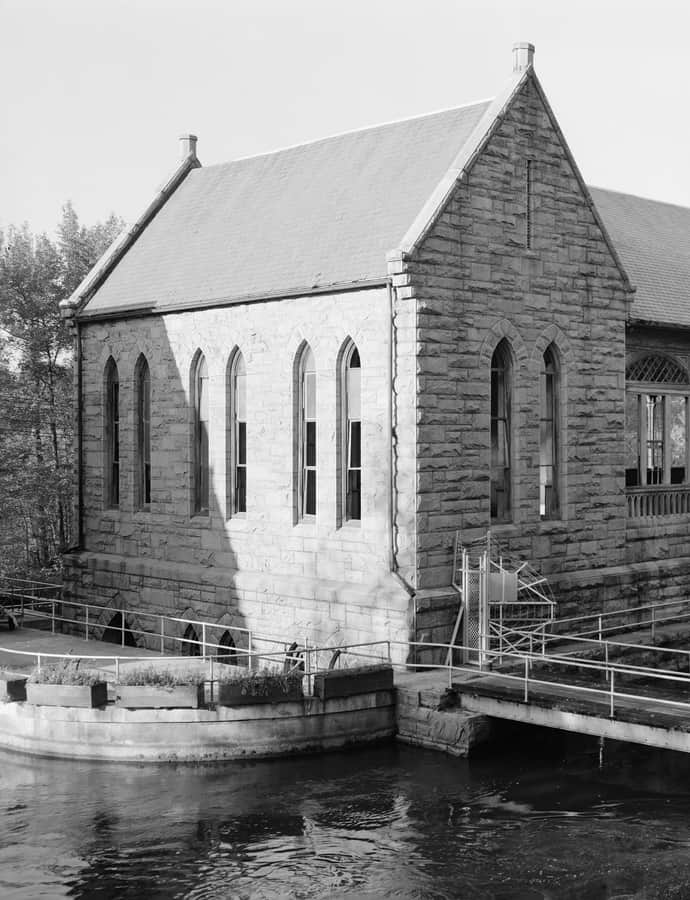
The New Pump-House is a utilitarian waterworks building given elaborate Gothic Revival and Beaux-Arts architectural treatment, an unusual pairing for an industrial structure. Now abandoned, it once housed a music hall. It is designated a Virginia Historic Landmark and listed on the National Register of Historic Places.

Photo: Jack E. Boucher , Public domain

Landmark

Old City Hall

Elijah E. Myers · 1894

Old City Hall in downtown Richmond was designed by Elijah E. Myers and completed in 1894. It is a prominent civic landmark building designated a National Historic Landmark, Virginia Historic Landmark, and National Register of Historic Places listed place.

Second Presbyterian Church (Richmond, Virginia)

Gothic Revival

Second Presbyterian Church (Richmond, Virginia)

Minard Lafever · 1906

Second Presbyterian Church in downtown Richmond was designed by Minard Lafever and completed in 1906 in the Gothic Revival style. The church is listed on the National Register of Historic Places and designated a Virginia Historic Landmark.

Photo: Crazyale , CC BY-SA 3.0

Thomas Jefferson High School

Art Deco

Thomas Jefferson High School

Charles M. Robinson

Thomas Jefferson High School is a Richmond landmark designed by Charles M. Robinson, a prominent Richmond school architect, in the Art Deco style. It is designated a Virginia Historic Landmark and is listed on the National Register of Historic Places.

Photo: Crazyale , CC0

Trinity Methodist Church (Richmond, Virginia)

Italianate

Trinity Methodist Church (Richmond, Virginia)

Albert L. West · 1866

Trinity Methodist Church, in downtown Richmond, was designed by architect Albert L. West and completed in 1866 in the Italianate style. It is designated a Virginia Historic Landmark and listed on the National Register of Historic Places.

Photo: Morgan Riley , CC BY 3.0

Virginia State Capitol

High Renaissance / Palladian

Virginia State Capitol

Thomas Jefferson; Charles-Louis Clérisseau · 1785

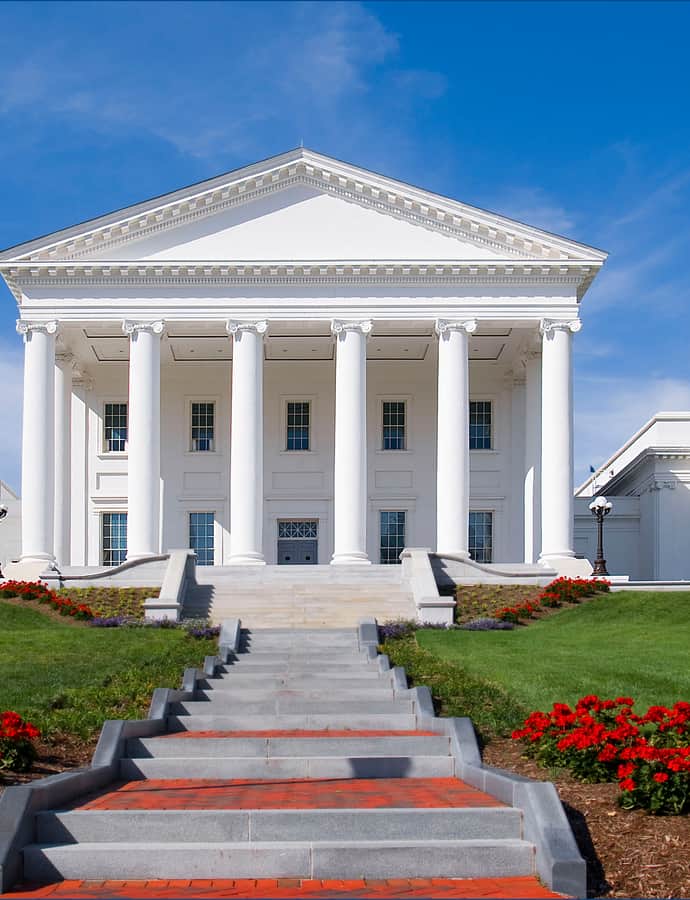
The Virginia State Capitol was designed by Thomas Jefferson with Charles-Louis Clérisseau and completed in 1785 as the seat of Virginia's government, a role it has held ever since. Jefferson modeled it on a Roman temple form, making it one of the first classical temple-form government buildings in the United States and an influential prototype for American civic architecture. It dominates Capitol Square with a prominent classical facade.

Photo: Ron Cogswell , CC BY 2.0

Federal

Wickham House

1812

Wickham House in downtown Richmond was built in 1812 and blends Federal and Greek Revival architecture. It is designated a National Historic Landmark and Virginia Historic Landmark, and is listed on the National Register of Historic Places.

WRVA Building

International Style

WRVA Building

Philip Johnson · 1968

The WRVA Building, in downtown Richmond, was designed by Philip Johnson and completed in 1968 in the International Style.

Photo: Morgan Riley , CC BY 3.0

Notable buildings

Worth a stop when you're nearby.

Moorish / Mudéjar

Altria Theater

1927

The Altria Theater in the Fan neighborhood opened in 1927 in the Moorish Revival style and has a long-running history as a performance venue.

Barret House

Greek Revival

Barret House

1844

The Barret House was built in 1844 in downtown Richmond in the Greek Revival style. It is a Virginia Historic Landmark and is listed on the National Register of Historic Places.

Photo: Unknown authorUnknown author , Public domain
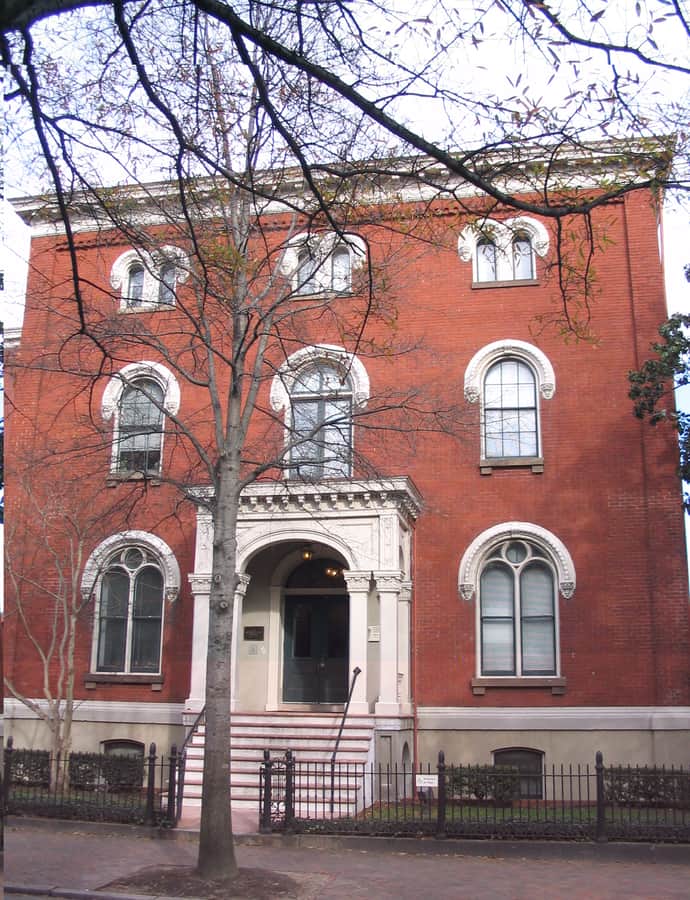
Bolling Haxall House

Renaissance Revival

Bolling Haxall House

The Bolling Haxall House is a Renaissance Revival house in downtown Richmond, notable enough to be named a Virginia Historic Landmark and listed on the National Register of Historic Places.

Photo: Morgan Riley , CC BY 3.0

Byrd Theatre

Landmark

Byrd Theatre

1928

The Byrd Theatre opened in 1928 in the Fan district as a movie house with a prominent street facade. It's individually listed on the National Register of Historic Places and designated a Virginia Historic Landmark.

Photo: Morgan Riley , CC BY 3.0

First African Baptist Church

Greek Revival

First African Baptist Church

1877

First African Baptist Church was built in 1877 in downtown Richmond in the Greek Revival style, home to a historic African American congregation. It is a Virginia Historic Landmark and is listed on the National Register of Historic Places.

Photo: Morgan Riley , CC BY 3.0

Fourth Baptist Church

Gothic Revival

Fourth Baptist Church

T. Wiley Davis

Fourth Baptist Church was designed by T. Wiley Davis in the Gothic Revival style. It is a Virginia Historic Landmark and is individually listed on the National Register of Historic Places.

Photo: Crazyale , CC0

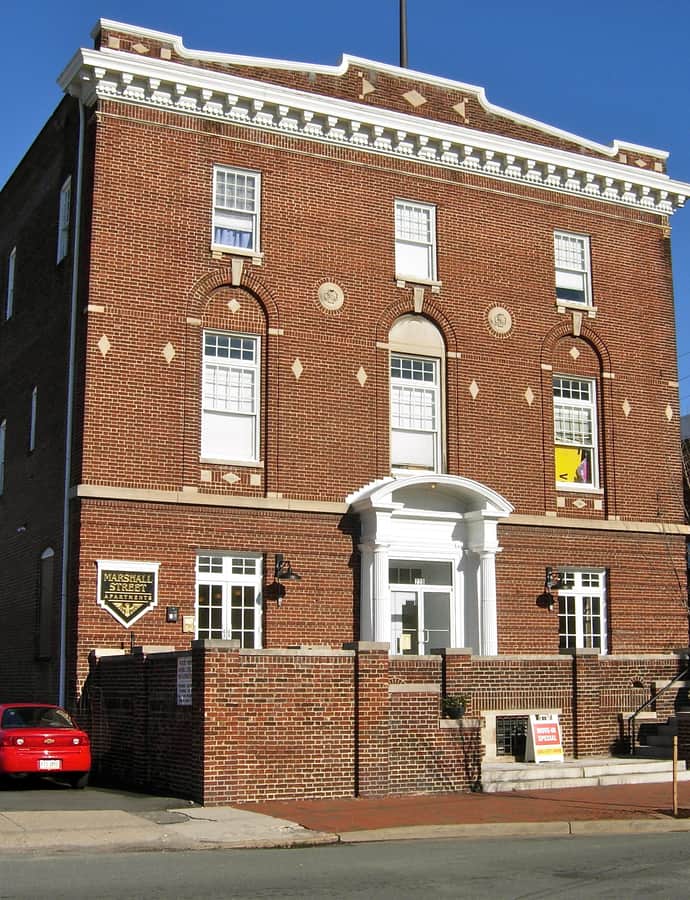
Fraternal Order of Eagles Building

Neoclassical

Fraternal Order of Eagles Building

Louis H. Asbury

The Fraternal Order of Eagles Building in downtown Richmond was designed by architect Louis H. Asbury in the Neoclassical style, with a classical facade visible from the sidewalk. It is recognized as both a Virginia Historic Landmark and a National Register of Historic Places listed place.

Photo: Crazyale , CC BY-SA 3.0

Colonial Revival

Grace Hospital

Charles M. Robinson

Grace Hospital in downtown Richmond was designed by architect Charles M. Robinson, blending Colonial Revival and Moderne architecture. It is a Virginia Historic Landmark and is listed on the National Register of Historic Places.

John B. Cary School

Landmark

John B. Cary School

Charles M. Robinson

John B. Cary School in the Fan district was designed by Charles M. Robinson, a prominent Richmond school architect. It is a Virginia Historic Landmark and is listed on the National Register of Historic Places.

Photo: Morgan Riley , CC BY 3.0

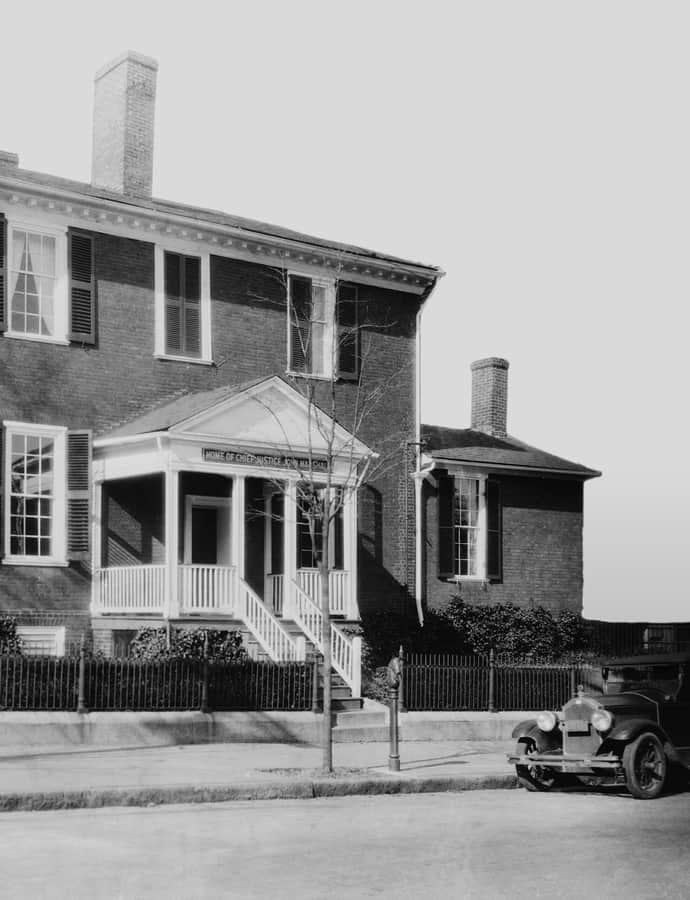
John Marshall House

Federal

John Marshall House

1790

The John Marshall House was built in 1790 in downtown Richmond in the Federal style as the home of Chief Justice John Marshall. It holds the rare distinction of National Historic Landmark status in addition to its Virginia Historic Landmark and National Register of Historic Places listings.

Photo: photographer not credited , Public domain

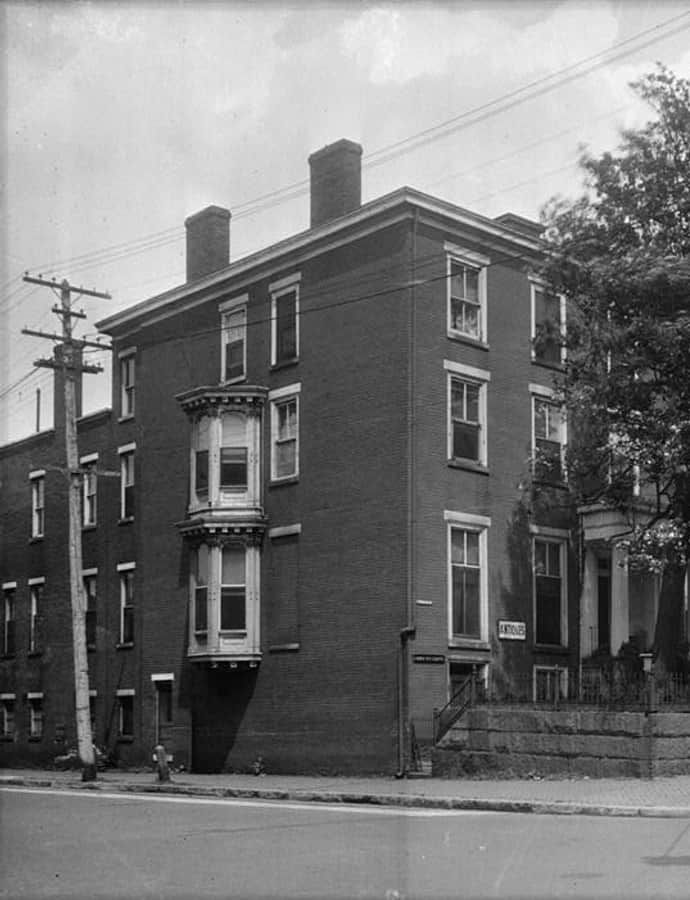
Linden Row

Greek Revival

Linden Row

Linden Row is a row of Greek Revival townhouses in downtown Richmond, unified behind a single facade. It is a Virginia Historic Landmark and is listed on the National Register of Historic Places.

Photo: Unknown authorUnknown author , Public domain
Masonic Temple

Richardsonian Romanesque

Masonic Temple

Jackson C. Gott · 1893

The Masonic Temple in downtown Richmond was designed by architect Jackson C. Gott and completed in 1893 in the Richardsonian Romanesque style. It is recognized as both a Virginia Historic Landmark and a National Register of Historic Places contributing property.

Photo: Morgan Riley , CC BY 3.0

Robert Fulton School

Colonial Revival

Robert Fulton School

1917

Robert Fulton School was built in 1917 in the Colonial Revival style. It is a Virginia Historic Landmark and is listed on the National Register of Historic Places.

Photo: Mojo Hand , CC BY-SA 4.0

Robinson House

Italianate

Robinson House

1859

Robinson House is an 1859 residence in Richmond's Fan neighborhood, built in the Italianate style. It is a Virginia Historic Landmark and is listed on the National Register of Historic Places.

Photo: AgnosticPreachersKid , CC BY-SA 4.0

Scott House

Beaux-Arts

Scott House

The Scott House stands in Richmond's Fan neighborhood, built in the Beaux-Arts style. It is a Virginia Historic Landmark and is individually listed on the National Register of Historic Places.

Photo: Morgan Riley , CC BY 3.0

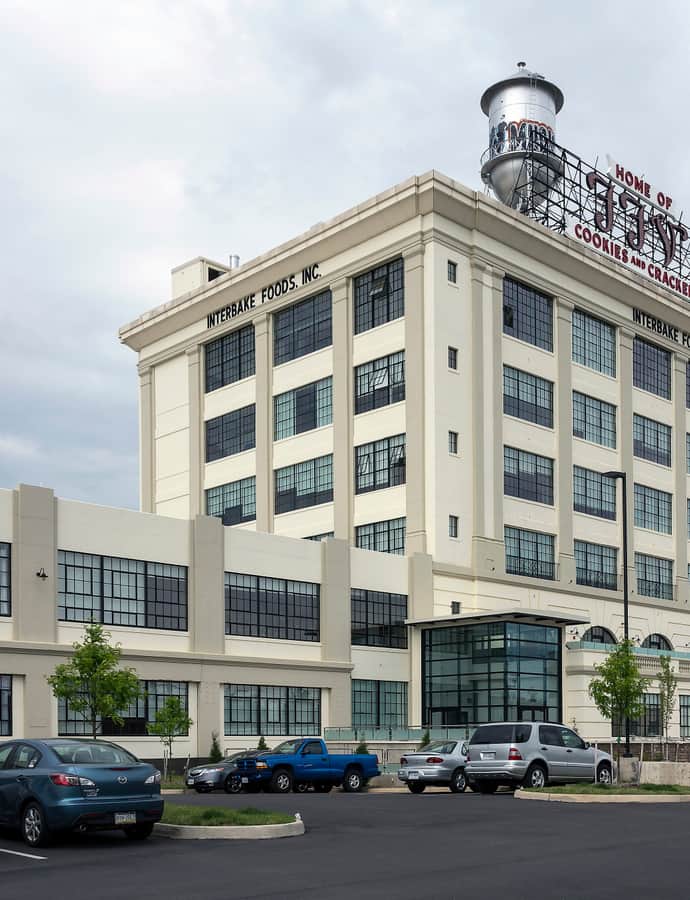
Southern Biscuit Company

Colonial Revival

Southern Biscuit Company

The Southern Biscuit Company building is a former biscuit factory built in the Colonial Revival style, an unusual choice for a commercial and industrial structure. It is recognized as a Virginia Historic Landmark and listed on the National Register of Historic Places.

Photo: Acroterion , CC BY-SA 4.0

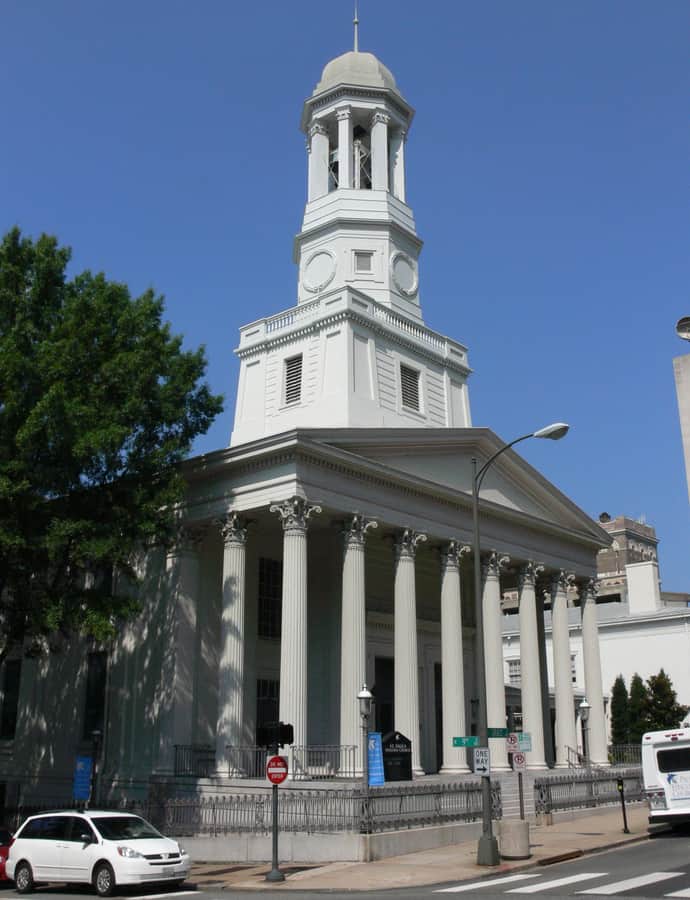
St. Paul's Episcopal Church

Greek Revival

St. Paul's Episcopal Church

Thomas Somerville Stewart

St. Paul's Episcopal Church in downtown Richmond was designed by architect Thomas Somerville Stewart in the Greek Revival style. It is recognized as a Virginia Historic Landmark and is listed on the National Register of Historic Places.

Photo: Morgan Riley , CC BY 3.0

Renaissance Revival

The Commonwealth Club

The Commonwealth Club in downtown Richmond is a private social club built in the Renaissance Revival and Mediterranean Revival styles. It is a National Register of Historic Places contributing property and is separately recognized as a Virginia Historic Landmark and NRHP listed place.

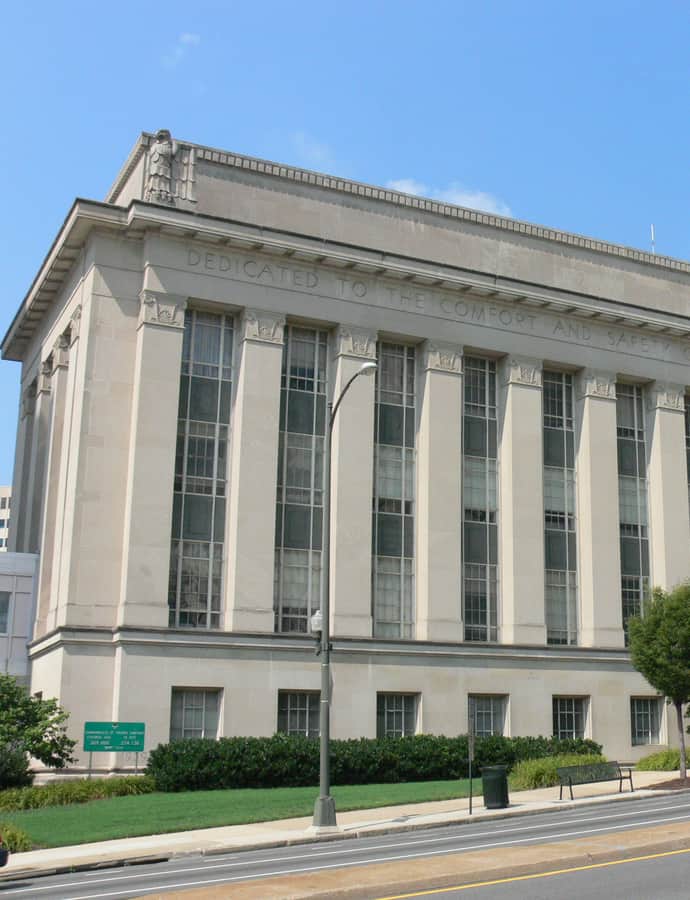
Virginia Department of Highways Building

Neoclassical

Virginia Department of Highways Building

1937

The Virginia Department of Highways Building went up in downtown Richmond in 1937, in the Stripped Classicism style that Depression-era governments favored for its monumental, transitional take on classicism. It is listed on the National Register of Historic Places and designated a Virginia Historic Landmark.

Photo: Morgan Riley , CC BY 3.0

William H. Grant House

Renaissance Revival

William H. Grant House

The William H. Grant House in downtown Richmond was built in the Renaissance Revival style. It is a Virginia Historic Landmark and is listed on the National Register of Historic Places.

Photo: Morgan Riley , CC BY 3.0

Hidden gems

Fine buildings that fewer people seek out.

Atlantic Motor Company

Neoclassical

Atlantic Motor Company

1919

The Atlantic Motor Company building, completed in 1919 in Richmond's Fan neighborhood, is a Neoclassical commercial building. It is individually designated a Virginia Historic Landmark and listed on the National Register of Historic Places.

Photo: Morgan Riley , CC BY 3.0

Baker Public School

Art Deco

Baker Public School

1939

Baker Public School was built in 1939, combining Colonial Revival and Art Deco architecture. It is a Virginia Historic Landmark and is listed on the National Register of Historic Places.

Photo: Nyttend , Public domain

Barbara Johns Building

Colonial Revival

Barbara Johns Building

Harrison Albright

The Barbara Johns Building is a Colonial Revival structure in downtown Richmond designed by architect Harrison Albright and named for civil rights figure Barbara Johns. It is listed as a Virginia Historic Landmark and on the National Register of Historic Places.

Photo: Smash the Iron Cage , CC BY-SA 4.0

Tudor Revival

Bellevue School Building

Carneal and Johnston · 1912

The Bellevue School Building is a Tudor Revival school in downtown Richmond, completed in 1912 by the architecture firm Carneal and Johnston. It is a contributing property to the National Register of Historic Places.

Benjamin Watkins Leigh House

Renaissance Revival

Benjamin Watkins Leigh House

The Benjamin Watkins Leigh House is a Renaissance Revival building in downtown Richmond, designated a Virginia Historic Landmark and listed on the National Register of Historic Places.

Photo: Morgan Riley , Public domain

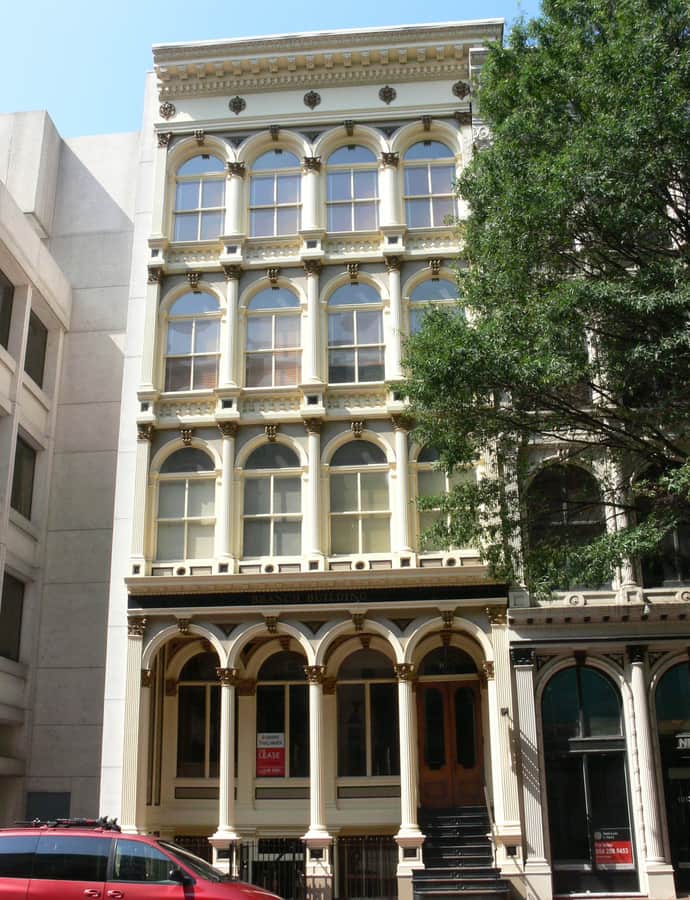
Branch Building

Cast Iron

Branch Building

1866

The Branch Building is a cast-iron structure in downtown Richmond dating to 1866. It is individually listed on the Virginia Landmarks Register and the National Register of Historic Places.

Photo: Morgan Riley , CC BY 3.0

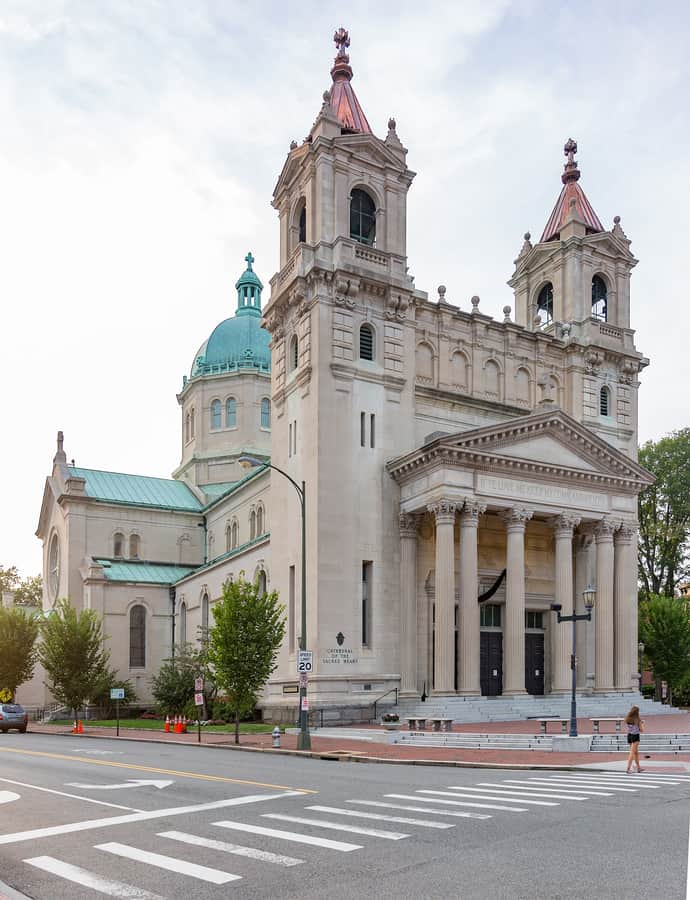
Cathedral of the Sacred Heart

Renaissance Revival

Cathedral of the Sacred Heart

Joseph Hubert McGuire · 1905

The Cathedral of the Sacred Heart in the Fan district was completed in 1905 to designs by architect Joseph Hubert McGuire in the Renaissance Revival style. It is a Virginia Historic Landmark, an NRHP-listed place, and a contributing property to the National Register.

Photo: Martin Kraft , CC BY-SA 3.0

Renaissance Revival

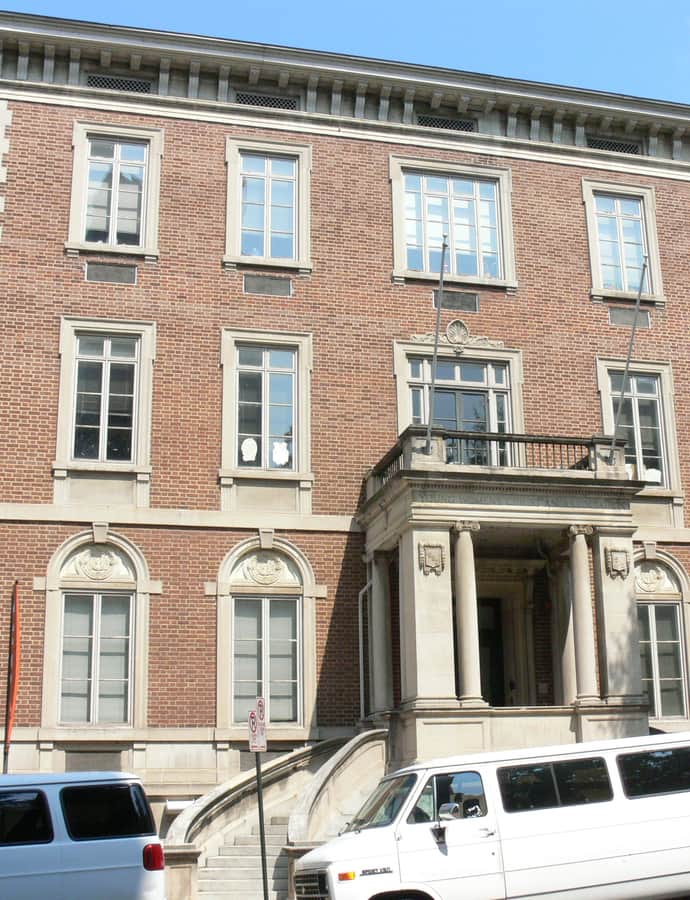
Charlotte Williams Memorial Hospital

Albert W. Fuller

Charlotte Williams Memorial Hospital is a Renaissance Revival building in downtown Richmond designed by architect Albert W. Fuller. It is individually listed on the Virginia Landmarks Register and the National Register of Historic Places.

Federal

Crump Double House

1818

The Crump Double House, built in 1818 in downtown Richmond, is worked in the Adam and Federal styles. It is a contributing property to the National Register of Historic Places and is designated a Virginia Historic Landmark.

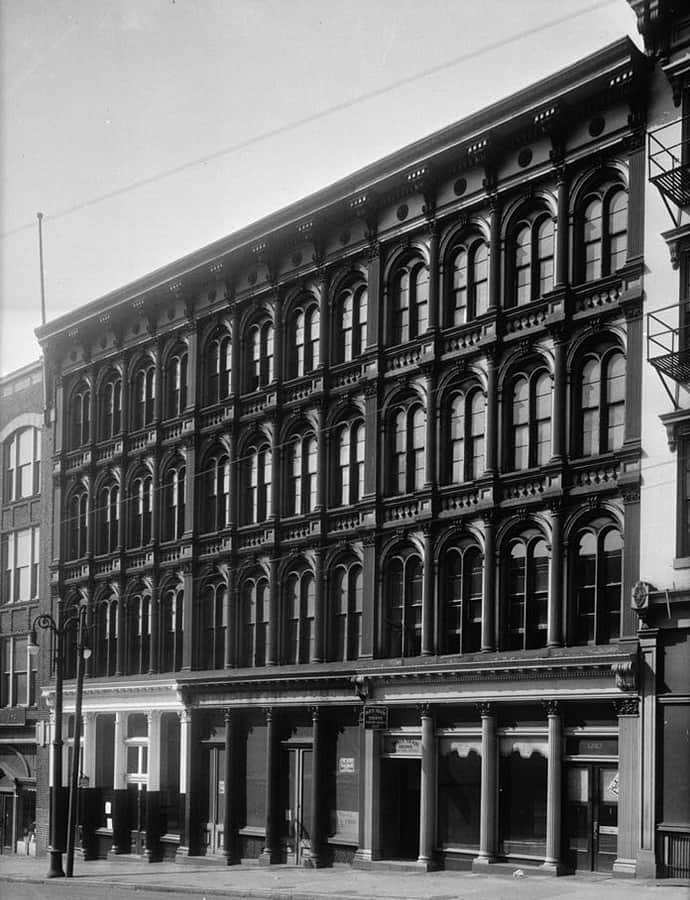
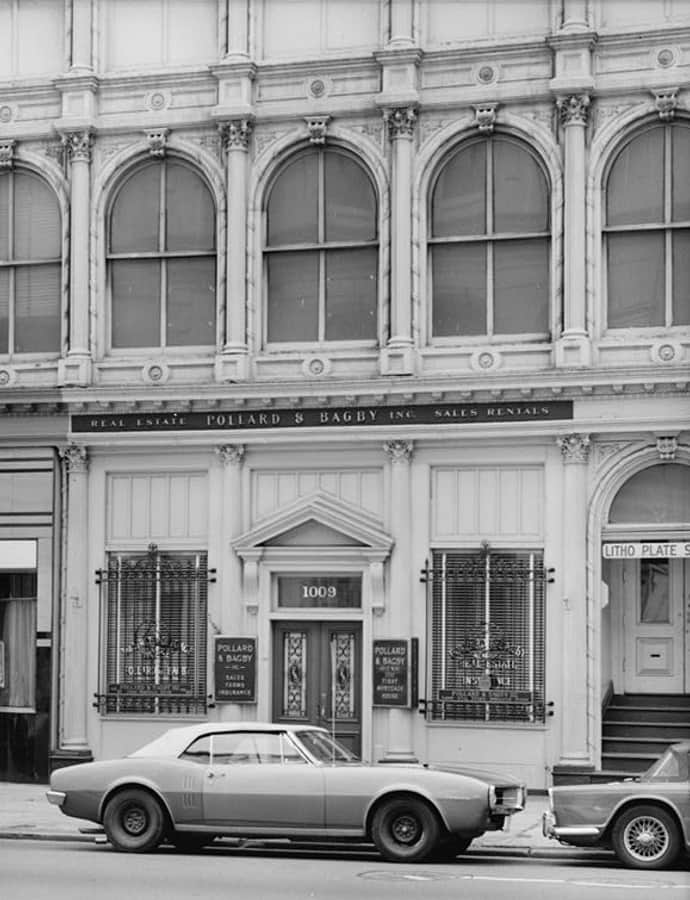
Donnan–Asher Iron-front Building

Renaissance Revival

Donnan–Asher Iron-front Building

The Donnan–Asher Iron-front Building is a Renaissance Revival commercial building in downtown Richmond, noted as a notable iron-front structure. It is a Virginia Historic Landmark and is listed on the National Register of Historic Places.

Photo: Unknown authorUnknown author , Public domain
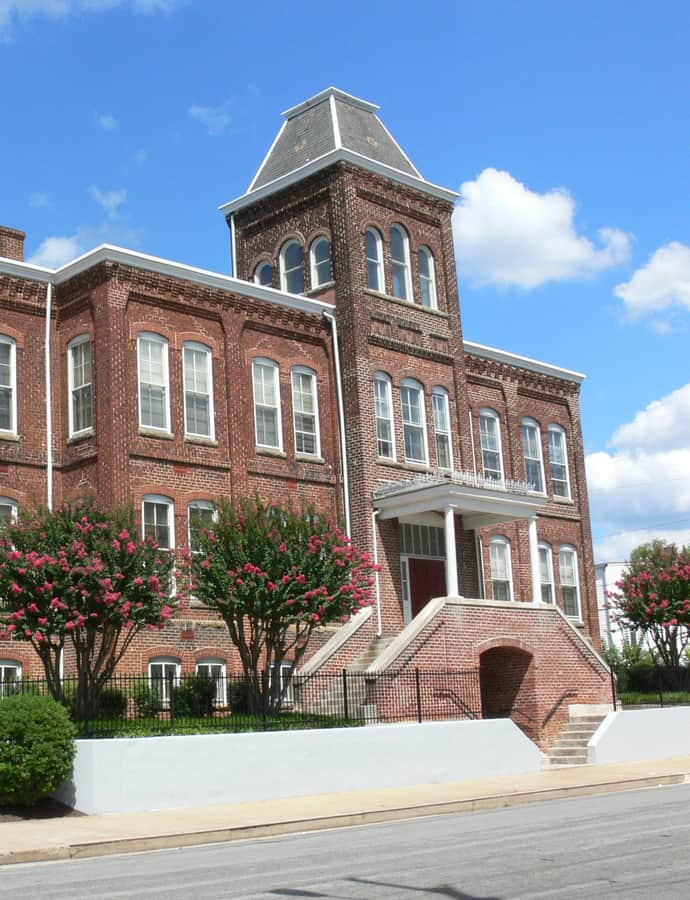
Fairmount School

Gothic Revival

Fairmount School

Albert F. Huntt · 1895

Fairmount School is a Gothic Revival former school building in Richmond, designed by Albert F. Huntt and completed in 1895. It is listed on the National Register of Historic Places and designated a Virginia Historic Landmark.

Photo: Morgan Riley , CC BY 3.0

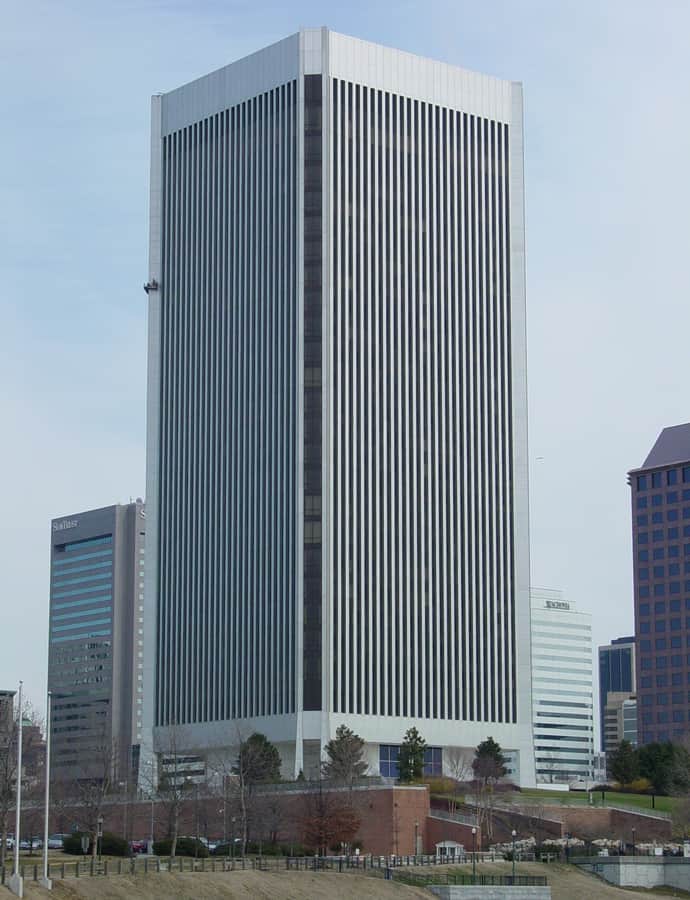
Federal Reserve Bank of Richmond Building

Landmark

Federal Reserve Bank of Richmond Building

Minoru Yamasaki · 1978

The Federal Reserve Bank of Richmond Building was completed in 1978 and designed by Minoru Yamasaki, a major 20th-century architect.

Photo: Ben Schumin , CC BY-SA 3.0

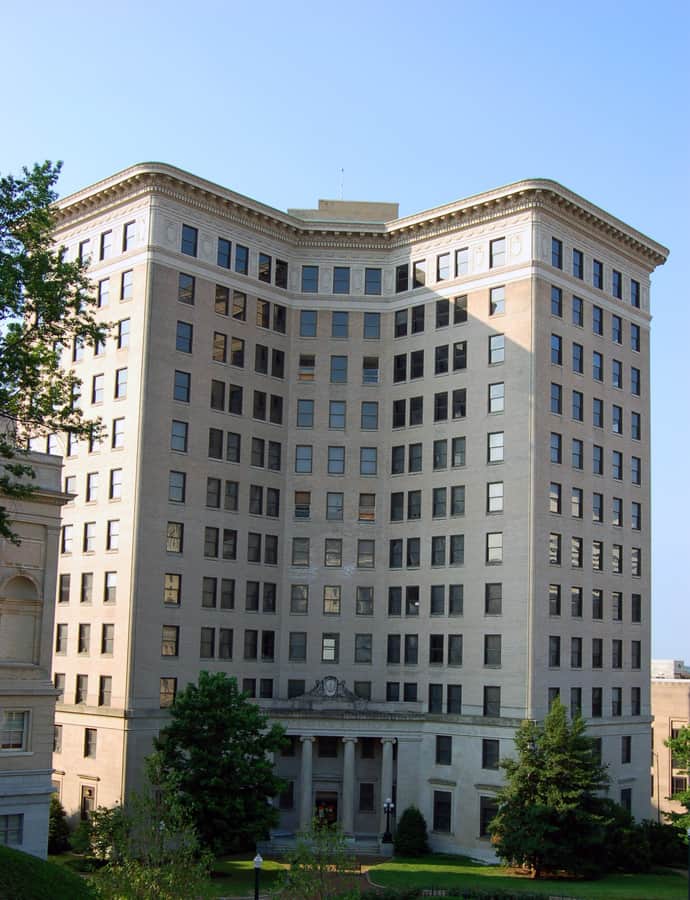
George Washington Building

Beaux-Arts

George Washington Building

The George Washington Building is a Beaux-Arts structure in downtown Richmond, designated a Virginia Historic Landmark and listed on the National Register of Historic Places.

Photo: Taber Andrew Bain from Richmond, VA, USA , CC BY 2.0

Hunt-Sitterding House

Romanesque Revival

Hunt-Sitterding House

1891

The Hunt-Sitterding House, built in 1891 in the Fan neighborhood, blends Romanesque Revival and Queen Anne styles. It is designated a Virginia Historic Landmark and listed on the National Register of Historic Places.

Photo: Morgan Riley , CC BY 3.0

Manchester Courthouse

Colonial Revival

Manchester Courthouse

Albert L. West · 1871

The Manchester Courthouse is a Colonial Revival civic building completed in 1871 and designed by architect Albert L. West. It served as a courthouse, a distinct civic building type, and is now listed as a Virginia Historic Landmark and individually on the National Register of Historic Places.

Photo: Morgan Riley , CC BY 3.0

Maupin-Maury House

Greek Revival

Maupin-Maury House

1846

The Maupin-Maury House is a Greek Revival house in downtown Richmond built in 1846. It is designated a Virginia Historic Landmark and is individually listed on the National Register of Historic Places.

Photo: Morgan Riley , CC BY 3.0

Nathaniel Bacon School

Colonial Revival

Nathaniel Bacon School

Charles M. Robinson · 1914

The Nathaniel Bacon School, completed in 1914, was designed by architect Charles M. Robinson in the Colonial Revival style. It is designated a Virginia Historic Landmark and listed on the National Register of Historic Places.

Photo: Morgan Riley , CC BY 3.0

Italianate

Number 2 Truck-House

1890

Number 2 Truck-House is an 1890 Italianate building in downtown Richmond, once a firehouse. It is individually designated a Virginia Historic Landmark and listed on the National Register of Historic Places.

Landmark

Old Stone House

1754

The Old Stone House in downtown Richmond was built in 1754, making it one of the city's oldest surviving structures. It is a Virginia Historic Landmark and is listed on the National Register of Historic Places.

Beaux-Arts

Oliver Hill Building

The Oliver Hill Building is a Beaux-Arts commercial building in downtown Richmond, individually listed on the National Register of Historic Places and designated a Virginia Historic Landmark.

Pace-King House

Italianate

Pace-King House

1860

The Pace-King House is an Italianate house in downtown Richmond built in 1860. It is a contributing property and individually listed on the National Register of Historic Places, and a Virginia Historic Landmark.

Photo: Morgan Riley , CC BY 3.0

Planters National Bank

Romanesque Revival

Planters National Bank

Planters National Bank is a Romanesque Revival bank building in downtown Richmond, designated a Virginia Historic Landmark and listed on the National Register of Historic Places.

Photo: Crazyale , CC BY-SA 3.0

Putney Houses

Renaissance Revival

Putney Houses

Putney Houses is a Renaissance Revival building in downtown Richmond, recognized as a Virginia Historic Landmark and listed on the National Register of Historic Places.

Photo: Morgan Riley , CC BY 3.0

Reveille

Federal

Reveille

Reveille is a Federal-style building in Richmond, listed on the National Register of Historic Places and designated a Virginia Historic Landmark.

Photo: Morgan Riley , CC BY 3.0

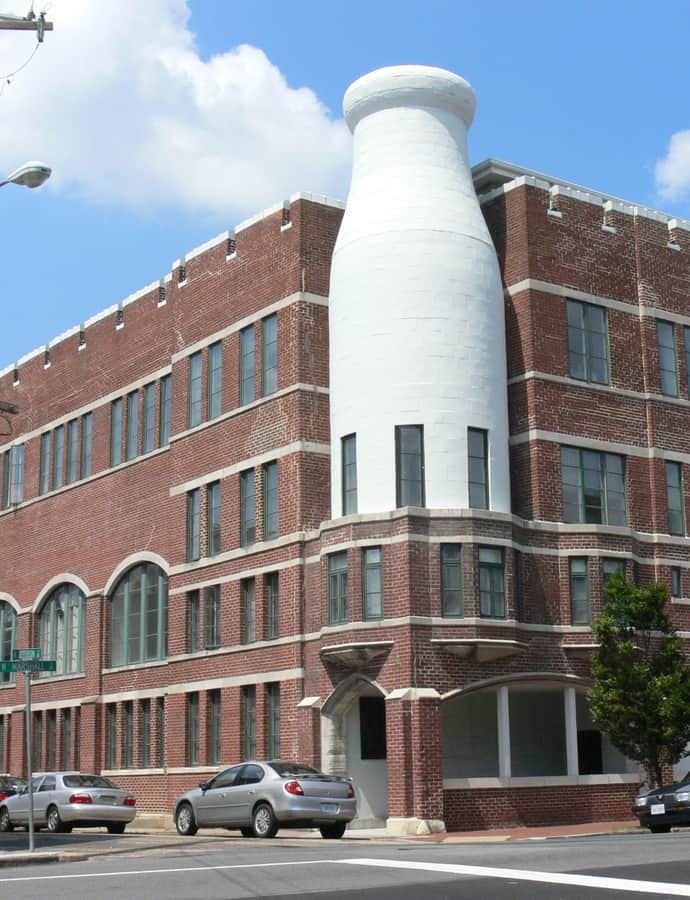
Richmond Dairy Building

Tudor Revival

Richmond Dairy Building

Carneal and Johnston · 1913

The Richmond Dairy Building in downtown Richmond was completed in 1913 to designs by the firm Carneal and Johnston, in the Tudor Revival style — an unusual choice for an industrial dairy building. It is a contributing property to the National Register of Historic Places.

Photo: Morgan Riley , CC BY 3.0

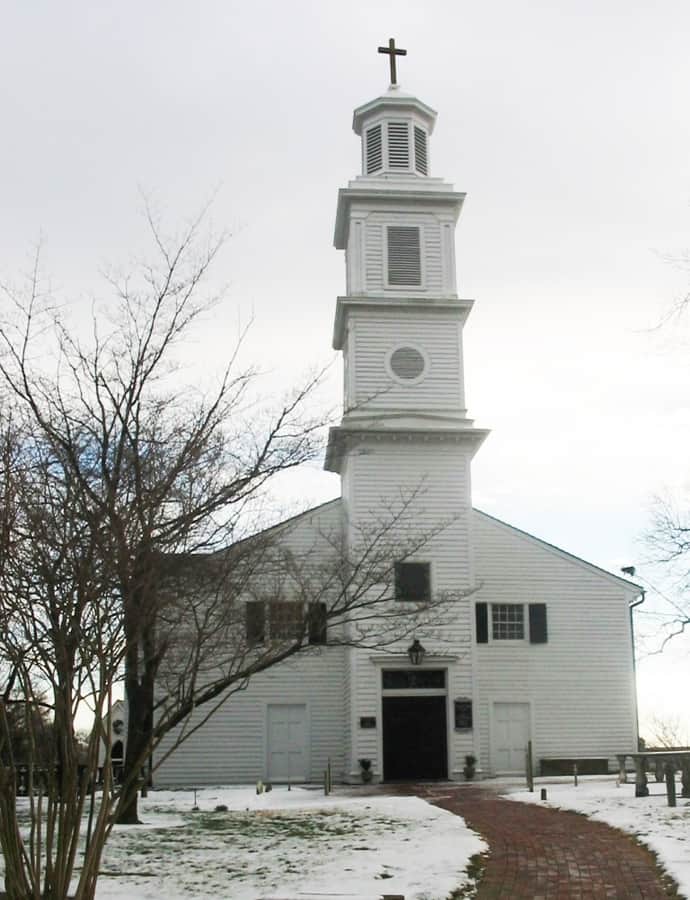
St. John's Episcopal Church

Landmark

St. John's Episcopal Church

St. John's Episcopal Church is a National Historic Landmark in Richmond, also listed on the National Register of Historic Places and designated a Virginia Historic Landmark.

Photo: Skyring , CC BY-SA 3.0

Gothic Revival

St. Patrick Catholic Church

1859

St. Patrick Catholic Church is a Gothic Revival church dating to 1859. It is individually designated a Virginia Historic Landmark and listed as a National Register of Historic Places contributing property.

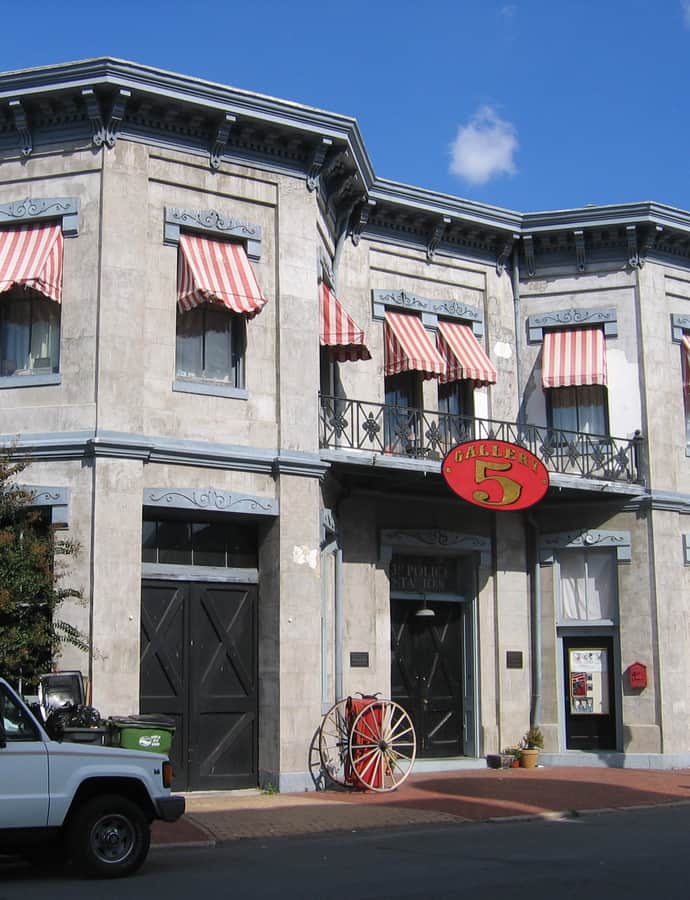
Steamer Company Number 5

Renaissance Revival

Steamer Company Number 5

Steamer Company Number 5 is a Renaissance Revival building in downtown Richmond, designated a Virginia Historic Landmark and listed on the National Register of Historic Places.

Photo: Eli Pousson , CC BY-SA 2.0

Stearns Iron-Front Building

Italianate

Stearns Iron-Front Building

1869

The Stearns Iron-Front Building, built in 1869 in downtown Richmond, is an Italianate cast-iron-front building whose iron facade is visible from the street. It is designated a Virginia Historic Landmark and listed on the National Register of Historic Places.

Photo: Unknown authorUnknown author , Public domain
Second Empire

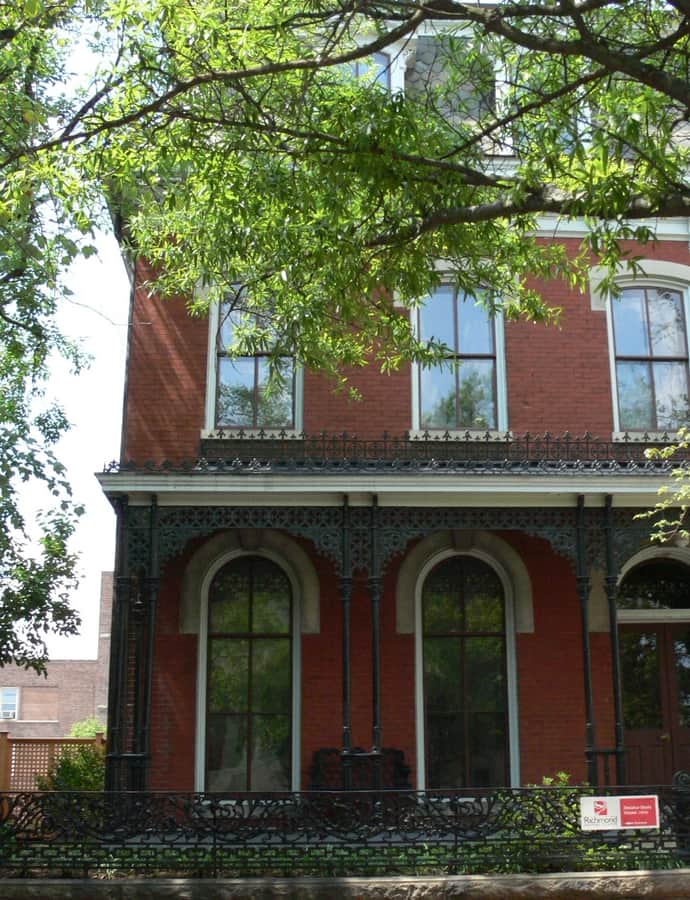
T. Wiley Davis House

T. Wiley Davis · 1885

The T. Wiley Davis House was built in 1885 in the Second Empire style. It is a contributing property to the National Register of Historic Places and is designated a Virginia Historic Landmark.
Virginia Mutual Building

Neoclassical

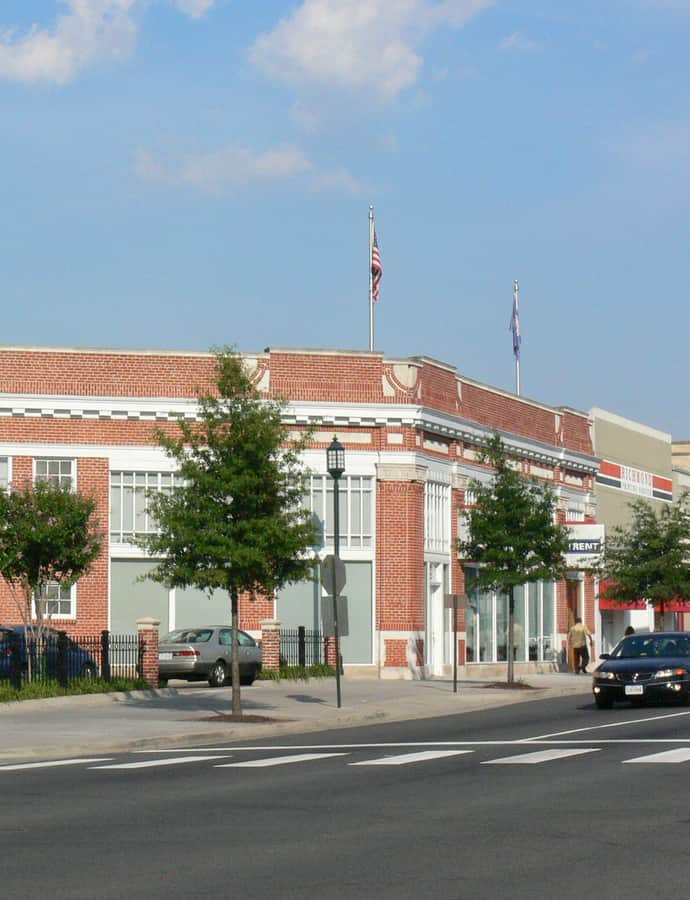
Virginia Mutual Building

Alfred Bossom · 1921

The Virginia Mutual Building is a Neoclassical structure in downtown Richmond, completed in 1921 to a design by architect Alfred Bossom. It is individually listed on the Virginia Landmarks Register and the National Register of Historic Places.

Photo: Crazyale , CC BY-SA 3.0

White House of the Confederacy

Renaissance Revival

White House of the Confederacy

Robert Mills

The White House of the Confederacy, in downtown Richmond, is attributed to architect Robert Mills and served as the wartime executive mansion of the Confederacy. It is individually listed on the National Register of Historic Places.

Photo: AlbertHerring , CC BY-SA 3.0

Young Women's Christian Association

Renaissance Revival

Young Women's Christian Association

The Young Women's Christian Association building is a Renaissance Revival structure in downtown Richmond, listed on the National Register of Historic Places and designated a Virginia Historic Landmark.

Photo: Morgan Riley , CC BY 3.0