
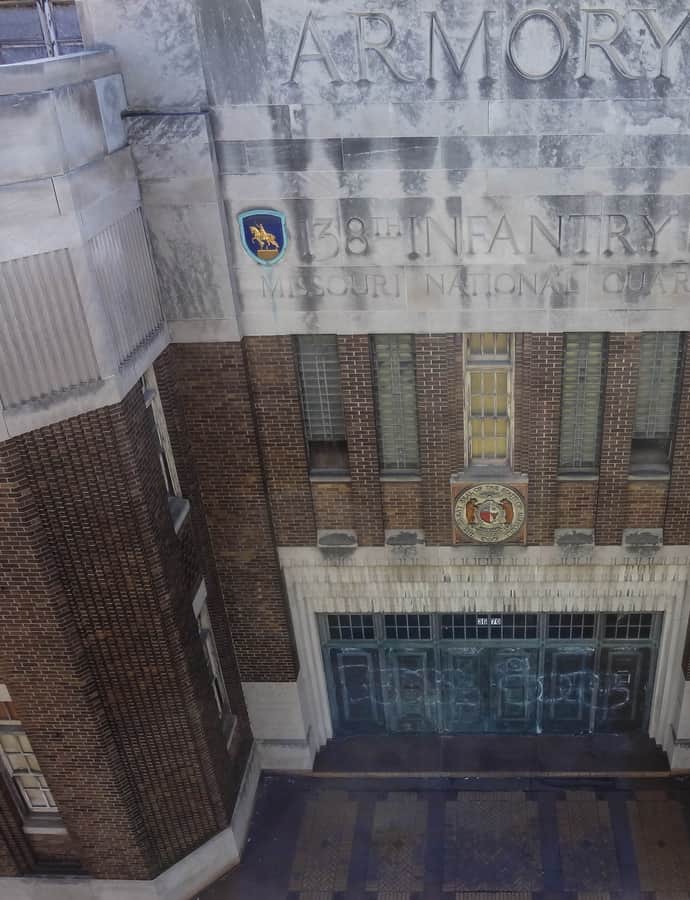
138th Infantry Missouri National Guard Armory
The 138th Infantry Missouri National Guard Armory is an Art Deco building serving the military armory typology, listed on the National Register of Historic Places.
Photo: Paul Sableman , CC BY 2.0
City guide
90 buildings worth a detour, each with what to look for. Open them on the map, or walk them with the iPhone app, which collects each one you photograph.
The buildings that define the city's architecture.
The 138th Infantry Missouri National Guard Armory is an Art Deco building serving the military armory typology, listed on the National Register of Historic Places.
Photo: Paul Sableman , CC BY 2.0
The Anheuser-Busch Brewery, in the Lafayette neighborhood, dates to 1875 and was built in the Romanesque Revival style. As a long-running brewery complex, it is designated a National Historic Landmark and is listed on the National Register of Historic Places.
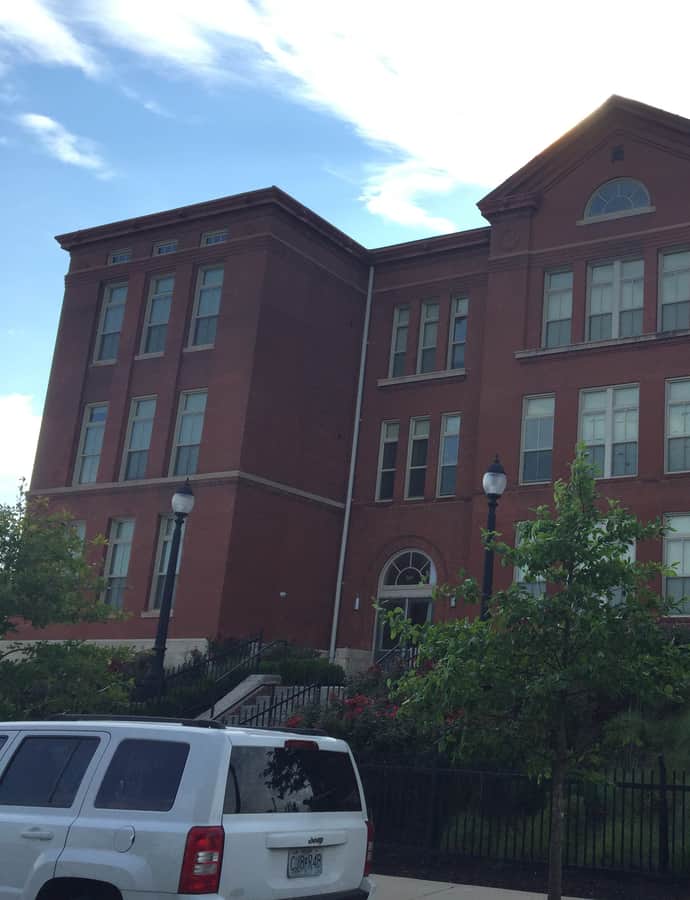
Arlington School was designed by William B. Ittner, a nationally influential school architect, in the Neoclassical style. The building is listed on the National Register of Historic Places, with its school facade visible from the street.
Photo: LittleT889 , CC BY-SA 4.0
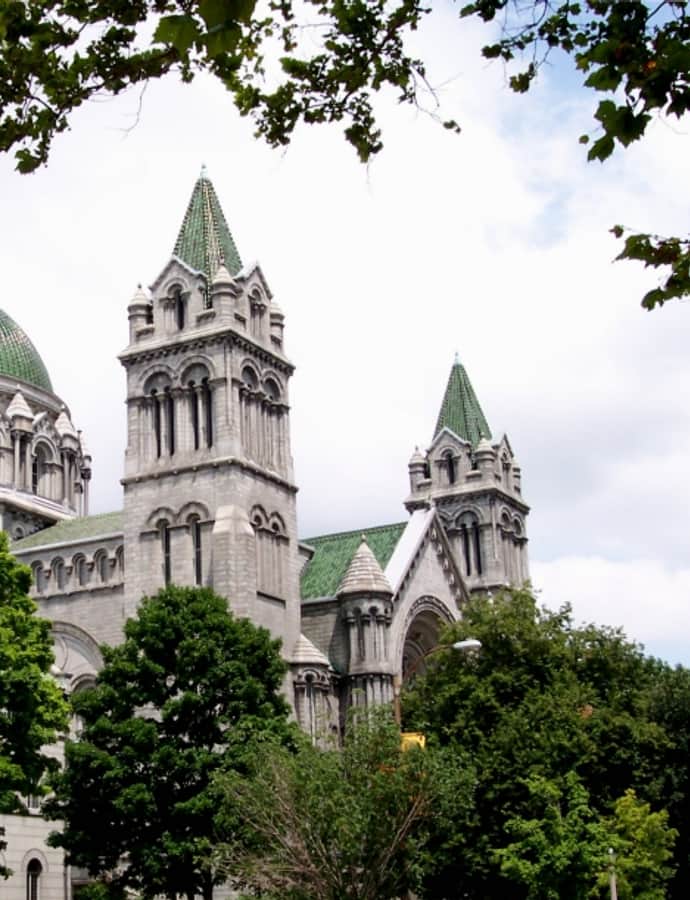
The Cathedral Basilica of Saint Louis was completed in 1914 to a design by the major St. Louis firm Barnett, Haynes & Barnett, in the Byzantine Revival style — a rare choice for a cathedral in a U.S. city. Its interior is known for extensive mosaic work.
Photo: Colin.faulkingham at English Wikipedia , Public domain
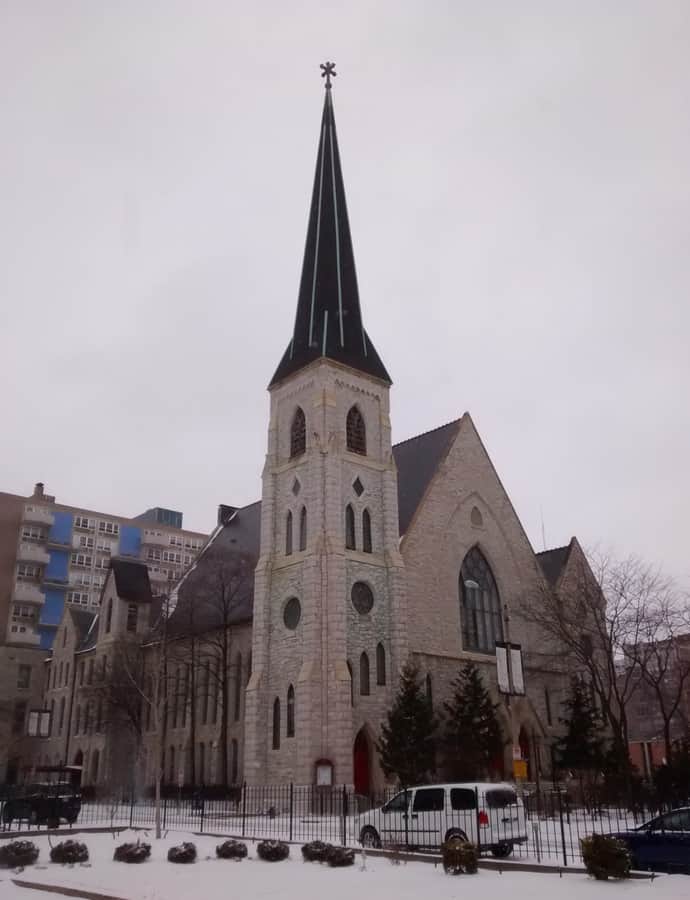
Centenary Methodist Episcopal Church, South, in downtown St. Louis was designed by Thomas Dixon, a noted church architect, in the Gothic Revival style. The church, with its facade visible from the street, is listed on the National Register of Historic Places.
Photo: Mx. Granger , CC0
The Chatillon-DeMenil House in the Lafayette neighborhood is a Greek Revival mansion, visible from the street with its Greek Revival facade. It is listed on the National Register of Historic Places.
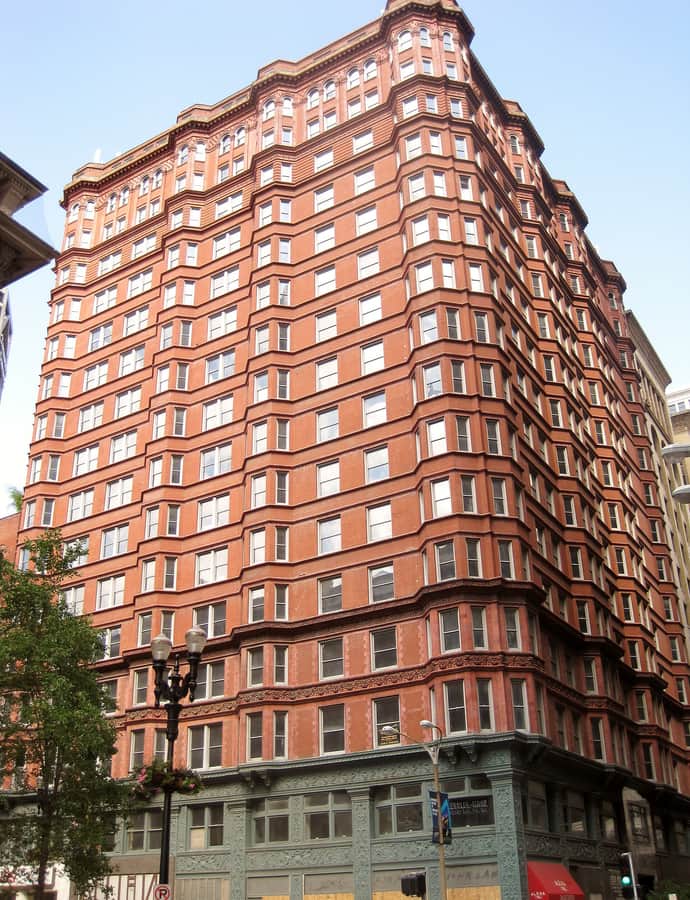
The Chemical Building in downtown St. Louis was designed by Henry Ives Cobb and completed in 1896 in the Chicago School style. It is listed on the National Register of Historic Places and carries an OSM heritage=2 designation.
Photo: Teemu008 from Palatine, Illinois , CC BY-SA 2.0
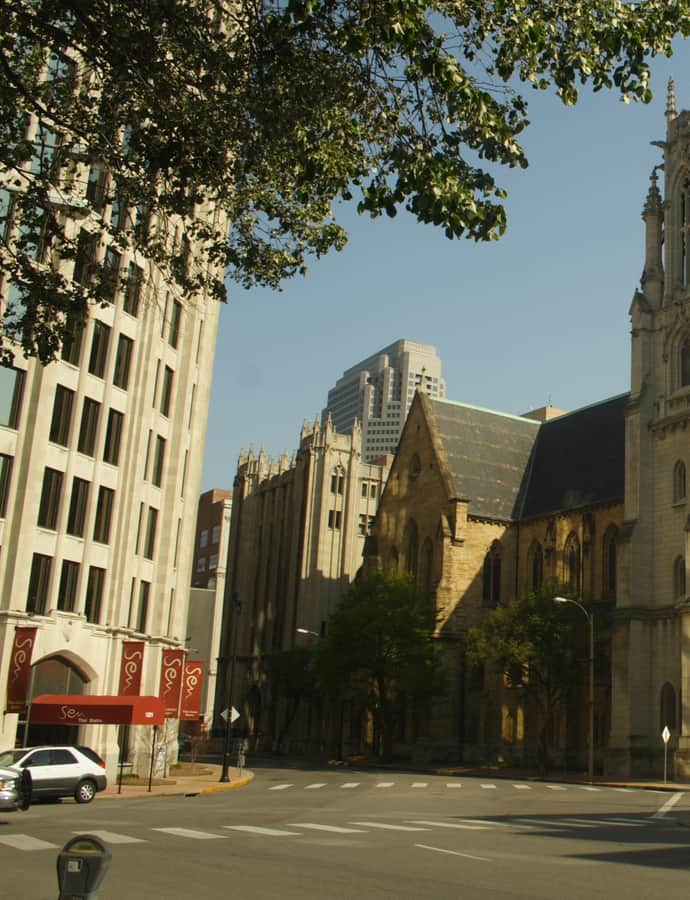
Landmark
Christ Church Cathedral in downtown St. Louis was designed by architect Leopold Eidlitz, a notable 19th-century American architect. The cathedral's form gives it a prominent street presence, and it is recognized as a National Historic Landmark and listed on the National Register of Historic Places.
Photo: Matthew Black from London, UK , CC BY-SA 2.0
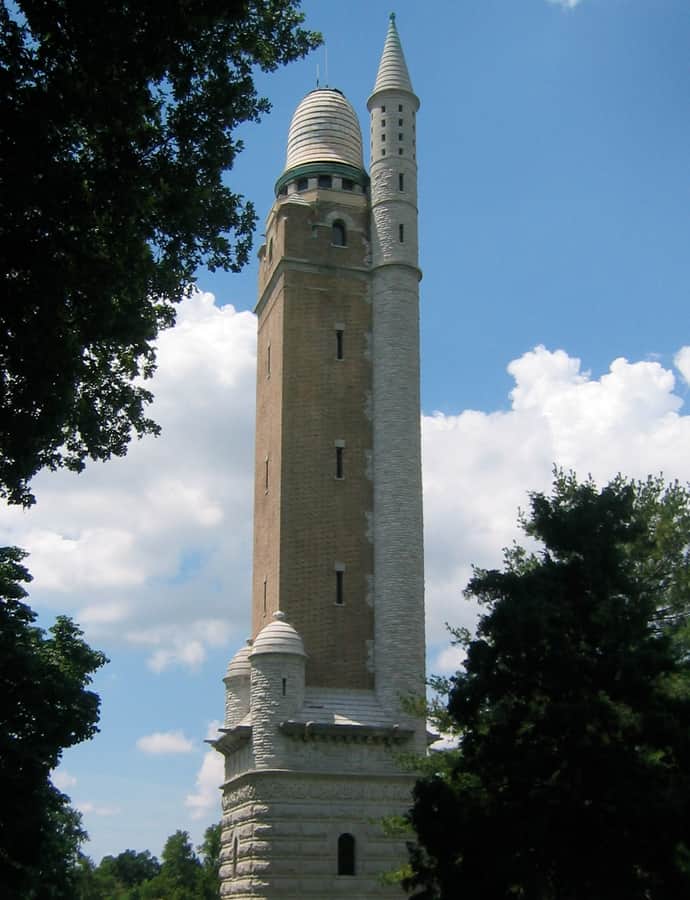
The Compton Hill Water Tower was designed by Harvey Ellis and completed in 1898 in the Romanesque Revival style. It functions as an ornamental standpipe tower and is one of St. Louis's most visible landmarks.
Photo: Millbrooky , CC BY 3.0
The Eugene Field House, built in 1829 in the Federal style, was the childhood home of poet Eugene Field. Located downtown, it survives today as a house museum and is designated a National Historic Landmark and listed on the National Register of Historic Places.
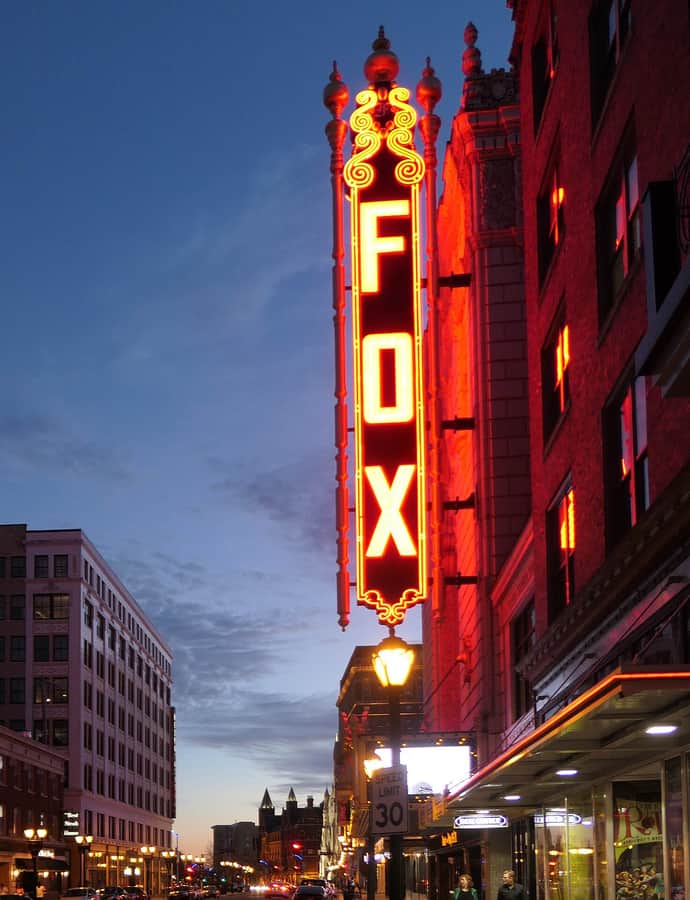
Landmark
The Fox Theatre, a grand 1929 movie palace, was designed by C. Howard Crane, a noted theater architect. Its ornate theater facade remains highly visible from the street, and the building is listed on the National Register of Historic Places.
Photo: Paul Sableman , CC BY 2.0
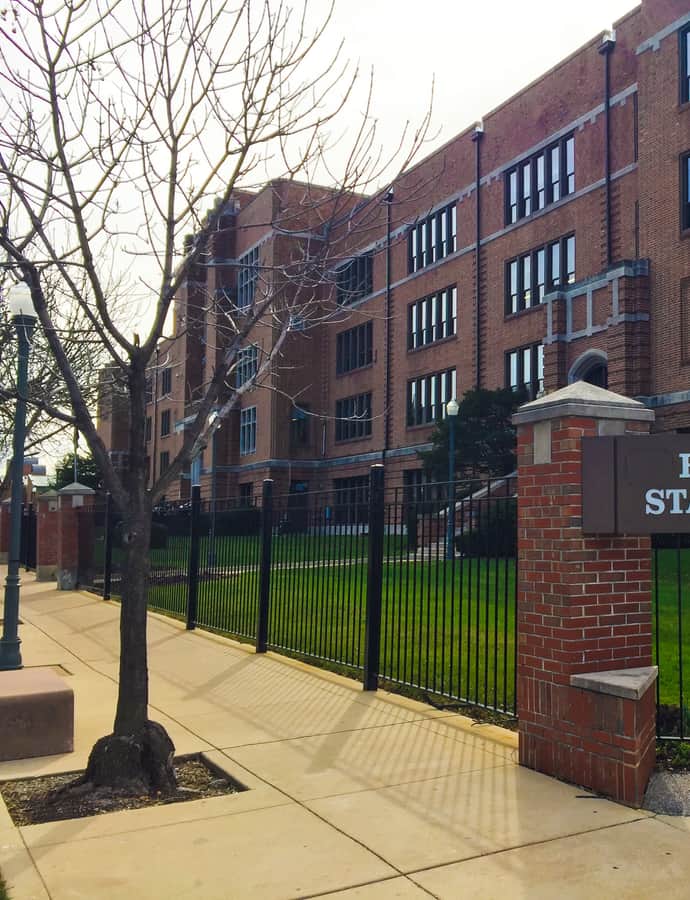
Harris–Stowe State University includes a campus building dating to 1857, built in the Tudor Revival style with ornament visible from the street. It is listed on the National Register of Historic Places.
Photo: LittleT889 , CC BY-SA 4.0
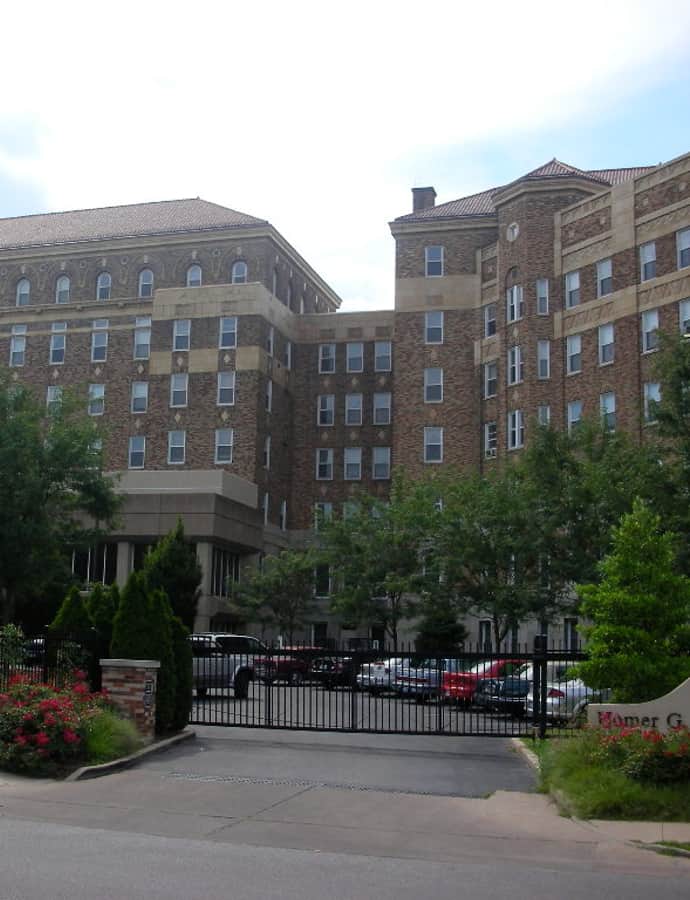
Homer G. Phillips Hospital is an Art Deco building with a prominent facade, notable for its history serving the Black community and its place in civil rights and medical history. It is listed on the National Register of Historic Places.
Photo: Onegentlemanofverona , CC BY 3.0
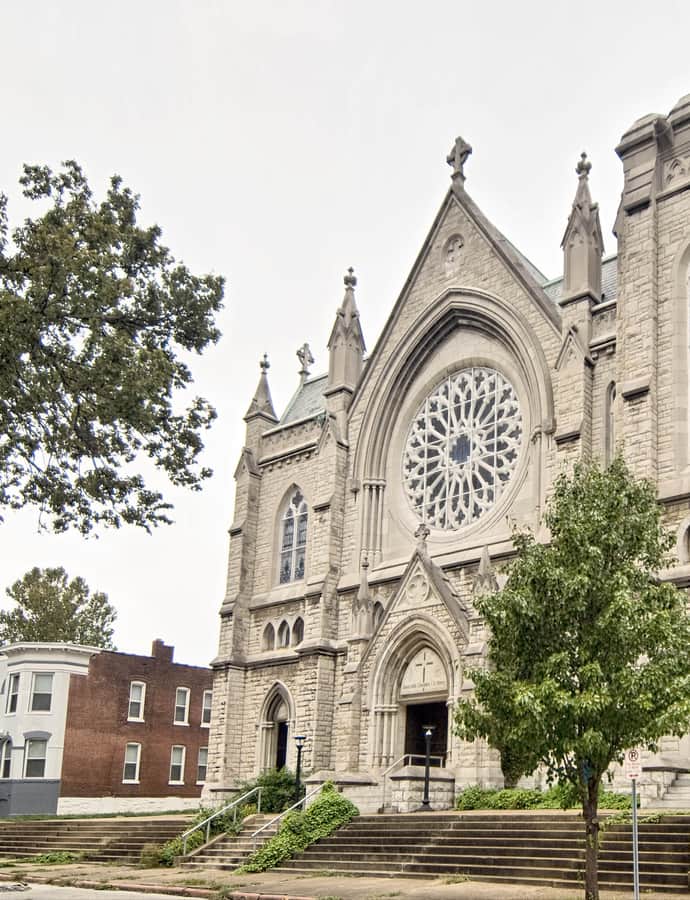
Immaculate Conception Church and Rectory was designed by Barnett, Haynes & Barnett, a prominent St. Louis architecture firm, in the Gothic Revival style. It is listed on the National Register of Historic Places.
Photo: Parker Botanical , CC BY-SA 3.0
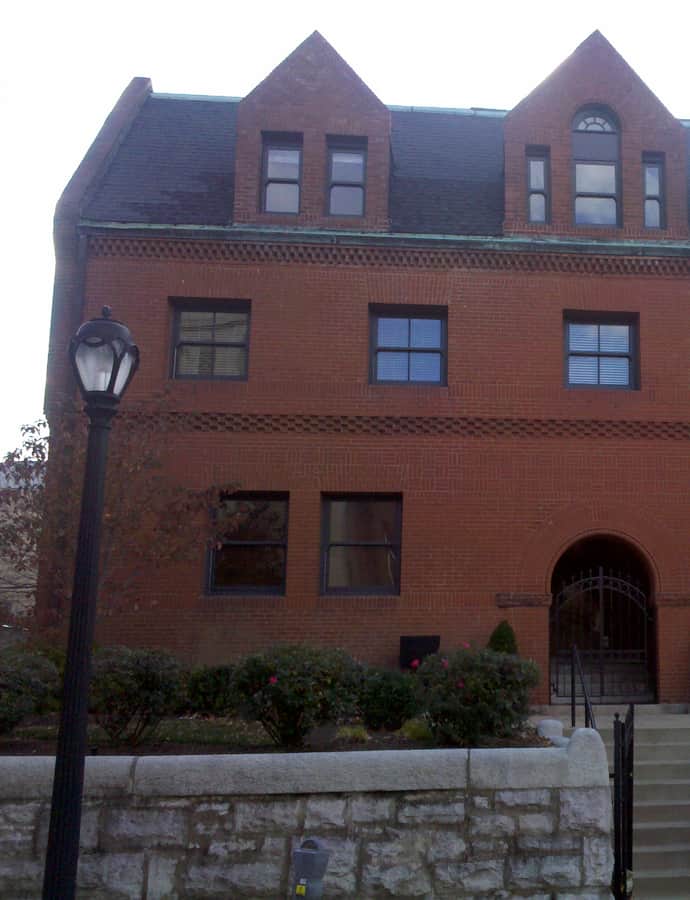
The Isaac H. Lionberger House was built in 1887 to a design by Henry Hobson Richardson, a nationally significant American architect. Its distinctive Richardsonian facade remains street-visible today.
Photo: JE Allen , CC BY-SA 3.0
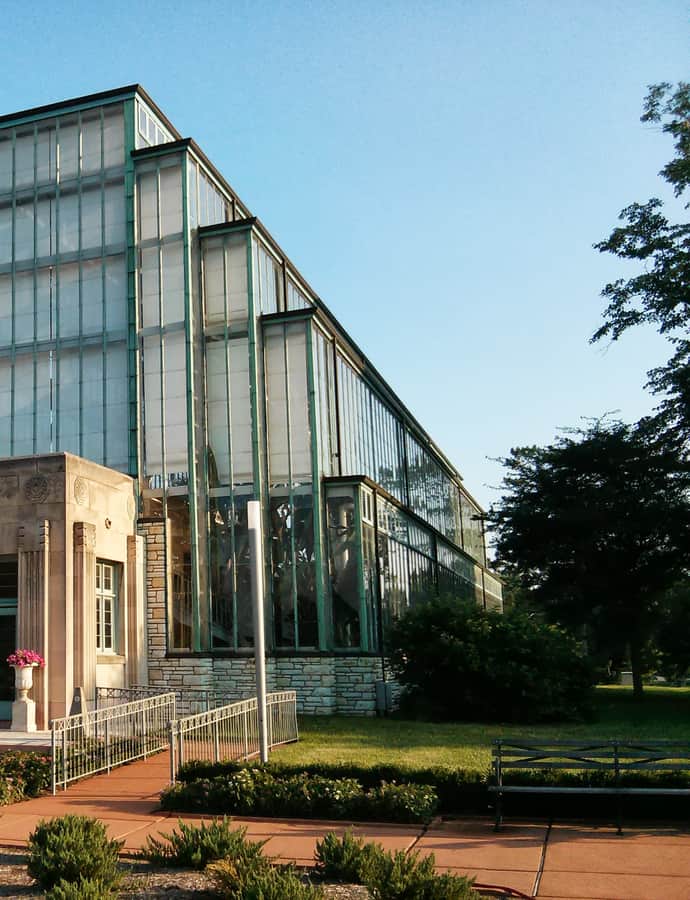
The Jewel Box is an Art Deco greenhouse completed in 1936, distinctive for its glass Art Deco facade that is highly visible from the street. It is listed on the National Register of Historic Places and carries an OSM heritage=yes tag.
Photo: Marcus Qwertyus , CC BY-SA 3.0
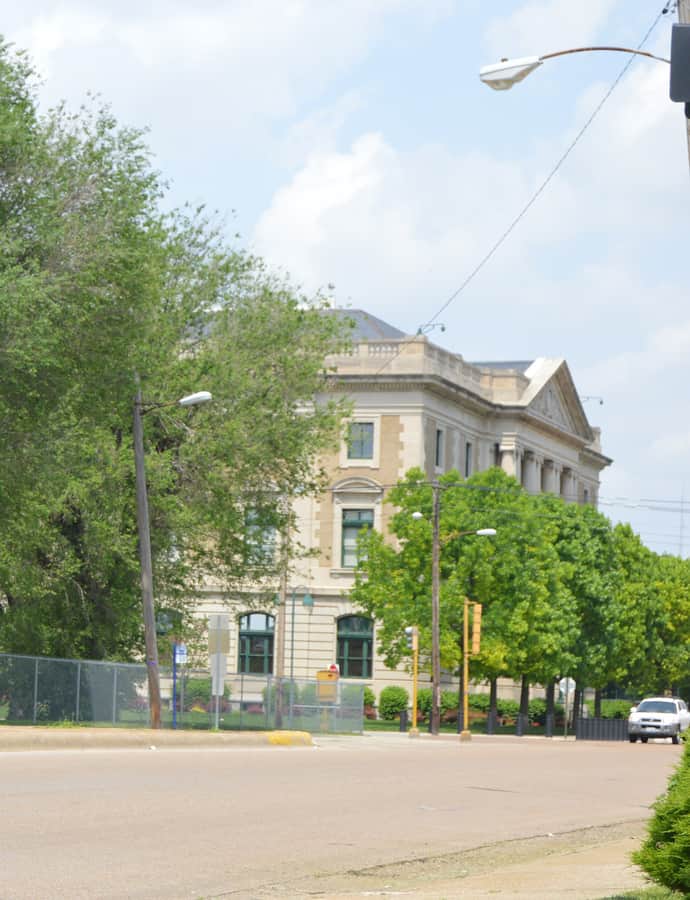
The Melvin Price Federal Building and United States Courthouse was completed in 1909 to a Beaux-Arts design by James Knox Taylor, who served as Supervising Architect of the U.S. Treasury. It presents a prominent civic facade as a federal courthouse.
Photo: Nyttend , Public domain
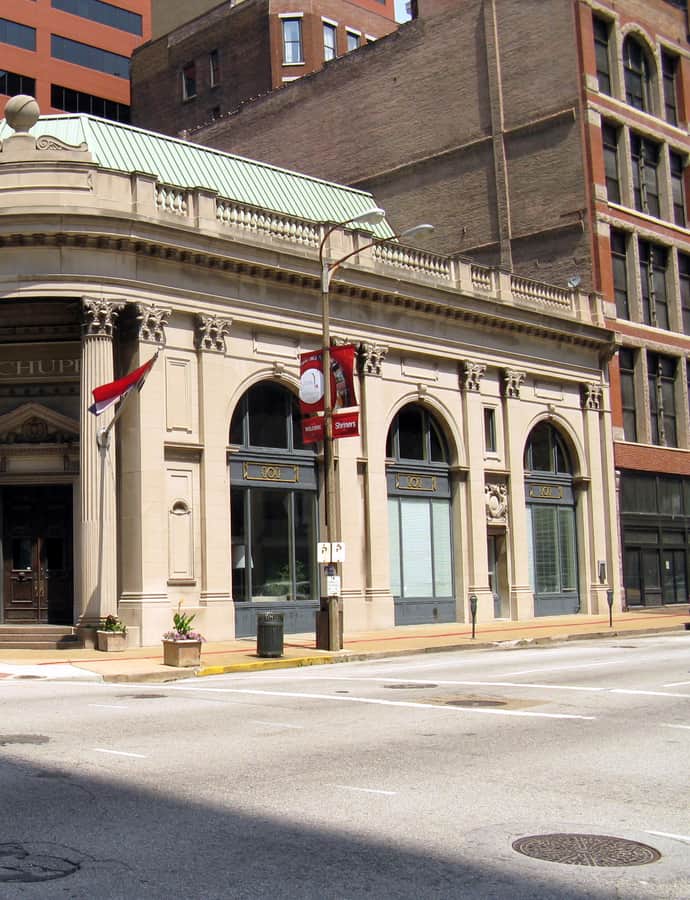
The Mississippi Valley Trust Company Building in downtown St. Louis was completed in 1896 to a design by the firm Eames and Young in the Beaux-Arts style. It is recognized both as a Landmark of St. Louis and on the National Register of Historic Places.
Photo: publichall , CC BY-SA 3.0
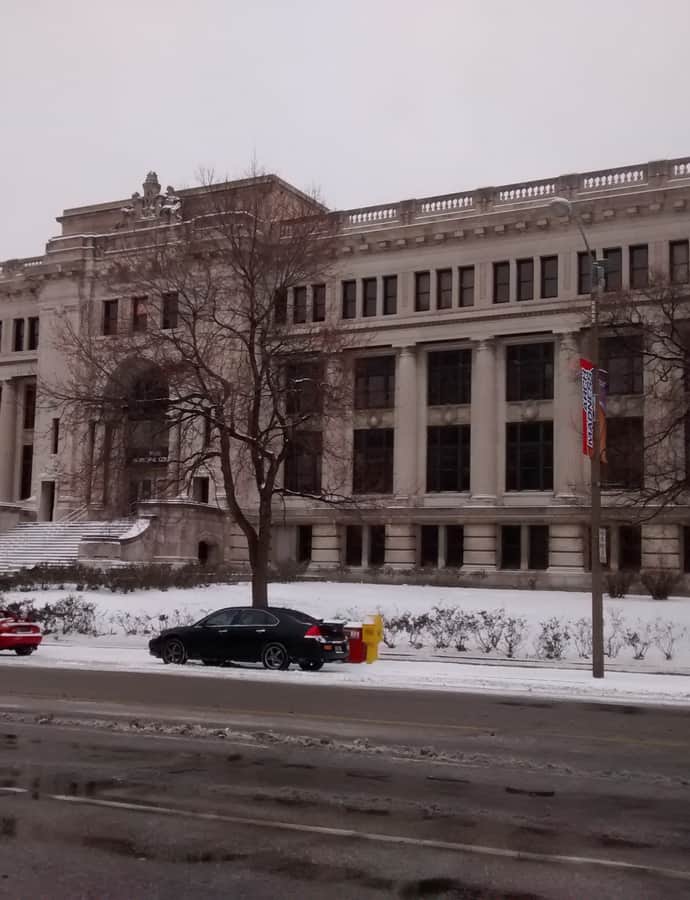
The Municipal Courts Building was completed in 1911 to a design by Isaac S. Taylor, who had served as chief of construction for the 1904 World's Fair. Built in the Beaux-Arts style, it gave St. Louis's court system a monumental civic home, and it is listed on the National Register of Historic Places.
Photo: Mx. Granger , CC0
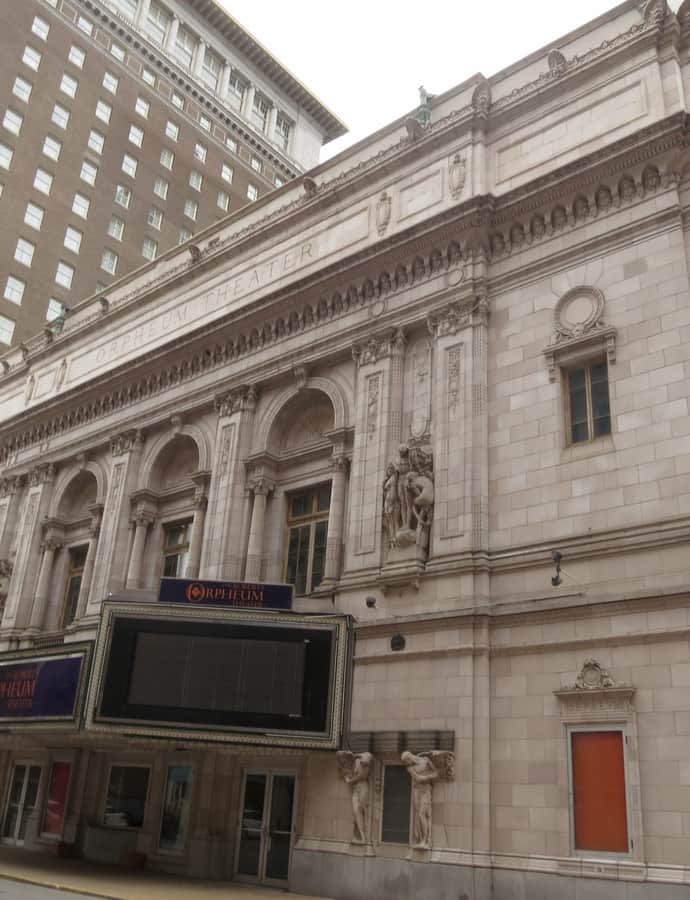
The Orpheum Theater opened in 1917 in downtown St. Louis, designed by G. Albert Lansburgh, a prolific theater architect, in the Beaux-Arts style. Its grand facade gives it a strong street presence.
Photo: Marcus Qwertyus , CC BY-SA 3.0
Landmark
Powell Hall was built in 1925 to a design by Rapp and Rapp, noted theater architects. Originally a movie palace, it was later converted into a symphony hall, and it is designated a Landmark of St. Louis and a National Register of Historic Places contributing property.
Landmark
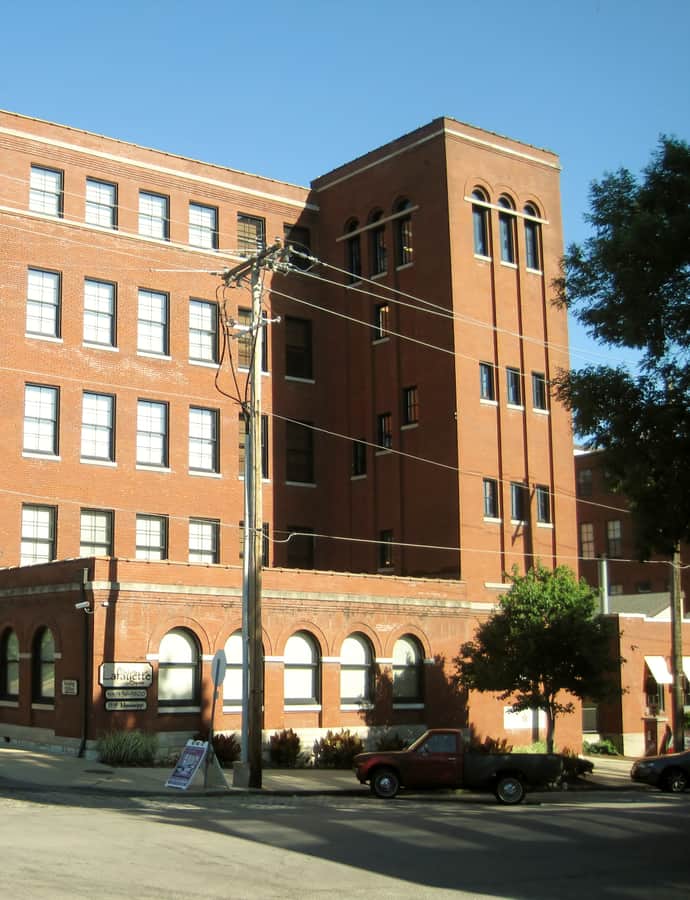
The Roberts, Johnson and Rand-International Shoe Company Complex stands in the Lafayette neighborhood and was designed by Theodore Link, the architect of St. Louis Union Station. It is a major shoe-industry complex, tied to the trade that once made St. Louis a national footwear manufacturing center, and is listed on the National Register of Historic Places.
Photo: Teemu08 , CC BY-SA 3.0
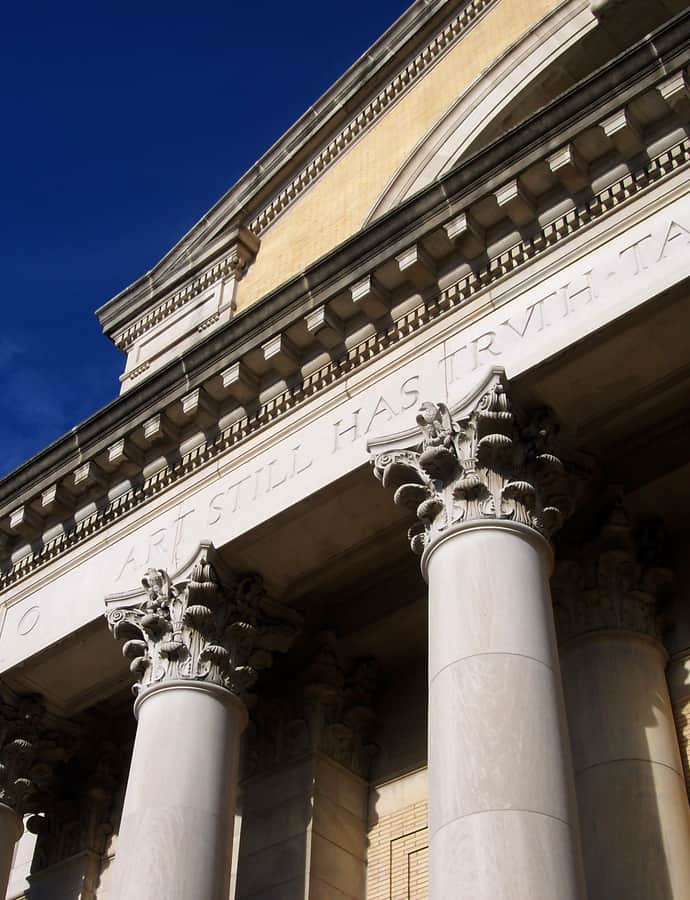
The Saint Louis Art Museum's building traces to 1879 and includes design work by Cass Gilbert, a historically significant architect, with later work by David Chipperfield. The Beaux-Arts Palace of Fine Arts building was built for the 1904 World's Fair, giving it a dense civic history and strong street presence.
Photo: unknown , Public domain
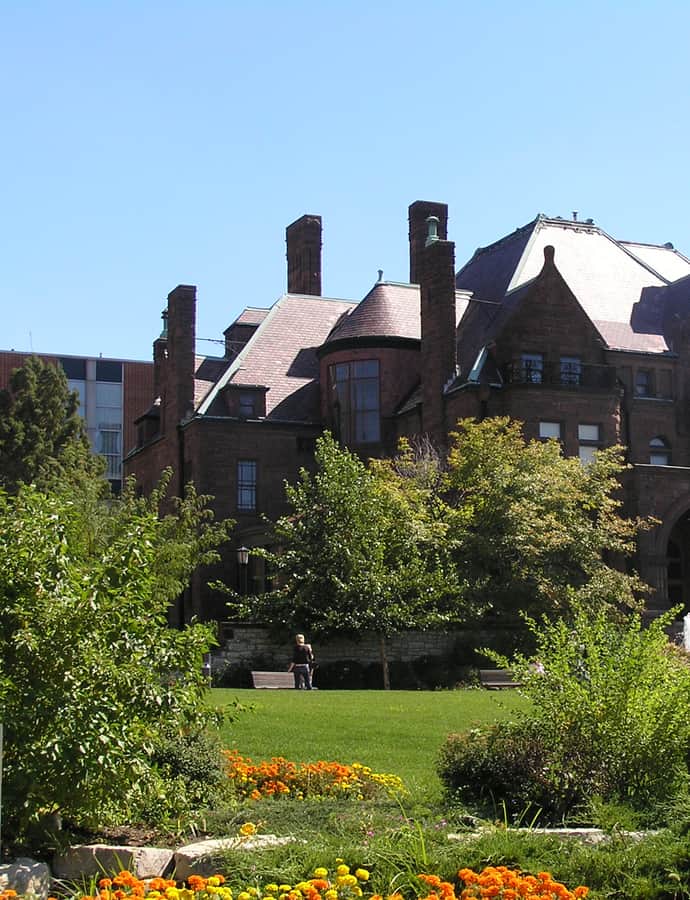
The Samuel Cupples House is a Romanesque Revival mansion with a prominent facade in that style, listed on the National Register of Historic Places.
Photo: Dasha , CC BY 2.0
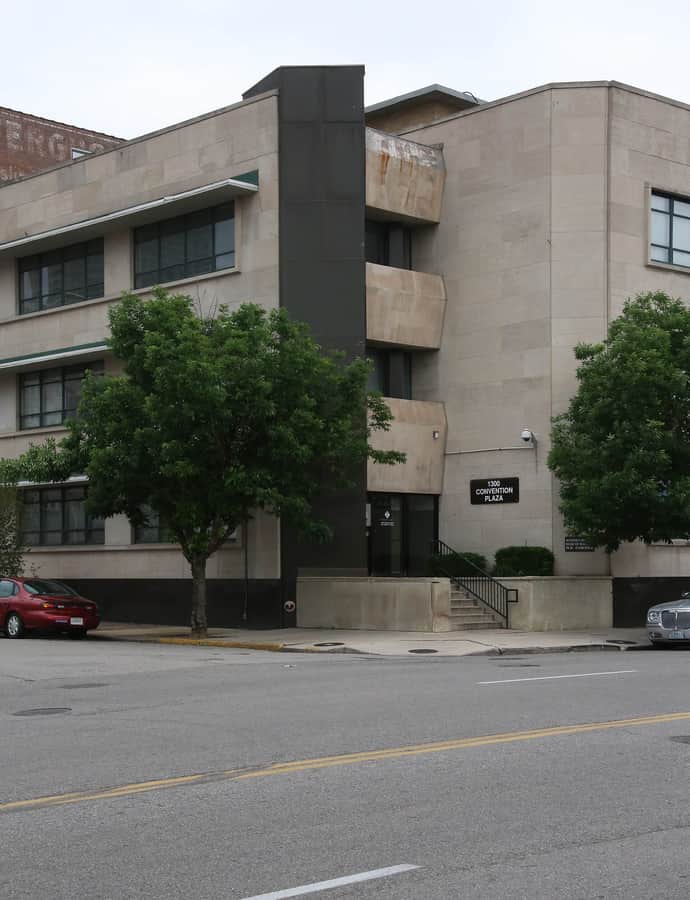
The Seven-Up Headquarters in downtown St. Louis was designed by Hugo K. Graf in the International Style, a style rarely built locally, and now stands as a named corporate headquarters listed on the National Register of Historic Places.
Photo: Paul Sableman , CC BY 2.0
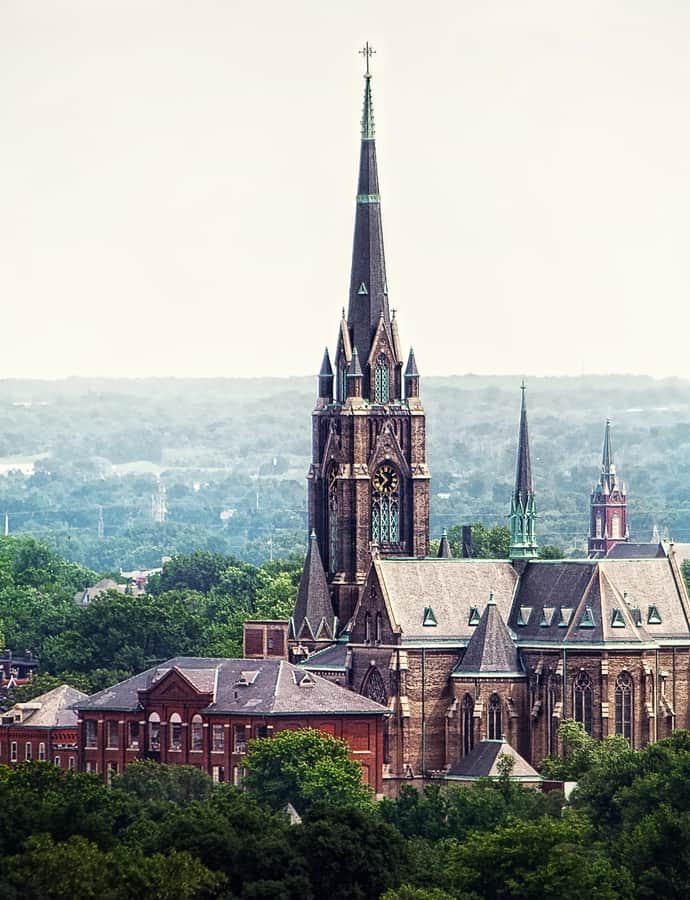
St. Francis de Sales Church, in the Lafayette neighborhood, is a large twin-spired Gothic Revival church known as the 'Cathedral of South St. Louis.' It is listed on the National Register of Historic Places.
Photo: Photo created by Phillip B. Roussin , CC BY-SA 4.0
Sumner High School, founded in 1875, was the first high school for African Americans west of the Mississippi River. Its building was designed by William B. Ittner, a prominent school architect, in the Colonial Revival style, and it is listed on the National Register of Historic Places.
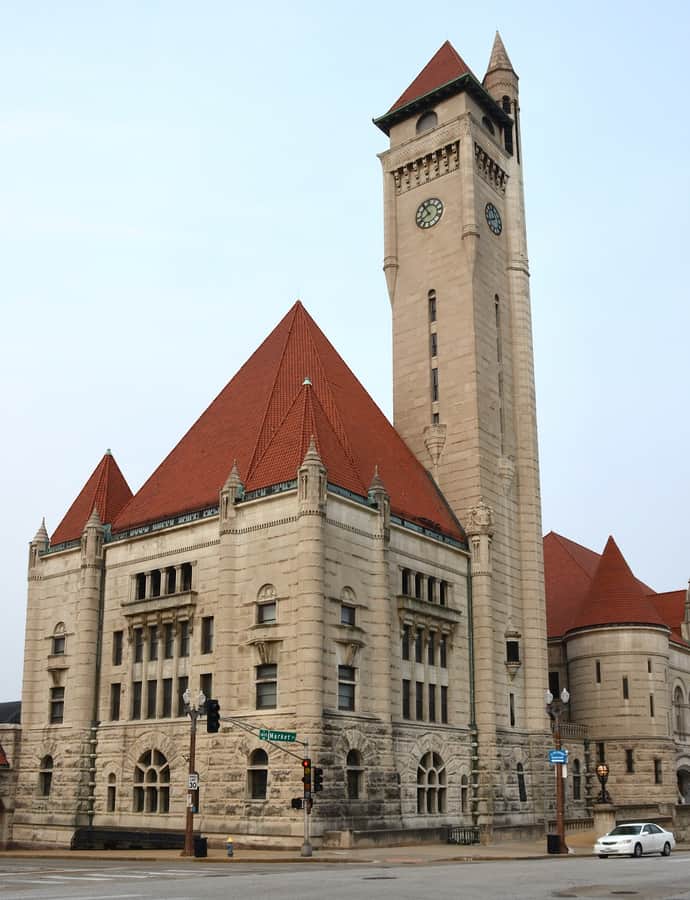
Union Station opened in 1892 to a design by architect Theodore Link in the Romanesque Revival style. Beyond its architecture, the station is recognized as a Historic Civil Engineering Landmark for its large train shed, a major engineering achievement of its time. It remains a major, well-documented St. Louis landmark with a prominent Romanesque facade and tower visible from the street.
Photo: Steve Morgan , CC BY-SA 4.0
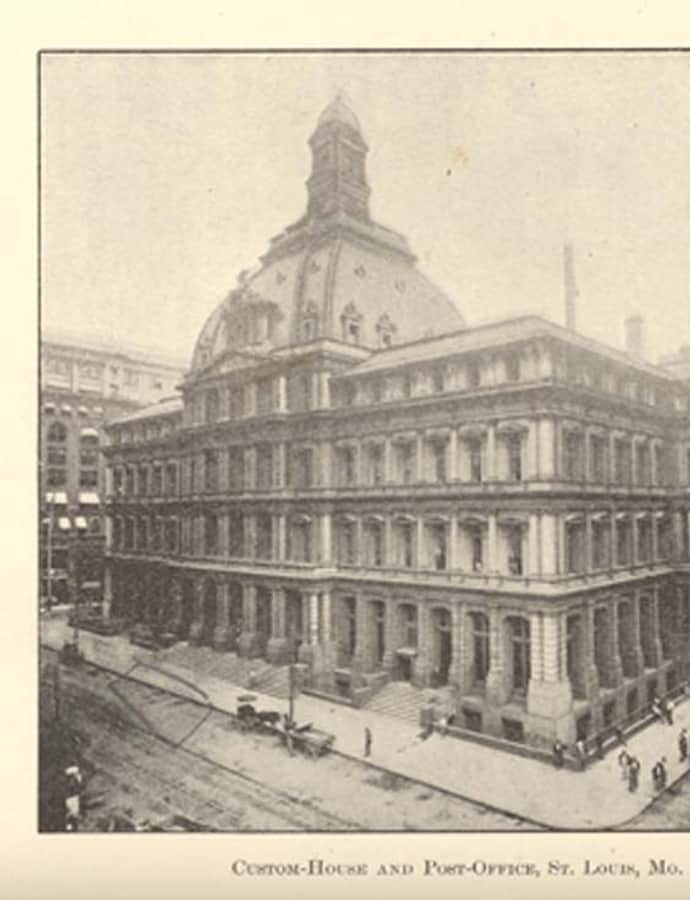
The United States Customhouse and Post Office in downtown St. Louis was designed by Alfred B. Mullett, a noted federal architect, in the Second Empire style. It ranks among the recognized federal landmarks of the city.
Photo: U.S. Treasury Department , Public domain
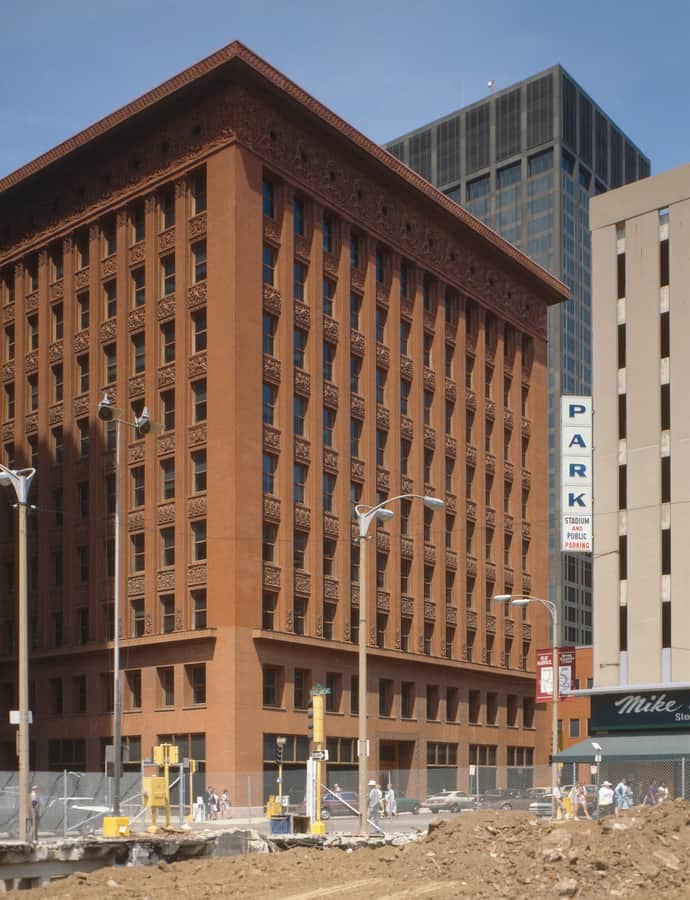
The Wainwright Building was completed in 1891 to a design by Adler & Sullivan and is widely credited as one of the first steel-framed skyscrapers. It stands as a foundational building in the Chicago School tradition, an early demonstration of how the steel frame could reshape the tall commercial building. Its ornamented street-facing facade remains one of downtown St. Louis's most recognizable.
Photo: unknown , Public domain
Worth a stop when you're nearby.
Landmark
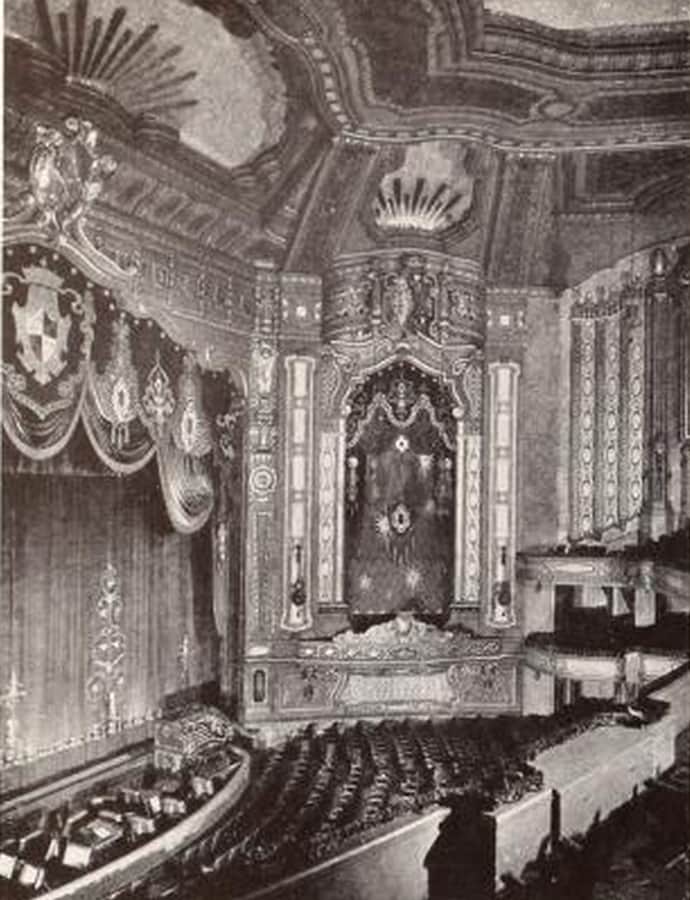
The Ambassador Theatre is a downtown St. Louis movie palace designed in 1926 by Rapp and Rapp, architects noted for their movie palace work. The theater is listed on the National Register of Historic Places and its grand facade still holds a strong presence on the street.
Photo: CharmaineZoe's Marvelous Melange from England , CC BY 2.0
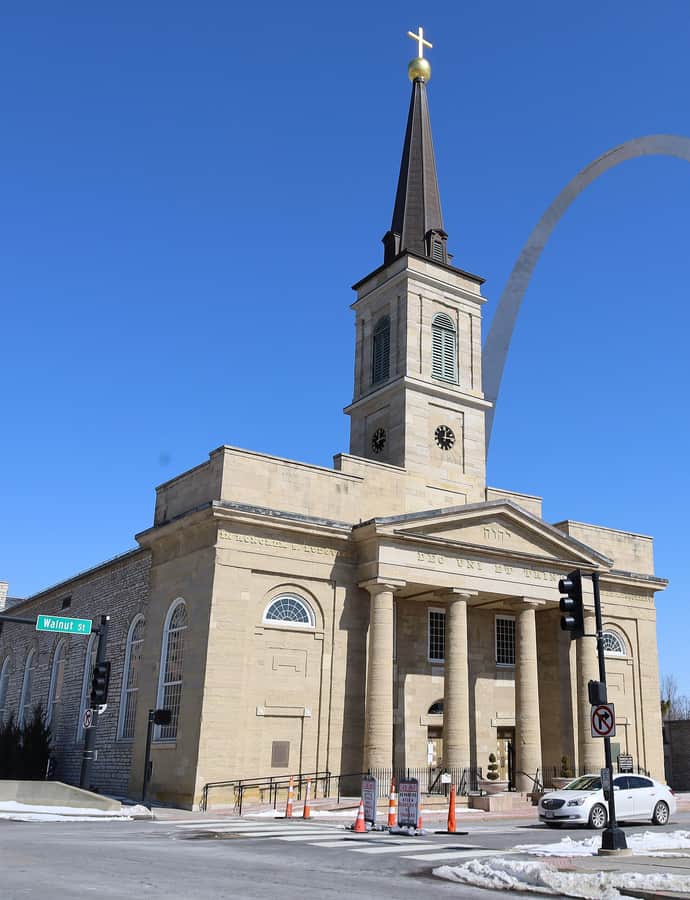
The Basilica of St. Louis, King of France was built in 1834 in the Greek Revival style in downtown St. Louis. It is the oldest cathedral west of the Mississippi River, giving it an outsized place in the city's religious history.
Photo: Antony-22 , CC BY-SA 4.0
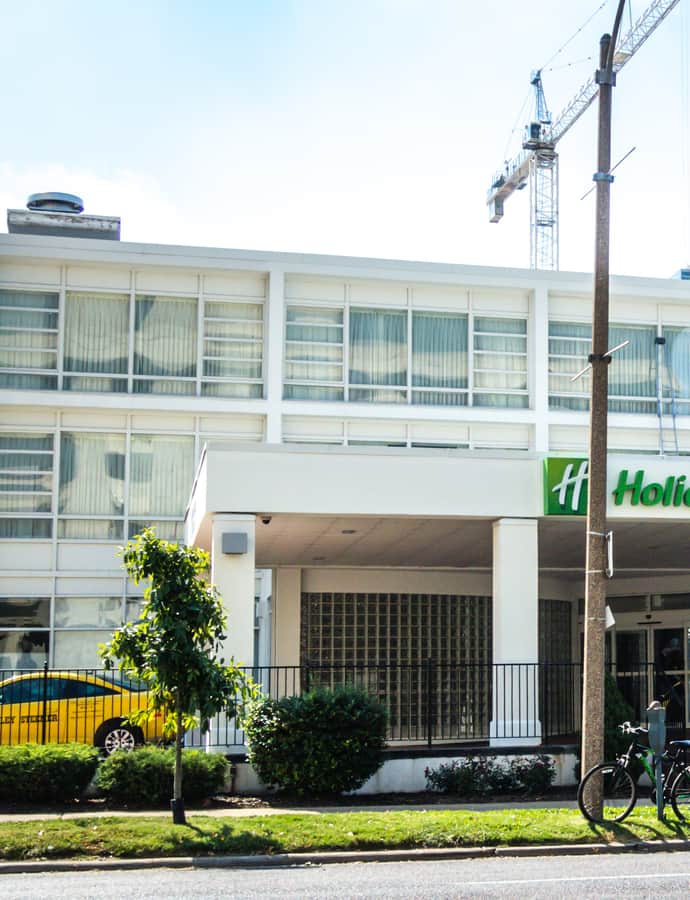
The Bel Air Motel is a roadside motel designed by architect Wilburn C. McCormick in the modern style. It is individually listed on the National Register of Historic Places, an unusual distinction for a roadside motel.
Photo: Gavreh , CC BY-SA 3.0
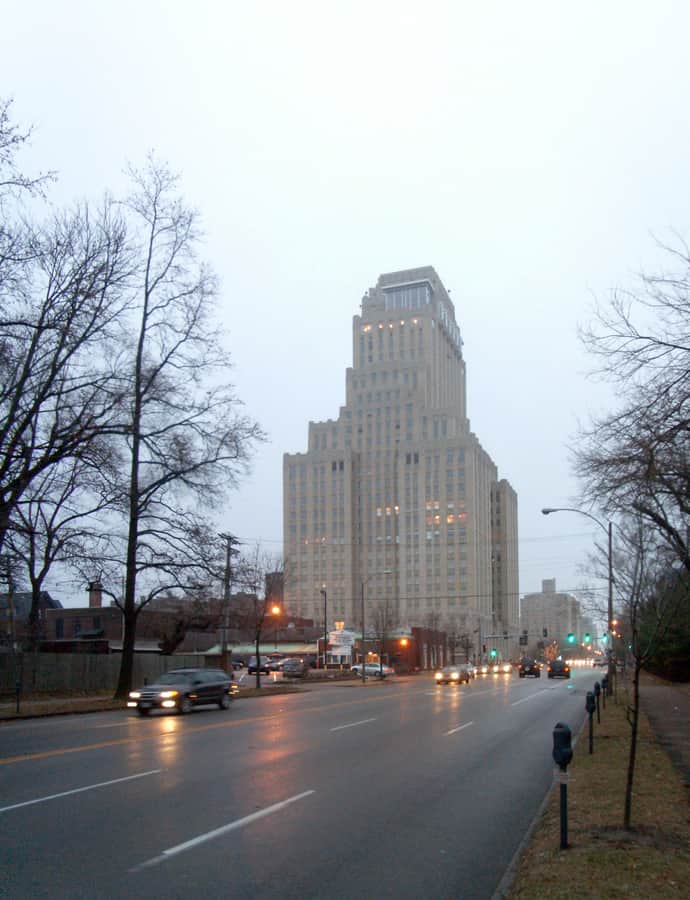
Landmark
The Chase Park Plaza Hotel was designed by architect Preston J. Bradshaw and completed in 1922. Listed on the National Register of Historic Places, the hotel maintains a notable presence on the street.
Photo: Josh , CC BY-SA 2.0
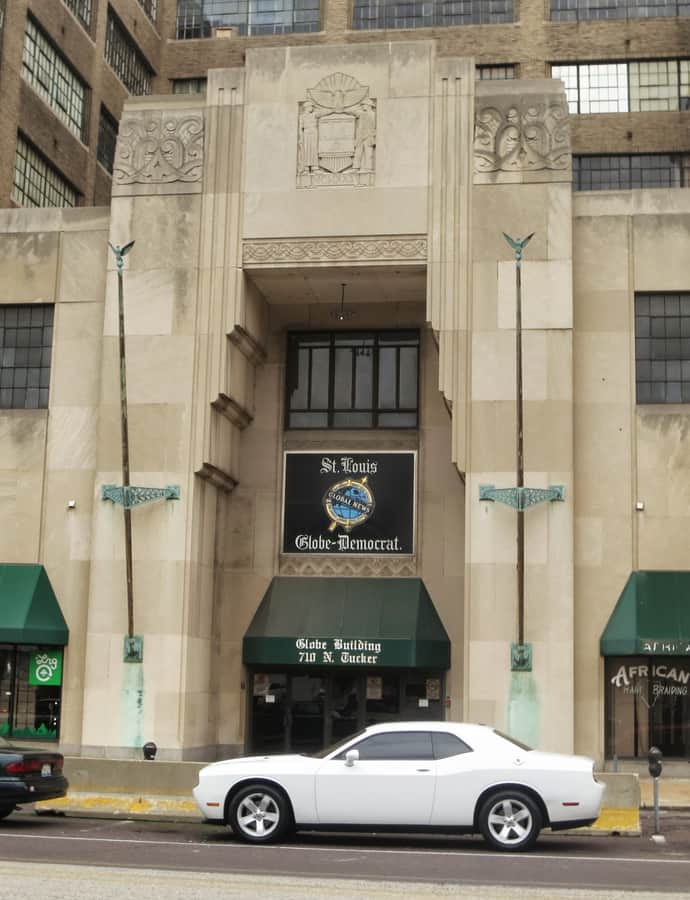
The Globe Building is a downtown St. Louis Art Deco building completed in 1932. It is listed on the National Register of Historic Places.
Photo: Marcus Qwertyus , CC BY-SA 3.0
Landmark
The Grand Avenue Water Tower was designed by George I. Barnett, a prominent St. Louis architect. It is listed on the National Register of Historic Places and remains an ornamental landmark visible throughout the surrounding neighborhood.
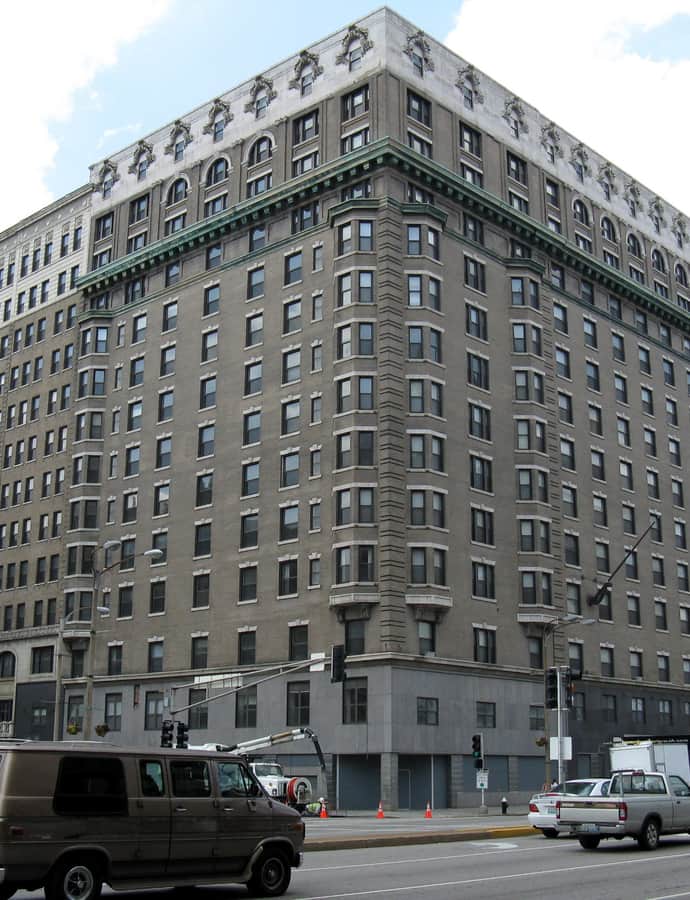
The Hotel Jefferson is a downtown St. Louis hotel designed by the local firm Barnett, Haynes & Barnett in the Neoclassical style. It is listed on the National Register of Historic Places.
Photo: publichall , CC BY-SA 3.0
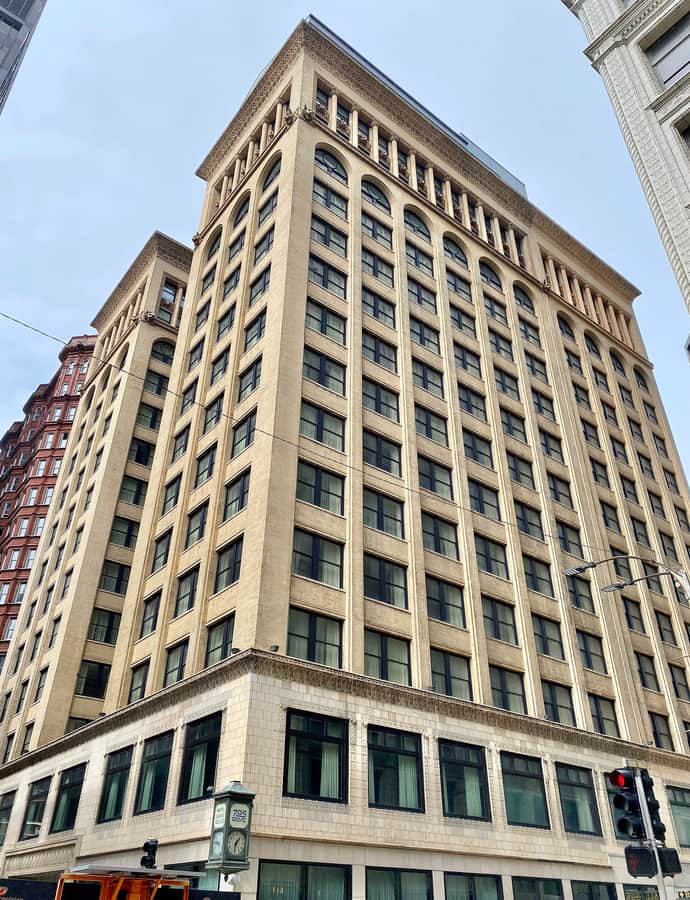
Landmark
The Hotel Saint Louis in downtown St. Louis was designed by Adler & Sullivan and completed in 1892. It is recognized as a Landmark of St. Louis and is listed on the National Register of Historic Places.
Photo: w_lemay , CC BY-SA 2.0
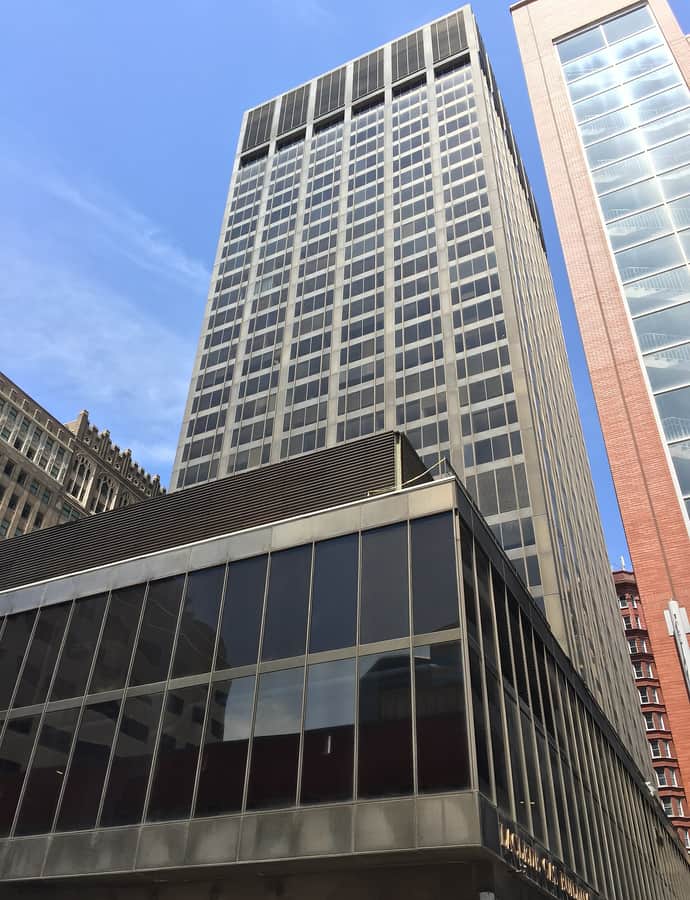
The Laclede Gas Building is a downtown St. Louis tower completed in 1967 and designed by Emery Roth in the International Style.
Photo: LittleT889 , CC BY-SA 4.0
The Moolah Temple is a Shrine temple building designed in the Moorish Revival style, a relatively rare style for St. Louis, with an exotic-revival facade that is highly visible from the street.
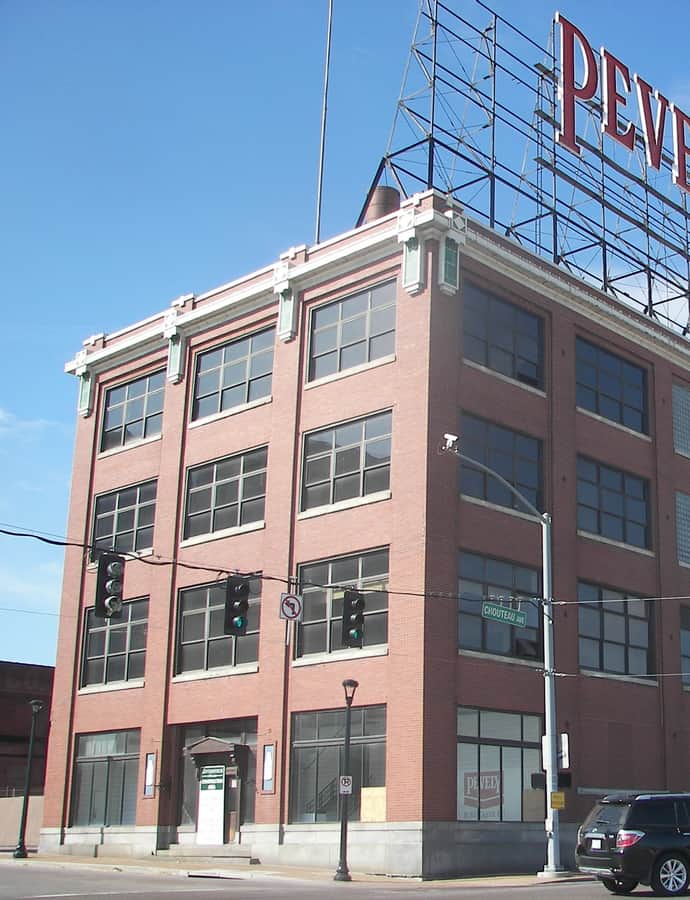
The Pevely Dairy Company Plant is an industrial building built in the Neoclassical style, listed on the National Register of Historic Places. Its neoclassical facade remains visible from the street, an unusual application of the style to an industrial dairy plant.
Photo: Poroubalous , CC BY-SA 3.0
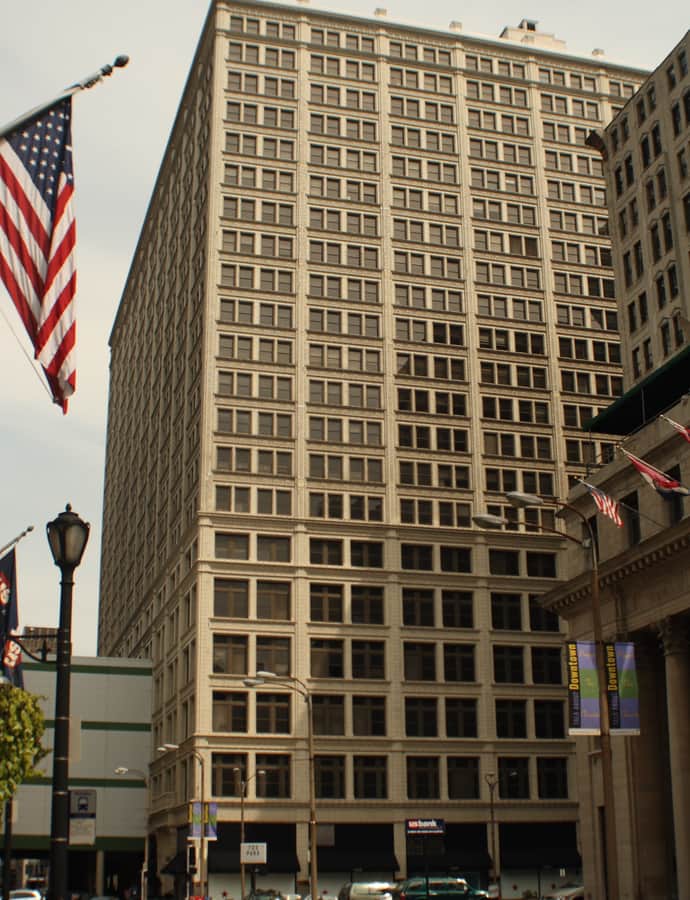
The Railway Exchange Building is a large historic commercial building in downtown St. Louis, built in the Chicago School style. It is listed on the National Register of Historic Places.
Photo: Matthew Black , CC BY-SA 3.0
Landmark
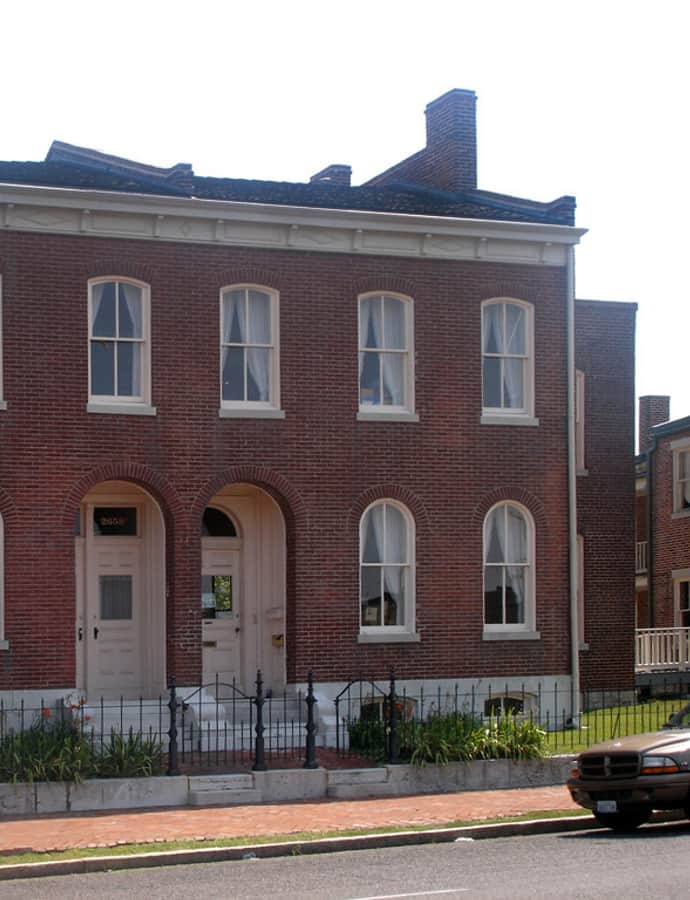
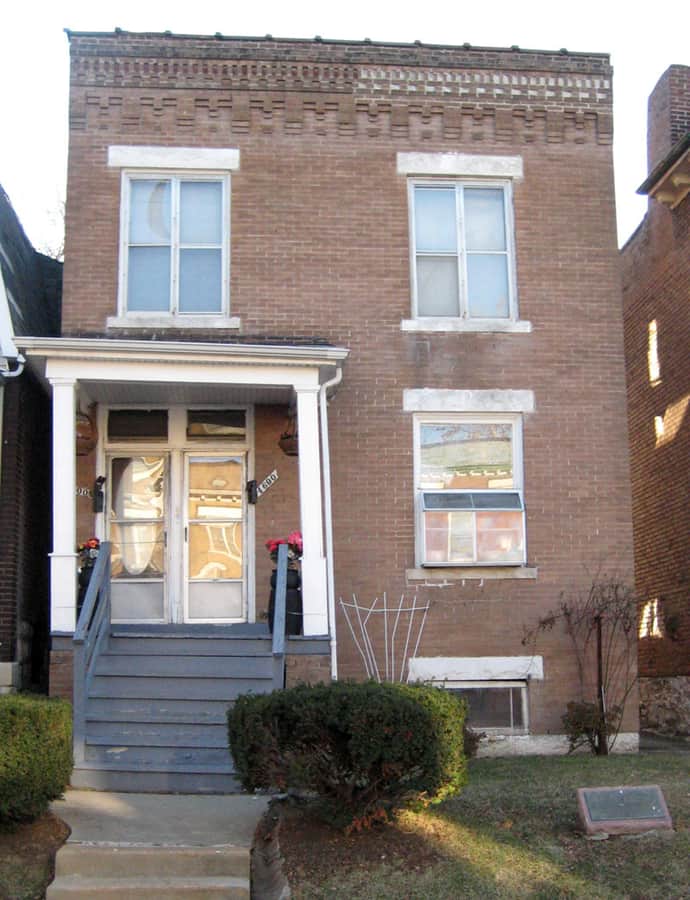
The Scott Joplin House State Historic Site preserves the home of ragtime composer Scott Joplin. Established as a state historic site in 1983, it holds National Historic Landmark status as well as a listing on the National Register of Historic Places.
Photo: Kevin Saff , CC BY-SA 2.0
Landmark
The Shelley House is the site of Shelley v. Kraemer, a landmark civil rights case. It is designated a National Historic Landmark and is listed on the National Register of Historic Places.
Photo: FrancisNancy , CC BY 3.0
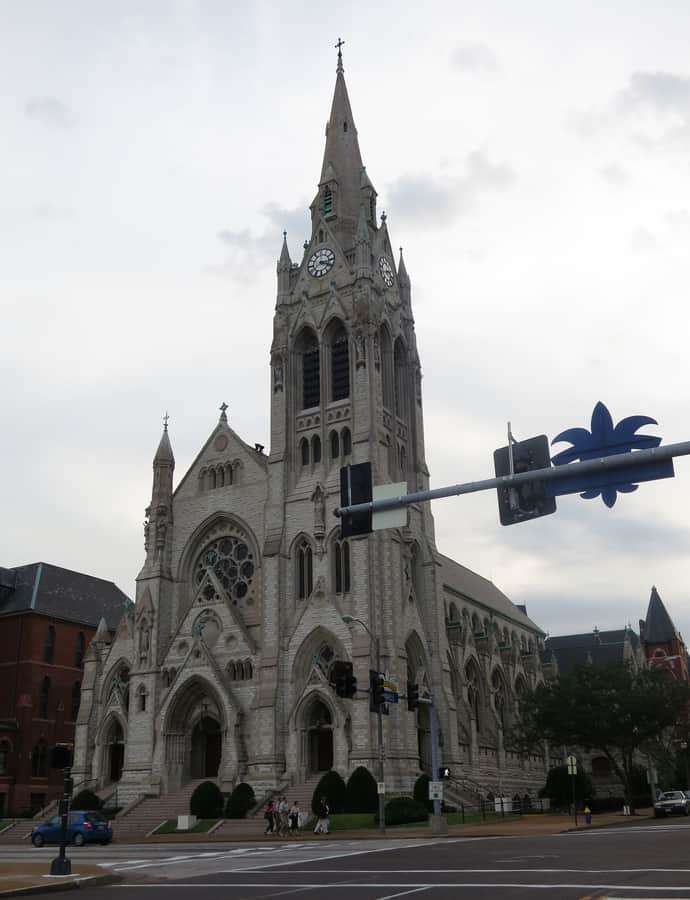
St. Francis Xavier College Church is a large Jesuit college church with a prominent Gothic Revival facade. It is a contributing property on the National Register of Historic Places.
Photo: Nheyob , CC BY-SA 3.0

St. Raymond Maronite Cathedral is a downtown St. Louis cathedral completed in 1975, built in the Byzantine Revival style with a distinctive facade.
Photo: Mx. Granger , CC0
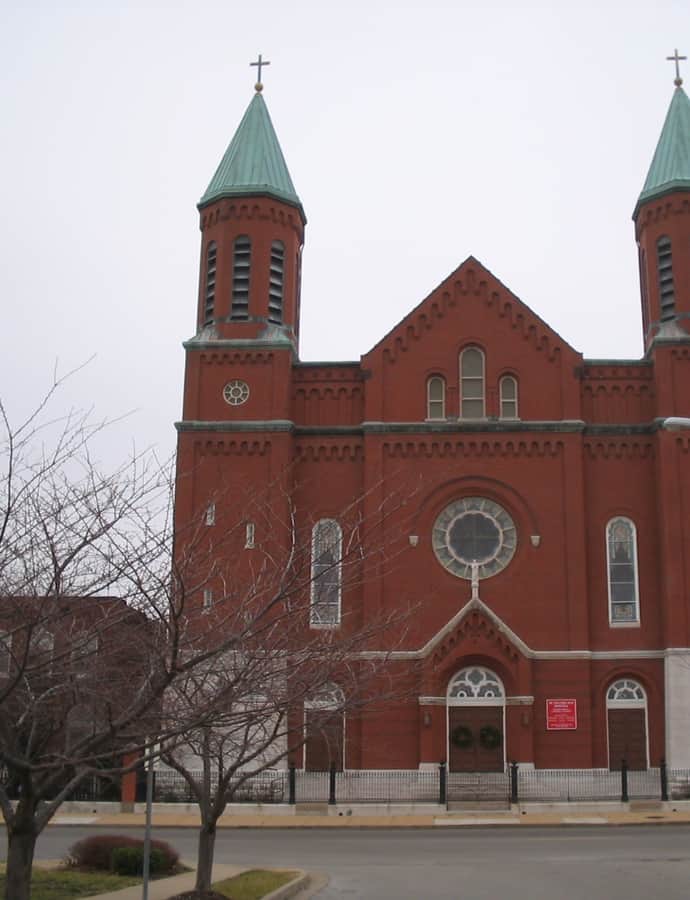
St. Stanislaus Kostka Church is a Romanesque Revival church whose facade is visible from the street. It is listed on the National Register of Historic Places.
Photo: User:TMS63112 , CC BY-SA 3.0
Fine buildings that fewer people seek out.
Landmark
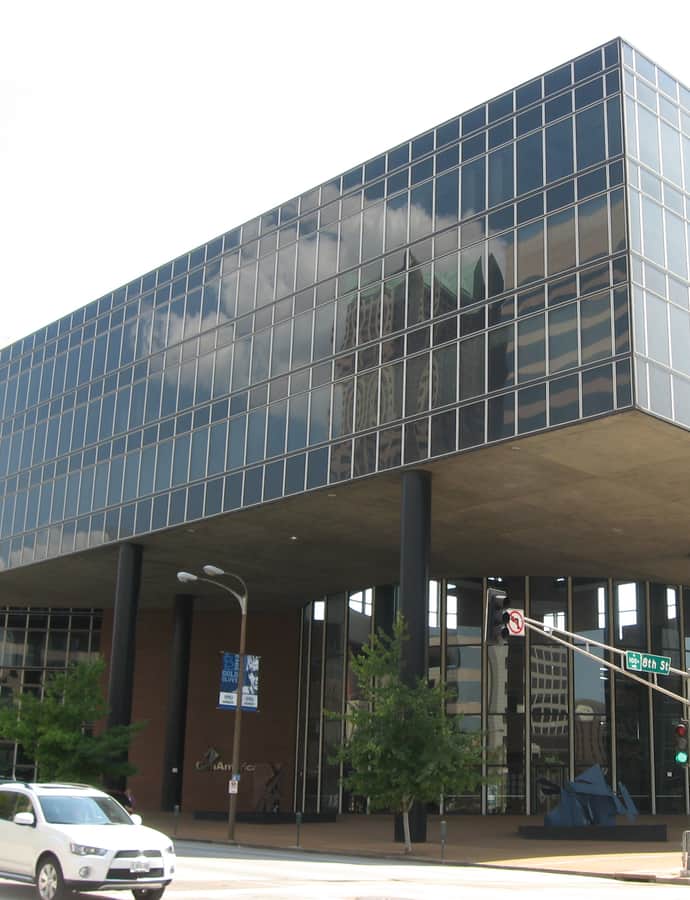
700 Market is a downtown St. Louis building designed by Philip Johnson in 1977. It is listed on the National Register of Historic Places.
Photo: Nyttend , Public domain
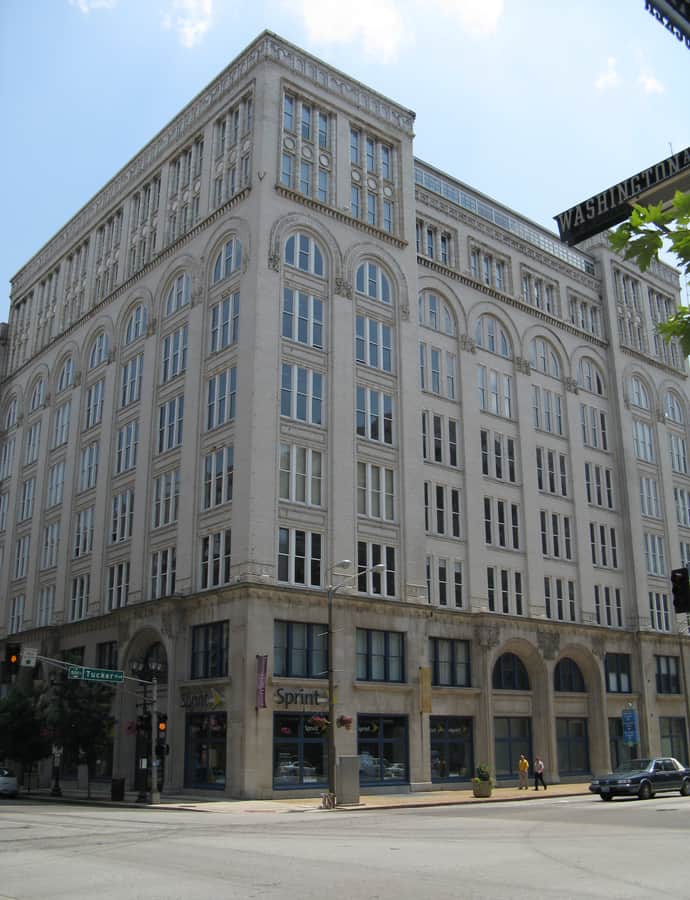
The A. D. Brown Building was built in 1898 in downtown St. Louis to the designs of H. E. Roach & Son, in the Chicago School style, a rarer specimen of that idiom outside Chicago. It is listed on the National Register of Historic Places.
Photo: publichall , CC BY-SA 3.0
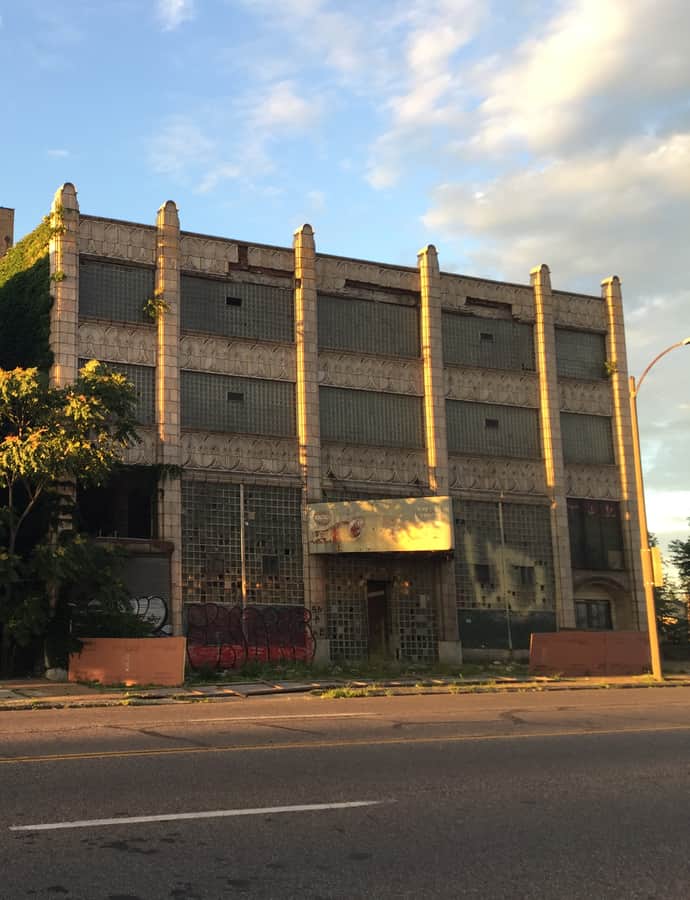
The ABC Auto Sales and Investment Company Building was built in 1927 in the Art Deco style. It is listed on the National Register of Historic Places.
Photo: LittleT889 , CC BY-SA 4.0
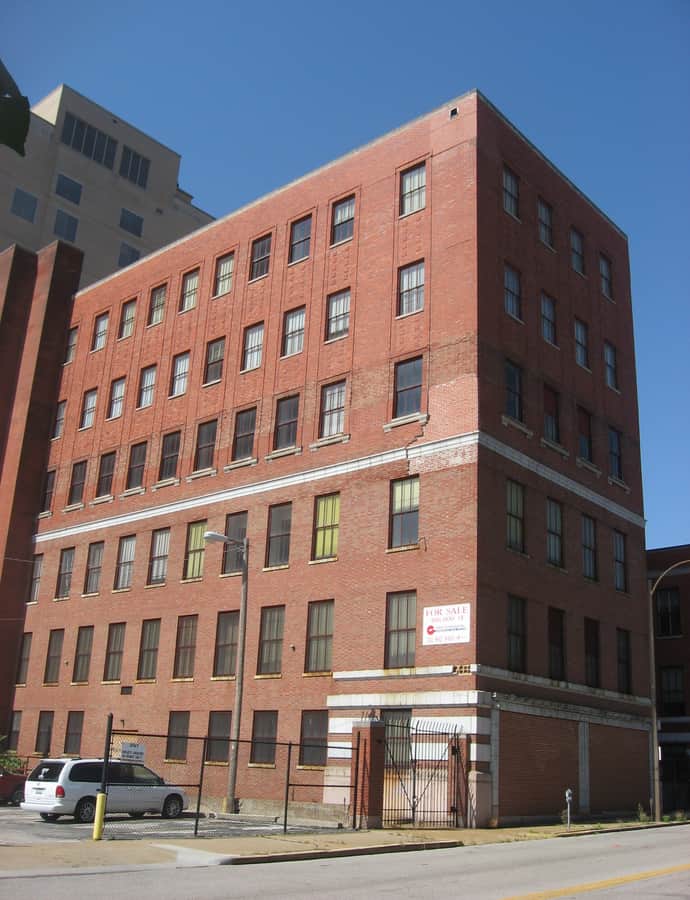
The Beaumont Telephone Exchange Building is a Neoclassical structure designed by the St. Louis firm Eames and Young and listed on the National Register of Historic Places.
Photo: Nyttend , Public domain
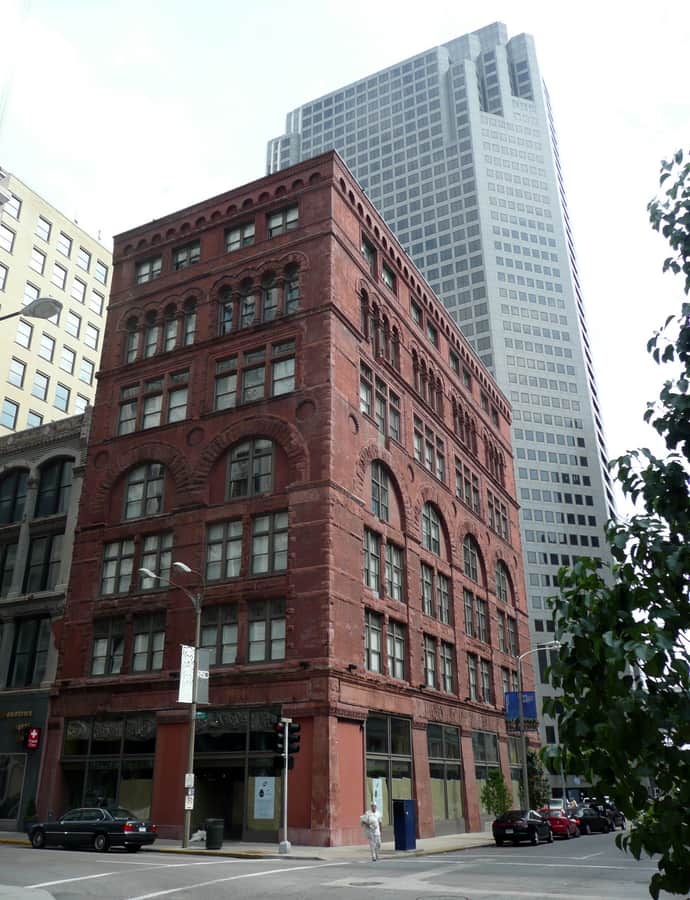
The Bell Telephone Building was completed in 1889 in downtown St. Louis in the Romanesque Revival style, designed by Shepley, Rutan and Coolidge, the successor firm to H. H. Richardson. It is individually listed on the National Register of Historic Places.
Photo: Reading Tom from Reading, UK , CC BY 2.0
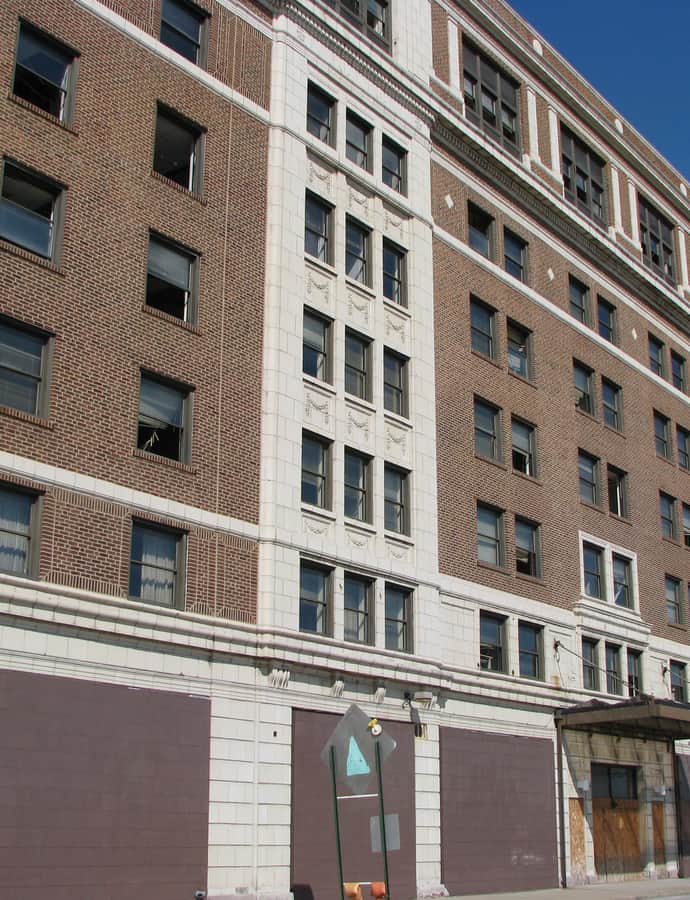
The Broadview Hotel is a Neoclassical building listed on the National Register of Historic Places.
Photo: binkle_28 , CC BY-SA 2.0
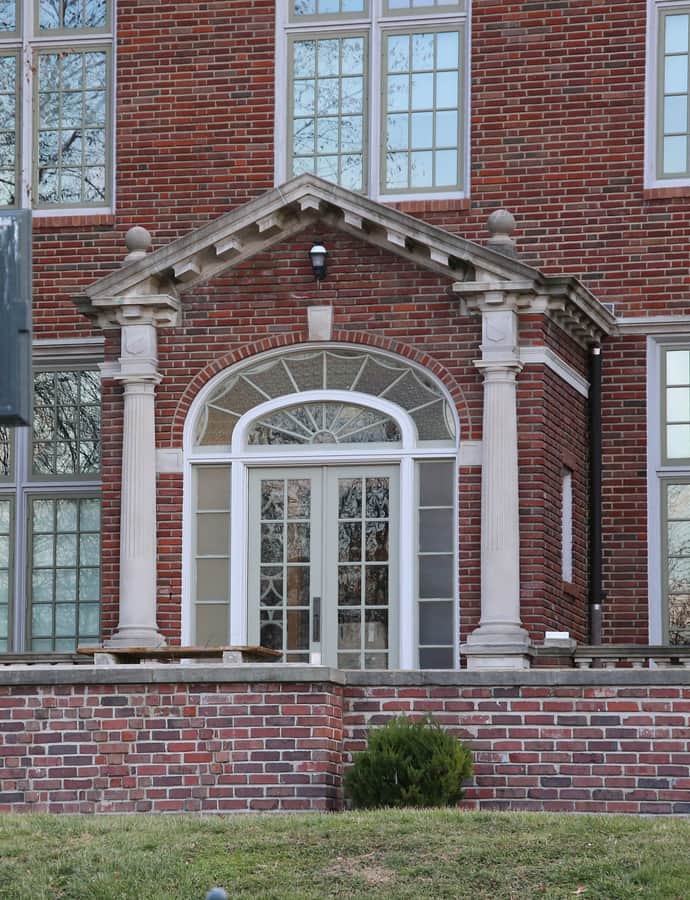
Delaney School was designed by William B. Ittner, the noted school-building architect, in the Tudor Revival style. It's individually listed on the National Register of Historic Places.
Photo: Paul Sableman , CC BY 2.0
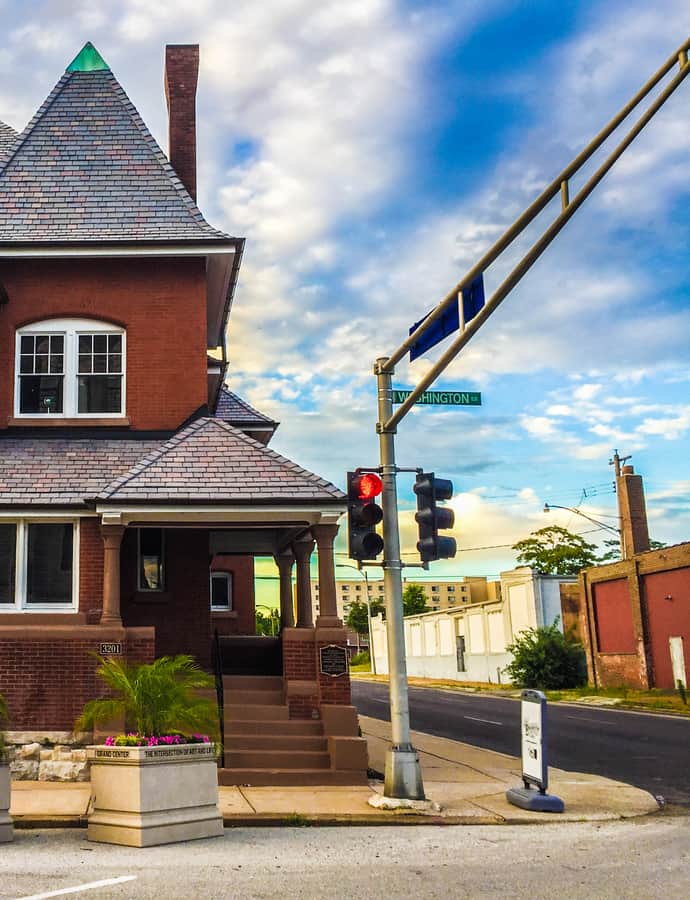
The Dr. George Ashe Bronson House was built in 1885 in the Romanesque Revival style. It's listed on the National Register of Historic Places.
Photo: LittleT889 , CC BY-SA 4.0
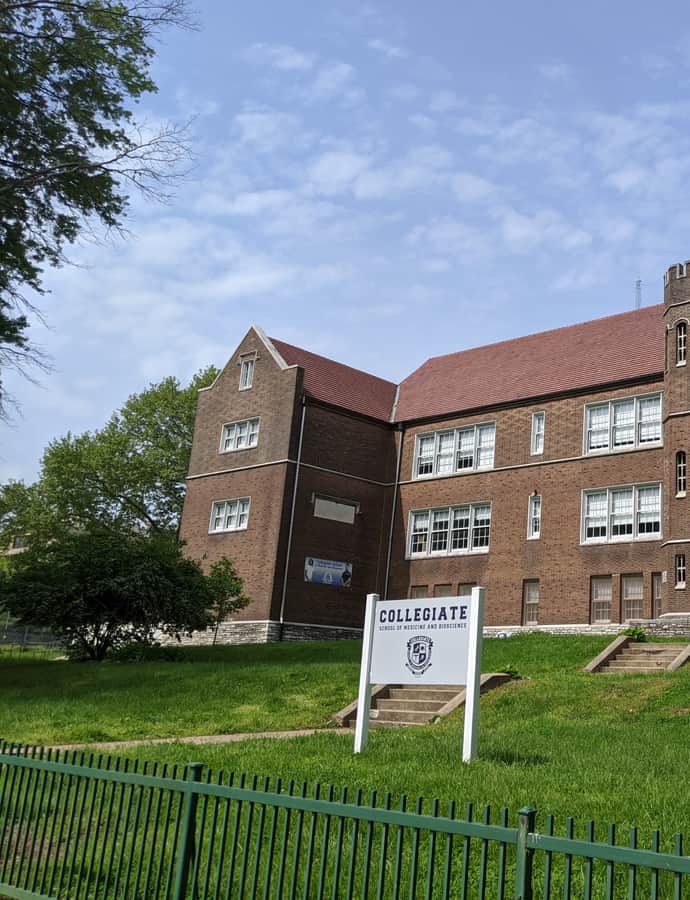
Edward Wyman School was designed by William B. Ittner, a historically significant school architect, in the Tudor Revival style. The public school is listed on the National Register of Historic Places.
Photo: DiamondRemley39 , CC BY-SA 4.0
Eliot School is a Neoclassical school building designed by William B. Ittner and listed on the National Register of Historic Places.
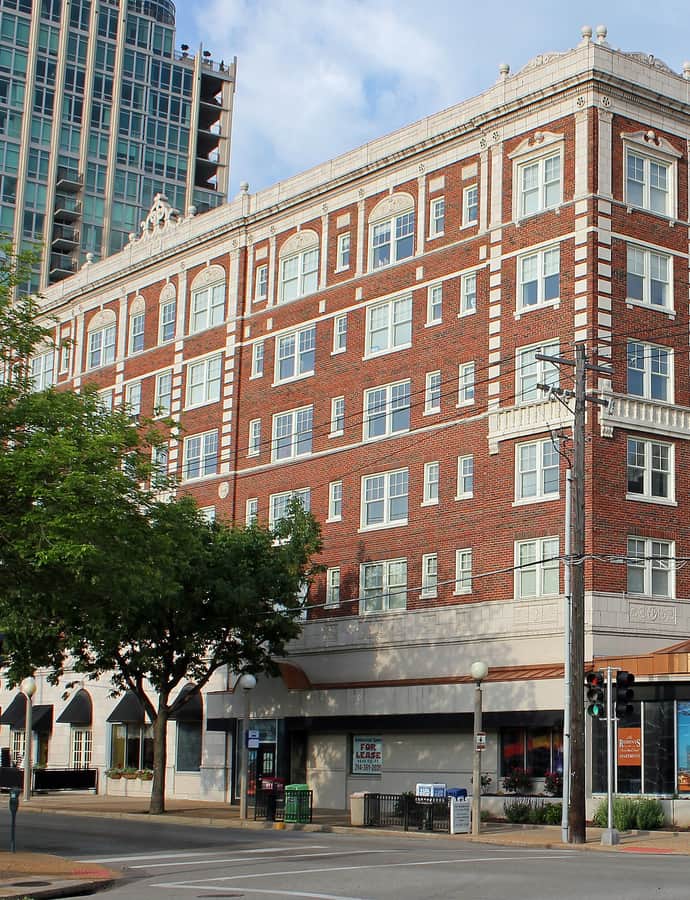
The Forest Park Hotel was designed by architect Preston J. Bradshaw in the Renaissance style. It is listed on the National Register of Historic Places.
Photo: Jeffrey Beall , CC BY-SA 3.0
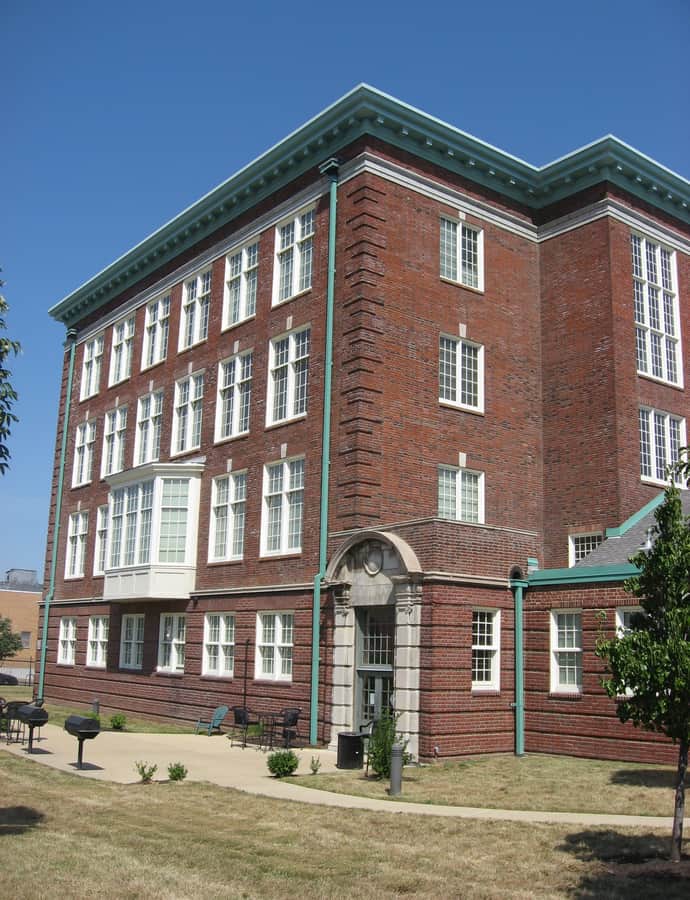
Franklin School was built in downtown St. Louis in 1923 to a Neoclassical design by William B. Ittner, a prolific and noted school architect. It is listed on the National Register of Historic Places.
Photo: Nyttend , Public domain
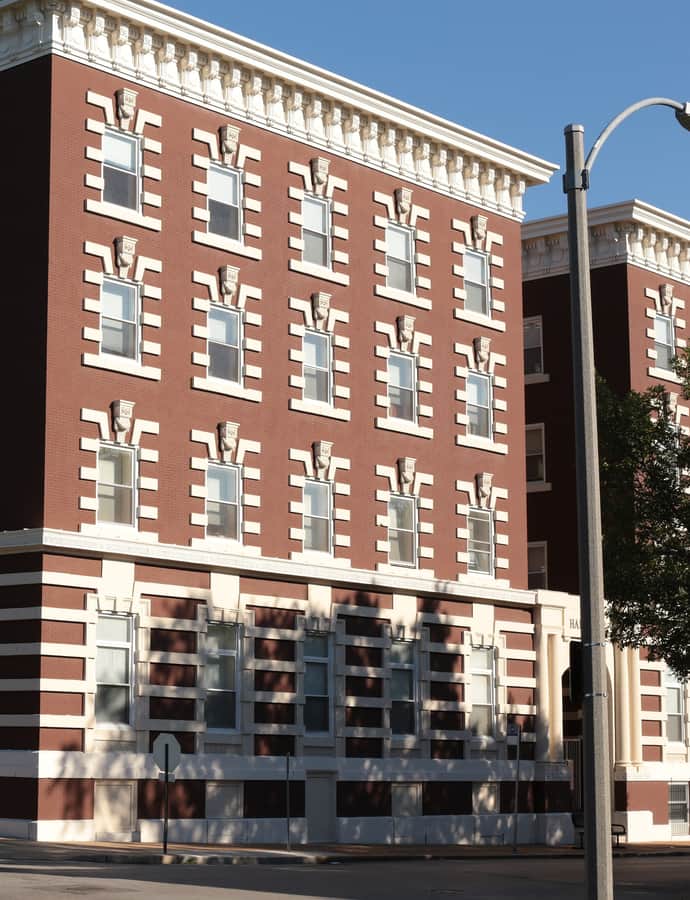
The Hamilton Hotel was designed by the prominent St. Louis firm Barnett, Haynes & Barnett in the Beaux-Arts style. Its facade remains visible from the street, and the building is listed on the National Register of Historic Places.
Photo: Jakeh1111 , CC BY-SA 3.0
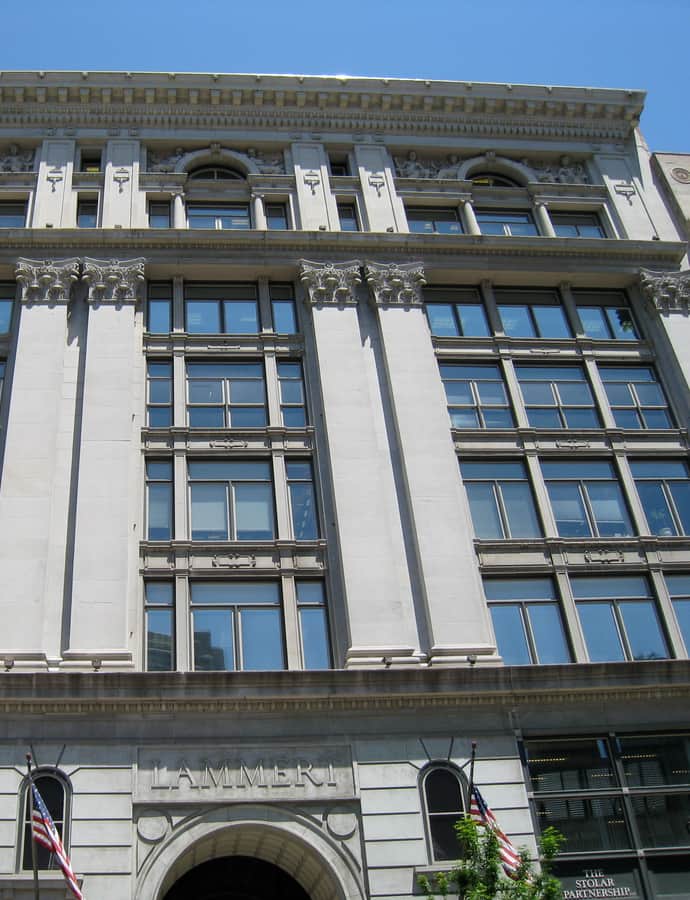
The Hargadine-McKittrick Dry Goods Building stands in downtown St. Louis, designed by William S. Eames, a significant St. Louis architect, in the Renaissance Revival style. It is individually listed on the National Register of Historic Places.
Photo: Justin A. Wilcox from Washington, D.C., United States , CC BY-SA 2.0
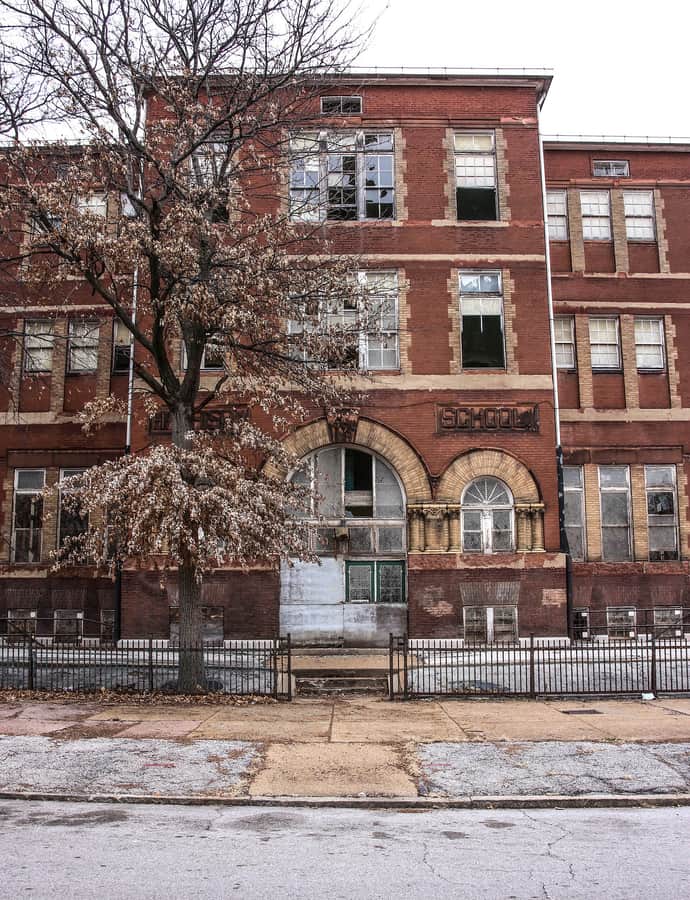
Harrison School is a Romanesque Revival school building listed on the National Register of Historic Places.
Photo: Paul Sableman , CC BY 2.0
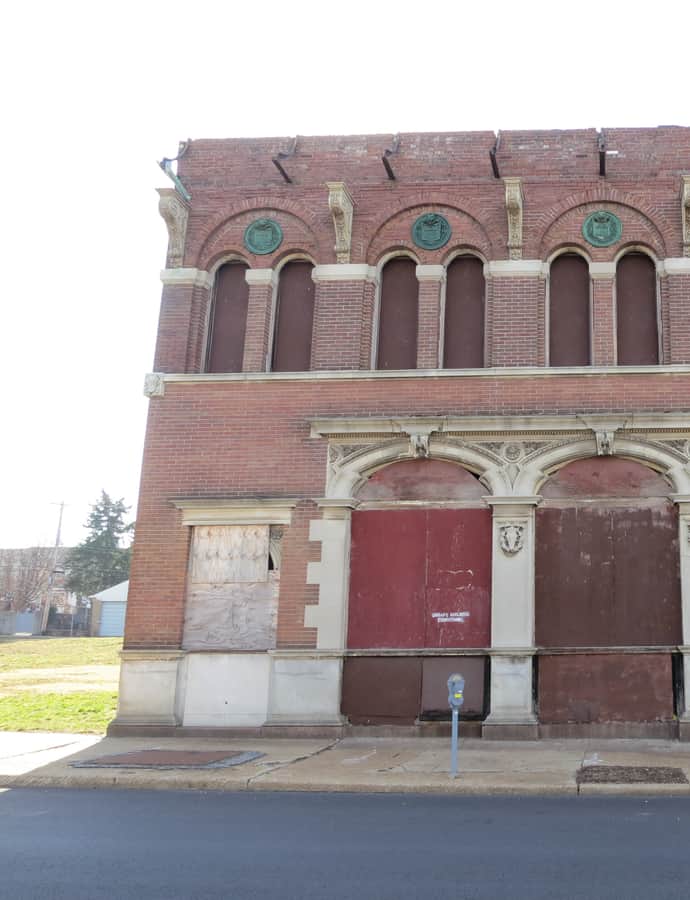
The Henry L. Wolfner Memorial Library for the Blind is a Renaissance Revival building designed by the national firm Shepley, Rutan and Coolidge. It is individually listed on the National Register of Historic Places and stands as a memorial library serving blind patrons.
Photo: Paul Sableman , CC BY 2.0
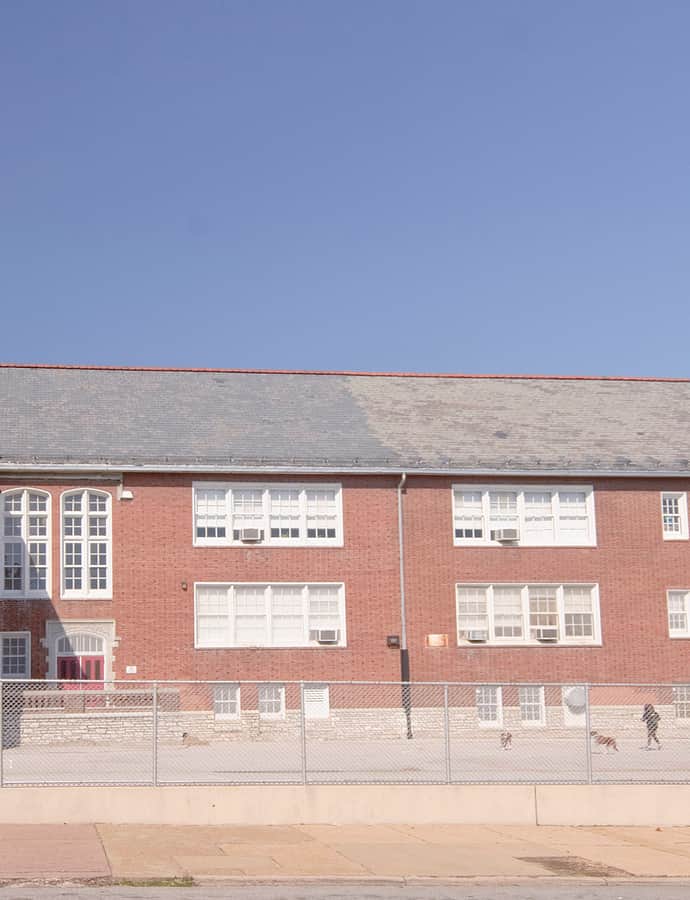
Horace Mann School was designed by William B. Ittner, a historically significant school architect, in the Tudor Revival style. The public school is listed on the National Register of Historic Places.
Photo: Parker Botanical , CC BY-SA 3.0
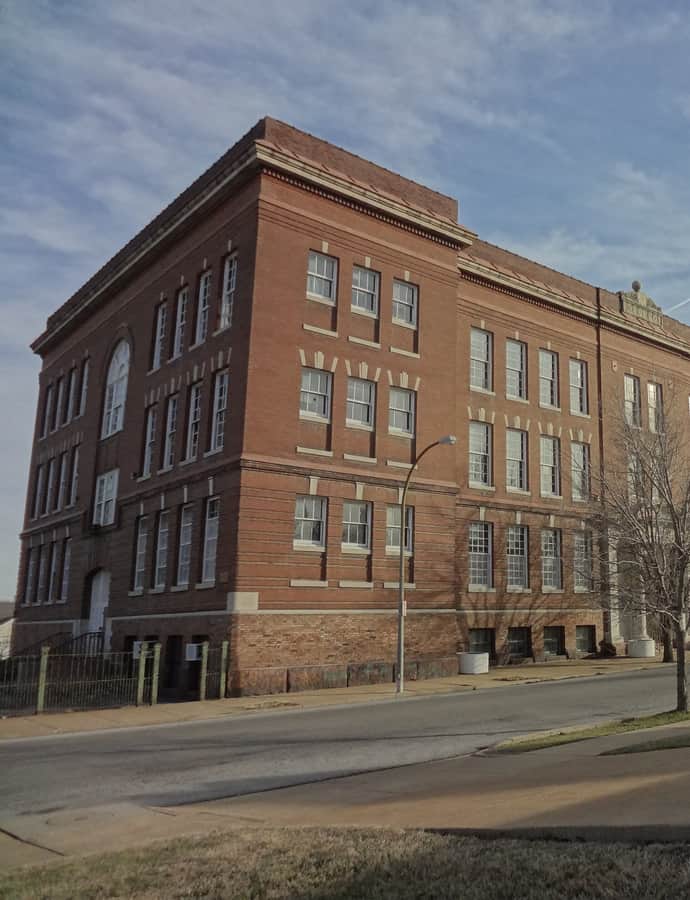
Jackson School is a Neoclassical school building designed by William B. Ittner and listed on the National Register of Historic Places.
Photo: Paul Sableman , CC BY 2.0
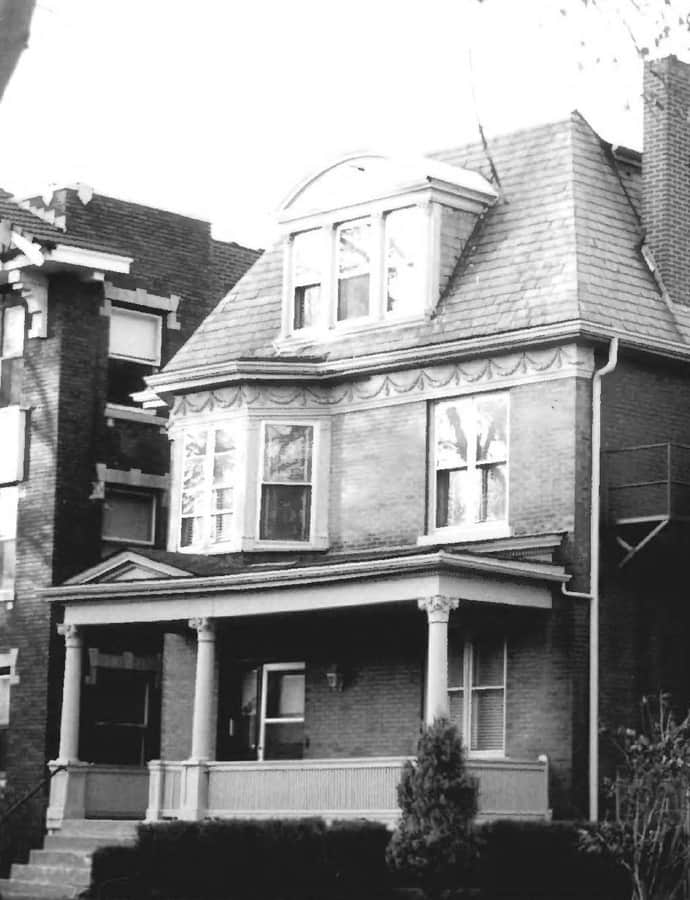
Landmark
The Joseph Erlanger House is the residence of Joseph Erlanger and is designated a National Historic Landmark as well as a National Register of Historic Places listed place.
Photo: Unknown authorUnknown author , Public domain
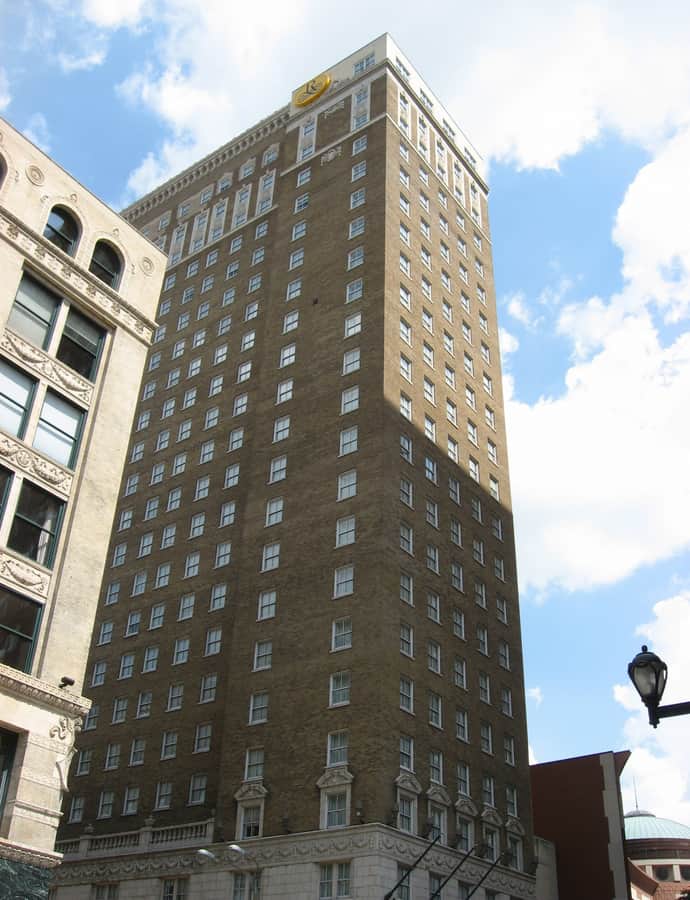
The Lennox Hotel, in downtown St. Louis, was built in 1929 to the designs of the prolific local architect Preston J. Bradshaw in the Renaissance Revival style. It is listed on the National Register of Historic Places.
Photo: Nyttend , Public domain
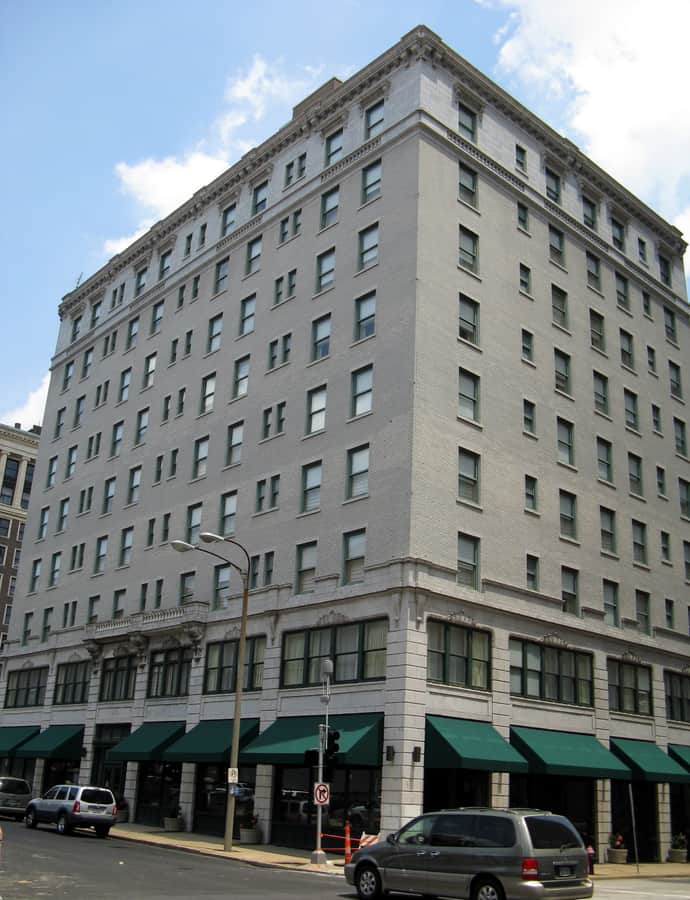
The Majestic Hotel was built in 1913 in downtown St. Louis in the Renaissance Revival style. It is listed on the National Register of Historic Places.
Photo: publichall , CC BY-SA 3.0
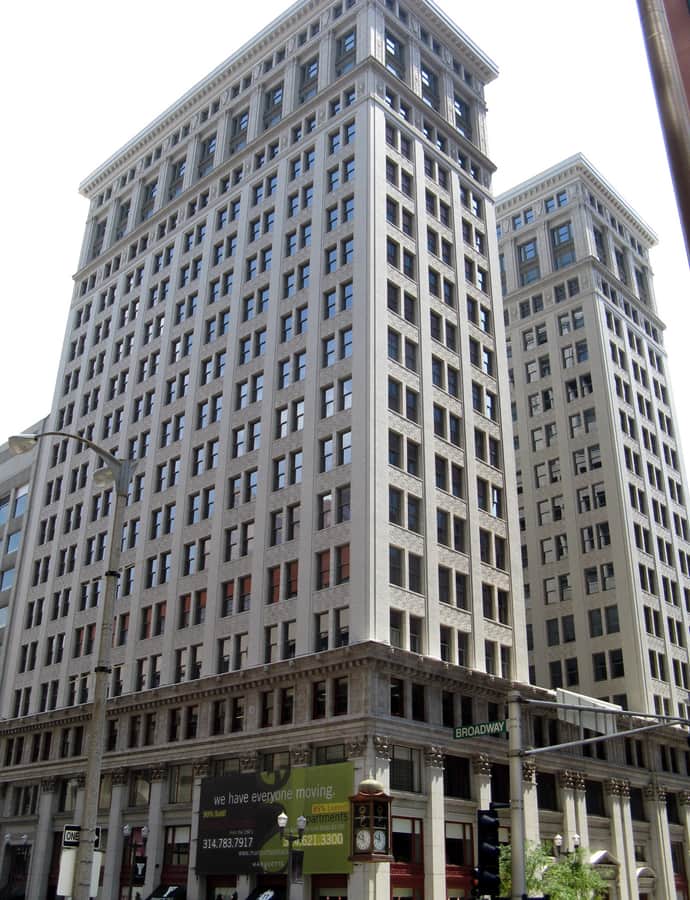
The Marquette Building rose in downtown St. Louis in 1914, credited to architects Young, Thomas C., et al. and William S. Emas, in the Neoclassical style. It is listed on the National Register of Historic Places and presents a street-facing Neoclassical facade.
Photo: publichall , CC BY-SA 3.0
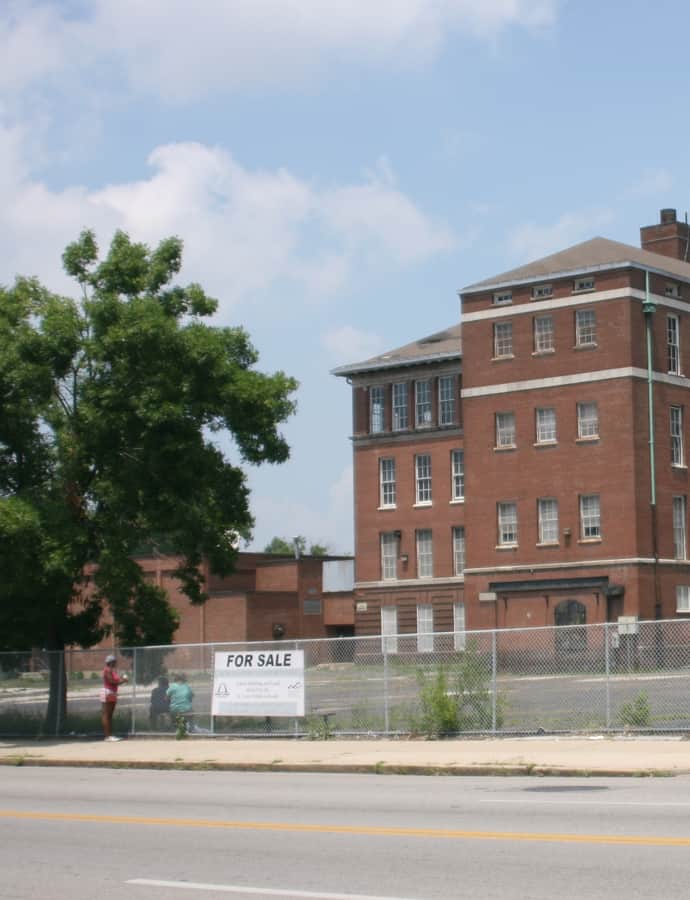
Marshall School is a Neoclassical school building designed by William B. Ittner and listed on the National Register of Historic Places.
Photo: Paul Sableman , CC BY 2.0
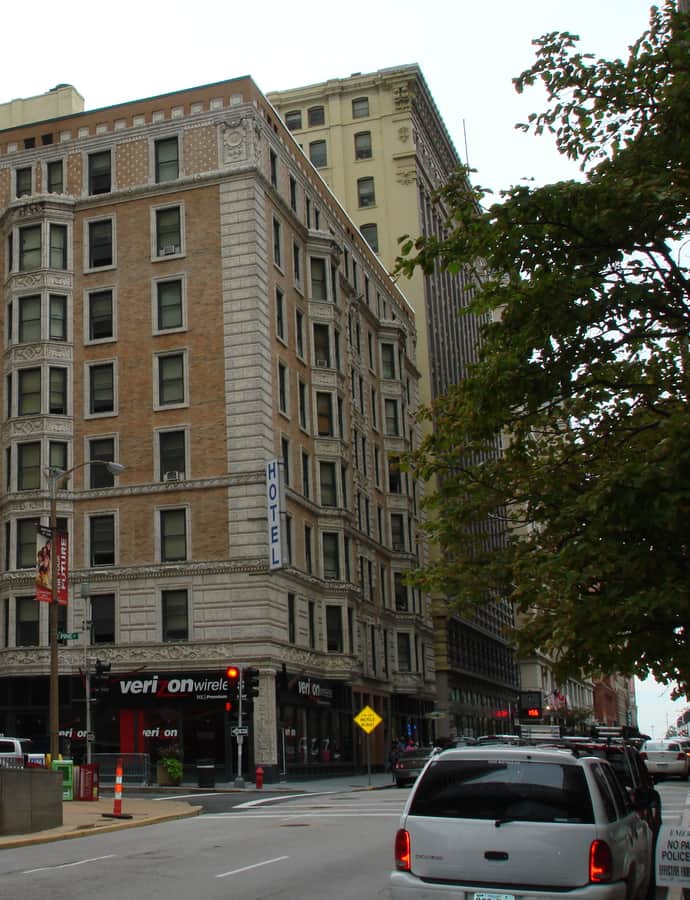
The Maryland Hotel is a downtown St. Louis building in the Neoclassical style, designed by architect Albert B. Groves. It is individually listed on the National Register of Historic Places, its hotel facade visible from the street.
Photo: BirgitteSB , CC BY-SA 3.0
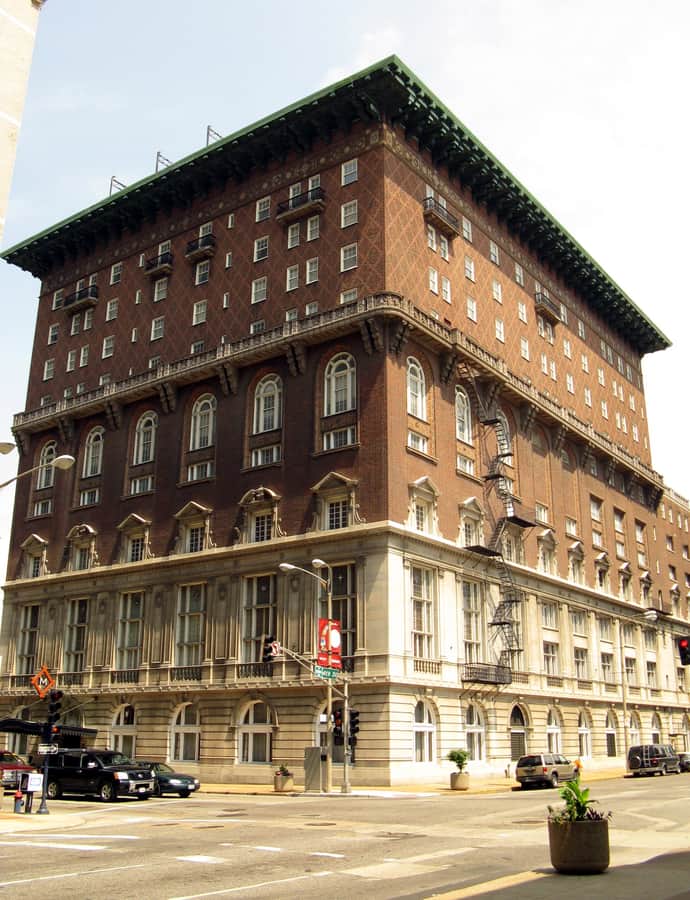
The Missouri Athletic Club Building stands in downtown St. Louis, designed by William B. Ittner in the Renaissance Revival style. It's individually listed on the National Register of Historic Places.
Photo: publichall , CC BY-SA 3.0
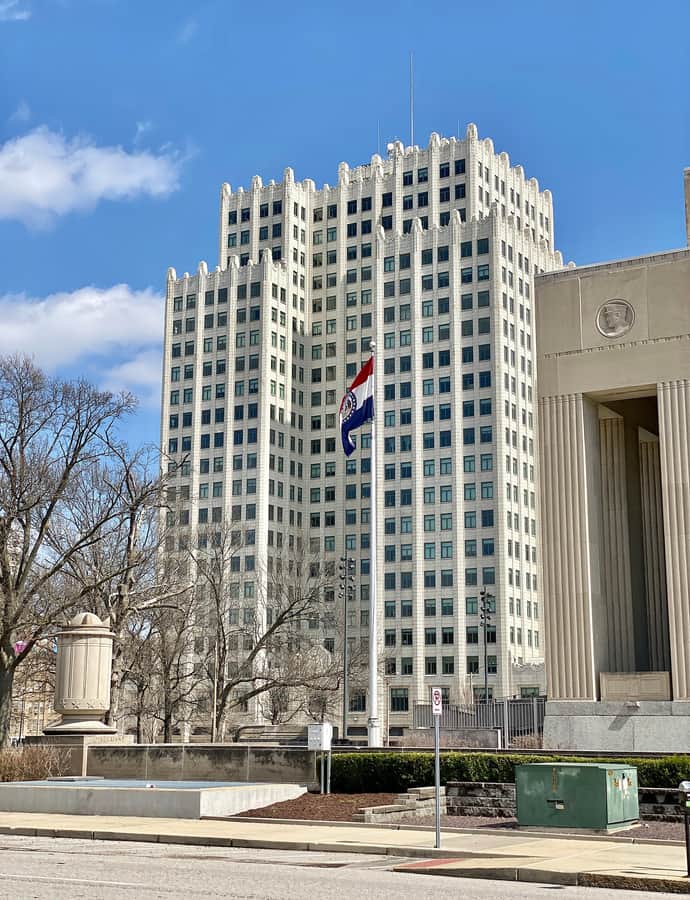
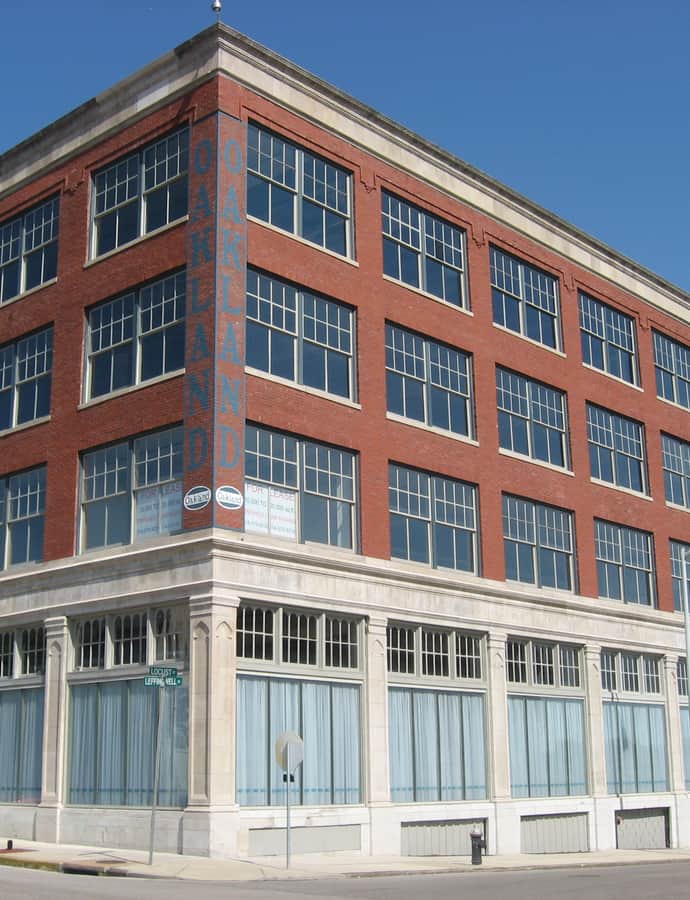
The More Automobile Company Building was built in 1920 in the Neoclassical style. It is listed on the National Register of Historic Places.
Photo: Nyttend , Public domain
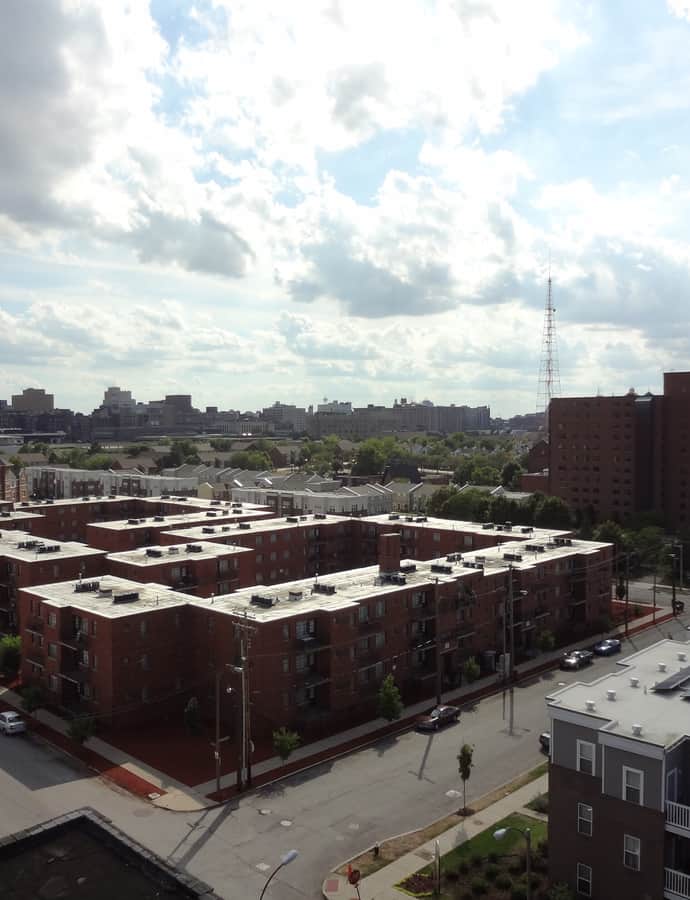
Neighborhood Gardens Apartments, in downtown St. Louis, was built as an early low-income housing project in the International Style. It's listed on the National Register of Historic Places.
Photo: Paul Sableman , CC BY 2.0
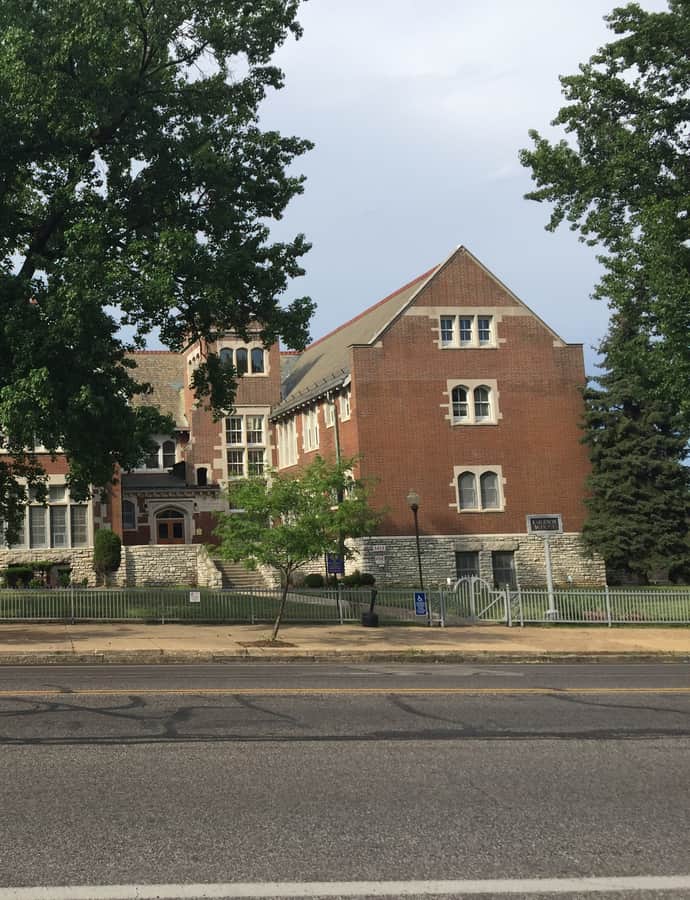
Ralph Waldo Emerson School is a Tudor Revival school building designed by William B. Ittner and listed on the National Register of Historic Places.
Photo: LittleT889 , CC BY-SA 4.0
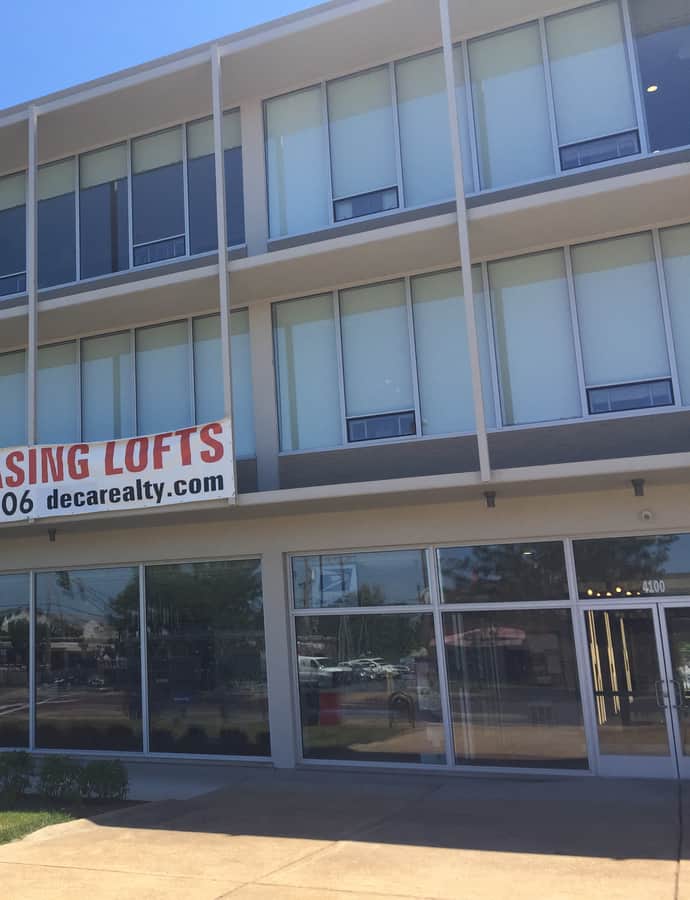
The Remington Rand Building is a modern-style building designed by Gyo Obata, co-founder of the architecture firm HOK. It is individually listed on the National Register of Historic Places.
Photo: LittleT889 , CC BY-SA 4.0
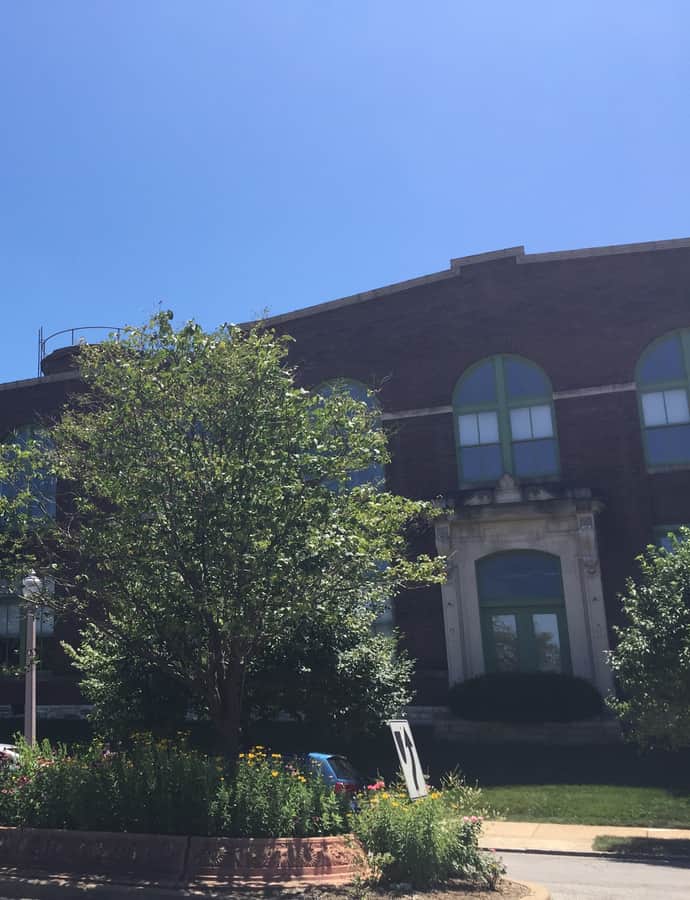
The Sanitol Building is a Neoclassical structure completed in 1906. It is listed on the National Register of Historic Places.
Photo: LittleT889 , CC BY-SA 4.0
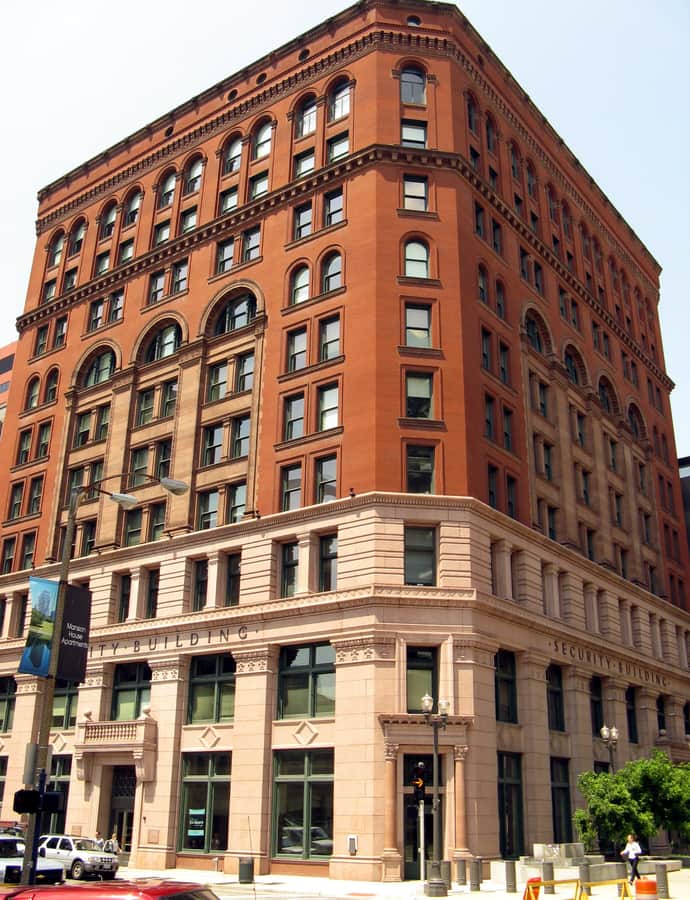
The Security Building is a downtown St. Louis office building completed in 1892 and designed by the Boston firm Peabody and Stearns in the Neoclassical style.
Photo: publichall , CC BY-SA 3.0
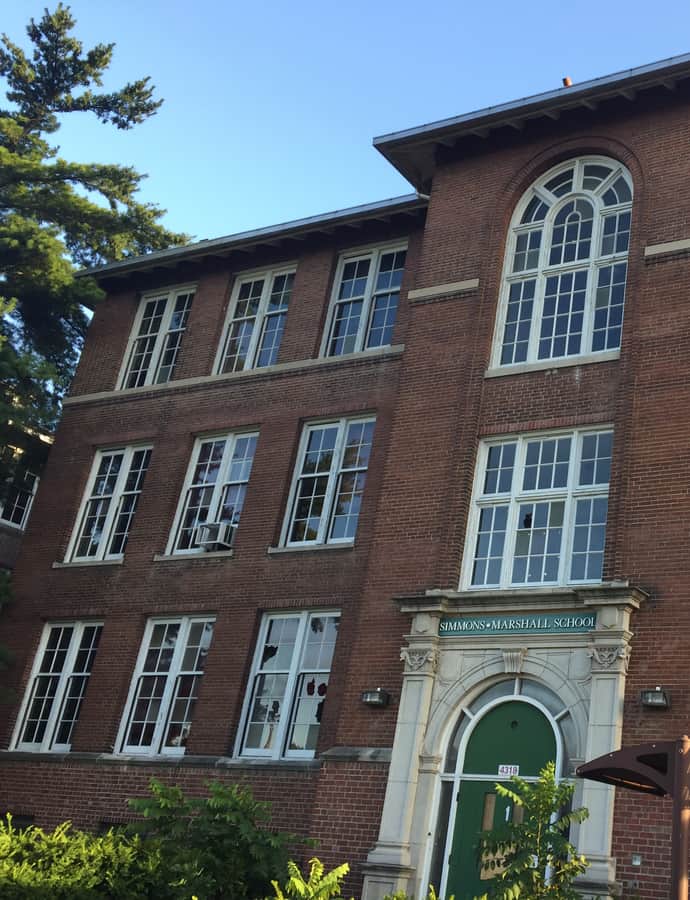
Simmons Colored School is a Neoclassical building designed by William B. Ittner and listed on the National Register of Historic Places, a historic segregation-era school.
Photo: LittleT889 , CC BY-SA 4.0
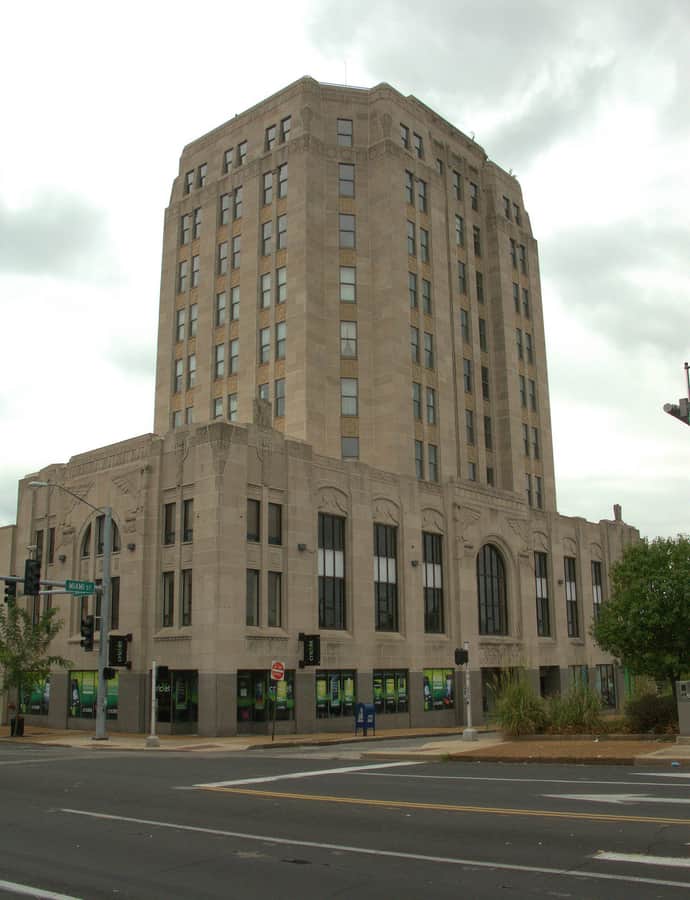
The South Side Tower was built in 1928 in the Art Deco style, giving it a tower form with Art Deco presence on the street. It is listed on the National Register of Historic Places.
Photo: Joe D. Jacobson , CC BY-SA 3.0
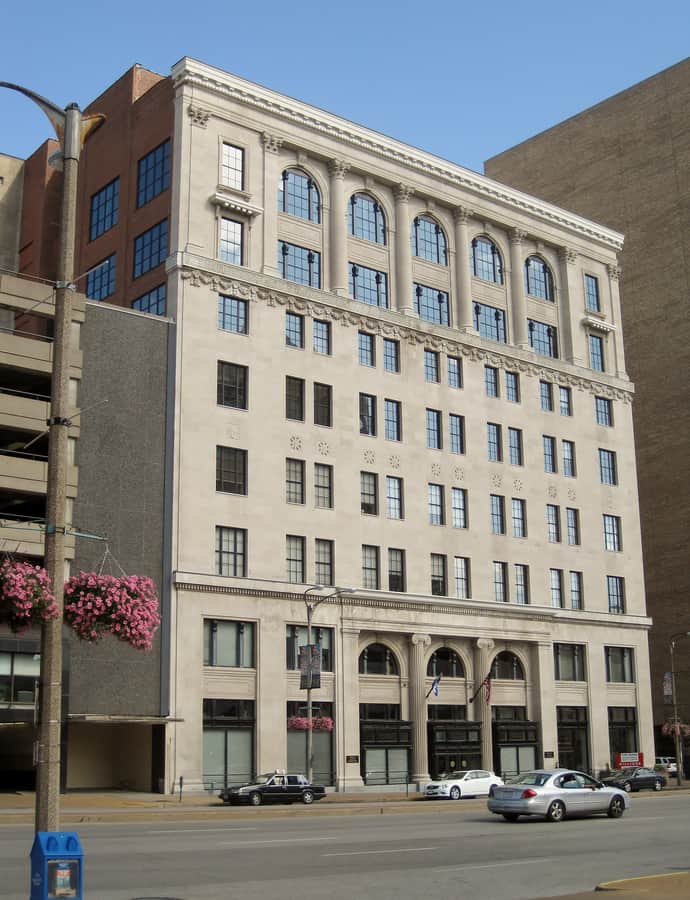
The St. Louis Post-Dispatch Building stands in downtown St. Louis, built in the Beaux-Arts style and named for the city's prominent newspaper. It's listed on the National Register of Historic Places.
Photo: Teemu08 , CC BY-SA 3.0
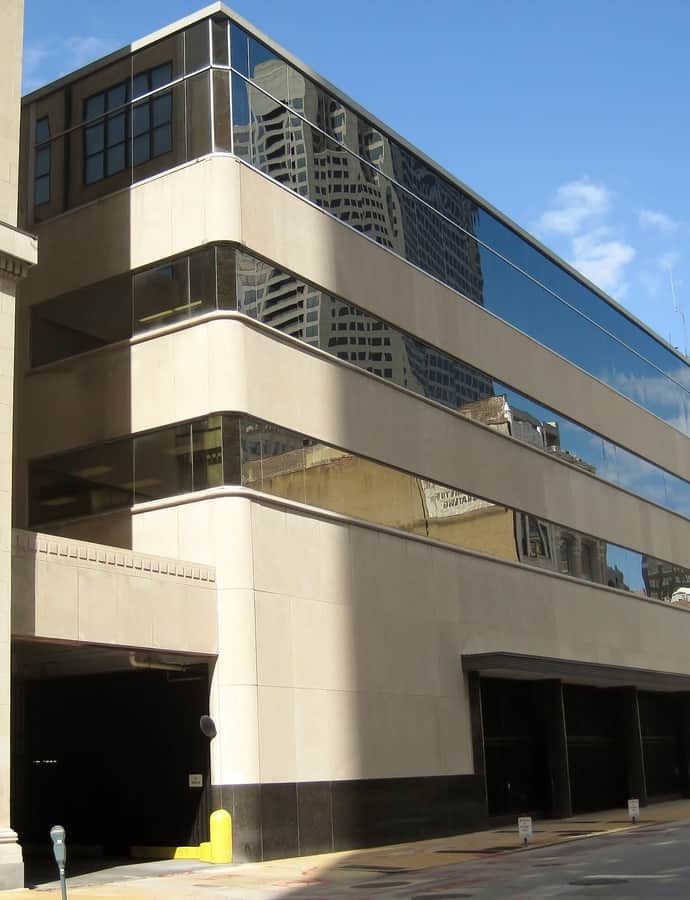
The St. Louis Post-Dispatch Printing Building, located downtown, is an International Style building listed on the National Register of Historic Places.
Photo: Teemu08 , CC BY-SA 3.0
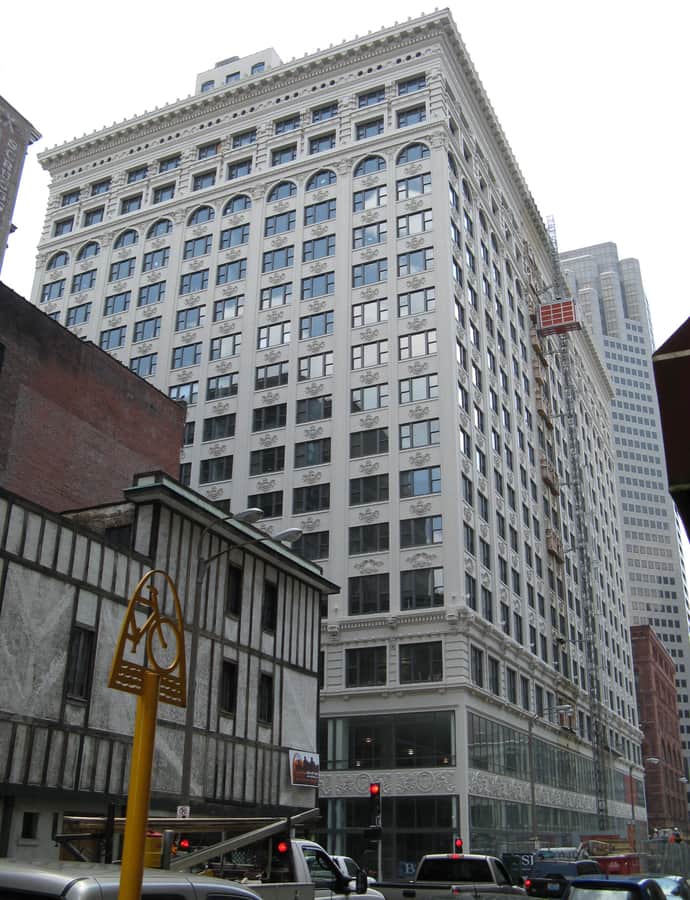
The Syndicate is a Beaux-Arts building in downtown St. Louis, recognized as a National Register of Historic Places contributing property and listed place.
Photo: publichall , CC BY-SA 3.0
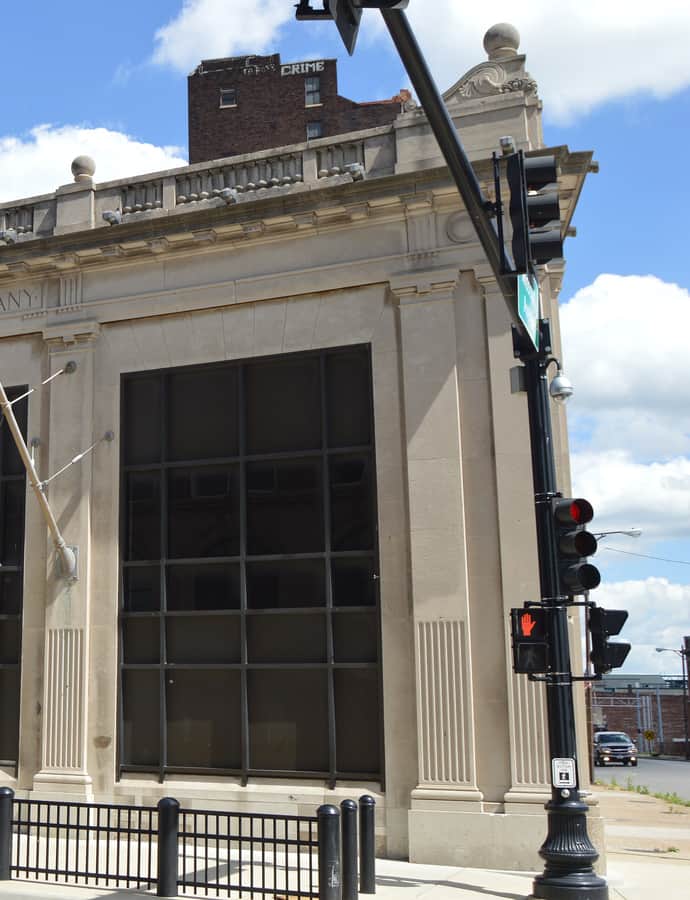
The Union Trust Bank Company Building is a Neoclassical structure listed on the National Register of Historic Places.
Photo: Nyttend , Public domain
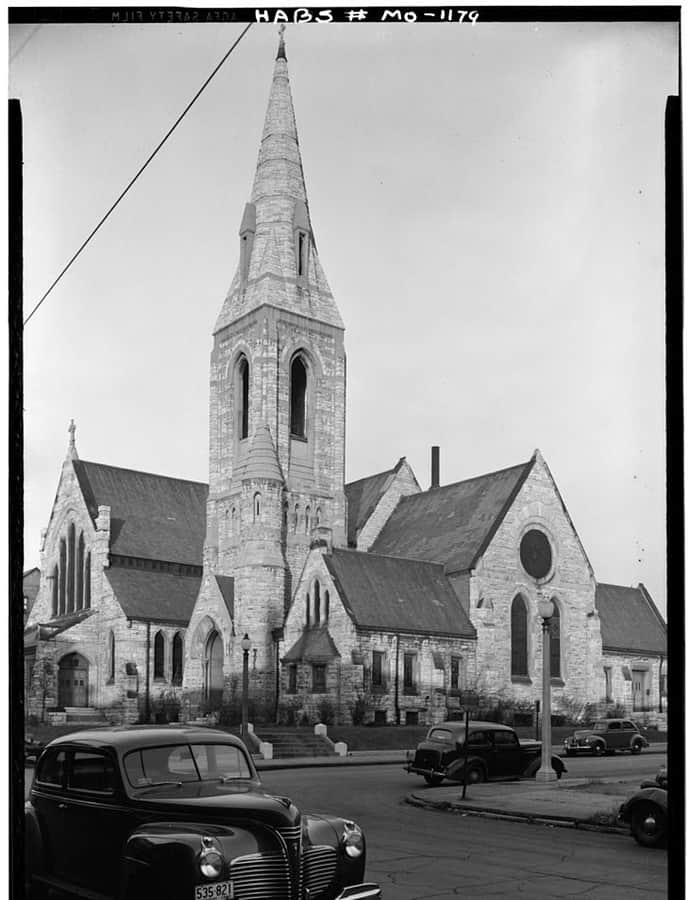
Victorian architecture
The Unitarian Church of the Messiah was designed by Peabody and Stearns, the notable Boston firm, in a Victorian style. It's listed on the National Register of Historic Places.
Photo: Lester Jones, Photographer , Public domain
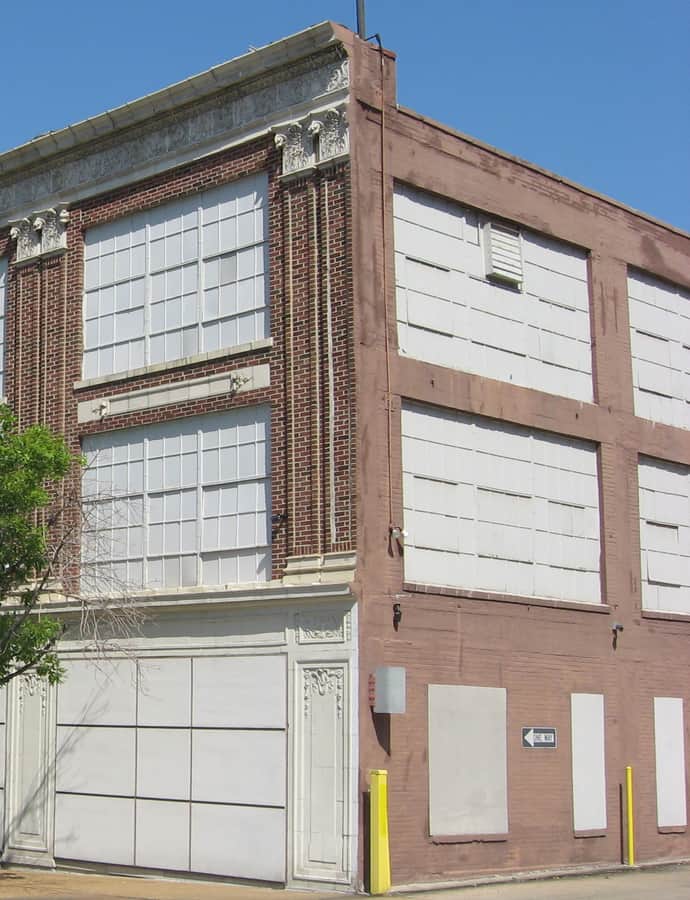
The Weber Implement and Automobile Company Building went up in downtown St. Louis in 1919, designed by Preston J. Bradshaw, a prolific local architect, in the Neoclassical style. It is individually listed on the National Register of Historic Places.
Photo: Nyttend , Public domain
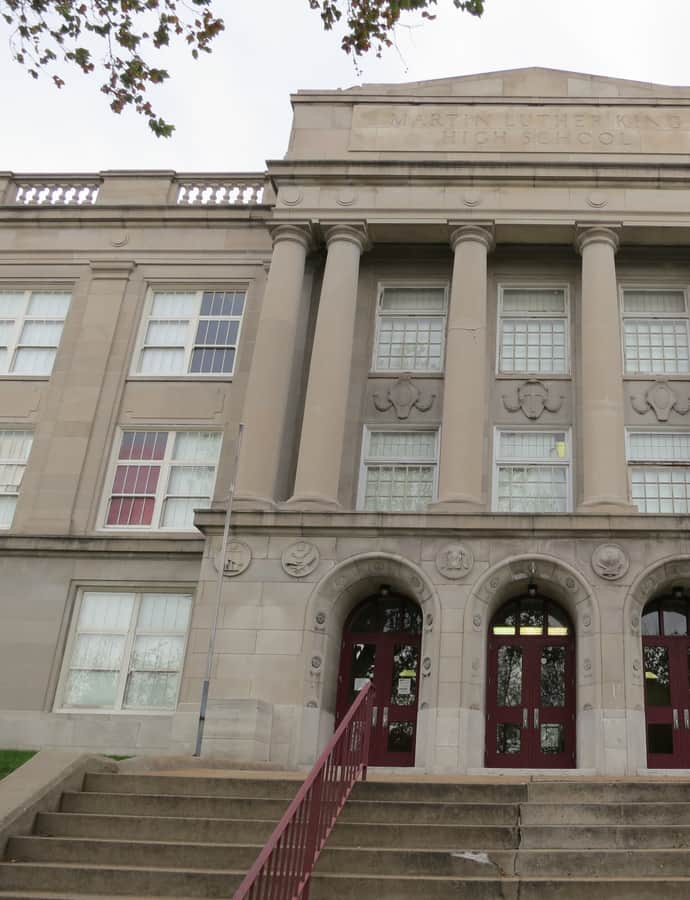
William Cullen McBride Catholic High School is a Beaux-Arts building listed on the National Register of Historic Places.
Photo: Paul Sableman , CC BY 2.0
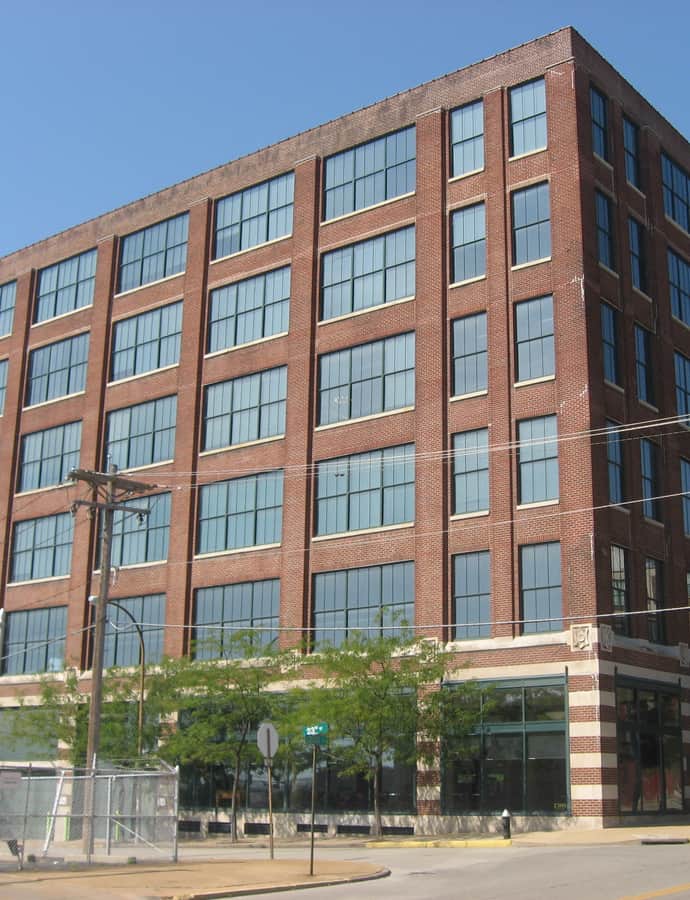
The Willys-Overland Building is a Neoclassical building designed by the firm Mills, Rhines, Bellman & Nordhoff. It is individually listed on the National Register of Historic Places.
Photo: Nyttend , Public domain
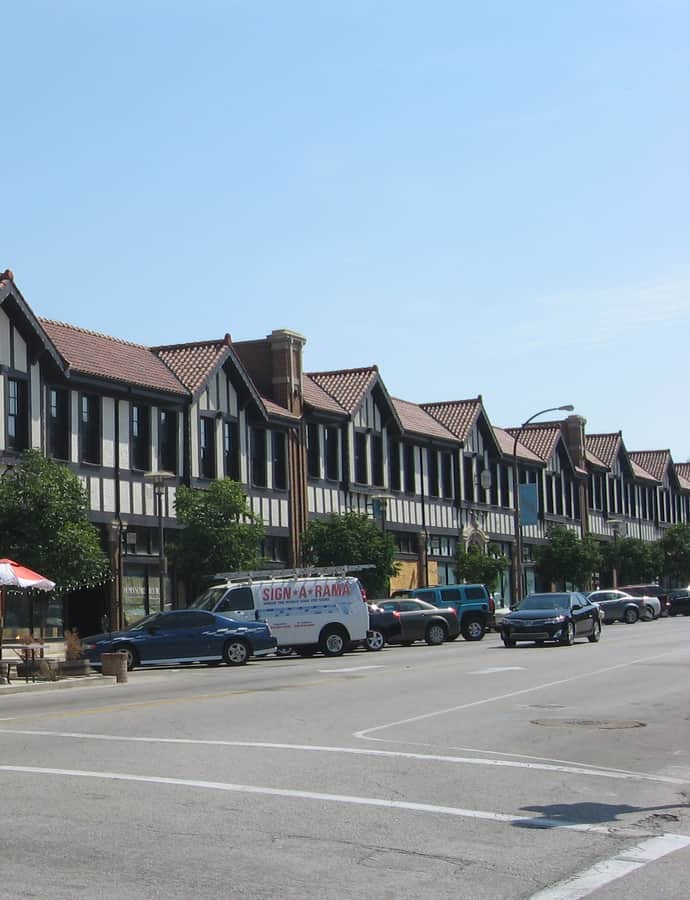
The Wrought Iron Range Company Building stands in downtown St. Louis, built in the Tudor Revival style. It is listed on the National Register of Historic Places.
Photo: Nyttend , Public domain


.jpg)


.jpg)


.jpg)


,_Olive_Street_and_7th_Street,_St._Louis,_MO_-_53051441129.jpg)

.JPG)


_-_exterior.jpg)


,_Garrison_%26_Locust_Streets,_Saint_Louis,_Independent_City,_MO.jpg)

.jpg)

