City guide

architecture in Toledo.

19 buildings worth a detour, each with what to look for. Open them on the map, or walk them with the iPhone app, which collects each one you photograph.

Landmarks

The buildings that define the city's architecture.

Ashland Avenue Baptist Church

Romanesque Revival

Ashland Avenue Baptist Church

David L. Stine

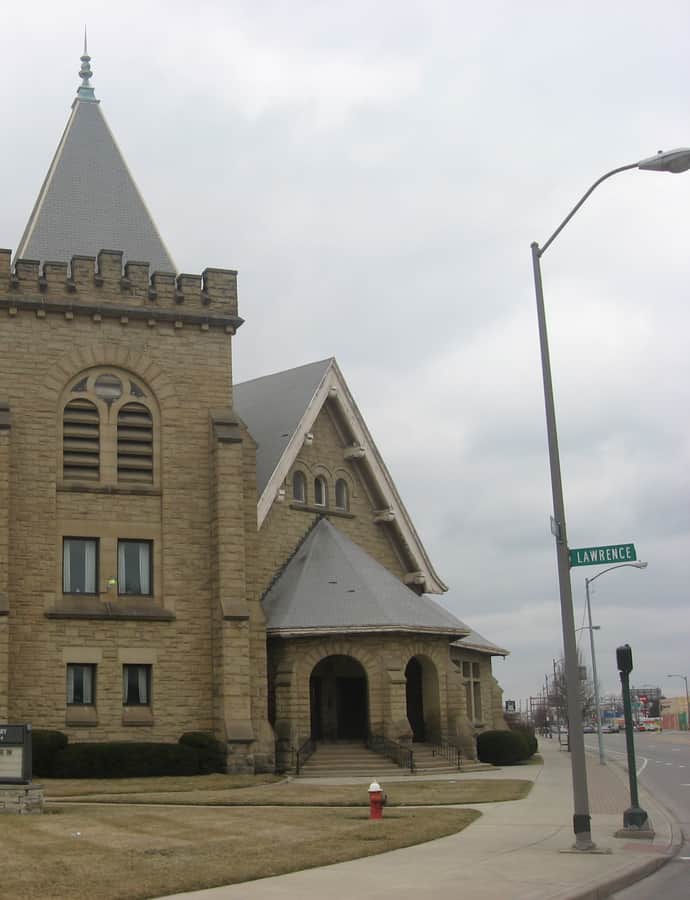
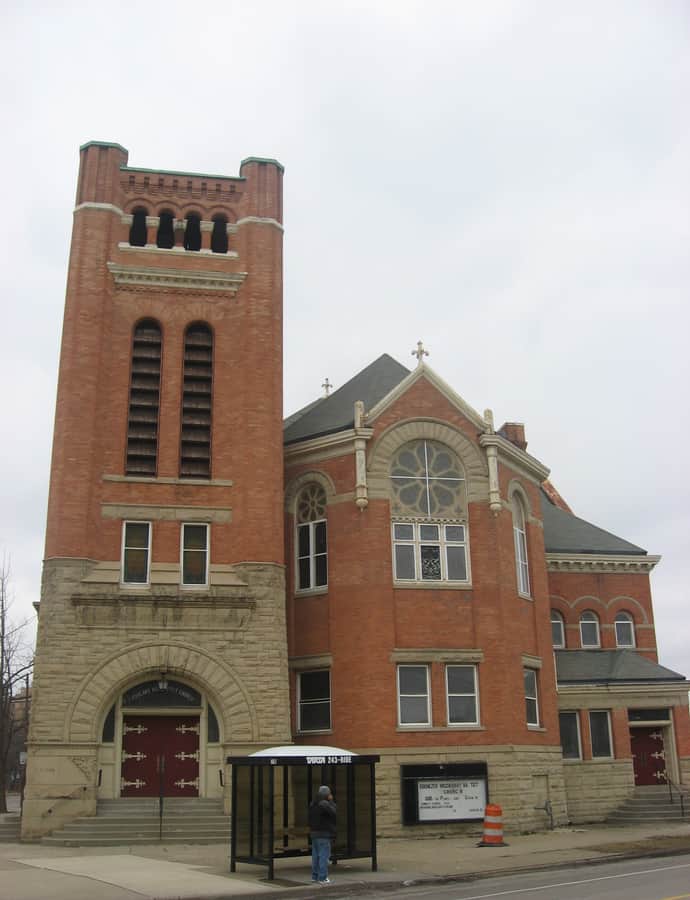
Ashland Avenue Baptist Church was organized in 1886 by a group of Sunday School workers, and the congregation dedicated this building in 1896 to a design by architect David L. Stine. It was individually listed on the National Register of Historic Places on November 26, 1980. In 2005 the congregation sold the building to Ebenezer Missionary Baptist Church and relocated, eventually settling in Oregon, Ohio, where it continues today as Ashland Church.

Photo: Nyttend , Public domain
Center for the Visual Arts

Landmark

Center for the Visual Arts

Frank Gehry

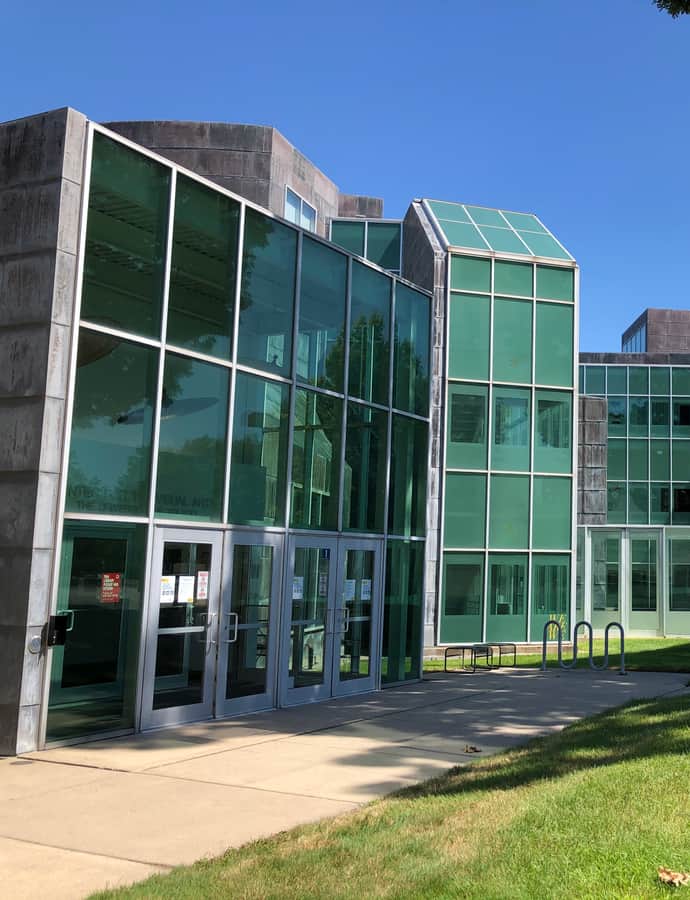
The Center for the Visual Arts is a rare Toledo commission by Frank Gehry, the Pritzker Prize-winning architect. A Gehry building in Toledo is unusual enough on its own to make this a standout stop, reflecting his distinctive, expressive approach to form.

Photo: Mbrickn , CC BY 4.0

Dr. John A. Wright House

Queen Anne

Dr. John A. Wright House

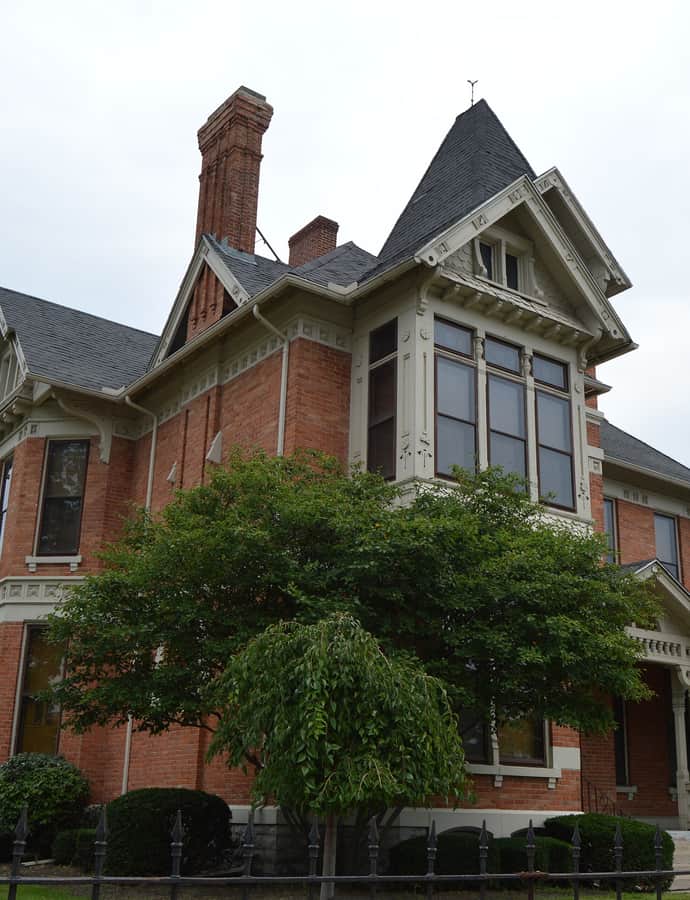
The Dr. John A. Wright House is an individually listed National Register of Historic Places property in downtown Toledo, built in the Queen Anne style. Its ornate, highly visible facade reflects the decorative, asymmetrical hallmarks of Queen Anne residential design.

Photo: Nyttend , Public domain
Edward D. Libbey House

Shingle Style

Edward D. Libbey House

David L. Stine

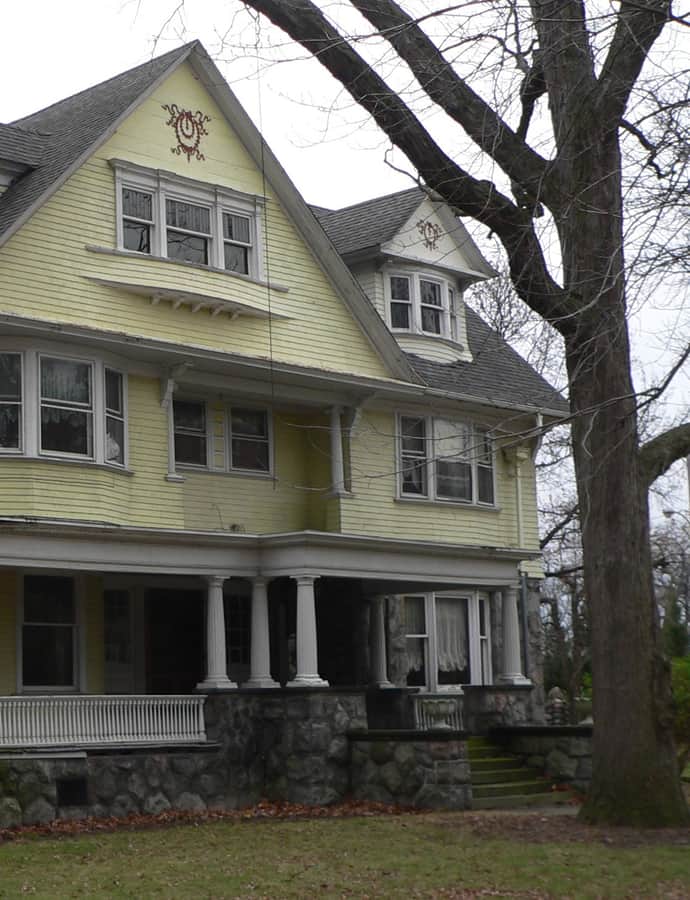
The Edward D. Libbey House is a Shingle style residence at 2008 Scottwood Avenue in Toledo's Old West End, built in 1895 for glass manufacturer Edward Libbey. Libbey, who trained in glassmaking at the New England Glass Company before relocating that firm's operations to Toledo in 1888, made his fortune revolutionizing American glass production, and he and his wife Florence Scott Libbey went on to found the Toledo Museum of Art in 1901. The house was declared a National Historic Landmark in 1983 and, after passing into disrepair, was bought in 2008 by The Libbey House Foundation for restoration to its original condition.

Photo: Ammodramus , CC0

First Church of Christ, Scientist

Romanesque Revival

First Church of Christ, Scientist

The former First Church of Christ, Scientist was built in 1898 at 2704 Monroe Street in Toledo. It was added to the National Register of Historic Places in 1978, at which point the building was occupied by Universal Community Church. The original congregation now holds services at 4647 West Central Avenue in Ottawa Hills.

Photo: Nyttend , Public domain
James M. Ashley and Thomas W.L. Ashley United States Courthouse

Neoclassical

James M. Ashley and Thomas W.L. Ashley United States Courthouse

James A. Wetmore · 1932

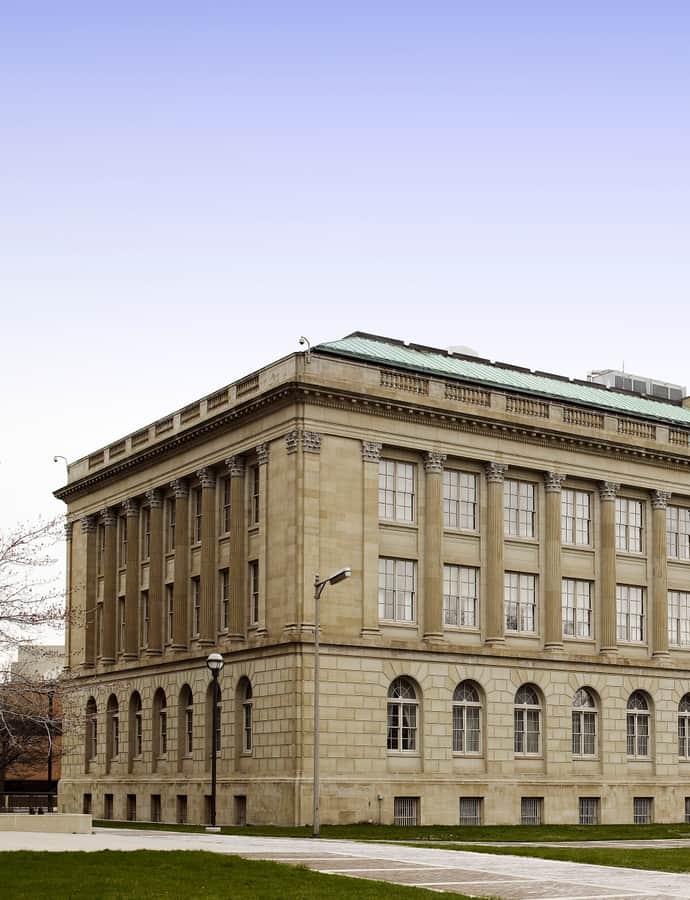
Built in 1932, this Neoclassical federal building in downtown Toledo serves the U.S. District Court for the Northern District of Ohio and is named for two former Congressmen, Republican James M. Ashley and his great-grandson, Democrat Thomas W. L. Ashley. It rose from Toledo's early-20th-century push to build a City Beautiful civic center: officials adopted Beaux Arts planning principles in a 1924 master plan, assembled a civic quadrangle bounded by Jackson, Erie, and Orange streets and Spielbusch Avenue starting in 1925, and replaced an overcrowded 1888 federal building with this courthouse and custom house.

Photo: Carol M. Highsmith , Public domain

Lasalle, Koch and Company Department Store

Renaissance Revival

Lasalle, Koch and Company Department Store

Starrett & van Vleck

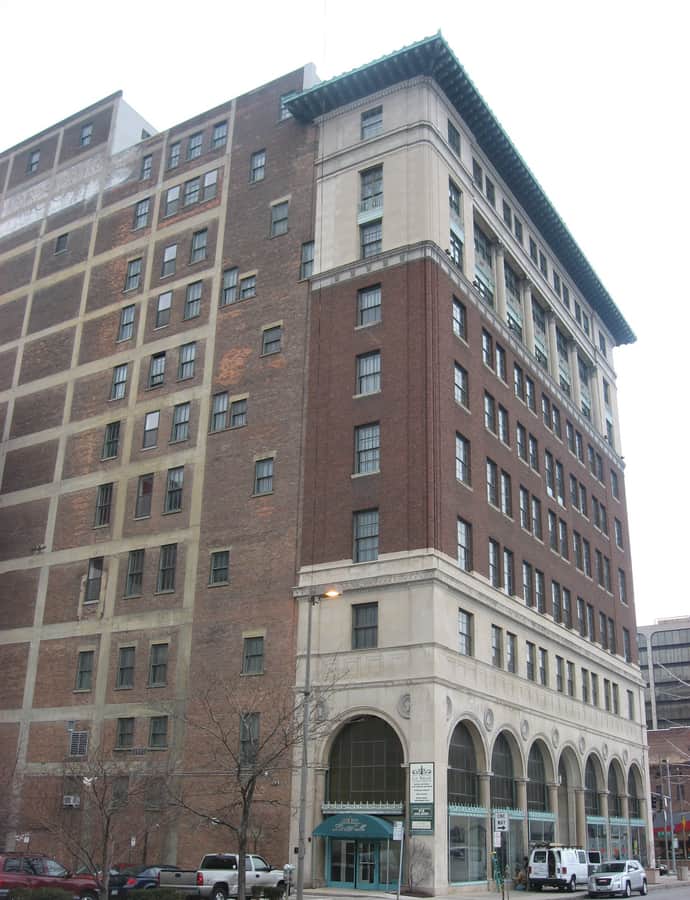
The Lasalle, Koch and Company Department Store is a downtown Toledo commercial building in the Renaissance Revival style, designed by the architectural firm Starrett & van Vleck. It is individually listed on the National Register of Historic Places as a former department store tied to Toledo's commercial history.

Photo: Nyttend , Public domain
Lucas County Courthouse and Jail

Landmark

Lucas County Courthouse and Jail

David L. Stine

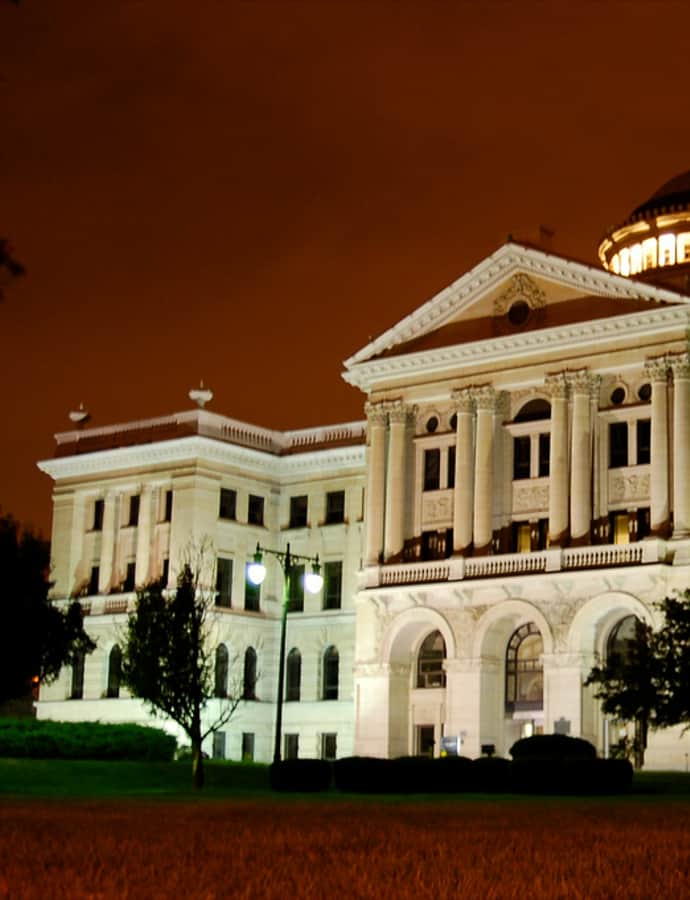
The Lucas County Courthouse opened in 1897 at 700 Adams Street in downtown Toledo, designed by architect David L. Stine with contractors Dun, Perley & Co. It was added to the National Register of Historic Places in 1973 and today houses the Lucas County Common Pleas Court and the County Prosecutor's office.

Photo: Joel Rossol , CC BY-SA 2.0

Ohio Theatre

Neoclassical

Ohio Theatre

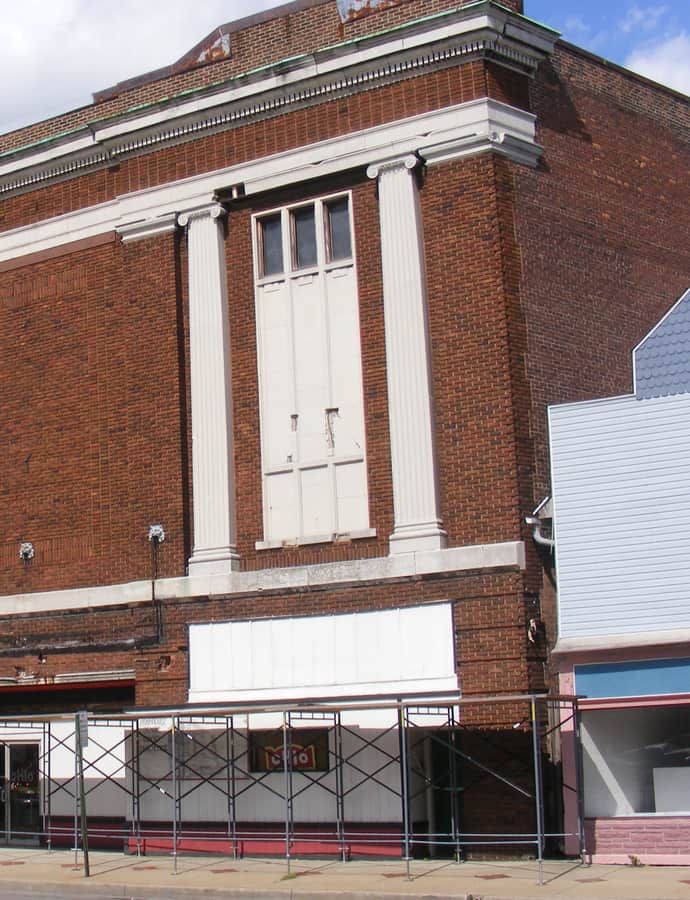
Built in 1921 on Lagrange Street, the Ohio Theatre is Toledo's last operating neighborhood theatre. This three-story brick and stone masonry building comprises 8,000 square feet and sits at the center of the city's Polish International Village, a neighborhood that has held Toledo's largest concentration of people of Polish ancestry for over 130 years. It was listed on the National Register of Historic Places in 2006.

Photo: Ohio Office of Redevelopment , CC BY 2.0

Pythian Castle

Romanesque Revival

Pythian Castle

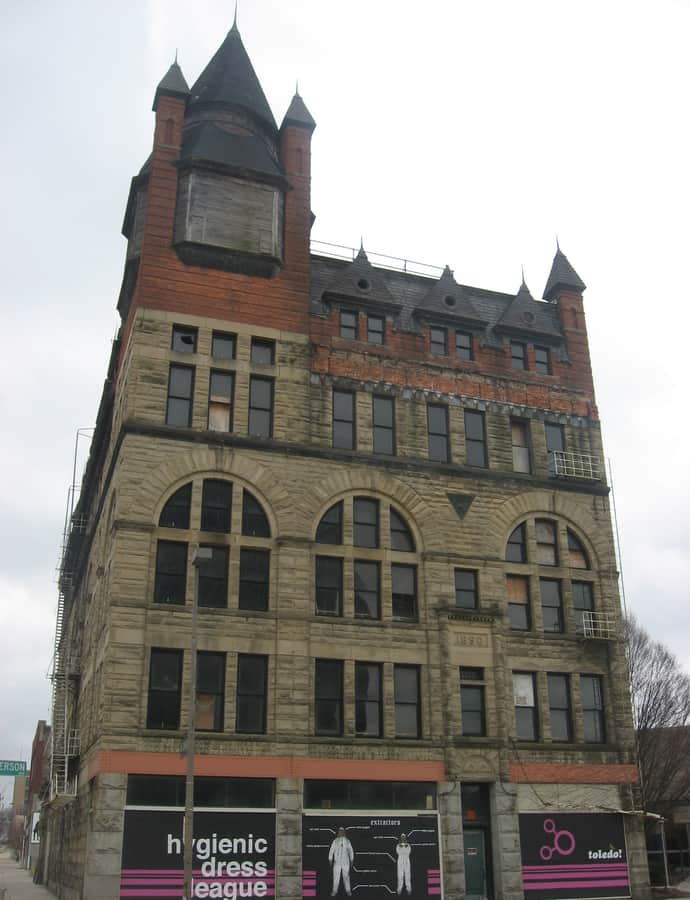
Pythian Castle, at the corner of Jefferson Avenue and North Ontario Street in Toledo's Center City, is a Romanesque-style building built in 1890 by the Knights of Pythias, a fraternal organization, as a meeting place. Designed by Norval Bacon and Thomas Huber of the Toledo firm Bacon & Huber, the 30,000-square-foot building was described in 1908 as "the finest building to be found anywhere entirely devoted to the uses of Pythianism." It was listed on the National Register of Historic Places in 1972.

Photo: Nyttend , Public domain
Landmark

Rosary Cathedral

John Theodore Comès

Our Lady, Queen of the Most Holy Rosary Cathedral stands at 2535 Collingwood Boulevard in Toledo's Old West End, completed in 1931 as the mother church of the Diocese of Toledo. Bishop Joseph Schrembs bought the Collingwood Boulevard campus land in 1911, and the cathedral parish was formed in 1915 from pieces of St. Patrick, St. Francis de Sales, and St. Ann Parishes, though the cathedral itself waited years to break ground. Design is credited to John Theodore Comès, a noted American ecclesiastical architect; cathedral officials say it was conceived with Toledo, Spain, in mind and describe it as the only American cathedral built in the Spanish Plateresque style. It seats 1,400 worshippers.

St. Patrick's Catholic Church

Gothic Revival

St. Patrick's Catholic Church

Adolphus Druiding · 1891

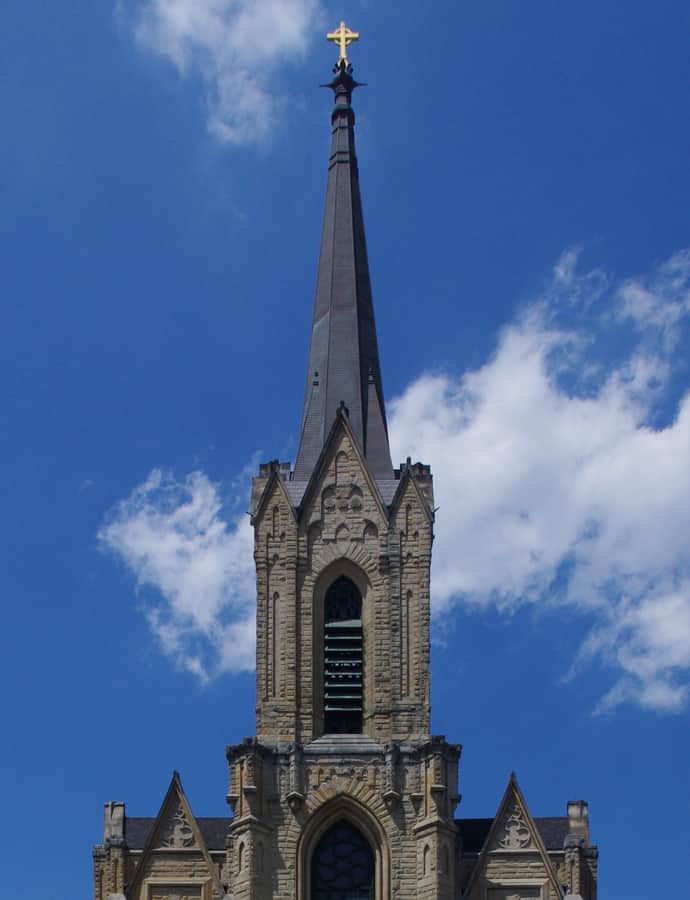
St. Patrick's Catholic Church at 130 Avondale Avenue is the second building to carry the parish's name, dedicated in 1901 after Fr. Edward Hannin set out to build "the finest church in this part of the land" for his Toledo congregation. The first church, dedicated in 1863 for $27,000, was demolished in 1891 after being deemed unsafe; its pews and furnishings were reused in the new Gothic Revival building designed by Adolphus Druiding. On completion it was considered one of the finest examples of Gothic Revival architecture in the United States, and it was listed on the National Register of Historic Places in 1972.

Photo: Nheyob , CC BY-SA 3.0

Toledo Main Library

Art Deco

Toledo Main Library

Hahn & Hayes · 1940

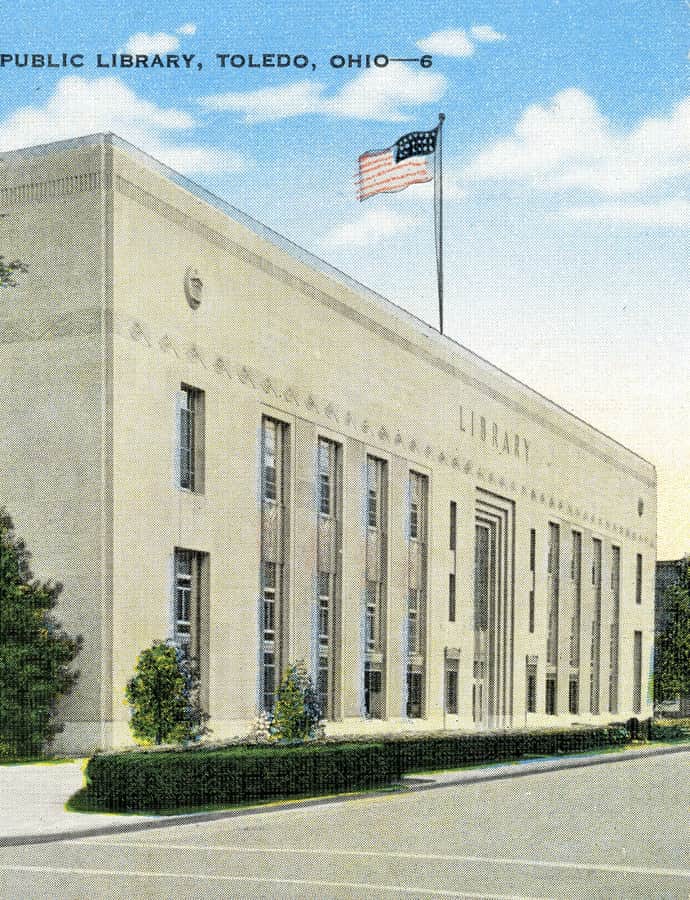
The Toledo Main Library was built in 1940 in the Art Deco style, designed by the firm Hahn & Hayes. As the city's main library, it anchors a civic story in downtown Toledo, its facade carrying the geometric ornament typical of the era's public buildings.

Photo: unknown , No restrictions

Toledo Museum of Art

Landmark

Toledo Museum of Art

Frank Gehry; Kazuyo Sejima; Ryue Nishizawa · 1901

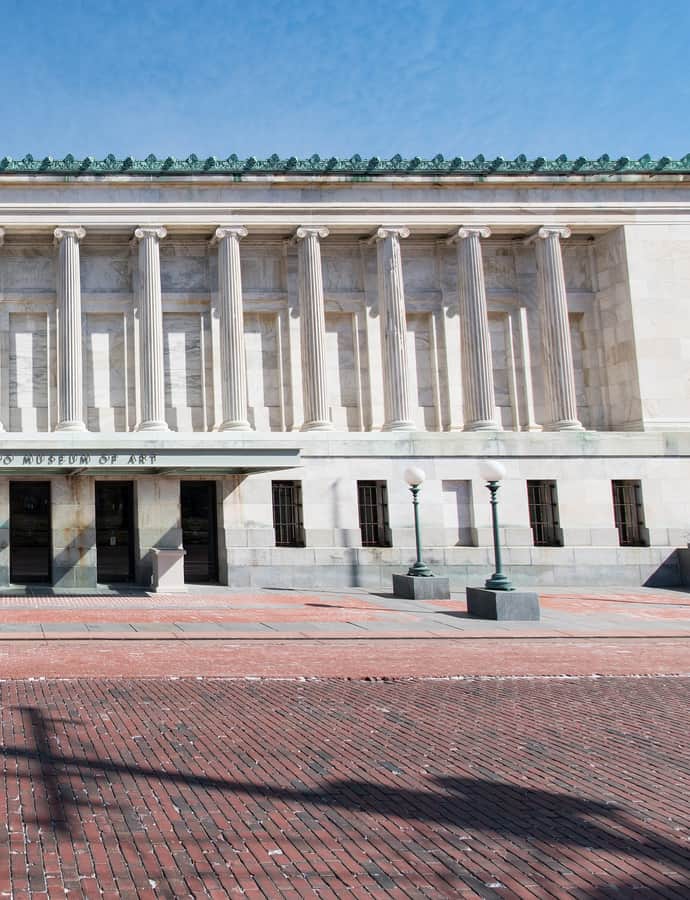
The Toledo Museum of Art, founded by Toledo glassmaker Edward Drummond Libbey in 1901, houses more than 30,000 objects across 45 galleries covering 280,000 square feet on a 40-acre campus, currently in the midst of a multiyear expansion. The museum moved to its present Old West End location in 1912, into a Greek Revival building designed by Edward B. Green and Harry W. Wachter, which was subsequently expanded in the 1920s and 1930s, with further additions in the 1990s and in 2006. Later work by internationally significant architects Frank Gehry and SANAA's Kazuyo Sejima and Ryue Nishizawa extended the campus into the 21st century. The museum draws about 380,000 visitors a year and was voted America's favorite museum by readers of the visual arts website Modern Art Notes in 2010.

Photo: Ɱ , CC BY-SA 4.0

Toledo Museum of Art Glass Pavilion

Landmark

Toledo Museum of Art Glass Pavilion

Kazuyo Sejima; Ryue Nishizawa; SANAA · 2006

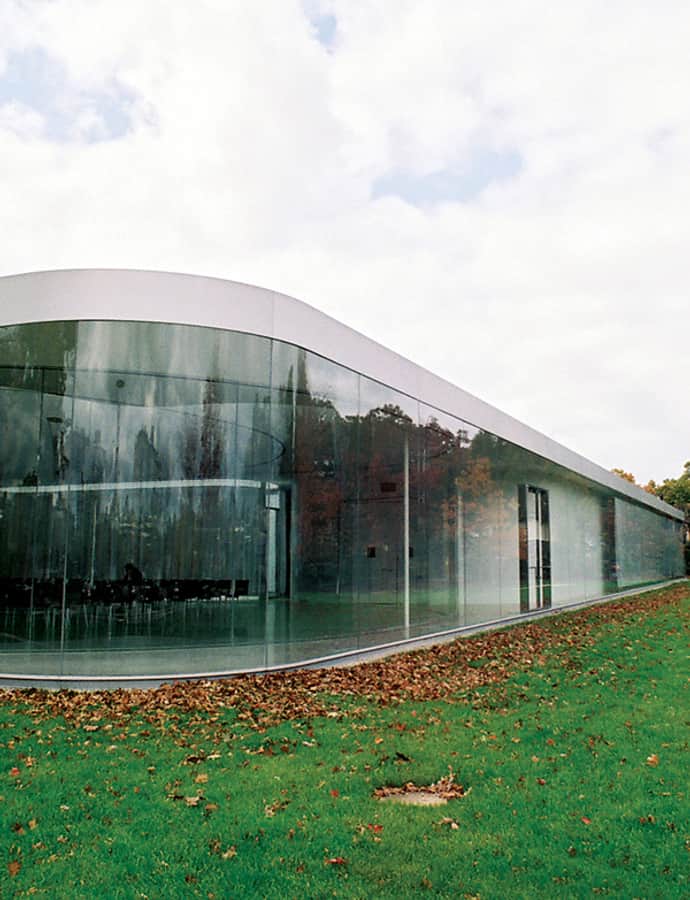
The Toledo Museum of Art Glass Pavilion, completed in 2006, was designed by Pritzker Prize-winning architects Kazuyo Sejima and Ryue Nishizawa of SANAA. Built as an all-glass structure for a museum whose founding is rooted in Toledo's glassmaking industry, the pavilion makes its material choice a direct statement of the city's identity.

Photo: Kiko 2709 / Adam C Nelson , CC BY-SA 3.0

International Style

Tower on the Maumee

1968

Tower on the Maumee, formerly the Fiberglas Tower, is a 400-foot International Style skyscraper at 200 North Saint Clair Street in Toledo, built in 1969 as the world headquarters of Owens-Corning Fiberglas Company. Owens-Corning occupied the tower for 27 years before moving elsewhere downtown in 1996, after which the building sat vacant until October 2018. The Eyde Company renamed it Tower on the Maumee in October 2016 and set about converting the top floors into luxury apartments while renovating the lower-floor commercial office space. It was listed on the National Register of Historic Places in 2012 under the name "Riverview."

Tudor Revival

Valentine Theatre

The Valentine Theatre stands at the corner of Superior and Adams Streets in downtown Toledo and seats 901. Listed on the National Register of Historic Places on May 19, 1987, it underwent a $28 million renovation led by architect Charles H. Stark, begun in 1978 and taking 21 years to complete before unveiling on October 9, 1999. It now hosts resident companies including the Toledo Symphony Orchestra, Toledo Opera, and Toledo Ballet.

Notable buildings

Worth a stop when you're nearby.

Oliver House

Landmark

Oliver House

Isaiah Rogers

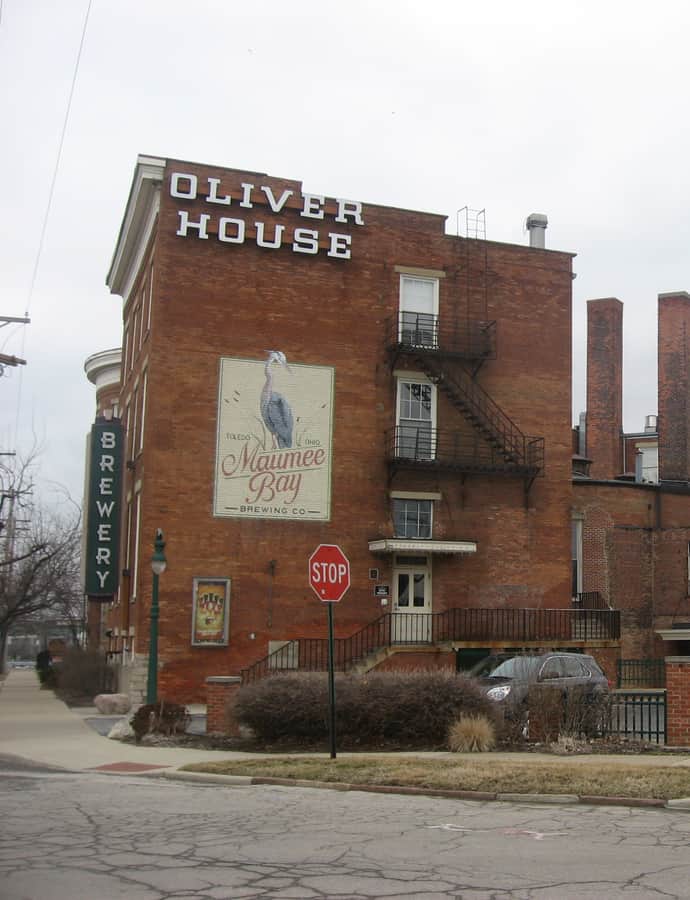
The Oliver House opened in 1859 at 27 Broadway St. in Toledo as a hotel designed by Isaiah Rogers, an architect credited with helping establish the modern American hotel typology through earlier commissions like the Tremont House and Astor House. The building was later converted to industrial use in the 20th century, and today it holds the Maumee Bay Brewing Company and its brew pub, along with a café, restaurants, event spaces, and residential apartments. It is individually listed on the National Register of Historic Places, under the name Successful Sales.

Photo: Nyttend , Public domain
Hidden gems

Fine buildings that fewer people seek out.

Toledo Traction Company Power Station

Landmark

Toledo Traction Company Power Station

D. H. Burnham & Company

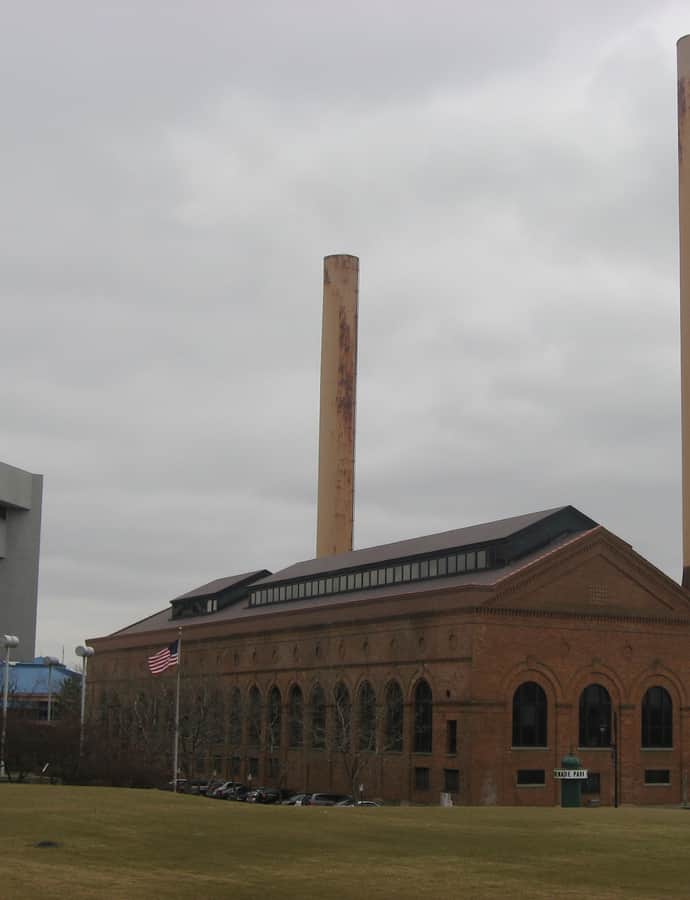
The Toledo Traction Company Power Station is a downtown Toledo industrial building designed by D. H. Burnham & Company, the firm of the nationally pivotal architect Daniel Burnham. It is individually listed on the National Register of Historic Places.

Photo: Nyttend , Public domain