a sign of these styles
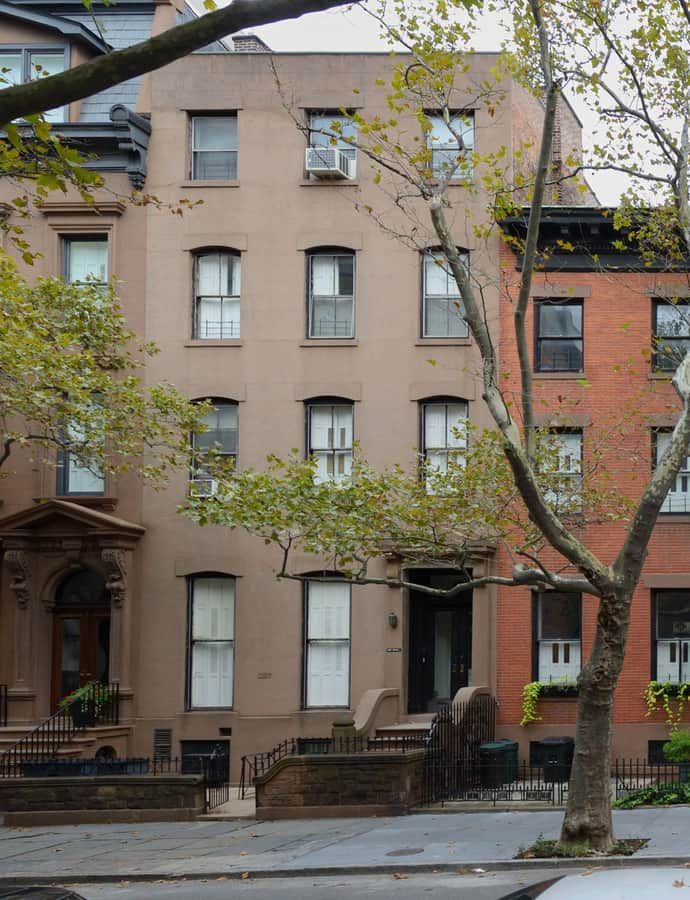 Brownstone c. 1840–1900 Row houses with brown sandstone fronts, a high stoop to the main floor over a raised basement, and a cornice.
 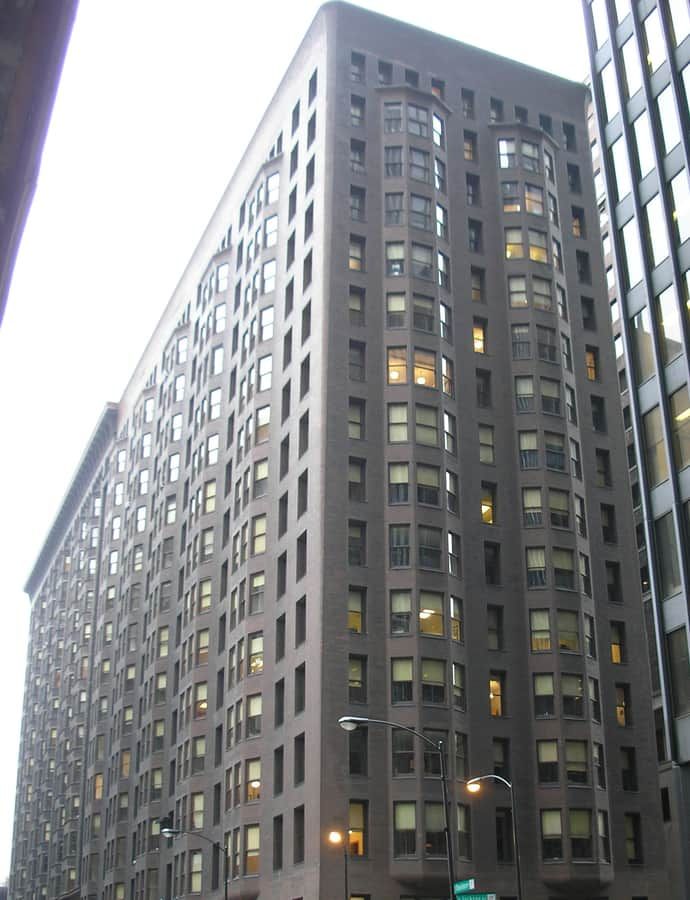 Chicago School c. 1880–1910 The first skyscrapers: steel frames shown as honest grids, huge three-part windows, ornament saved for base and top.
 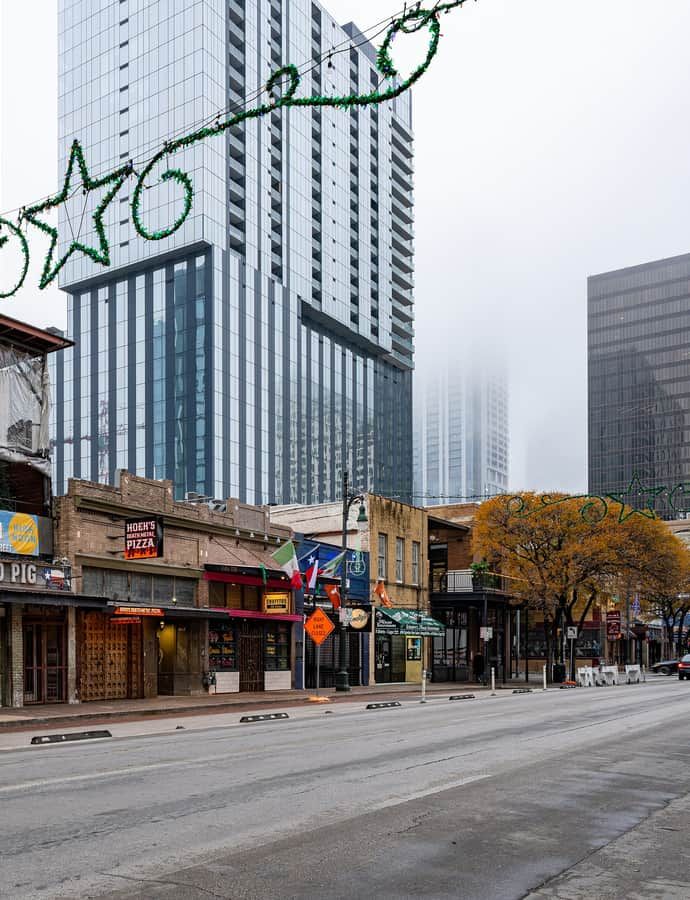 Commercial Vernacular c. 1850–1930 The American Main Street block: brick fronts with big glass storefronts below, regular windows and a decorated cornice above.
 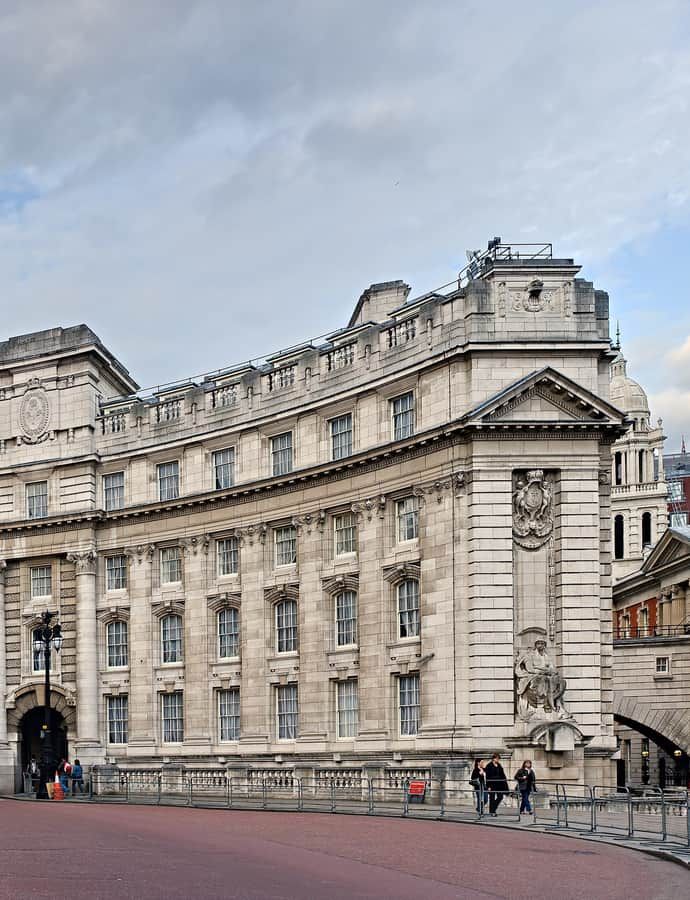 Edwardian c. 1901–1915 Victorian's calmer successor: flat or gently bayed row houses with simplified classical trim and big windows.
 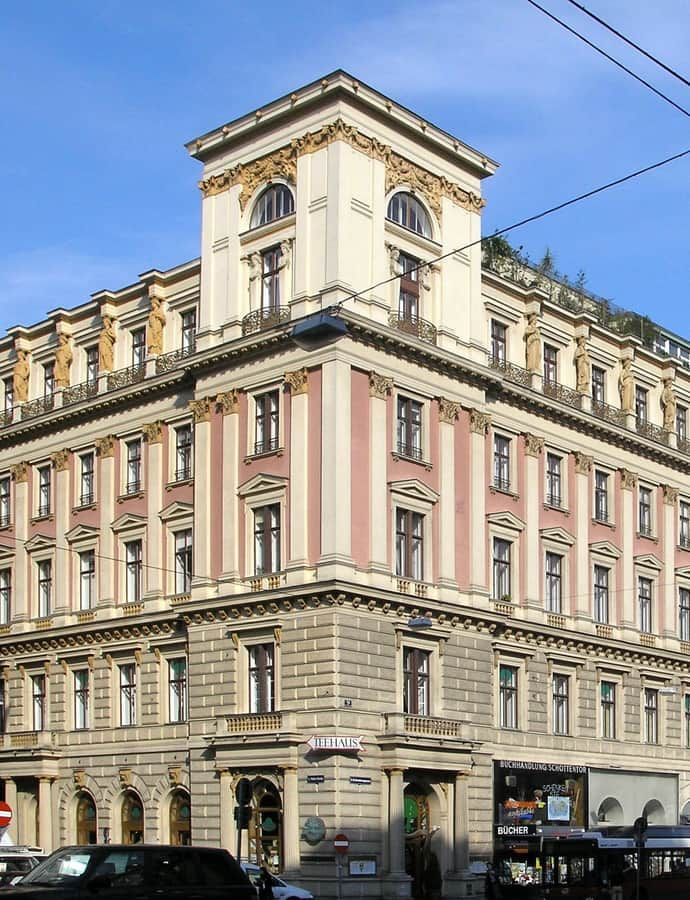 Gründerzeit c. 1870–1914 Four- to six-story stucco apartment blocks with shops below, pedimented windows and heavy cornices, built around courtyards.
 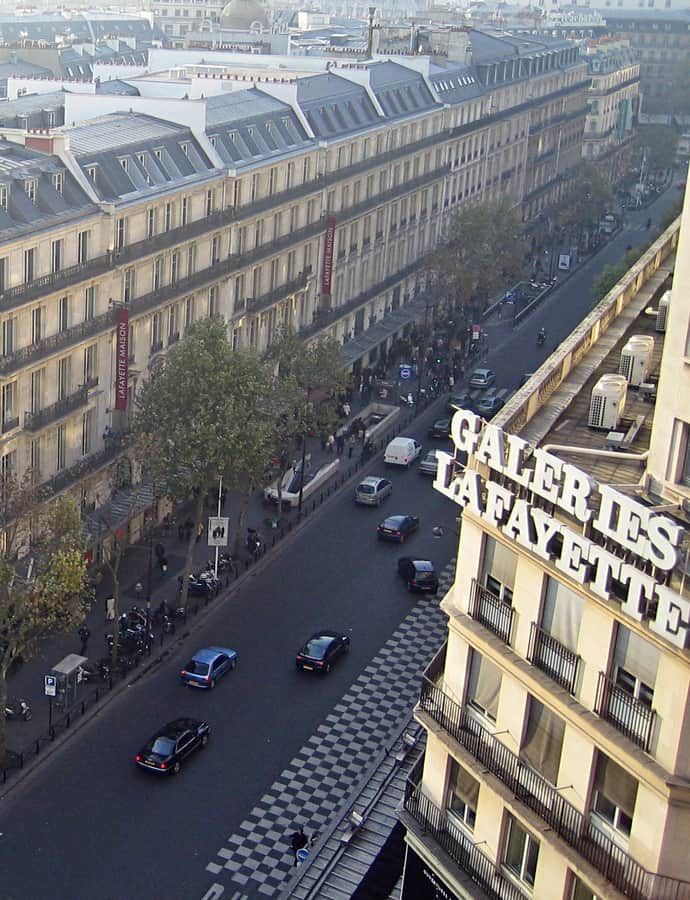 Haussmannian c. 1853–1914 The Paris streetscape: cream limestone blocks of uniform height, continuous iron balconies, and steep zinc roofs.
 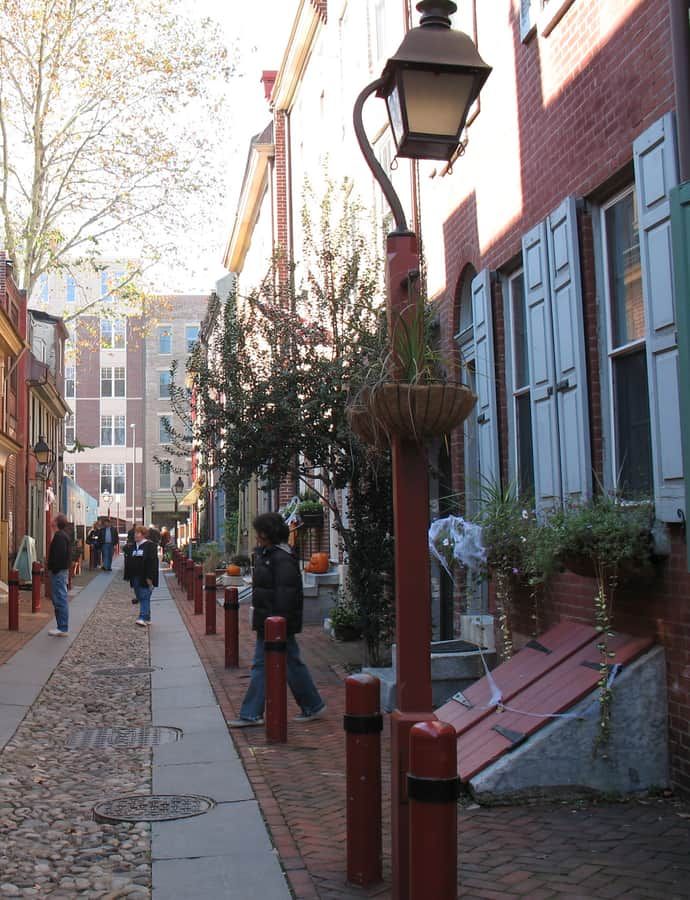 Mid-Atlantic Rowhouse c. 1790–1930 Continuous rows of narrow red brick houses with shared side walls, white stone trim, sash windows, and cornices or bays.
 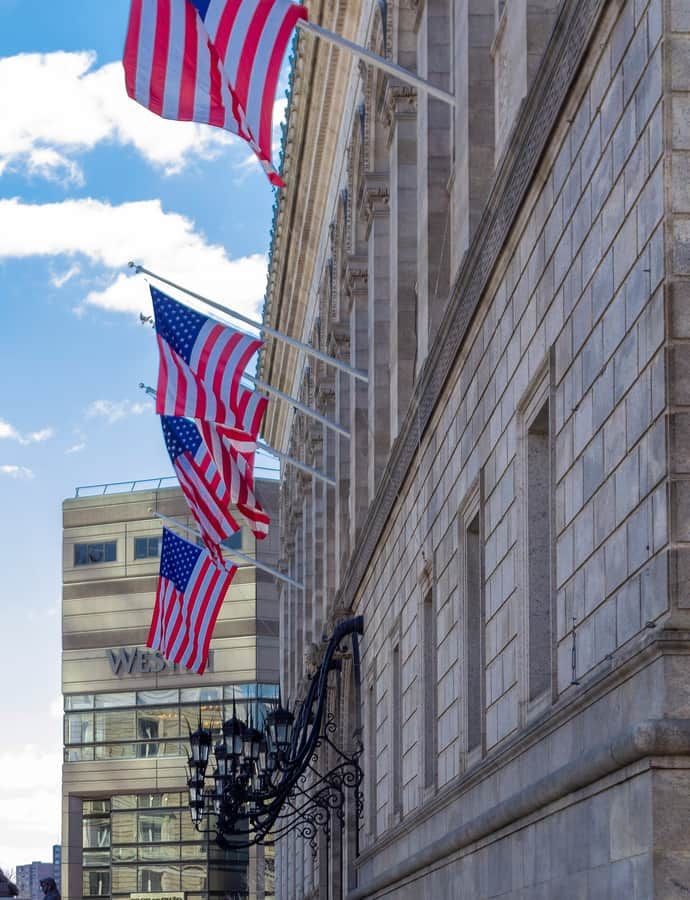 Renaissance Revival c. 1840–1915 The Italian palazzo reborn as banks, clubs, and brownstones: rough stone bases, orderly window rows, and a heavy top cornice.
 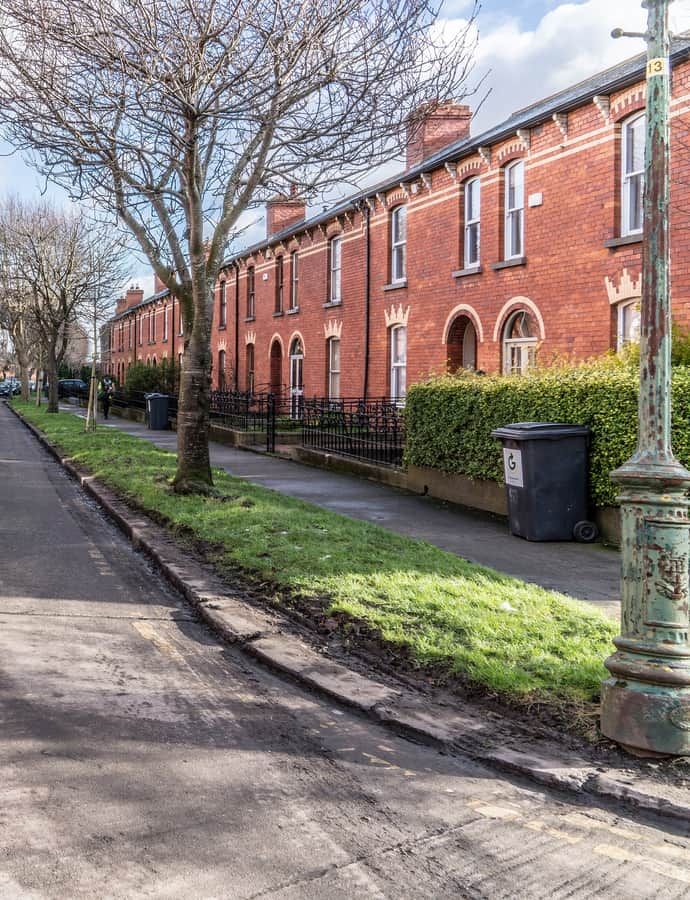 Victorian Terrace c. 1840–1910 Britain's brick row house: bay windows marching down the street, stucco trim, and rhythmic chimney stacks.
 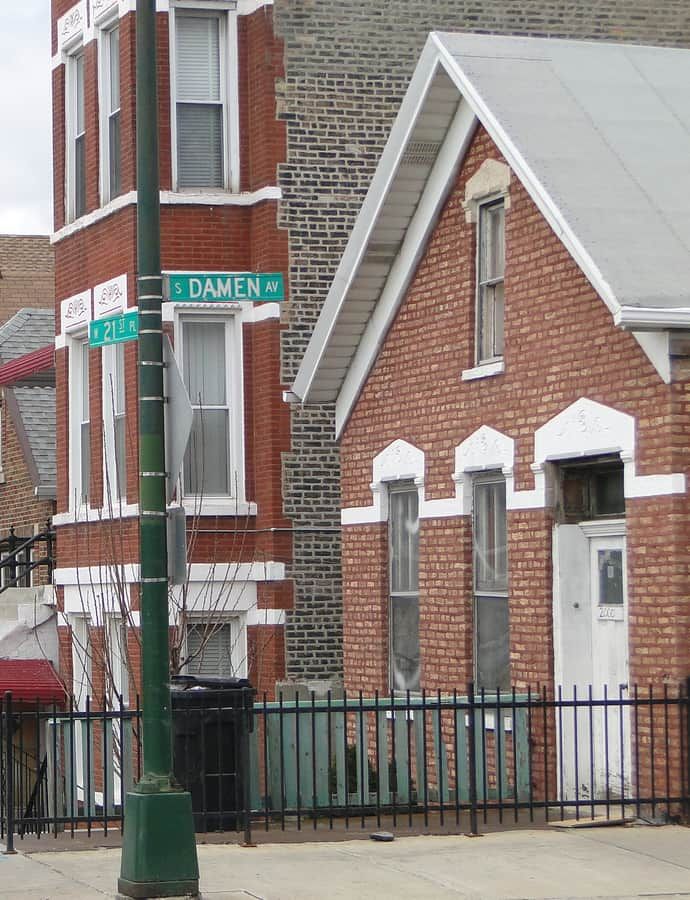 Workers Cottage c. 1870–1910 A one-and-a-half-story house with its gable facing the street, raised basement, front stoop, and trim only at windows and cornice.