a sign of these styles
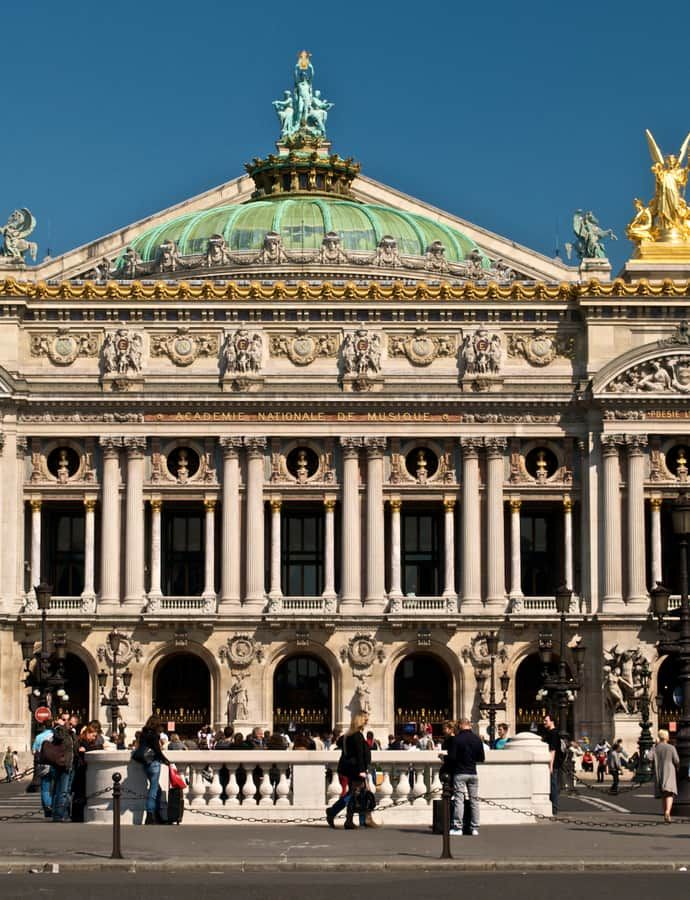 Beaux-Arts c. 1880–1930 Gilded Age grandeur: paired giant columns, rough-cut stone bases, rooftop sculpture, and monumental stairs.
 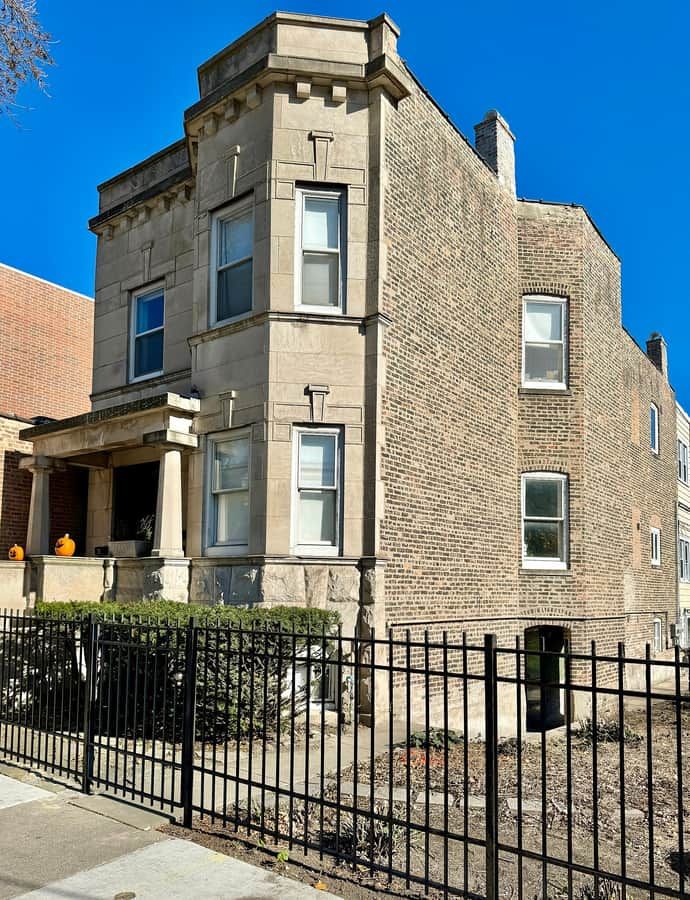 Greystone and Two-Flat c. 1890–1930 Flat-roofed Chicago two- and three-flats with limestone fronts, projecting bays, and round arches or classical trim.
 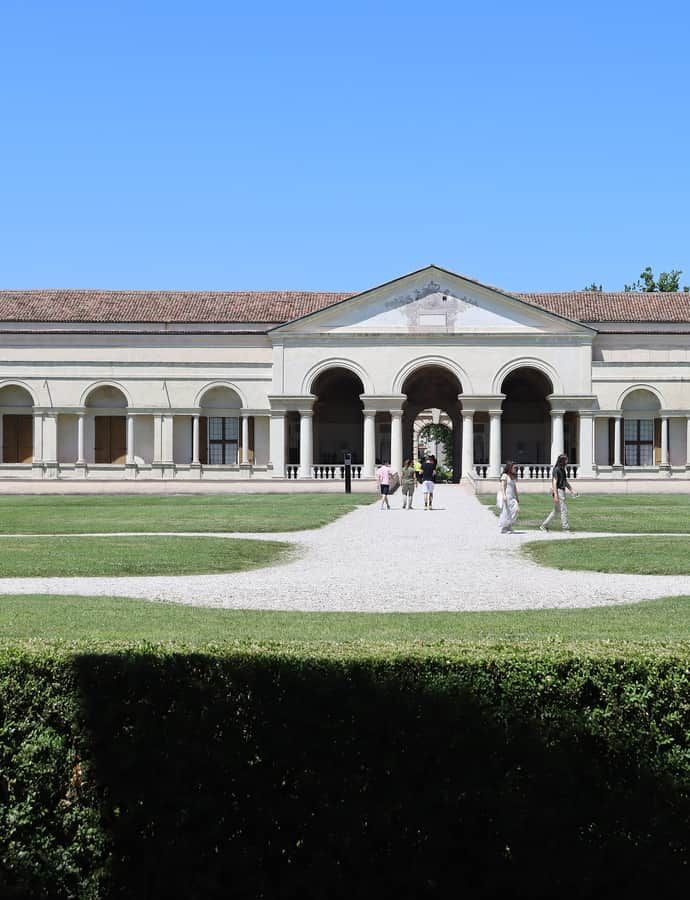 Mannerism c. 1520–1600 Classical rules bent on purpose: oversized keystones, broken pediments, and columns sunk into walls.
 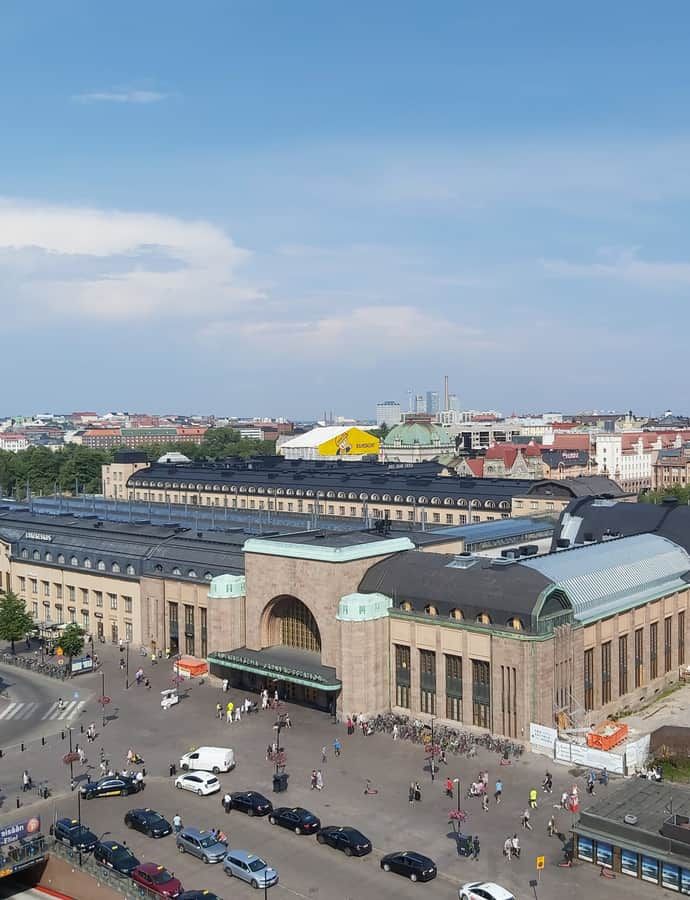 National Romanticism c. 1890–1920 Rough granite or brick walls, steep roofs, towers and carved animal or plant ornament, with medieval and folk forms.
  Renaissance Revival c. 1840–1915 The Italian palazzo reborn as banks, clubs, and brownstones: rough stone bases, orderly window rows, and a heavy top cornice.
 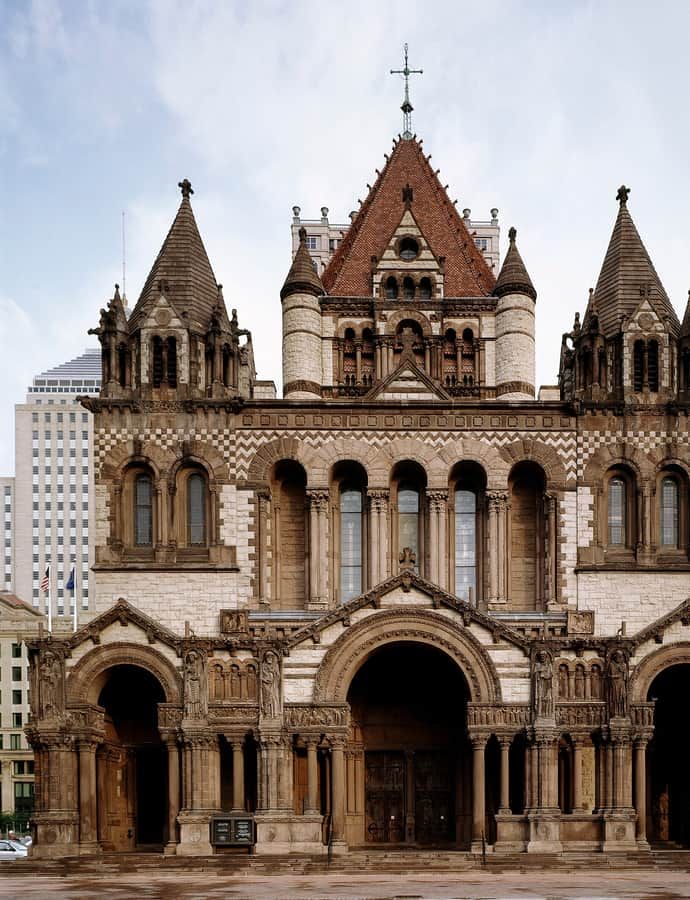 Richardsonian Romanesque c. 1870–1900 Muscular rough-cut stone, huge low round arches on stubby columns, and round corner towers.
  Romanesque Revival c. 1840–1900 Round arches revived in heavy rough-cut stone: squat columns, cave-like entrances, and deep-set windows.