City guide

architecture in Chattanooga.

16 buildings worth a detour, each with what to look for. Open them on the map, or walk them with the iPhone app, which collects each one you photograph.

Collections hunt’s chattanooga

Landmarks

The buildings that define the city's architecture.

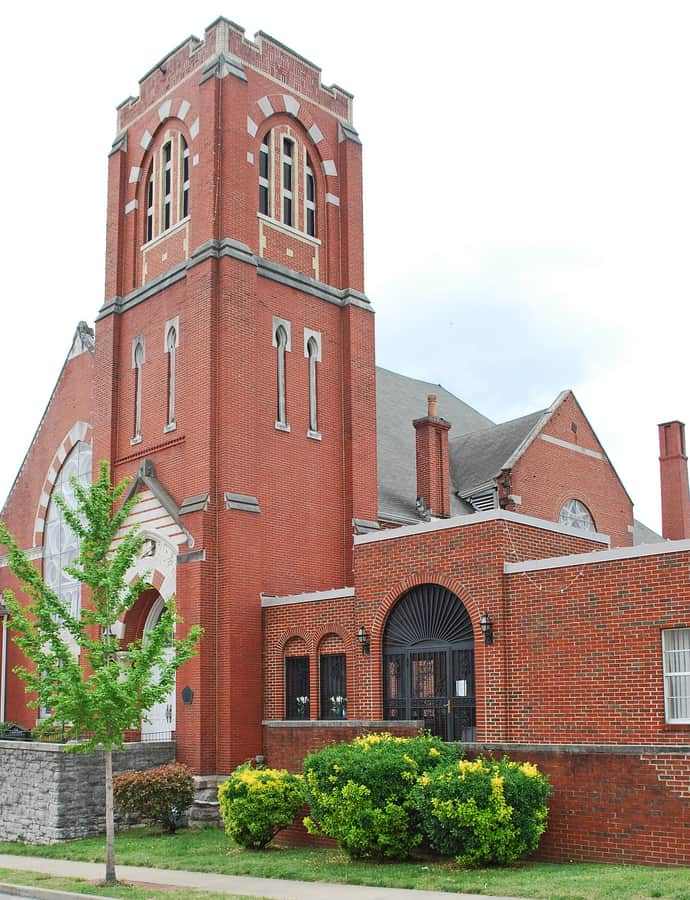
First Baptist Church

Gothic Revival

First Baptist Church

First Baptist Church, historically Shiloh Baptist Church, stands at 506 E. 8th Street in downtown Chattanooga. The congregation organized in 1866, founded by men who had served as Union Army soldiers during the Civil War; they worshiped first in a blacksmith shop, then in members' homes, before the current building rose in 1885. Built by the labor of former slaves, the church was added to the National Register of Historic Places in 1979.

Photo: Andrew Jameson , CC BY-SA 3.0
First Presbyterian Church

Neoclassical

First Presbyterian Church

McKim, Mead & White

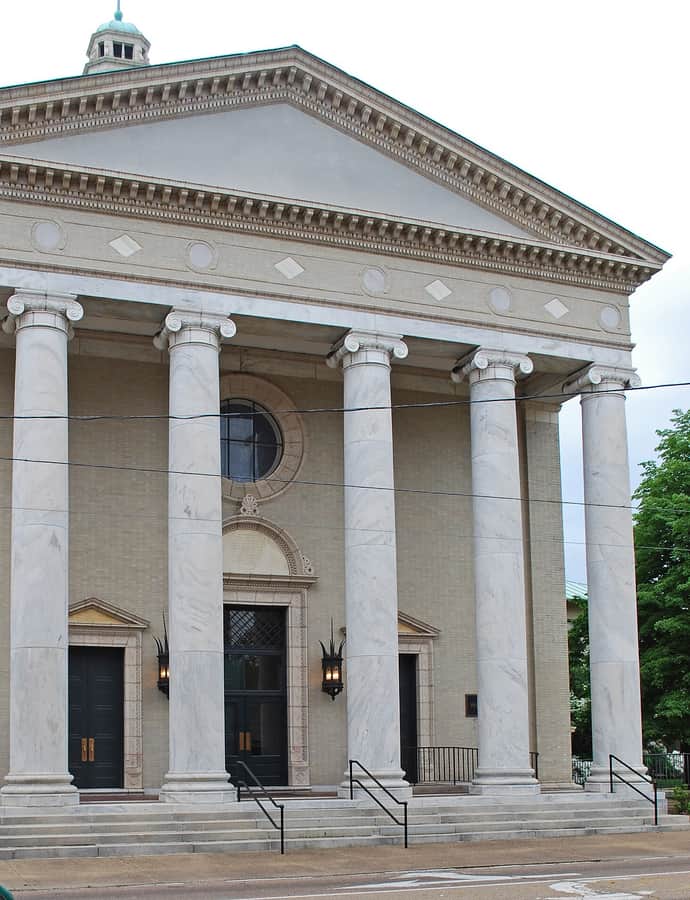
First Presbyterian Church, at 554 McCallie Avenue downtown, was the first Christian congregation founded in Chattanooga, organized on June 21, 1840 by missionaries who had previously served at the Brainerd Mission to the Cherokee. The congregation worshiped first in a log cabin, then moved through a series of buildings before commissioning the national firm McKim, Mead & White to design its Neoclassical home. It is individually listed on the National Register of Historic Places.

Photo: Andrew Jameson , CC BY-SA 3.0
Hunter Museum of American Art

Georgian

Hunter Museum of American Art

Abram Garfield · 1952

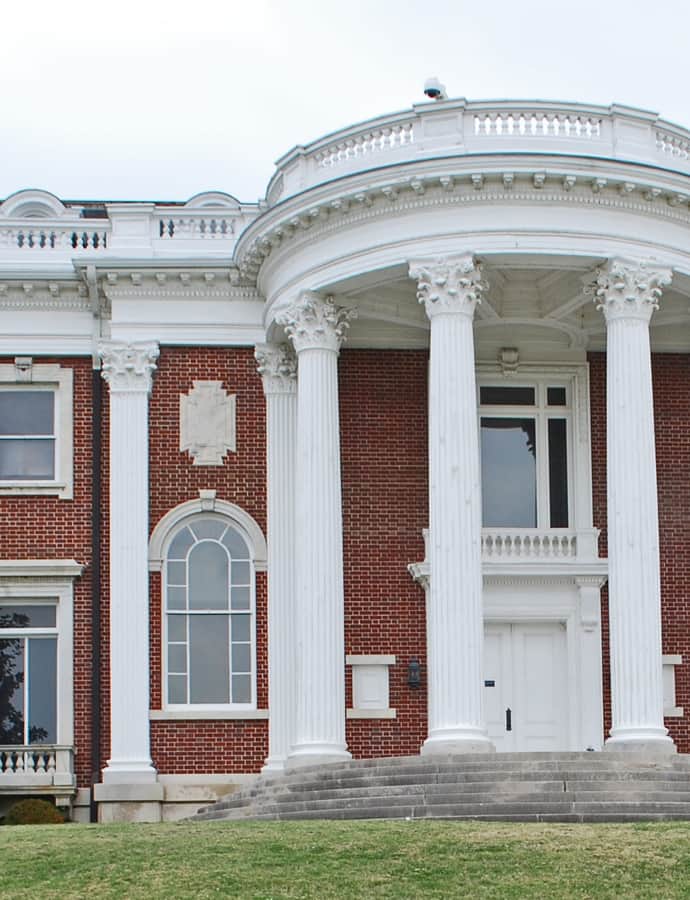
The Hunter Museum of American Art occupies an 80-foot bluff over the Tennessee River downtown, and its building tells its history in layers: the 1904 classical revival Faxon House, designed by Abram Garfield (son of President James A. Garfield), became the museum's home when it opened in 1952, later joined by a 1975 brutalist addition and a 2005 entrance addition by Randall Stout. The museum's collections span the Hudson River School, American Impressionism, the Ashcan School, and postwar modern and contemporary art.

Photo: Andrew Jameson , CC BY-SA 3.0
Joel W. Solomon Federal Building and United States Courthouse

Art Deco

Joel W. Solomon Federal Building and United States Courthouse

Shreve, Lamb & Harmon; R. H. Hunt

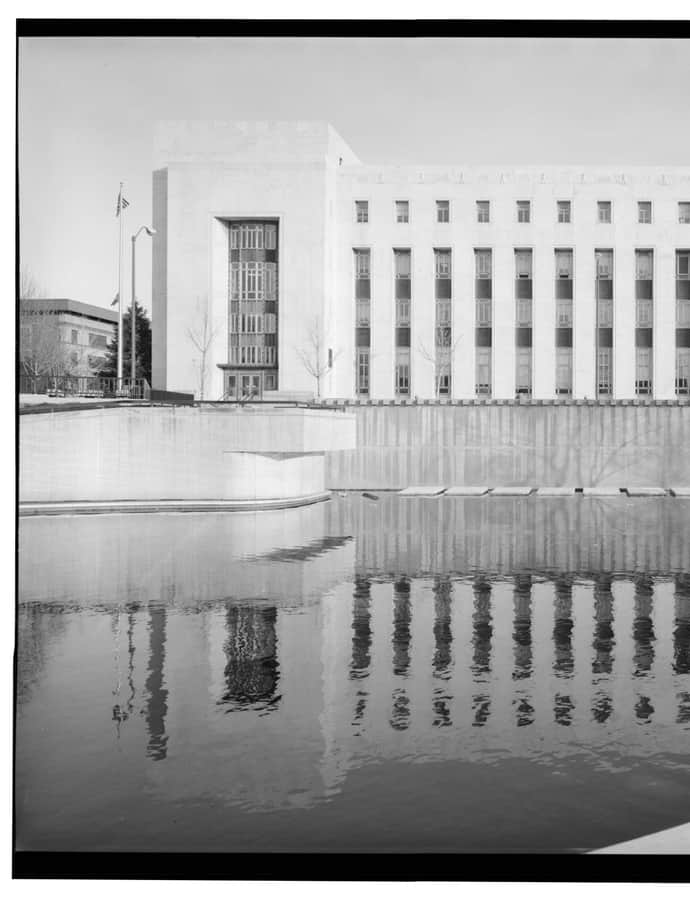
The Joel W. Solomon Federal Building and United States Courthouse, known as the Solomon Building, was constructed in 1932-1933 as Chattanooga's U.S. Post Office and Courthouse, part of an expanded federal construction program. It was designed jointly by the New York firm Shreve, Lamb and Harmon and longtime local architect Reuben Harrison Hunt, with watercolor murals by Hilton Leech, and today it houses the United States District Court for the Eastern District of Tennessee.

Photo: unknown , Public domain

Northside Presbyterian Church

Greek Revival

Northside Presbyterian Church

R. H. Hunt

Northside Presbyterian Church, at 923 Mississippi Avenue, was founded in 1886 with its first building completed in 1888. Its current Greek Revival building was completed in 1916 at a cost of $30,000, designed by Reuben Harrison Hunt in the only Greek Revival design of his Chattanooga career.

Photo: Sesamehoneytart , CC BY-SA 3.0

Saints Peter and Paul Basilica

Tudor Revival

Saints Peter and Paul Basilica

The Basilica of Sts. Peter and Paul at 214 E. 8th Street traces its parish to January 1852, one of the oldest continuing parishes in the Diocese of Knoxville. Work on a stone church began in 1858 but stalled in 1860 with the Civil War, and the nearly finished building was seized by the occupying Union Army during the 1863 Battle of Chickamauga. The congregation later filed a federal claim for the loss and was paid $18,729 in 1889 to offset the wartime damage.

Photo: Andrew Jameson , CC BY-SA 3.0
Soldiers and Sailors Memorial Auditorium

Neoclassical

Soldiers and Sailors Memorial Auditorium

R. H. Hunt

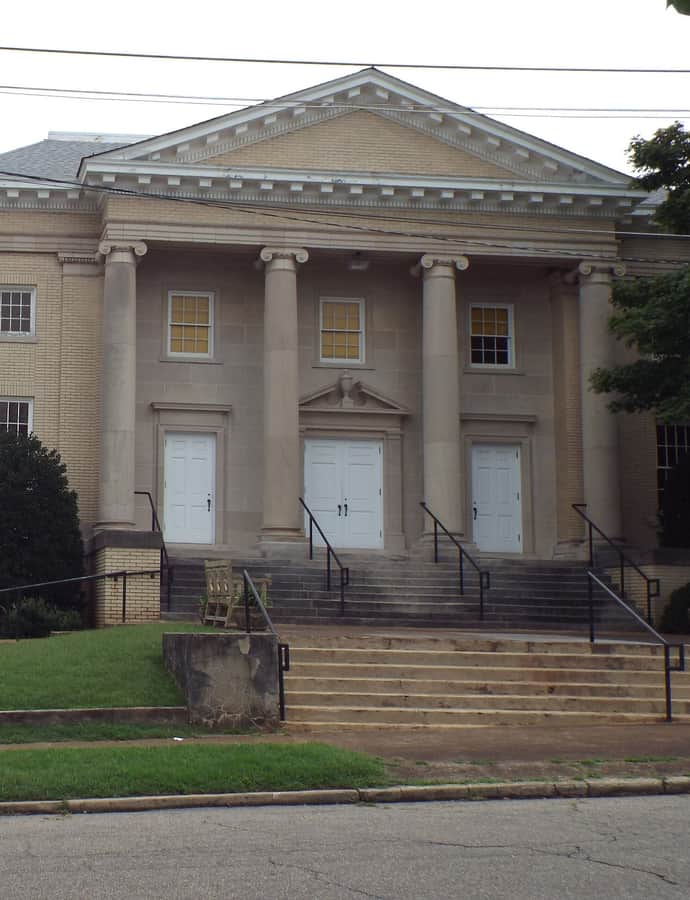
The Soldiers and Sailors Memorial Auditorium, at 399 McCallie Avenue about halfway between downtown and the UT Chattanooga campus, was built between 1922 and 1924 by the John Parks Company at a cost of $700,000 to honor area veterans of World War I. It was designed by R. H. Hunt, the same architect behind Chattanooga's Tivoli Theatre.

Photo: Andrew Jameson , CC BY-SA 3.0
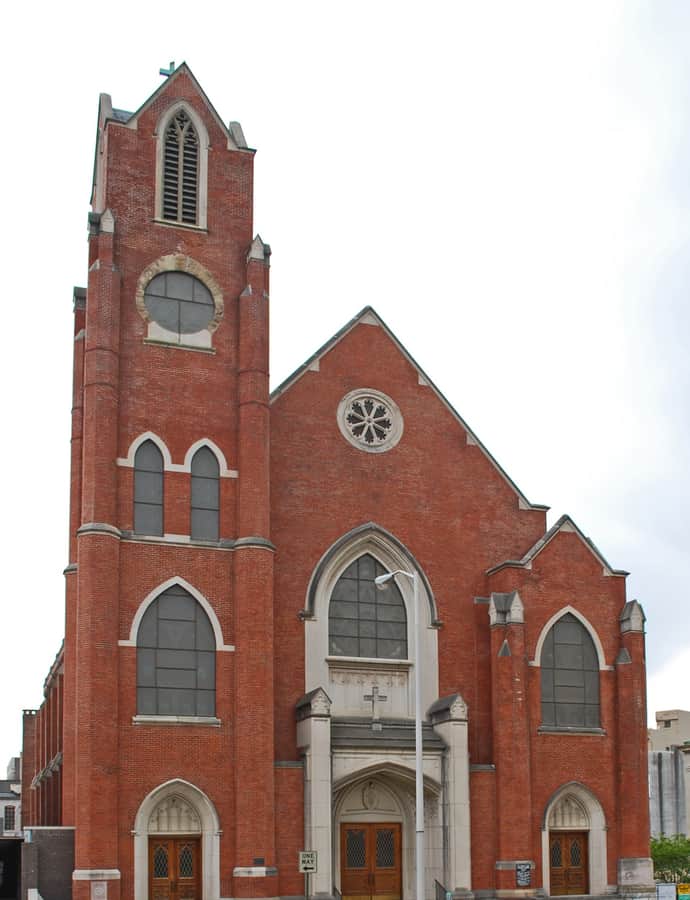
St. Paul's Episcopal Church

Romanesque Revival

St. Paul's Episcopal Church

William Halsey Wood

St. Paul's Episcopal Church traces to 1852, when local Episcopalians began meeting on the second floor of a general merchandise store at 4th and Market Streets; the parish organized formally the following year. Its current building at 7th and Pine was built in 1881 and opened for worship in 1888, designed by New York City architect William Halsey Wood with a prominent bell tower modeled after a "typical English village church."

Photo: Andrew Jameson , CC BY-SA 3.0
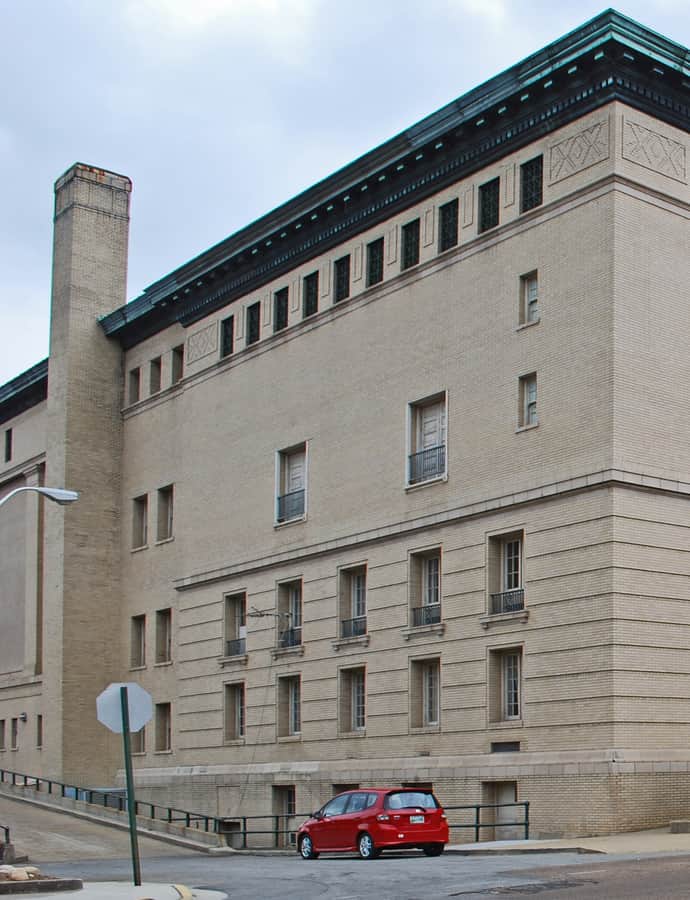
Terminal Station

Beaux-Arts

Terminal Station

Donn Barber

Terminal Station, now known as the Chattanooga Choo-Choo, was built beginning in 1906 on the site of the demolished Stanton House and opened in 1909 at a total cost of $1.5 million, designed by Donn Barber in the Beaux-Arts style for the Southern Railway. It replaced Chattanooga's original 1858 Union Station and became the first train station in the South to open a direct rail pathway connecting Cincinnati to Chattanooga, eventually serving some fifty trains.

Photo: Ɱ , CC BY-SA 4.0

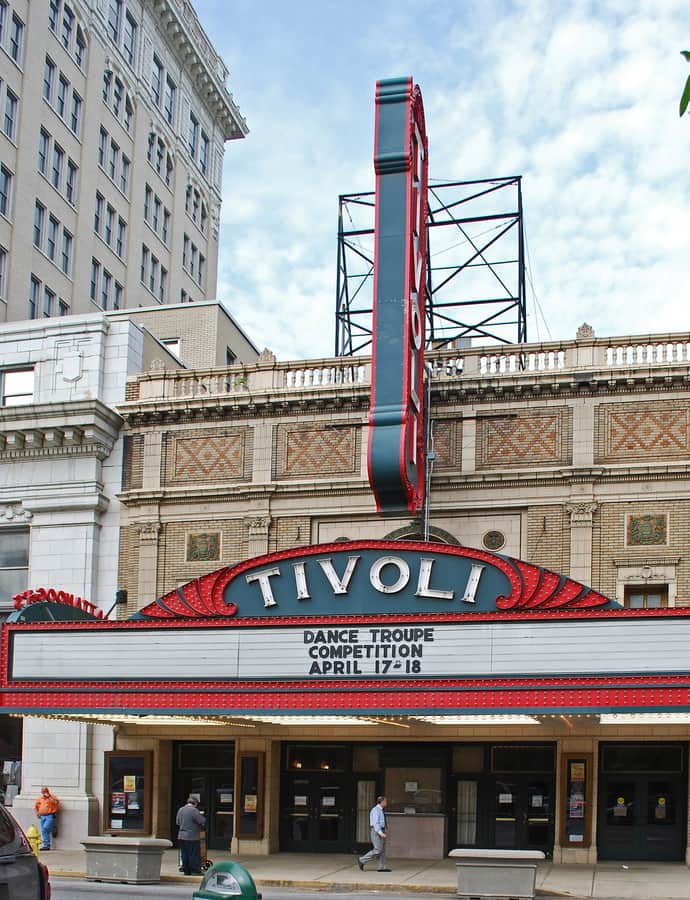
Tivoli Theatre

Beaux-Arts

Tivoli Theatre

R. H. Hunt

The Tivoli Theatre, known as the "Jewel of the South," opened on March 19, 1921 after being built between 1919 and 1921 at a cost of $750,000. It was designed jointly by the Chicago firm Rapp and Rapp and Chattanooga architect Reuben H. Hunt, built by the John Parks Company, and was one of the first air-conditioned public buildings in the United States, named after Tivoli, Italy.

Photo: Andrew Jameson , CC BY-SA 3.0
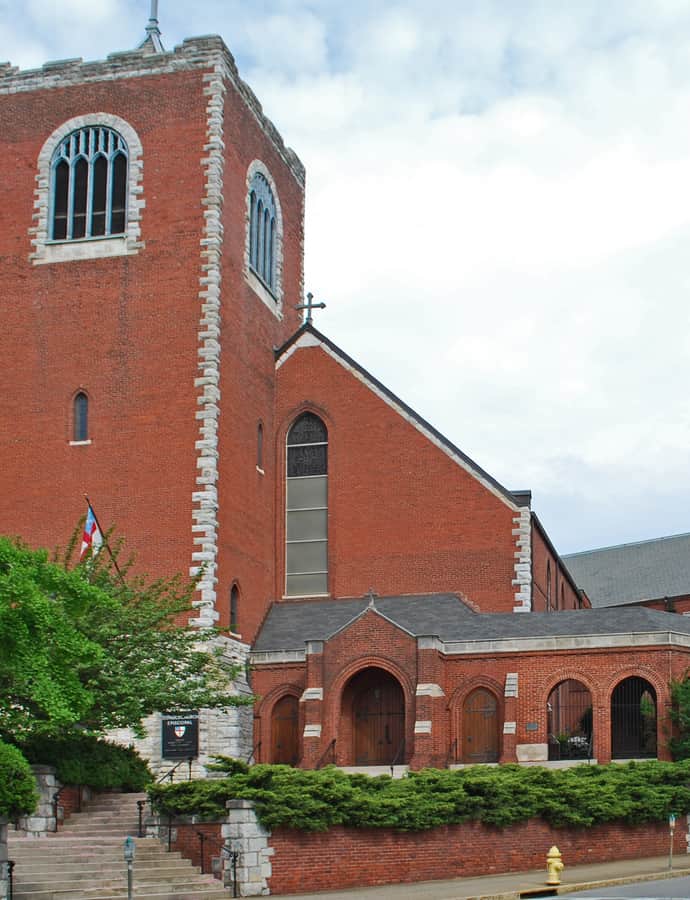
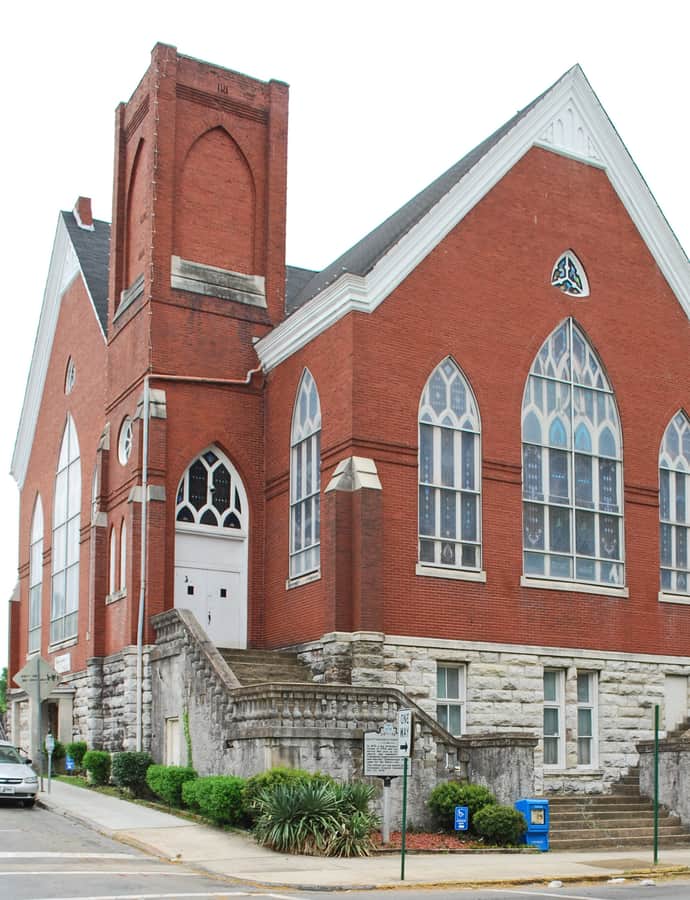
Wiley United Methodist Church

Gothic Revival

Wiley United Methodist Church

Wiley Memorial United Methodist Church, now Bethlehem Wiley United Methodist Church, stands at 504 Lookout Street on a site that served as a community center in the earliest days of Ross's Landing, before the settlement was named Chattanooga. An earlier church on the site was used as a military hospital and prison, first by the Confederate Army and then by Union forces, and was badly damaged in the 1863 Battle of Chattanooga. In 1867 the property was purchased for the first African Methodist Episcopal congregation in East Tennessee.

Photo: Andrew Jameson , CC BY-SA 3.0
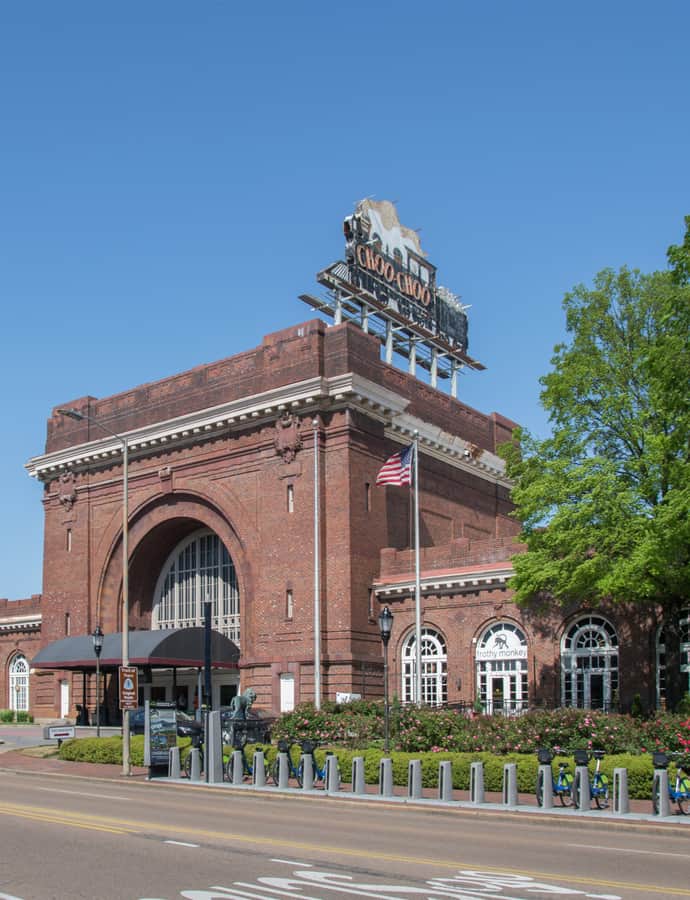
Notable buildings

Worth a stop when you're nearby.

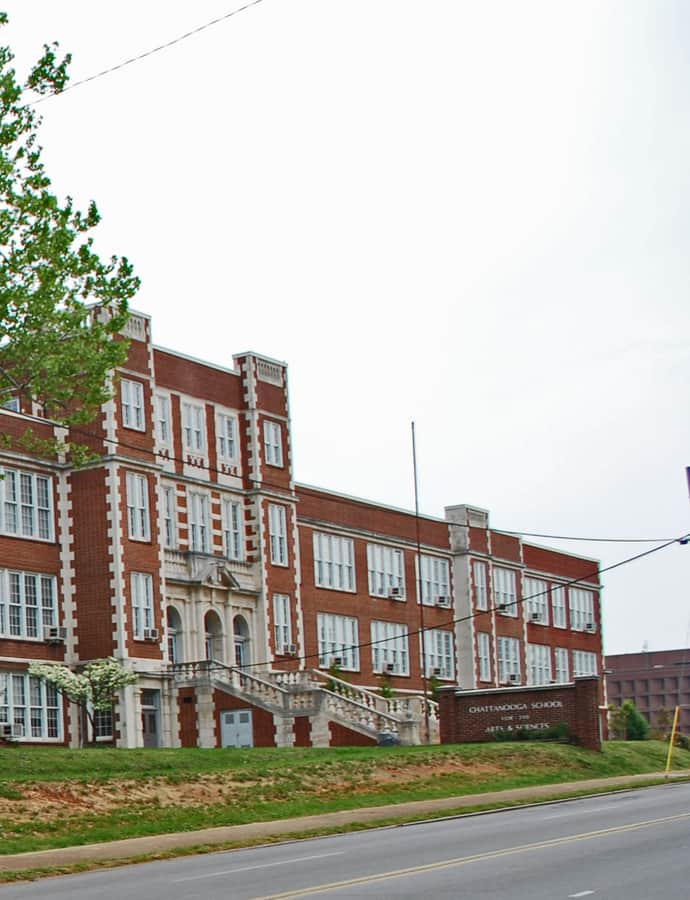
Chattanooga School for the Arts & Sciences

Georgian

Chattanooga School for the Arts & Sciences

R. H. Hunt · 1986

The Chattanooga School for the Arts & Sciences occupies Wyatt Hall, designed by Chattanooga architect R. H. Hunt and built in 1920-1921 in the Georgian Revival style. Named for Henry D. Wyatt, founder of the city's public school system and its first Superintendent of Schools, the building served as a high school until 1983 before reopening in 1986 as a K-12 magnet school whose liberal-arts curriculum follows Mortimer Adler's Paideia philosophy.

Photo: Andrew Jameson , CC BY-SA 3.0
Hidden gems

Fine buildings that fewer people seek out.

Chattanooga Bank Building

Art Deco

Chattanooga Bank Building

R. H. Hunt

The Chattanooga Bank Building is a downtown Chattanooga landmark designed by architect R. H. Hunt in the Art Deco style.

Photo: Andrew Jameson , CC BY-SA 3.0
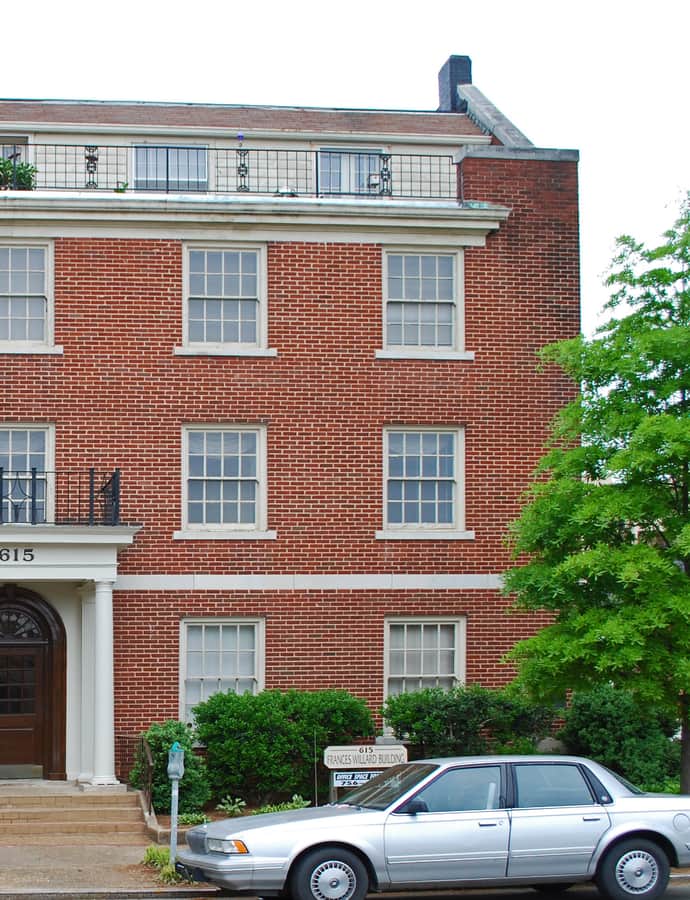
Frances Willard House

Colonial Revival

Frances Willard House

R. H. Hunt · 1928

The Frances Willard House is a Colonial Revival building in downtown Chattanooga, designed by architect R. H. Hunt in 1928.

Photo: Andrew Jameson , CC BY-SA 3.0
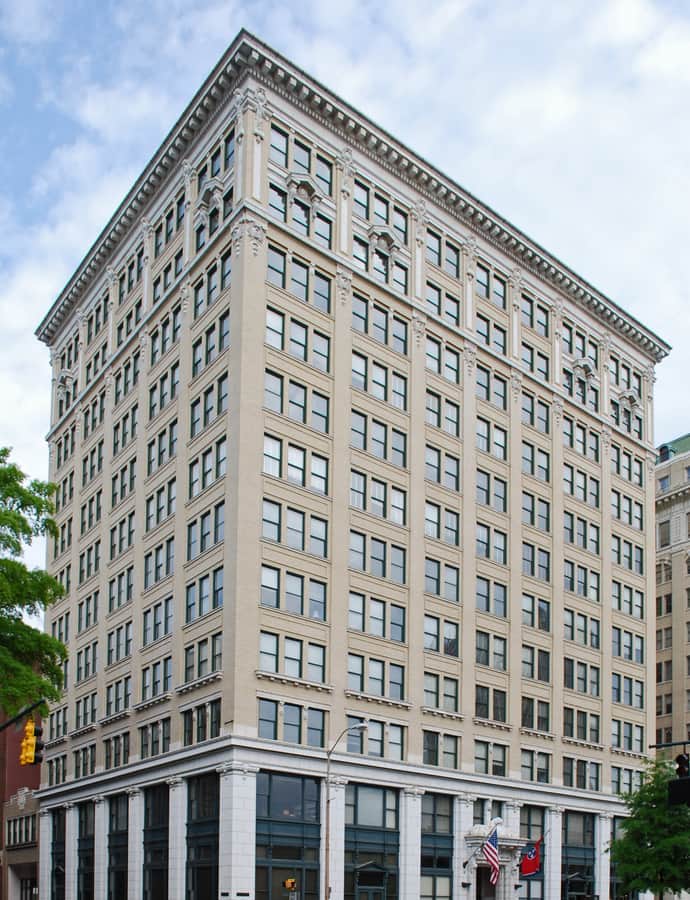
James Building

Neoclassical

James Building

R. H. Hunt

The James Building is a downtown Chattanooga commercial building designed by architect R. H. Hunt in the Neoclassical style.

Photo: Andrew Jameson , CC BY-SA 3.0
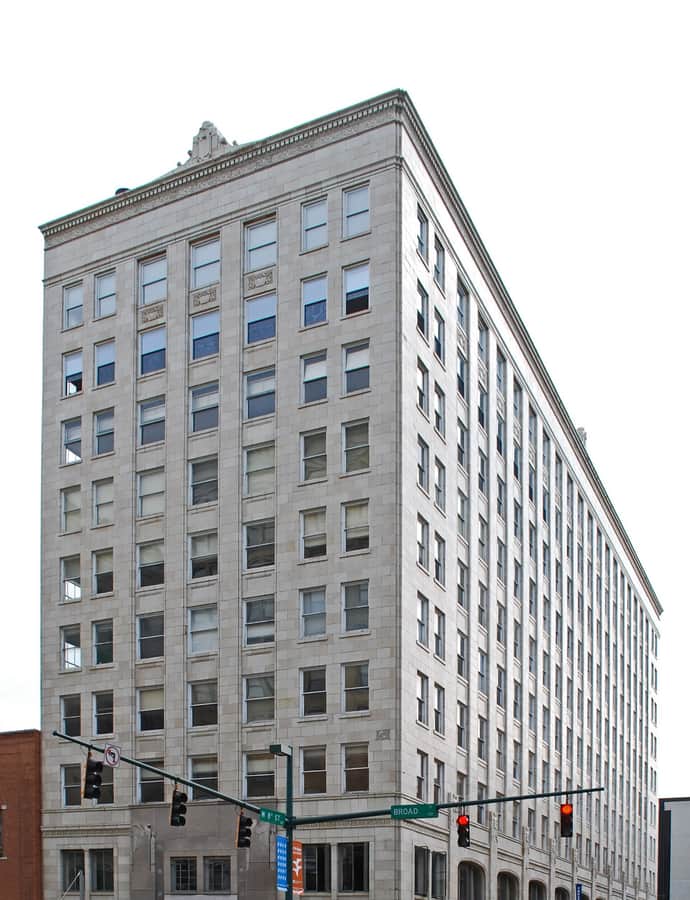
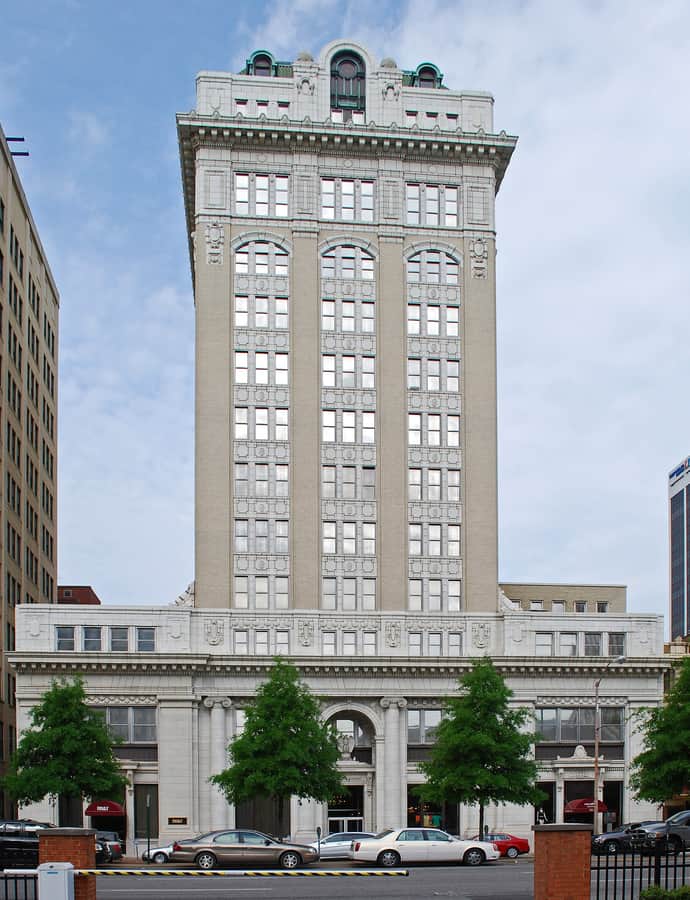
Maclellan Building

Neoclassical

Maclellan Building

R. H. Hunt · 1923

The Maclellan Building is a Neoclassical downtown Chattanooga skyscraper designed by architect R. H. Hunt and completed in 1923.

Photo: Andrew Jameson , CC BY-SA 3.0