City guide

architecture in Harrisburg.

12 buildings worth a detour, each with what to look for. Open them on the map, or walk them with the iPhone app, which collects each one you photograph.

Landmarks

The buildings that define the city's architecture.

Broad Street Market

Neoclassical

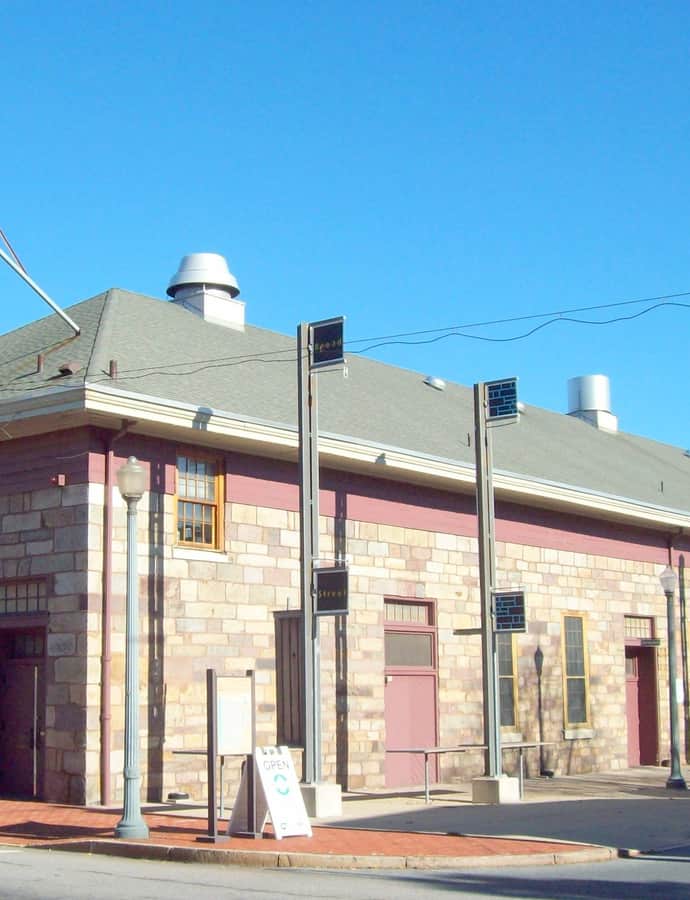
Broad Street Market

The Broad Street Market opened in 1863 in what is now Harrisburg's Midtown neighborhood, established on Broad Street (today Verbeke Street) by the Verbeke family. William K. Verbeke incorporated the West Harrisburg Market Company in 1860, and the market that grew from it is today one of the oldest continuously operating farmers markets in the country.

Photo: Pubdog (talk) , Public domain
Camp Curtin Memorial Methodist Episcopal Church

Romanesque Revival

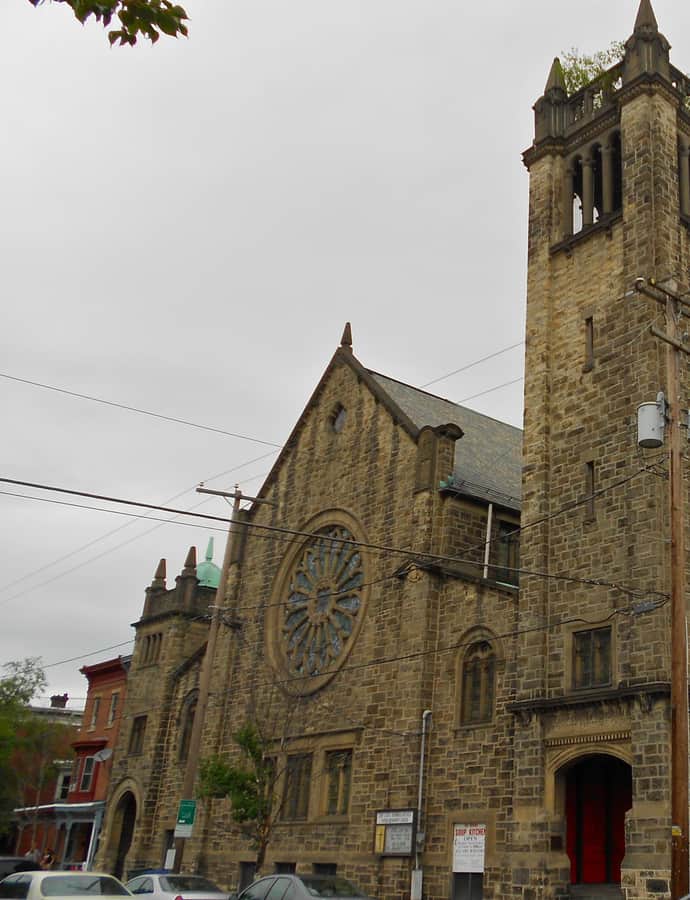
Camp Curtin Memorial Methodist Episcopal Church

1895

Camp Curtin Memorial Methodist Episcopal Church, also known as Curtin Heights Church and Camp Curtin Memorial-Mitchell United Methodist Church, is a historic Methodist Episcopal church in Harrisburg built in 1895 in the Romanesque Revival style. It was added to the National Register of Historic Places in 2010.

Photo: Smallbones , CC0

Cathedral of Saint Patrick

Baroque Revival

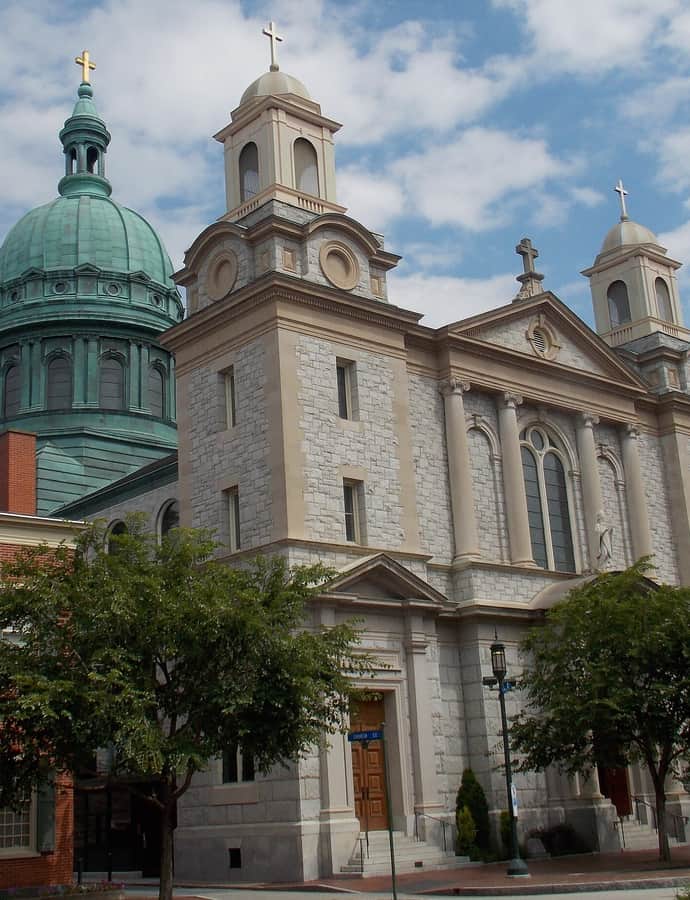
Cathedral of Saint Patrick

George I. Lovatt, Sr. · 1907

The Cathedral of Saint Patrick is the mother church of the Diocese of Harrisburg and the seat of its bishop, designed by architect George I. Lovatt, Sr. and completed in 1907 in a baroque revival style. It traces its roots to a small Catholic mission recorded in Harrisburg by 1806, with property bought on State Street in 1824 by the Rev. Patrick Leary and the cornerstone of the first St. Patrick's church laid two years later.

Photo: Farragutful , CC BY-SA 4.0

Colonial Theatre

Greek Revival

Colonial Theatre

1836

The Colonial Theatre, also known as the Lochiel Hotel, is a historic theater and commercial building in Harrisburg. It was built around 1836 as a hotel in the Greek Revival style with a four-columned portico on its Market Street entrance, and was converted to a hotel-and-theater in 1912 when a rear auditorium was added for movies and vaudeville. The theater and hotel closed in 1976, and the building has since been used for offices and shops.

Photo: Penndyl , CC0

Harrisburg State Hospital

Neoclassical

Harrisburg State Hospital

John Haviland

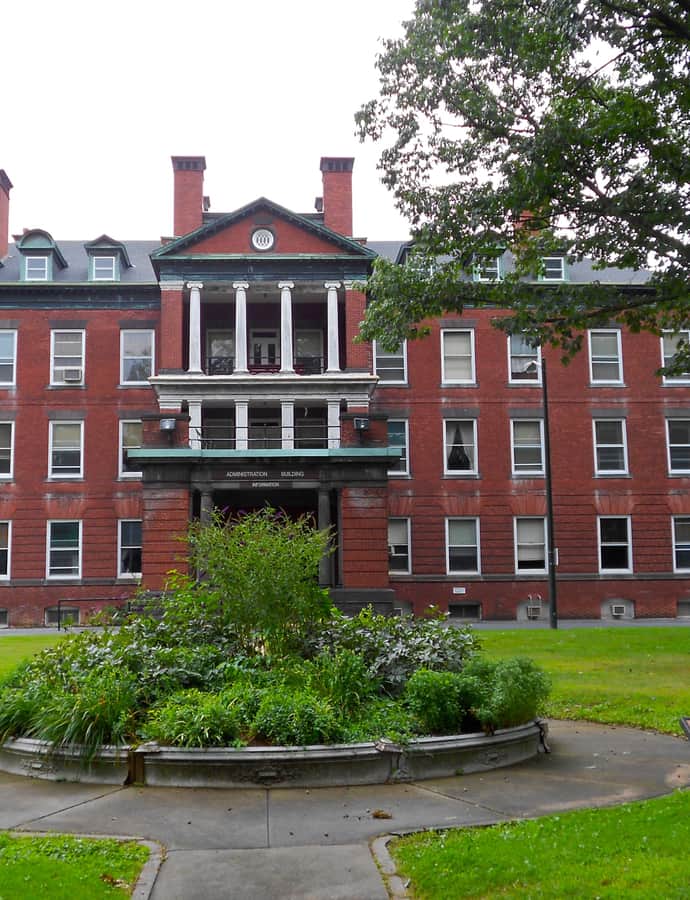
Harrisburg State Hospital was Pennsylvania's first public facility to house the mentally ill and disabled, created in 1845 as the Pennsylvania State Lunatic Hospital and Union Asylum for the Insane. Its Main Building was designed by architect John Haviland and completed in 1851, and it operated as a mental hospital until 2006. The campus sits on Cameron Street and Arsenal Boulevard and was known as Harrisburg State Hospital from 1937 until its closure.

Photo: Smallbones , CC0

Kunkel Building

Chicago School

Kunkel Building

Mowbray and Uffinger · 1914

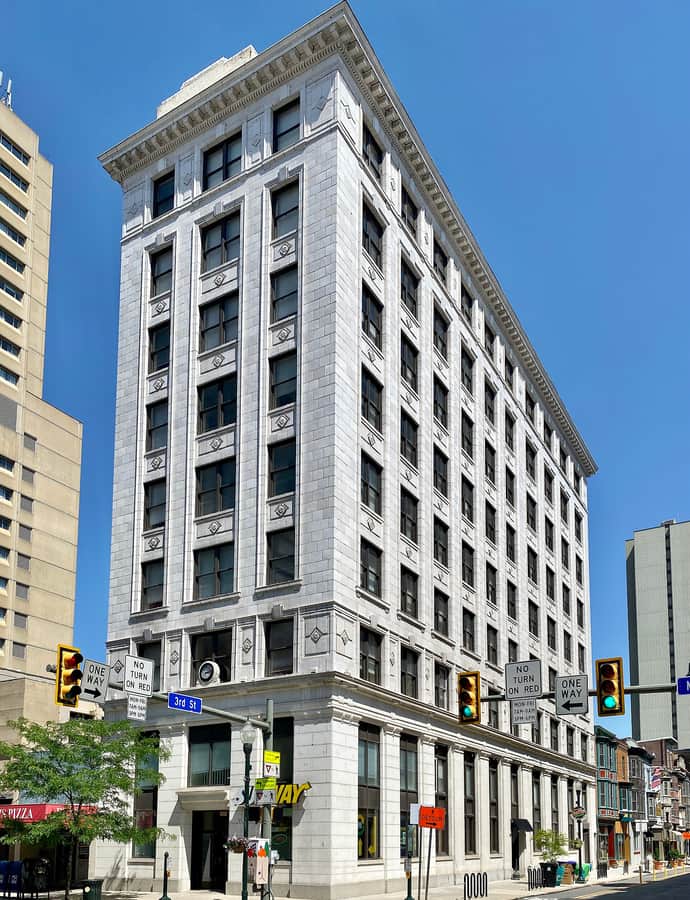
The Kunkel Building is a commercial building in downtown Harrisburg designed by the firm Mowbray and Uffinger and completed in 1914 in the Chicago School style.

Photo: Warren LeMay , CC BY-SA 2.0

Pennsylvania State Capitol

Renaissance Revival

Pennsylvania State Capitol

Joseph Miller Huston · 1906

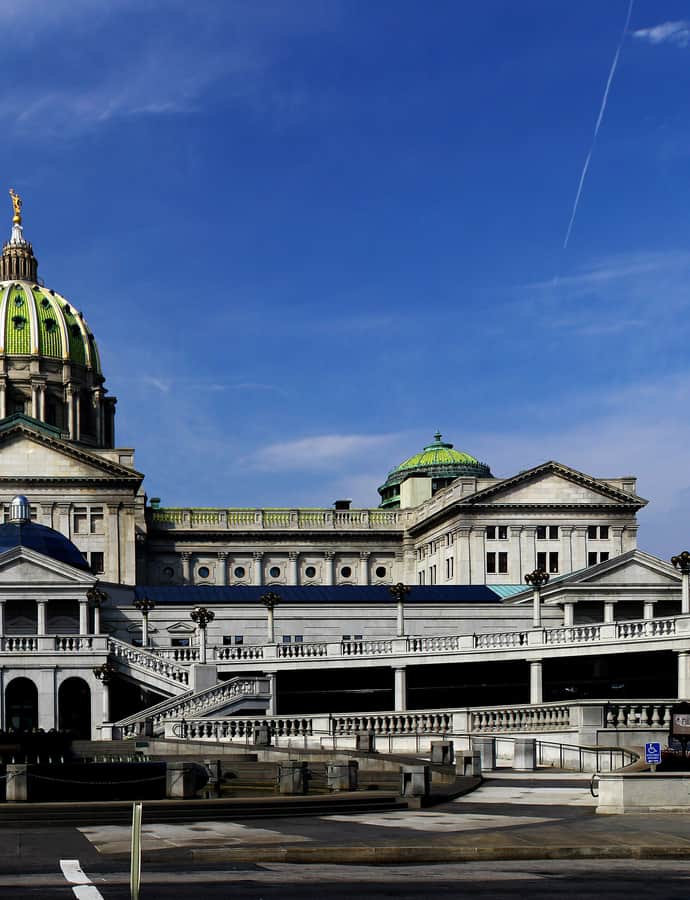
The Pennsylvania State Capitol is the seat of government for the Commonwealth, designed by architect Joseph Miller Huston and completed in 1906 after being begun in 1902. It houses the House of Representatives, the Senate, the Harrisburg chambers of the Supreme and Superior Courts, and the offices of the Governor and Lieutenant Governor. It is the third state capitol built in Harrisburg, following the Hills Capitol, destroyed by fire in 1897, and the unfinished Cobb Capitol, left incomplete when funding stopped in 1899.

Photo: Kumar Appaiah , CC BY-SA 2.0

Salem United Church of Christ

Renaissance Revival

Salem United Church of Christ

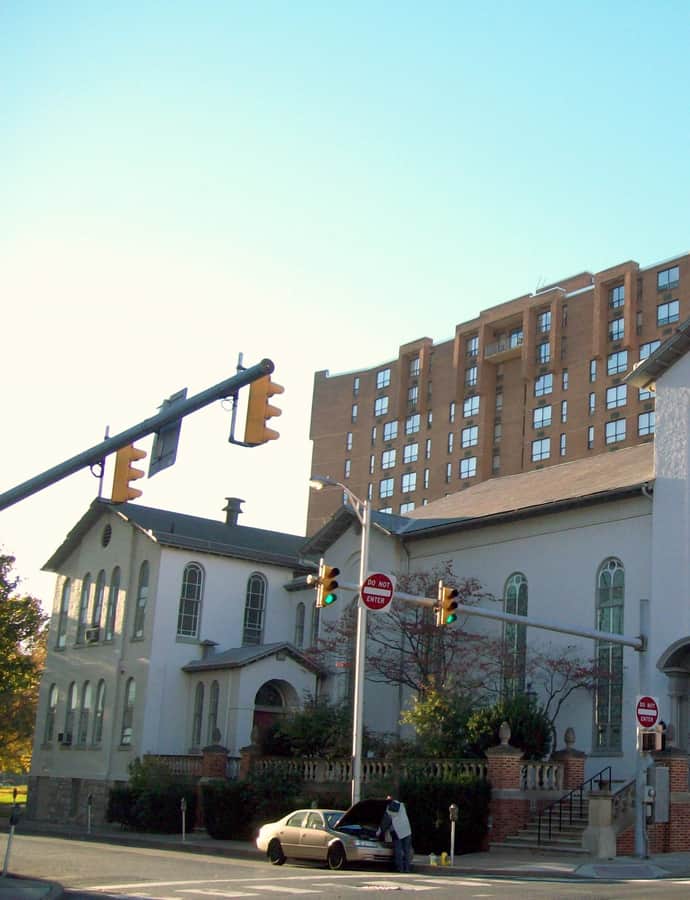
The Salem United Church of Christ, formerly known as the Old Salem Reformed Church, is a historic Reformed church at 231 Chestnut Street in Harrisburg. Built between 1821 and 1822 as a two-story brick building in a Classical style, it was added to the National Register of Historic Places in 1975.

Photo: Pubdog (talk) , Public domain
Sheffield Apartments

Mission Revival

Sheffield Apartments

1925

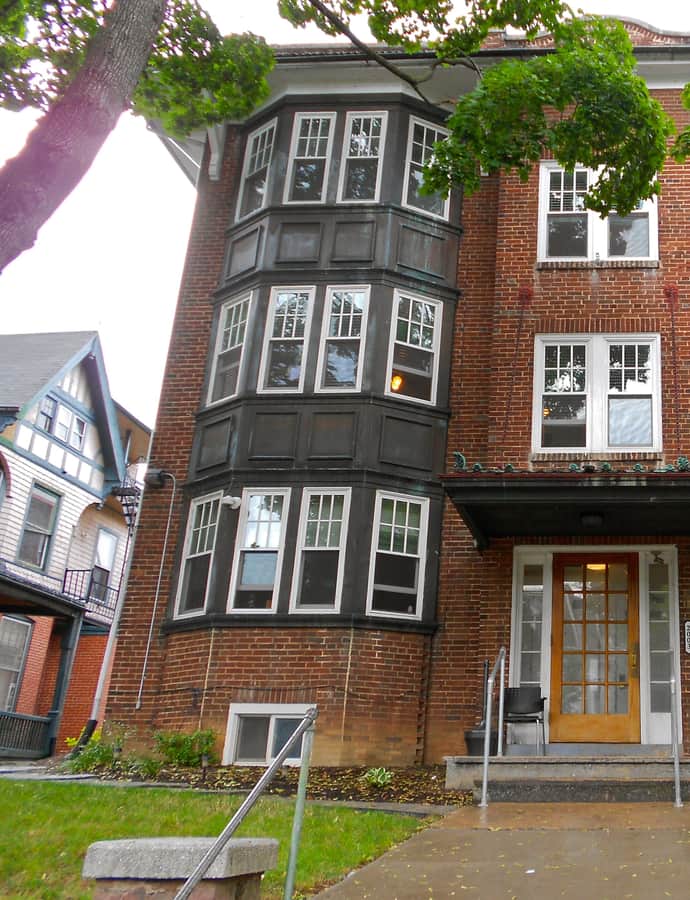
Sheffield Apartments is a historic apartment building in Harrisburg, built in 1925 as a three-story, rectangular brick building in the Mission Revival style. It was added to the National Register of Historic Places in 1990.

Photo: Smallbones , CC0

St. Stephen's Episcopal Cathedral

Romanesque Revival

St. Stephen's Episcopal Cathedral

1826

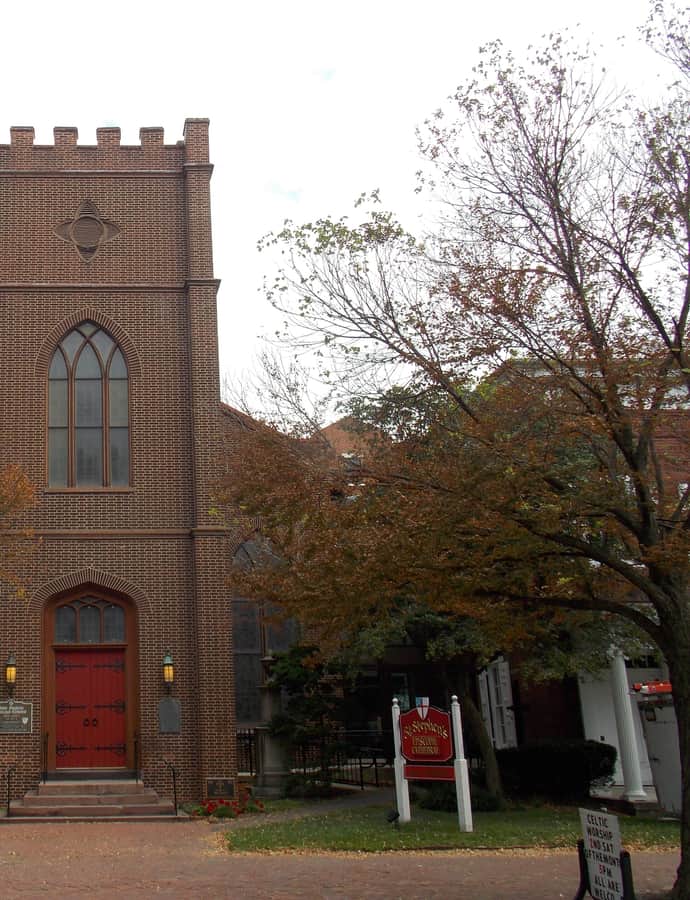
St. Stephen's Episcopal Cathedral, its nave built in 1826, stands on Front Street in downtown Harrisburg along the Susquehanna River. It served as the mother church and bishop's seat of the former Episcopal Diocese of Central Pennsylvania, becoming the diocesan cathedral on January 27, 1932, and since January 1, 2026 has been a co-cathedral of the newly formed Diocese of the Susquehanna.

Photo: Farragutful , CC BY-SA 4.0

William Donaldson House

Queen Anne

William Donaldson House

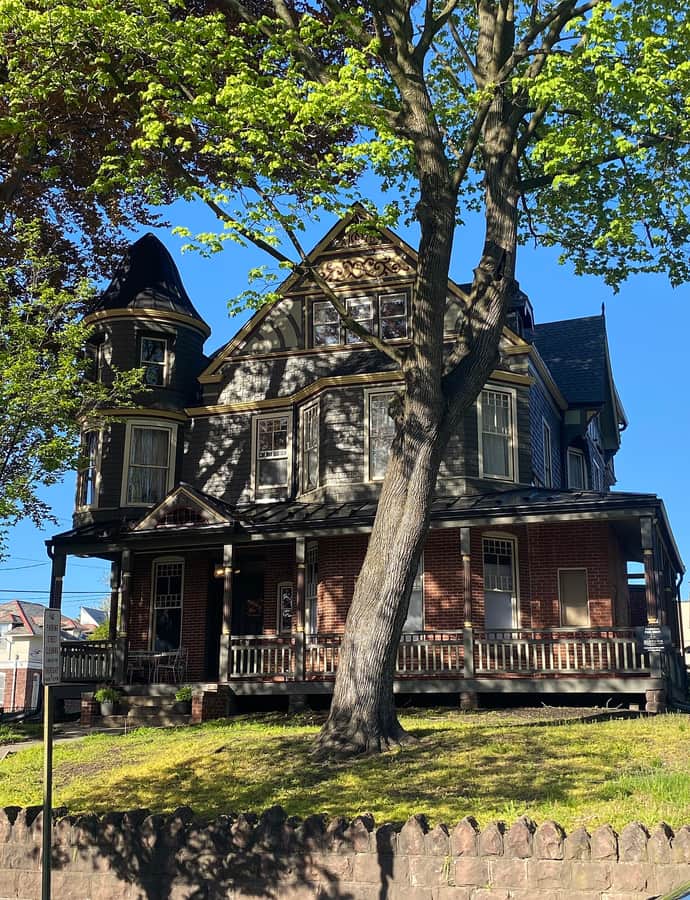
The William Donaldson House is a 3+1/2-story Queen Anne dwelling designed by Smith & Warner and built in 1887 for William Mayne Donaldson, president of the Donaldson Paper Company, who lived there. Listed on the National Register of Historic Places in 1990, the house has passed through several lives, from single-family residence to apartments to, after a period of disrepair, careful restoration.

Photo: Penndyl , CC0

Notable buildings

Worth a stop when you're nearby.

Simon Cameron House

Landmark

Simon Cameron House

John Harris, Jr.

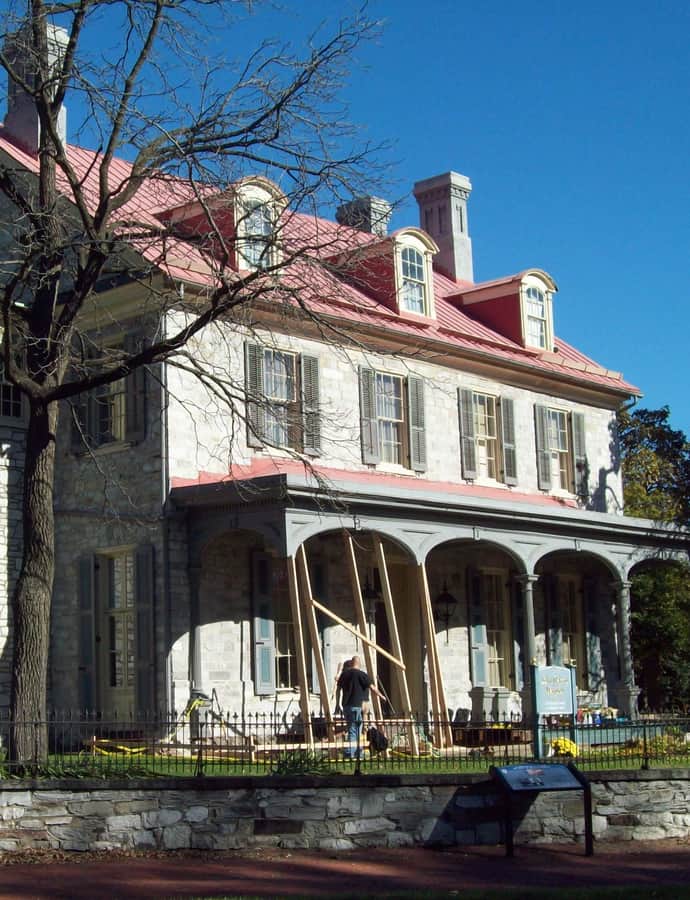
The Simon Cameron House, also known as the John Harris Mansion and Harris-Cameron Mansion, was built in 1766 by city founder John Harris, Jr., making it one of Harrisburg's oldest buildings. It gained national notability as the summer residence of Simon Cameron (1799-1889), an influential Republican Party politician during and after the Civil War, and was declared a National Historic Landmark in 1975.

Photo: Pubdog (talk) , Public domain