City guide

architecture in Jackson.

14 buildings worth a detour, each with what to look for. Open them on the map, or walk them with the iPhone app, which collects each one you photograph.

Landmarks

The buildings that define the city's architecture.

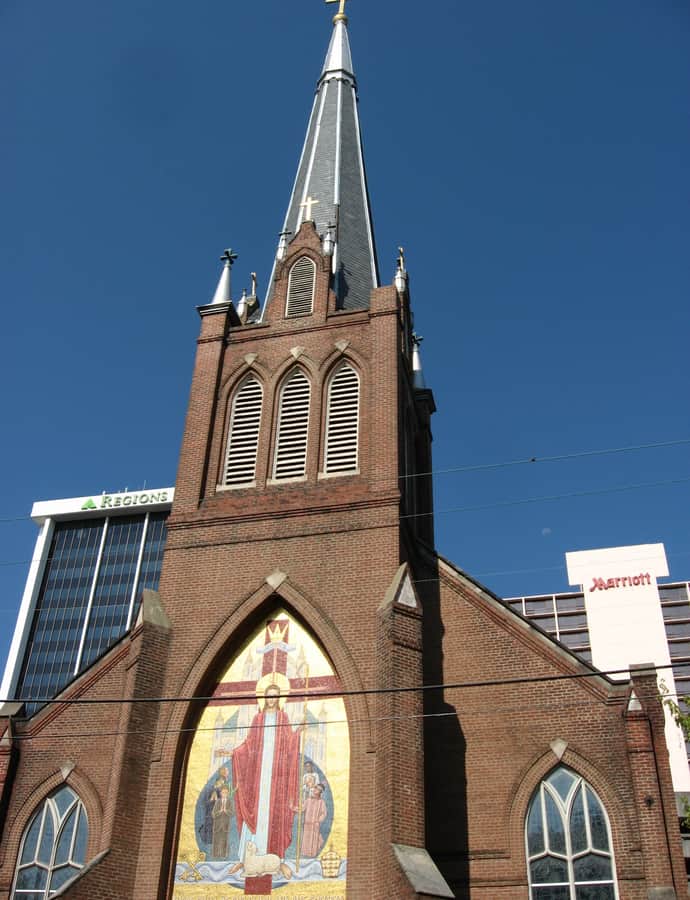
Cathedral of St. Peter the Apostle

Gothic Revival

Cathedral of St. Peter the Apostle

1900

The Cathedral Church of Saint Peter the Apostle is the seat of the Bishop of the Roman Catholic Diocese of Jackson. Its congregation traces to 1846, when Bishop John J. Chanche dedicated the first church at Court and President Streets, but that wood-frame building and a second structure both burned, the first set alight by General William Tecumseh Sherman's forces in 1862. The current brick structure, begun in 1897, was dedicated June 3, 1900.

Photo: Ken Lund , CC BY-SA 2.0
Eudora Welty House

Tudor Revival

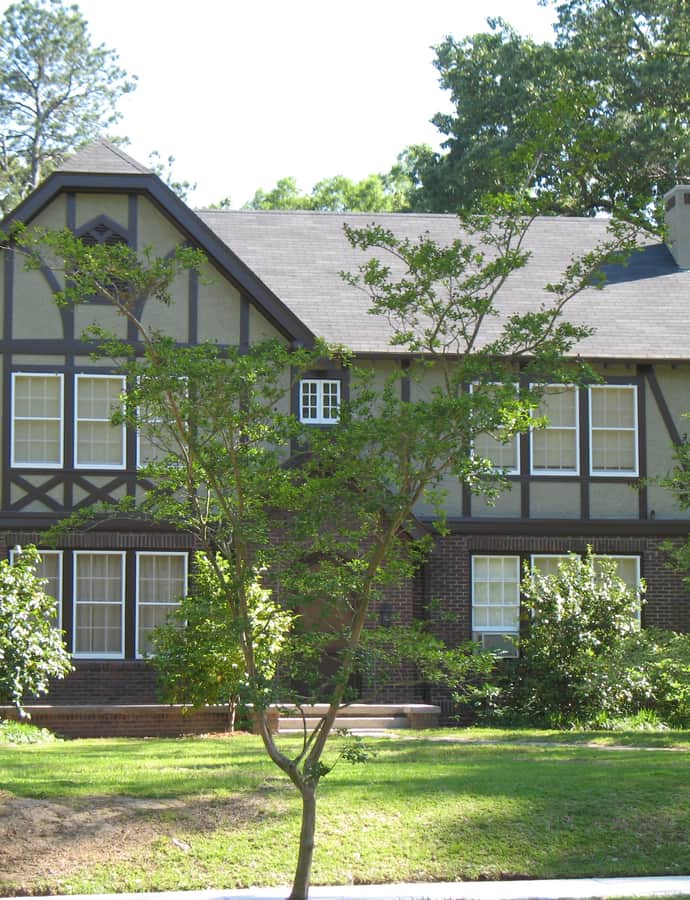
Eudora Welty House

Wyatt C. Hedrick · 1925

The Eudora Welty House & Garden, built by her parents in 1925 at 1119 Pinehurst Street, was home to the author for nearly 80 years, from age 16 until her death in 2001. Welty willed the property to the state of Mississippi along with her personal possessions, furniture, artwork, and library. Designed by Wyatt C. Hedrick in the Tudor Revival style, the house was declared a Mississippi Landmark in 2001, listed on the National Register in 2002, and named a National Historic Landmark in 2004.

Photo: Eudora Welty House , CC BY 2.0

Hinds County Armory

Gothic Revival

Hinds County Armory

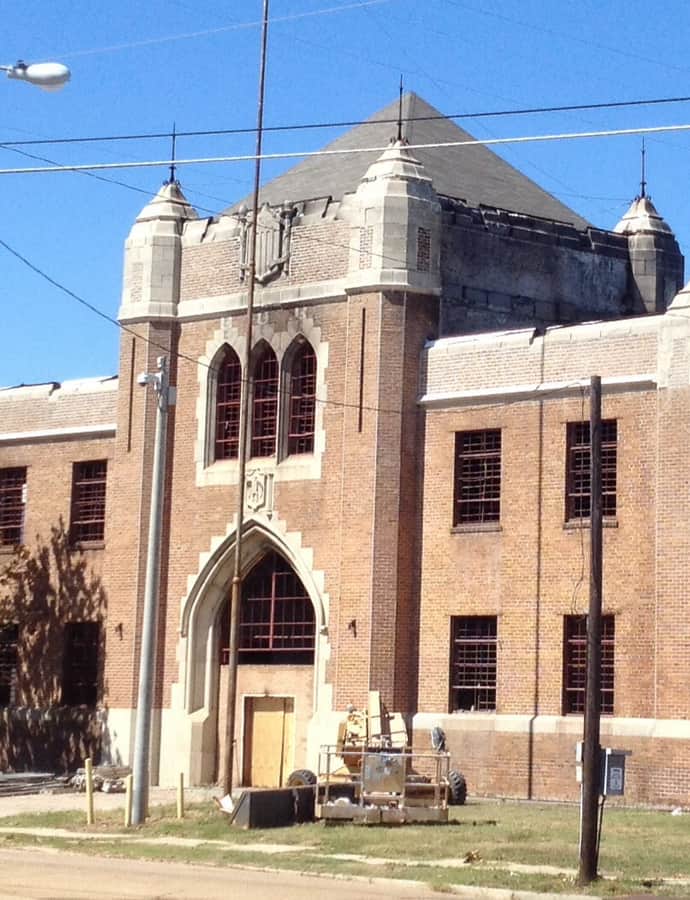
The Hinds County Armory was built in 1927 on land donated by Robert E. Kinnington in 1922, designed by local architect Frank P. Gates and constructed by contractor I.C. Garber. It housed Mississippi guardsmen starting in 1929 and served until the facility closed in 1979. A Gothic Revival brick armory on the state fairgrounds, it was designated a Mississippi Landmark and listed on the National Register of Historic Places in 1986.

Photo: Histoneguy , CC BY-SA 3.0

Jackson City Hall

Greek Revival

Jackson City Hall

1854

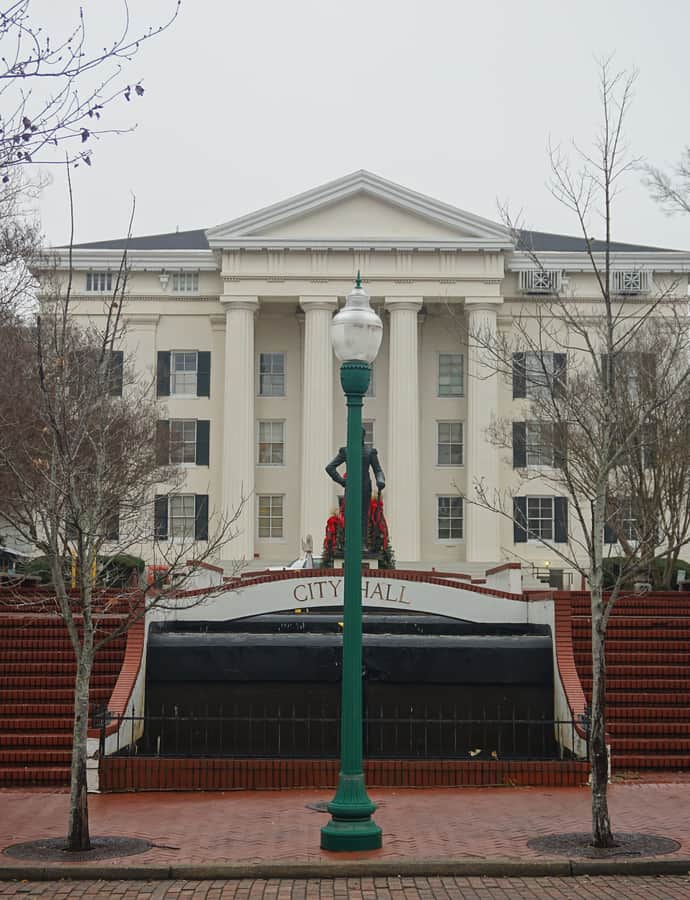
Jackson City Hall, the seat of the city's municipal government, was originally built in 1846-47 at a cost of $8,000, then enlarged or rebuilt in 1853-54 due to structural problems. During the Civil War it served as a hospital and, unlike many other Jackson buildings, was left standing by Federal troops despite heavy damage in the city. It underwent extensive renovation in 1963-64 under architect Frank P. Gates.

Photo: Michael Barera , CC BY-SA 4.0

King Edward Hotel

Beaux-Arts

King Edward Hotel

William T. Nolan · 1923

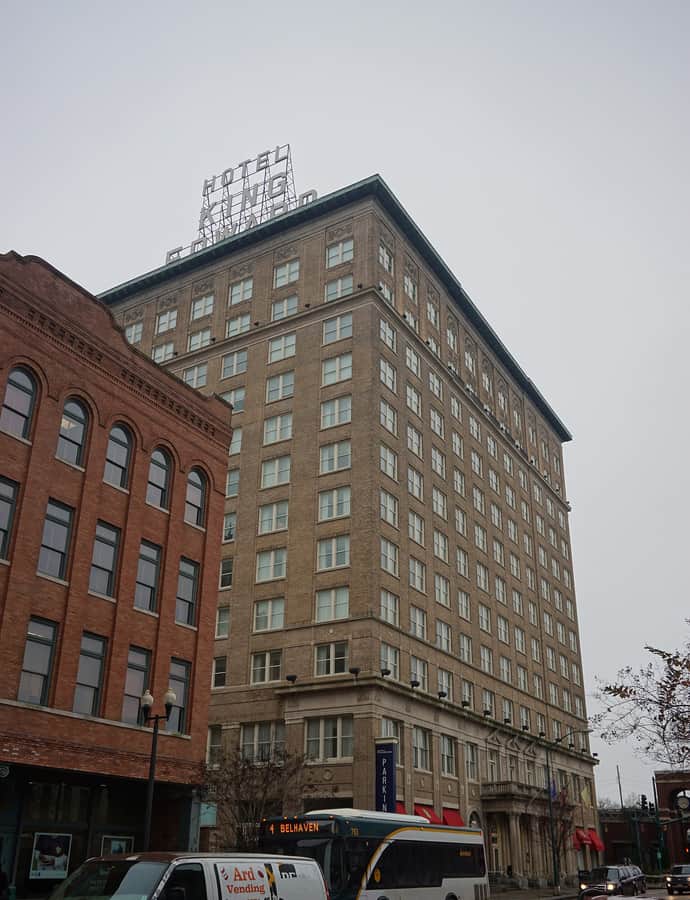
The King Edward Hotel, built in 1923 as the Edwards Hotel at the corner of Capitol and Mill Streets, was designed by New Orleans architect William T. Nolan in the Beaux-Arts style. It replaced two earlier hotels on the same site, the Confederate House, destroyed in the Civil War in 1863, and the Edwards House that followed in 1867. After closing and standing vacant for nearly 40 years, it was restored from 2007 to 2009 into a mix of apartments and the Hilton Garden Inn Jackson Downtown, which opened in December 2009.

Photo: Michael Barera , CC BY-SA 4.0

Manship House

Gothic Revival

Manship House

1857

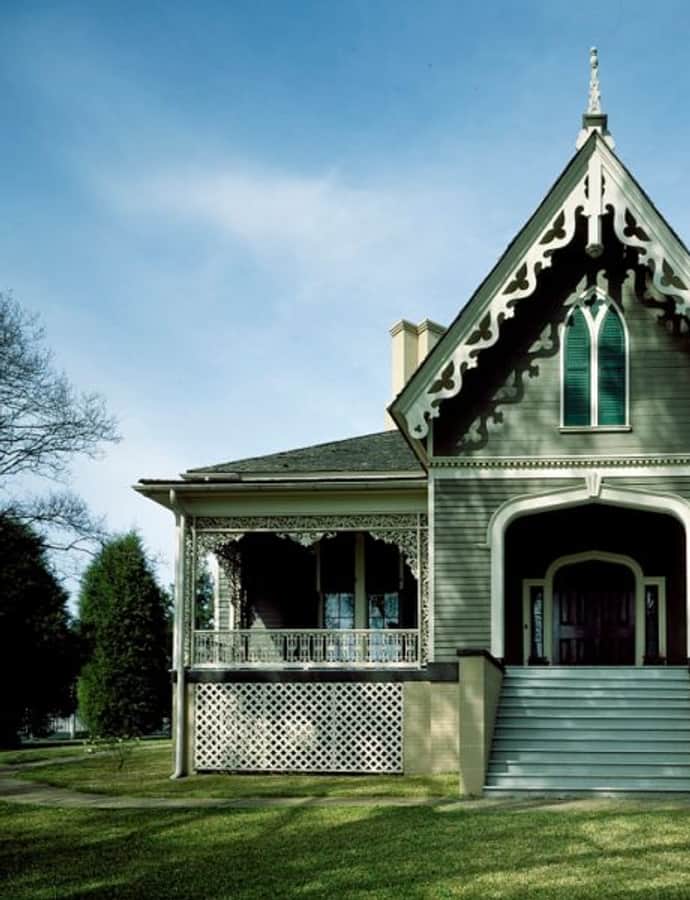
The Manship House was the family home of Charles Henry Manship, who moved to Jackson from Maryland in 1836 and became a prominent businessman, civic leader, and mayor during the Civil War. Completed in 1857, the wood-frame Gothic Revival house on a four-acre lot held Manship, his wife Adeline Daley Manship, and their fifteen children. It was added to the National Register of Historic Places in 1972 and designated a Mississippi Landmark in 1986.

Photo: Carol M. Highsmith , Public domain

Mississippi Governor's Mansion

Greek Revival

Mississippi Governor's Mansion

William Nichols · 1840

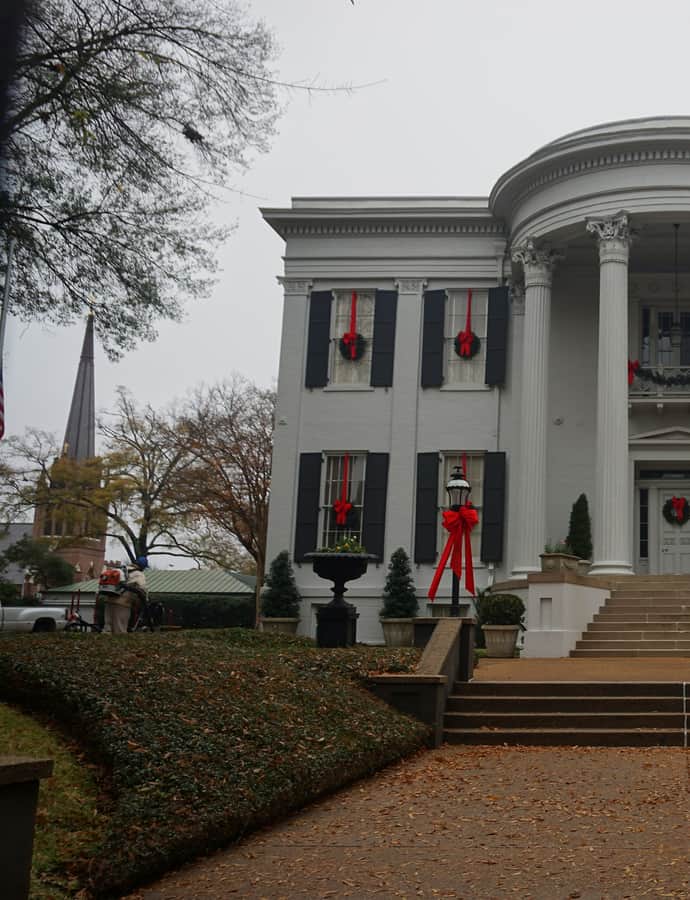
The Mississippi Governor's Mansion, completed in 1841 to a design by state architect William Nichols, is the official residence of the governor of Mississippi and sits south of the State Capitol at the south end of Smith Park. It is the second-oldest governor's residence in active use anywhere in the nation, a prominent example of Greek Revival architecture built as Jackson established itself as the new state capital. It was designated a National Historic Landmark in 1975 and a Mississippi Landmark in 1985.

Photo: Michael Barera , CC BY-SA 4.0

Mississippi State Capitol

Beaux-Arts

Mississippi State Capitol

Theodore Link

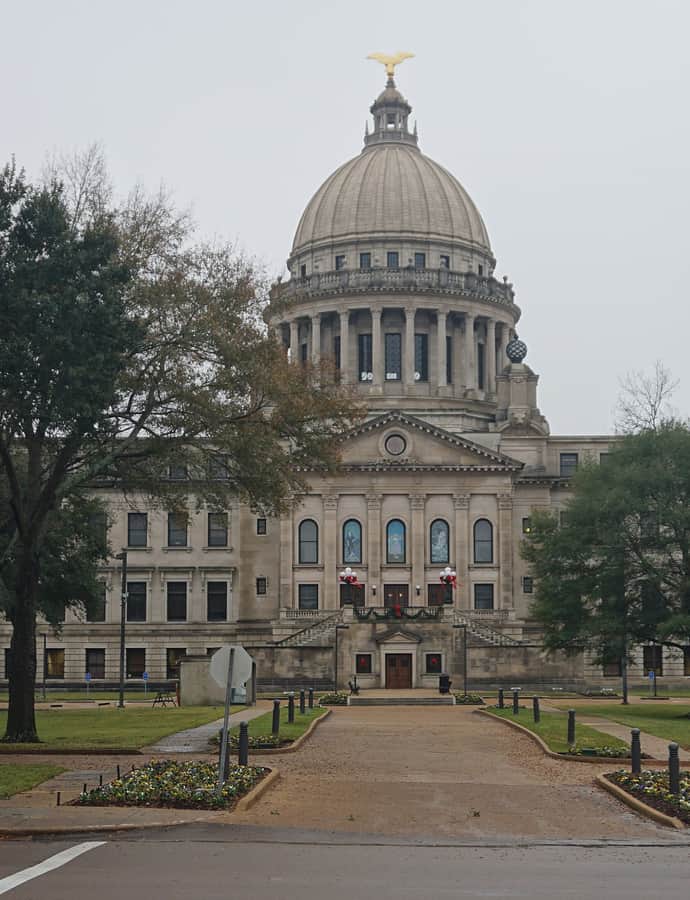
The Mississippi State Capitol, known as the "New Capitol," has served as the seat of state government since 1903, replacing the old Mississippi State House. Governor Andrew Houston Longino pushed the project through the Legislature starting in 1900, and fourteen architects submitted plans in a national contest advertised in five major cities. Theodore Link's Beaux-Arts design won, with Bernard R. Green, architect of the Library of Congress's Thomas Jefferson Building, brought in to oversee the work. It was designated a Mississippi Landmark in 1986 and a National Historic Landmark in 2016.

Photo: Michael Barera , CC BY-SA 4.0

Greek Revival

Old Mississippi State Capitol

1836

The Old Mississippi State Capitol served as Mississippi's statehouse from 1839 until 1903, when the current Capitol replaced it. Construction began in 1833 under architect John Lawrence, but problems with the architect and substandard materials led to his replacement in 1836 by William Nichols, who completed the three-story Greek Revival structure by 1840. It was added to the National Register of Historic Places in 1969, named a Mississippi Landmark in 1986, and designated a National Historic Landmark in 1990.

St. Andrew's Cathedral

Gothic Revival

St. Andrew's Cathedral

1903

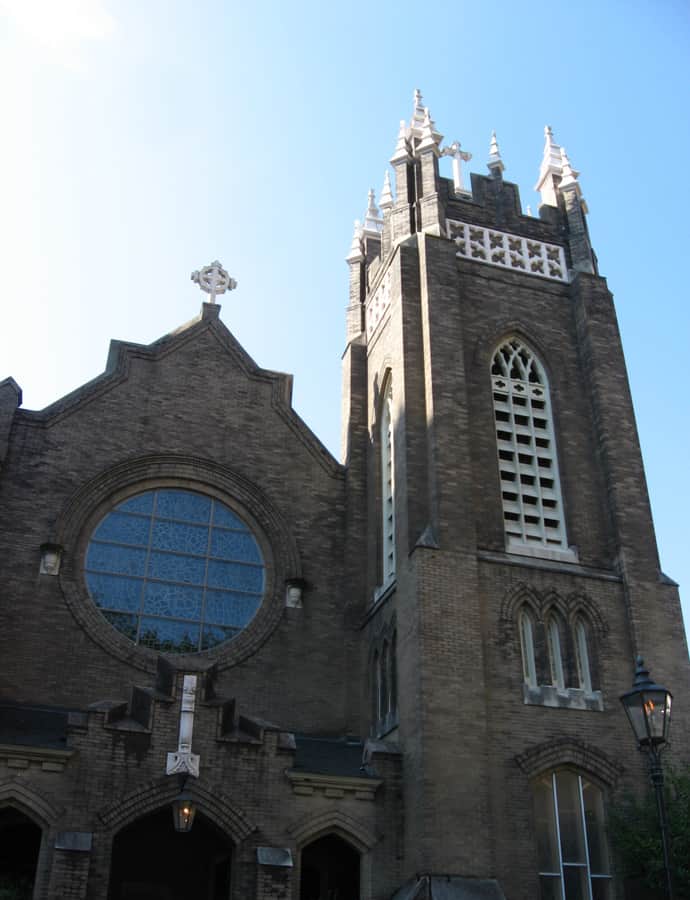
St. Andrew's Cathedral, seat of the Episcopal Diocese of Mississippi, began as a mission station in 1839 with just eight communicants and became a full parish in 1843, the only one at the time not located along the Mississippi River. It is the third church to serve as the diocesan cathedral; its Civil War-era predecessor was burned by the Union Army in 1863, and the present Gothic Revival structure was completed in 1903.

Photo: Ken Lund from Las Vegas, Nevada, USA , CC BY-SA 2.0

The Oaks House Museum

Greek Revival

The Oaks House Museum

1856

The Oaks House Museum at 823 North Jefferson Street was the home of Jackson Mayor James H. Boyd and his wife Eliza Ellis Boyd, built in the Greek Revival style around 1853. Having survived the burning of Jackson during the Civil War, it is one of the oldest structures in the city. Three generations of the Boyd family lived there from 1853 until 1960, when the grandchildren sold the property to the National Society of the Colonial Dames of America in the State of Mississippi.

Photo: Joe C Furr , CC BY-SA 3.0

Virden-Patton House

Greek Revival

Virden-Patton House

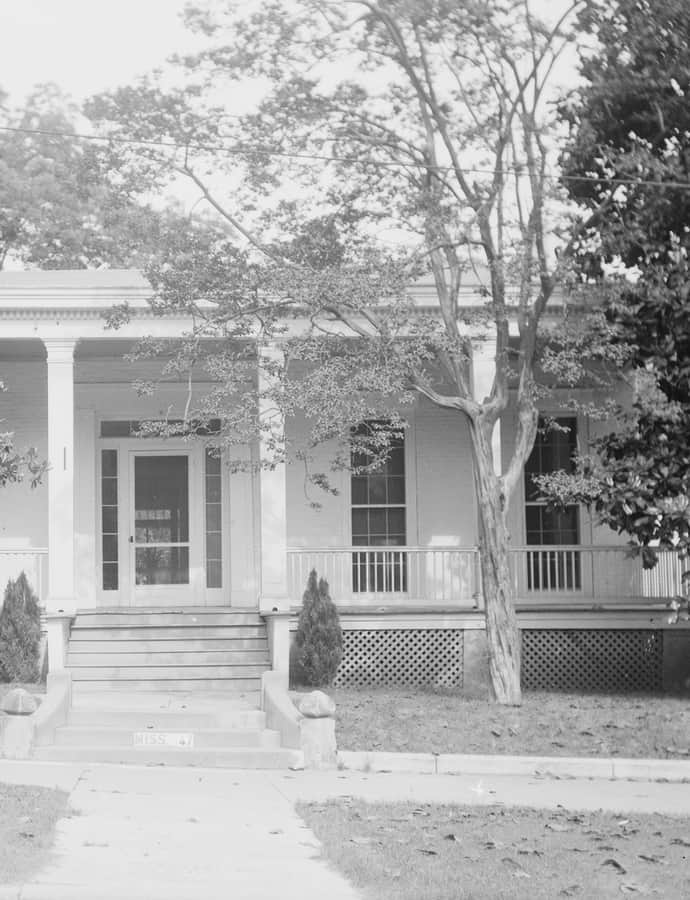
1849

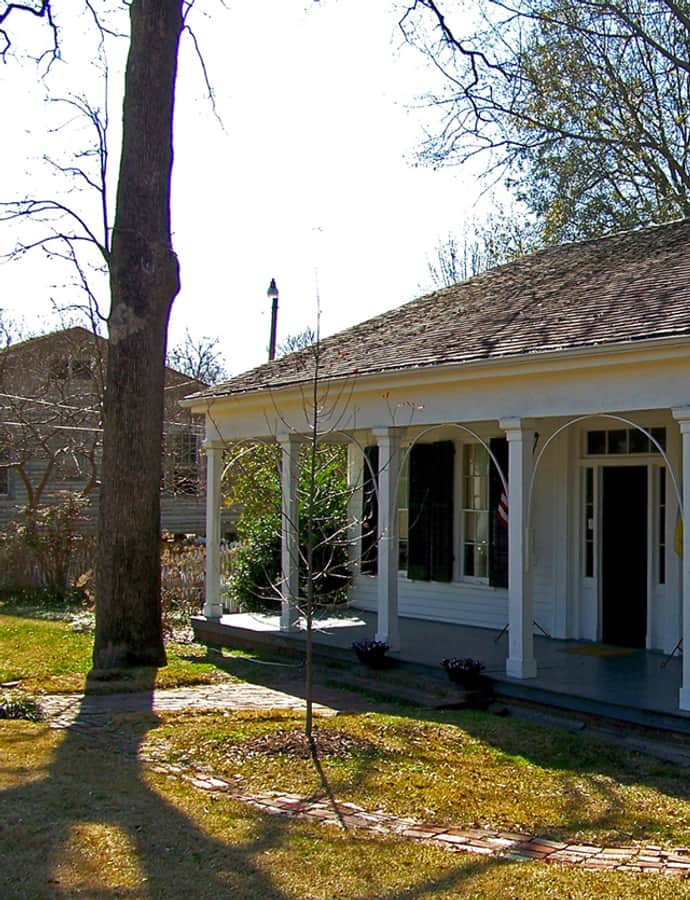
The Virden-Patton House is a Greek Revival cottage built in 1849 for Alexander Virden, a Delaware-born merchant, and his wife and second cousin Ruth Anna Virden. The house passed down through the family for decades before being sold outside it in 1934, and it has been listed on the National Register of Historic Places since December 16, 1983.

Photo: James Butters , Public domain

Notable buildings

Worth a stop when you're nearby.

Hinds County Courthouse

Art Deco

Hinds County Courthouse

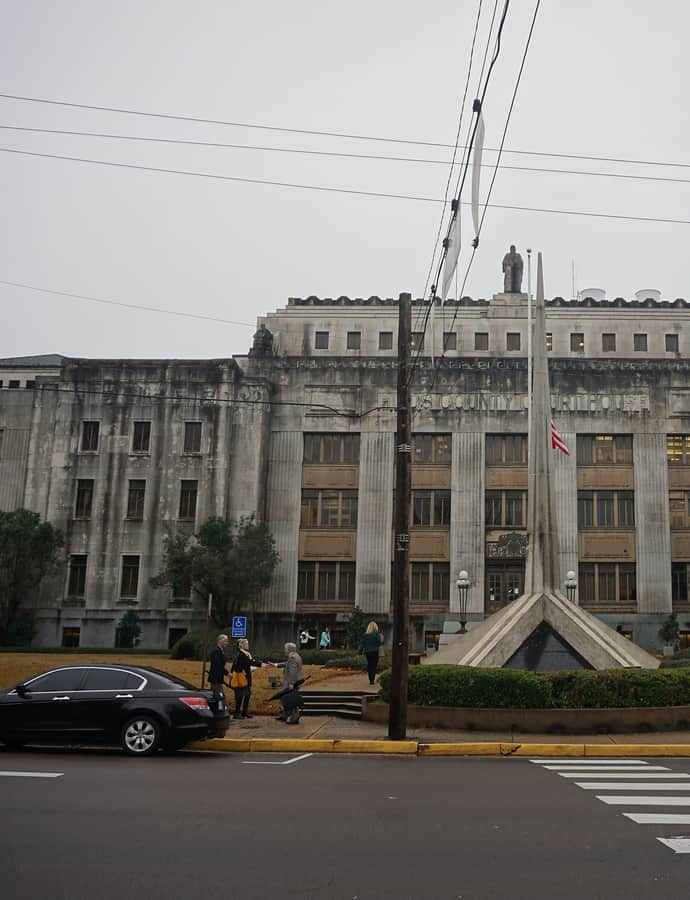
1930

The Hinds County Courthouse is an Art Deco courthouse in downtown Jackson, listed on the National Register of Historic Places since July 31, 1986, and designated a Mississippi Landmark since March 5, 1986. The building was later enlarged with wings on both sides and stands next to a detention center built in 1977.

Photo: Michael Barera , CC BY-SA 4.0

Hidden gems

Fine buildings that fewer people seek out.