City guide

architecture in Topeka.

30 buildings worth a detour, each with what to look for. Open them on the map, or walk them with the iPhone app, which collects each one you photograph.

Landmarks

The buildings that define the city's architecture.

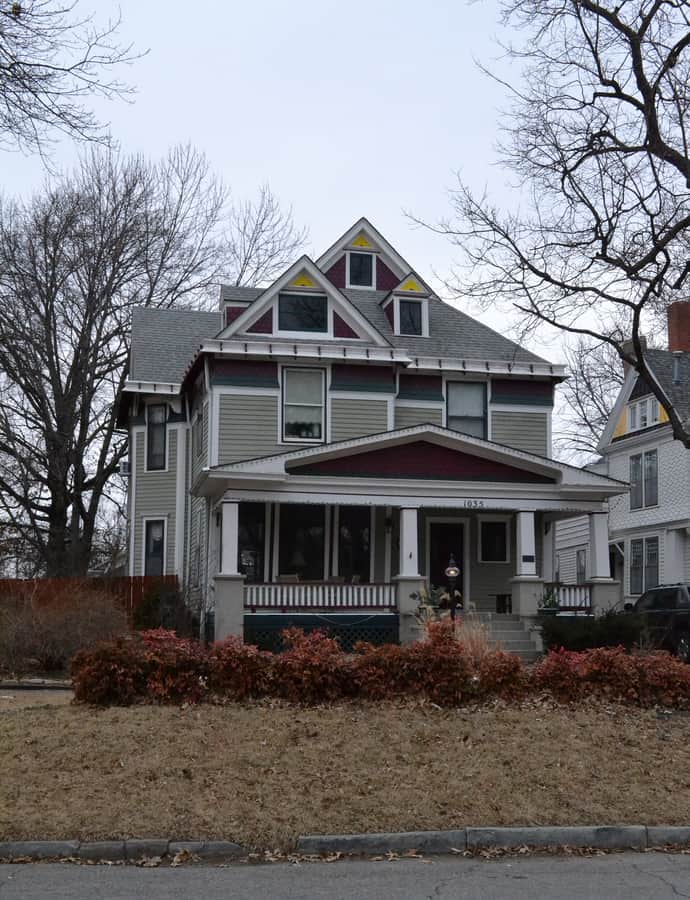
Chester B. Woodward House

Tudor Revival

Chester B. Woodward House

Walter C. Root · 1923

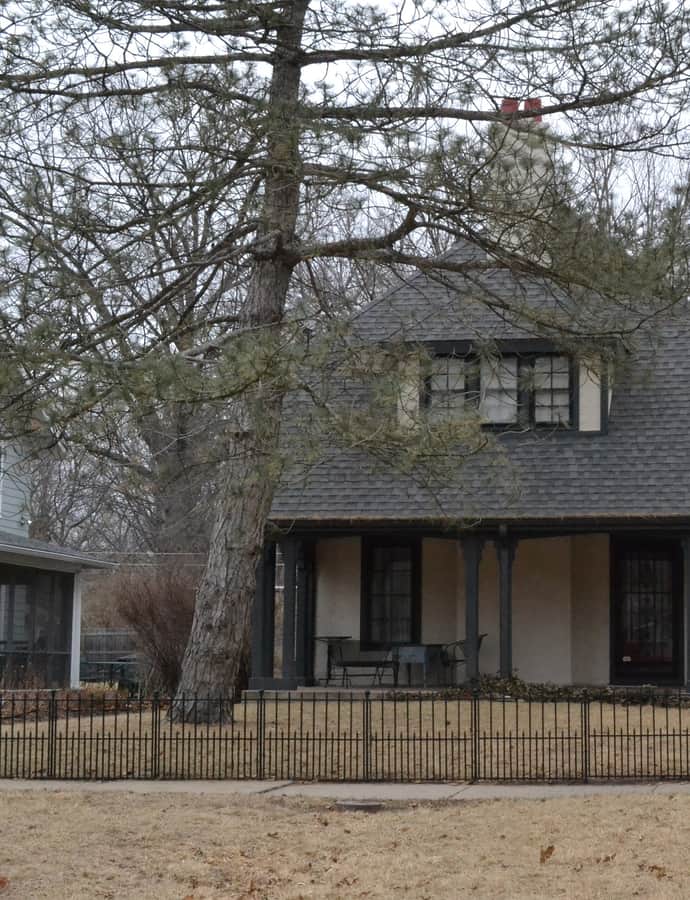
The Chester B. Woodward House is a historic residence in Topeka built in 1923 for businessman Chester B. Woodward, who served as vice president of the Central National Bank and Trust Company of Topeka from 1920 to 1928 and later as president of the Topeka Morris Plan Company from 1928 to 1940. It was designed by Root & Siemens in the Classical Revival style.

Photo: 25or6to4 , CC BY-SA 4.0
East Topeka Junior High School

Art Deco

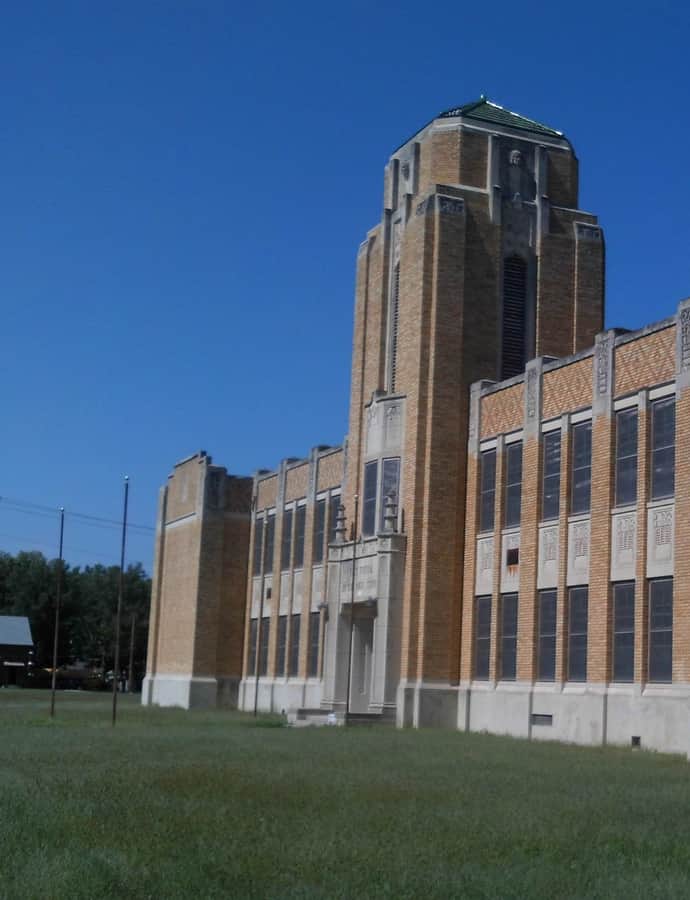
East Topeka Junior High School

East Topeka Junior High School is an Art Deco school building in downtown Topeka, listed on both the National Register of Historic Places and the Register of Historic Kansas Places. As a junior high school, it represents the community and educational history of the neighborhood it served.

Photo: Jcakp , CC BY-SA 3.0

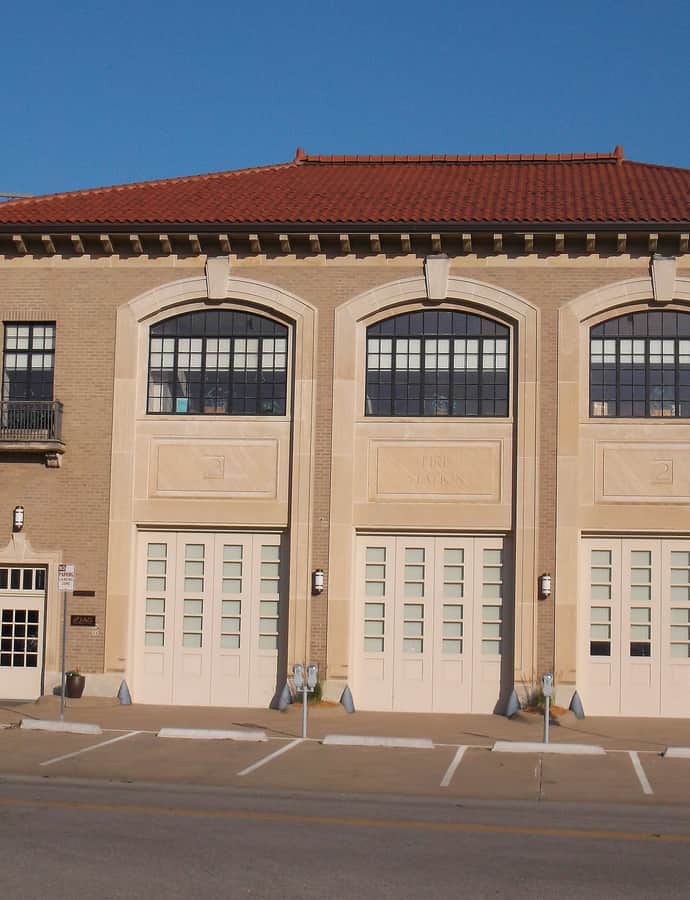
Fire Station No. 2

Renaissance Revival

Fire Station No. 2

Thomas Wilson Williamson · 1927

Fire Station No. 2, at 719-723 Van Buren in Topeka, was built in 1927 to serve as the city's Fire Department Headquarters and the home of Company No. 2. It was designed by architect Thomas Wilson Williamson and later remodeled in 1979 to become the Topeka Emergency Communication Center, the city's combined fire and police 911 dispatch center.

Photo: Timhalula , CC BY-SA 3.0

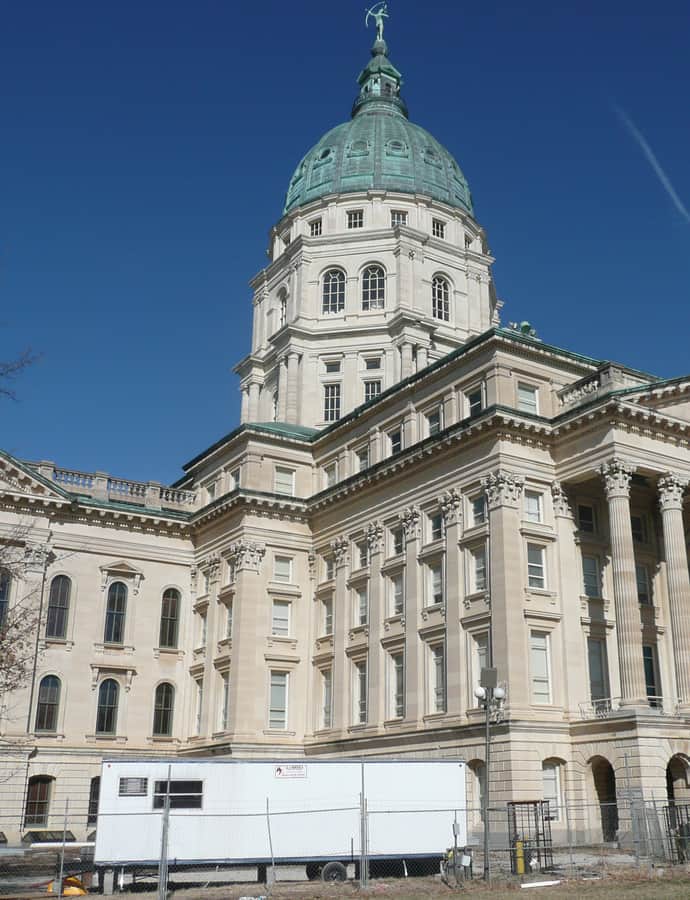
Kansas State Capitol

French Renaissance

Kansas State Capitol

E. Townsend Mix; John G. Haskell · 1866

The Kansas State Capitol, also known as the Kansas Statehouse, houses the executive and legislative branches of Kansas government in Topeka, the state capital since 1861. It is the second building to serve as the state's capitol, following an unfinished territorial capitol at Lecompton. Construction began in 1866, with Edward Townsend Mix serving as master architect and John G. Haskell designing the wings, on land donated by Cyrus K. Holliday through his Topeka Town Company in 1862.

Photo: Aviper2k7 , CC BY-SA 3.0

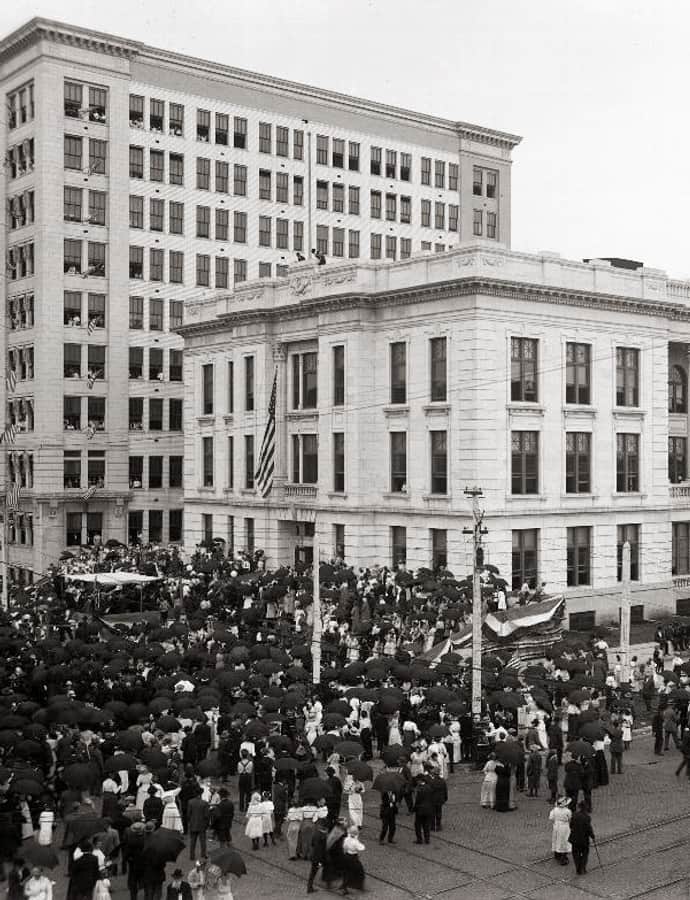
Memorial Building

Beaux-Arts

Memorial Building

1914

Memorial Building, also known as G.A.R. Memorial Hall, is a Beaux-Arts hall in downtown Topeka built to honor Kansas's Civil War and American Indian Wars veterans. Construction was financed by federal war claims paid to the State of Kansas — $97,466.02 for equipping soldiers during the Civil War and $425,065.43 for repelling Confederate invasions and dealing with the Indian Wars. President William Howard Taft laid the cornerstone in 1911, and the building was completed and dedicated before 25,000 people in 1914.

Photo: Unknown authorUnknown author , Public domain

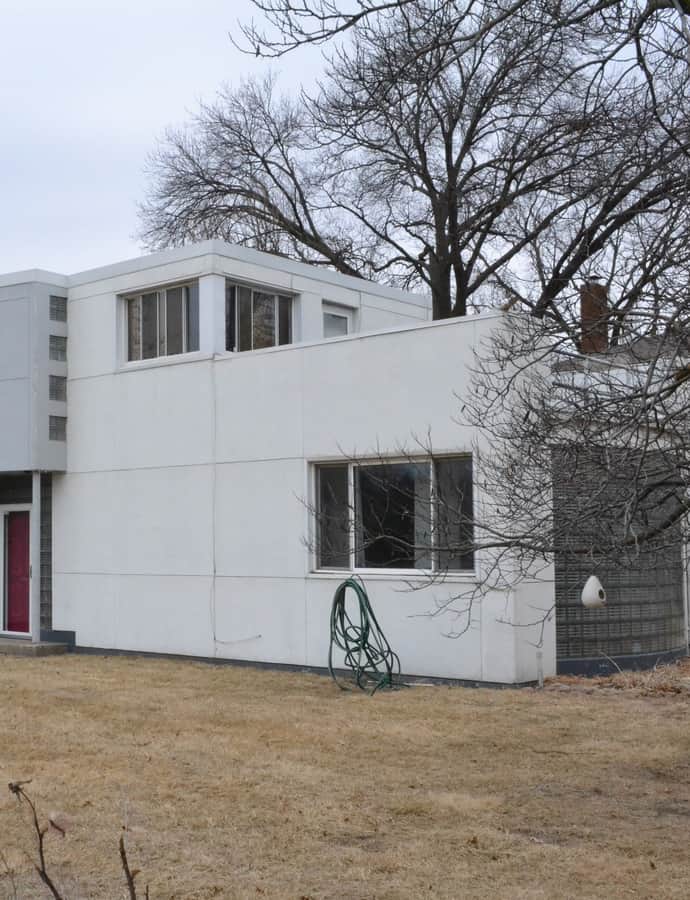
Nelson Antrim Crawford House

Streamline Moderne

Nelson Antrim Crawford House

Floyd Orson Wolfenbarger

The Nelson Antrim Crawford House, built in 1938 at 2202 SW Seventeenth Street, was the Topeka residence of writer, editor, and publisher Nelson Antrim Crawford (1888-1963), who edited Household magazine of Topeka beginning in 1928 and later became owner and editor of The Author & Journalist. It was designed by architect Floyd Orson Wolfenbarger.

Photo: 25or6to4 , CC BY-SA 4.0
International Style

Robert B. Docking State Office Building

1957

The Robert B. Docking State Office Building, completed in 1957 in downtown Topeka, is a distinctive International Style modernist state office building, listed on the National Register of Historic Places for its curtain-wall architecture that stands apart from the city's older masonry landmarks.

St. Joseph's Catholic Church

Romanesque Revival

St. Joseph's Catholic Church

1901

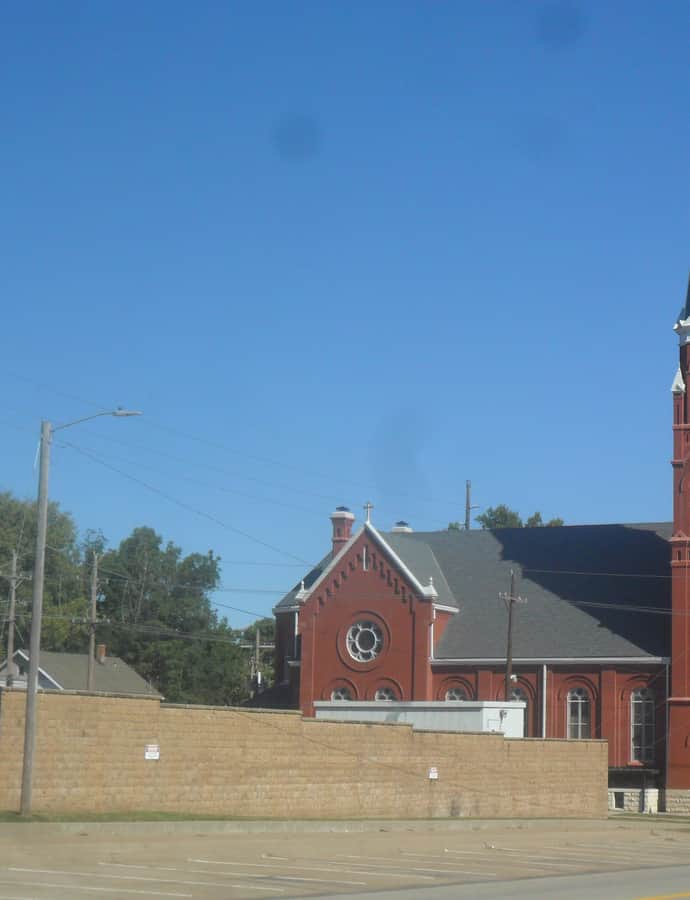
St. Joseph's Catholic Church, completed in 1901 in downtown Topeka, was built to serve the growing community of Volga Germans — ethnic Germans from Russia who settled in the city. Its National Register nomination calls it an outstanding Kansas example of a large 19th century brick church, distinguished by twin towers that rise above the surrounding neighborhood.

Photo: Matthew Zisi , CC BY-SA 4.0

Art Deco

Sumner Elementary School

1936

Sumner Elementary School in Topeka was built in 1936 as part of the Federal Emergency Administration of Public Works, a New Deal program, and designed in the Art Deco style by Thomas W. Williamson. In 1954 it became central to Brown v. Board of Education of Topeka after Linda Brown's attempted enrollment was rejected by the Topeka Board of Education, forcing her to attend the more distant, all-black Monroe School; her father Oliver Brown joined the resulting class action lawsuit that reached the Supreme Court.

Thacher Building

Romanesque Revival

Thacher Building

John G. Haskell

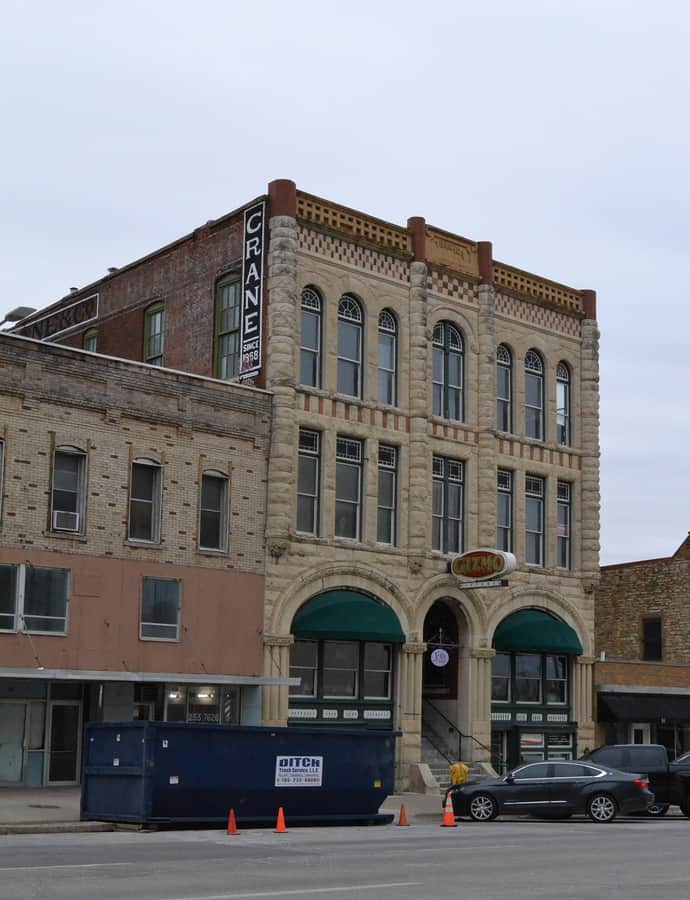
The Thacher Building is a downtown Topeka landmark in the Romanesque Revival style, designed by John G. Haskell — the same architect responsible for the Kansas State Capitol. Its recognition on the National Register of Historic Places and the Register of Historic Kansas Places marks it as one of the city's significant surviving works from Haskell's career.

Photo: 25or6to4 , CC BY-SA 4.0
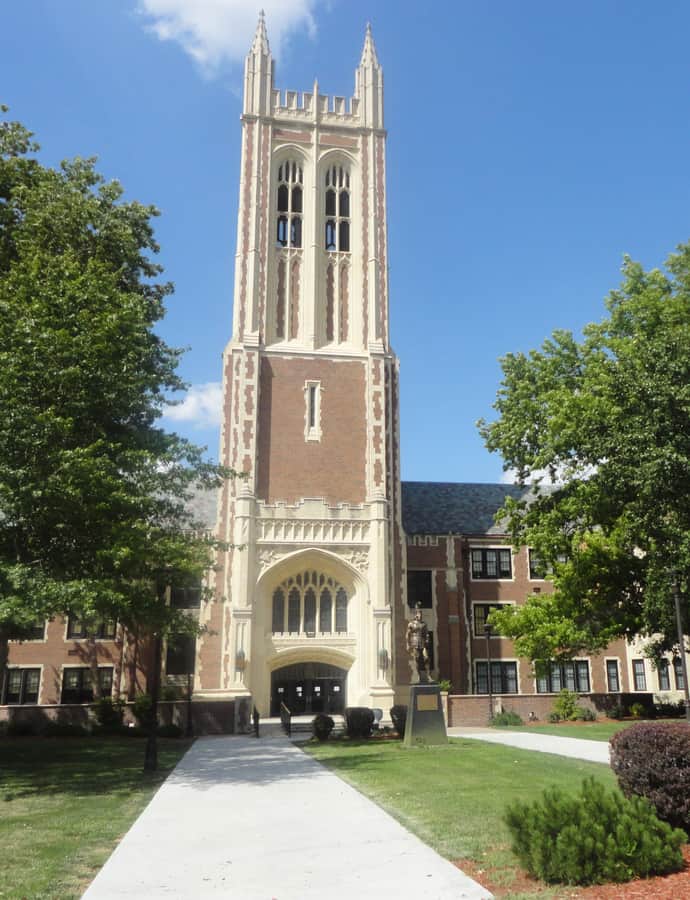
Topeka High School

Gothic Revival

Topeka High School

1871

Topeka High School is a public secondary school established in 1871, serving grades 9 through 12 as one of five high schools in the Topeka USD 501 district. It moved to its current location in 1931, when it was among the first million-dollar high schools built west of the Mississippi River. Notable alumni include Charles Curtis, 31st Vice President of the United States.

Photo: Ethan James Scherrer , CC BY-SA 4.0

Greek Revival

Ward-Meade House

1870

The Ward-Meade House, built in 1870 for Anthony A. Ward and his wife Mary Jane Foster, is considered the first mansion built in Topeka. Ward was a wheelwright who held sand rights on the Kansas River, selling sand to Topeka's builders and making wagon wheels for settlers heading to California. The house passed to daughter Jennie and her husband John Meade, an engineer for the Atchison, Topeka and Santa Fe Railway, and remained in the Ward-Meade family until the city of Topeka acquired it in 1961.

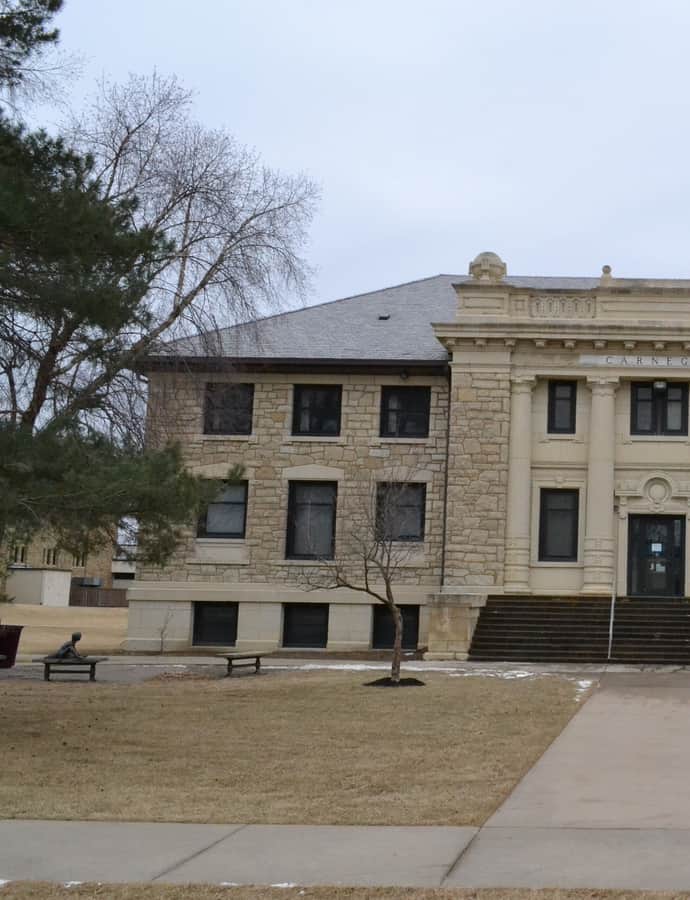
Washburn University Carnegie Library Building

Neoclassical

Washburn University Carnegie Library Building

1904

The Washburn University Carnegie Library Building is a Carnegie library on the Washburn campus in Topeka, built in 1904 after Washburn College, established in 1865, secured a $40,000 Carnegie Library grant for its construction.

Photo: 25or6to4 , CC BY-SA 4.0
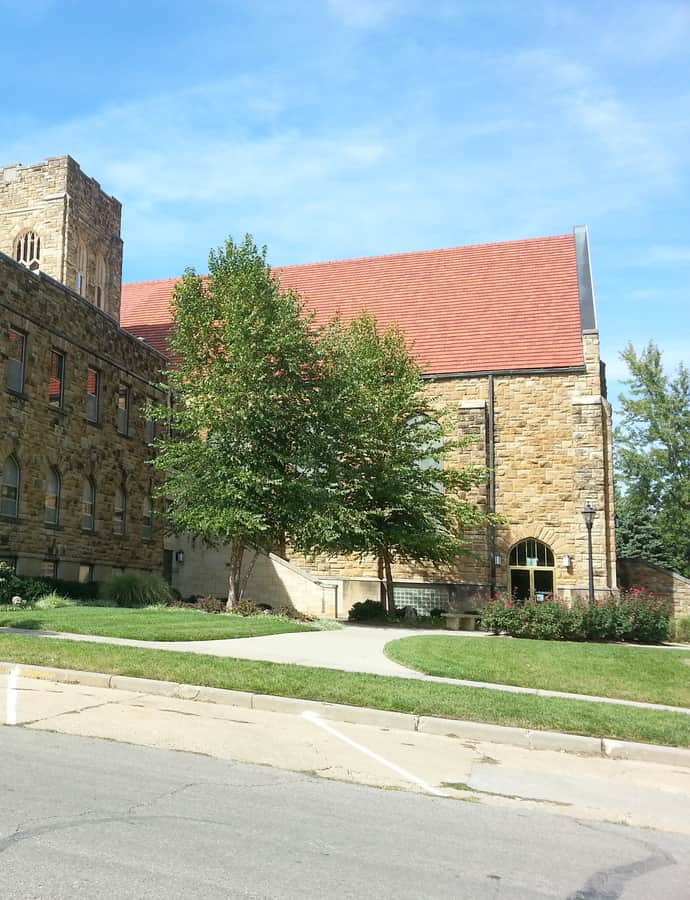
Westminster Presbyterian Church of Topeka

Gothic Revival

Westminster Presbyterian Church of Topeka

1925

Westminster Presbyterian Church was built between 1924 and 1926 in downtown Topeka, designed by architect Charles Cuthbert in the Late Gothic Revival style. It was added to the National Register of Historic Places in 2004, recognized for its restrained, disciplined take on Gothic church design.

Photo: TheQuank , CC BY-SA 3.0

Notable buildings

Worth a stop when you're nearby.

Church of the Assumption and Rectory

Mission Revival

Church of the Assumption and Rectory

1924

The Church of the Assumption and Rectory, at 204 SW 8th Street in downtown Topeka, pairs a 1924 Mission Revival church with a rectory completed in 1929 in the Renaissance Revival style. The church was added to the National Register of Historic Places in 2008.

Photo: Jcakp , CC BY-SA 3.0

Grace Episcopal Cathedral (Topeka, Kansas)

Gothic Revival

Grace Episcopal Cathedral (Topeka, Kansas)

1917

Grace Episcopal Cathedral traces to a mission founded by the Rev. Charles M. Callaway, holding its first service on January 20, 1857 at Constitution Hall. A church building went up in 1865 with an altar of native walnut still in use, and in June 1879 the Diocese of Kansas named Grace Church its cathedral. It remains the seat of the Episcopal Diocese of Kansas today.

Photo: Zarn02 , CC BY-SA 3.0

John Sargent House

Gothic Revival

John Sargent House

1882

The John Sargent House, at 225 SW Clay Street in downtown Topeka, is considered a leading example of Gothic Revival architecture in Kansas. Built around 1882, the two-story limestone house was added to the National Register of Historic Places in 1995.

Photo: 25or6to4 , CC BY-SA 4.0
Hidden gems

Fine buildings that fewer people seek out.

Crawford Building

Romanesque Revival

Crawford Building

1888

The Crawford Building was built in 1888 in the Romanesque Revival style and is listed on the National Register of Historic Places and the Register of Historic Kansas Places.

Photo: Jcakp , CC BY-SA 3.0

Dillon House

Renaissance Revival

Dillon House

The Dillon House is a Renaissance Revival residence in downtown Topeka, listed on the National Register of Historic Places and the Register of Historic Kansas Places.

Photo: Jcakp , CC BY-SA 3.0

Fred and Cora Luttjohann House

Prairie School

Fred and Cora Luttjohann House

The Fred and Cora Luttjohann House is a Prairie School house in Topeka, Kansas, listed on the National Register of Historic Places and the Register of Historic Kansas Places.

Photo: PurcellRyan , CC BY-SA 3.0

Giles-Nellis House

Queen Anne

Giles-Nellis House

The Giles-Nellis House is a Queen Anne style house in Topeka, Kansas, listed on the National Register of Historic Places and the Register of Historic Kansas Places.

Photo: 25or6to4 , CC BY-SA 4.0
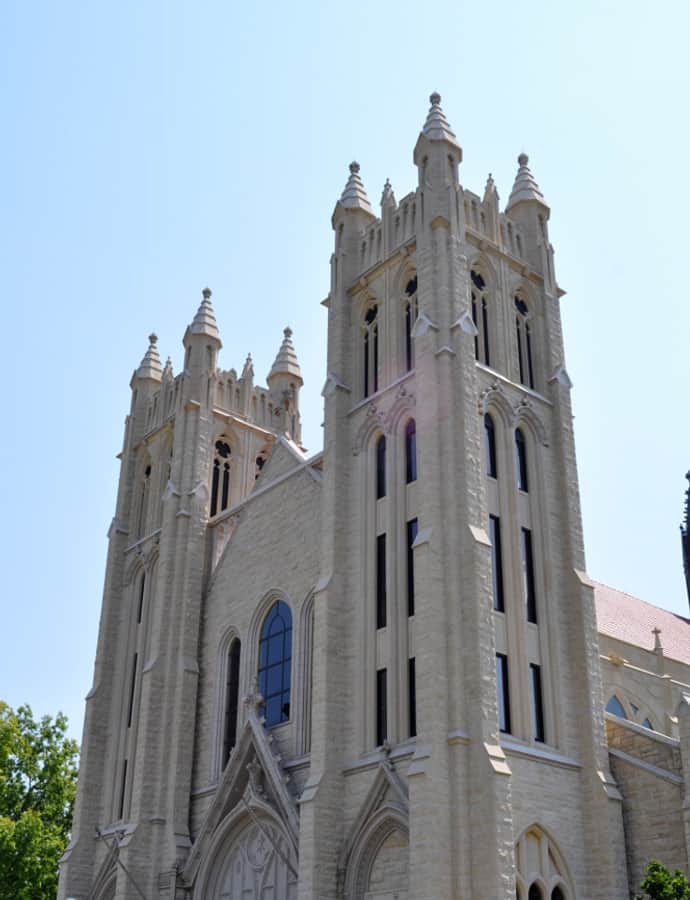
Hughes Conoco Service Station

Tudor Revival

Hughes Conoco Service Station

1930

The Hughes Conoco Service Station at 400 Southwest Taylor Street was built in 1930 and listed on the National Register of Historic Places in 2011. It applies Tudor Revival and other period revival styling to a small roadside gas station, an unusual pairing of domestic architectural fashion with a commercial fueling typology.

Photo: 25or6to4 , CC BY-SA 4.0
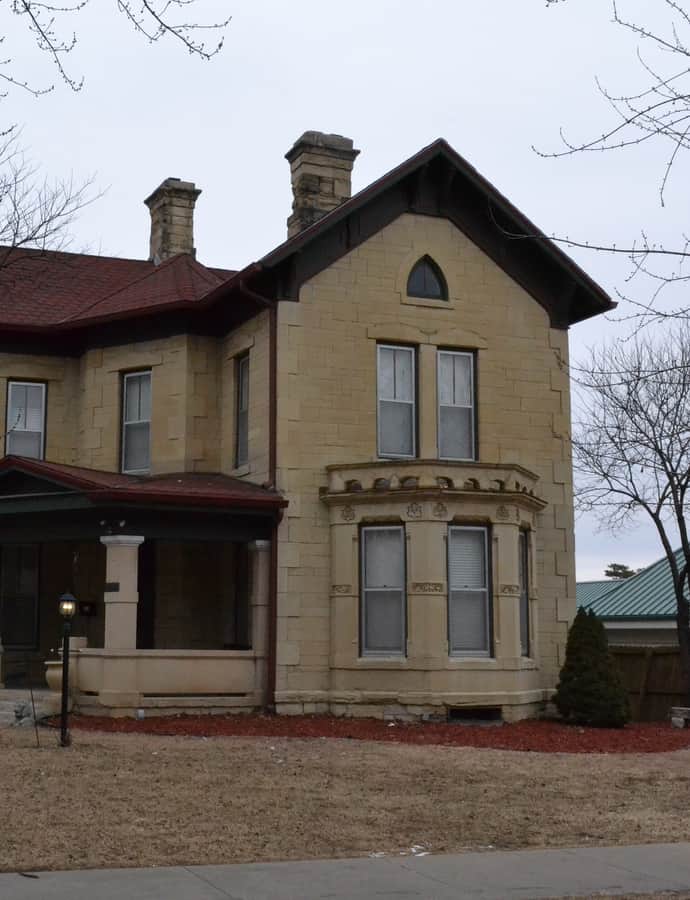
J.A. Shoemaker House

Tudor Revival

J.A. Shoemaker House

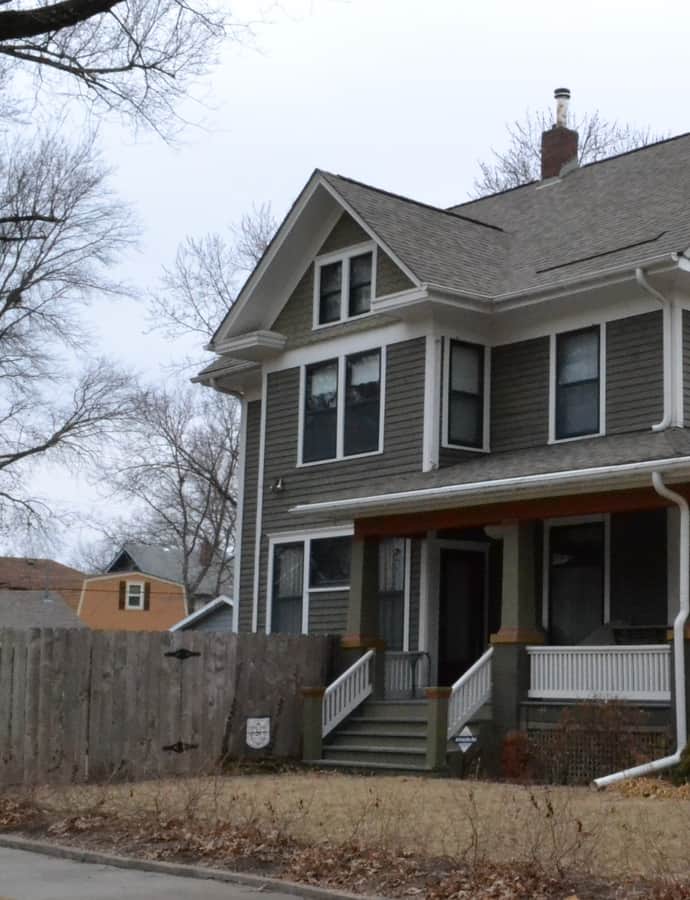
The J.A. Shoemaker House is a Tudor Revival home in downtown Topeka, listed on the National Register of Historic Places and the Register of Historic Kansas Places.

Photo: 25or6to4 , CC BY-SA 4.0
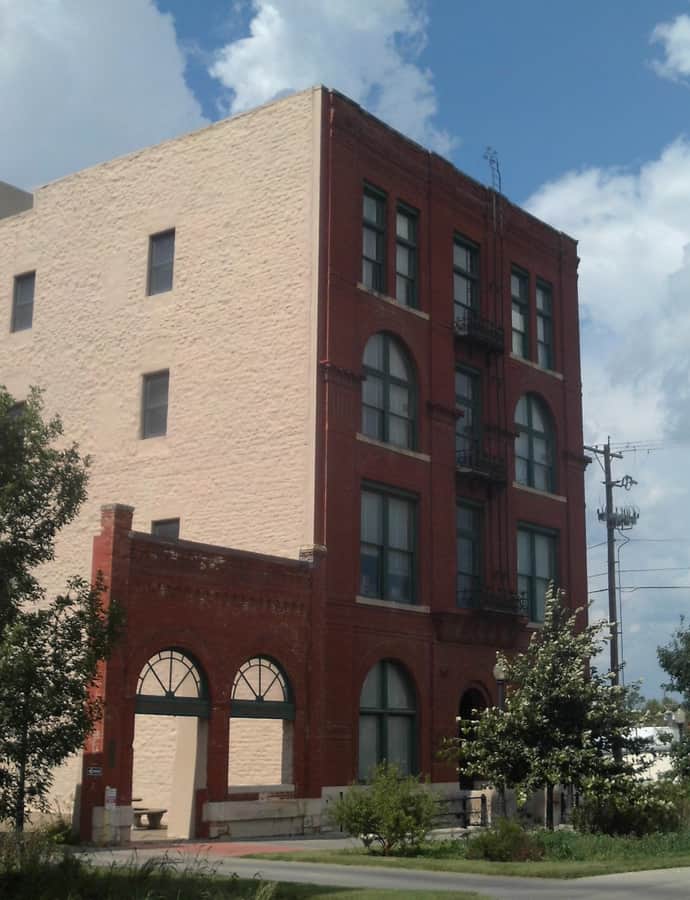
Morton Albaugh House

Prairie School

Morton Albaugh House

The Morton Albaugh House is a Prairie School house in Topeka, Kansas, listed on the National Register of Historic Places and the Register of Historic Kansas Places.

Photo: 25or6to4 , CC BY-SA 4.0
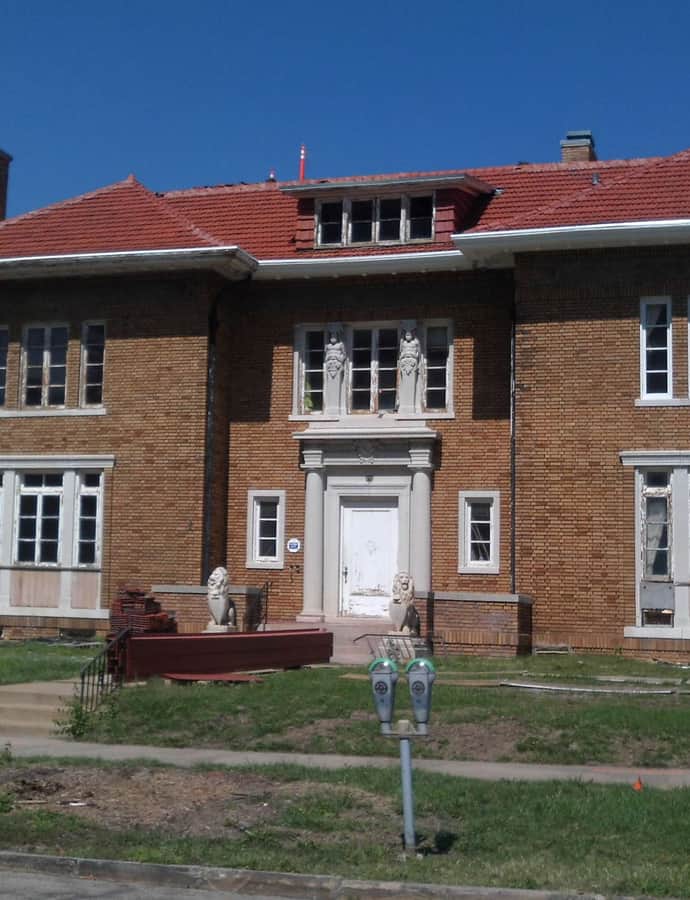
North Topeka Baptist Church

Neoclassical

North Topeka Baptist Church

1921

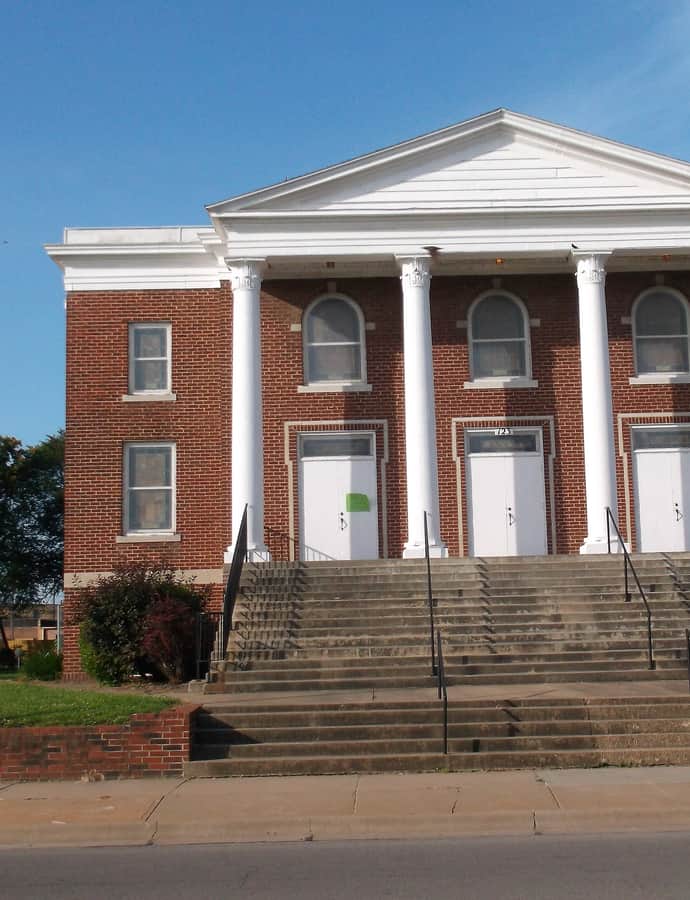
North Topeka Baptist Church, at 123 NW Gordon, was built in 1921 in the Neoclassical style. The church survived a flood in 1951 and was added to the National Register of Historic Places in 2011.

Photo: Timhalula , CC BY-SA 3.0

Solomon A. Alt House

Queen Anne

Solomon A. Alt House

The Solomon A. Alt House is a Queen Anne home in downtown Topeka, listed on the National Register of Historic Places and the Register of Historic Kansas Places. Its ornament and facade are visible from the street.

Photo: 25or6to4 , CC BY-SA 4.0
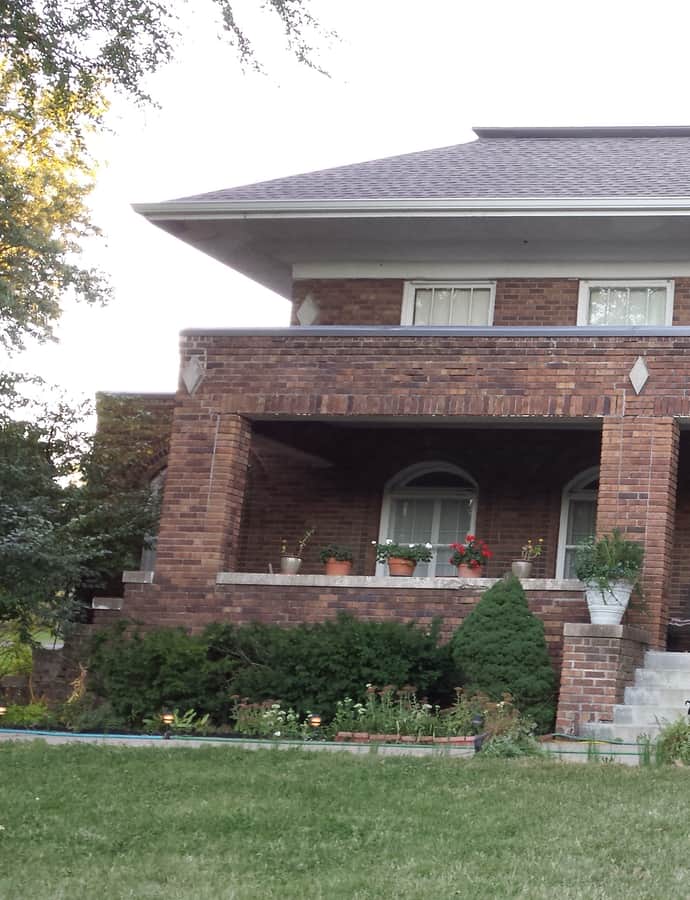
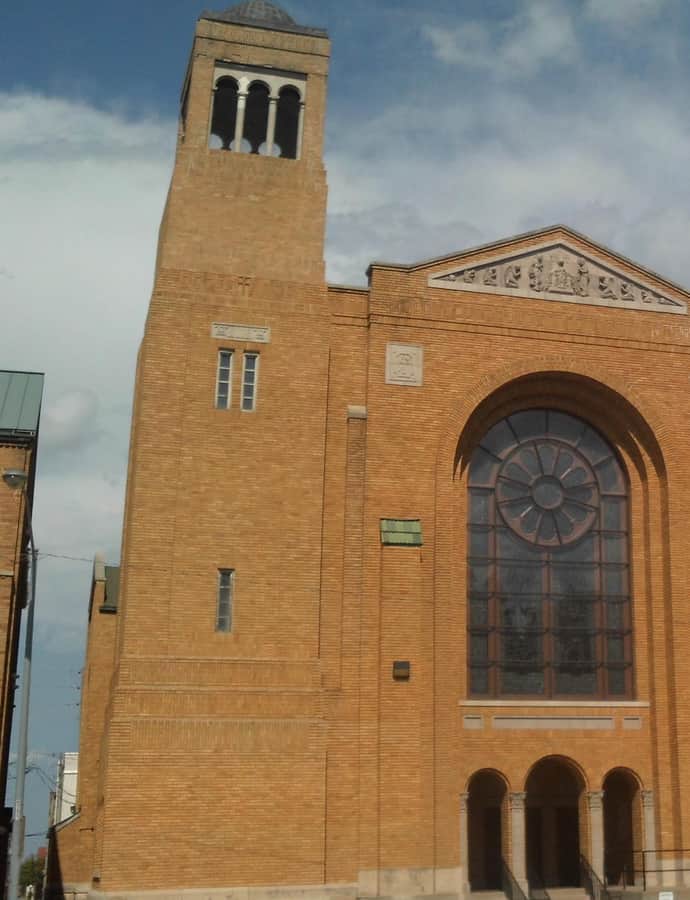
St. John African Methodist Episcopal Church

Gothic Revival

St. John African Methodist Episcopal Church

1926

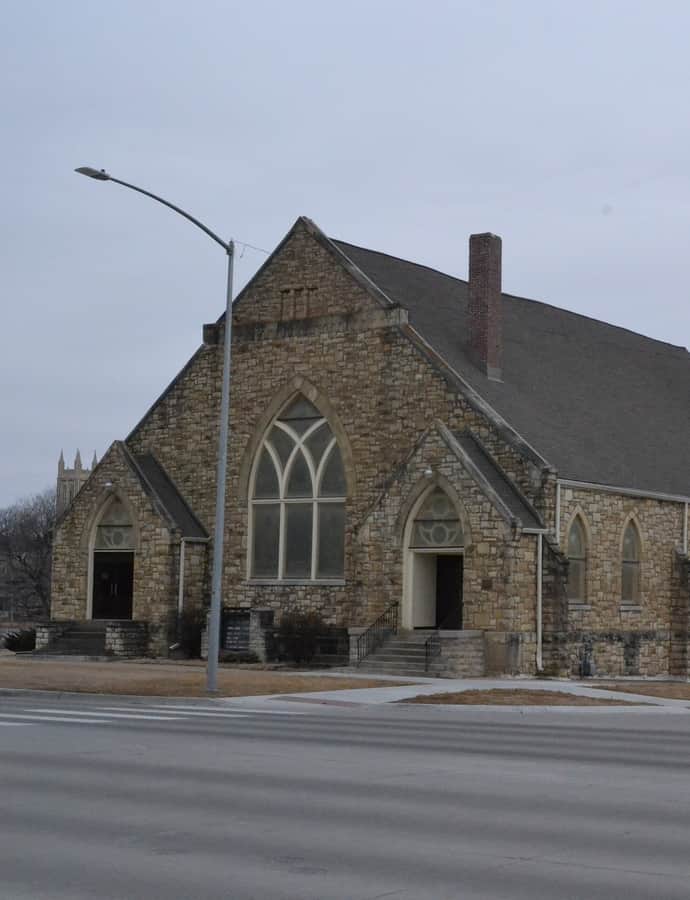
St. John African Methodist Episcopal Church, at 701 SW Topeka Boulevard, was built in stages from 1908 to 1926, with construction completed in 1918, 1920, and 1926. It is built of square-cut native limestone and was listed on the National Register of Historic Places in 2008.

Photo: 25or6to4 , CC BY-SA 4.0
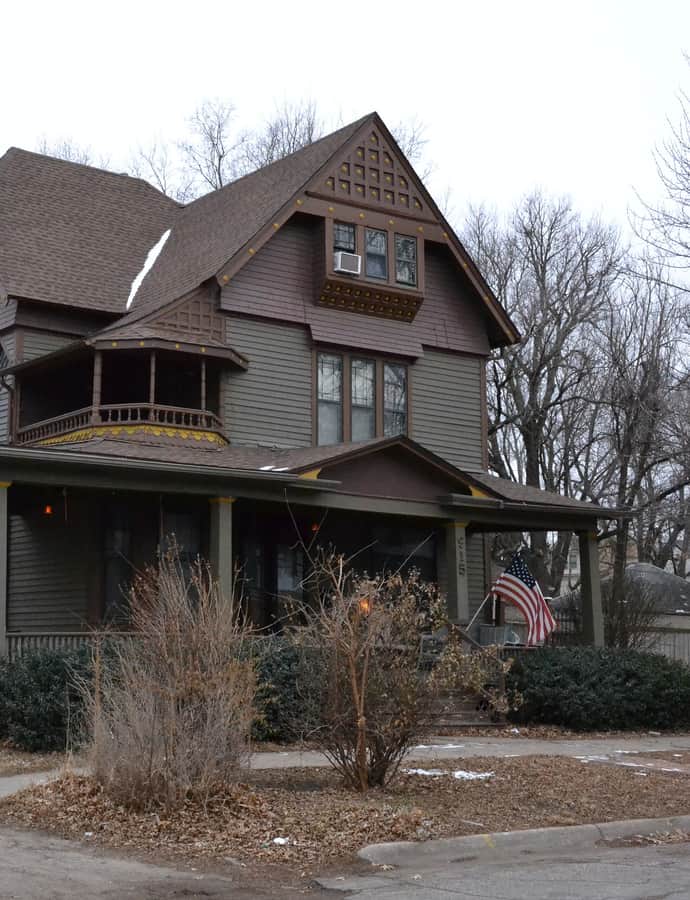
Topeka Council of Colored Women's Clubs Building

Queen Anne

Topeka Council of Colored Women's Clubs Building

1901

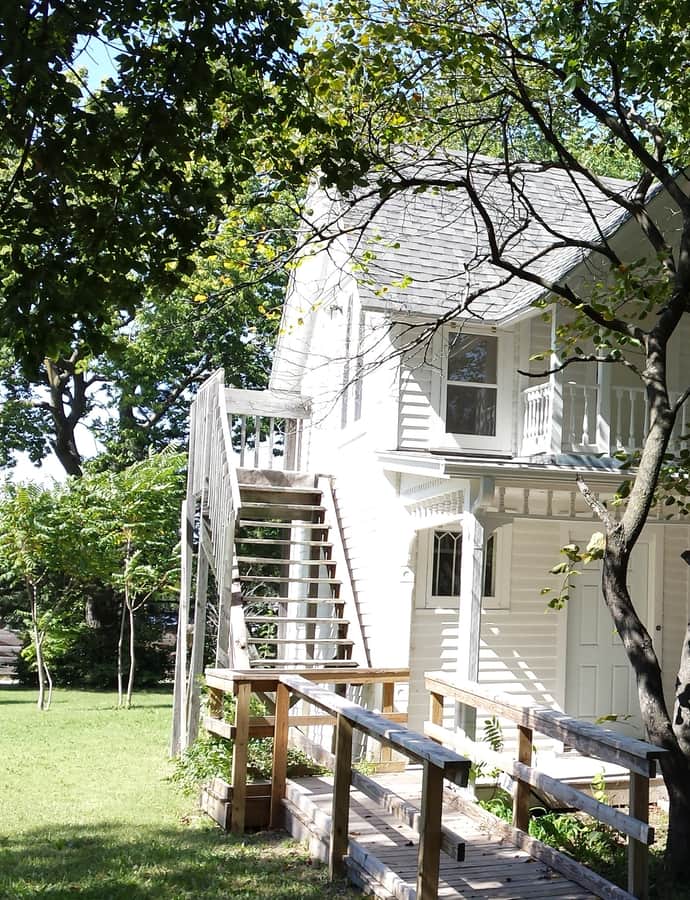
Built as a family home by William Warren in 1901 at 1149 SW Lincoln Street in Tennessee Town, this house became the clubhouse of the Topeka Council of Colored Women's Clubs (TCCWC) in 1931, purchased with money loaned by Emma Gaines. TCCWC, founded by Beatrice Childs in 1923, united seven smaller clubs and was affiliated with the National Association of Colored Women's Clubs and the Kansas Association of Colored Women's Clubs.

Photo: PurcellRyan , CC BY-SA 3.0

United States Post Office and Court House

Neoclassical

United States Post Office and Court House

The United States Post Office and Court House in downtown Topeka is a Neoclassical federal building, listed on the National Register of Historic Places and the Register of Historic Kansas Places.

Photo: 25or6to4 , CC BY-SA 4.0
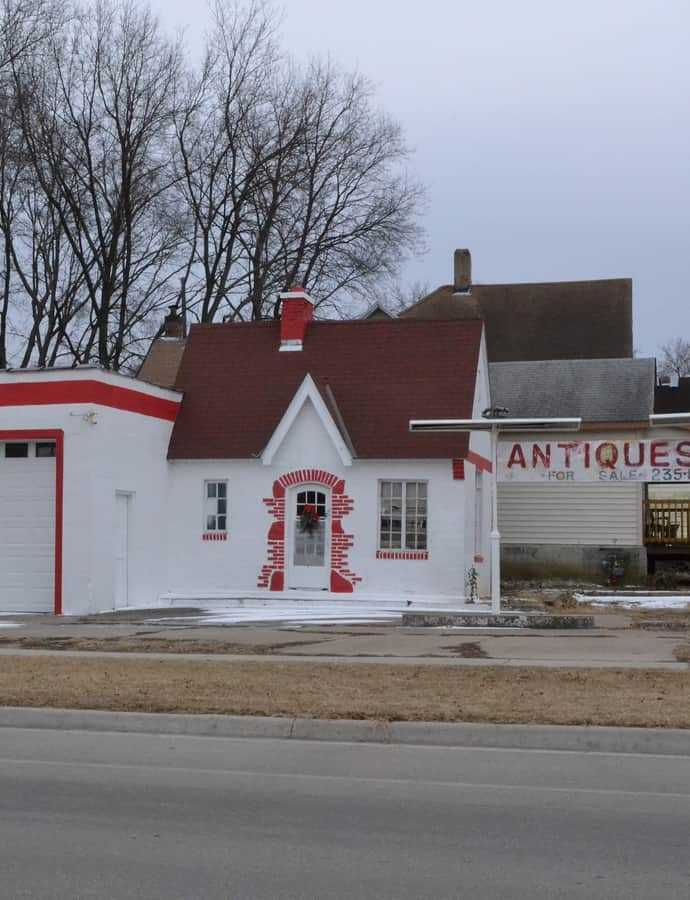
Willits House

Queen Anne

Willits House

The Willits House is a Queen Anne style house in Topeka, Kansas, listed on the National Register of Historic Places and the Register of Historic Kansas Places.

Photo: 25or6to4 , CC BY-SA 4.0