City guide

architecture in Miami.

148 buildings worth a detour, each with what to look for. Open them on the map, or walk them with the iPhone app, which collects each one you photograph.

Landmarks

The buildings that define the city's architecture.

1111 Lincoln Road

Landmark

1111 Lincoln Road

Herzog & de Meuron · 2010

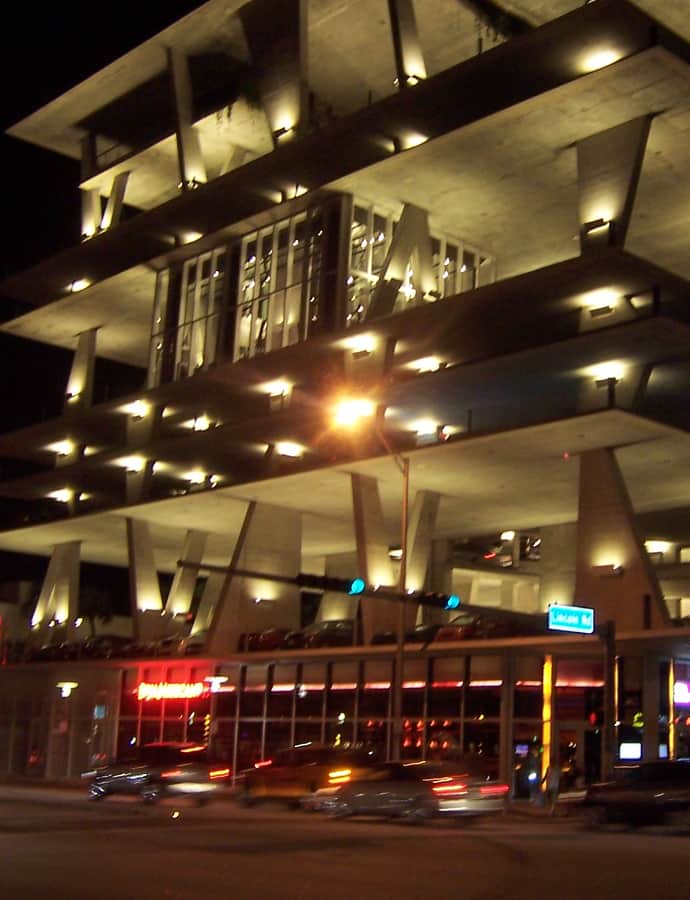
1111 Lincoln Road is a parking garage at the western end of the Lincoln Road Mall, designed by the Pritzker Prize-winning Swiss firm Herzog & de Meuron and opened in 2010. Local developer Robert Wennett had bought the site in 2005 — a 1968 Brutalist SunTrust Bank building and its adjacent surface lot — and rather than tear down the old structure, he built something of equal height beside it: a parking garage meant to be treated as architecture rather than, as Architectural Record once put it, one of the building types that 'lurks somewhere in the vicinity of prisons and toll plazas.'

Photo: Jonathan Schilling , CC BY-SA 3.0
Streamline Moderne

Albion Hotel

Igor B. Polevitzky · 1939

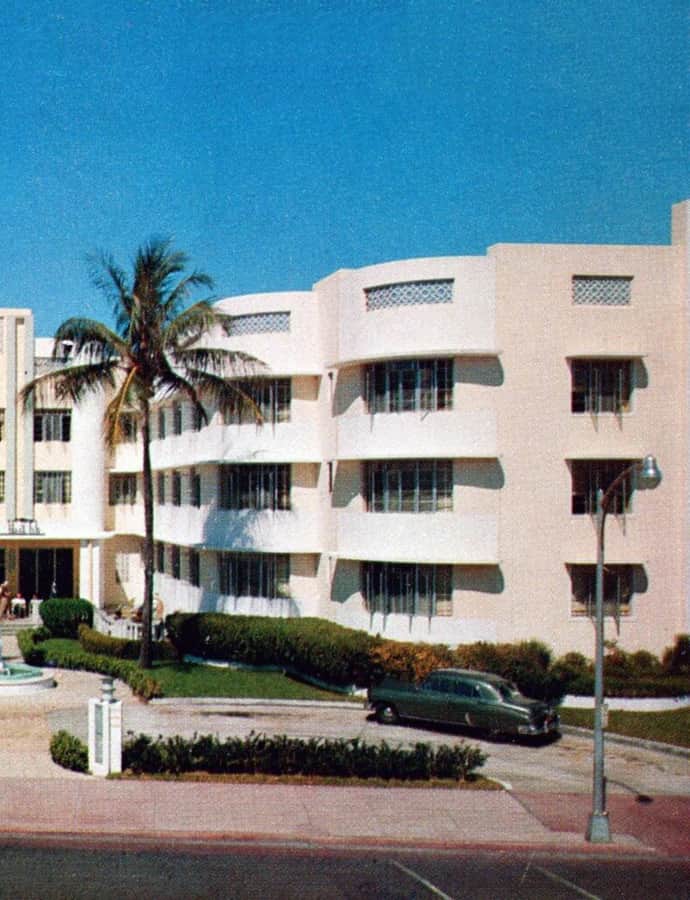
The Albion Hotel opened in South Beach in 1939, designed by Igor B. Polevitzky in the Streamline Moderne strain of Art Deco that gave Miami Beach's late-1930s hotels their sleek, ship-like profiles. Polevitzky was known for experimental, nautical-inspired designs, and the Albion is a contributing building within the Miami Beach Architectural District on the National Register of Historic Places.

Biltmore Hotel

Mission Revival

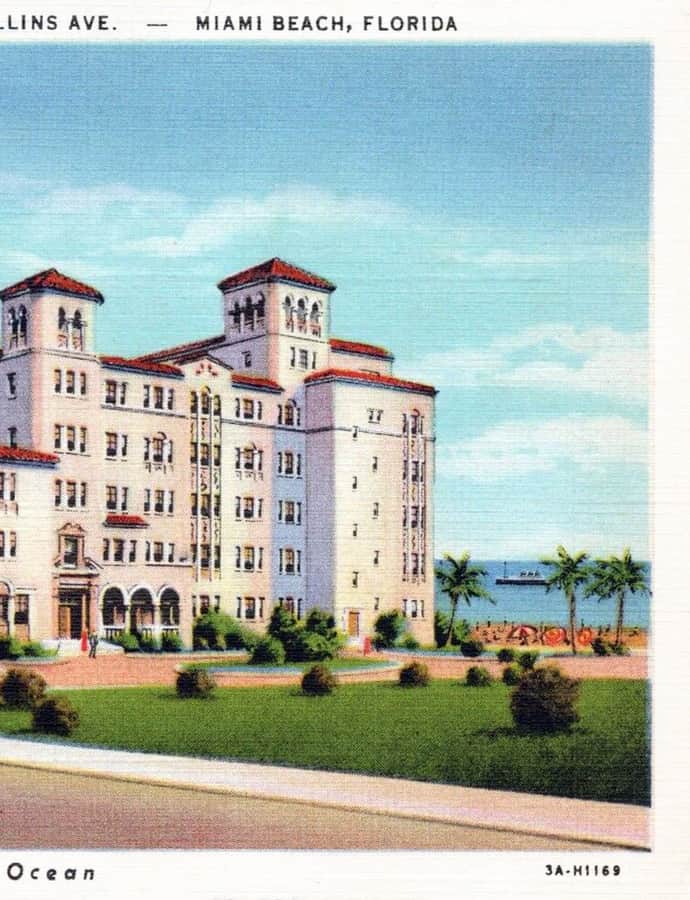
Biltmore Hotel

Schultze & Weaver · 1926

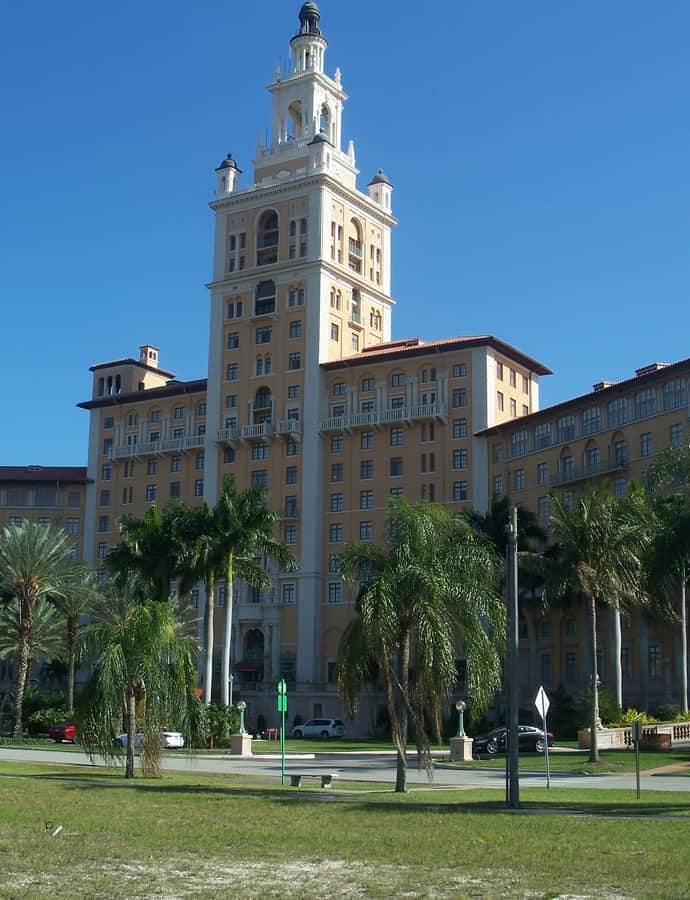
The Biltmore Hotel in Coral Gables was built in 1926 by developer George Merrick and Bowman-Biltmore Hotels president John McEntee Bowman, designed by the firm Schultze and Weaver as part of the national Biltmore chain. Its tower, modeled on the Giralda bell tower of Seville's cathedral, made the hotel Florida's tallest building at 315 feet until the Dade County Courthouse surpassed it in 1928. The hotel later served as a World War II hospital and a Veterans Administration hospital and University of Miami medical school campus until 1968, sitting abandoned before reopening as a hotel in 1987.

Photo: Ebyabe , CC BY-SA 3.0

Cadillac Hotel

Art Deco

Cadillac Hotel

Melvin Grossman · 1940

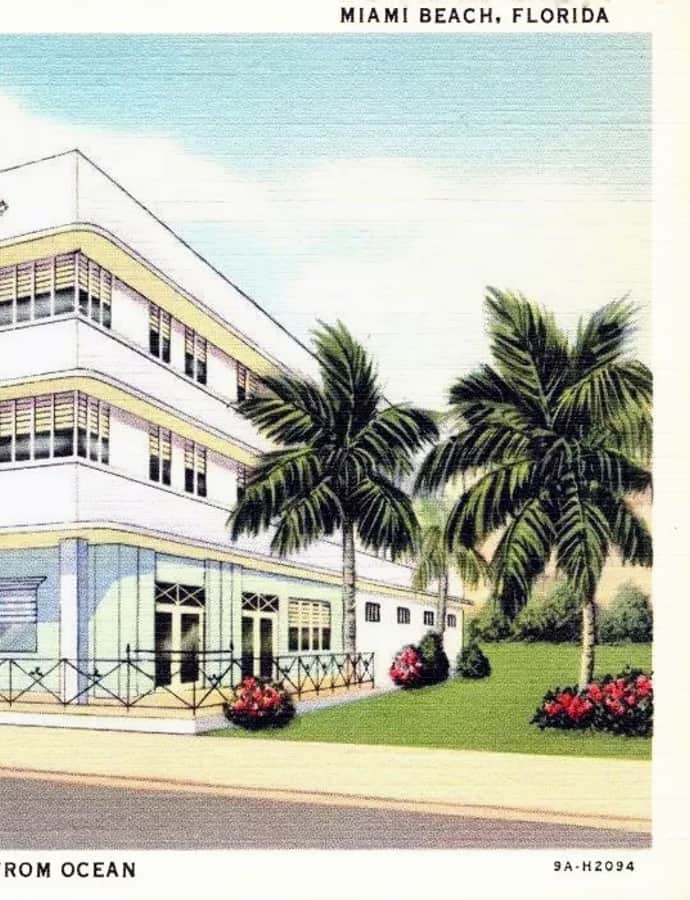
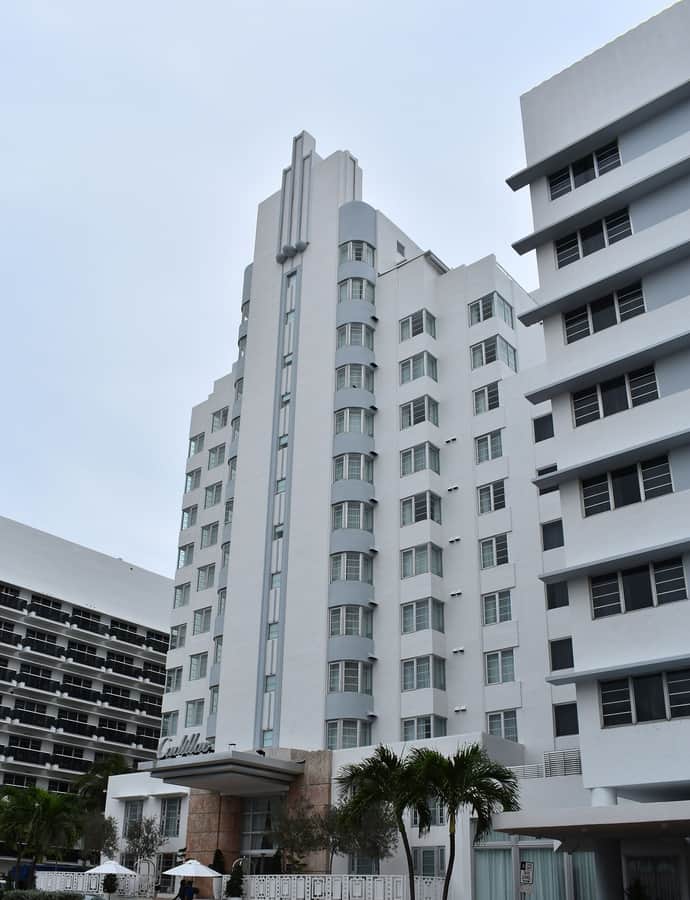
The Cadillac Hotel & Beach Club, at 3925 Collins Avenue in Mid-Beach, was designed by architect Roy France in 1940 and enlarged in 1956 with an addition by Melvin Grossman. Built of concrete block with a stucco finish over a wood-piling and concrete-slab foundation, it operated as a hotel continuously except for three years, 1942 to 1945, when the U.S. military leased the building during World War II.

Photo: Tamanoeconomico , CC BY-SA 4.0

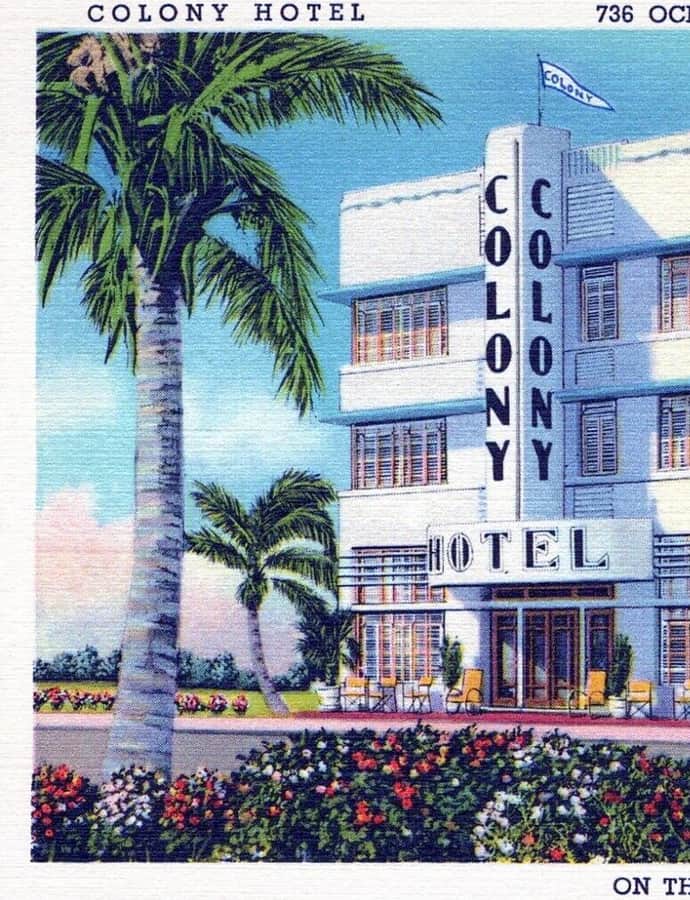
Colony Hotel

Art Deco

Colony Hotel

Henry Hohauser · 1935

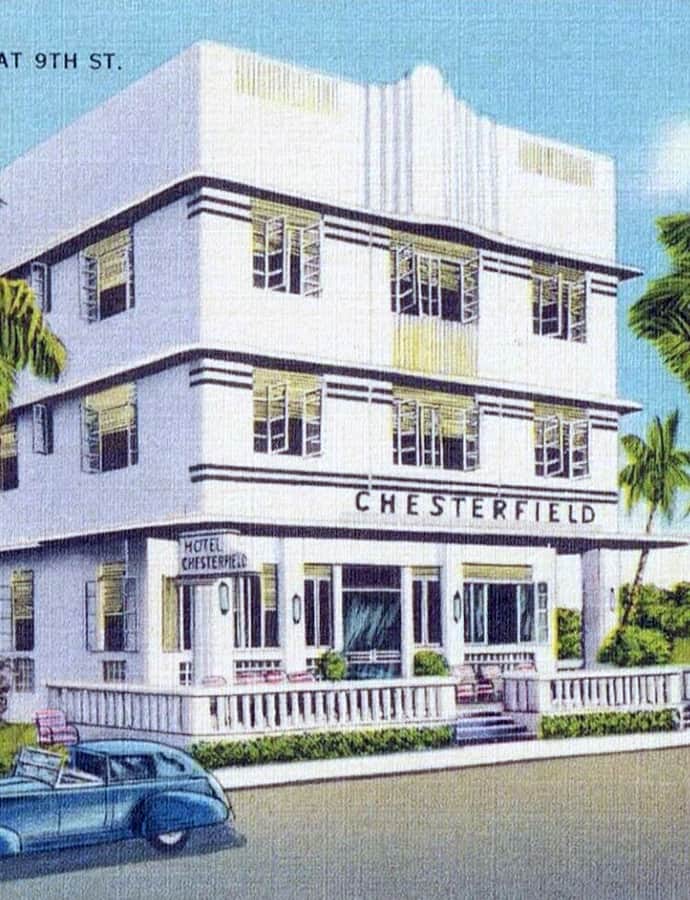
The Colony Hotel went up on Ocean Drive in 1935, designed by Henry Hohauser as part of the wave of Art Deco hotels that transformed Miami Beach in the 1930s. Its neon-lit facade has become the most photographed image in the entire deco district, an unofficial emblem of South Beach itself. The hotel is a contributing building to the Miami Beach Architectural District on the National Register of Historic Places.

Photo: Curt Teich & Co., Chicago , Public domain

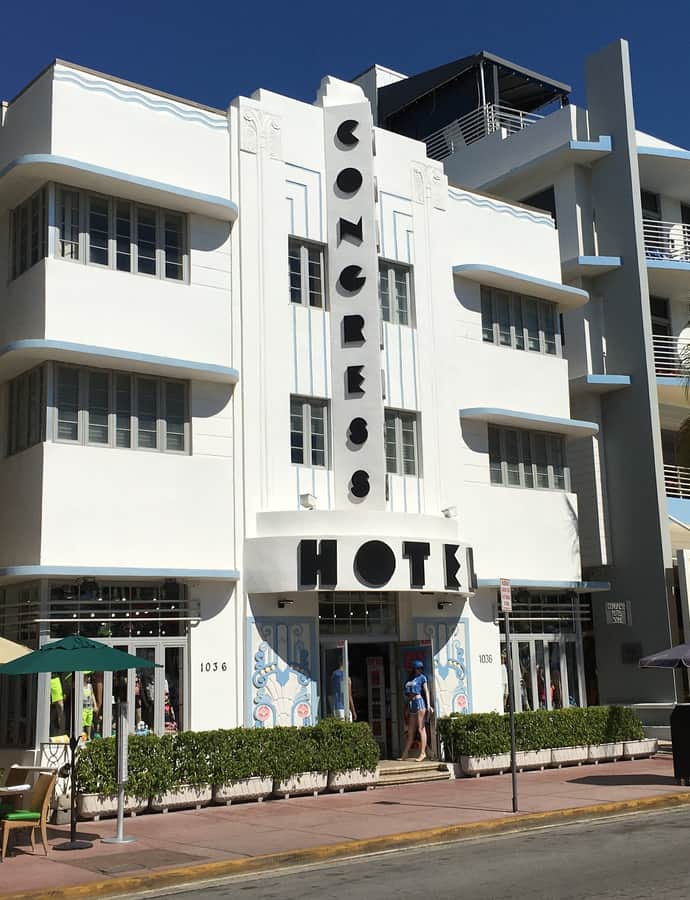
Congress Hotel

Art Deco

Congress Hotel

Henry Hohauser · 1936

The Congress Hotel is a 1936 Art Deco hotel in South Beach designed by Henry Hohauser, one of the era's most prolific Miami Beach Deco architects. It survives today as a contributing property within the National Register-listed Miami Beach Architectural District.

Photo: Phillip Pessar from Miami, USA , CC BY 2.0

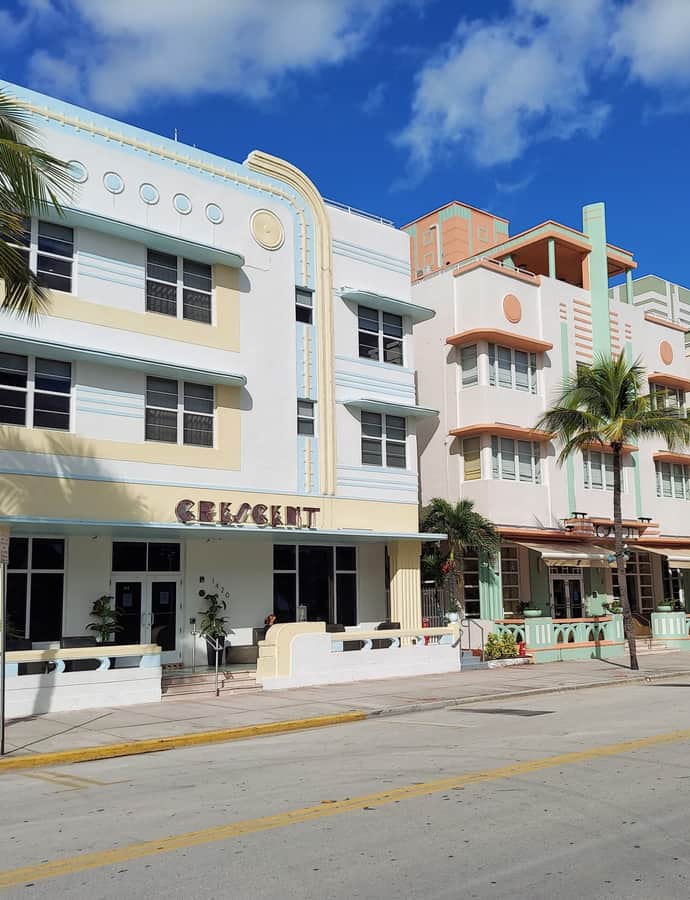
Crescent Hotel

Art Deco

Crescent Hotel

Henry Hohauser · 1938

The Crescent Hotel is a 1938 Art Deco hotel in South Beach designed by Henry Hohauser, whose facade remains a prominent presence on the street. It is a contributing property within the National Register-listed Miami Beach Architectural District.

Photo: P. Hughes , CC BY-SA 4.0

Neoclassical

David W. Dyer Federal Building and United States Courthouse

Phineas Paist · 1933

The David W. Dyer Federal Building and U.S. Courthouse rose in downtown Miami in 1933, commissioned after a 1926 hurricane devastated South Florida and Congress appropriated more than $2 million in 1928 for a new federal courthouse and post office. Built of limestone, it was the largest structure of its kind in South Florida, designed by Phineas Paist in a Neoclassical and Renaissance Revival idiom rooted in the Mediterranean Revival vocabulary Henry Flagler had brought to the state decades earlier. It was renamed in 1997 to honor David W. Dyer, longtime Chief Judge of the U.S. District Court for the Southern District of Florida.

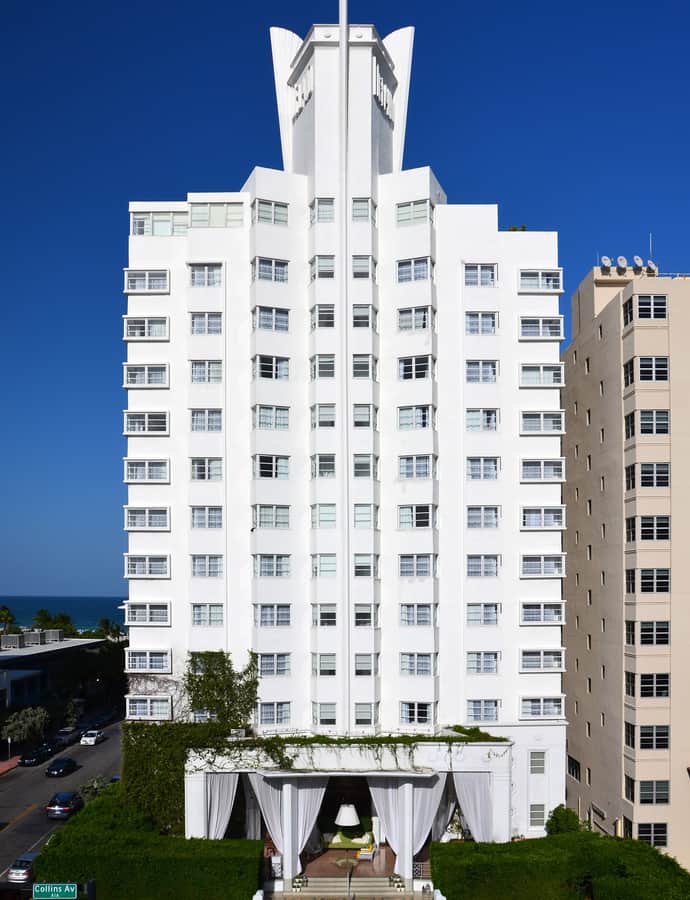
Delano Hotel

Art Deco

Delano Hotel

B. Robert Swartburg · 1947

The Delano opened on Miami Beach on December 15, 1948, built the previous year by Rob and Rose Schwartz and designed by architect B. Robert Swartburg. At 14 stories plus a 35-foot tower, it was one of the tallest and earliest of the postwar Miami Modern (MiMo) hotels on the beach, its whimsical Art Deco styling later drawing a celebrity clientele. The building is named for President Franklin Delano Roosevelt.

Photo: Gzzz , CC BY-SA 4.0

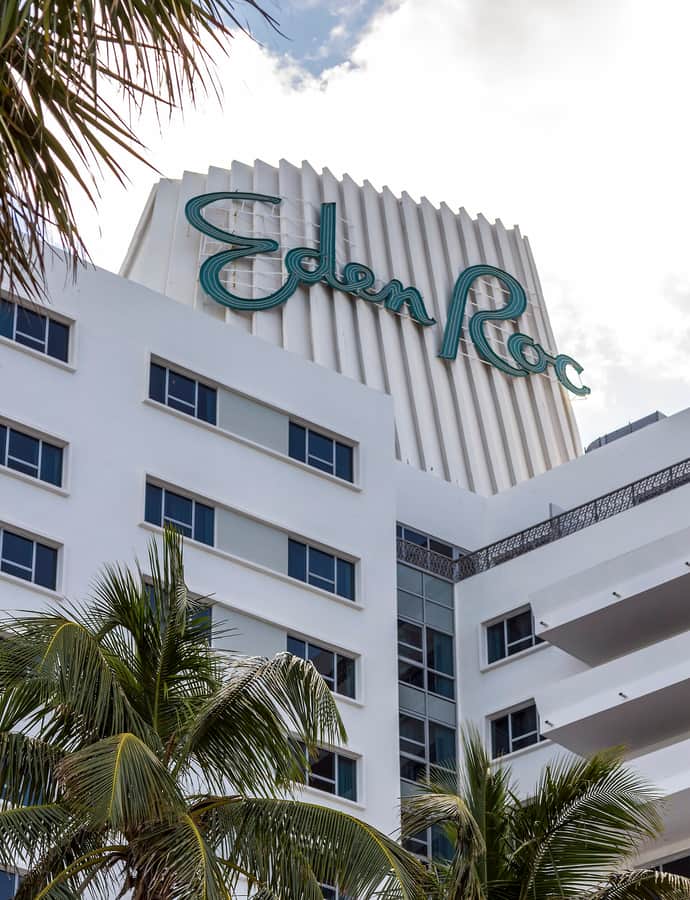
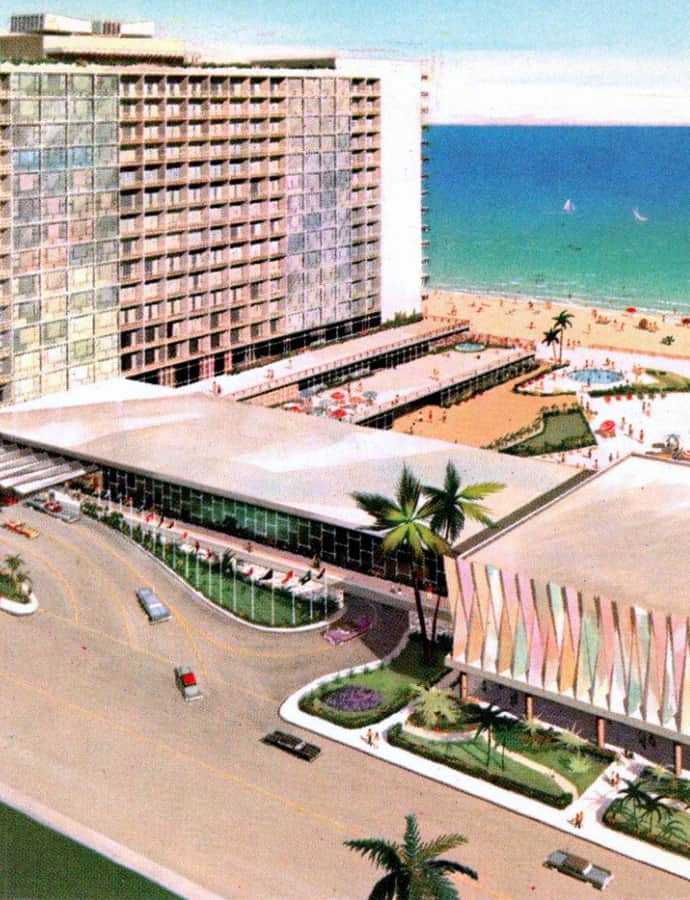
Eden Roc Miami Beach

Mid-Century Modern

Eden Roc Miami Beach

Morris Lapidus · 1956

The Eden Roc, at 4525 Collins Avenue in Miami Beach, was completed in 1955-56 as Morris Lapidus's answer to his own Fontainebleau next door, built for hotelier Harry Mufson, the estranged former partner of Fontainebleau owner Ben Novack. Mufson gave Lapidus one instruction: 'I don't want any of the French stuff you used at the Fontainebleau. That's for kids' — and the resulting hotel, built on the former Warner Estate once owned by Albert Warner of Warner Brothers, deliberately broke from its neighbor's look. Renovated in 2008, the 621-room hotel now also operates as the Nobu Hotel Miami Beach.

Photo: Acroterion , CC BY-SA 4.0

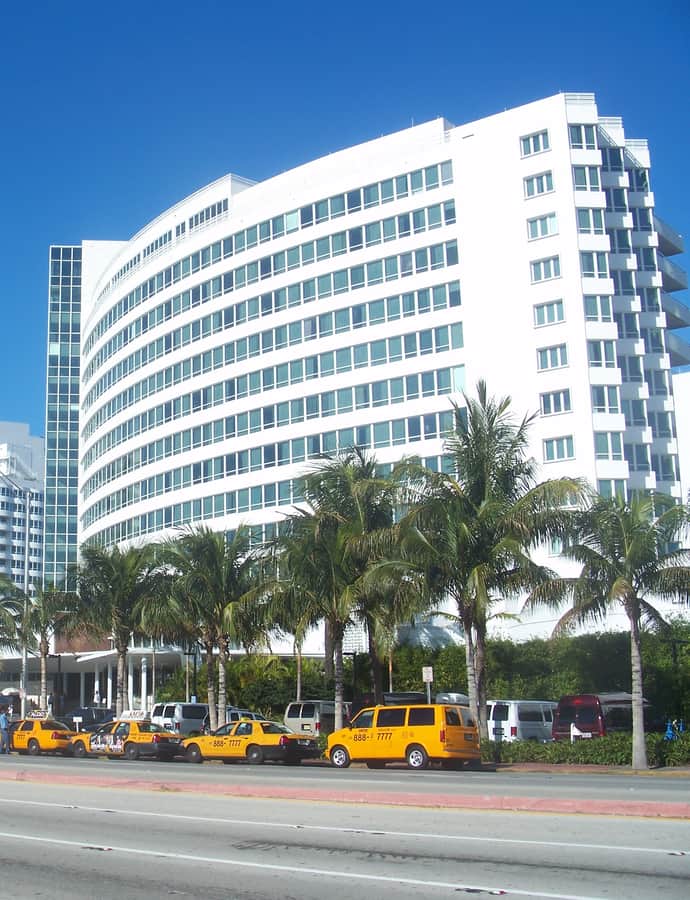
Fontainebleau Miami Beach

International Style

Fontainebleau Miami Beach

Morris Lapidus · 1954

The Fontainebleau Miami Beach is a luxury hotel on Collins Avenue that opened in 1954, built by hotelier Ben Novack on the grounds of the former Harvey Firestone estate and designed by Morris Lapidus, who ran the hotel until its 1977 bankruptcy. The building's reputation has only grown since: the American Institute of Architects ranked it 93rd on its 2007 list of America's Favorite Architecture, and in 2012 the AIA's Florida Chapter named it the single best building in the state's first hundred years. It is listed on the National Register of Historic Places and is today owned by the Soffer family's Fontainebleau Resorts.

Photo: Ebyabe , CC BY-SA 3.0

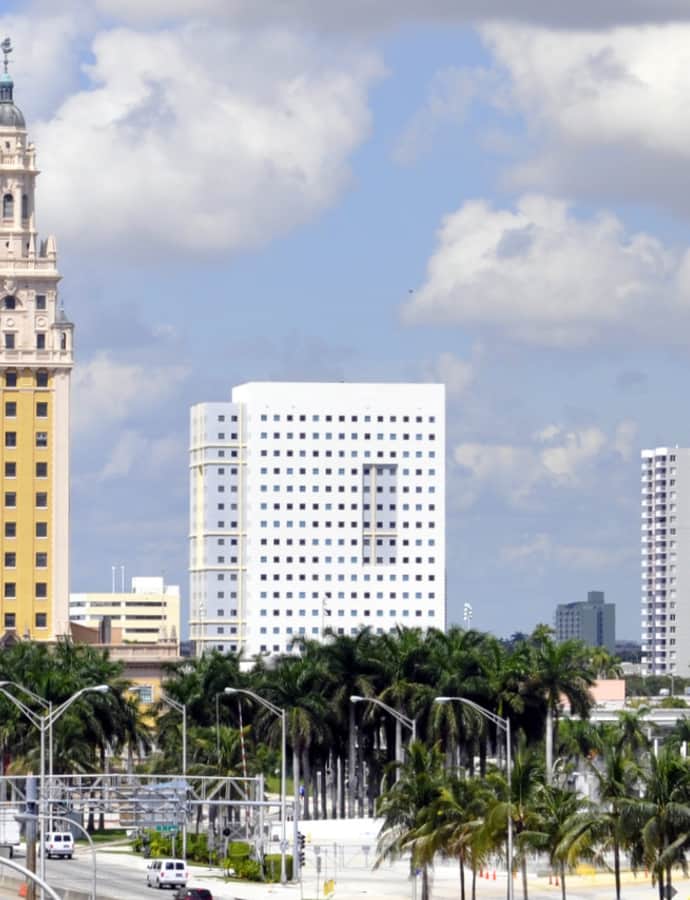
Freedom Tower

Spanish Colonial Revival

Freedom Tower

1925

Freedom Tower rose in 1925 at 600 Biscayne Boulevard as the headquarters and printing plant of the newspaper the Miami News, designed by Schultze and Weaver in the Mediterranean Revival style. In the 1960s the building became a processing center for Cuban refugees fleeing the 1959 revolution, work that later earned it the name Freedom Tower and, in Spanish, Torre de la Libertad. It now serves as a contemporary art museum and arts office for Miami Dade College, whose Wolfson Campus surrounds it.

Photo: Tom Schaefer, aka Miamitom at en.wikipedia , CC BY 3.0

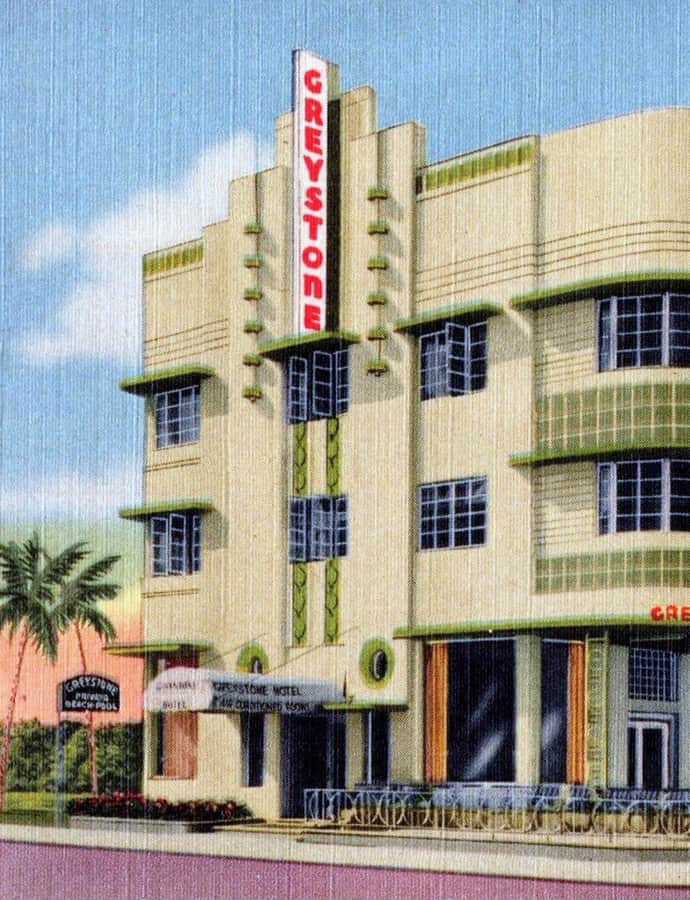
Greystone Hotel

Art Deco

Greystone Hotel

Henry Hohauser · 1939

The Greystone Hotel rose on Miami Beach's Collins Avenue in 1939, designed by Henry Hohauser — the architect the state of Florida later named a 'Great Floridian' in 1993 for his contribution to the region's Art Deco architecture. Sited on the corner of 19th Street, it's one of the district's most noticeable buildings, listed on the National Register of Historic Places in 1979 as a contributing structure in the Miami Beach Architectural District.

Photo: Curt Teich & Co., Chicago (publisher) , Public domain

Ingraham Building

Renaissance Revival

Ingraham Building

Schultze & Weaver · 1927

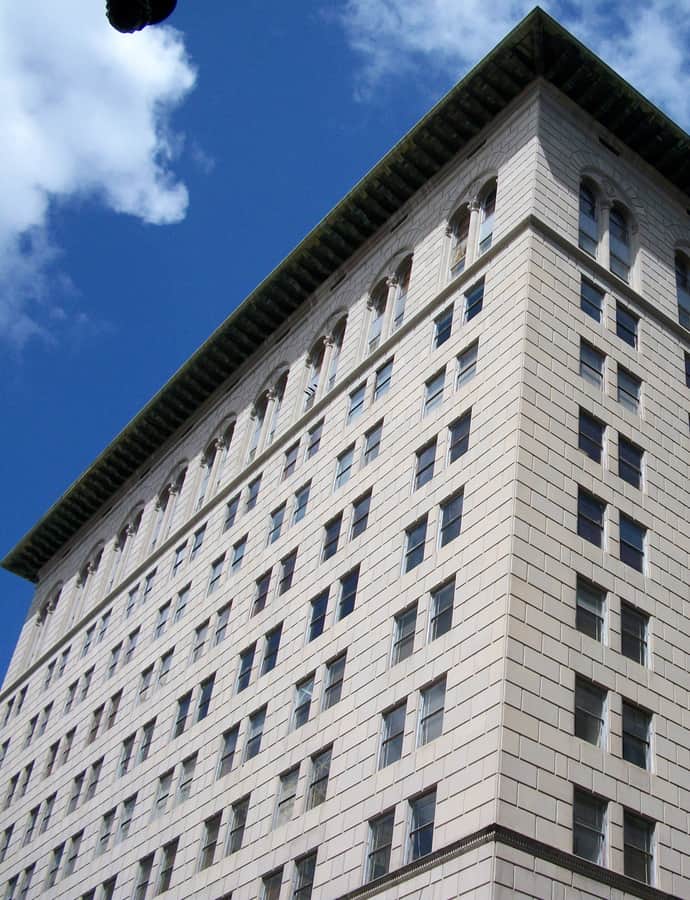
The Ingraham Building rose in downtown Miami in 1927, designed by Schultze & Weaver in the Renaissance Revival style favored for the city's grandest interwar office buildings. It stands at 25 Southeast 2nd Avenue and was added to the National Register of Historic Places on January 4, 1989.

Photo: SebasTorrente , CC BY-SA 3.0

Meyer-Kiser Building

Neoclassical

Meyer-Kiser Building

Martin L. Hampton

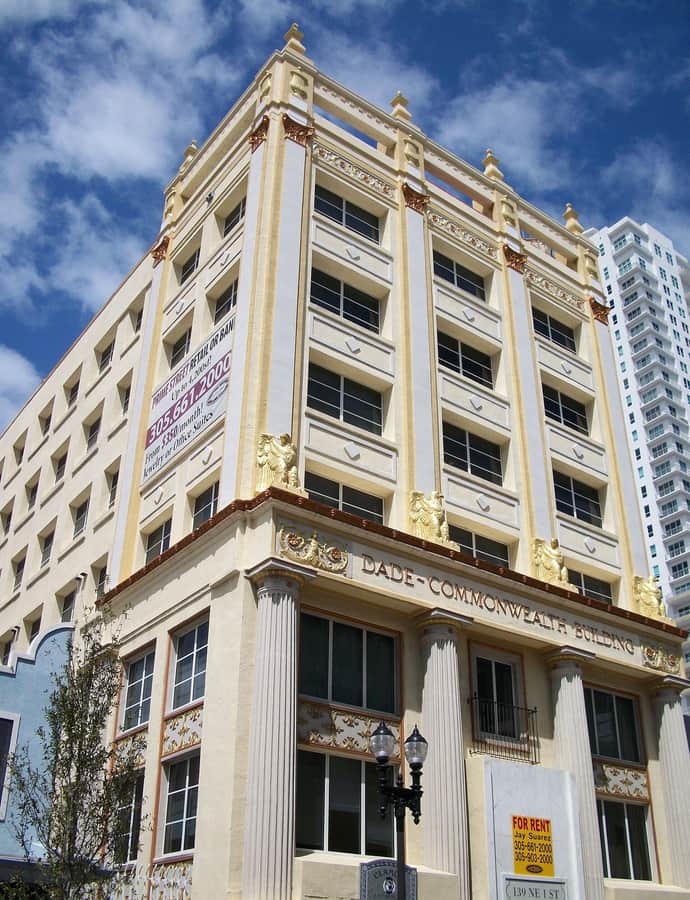
The Meyer-Kiser Building, also known as the Dade Commonwealth Building, went up in 1925 at 139 NE 1st Street, the same year construction began on the Dade County Courthouse and the year the Freedom Tower was completed. Designed by Martin L. Hampton in a Neoclassical, Chicago School idiom, it was once one of the tallest buildings in Miami and Dade County.

Photo: SebasTorrente , CC BY-SA 3.0

Miami High School

Spanish Colonial Revival

Miami High School

Kiehnel and Elliott · 1903

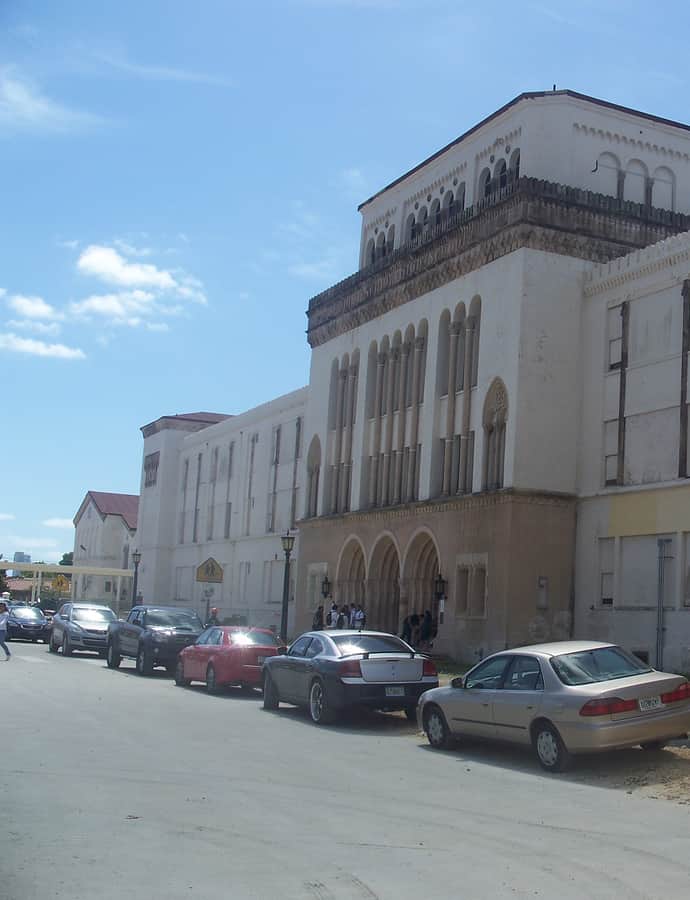
Miami Senior High School, at 2450 SW 1st Street in Little Havana, was founded in 1903 as the first high school in what is now Miami-Dade County, opening its permanent doors on September 18, 1905, to a class of 29 girls and 20 boys. The Mediterranean Revival building recognized today was designed by the Miami firm Kiehnel and Elliott and is listed on the National Register of Historic Places, a rare case of a working public school earning landmark status. Generations of the city's founding families passed through it, and by the late 1960s enrollment had swelled along with Miami's population.

Photo: Ebyabe , CC BY-SA 3.0

Brutalism

Miami Marine Stadium

Hilario Candela

Miami Marine Stadium was completed in 1963 on Virginia Key, on land the Matheson family donated to the City of Miami, as the first stadium in the United States purpose-built for powerboat racing. Architect Hilario Candela was just 28, a recent immigrant from Cuba, when he designed its 6,566-seat cantilevered grandstand, built by the Millman Construction Company for about $2 million. Declared unsafe after Hurricane Andrew, the stadium was abandoned in 1992 and has sat empty on the bay ever since.

Miami-Dade County Courthouse

Neoclassical

Miami-Dade County Courthouse

A. Ten Eyck Brown

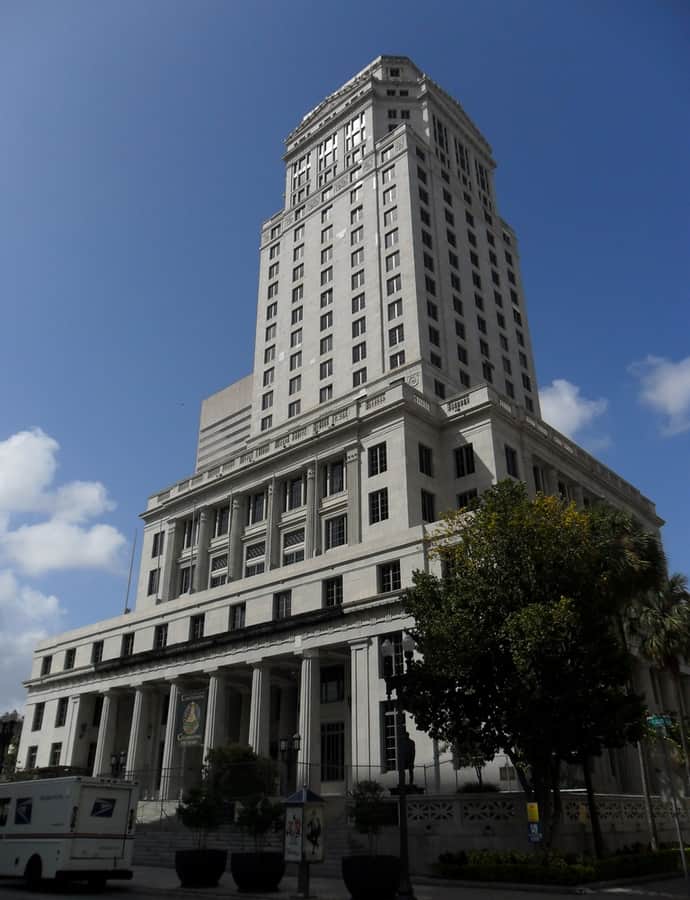
The Miami-Dade County Courthouse, formerly the Dade County Courthouse, rose at 73 West Flagler Street between 1925 and 1928, designed by A. Ten Eyck Brown in the Neoclassical style. At 361 feet and 28 floors, it was the tallest building in Miami, the tallest in Florida, and the tallest south of the Mason-Dixon line when it opened, a monument to the city's 1920s land-boom ambitions.

Photo: Daniel Christensen , CC BY-SA 3.0

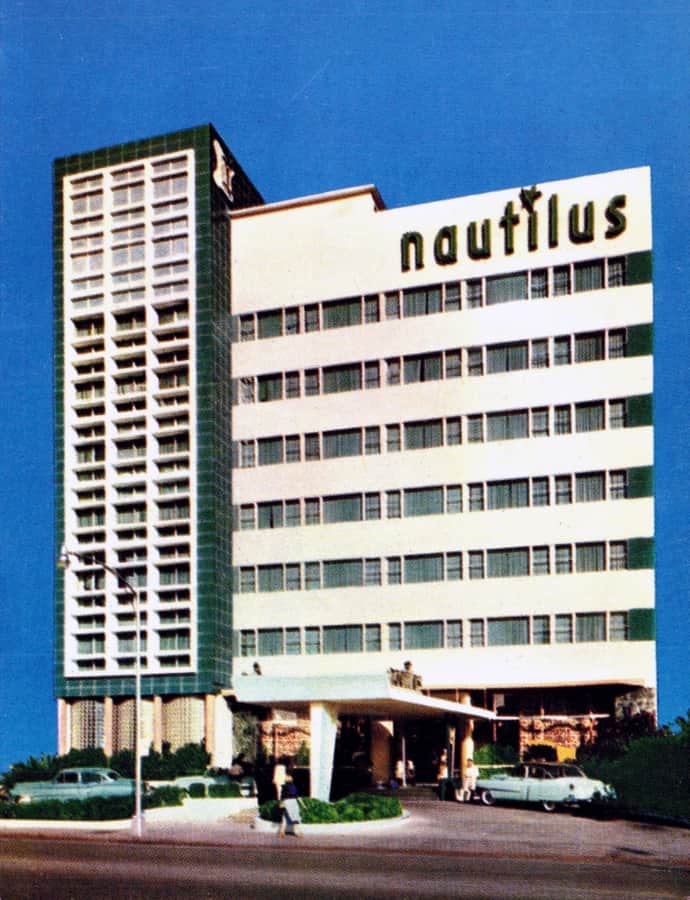
Nautilus Hotel

Mid-Century Modern

Nautilus Hotel

Morris Lapidus · 1951

The Nautilus Hotel went up in South Beach in 1951, one of Morris Lapidus's early Miami Beach commissions from before the Fontainebleau made him internationally famous. Lapidus was already a major figure in postwar resort architecture, and the Nautilus shows his sculptural, curving forms taking shape on a smaller scale.

Photo: H. & W. B. Drew Co. , Public domain

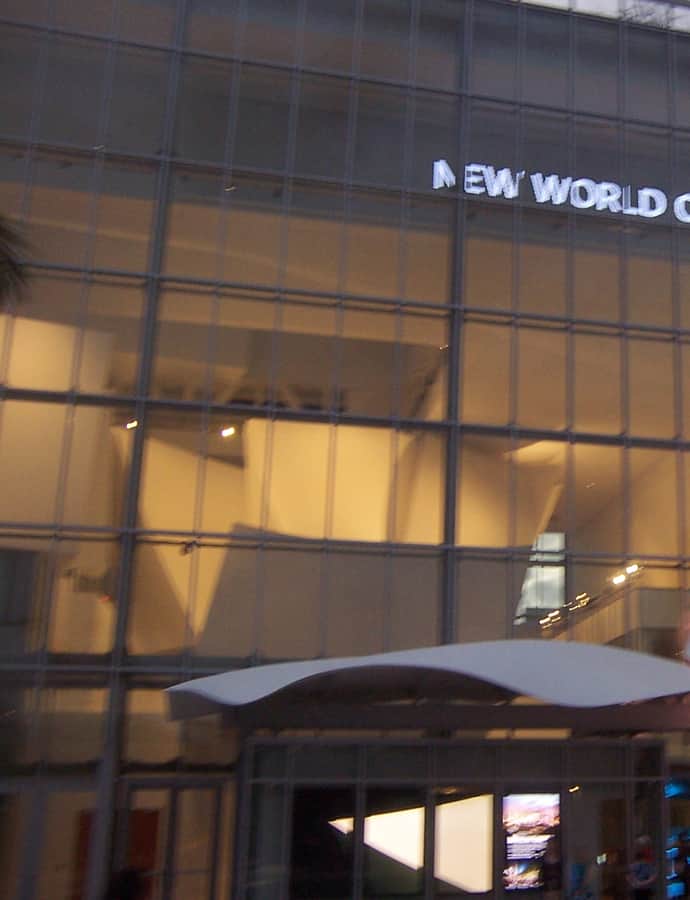
New World Center

Postmodernism

New World Center

Frank Gehry · 2011

The New World Center opened in January 2011 in South Beach as the home of the New World Symphony, a 756-seat concert hall designed by Frank Gehry one block north of Lincoln Road. Alongside it sits a 2.5-acre public park designed by the firm West 8, after Gehry himself relinquished that part of the job when the park's budget was cut. Together the hall and park turned a conventional concert-hall commission into a public gathering place built around live performance broadcast outward onto the street.

Photo: Jonathan Schilling , CC BY-SA 3.0
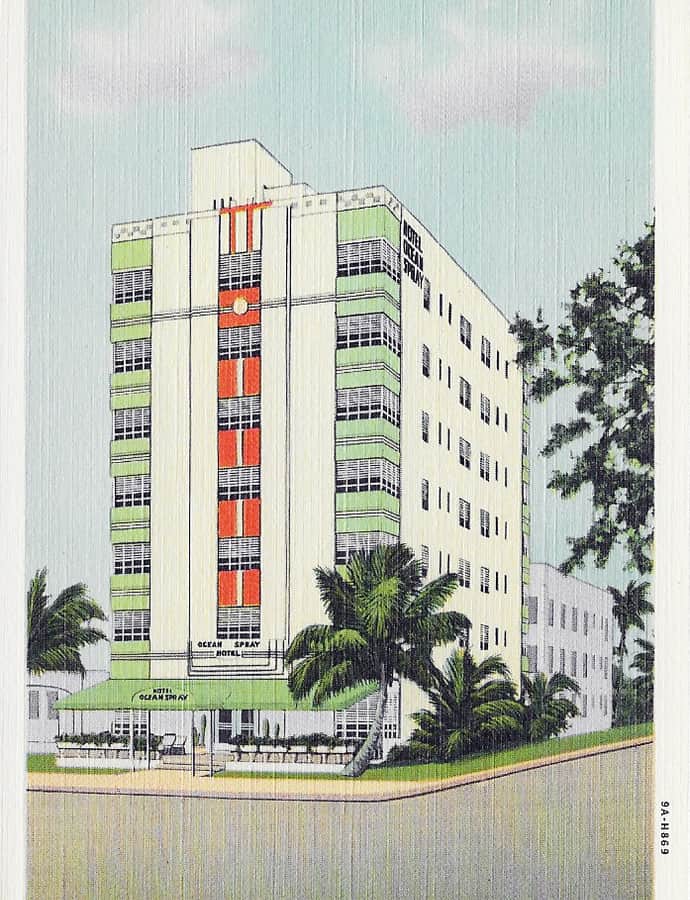
Ocean Spray Hotel

Streamline Moderne

Ocean Spray Hotel

Martin L. Hampton · 1936

The Ocean Spray Hotel, also known as the Carol Arms Hotel, went up at 4130 Collins Avenue in Mid-Beach in 1936, designed by M. L. Hampton Associates and built by Belsham & Hampton. It's a Streamline Moderne example of Art Deco architecture that stands notably outside the boundaries of Miami Beach's official Art Deco District, and it was added to the National Register of Historic Places on June 2, 2004.

Photo: Curt Teich & Co., Chicago (publisher) , Public domain

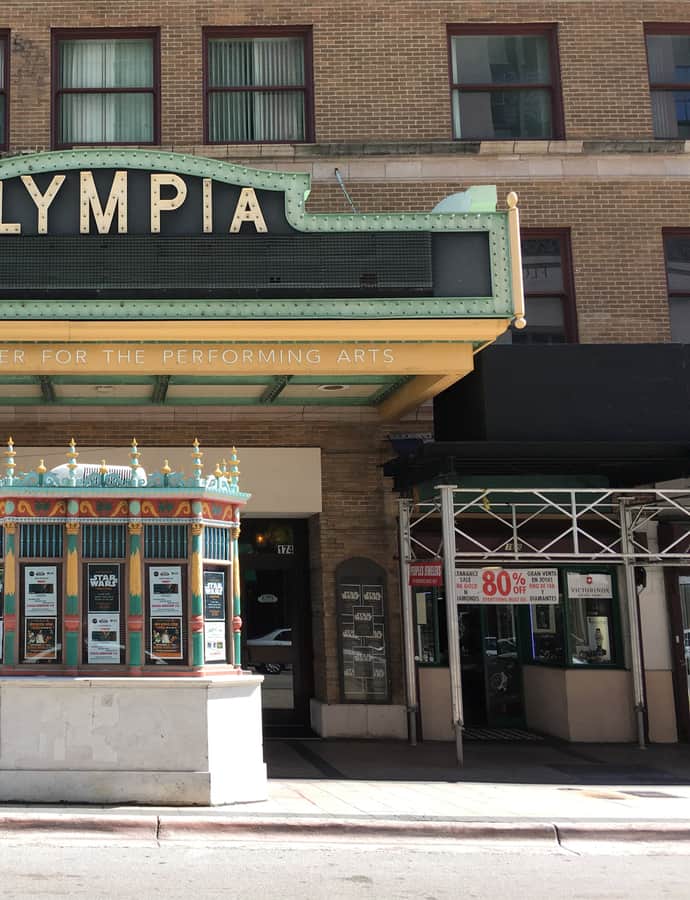
Olympia Theater

Spanish Colonial Revival

Olympia Theater

John Eberson · 1926

The Olympia Theater opened in downtown Miami in January 1926, designed by John Eberson in his celebrated atmospheric style for Paramount Enterprises, which had considered Fort Lauderdale, Tampa, and Sarasota before choosing Miami. Built on the site of a former open-air theater called the Airdome, it was designed to replicate a Spanish garden and has operated over the decades as a movie theater, concert venue, and performing arts center. It is one of only four atmospheric theaters still standing in Florida.

Photo: Phillip Pessar , CC BY 2.0

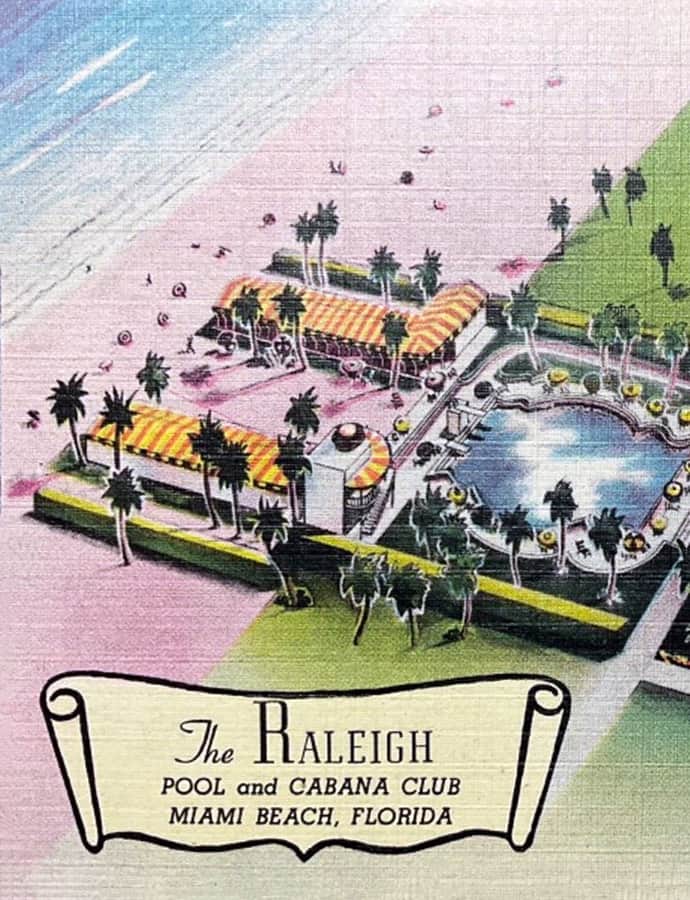
Raleigh Hotel

Streamline Moderne

Raleigh Hotel

Lawrence Murray Dixon · 1940

The Raleigh Hotel opened in 1940 at 1775 Collins Avenue, designed by Lawrence Murray Dixon in the Streamline Moderne mode of Miami Beach's Art Deco district. It cost $225,000 to build and changed hands quickly — a half interest sold for $90,000 in 1941, then the whole hotel for $1 million to a group of Boston investors in 1946 — before its 1979 listing on the National Register of Historic Places. Today it's best known for its star-shaped pool.

Photo: Colourpicture Publishers, Inc., Boston (publisher) , Public domain

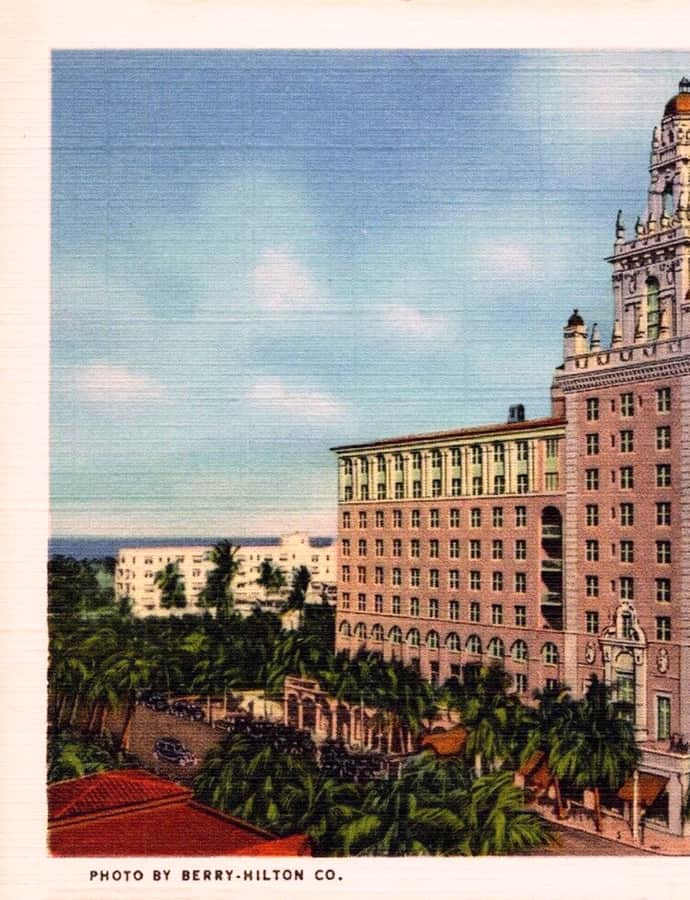
Roney Plaza Hotel

Mediterranean Vernacular

Roney Plaza Hotel

Schultze & Weaver · 1926

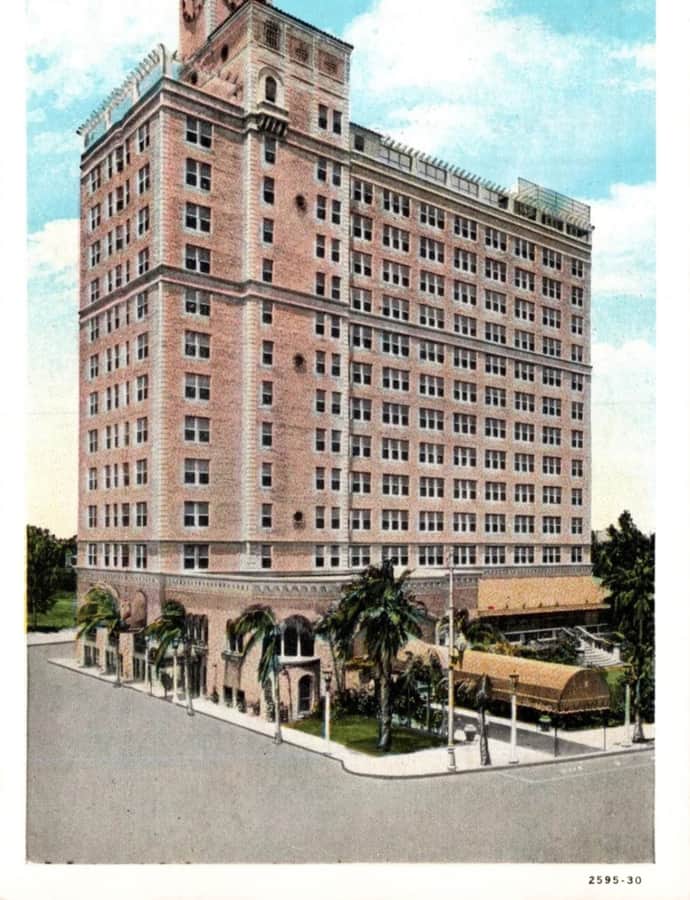
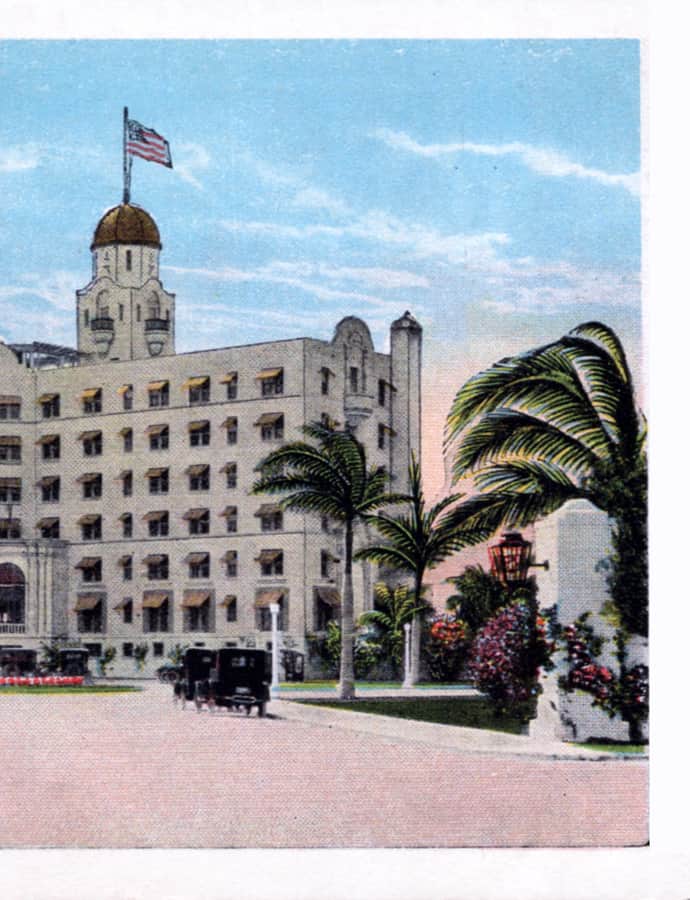
The Roney Plaza Hotel was a grand Mediterranean Revival resort built in 1926 on Miami Beach, designed by the New York firm Schultze & Weaver — the same architects behind the Waldorf Astoria and the Sherry-Netherland. It stood as one of the defining resort landmarks of Miami Beach's 1920s boom years, when the city was being built almost overnight as an American answer to the Riviera.

Photo: Berry-Hilton Co. , Public domain

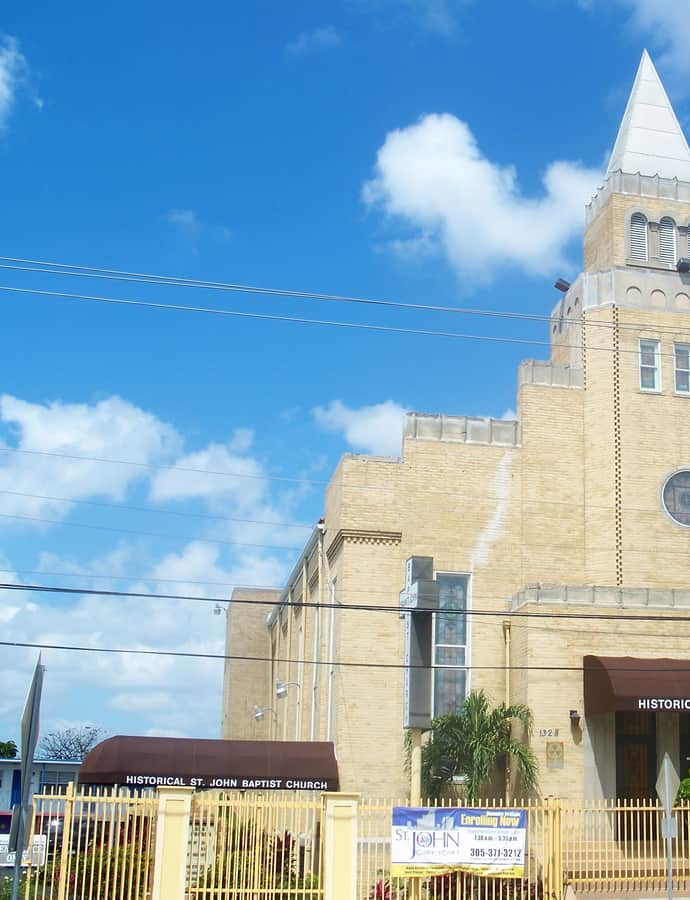
St. John's Baptist Church

Streamline Moderne

St. John's Baptist Church

McKissack & McKissack

St. John's Baptist Church, at 1328 NW 3rd Avenue in downtown Miami, traces its congregation back to June 17, 1906, when a small group calling itself Second Baptist Church first gathered for worship at NW 2nd Avenue and 11th Terrace. The Moderne building recognized today was designed by McKissack & McKissack, one of the country's most historically significant African American-owned architecture firms, and the church was added to the National Register of Historic Places on April 17, 1992.

Photo: Ebyabe , CC BY-SA 3.0
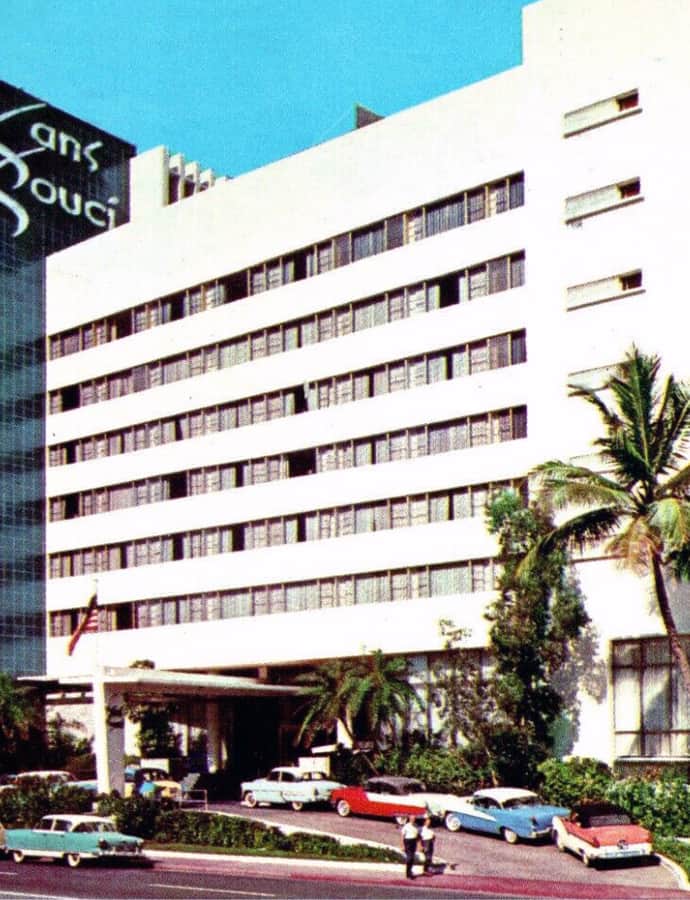
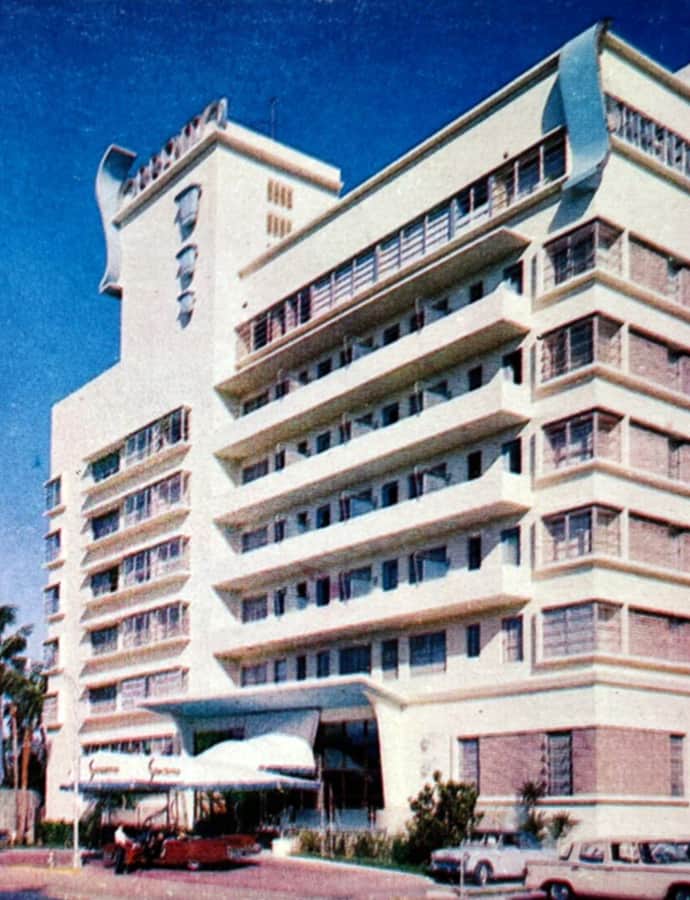
The Sans Souci Hotel

Mid-Century Modern

The Sans Souci Hotel

Morris Lapidus · 1949

The Sans Souci Hotel opened in Mid-Beach in 1949, one of Morris Lapidus's early Miami Beach hotel commissions and among the buildings that helped define what would become known as Miami Modern architecture. Lapidus was still years from designing the Fontainebleau when he took this job, and the Sans Souci is where the MiMo vocabulary he later made famous first started to take shape.

Photo: Curt Teich & Co., Chicago (publisher) , Public domain

Traymore Hotel

Art Deco

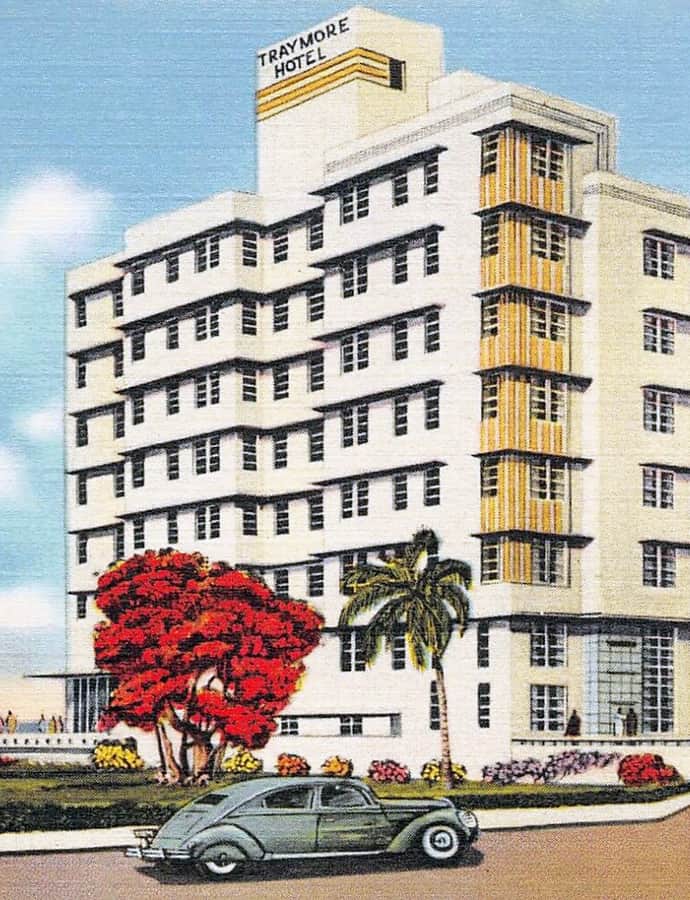
Traymore Hotel

Albert Anis · 1939

The Traymore Hotel is a 1939 Art Deco hotel in Mid-Beach designed by Albert Anis, one of Miami Beach's notable Art Deco architects. It stands today as a contributing property within the National Register-listed Miami Beach Architectural District.

Photo: Colourpicture Publishers, Inc., Boston (publisher) , Public domain

Venetian Pool

Spanish Colonial Revival

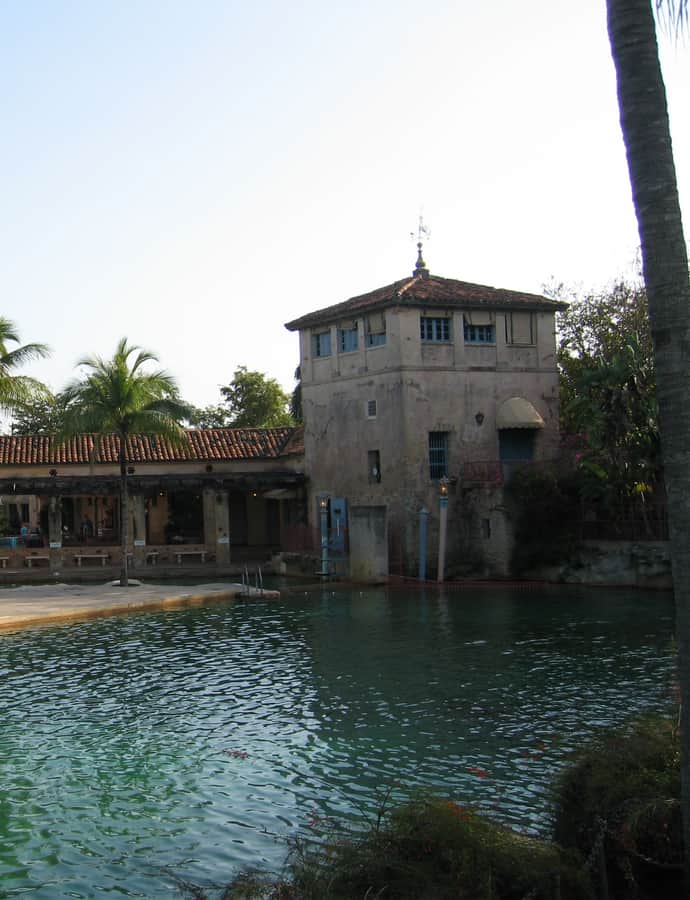
Venetian Pool

Phineas Paist · 1924

Venetian Pool opened in 1924 as the Venetian Casino, carved out of a four-acre coral rock quarry that had been abandoned just three years earlier. George Merrick, developing Coral Gables in a Mediterranean Revival style built on local limestone, hired Phineas Paist to reconfigure the leftover pit and artist Denman Fink to design it, turning an industrial scar into an ornamental public swimming pool named for the Italian city. It is now listed on the National Register of Historic Places.

Photo: Jesper Rautell Balle , CC BY 3.0

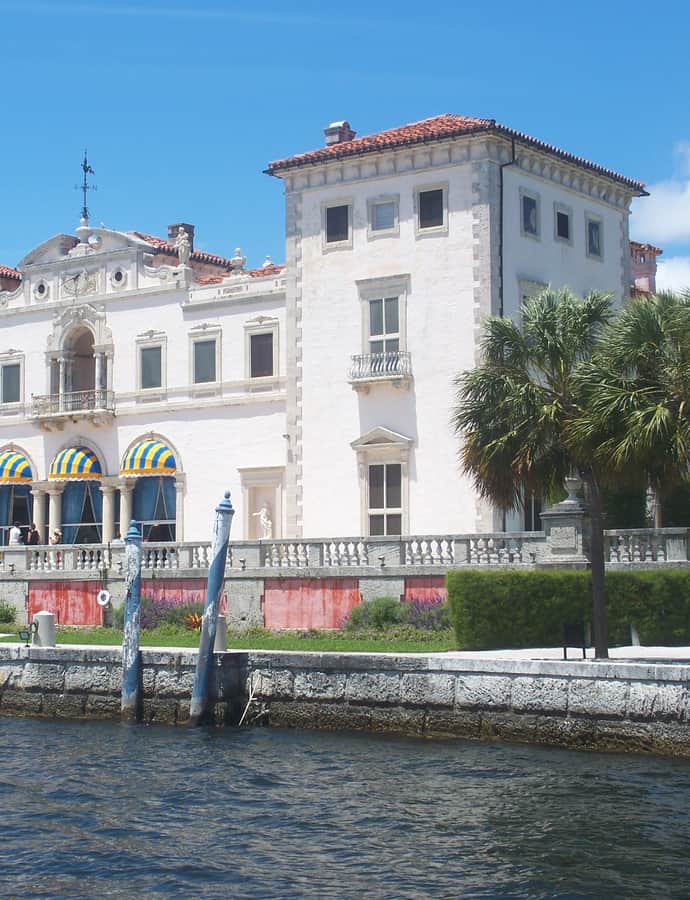
Vizcaya Museum and Gardens

Renaissance Revival

Vizcaya Museum and Gardens

F. Burrall Hoffman · 1914

Vizcaya, on Biscayne Bay in Coconut Grove, was built starting in 1914 as the winter estate of businessman James Deering of the Deering McCormick-International Harvester fortune. Architect F. Burrall Hoffman designed the villa in a Mediterranean Revival style shaped by Veneto and Tuscan Renaissance models and touched with Baroque detail, working alongside design director Paul Chalfin and landscape architect Diego Suarez. Miami-Dade County now owns the estate as the Vizcaya Museum and Gardens, open to the public and reachable by its own Metrorail station.

Photo: Ebyabe , CC BY-SA 3.0
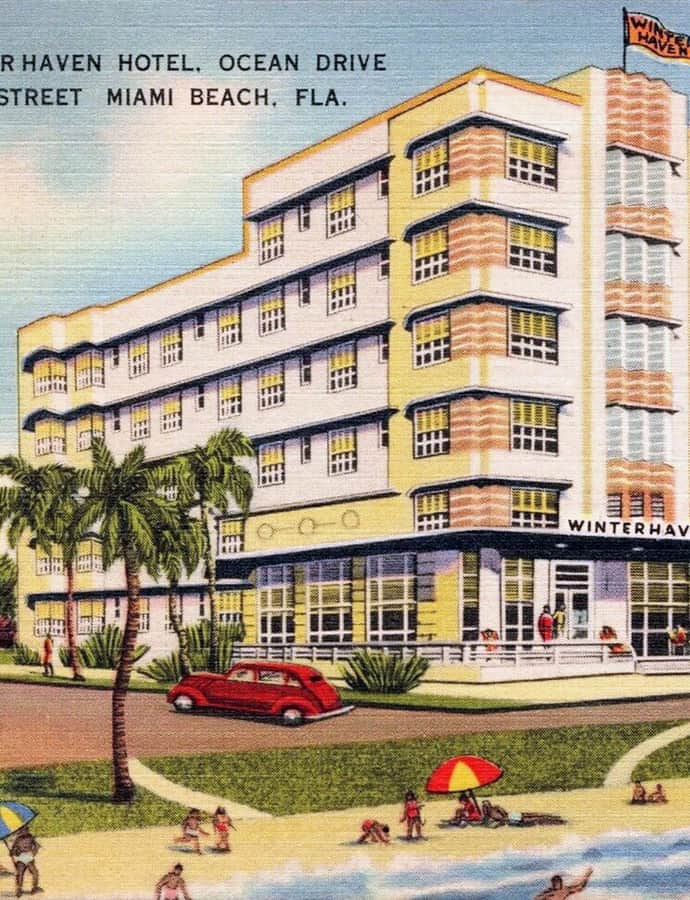
Winter Haven Hotel

Art Deco

Winter Haven Hotel

Albert Anis · 1939

The Winter Haven Hotel is a 1939 Art Deco hotel in South Beach designed by Albert Anis, whose Deco facade remains visible from the sidewalk today. It is a contributing property within the National Register-listed Miami Beach Architectural District.

Photo: Colourpicture Publishers, Inc., Boston (publisher) , Public domain

Notable buildings

Worth a stop when you're nearby.

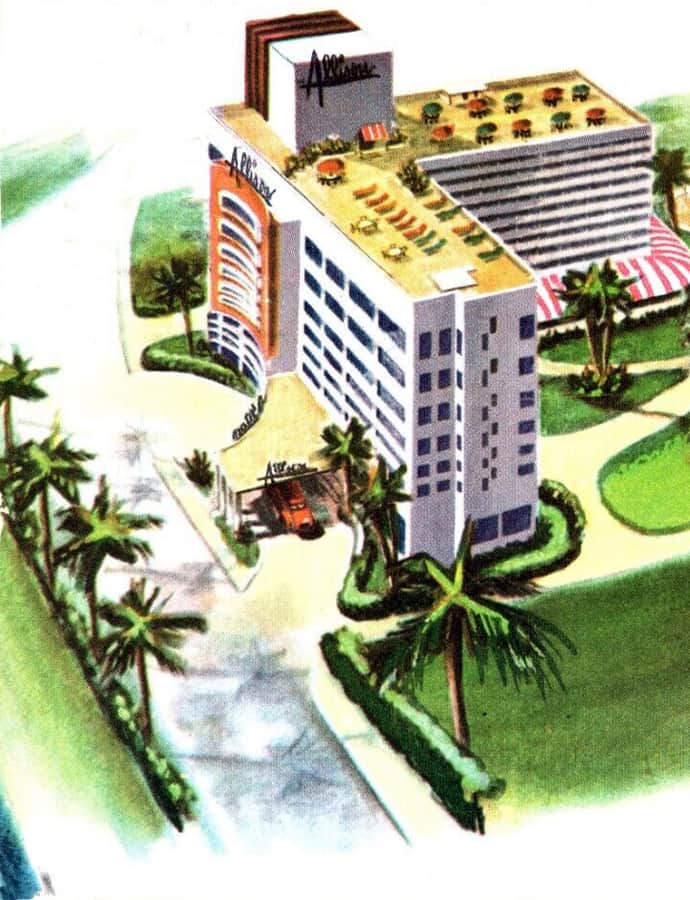
Allison Hotel

Mid-Century Modern

Allison Hotel

A. Herbert Mathes · 1951

The Allison Hotel is a 1951 hotel in Miami Beach's Mid-Beach, designed by A. Herbert Mathes in the postwar Miami Modern (MiMo) style that defined the neighborhood's hotel-building boom.

Photo: Unknown author , Public domain

Mid-Century Modern

Barcelona Hotel

Melvin Grossman · 1957

The Barcelona Hotel was built in 1957 in Mid-Beach, designed by Melvin Grossman in the Miami Modern style that defined the neighborhood's postwar hotel boom.

Carillon Hotel

Mid-Century Modern

Carillon Hotel

Norman M. Giller · 1958

The Carillon Hotel went up in 1958 on Miami Beach's Mid-Beach corridor, designed by Norman M. Giller, one of the busiest architects of the postwar Miami Modern boom. It's a straightforward example of the MiMo formula that turned this stretch of Collins Avenue into a strip of jet-age resort hotels through the 1950s.

Photo: Russ Smiley Studio , Public domain

Casa Casuarina Apartments

Mediterranean Vernacular

Casa Casuarina Apartments

Henry LaPointe · 1930

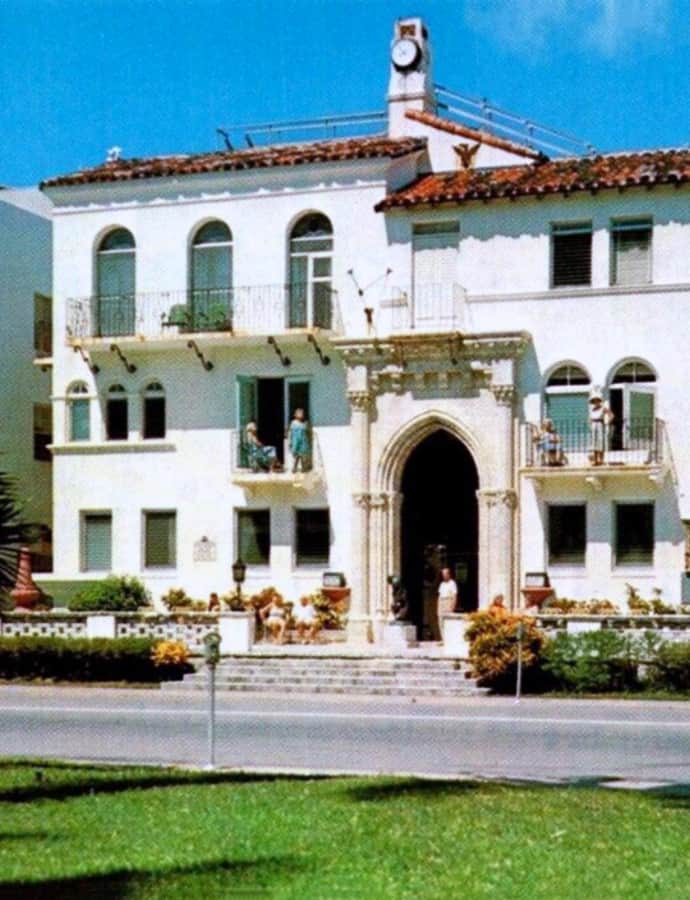
Casa Casuarina, at 1116 Ocean Drive in South Beach, was built in 1930 in the Mediterranean Revival style for Alden Freeman, a philanthropist bachelor and heir to a Standard Oil fortune, with Henry LaPointe as architect. It later became the home of fashion designer Gianni Versace, who owned it from 1992 until his murder there in 1997, and since 2015 has operated as The Villa Casa Casuarina, a luxury boutique hotel.

Photo: Valence Color Publishers (publisher) , Public domain

Century Hotel

Art Deco

Century Hotel

Henry Hohauser · 1939

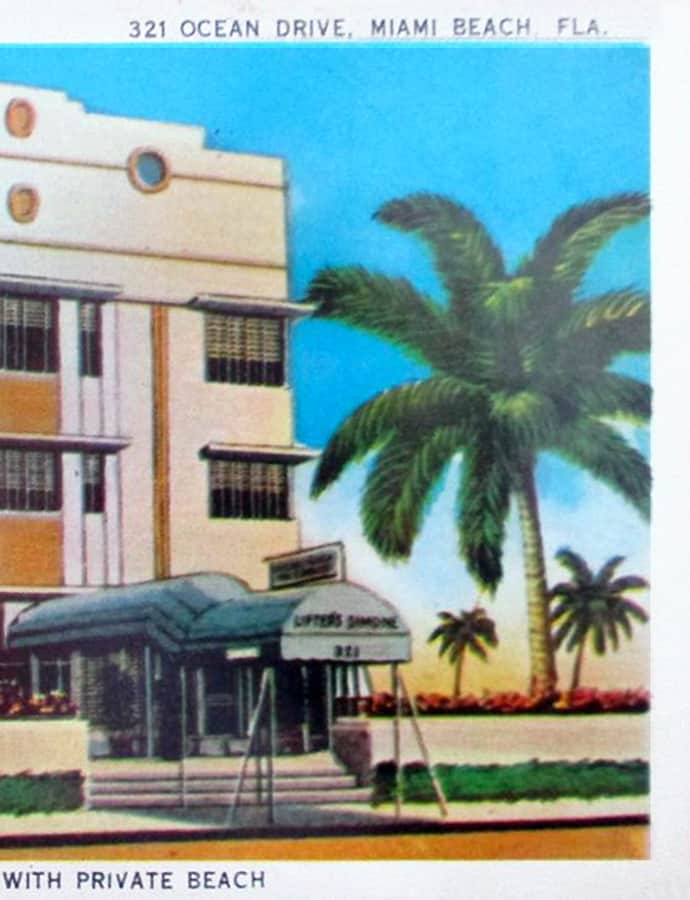
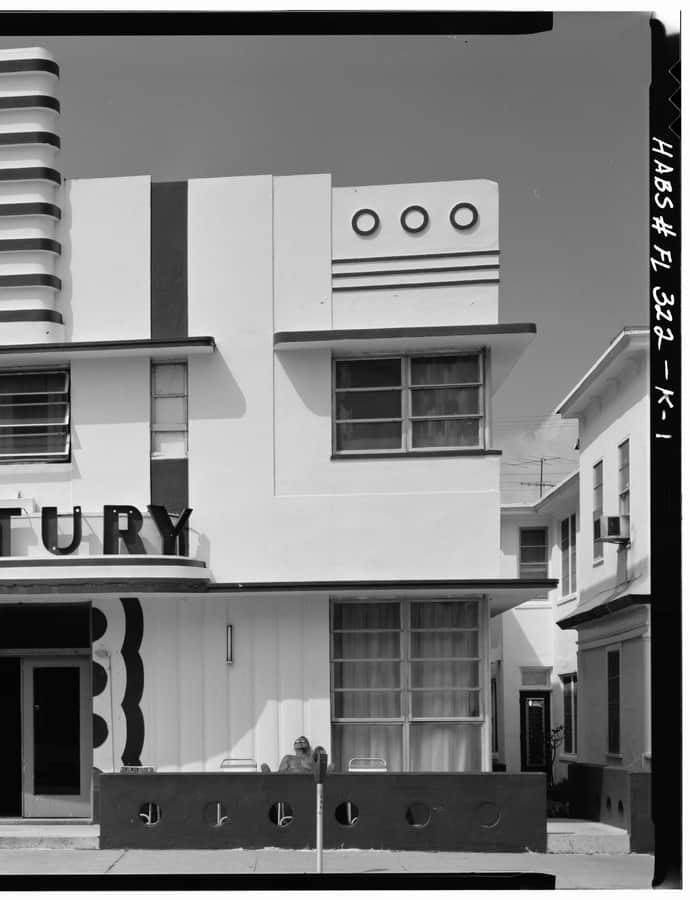
The Century Hotel is a 1939 Art Deco hotel in South Beach designed by Henry Hohauser, one of Miami Beach's leading Art Deco architects.

Photo: unknown , Public domain

Clay Hotel

Spanish Colonial Revival

Clay Hotel

Robert A. Taylor · 1925

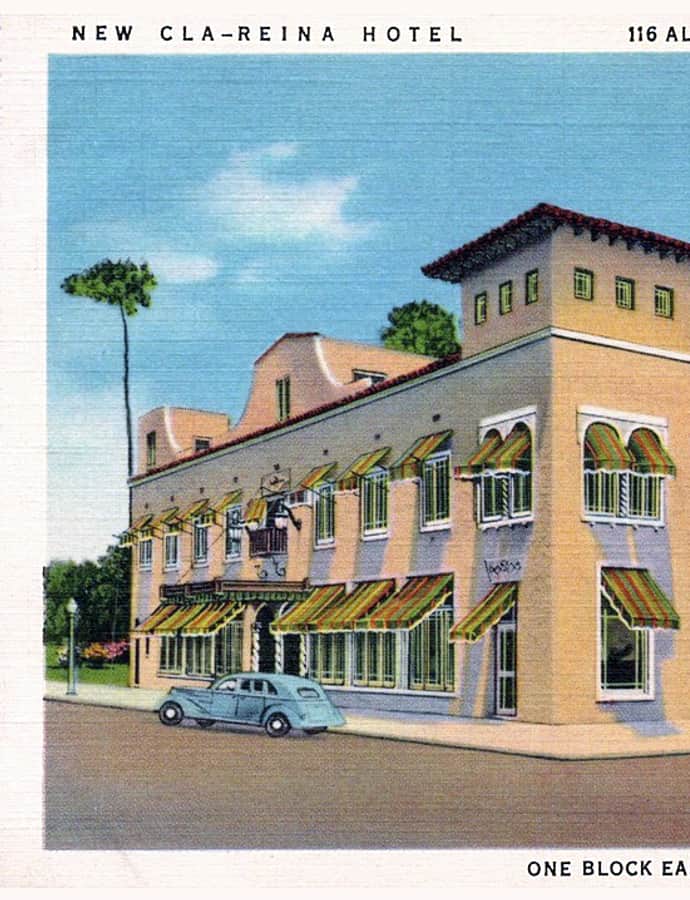
Clay Hotel is a 1925 South Beach hotel designed by Robert A. Taylor in the Mediterranean Revival style that defined much of Miami Beach's early hotel architecture.

Photo: Marc Ryckaert , CC BY-SA 4.0

Spanish Colonial Revival

Clyde Court Apartment Hotel

August Geiger · 1918

The Clyde Court Apartment Hotel is a 1918 Mediterranean Revival building in downtown Miami, designed by August Geiger, one of the city's prominent early architects.

Coral Gables City Hall

Spanish Colonial Revival

Coral Gables City Hall

Phineas Paist · 1928

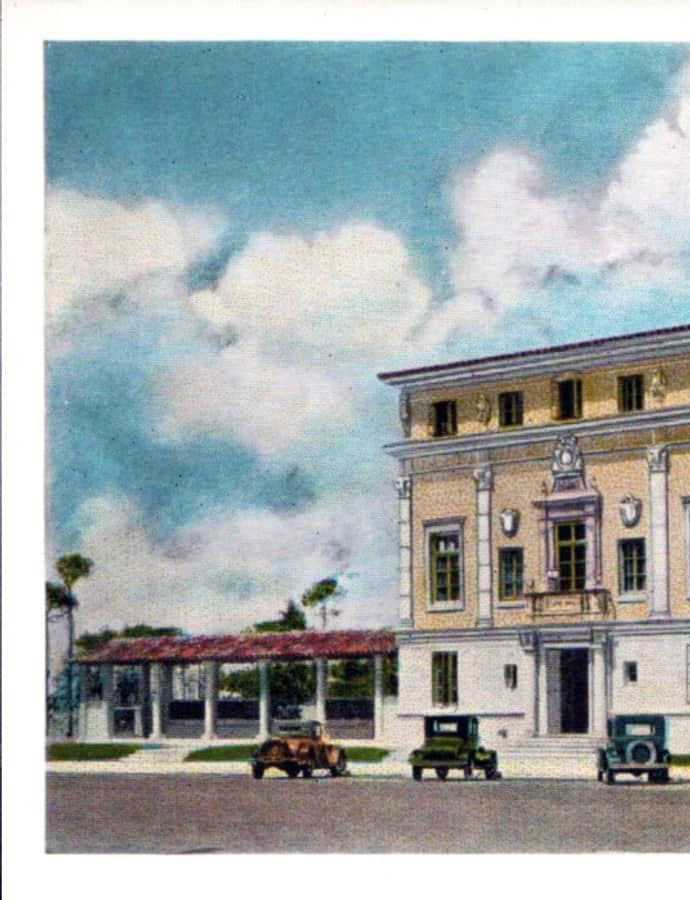
Coral Gables City Hall, completed in 1928 at 405 Biltmore Way, has served as the civic seat of Coral Gables government since it opened. Designed by Phineas Paist and Harold Steward in the Mediterranean Revival style, with Denman Fink as artistic advisor, it was a centerpiece of George E. Merrick's plan to build Coral Gables as a Spanish-Mediterranean city.

Photo: Curt Teich & Co. , Public domain

Coral Gables Congregational Church

Spanish Colonial Revival

Coral Gables Congregational Church

Kiehnel and Elliott · 1923

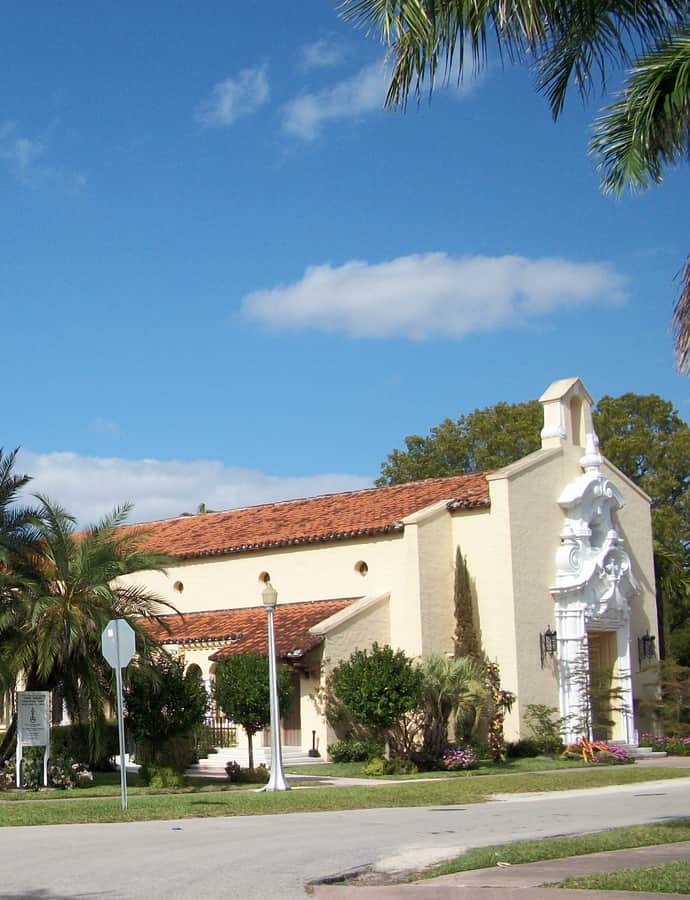
Built in 1923 as the founding church of Coral Gables, this Congregational church was designed by Richard Kiehnel of Kiehnel and Elliott in a Spanish Colonial Revival style. The land was donated by George E. Merrick, the developer who planned and built Coral Gables, and the church was dedicated to Merrick's father, himself a Congregational minister. It was added to the National Register of Historic Places on October 10, 1978.

Photo: SebasTorrente (talk) , CC BY-SA 3.0
Coral Gables Merrick House

Landmark

Coral Gables Merrick House

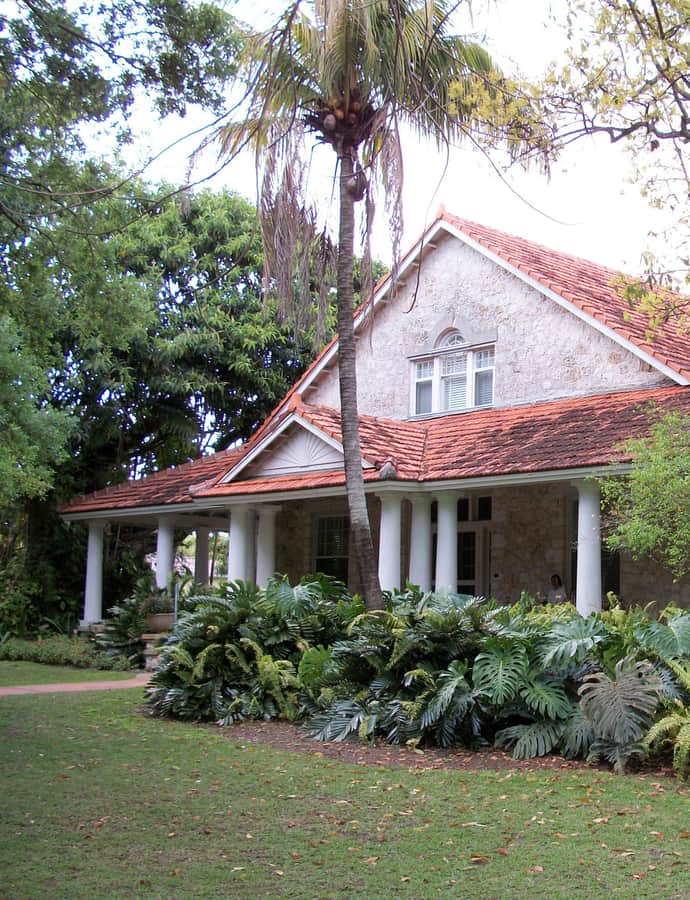
The Coral Gables Merrick House, also known as Merrick Manor, is the childhood home of George E. Merrick, the founder of Coral Gables, standing at 907 Coral Way. The City of Coral Gables has restored the house to its 1925 appearance, and it was added to the National Register of Historic Places on April 13, 1973.

Photo: SebasTorrente (talk) , CC BY-SA 3.0
Coral Reef Hotel

Art Deco

Coral Reef Hotel

Joseph DeBrita · 1938

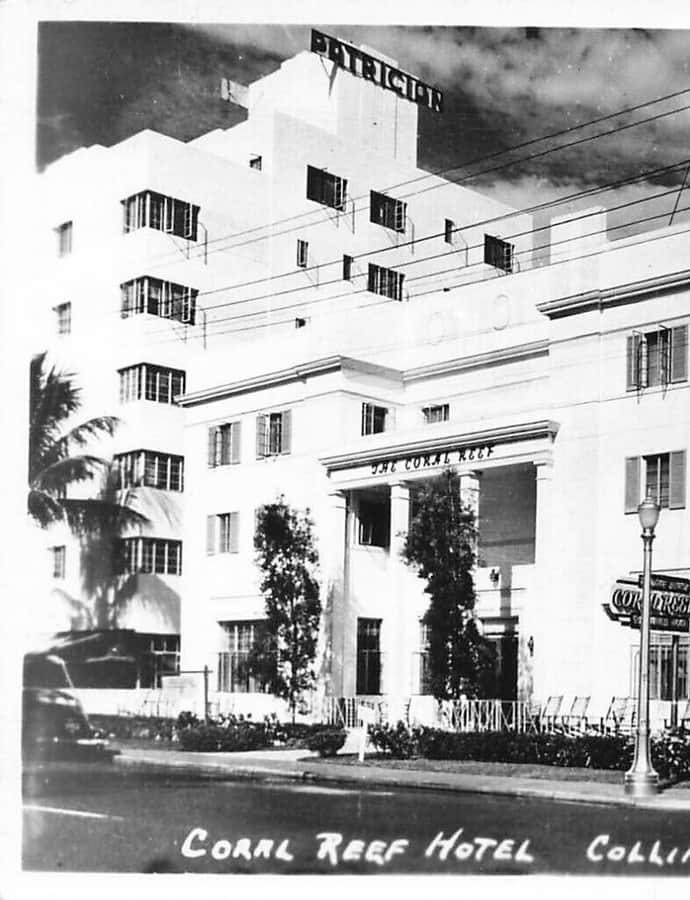
The Coral Reef Hotel is a 1938 Art Deco hotel in Miami Beach's Mid-Beach, designed by Joseph DeBrita during the height of the city's Art Deco hotel-building era.

Photo: Unknown author , Public domain

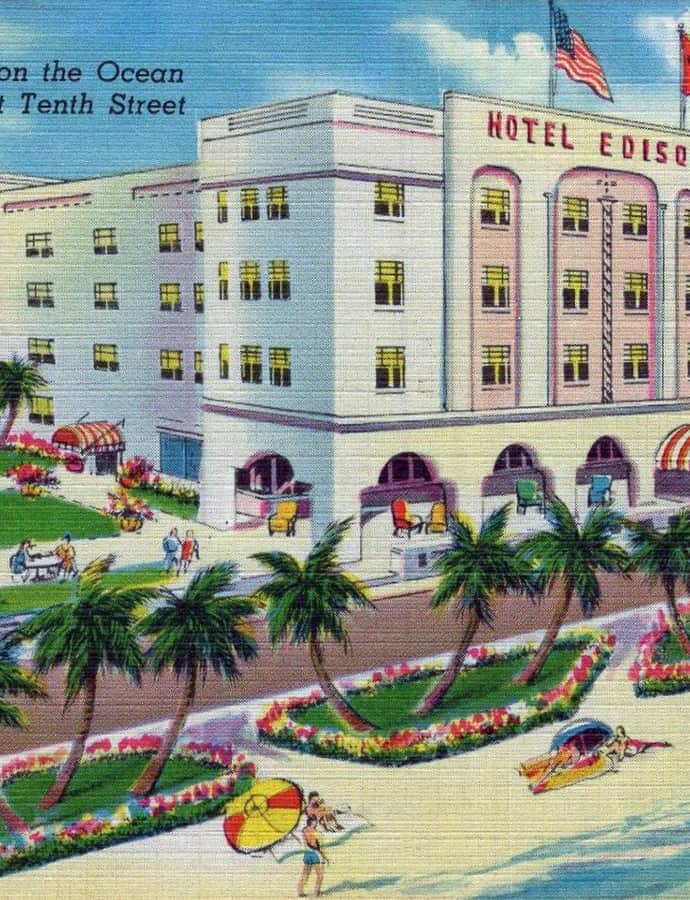
Edison Hotel

Spanish Colonial Revival

Edison Hotel

Henry Hohauser · 1935

The Edison Hotel was built in 1935 to a design by Henry Hohauser, one of the most prolific architects of Miami Beach's Art Deco boom, though here he worked in the earlier Mediterranean Revival mode still common in South Beach in the mid-1930s.

Photo: Colourpicture Publishers; Inc., Boston (publisher) , Public domain

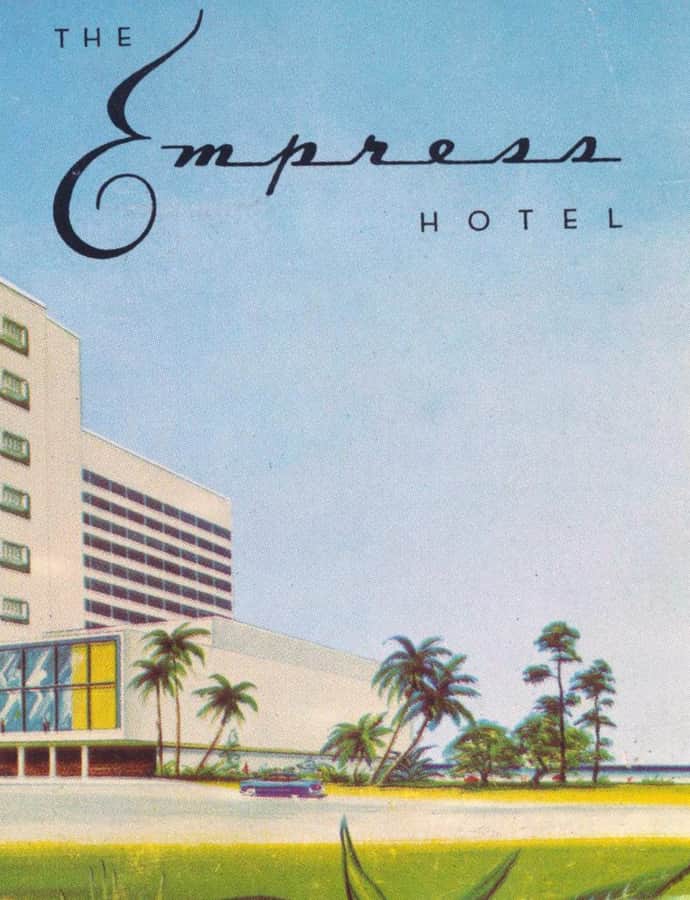
Empress Hotel

Mid-Century Modern

Empress Hotel

Melvin Grossman · 1952

The Empress Hotel dates to 1952, designed by Melvin Grossman for the strip of Mid-Beach hotels rising north of the established Art Deco district. Grossman was one of the defining postwar Miami Beach architects, and the Empress reflects the Miami Modern style that overtook Deco as the city's dominant hotel idiom.

Photo: Miami Post Pub Co. , Public domain

First Church of Christ, Scientist

Neoclassical

First Church of Christ, Scientist

August Geiger

First Church of Christ, Scientist, in Miami's Design District was designed by August C. Geiger in the Neoclassical style. The congregation sold the building in 2013 and now meets in a reading room at 15 West Flagler Street.

Photo: Ebyabe , CC BY-SA 3.0
Glenn Curtiss Mansion

Pueblo Revival

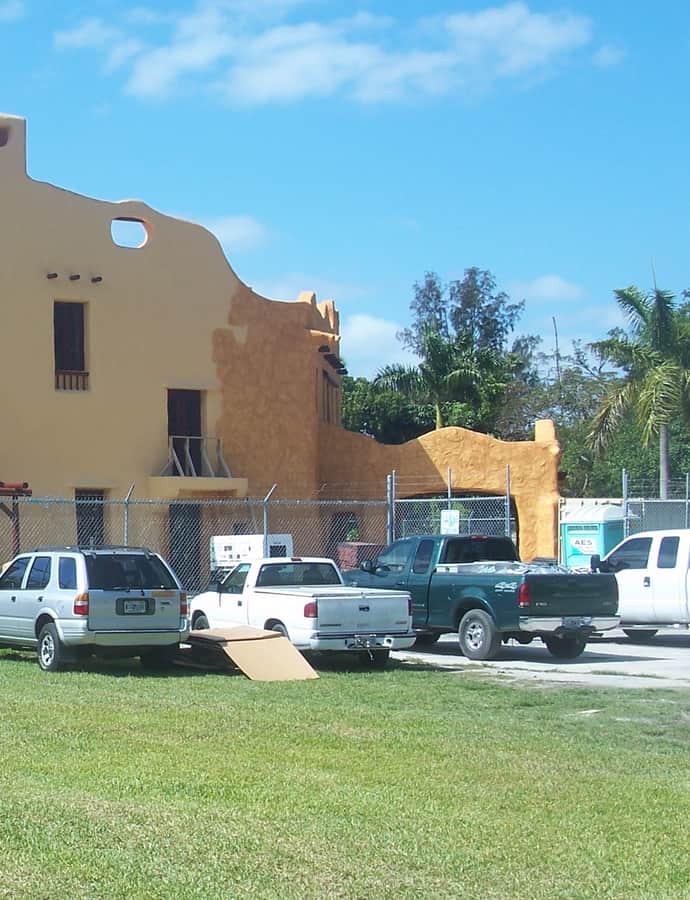
Glenn Curtiss Mansion

Martin L. Hampton · 1925

The Glenn H. Curtiss Mansion rose in 1925 in Miami Springs as the home of aviation pioneer Glenn Hammond Curtiss, who also developed the nearby cities of Hialeah, Opa-locka, and Miami Springs. Designed by Martin L. Hampton in the Pueblo Revival style — a rare choice for South Florida — it was the largest of the Pueblo-themed houses the Curtiss-Wright Company built for its Country Club Estates development.

Photo: Ebyabe , CC BY-SA 3.0
Good Hotel

Mediterranean Vernacular

Good Hotel

Martin L. Hampton · 1933

Good Hotel is a 1933 Mid-Beach hotel designed by Martin L. Hampton, an established Miami architect, in the Mediterranean Revival style that shaped so much of Miami Beach's early development.

Photo: Curt Teich & Co., Chicago , Public domain

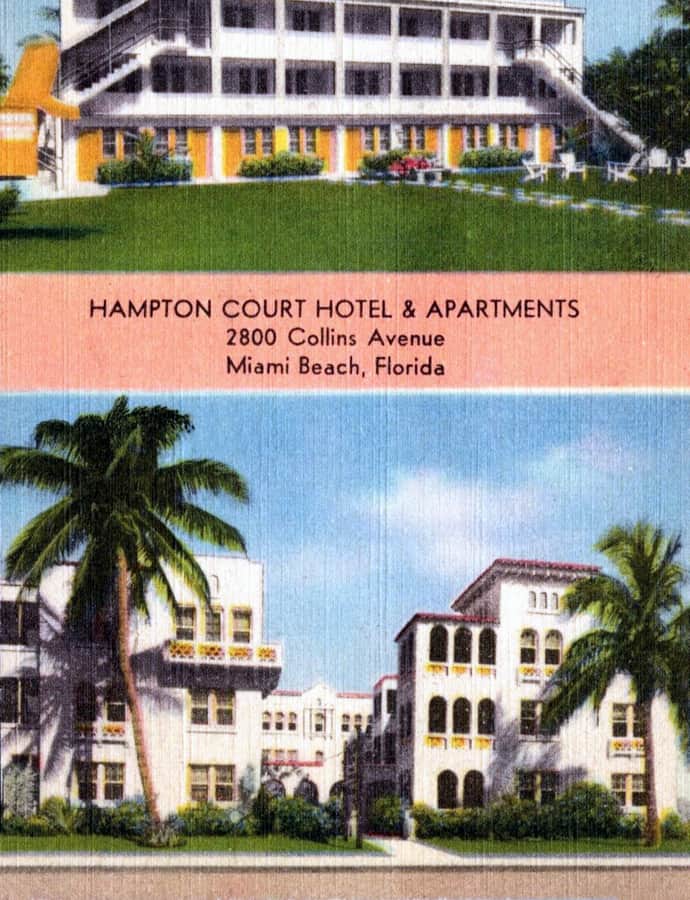
Hampton Court Hotel

Mediterranean Vernacular

Hampton Court Hotel

Martin L. Hampton · 1924

Hampton Court Hotel is a 1924 Mid-Beach hotel designed by Martin L. Hampton, an established Miami architect, in the Mediterranean Revival style.

Photo: MWM Publishers , Public domain

Hequembourg House

Pueblo Revival

Hequembourg House

The Hequembourg House was a Pueblo Revival home in Miami Springs, Florida, built in 1926 by architects Curtiss & Bright at 851 Hunting Lodge Drive, a rare example of the pueblo style in Florida. It was added to the National Register of Historic Places in 1985, but Hurricane Wilma damaged it so badly in 2005 that it was declared unsafe and ultimately demolished in 2010.

Photo: Ebyabe , CC BY-SA 3.0
Hotel Carlton

Art Deco

Hotel Carlton

Henry Hohauser · 1937

Hotel Carlton is a 1937 Art Deco hotel in Miami Beach's South Beach, designed by Henry Hohauser, one of the district's leading Art Deco architects.

Photo: Curt Teich & Co., Chicago , Public domain

Hotel Continental

Mid-Century Modern

Hotel Continental

A. Herbert Mathes · 1948

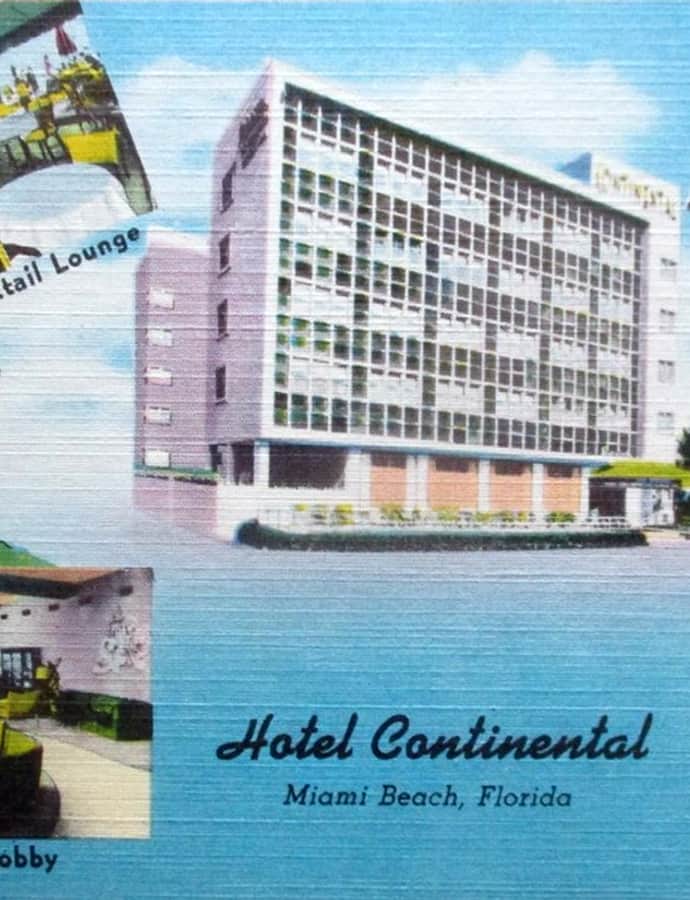
Hotel Continental is a 1948 Mid-Beach hotel designed by A. Herbert Mathes in the Miami Modern, or MiMo, style that took hold of Miami Beach hotel design after World War II.

Photo: Colourpicture Publishers, Inc., Boston , Public domain

Hotel Lucerne

International Style

Hotel Lucerne

Morris Lapidus · 1958

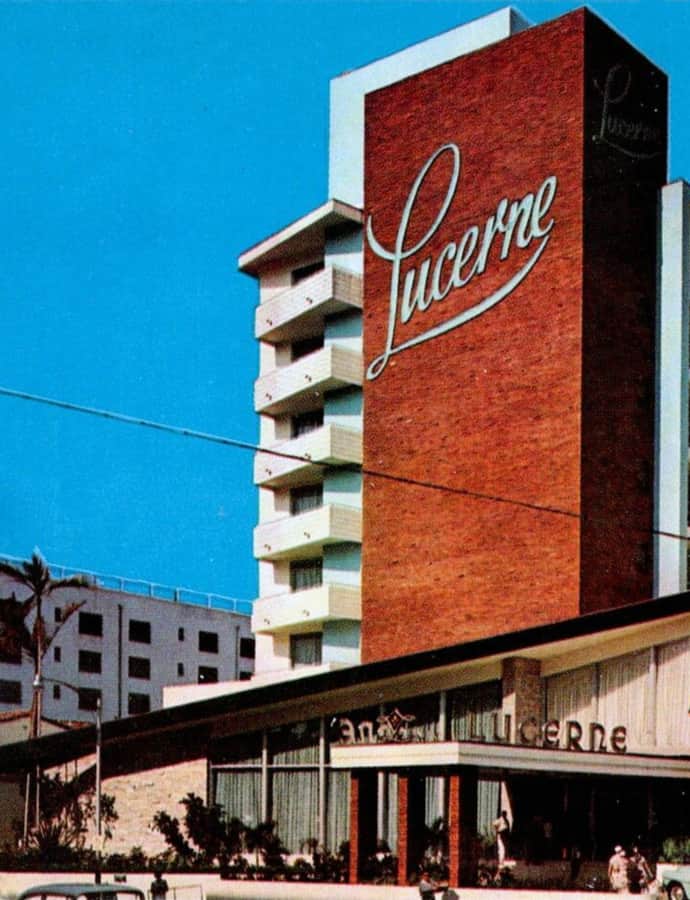
The Hotel Lucerne is a 1958 mid-Beach hotel designed by Morris Lapidus, a nationally significant architect, built in the International Style.

Photo: Dexter Press (publisher) , Public domain

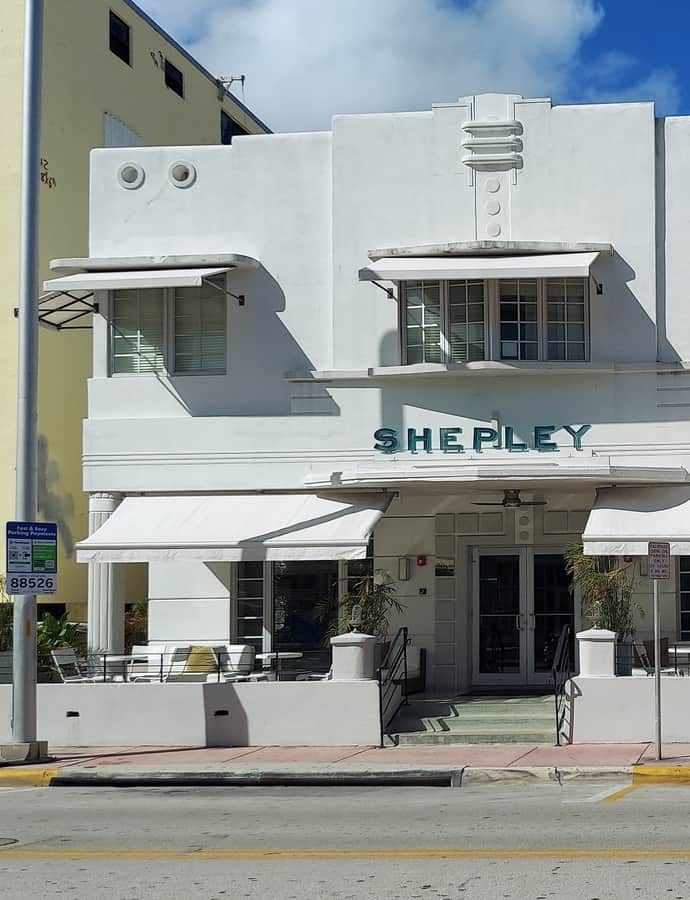
Hotel Shepley

Art Deco

Hotel Shepley

Henry Hohauser · 1937

Hotel Shepley is a 1937 Art Deco hotel in Miami Beach's South Beach neighborhood, designed by Henry Hohauser, one of the leading architects of the city's Art Deco boom.

Photo: P. Hughes , CC BY 4.0

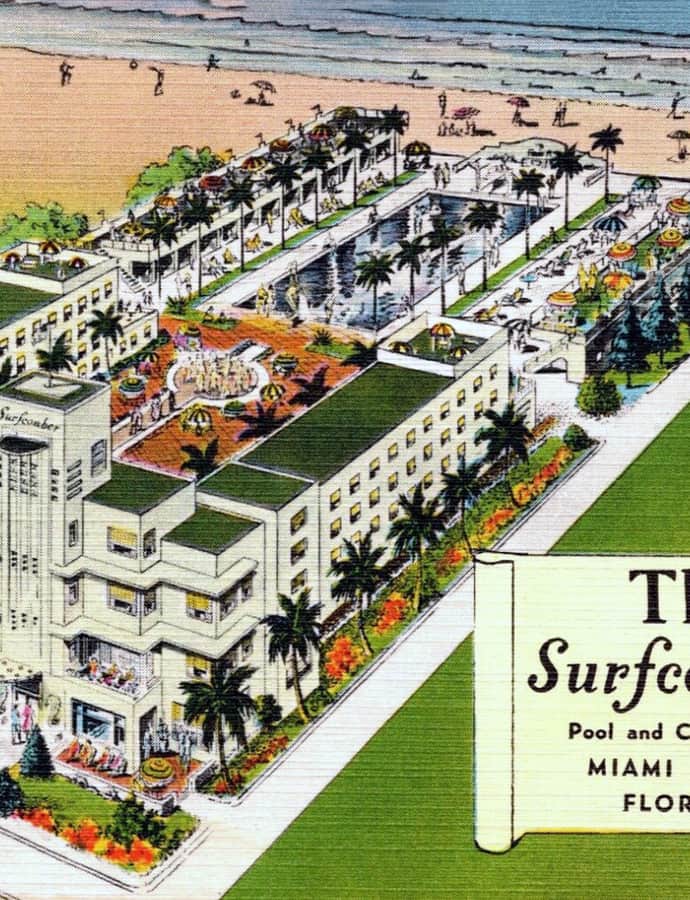
Kimpton Surfcomber Hotel

Art Deco

Kimpton Surfcomber Hotel

MacKay & Gibbs

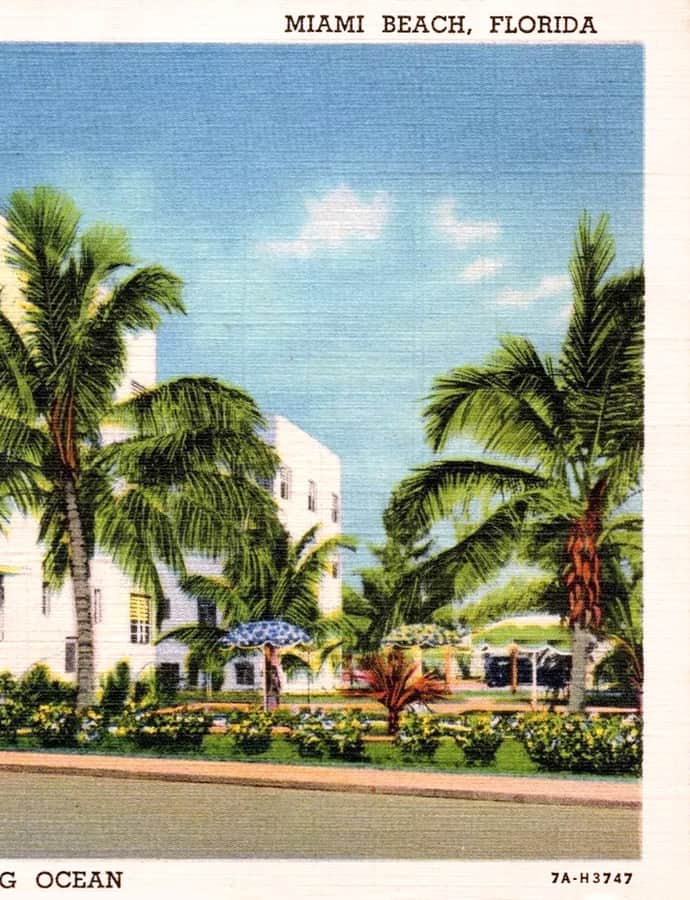
The Surfcomber Hotel opened in 1948 at 1717 Collins Avenue, designed by the architectural firm MacKay & Gibbs within South Beach's historic Art Deco district. It later became a magnet for pop culture: MTV made it its headquarters for the 2005 Video Music Awards, and Bud Light used it as its base during Super Bowl XLIV in 2010. Kimpton acquired the hotel in April 2011.

Photo: Colourpicture Publishers, Inc., Boston (publisher) , Public domain

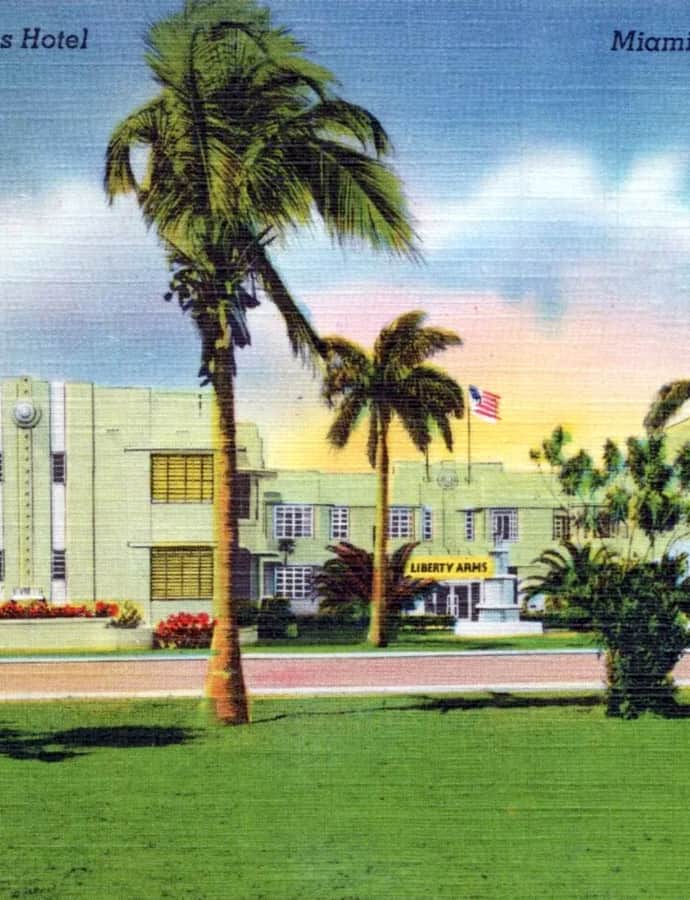
Liberty Arms Hotel

Art Deco

Liberty Arms Hotel

Henry Hohauser · 1939

The Liberty Arms Hotel is a 1939 Art Deco hotel in South Beach designed by Henry Hohauser, one of Miami Beach's leading Art Deco architects. Its street facade is counted among the Hohauser designs retold on Miami Beach's Deco walking tours.

Photo: Colourpicture Publishers, Inc. , Public domain

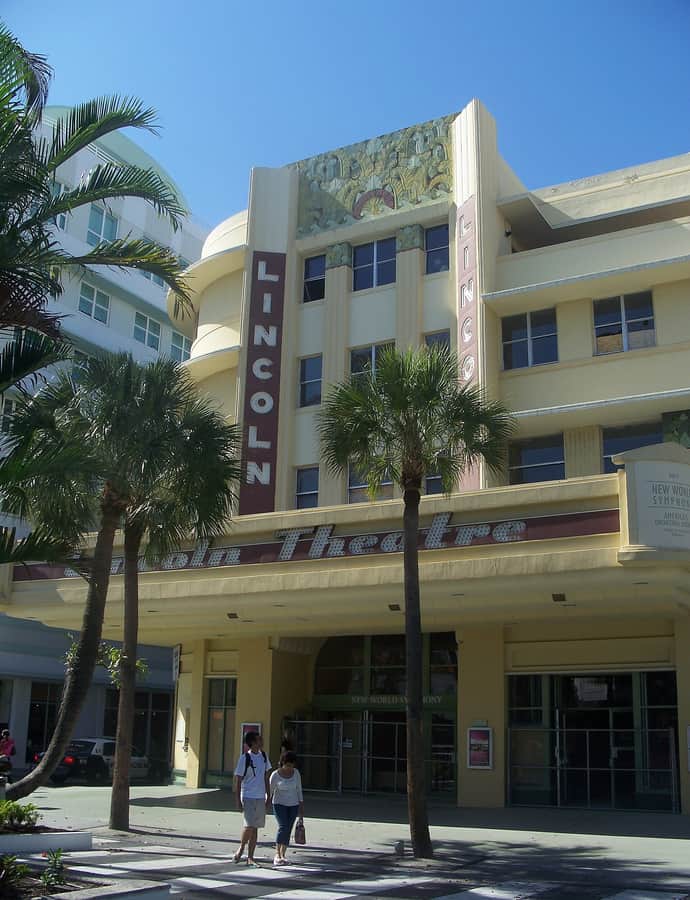
Lincoln Theatre

Art Deco

Lincoln Theatre

Thomas W. Lamb · 1936

The Lincoln Theatre opened in 1936 on Lincoln Road in Miami Beach, designed in Art Deco style by Thomas W. Lamb, one of the era's most sought-after cinema and theater architects. It operated as a movie theater into the 1980s before a long second life as a concert hall for the New World Symphony.

Photo: Ebyabe , CC BY-SA 3.0
Marjory Stoneman Douglas House

Landmark

Marjory Stoneman Douglas House

Built in 1926 to a design by architect George Hyde, this Coconut Grove cottage at 3744 Stewart Avenue was the lifelong home of environmentalist Marjory Stoneman Douglas (1890-1998), nationally known for her decades-long fight to preserve the Everglades. The house was designated a National Historic Landmark in 2015.

Photo: James Gabbert, US National Park Service staff , Public domain

Miami City Hospital, Building No. 1

Landmark

Miami City Hospital, Building No. 1

August Geiger

Miami City Hospital, Building No. 1, also known as The Alamo, was designed by August Geiger, a prominent early Miami architect. The hospital grew into what is known today as Jackson Memorial Hospital. It was added to the National Register of Historic Places on December 31, 1979.

Photo: Ebyabe , CC BY-SA 3.0
Miami Tower

Landmark

Miami Tower

Pei Cobb Freed & Partners · 1987

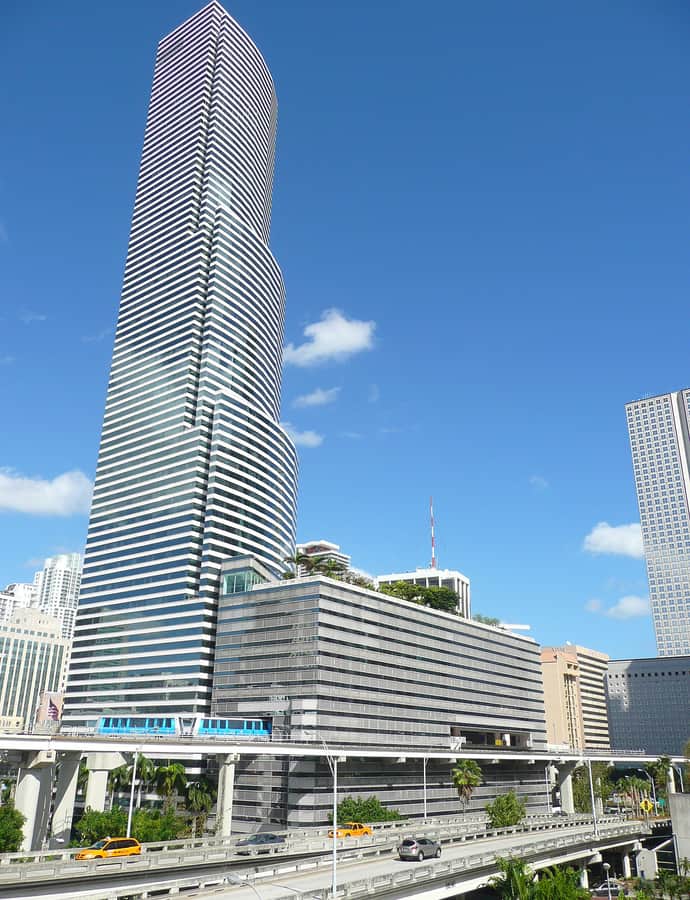
Miami Tower is a 47-story office skyscraper in downtown Miami, designed by Pei Cobb Freed & Partners and completed in 1987 for CenTrust Bank. At 625 feet, it ranks among the twenty tallest buildings in Miami and Florida, but it's better known for its three dramatic glass tiers and elaborate night-time illumination, which have made it one of the most recognizable pieces of the city's skyline since it opened.

Photo: Averette , CC BY 3.0

Millard–McCarty House

Pueblo Revival

Millard–McCarty House

1926

The Millard–McCarty House is a two-story, U-shaped Pueblo Revival home completed around 1926 in the Curtis and Bright development in Miami Springs, Florida, at 424 Hunting Lodge. It was added to the National Register of Historic Places in 1986.

Photo: Ebyabe , CC BY-SA 3.0
Montmartre Hotel

Mid-Century Modern

Montmartre Hotel

Melvin Grossman · 1958

The Montmartre Hotel went up in Mid-Beach in 1958, designed by Melvin Grossman in the postwar modern style that reshaped Miami Beach's hotel corridor after World War II.

Photo: Unknown author , Public domain

New Deauville Hotel

Mid-Century Modern

New Deauville Hotel

Melvin Grossman · 1957

The Deauville Beach Resort rose at 6701 Collins Avenue in 1957, designed by Melvin Grossman in the Miami Modern style that defined the postwar hotel boom along Miami Beach. It became a fixture of pop culture history when the Beatles played their second Ed Sullivan Show appearance in the hotel's Napoleon Ballroom on February 16, 1964. Decades later, owner Alex Meruelo let the building fall into disrepair amid public controversy and city fines, and the 17-story tower was imploded on November 13, 2022, leaving only the Napoleon Ballroom standing.

Photo: Curt Teich & Co., Chicago (publisher) , Public domain

One Thousand Museum

Landmark

One Thousand Museum

Zaha Hadid Architects

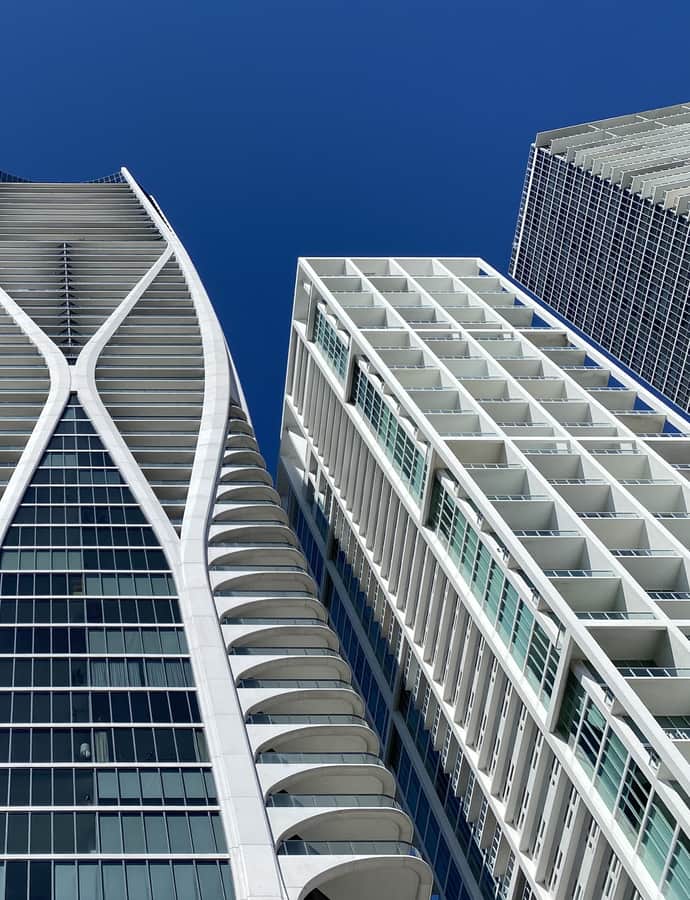
One Thousand Museum, also known as the Scorpion Tower, rises 707 feet and 62 stories at 1000 Biscayne Boulevard across from Museum Park in downtown Miami. Completed in 2019, it was designed by Zaha Hadid Architects, with the initial design begun by Zaha Hadid herself, making it one of the tallest buildings in Miami.

Photo: Phillip Pessar , CC BY 2.0

Ritz Plaza Hotel

Art Deco

Ritz Plaza Hotel

Lawrence Murray Dixon · 1940

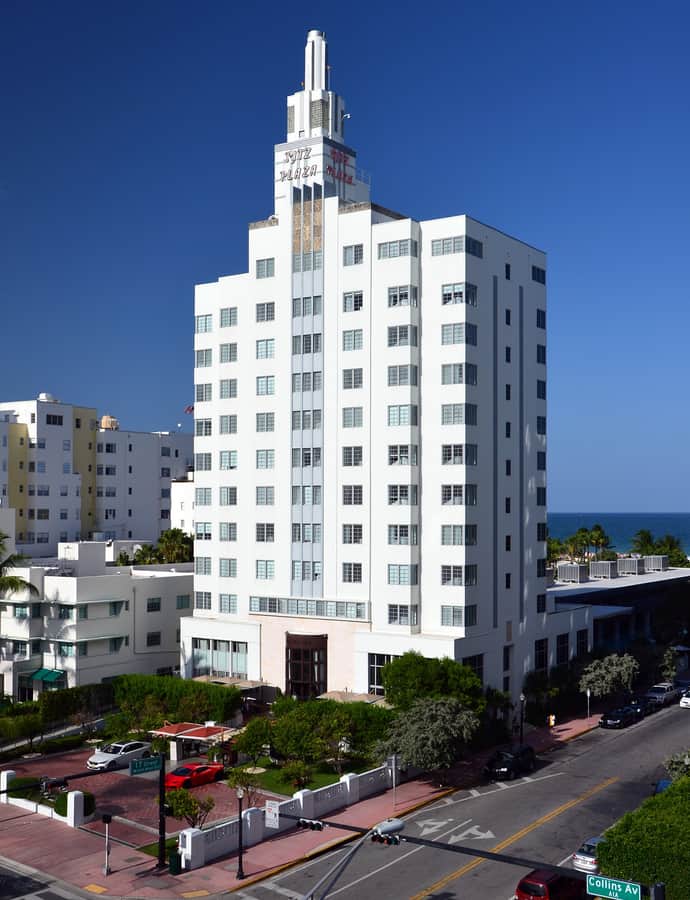
Built in 1939 for the Grossinger family, who expanded their Catskills resort business into Miami Beach, the Ritz Plaza Hotel opened as the Grossinger Beach Hotel, a 12-story, 203-foot Art Deco tower designed by L. Murray Dixon. It was the tallest building in Miami Beach for 30 years and the city's first air-conditioned hotel.

Photo: Gzzz , CC BY-SA 4.0

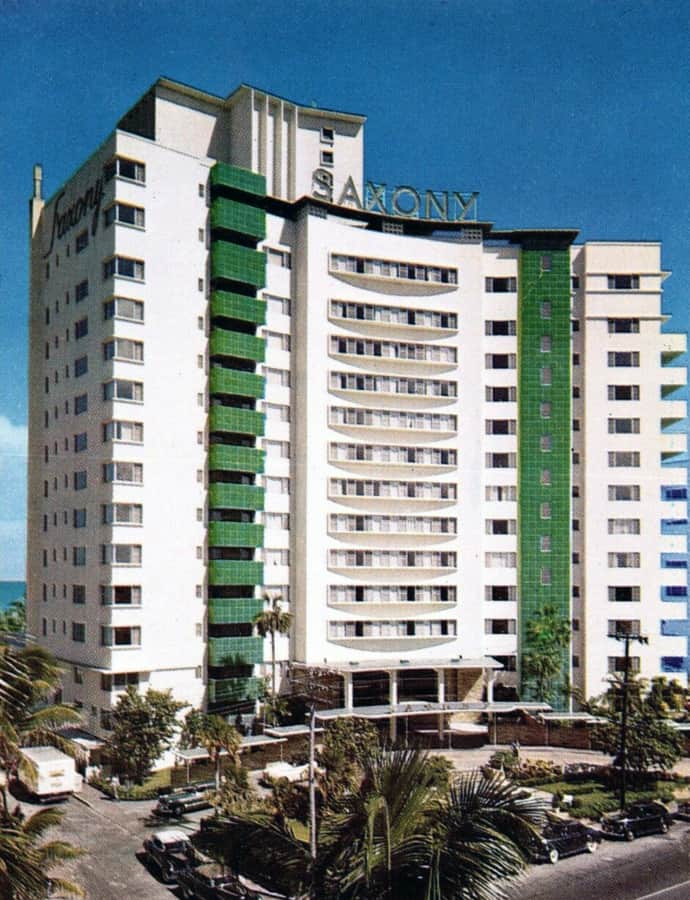
Saxony Hotel

Mid-Century Modern

Saxony Hotel

1948

Completed in 1948, the Saxony Hotel was one of the first luxury resorts on Miami Beach, built and owned by Chicago banker George D. Sax and designed by architect Roy F. France. It was the first air-conditioned hotel on Miami Beach and was considered the most expensive and lavish resort of its era, with rooms estimated to cost about $21,000 each to build — reportedly the largest sum ever paid for such a project at the time.

Photo: H. & W.B. Drew Co. (publisher) , Public domain

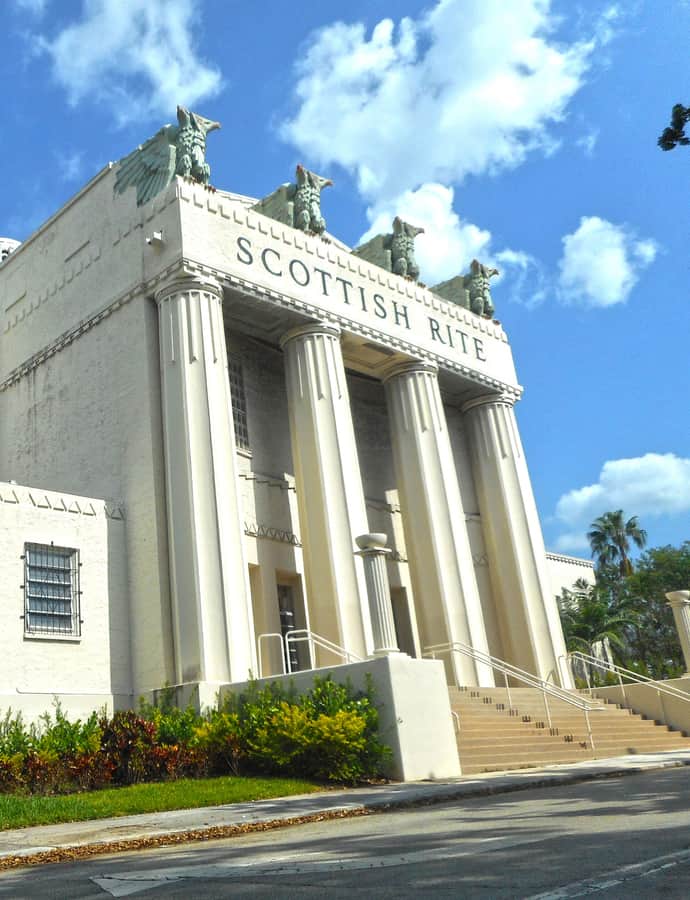
Scottish Rite Masonic Temple

eclectic architecture

Scottish Rite Masonic Temple

Kiehnel and Elliott · 1924

The Scottish Rite Masonic Temple was built in 1924 to a design by the notable Miami firm Kiehnel and Elliott, working in an eclectic style that borrowed freely from historic sources for the fraternal order's downtown lodge.

Photo: Daniel Di Palma , CC BY-SA 4.0

Art Deco

Sears, Roebuck and Company Department Store

Sears, Roebuck and Company built this Art Deco department store in downtown Miami in 1929 — the first known Art Deco building in the county, a striking bet by the retail giant on a brand-new style. It was followed a year later by the similarly styled Shrine Building, which added local Seminole motifs to the same vocabulary.

Shoreland Arcade

Neoclassical

Shoreland Arcade

The Shoreland Arcade opened in downtown Miami in 1925 in a Neoclassical style with Art Deco touches, and later operated as Dade Federal Savings. It stands at 120 Northeast 1st Street and was added to the National Register of Historic Places on January 4, 1989.

Photo: Ebyabe , CC BY-SA 3.0
Simone Hotel

Art Deco

Simone Hotel

Lawrence Murray Dixon · 1937

The Simone Hotel is a 1937 Art Deco hotel in Miami Beach's South Beach, designed by Lawrence Murray Dixon, one of the leading architects of the city's Art Deco hotel district.

Photo: York Litho Corp. of America (publisher) , Public domain

Taft Hotel

Art Deco

Taft Hotel

Henry Hohauser · 1936

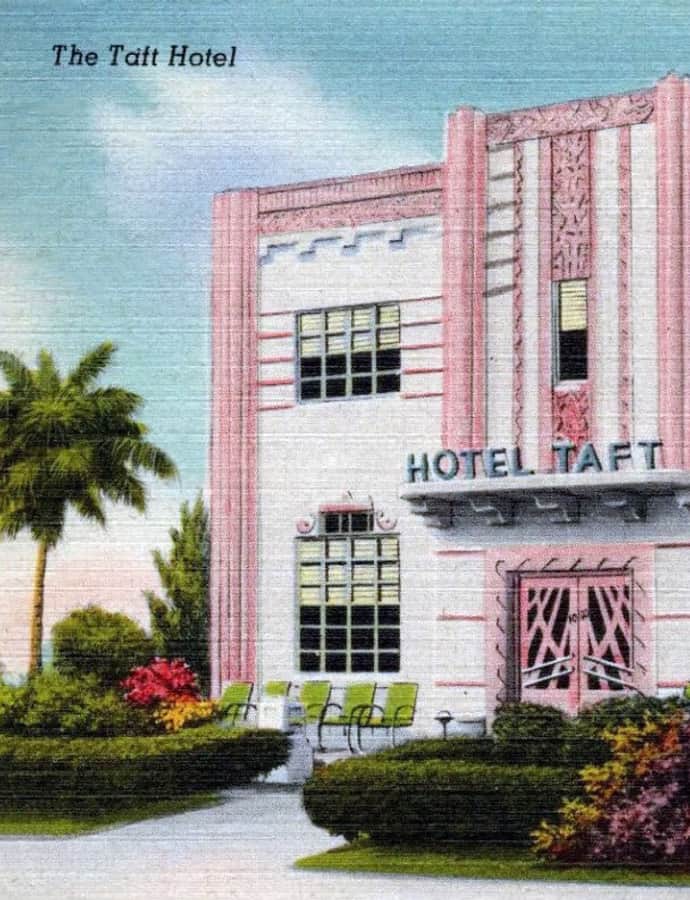
The Taft Hotel is a 1936 Art Deco hotel in Miami Beach's South Beach, designed by Henry Hohauser, one of the district's leading Art Deco architects.

Photo: Colourpicture Publishers, Inc. , Public domain

Streamline Moderne

Tara Hotel

Harry O. Nelson · 1940

Tara Hotel is a 1940 Mid-Beach hotel designed by Harry O. Nelson in the Streamline Moderne style, arriving with the curved, aerodynamic massing that style brought to Miami Beach just before World War II.

The Bass Museum of Art

Landmark

The Bass Museum of Art

Arata Isozaki · 1963

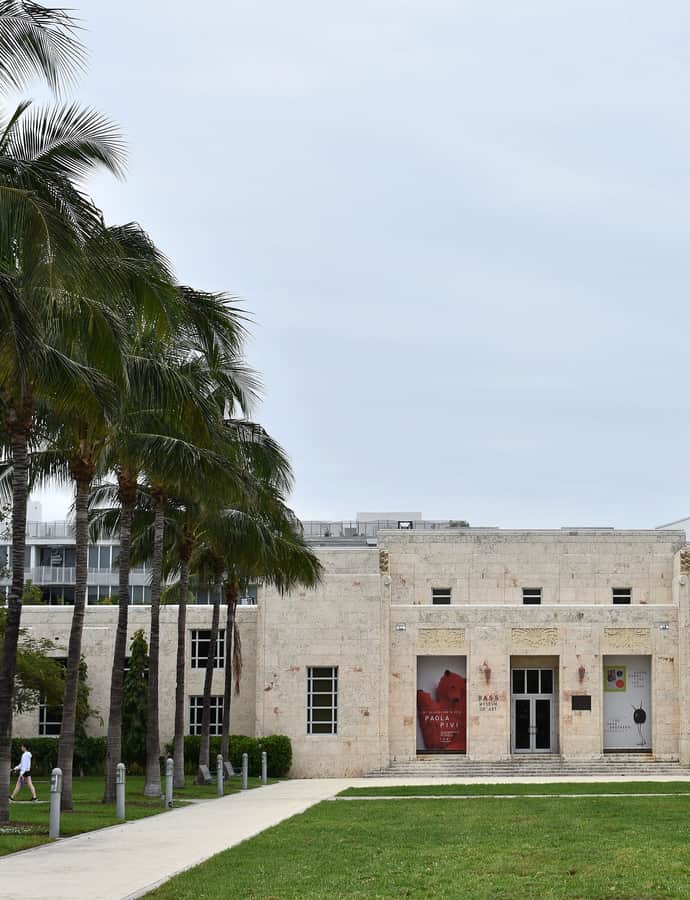
The Bass Museum of Art occupies a building in Miami Beach's South Beach that started out as the city's public library. In 1963, Viennese Jewish immigrants John Bass and Johanna Redlich bequeathed more than 500 works — Old Master paintings, textiles, and sculpture — to the City of Miami Beach, on condition that a museum stay open to the public in perpetuity. The city spent $160,000 converting the former library, and the Bass opened its doors on April 7, 1964, as the only municipally operated art gallery in South Florida at the time. John Bass directed the museum himself until his death in 1978.

Photo: Tamanoeconomico , CC BY-SA 4.0

The Betsy Hotel, South Beach

Colonial Revival

The Betsy Hotel, South Beach

Lawrence Murray Dixon · 1942

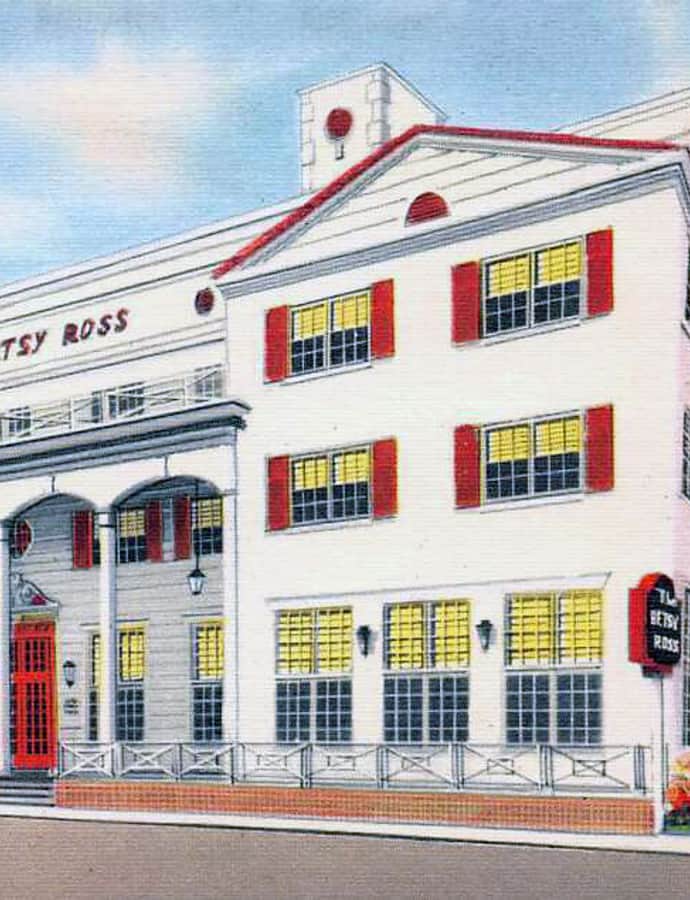
The Betsy Hotel opened in 1942, designed by Lawrence Murray Dixon, the architect behind many of South Beach's Art Deco hotels — but here he broke from that vocabulary to design in Colonial Revival style, making the Betsy a deliberate outlier among its Deco neighbors.

Photo: Colourpicture Publishers, Inc. (publisher) , Public domain

The Blackstone

Spanish Colonial Revival

The Blackstone

B. Kingston Hall · 1929

The Blackstone Hotel opened at 800 Washington Avenue in South Beach in 1929, designed by architect B. Kingston Hall for developer Nathan Stone, a Jewish entrepreneur who died shortly before the doors opened. Stone's son Alfred, father of future U.S. Senator Richard Stone, finished construction and ran the hotel. At 13 stories it was the tallest building in Miami Beach, a title it held for seven years.

Photo: Curt Teich & Co. , Public domain

Mid-Century Modern

The Bombay Hotel

Norman M. Giller · 1951

The Bombay Hotel opened in Mid-Beach in 1951, designed by Norman M. Giller in the Miami Modern style that architects were beginning to develop along Collins Avenue in the early 1950s.

Mid-Century Modern

The Montmartre Hotel

Melvin Grossman · 1958

The Montmartre Hotel went up in Mid-Beach in 1958, designed by Melvin Grossman in the postwar modern style that reshaped Miami Beach's hotel corridor after World War II.

The National Hotel

Art Deco

The National Hotel

1940

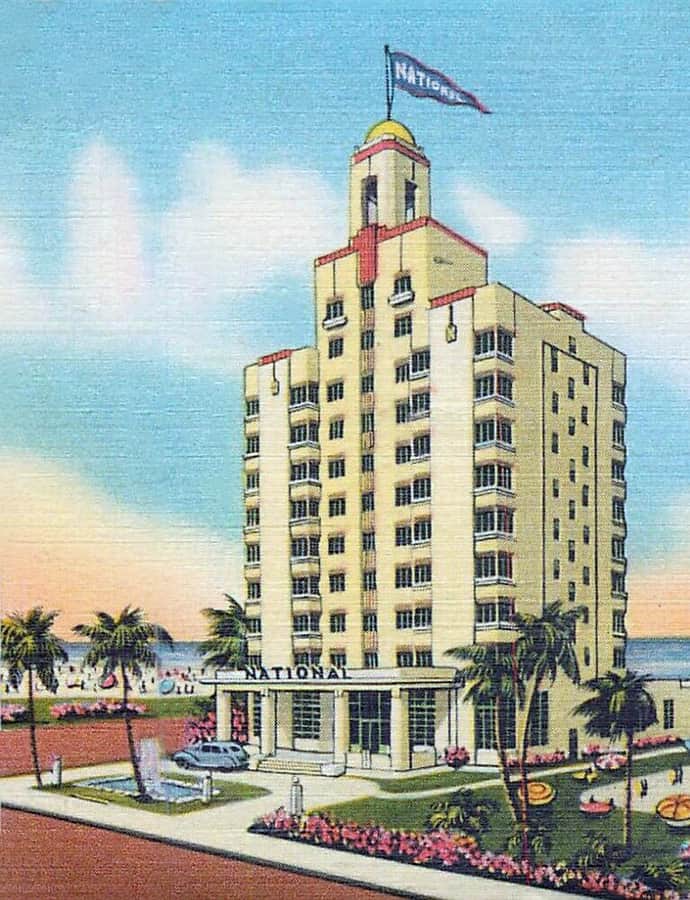
The National Hotel opened in 1939 on Collins Avenue in South Beach, a 14-story Art Deco tower topped with a silver-painted cupola and designed by Roy France, who is credited with shaping much of Miami Beach's skyline. France built the hotel around his own stated philosophy: "Let in the air and sun. That's what people come to Florida for." Fully renovated in 2014, the National is a National Register of Historic Places contributing property and a member of the Historic Hotels of America program.

Photo: Colourpicture Publishers, Inc., Boston (publisher) , Public domain

The Surf Hotel

Art Deco

The Surf Hotel

Henry Hohauser · 1936

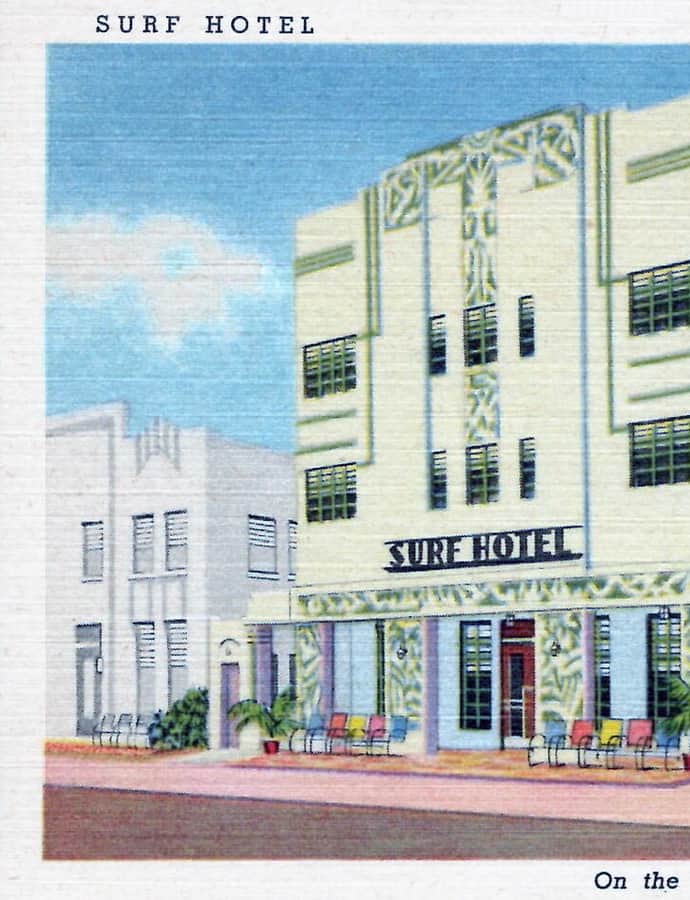
The Surf Hotel is a 1936 Art Deco hotel in Miami Beach's South Beach, designed by Henry Hohauser, one of the district's leading Art Deco architects.

Photo: Curt Teich & Co., Chicago , Public domain

The Tides

Art Deco

The Tides

Lawrence Murray Dixon · 1936

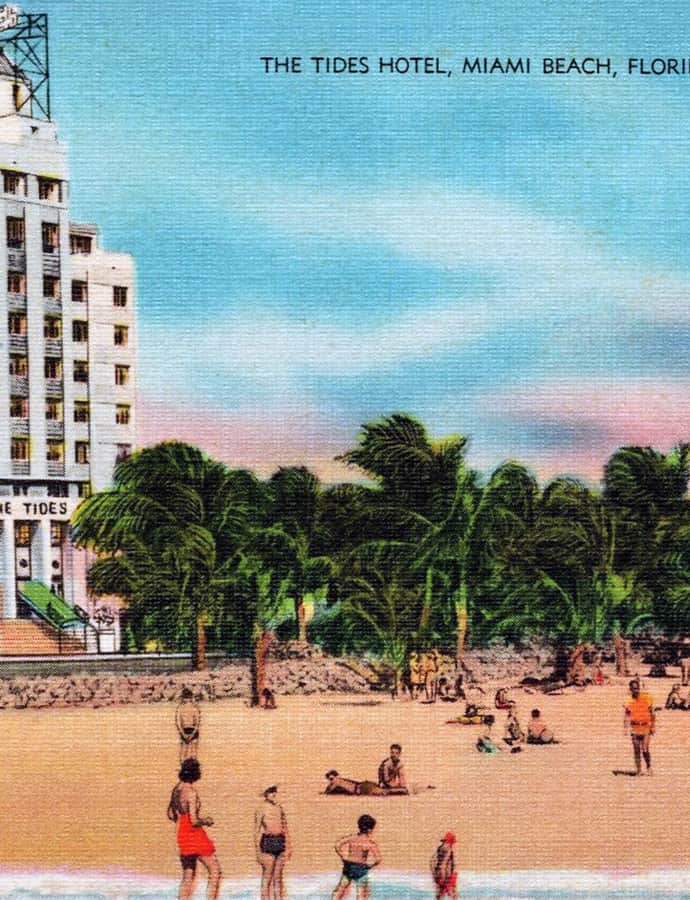
The Tides rose in 1936 in Miami Beach as an 11-story, 49-meter Art Deco tower designed by Lawrence Murray Dixon — at the time, the tallest building in the city and one of the tallest in Florida. It was renovated in 1997 and now operates as a mix of residential condominiums and a luxury hotel.

Photo: Metropolitan Post Card Company (publisher) , Public domain

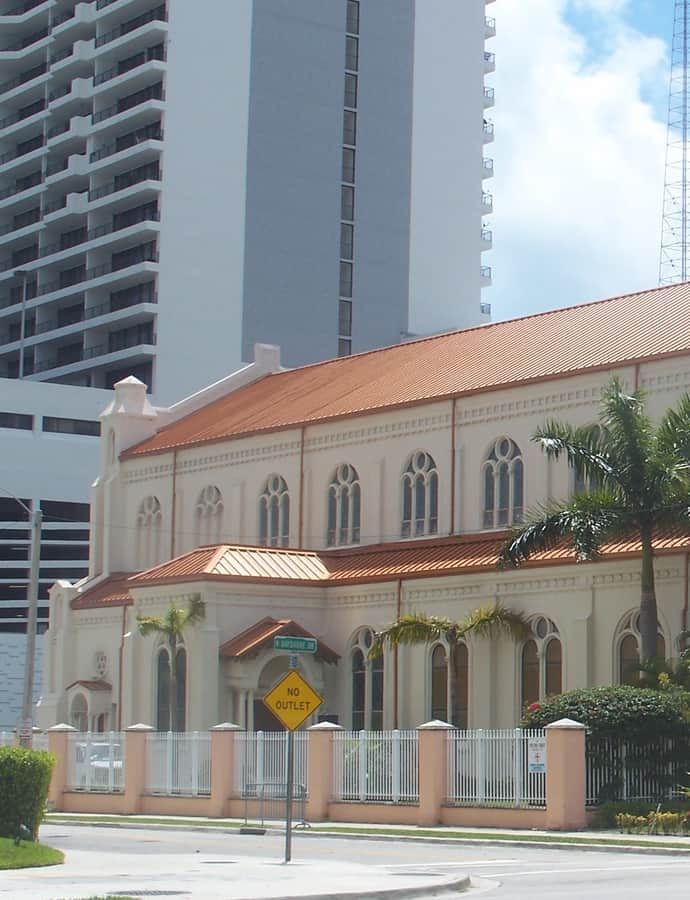
Trinity Episcopal Cathedral

Romanesque Revival

Trinity Episcopal Cathedral

1923

Trinity Episcopal Cathedral, the seat of the Episcopal Diocese of Southeast Florida, stands on North Bayshore Drive near the Venetian Causeway. Built in 1923 in the Romanesque Revival style, it traces its roots to a mission organized by the Rt. Rev. William Crane Gray on June 12, 1896, more than a month before Miami itself was incorporated, making it the oldest church within the city's original limits.

Photo: Ebyabe , CC BY-SA 3.0
Troy Hotel

Streamline Moderne

Troy Hotel

Albert Anis · 1941

The Troy Hotel is a 1941 Streamline Moderne hotel in Miami Beach's South Beach, designed by Albert Anis, a notable architect of the city's Art Deco and Moderne era.

Photo: P. Hughes , CC BY 4.0

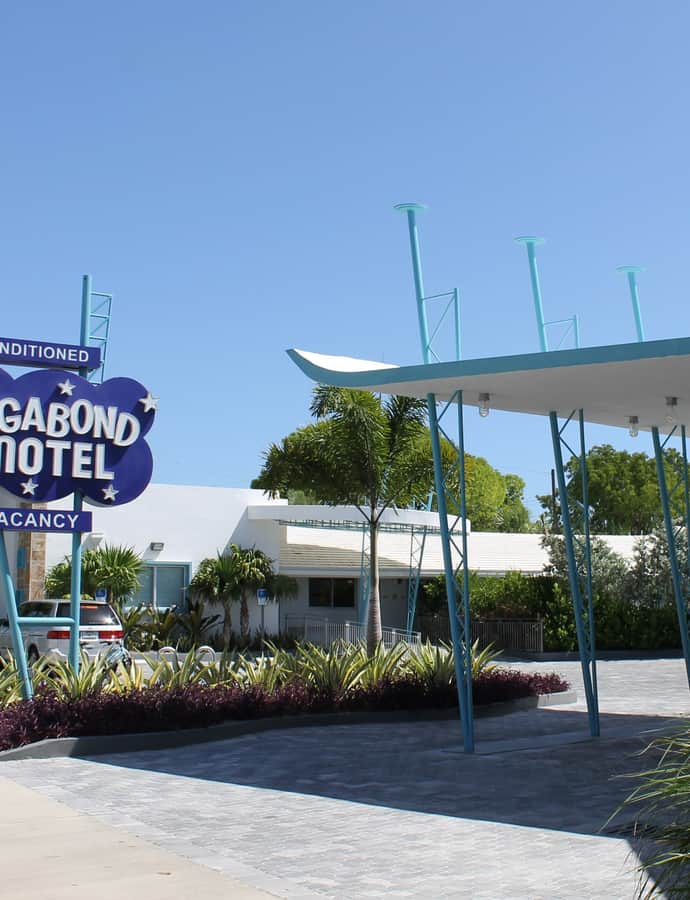
Vagabond Motel

Mid-Century Modern

Vagabond Motel

The Vagabond Motel at 7301 Biscayne Boulevard was built in 1953 and designed by Robert Swartburg in the Miami Modern style. After sitting vacant for years, it reopened in 2014 as a restaurant and hotel, the same year it was added to the National Register of Historic Places.

Photo: Neatjunk , CC BY-SA 3.0
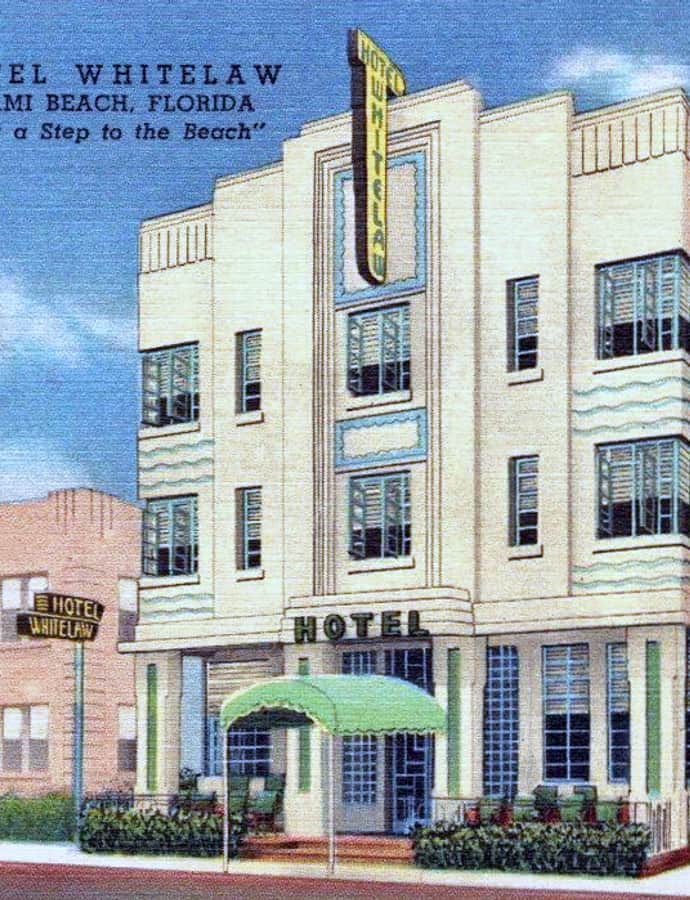
Whitelaw Hotel

Art Deco

Whitelaw Hotel

Albert Anis · 1936

The Whitelaw Hotel is a 1936 Art Deco hotel in Miami Beach's South Beach, designed by Albert Anis, one of the architects most closely associated with the neighborhood's Art Deco building boom.

Photo: Curt Teich & Co., Chicago (publisher) , Public domain

Wilshire Hotel

Streamline Moderne

Wilshire Hotel

1939

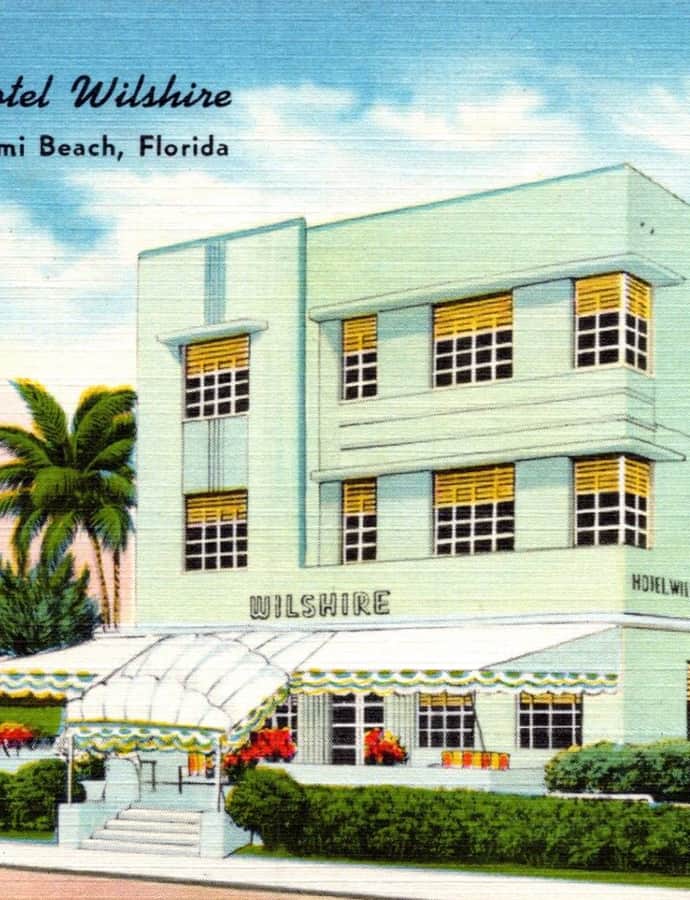
Built in 1939, the Wilshire Hotel is a mid-Beach hotel in the Streamline Moderne style, part of the wave of late-1930s hotels that defined Miami Beach's hotel typology of the era.

Photo: Colourpicture Publishers, Inc. , Public domain

Hidden gems

Fine buildings that fewer people seek out.

Barbizon Hotel

Art Deco

Barbizon Hotel

John Skinner; Coulton Skinner · 1937

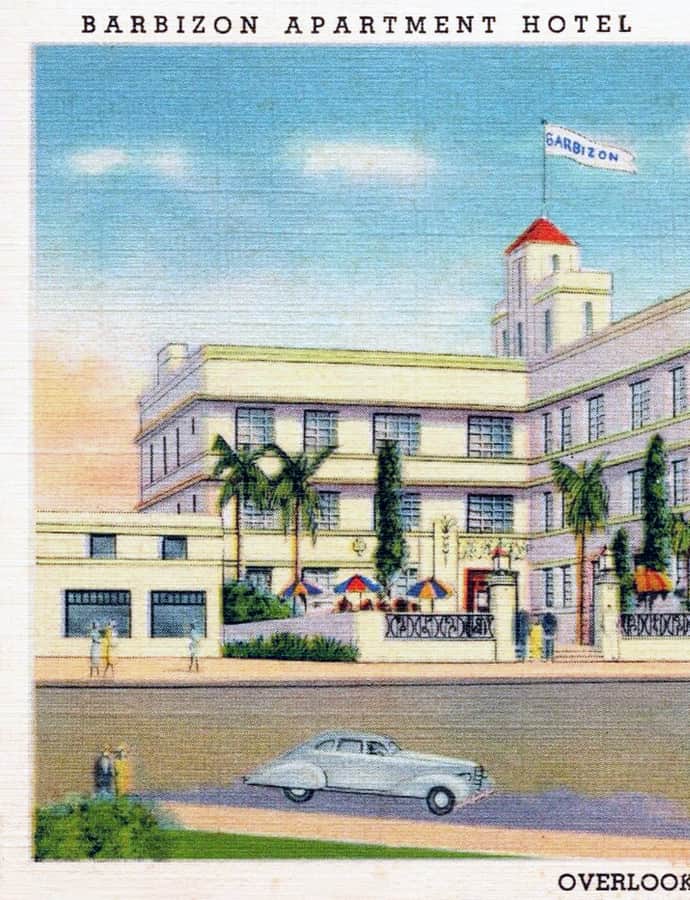
The Barbizon Hotel is a 1937 Art Deco building in Miami Beach's South Beach neighborhood, designed by John Skinner and Coulton Skinner, and listed as a contributing property to the National Register of Historic Places.

Photo: Curt Teich & Co., Chicago (publisher) , Public domain

Beach Patrol Headquarters

Art Deco

Beach Patrol Headquarters

Robert A. Taylor · 1934

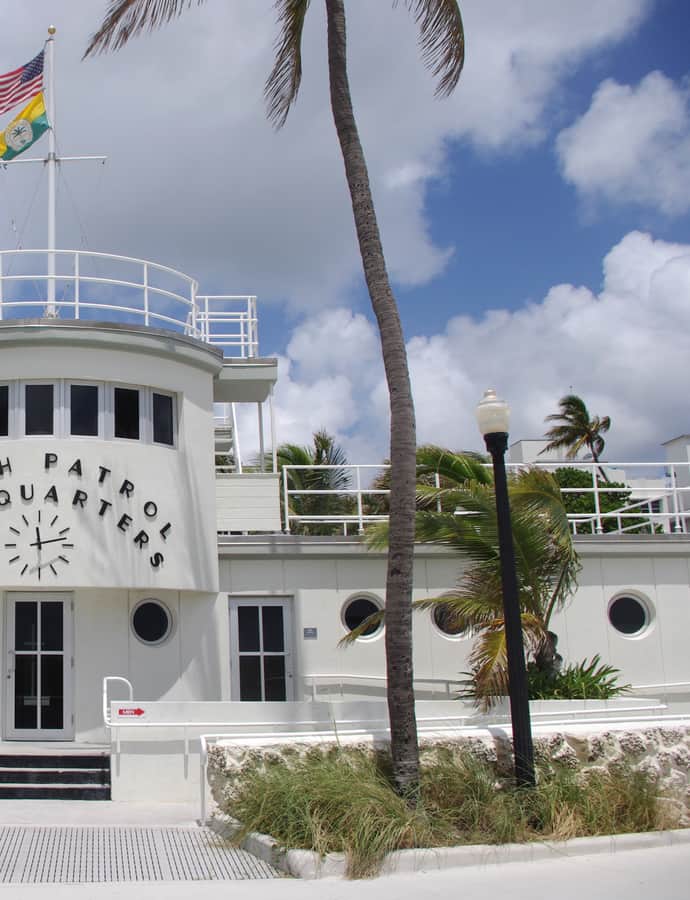
The Beach Patrol Headquarters is a 1934 Art Deco building in South Beach designed by architect Robert A. Taylor. It is a contributing property to the National Register of Historic Places.

Photo: Paolo Bernabei , CC BY-SA 3.0
Beach Plaza Hotel

Art Deco

Beach Plaza Hotel

Lawrence Murray Dixon · 1936

The Beach Plaza Hotel dates to 1936 and counts among Lawrence Murray Dixon's early Art Deco commissions in Miami Beach. The Deco facade is visible directly from the street.

Photo: Curt Teich & Co., Chicago (publisher) , Public domain

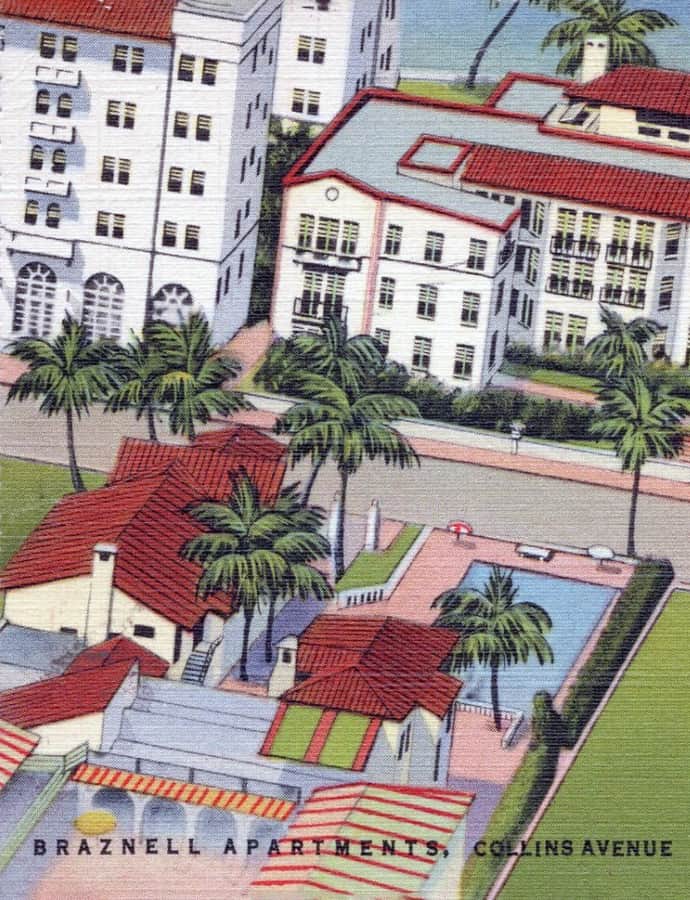
Braznell Apartments

Mediterranean Vernacular

Braznell Apartments

A. Ten Eyck Brown · 1925

The Braznell Apartments, completed in 1925, is a Mediterranean Revival building in Mid-Beach designed by A. Ten Eyck Brown, an architect of note across the Southeast.

Photo: Curt Teich & Co. , Public domain

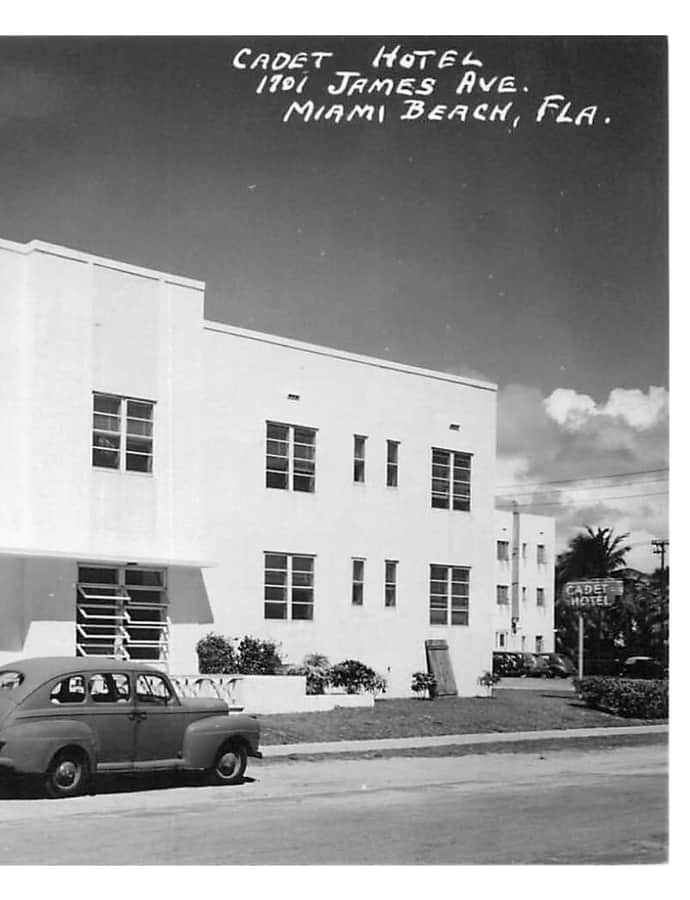
Cadet Hotel

Streamline Moderne

Cadet Hotel

Albert Anis · 1941

The Cadet Hotel went up in South Beach in 1941, designed by Albert Anis in the Streamline Moderne style. Its streamlined facade is still visible from the street.

Photo: Unknown author , Public domain

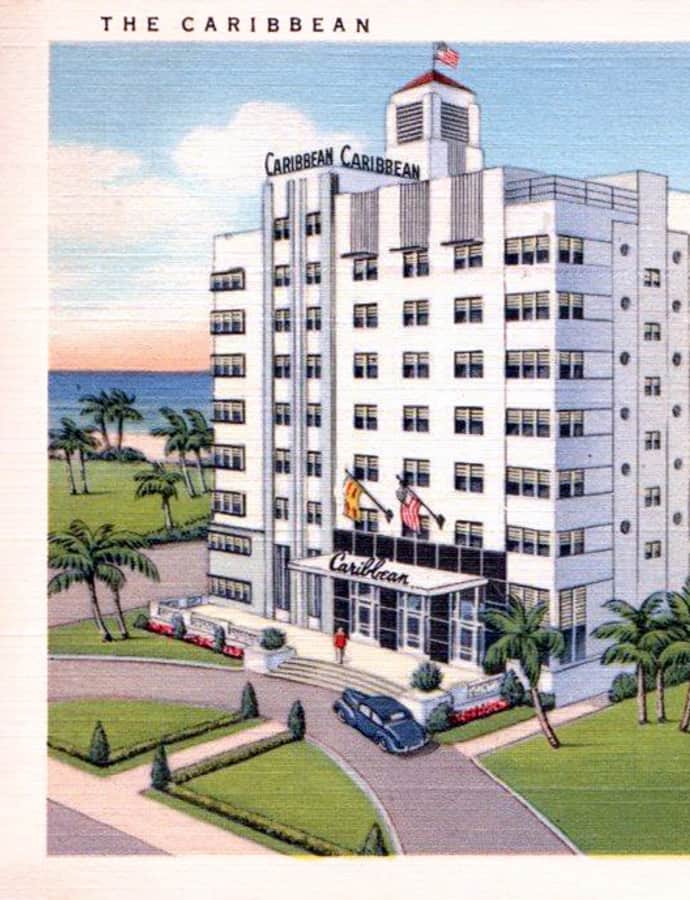
Caribbean Hotel

Art Deco

Caribbean Hotel

Lawrence Murray Dixon · 1941

The Caribbean Hotel is a 1941 Art Deco hotel in Miami Beach's Mid-Beach area, designed by Lawrence Murray Dixon, one of the era's most prolific Miami Beach Deco architects.

Photo: Curt Teich & Co., Chicago , Public domain

Central Baptist Church

Neoclassical

Central Baptist Church

Edward Bennett Dougherty

Central Baptist Church is a Neoclassical church built in 1925 at 500 Northeast 1st Avenue in downtown Miami, designed by architect Edward Bennett Dougherty. It was added to the National Register of Historic Places on January 4, 1989.
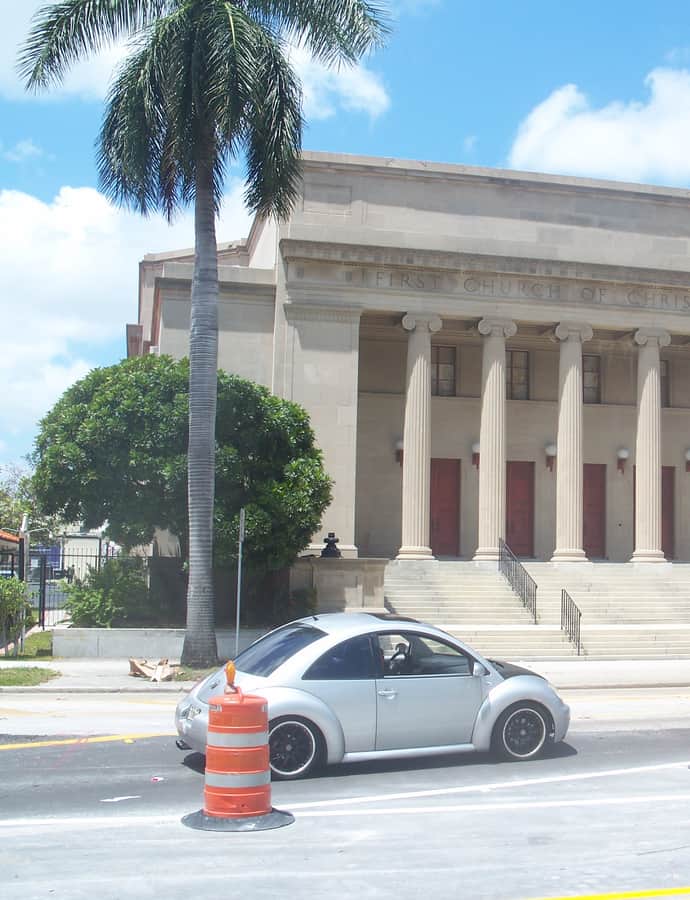
Photo: Ebyabe , CC BY-SA 3.0
Art Deco

Chelsea Hotel

Victor Nellenbogen · 1936

The Chelsea Hotel opened in South Beach in 1936, designed by architect Victor Nellenbogen. Its Art Deco facade is still visible from the street.

City National Bank Building

Neoclassical

City National Bank Building

The City National Bank Building, also known as the Langford Building, went up at 121 Southeast 1st Street just before the 1926 hurricane that ended Miami's real estate boom. Film producer Louis B. Mayer owned the building from 1952 until his death in 1959, and it was listed on the National Register of Historic Places on January 4, 1989, as the City National Bank Building. In 2012 it was sold and renovated into the boutique Langford Hotel.

Photo: Ebyabe , CC BY-SA 3.0
Cromwell Hotel

Art Deco

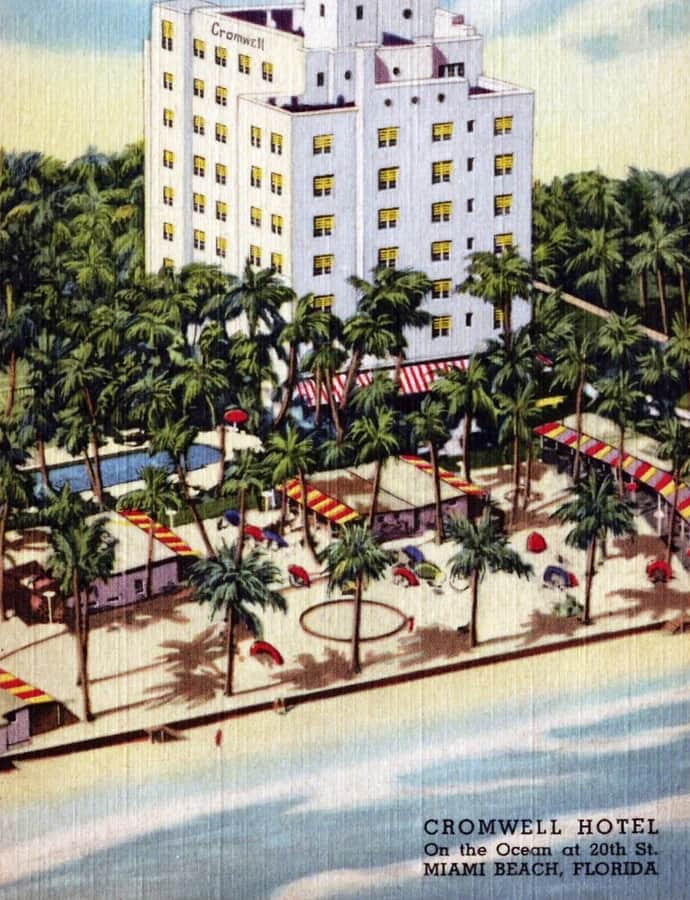
Cromwell Hotel

Robert A. Taylor · 1939

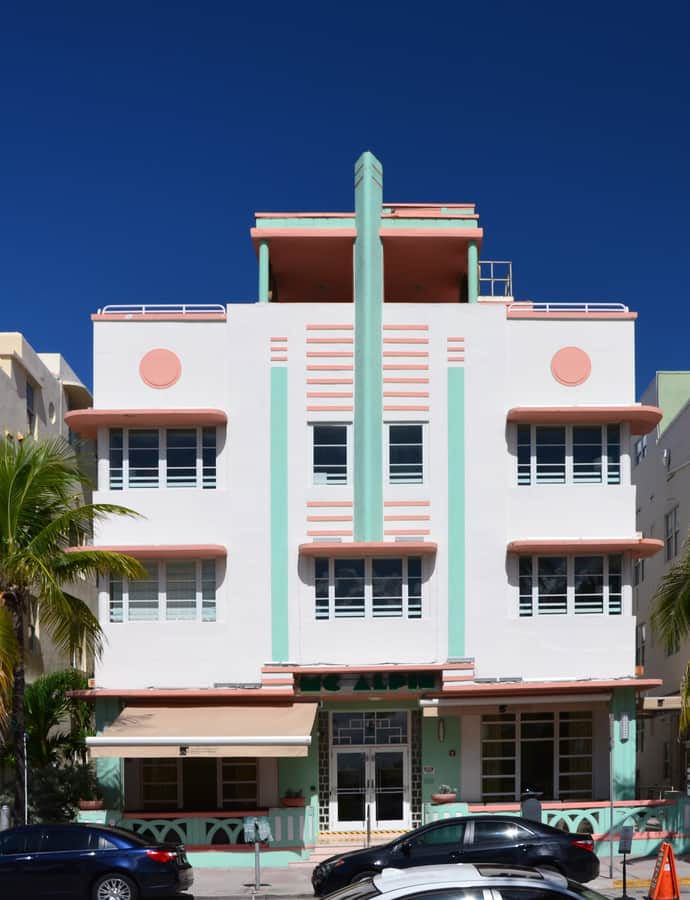
The Cromwell Hotel was built in South Beach in 1939, designed by Robert A. Taylor in the Art Deco style. It stands as part of South Beach's Deco hotel row, with its facade still visible from the street.

Photo: Curt Teich & Co., Chicago (publisher) , Public domain

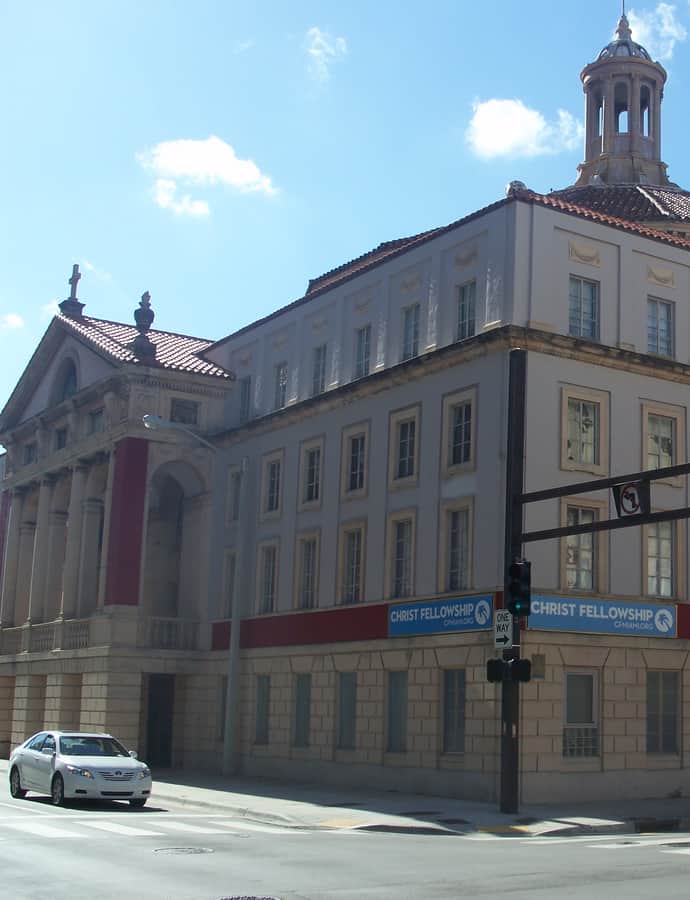
First Church of Christ, Scientist

Neoclassical

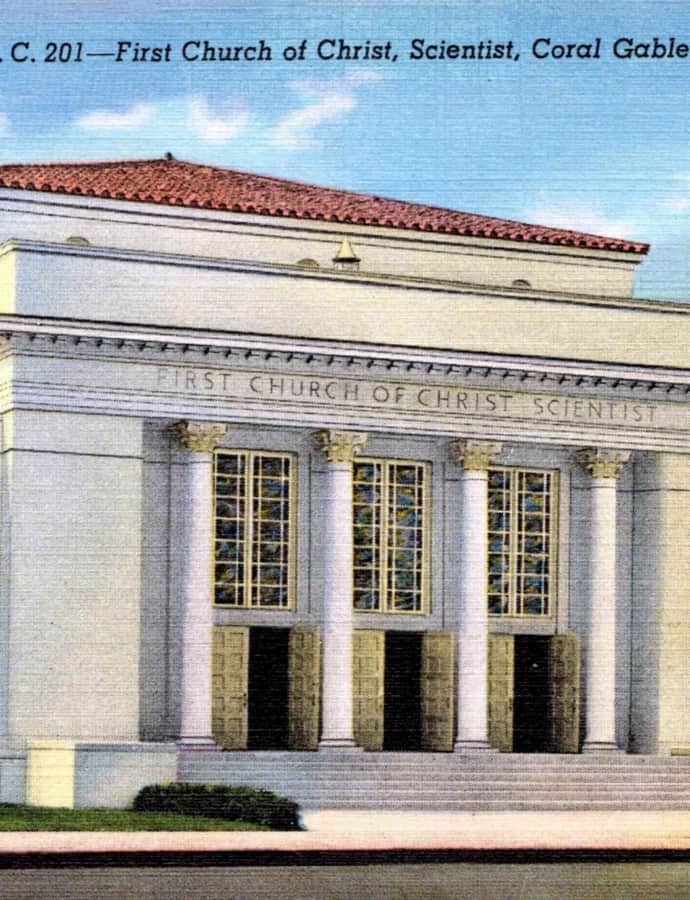
First Church of Christ, Scientist

Phineas Paist · 1948

First Church of Christ, Scientist is a 1948 Neoclassical church in Coconut Grove designed by Phineas Paist, the supervising architect of Coral Gables. It stands as a notable religious commission from a leading regional architect of the era.

Photo: Curt Teich & Co. , Public domain

Giller Building

Mid-Century Modern

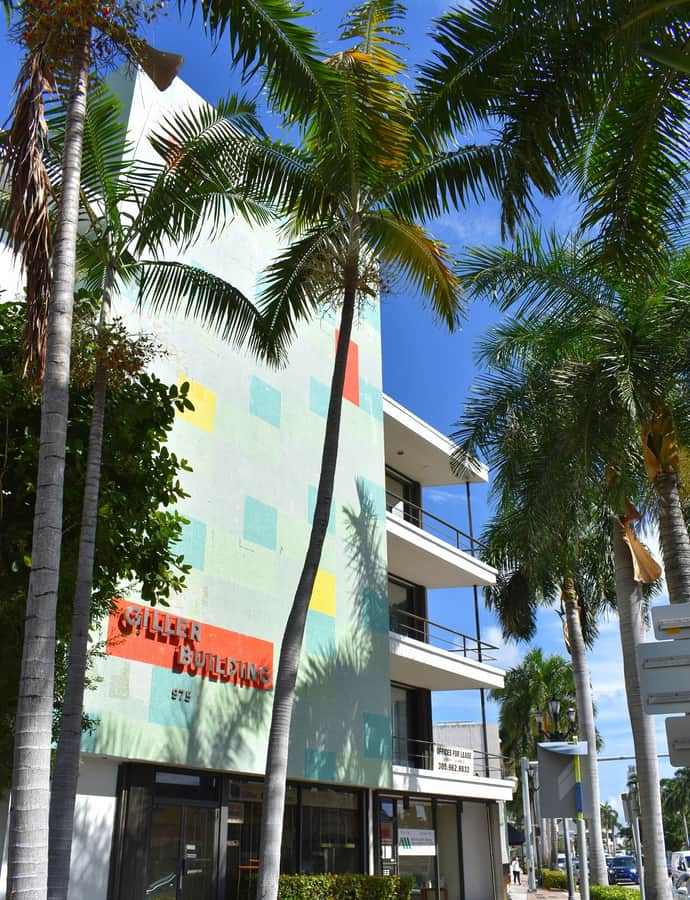
Giller Building

Norman M. Giller · 1957

The Giller Building is a 1957 Miami Modern structure in Mid-Beach designed by Norman M. Giller, one of the style's namesake architects, and named for its own designer. It carries an individual listing on the National Register of Historic Places.

Photo: Tamanoeconomico , CC BY-SA 4.0

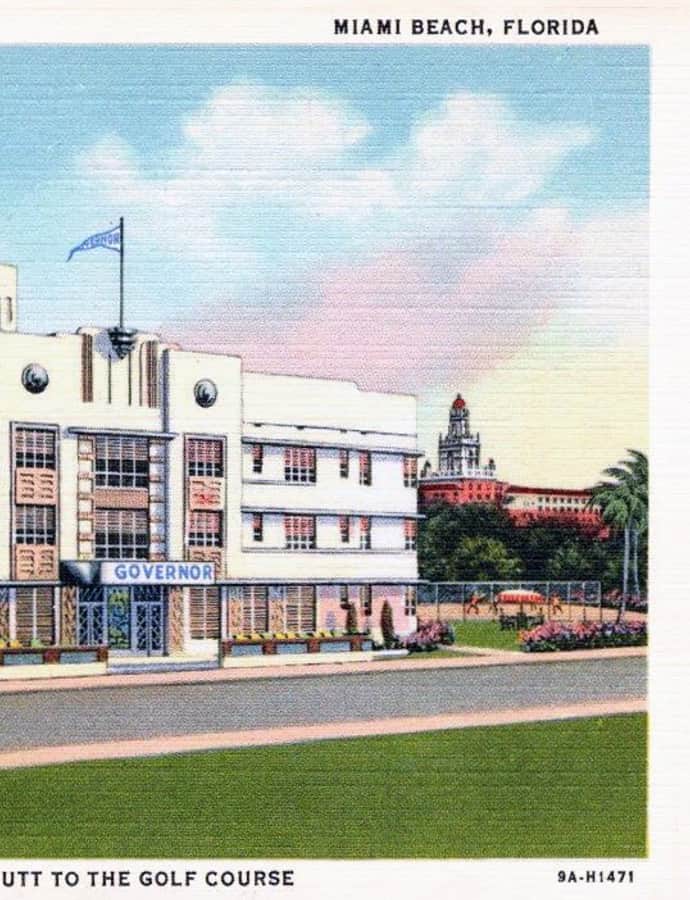
Governor Hotel

Streamline Moderne

Governor Hotel

Henry Hohauser · 1939

The Governor Hotel opened in 1939, designed by Henry Hohauser in a Streamline Moderne take on Art Deco. It stands as part of Miami Beach's dense Deco hotel row, its streamlined massing visible from the sidewalk.

Photo: Curt Teich & Co., Chicago (publisher) , Public domain

Haddon Hall Hotel

Art Deco

Haddon Hall Hotel

Lawrence Murray Dixon · 1940

Haddon Hall Hotel is a 1940 Art Deco hotel in South Beach designed by Lawrence Murray Dixon, one of the neighborhood's most prolific hotel architects. It's part of the dense run of small Deco hotels Dixon turned out across South Beach during the district's building boom.

Photo: H.W. Hannau , Public domain

Hoffman's Cafeteria

Streamline Moderne

Hoffman's Cafeteria

Henry Hohauser

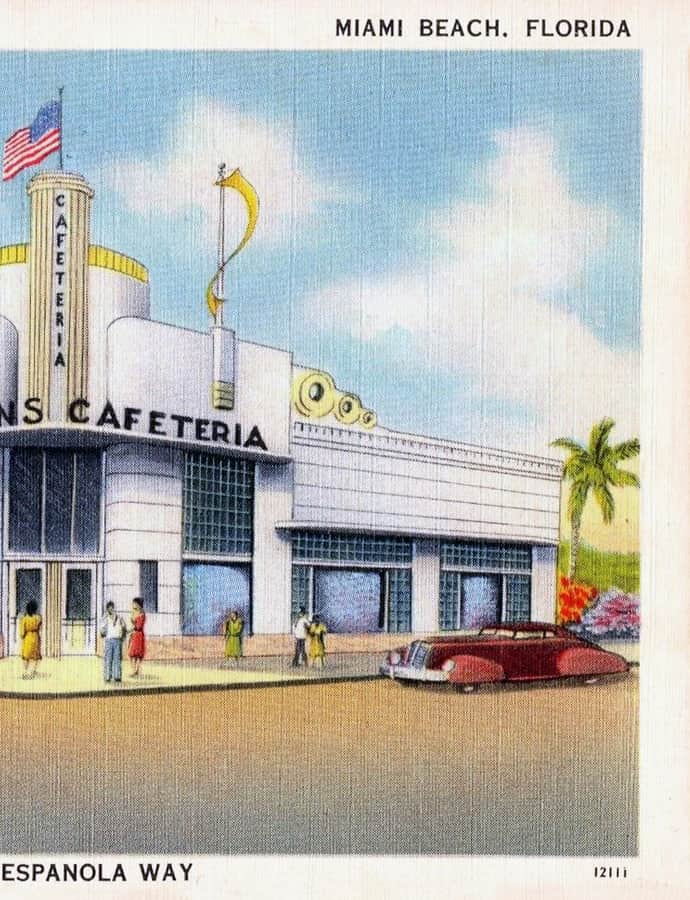
Hoffman's Cafeteria is a Streamline Moderne commercial building designed by Henry Hohauser, notable among Miami Beach's Deco-era commercial architecture. Its streamlined facade is visible directly from the street.

Photo: Colourpicture Publishers, Inc., Boston (publisher) , Public domain

Hotel Bancroft

Art Deco

Hotel Bancroft

Albert Anis · 1939

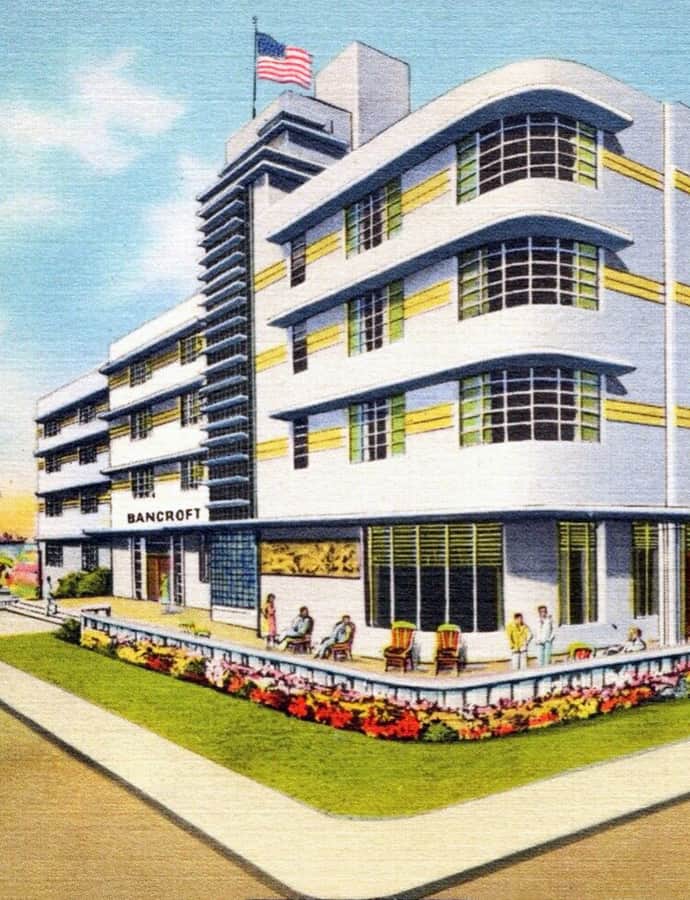
The Hotel Bancroft was built in 1939 in South Beach, designed by Albert Anis in the Art Deco style. It is a contributing property to the National Register of Historic Places, with its Deco facade visible from the street.

Photo: Colourpicture Publishers; Inc, Boston (publisher) , Public domain

Hotel Breakwater

Art Deco

Hotel Breakwater

Anton Skislewicz · 1939

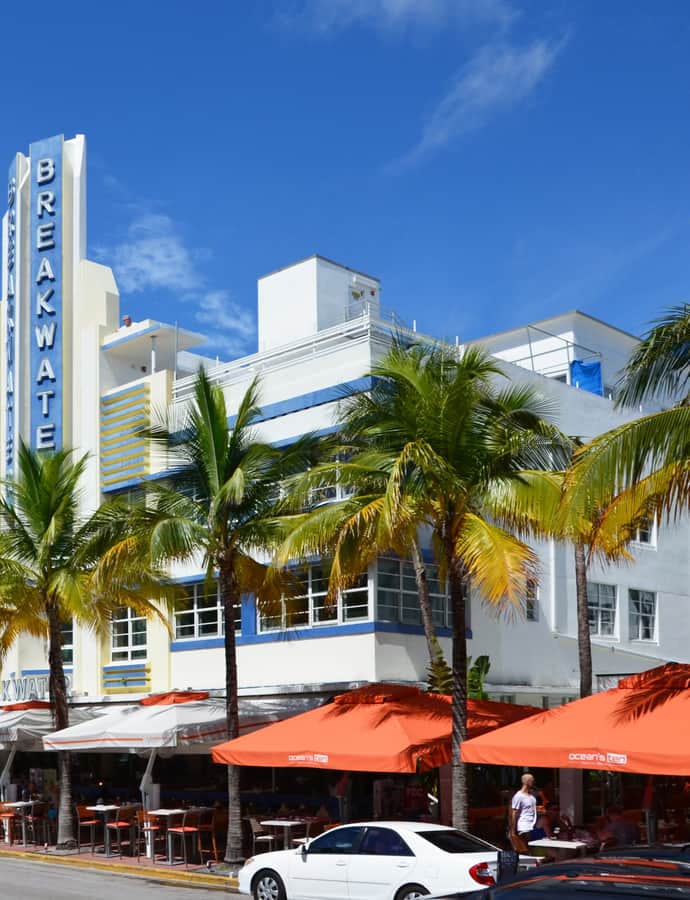
The Hotel Breakwater is a 1939 Art Deco and Streamline Moderne hotel in South Beach designed by architect Anton Skislewicz. It is a contributing property within the National Register-listed historic district.

Photo: Gzzz , CC BY-SA 4.0

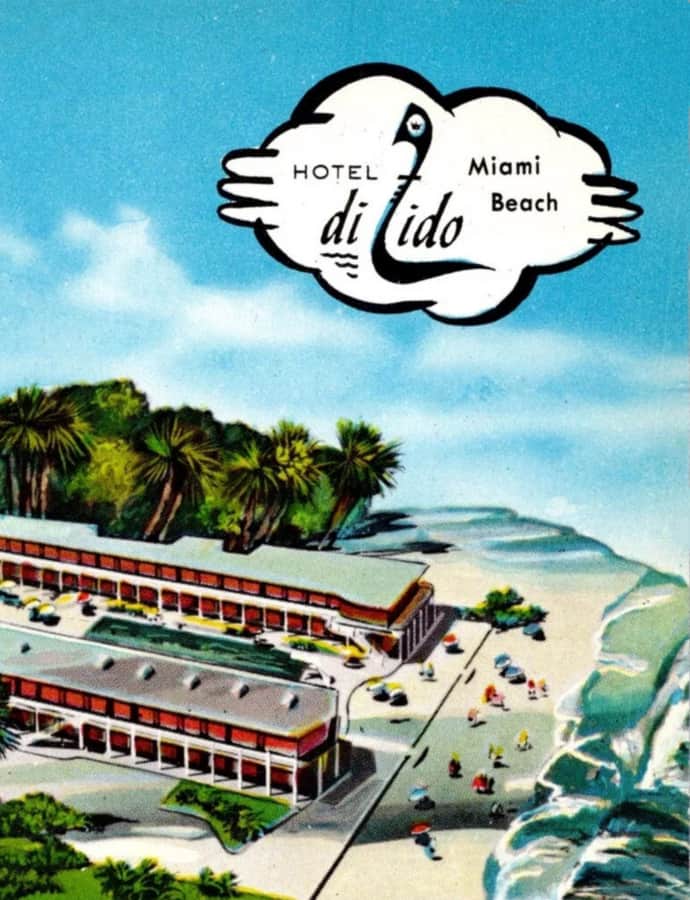
Hotel Di Lido

Mid-Century Modern

Hotel Di Lido

Morris Lapidus · 1953

The Hotel Di Lido was built in 1953 in South Beach, designed by Morris Lapidus in the Miami Modern style. Lapidus was a major figure in MiMo, and the hotel's facade in that style is visible from the sidewalk.

Photo: Colourpicture Publishers, Inc. , Public domain

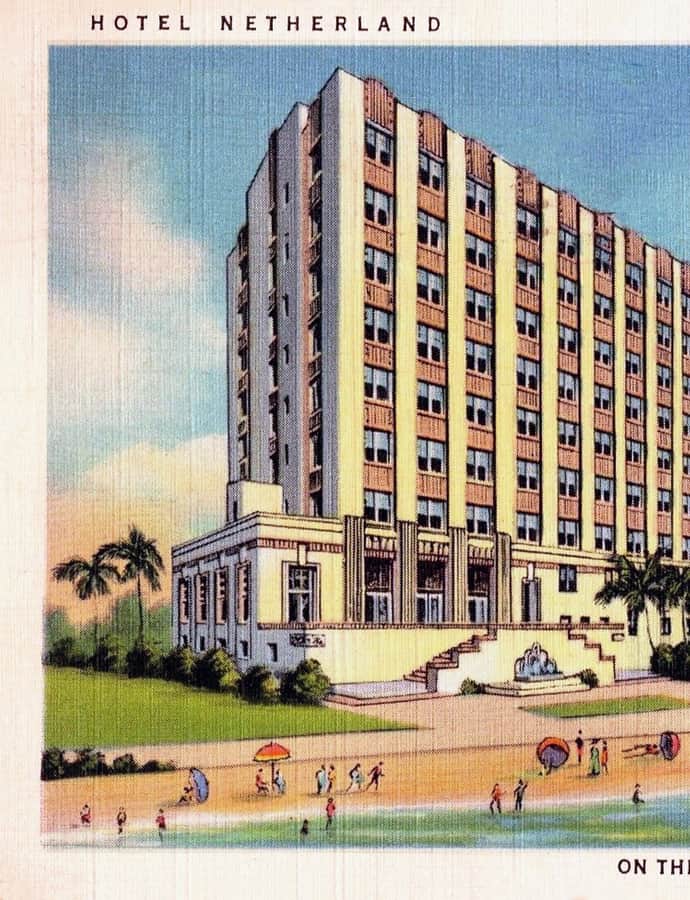
Hotel Netherland

Art Deco

Hotel Netherland

Robertson & Patterson · 1935

The Hotel Netherland was built in South Beach in 1935, designed by Robertson & Patterson in the Art Deco style. It is part of South Beach's Deco hotel row, with its facade still visible from the street.

Photo: Curt Teich & Co., Chicago (publisher) , Public domain

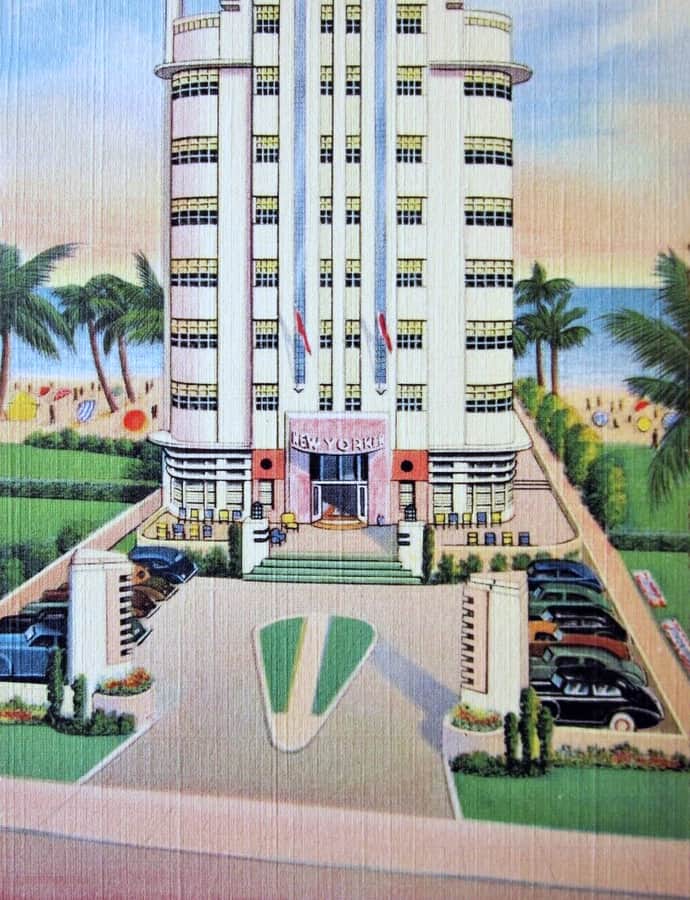
Hotel New Yorker

Art Deco

Hotel New Yorker

Henry Hohauser · 1939

Hotel New Yorker opened in 1939, designed by Henry Hohauser as an entry in Miami Beach's Art Deco hotel row. Its facade carries the Deco vocabulary visible throughout the district.

Photo: Curt Teich & Co., Chicago (publisher) , Public domain

Huntington Building

Chicago School

Huntington Building

The Huntington Building, also known as the Consolidated Bank Building, stands at 168 Southeast 1st Street in downtown Miami and was added to the National Register of Historic Places on January 4, 1989. In March 2023, inspectors ruled the building unsafe and ordered its tenants evacuated.

Photo: SebasTorrente , CC BY-SA 3.0
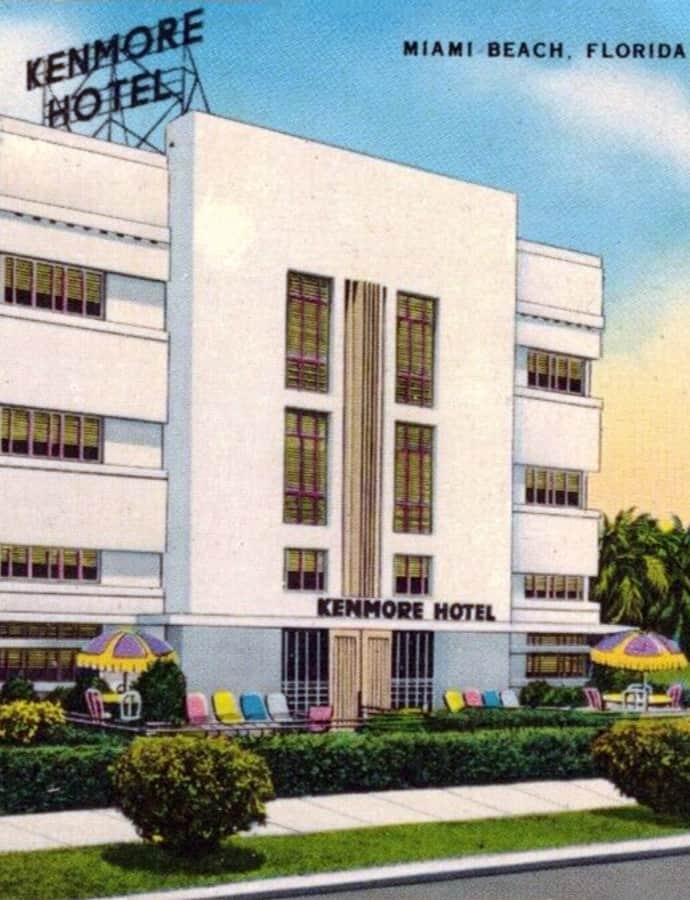
Kenmore Hotel

Art Deco

Kenmore Hotel

Anton Skislewicz · 1936

The Kenmore Hotel was built in South Beach in 1936, designed by Anton Skislewicz in the Art Deco style. It stands within South Beach's Deco hotel row, its facade still visible from the street.

Photo: Colourpicture Publishers, Inc., Boston (publisher) , Public domain

La Palma Hotel

Mediterranean Vernacular

La Palma Hotel

H. George Fink · 1924

La Palma Hotel dates to 1924, making it one of the earlier resort buildings on Miami Beach, designed in the Mediterranean Revival style by H. George Fink, a founding architect of Coral Gables.

Photo: Curt Teich & Co. , Public domain

Marseilles Hotel

Art Deco

Marseilles Hotel

B. Robert Swartburg · 1947

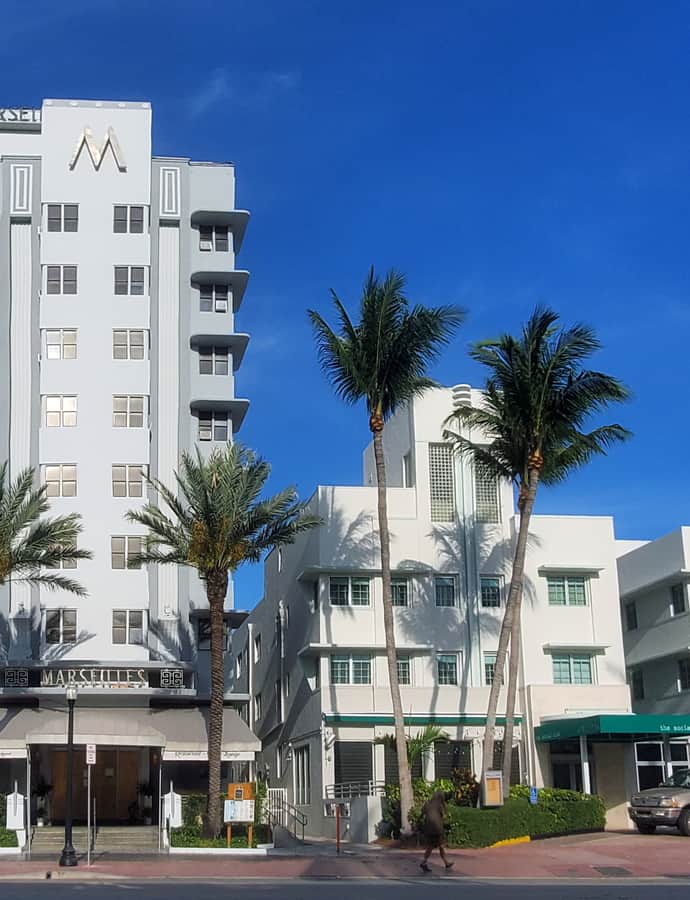
The Marseilles Hotel is a 1947 Art Deco hotel in South Beach designed by B. Robert Swartburg, who also designed the Delano Hotel. Arriving near the end of Miami Beach's Deco building boom, it represents the style's late period.

Photo: Barmych , CC BY-SA 4.0

McAlpin Hotel

Art Deco

McAlpin Hotel

Lawrence Murray Dixon · 1940

The McAlpin Hotel, completed in 1940, is part of Lawrence Murray Dixon's extensive body of Art Deco hotel work in Miami Beach. Its facade carries the Deco detailing visible throughout the district.

Photo: Gzzz , CC BY-SA 4.0

International Style

Monmartre Hotel

Melvin Grossman · 1958

The Monmartre Hotel went up in 1958 in Miami Beach's Mid-Beach area, designed by Melvin Grossman in the International Style that defined the city's postwar hotel boom.

Monticello Hotel

Neoclassical

Monticello Hotel

Joseph DeBrita

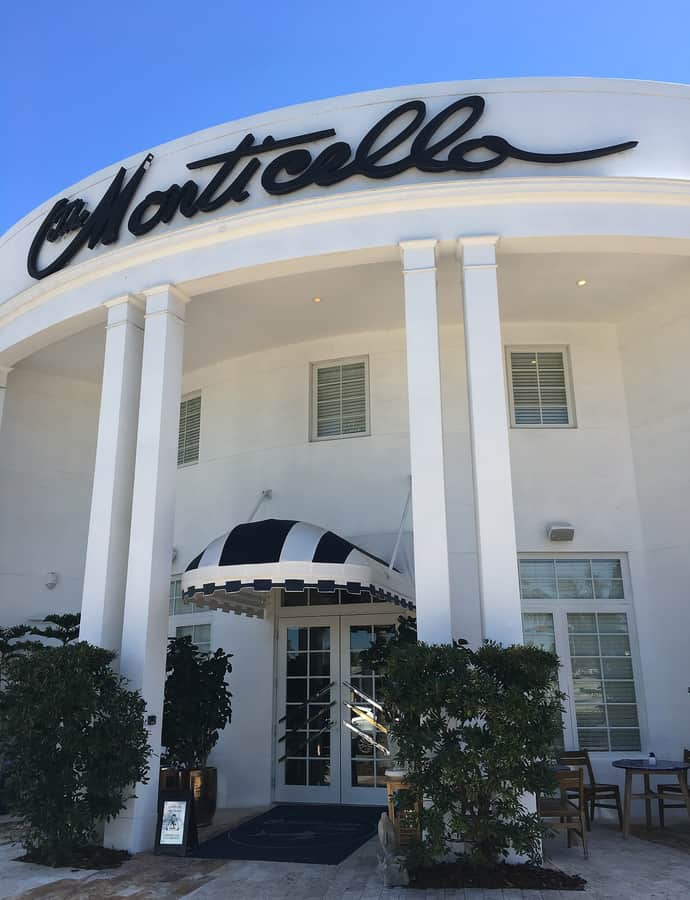
The Monticello Hotel is a Neoclassical building in Mid-Beach designed by architect Joseph DeBrita and individually listed on the National Register of Historic Places.

Photo: Phillip Pessar from Miami, USA , CC BY 2.0

Neron Hotel

Art Deco

Neron Hotel

Henry Hohauser · 1940

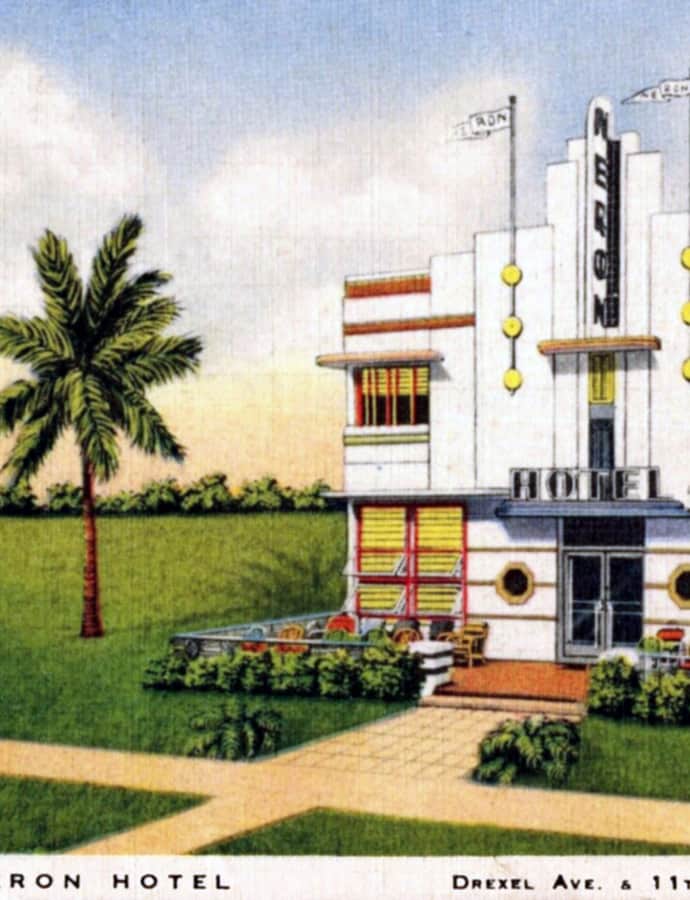
The Neron Hotel is a 1940 Art Deco hotel in South Beach designed by Henry Hohauser, one of the era's most prolific Miami Beach Deco architects. Its facade is part of the dense run of Deco hotels that lines the neighborhood's streets.

Photo: Scheapper Publishers, Miami , Public domain

Ocean Plaza Hotel

Art Deco

Ocean Plaza Hotel

Lawrence Murray Dixon · 1941

The Ocean Plaza Hotel, built in 1941, is another entry in Lawrence Murray Dixon's extensive run of Art Deco hotels on Miami Beach. The Deco facade is visible from the street.

Photo: Colourpicture Publishers, Inc., Boston (publisher) , Public domain

Ocean Surf Hotel

Art Deco

Ocean Surf Hotel

Anton Skislewicz · 1940

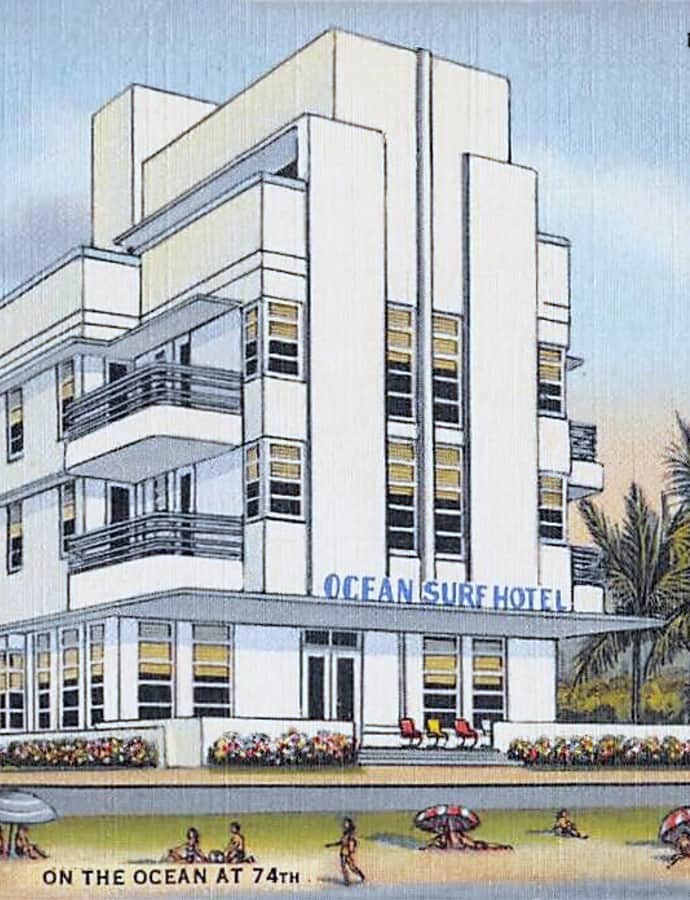
The Ocean Surf Hotel was built in Mid-Beach in 1940, designed by Anton Skislewicz in the Art Deco style. It belongs to the area's Deco hotel row, with its facade still visible from the street.

Photo: Curt Teich & Co., Chicago (publisher) , Public domain

Osceola Apartment Hotel

Pueblo Revival

Osceola Apartment Hotel

Martin L. Hampton · 1926

The Osceola Apartment Hotel, also known as Azure Villas, was built in 1926 in Miami Springs at 200 Azure Way, designed by Martin L. Hampton in the Pueblo Revival style, a rare choice for Florida. It was added to the National Register of Historic Places on November 1, 1985.

Photo: Ebyabe , CC BY-SA 3.0
Palmer House

Art Deco

Palmer House

Lawrence Murray Dixon · 1939

Palmer House is a 1939 Art Deco building in Miami Beach's South Beach neighborhood, designed by Lawrence Murray Dixon, one of the district's major Deco-era architects.

Photo: Curt Teich & Co., Chicago , Public domain

Penguin Hotel

Mid-Century Modern

Penguin Hotel

Henry Hohauser · 1948

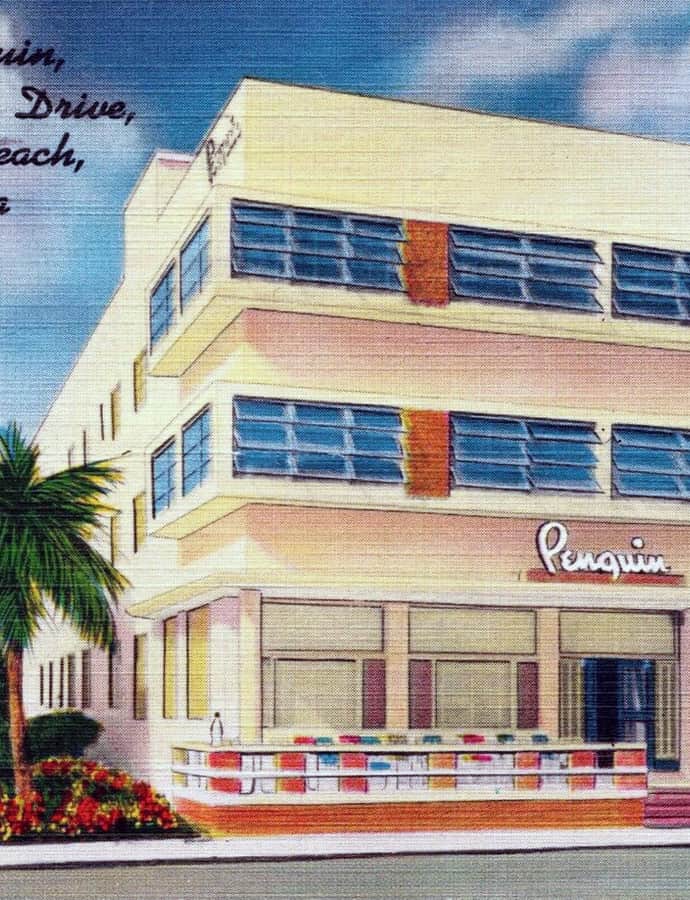
The Penguin Hotel was built in 1948 in South Beach, designed by Henry Hohauser in the Miami Modern style. It is a contributing property to the National Register of Historic Places, part of the district's collection of postwar MiMo hotels.

Photo: Colourpicture Publishers, Inc., Boston (publisher) , Public domain

Promenade Hotel

Mid-Century Modern

Promenade Hotel

Albert Anis · 1948

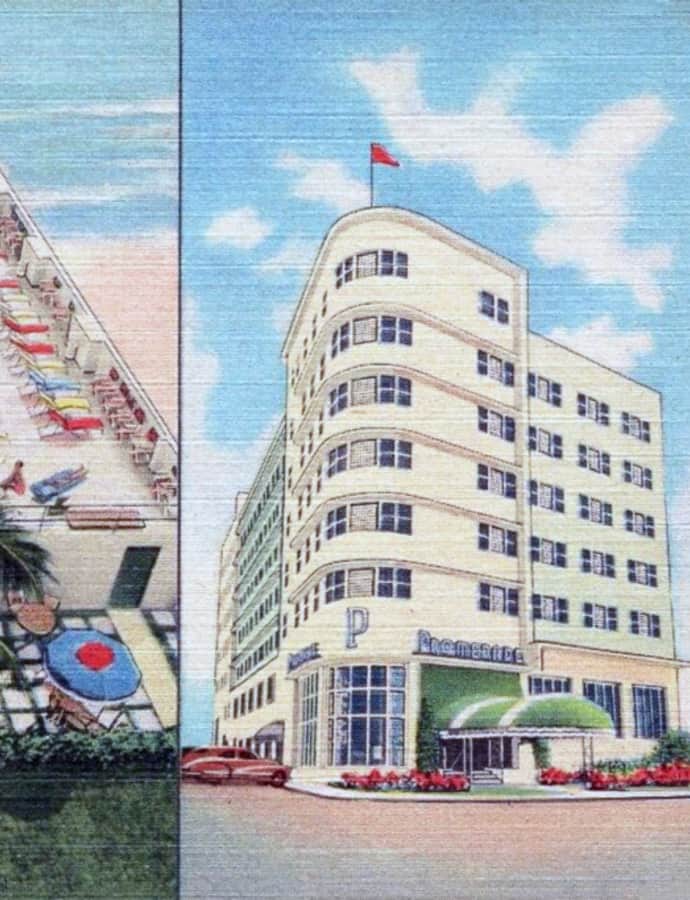
The Promenade Hotel is a 1948 Miami Modern (MiMo) hotel in Mid-Beach, designed by Albert Anis, a notable Miami Beach hotel architect. Its facade, typical of the style, remains visible from the street today.

Photo: Curt Teich & Co., Chicago (publisher) , Public domain

Art Deco

Red South Beach Hotel

Martin L. Hampton · 1935

The Red South Beach Hotel is a 1935 Art Deco building in Mid-Beach designed by architect Martin L. Hampton.

S & S Sandwich Shop

Art Deco

S & S Sandwich Shop

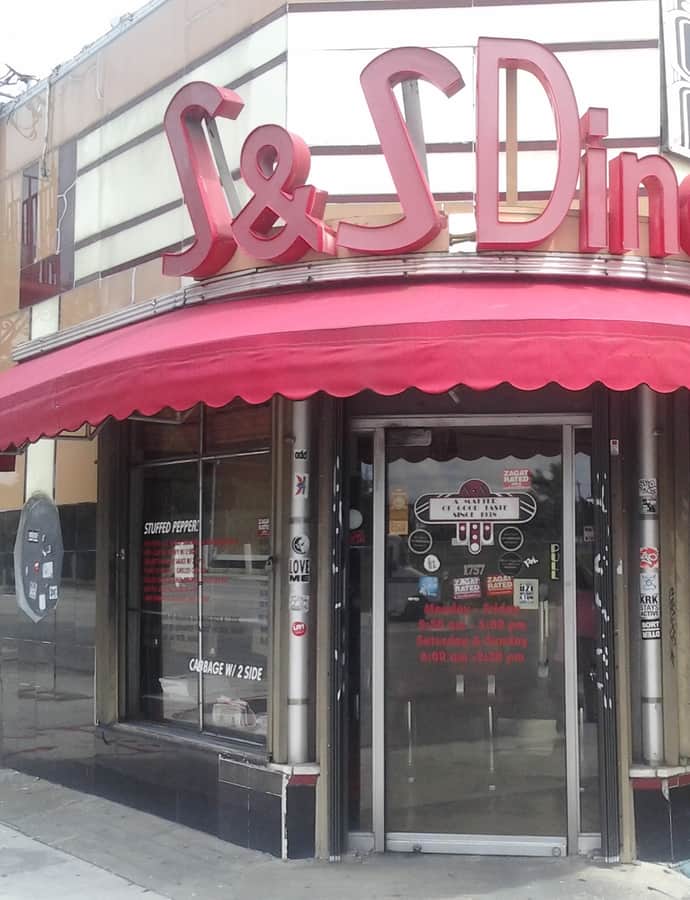
The S & S Sandwich Shop, also known as the S&S Diner, is a small Art Deco building at 1757 Northeast 2nd Avenue in Miami's Design District, constructed in 1938. It was added to the National Register of Historic Places on January 4, 1989.

Photo: machinezilla , CC BY-SA 3.0
Sagamore Hotel South Beach

Mid-Century Modern

Sagamore Hotel South Beach

Albert Anis · 1948

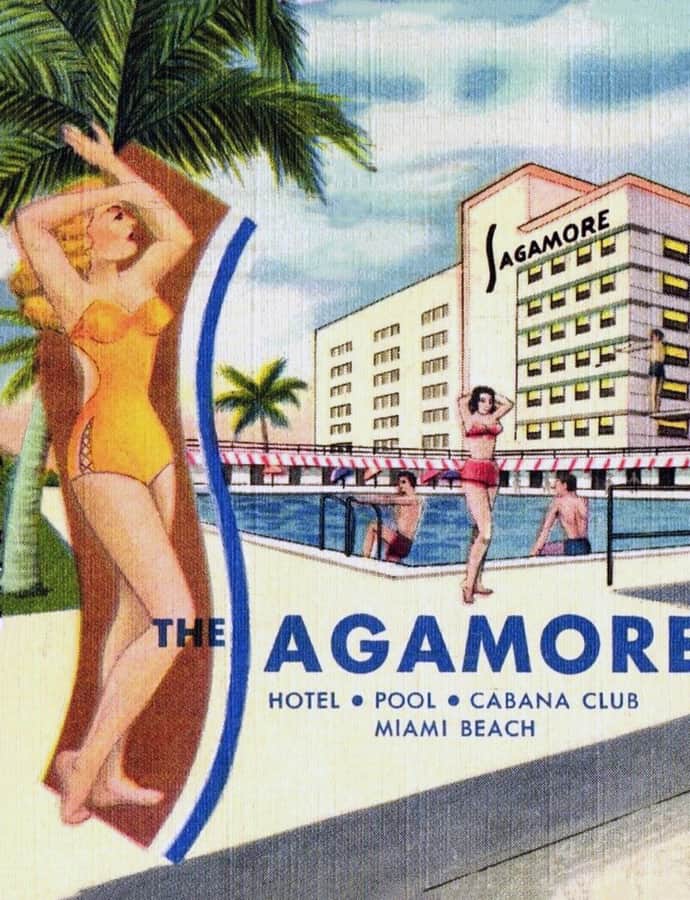
The Sagamore Hotel, built in 1948 and designed by Albert Anis, marks South Beach's shift from Art Deco toward the Miami Modern style. It reads as a transition-era hotel, with MiMo massing already visible from the street.

Photo: Curt Teich & Co., Chicago (publisher) , Public domain

Security Building

Chicago School

Security Building

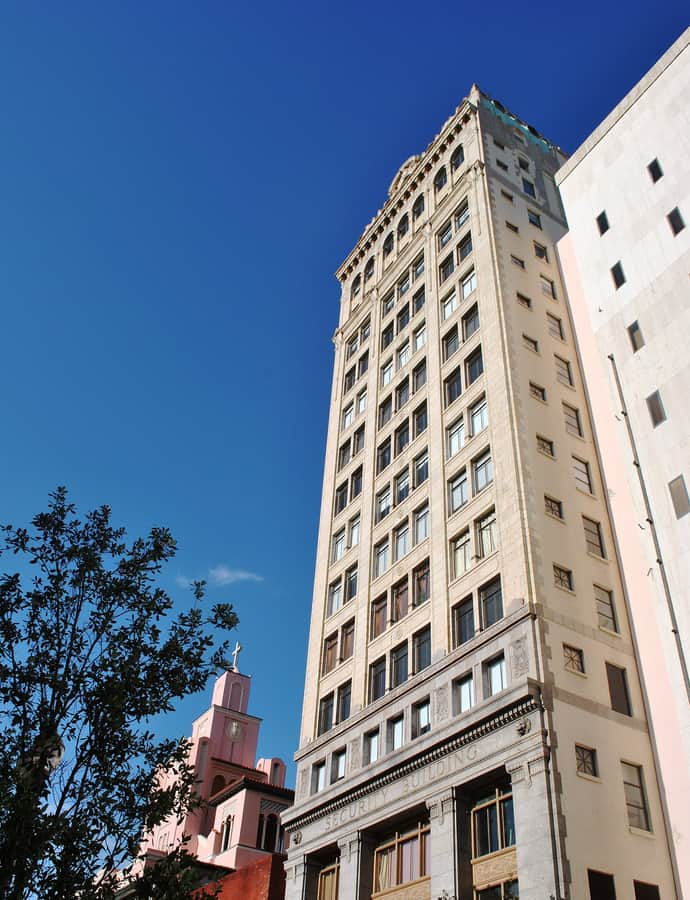
The 16-story, 225-foot Security Building rose at 117 Northeast 1st Avenue in 1926-27 for the Dade County Security Company, which razed its own headquarters, the former McKinnon Hotel it had renamed the Security Hotel, to build bigger under architect Robert Greenfield. It opened in 1927 with banking offices on the ground floor and mezzanine and 275 office suites above served by four high-speed elevators, and it carried the Security Building name until 1945. It was added to the National Register of Historic Places on January 4, 1989.

Photo: Elisa.rolle , CC BY-SA 4.0
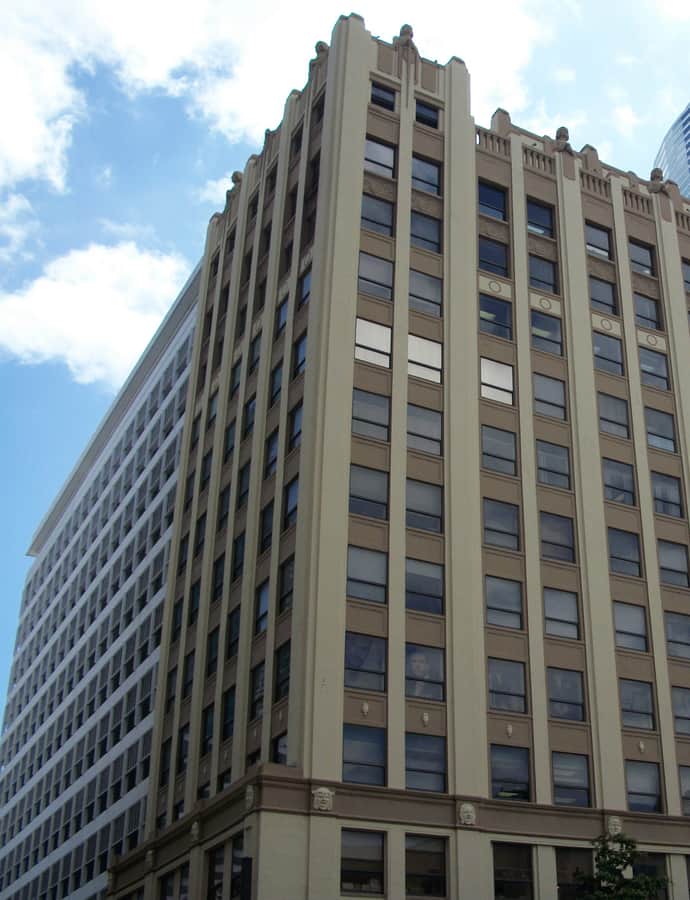
Senator Hotel

Art Deco

Senator Hotel

Lawrence Murray Dixon · 1939

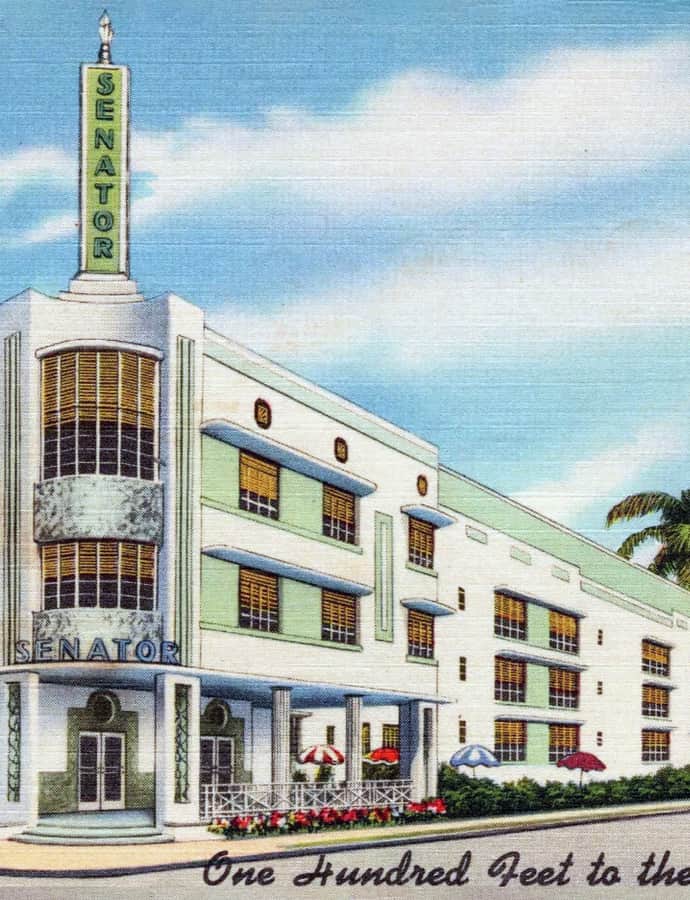
The Senator Hotel is a 1939 Art Deco hotel in Miami Beach's South Beach neighborhood, designed by Lawrence Murray Dixon.

Photo: Colourpicture Publishers, Inc. , Public domain

Shelborne South Beach

International Style

Shelborne South Beach

Morris Lapidus; Igor B. Polevitzky · 1941

The Shelborne South Beach opened in 1941, designed in the International Style by Morris Lapidus and Igor B. Polevitzky, two notable architects who shaped Miami Beach's mid-century look.

Photo: Willem van de Poll , CC0
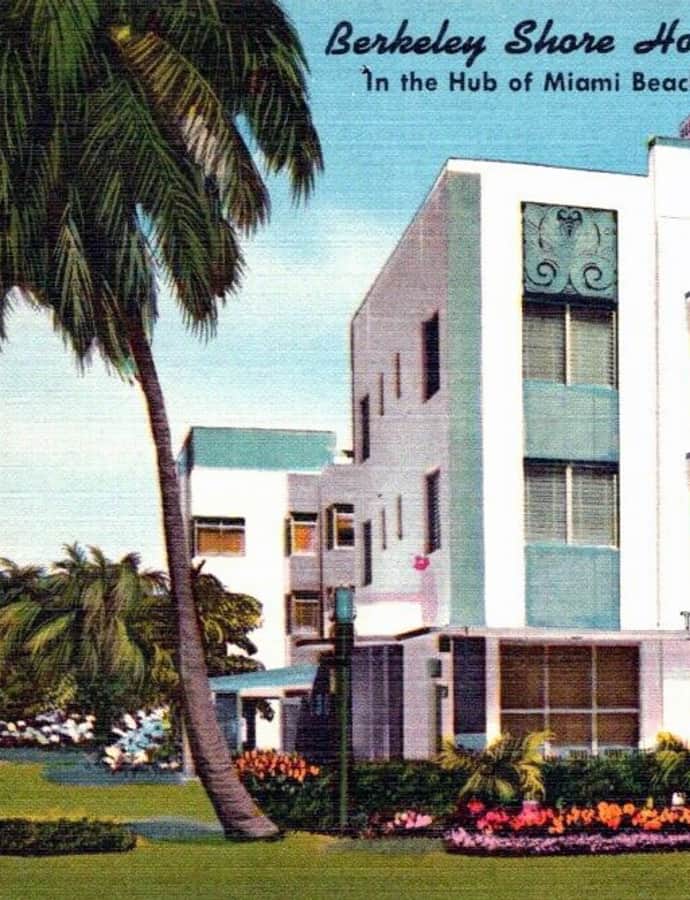
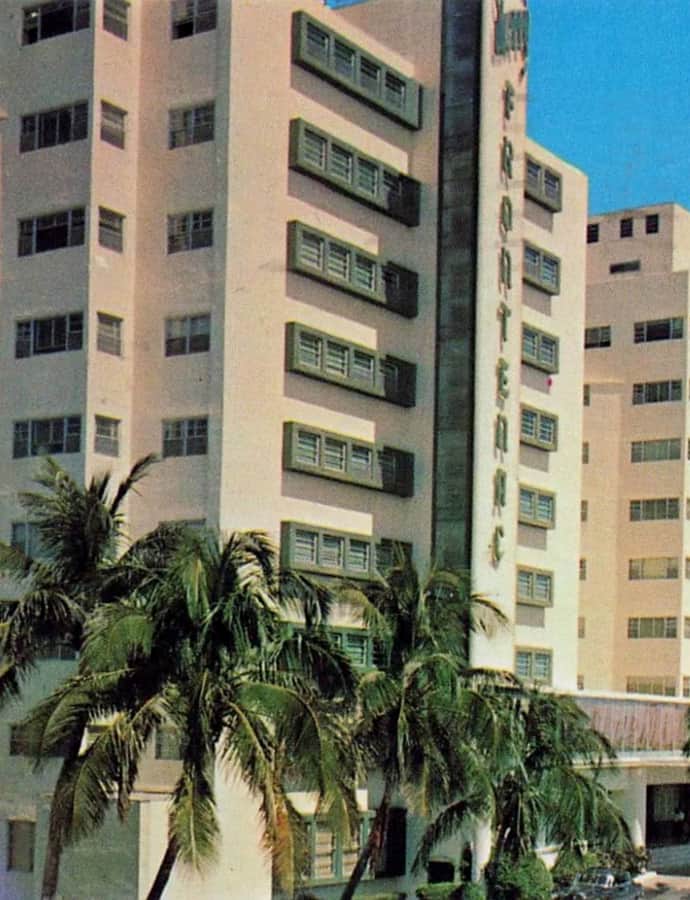
Sherry Frontenac Hotel

Mid-Century Modern

Sherry Frontenac Hotel

Henry Hohauser · 1948

The Sherry Frontenac Hotel was built in 1948 in Mid-Beach, designed by Henry Hohauser in the Miami Modern style, part of Hohauser's prolific body of hotel work on Miami Beach.

Photo: B. Amadeus Rubel , Public domain

Sorrento Hotel

Mid-Century Modern

Sorrento Hotel

B. Robert Swartburg · 1948

The Sorrento Hotel is a 1948 Miami Modern (MiMo) hotel in Mid-Beach, designed by B. Robert Swartburg, a notable architect of the MiMo era. Its 1948 completion date places it right at the start of Miami Beach's postwar MiMo hotel boom.

Photo: Hildreth , Public domain

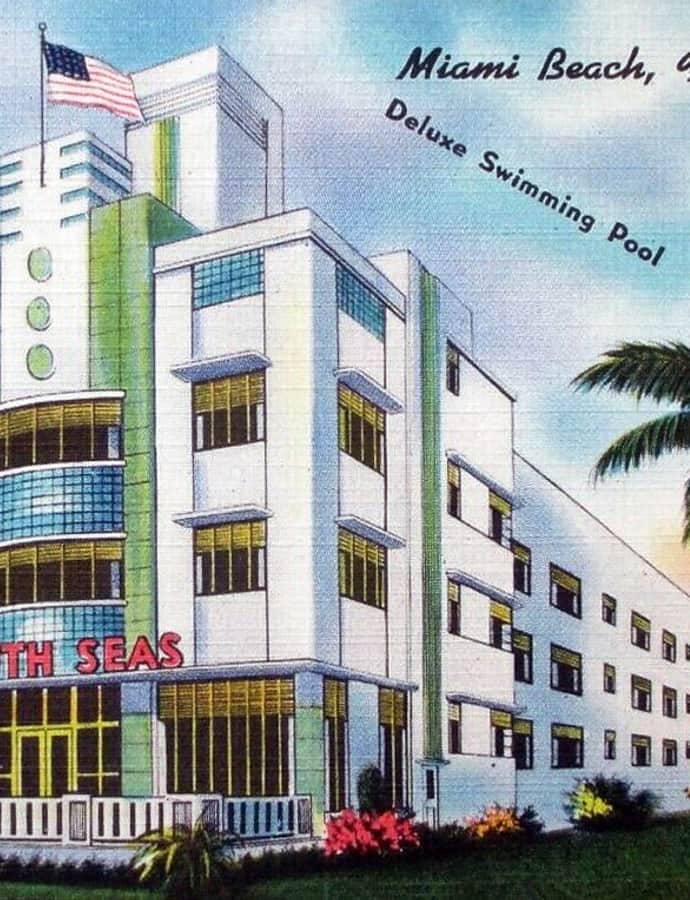
South Seas Hotel

Streamline Moderne

South Seas Hotel

Lawrence Murray Dixon; Melvin Grossman · 1941

The South Seas Hotel, built in 1941 in South Beach, mixes Streamline Moderne and Miami Modern styling, credited to both Lawrence Murray Dixon and Melvin Grossman, two of the neighborhood's notable architects. The pairing spans a design shift from Deco-era streamlining toward the later Miami Modern idiom.

Photo: Colourpicture Publishers, Inc., Boston (publisher) , Public domain

Art Deco

The Atlantis Hotel

Lawrence Murray Dixon · 1935

The Atlantis Hotel was built in 1935 in Mid-Beach, designed by Lawrence Murray Dixon in the Art Deco style. Dixon was one of the most prolific Art Deco architects working in Miami Beach, and the hotel's Deco ornament is typically visible from the street.

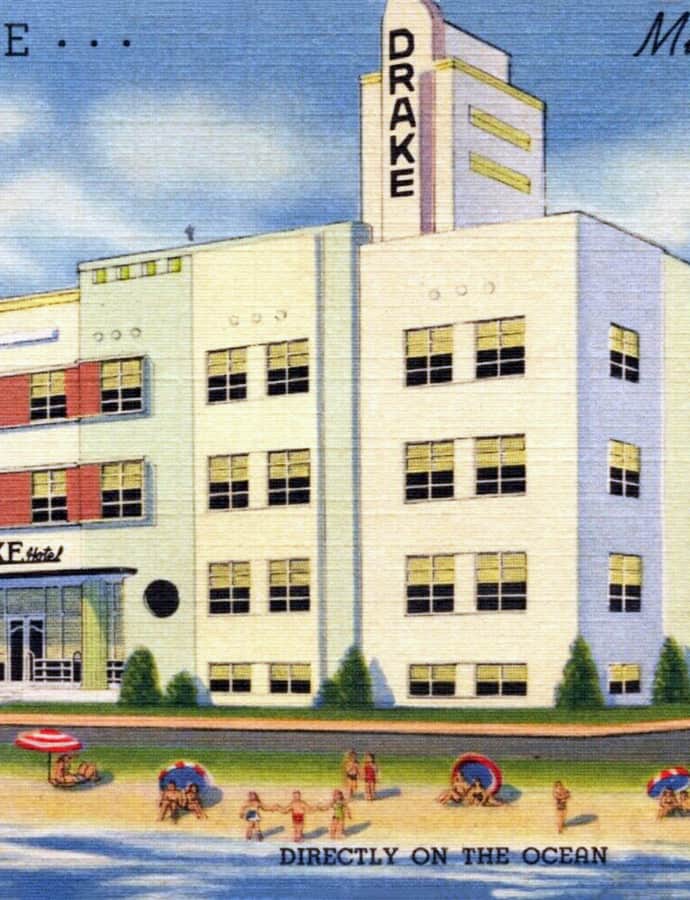
The Drake Hotel

Art Deco

The Drake Hotel

David T. Ellis · 1937

The Drake Hotel is a 1937 Art Deco hotel in Miami Beach's South Beach, designed by architect David T. Ellis. It's one of the small hotels that make up South Beach's Deco hotel row, built during the district's 1930s Art Deco construction boom, with its facade still visible from the street.

Photo: Curt Teich & Co., Chicago (publisher) , Public domain

The Gale Hotel

Art Deco

The Gale Hotel

Lawrence Murray Dixon · 1941

The Gale Hotel is a 1941 Art Deco hotel in South Beach designed by Lawrence Murray Dixon, one of many Deco hotels Dixon designed in the district.

Photo: Colourpicture Publishers, Inc. , Public domain

Streamline Moderne

The Glades Hotel

Albert Anis · 1940

The Glades Hotel is a 1940 Streamline Moderne building in Miami Beach's Mid-Beach area, designed by Albert Anis, a notable hotel architect in the city during that period.

The Marlin Hotel

Streamline Moderne

The Marlin Hotel

Lawrence Murray Dixon · 1939

The Marlin Hotel is a 1939 Streamline Moderne and Art Deco hotel in South Beach designed by Lawrence Murray Dixon, one of the leading architects of Miami Beach's Art Deco era.

Photo: P. Hughes , CC BY 4.0

The Mimosa

Mid-Century Modern

The Mimosa

Melvin Grossman · 1962

The Mimosa is a 1962 Miami Modern building in Mid-Beach designed by Melvin Grossman, one of the style's most prominent architects. Its construction date places it squarely in MiMo's peak era of Miami Beach hotel and apartment building.

Photo: Palmland Printers , Public domain

The Nautilus

Spanish Colonial Revival

The Nautilus

Schultze & Weaver · 1924

The Nautilus went up in 1924 in Mid-Beach, one of the early resort buildings that helped establish Miami Beach as a destination in its first building boom. It was designed by Schultze & Weaver in the Spanish Colonial Revival style, and its facade in that idiom is still visible from the street.

Photo: E. C. Kropp Co., Milwaukee (publisher) , Public domain

The Plymouth Hotel

Streamline Moderne

The Plymouth Hotel

Anton Skislewicz · 1940

The Plymouth Hotel was built in South Beach in 1940, designed by Anton Skislewicz in the Streamline Moderne style. Its streamlined facade remains visible from the street.

Photo: Curt Teich & Co., Chicago , Public domain

The President

Art Deco

The President

Lawrence Murray Dixon · 1936

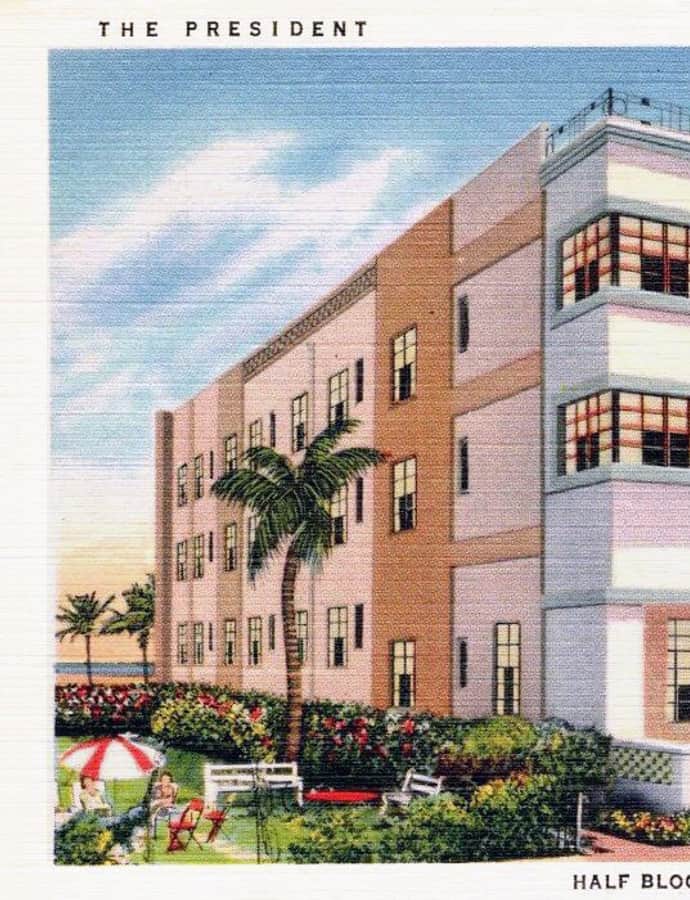
The President was built in 1936 in South Beach, designed by Lawrence Murray Dixon in the Art Deco style. It is a contributing property to the National Register of Historic Places.

Photo: Curt Teich & Co., Chicago (publisher) , Public domain

The Richmond

Mid-Century Modern

The Richmond

Lawrence Murray Dixon · 1941

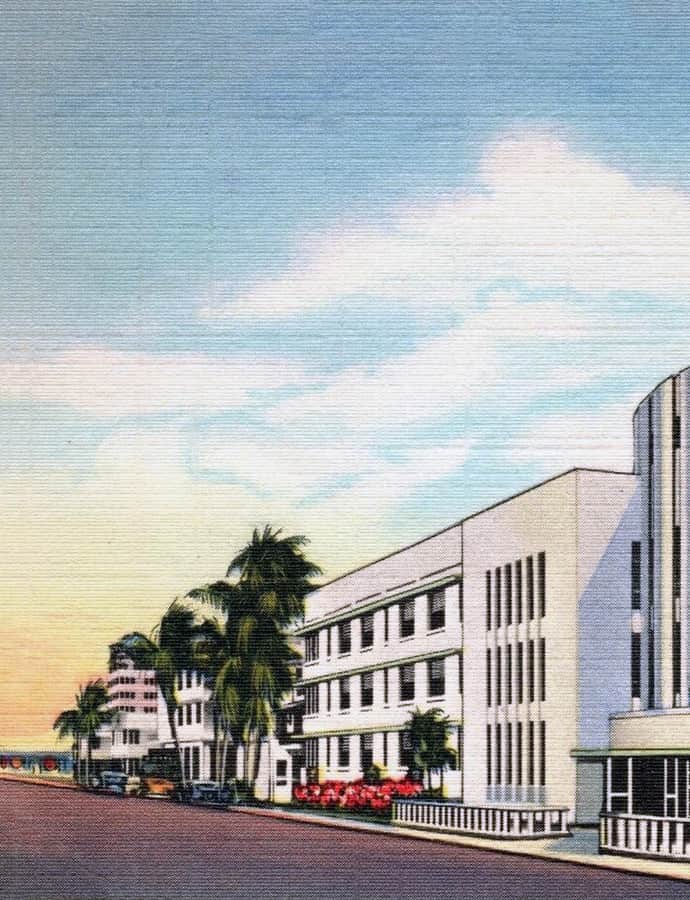
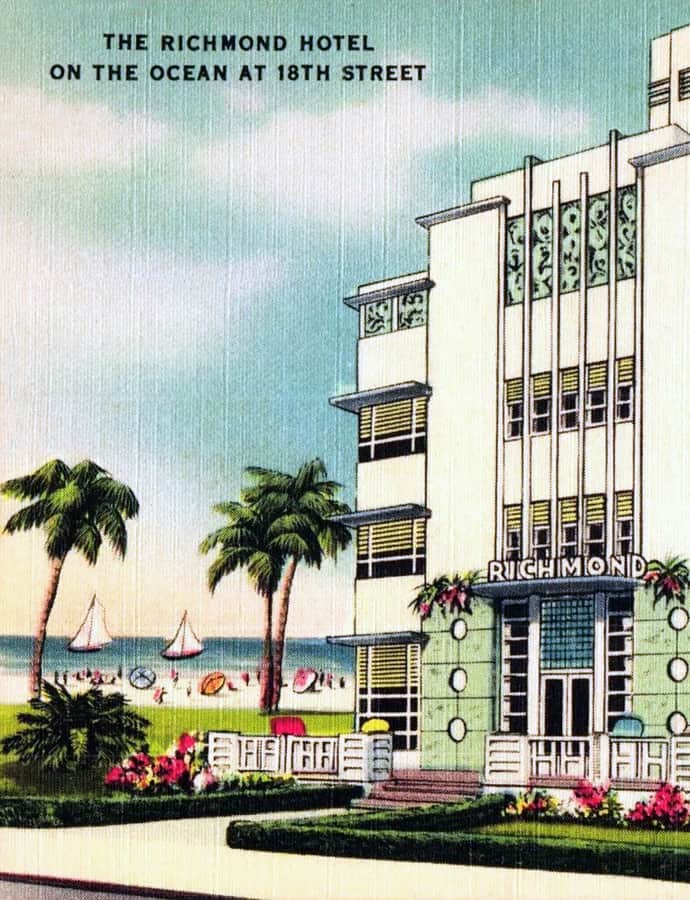
The Richmond is a 1941 building in South Beach designed by Lawrence Murray Dixon, cataloged here in the Miami Modern style. It's one of many South Beach buildings in Dixon's extensive body of work.

Photo: Colourpicture Publishers, Inc. , Public domain

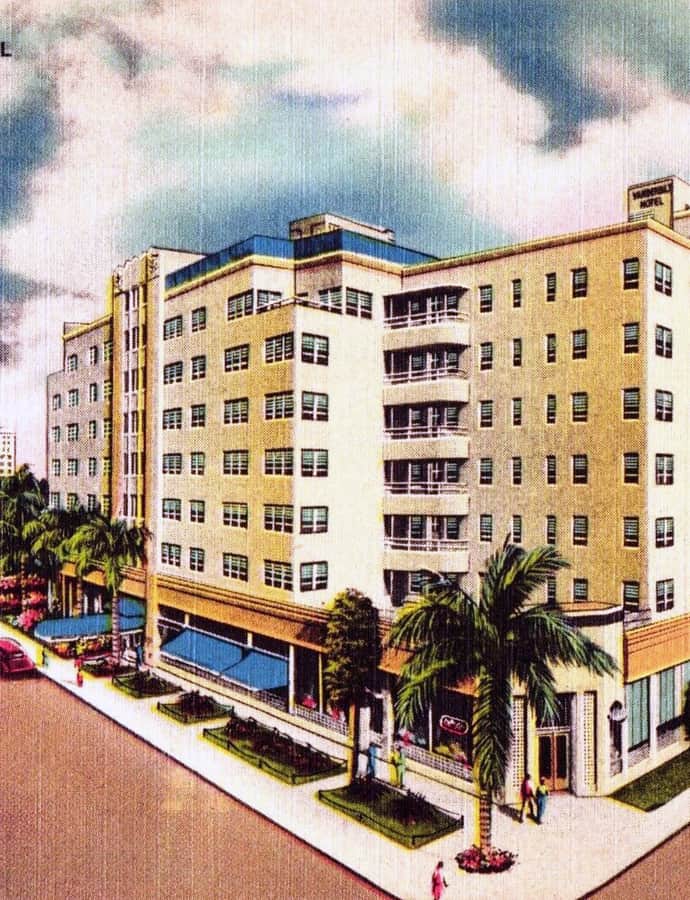
The Vanderbilt Hotel

Art Deco

The Vanderbilt Hotel

Henry Hohauser · 1936

The Vanderbilt Hotel dates to 1936 and belongs to Henry Hohauser's broad body of Art Deco hotel work in Miami Beach. Its Deco facade is visible directly from the street.

Photo: Colourpicture Publishers, Inc., Boston , Public domain

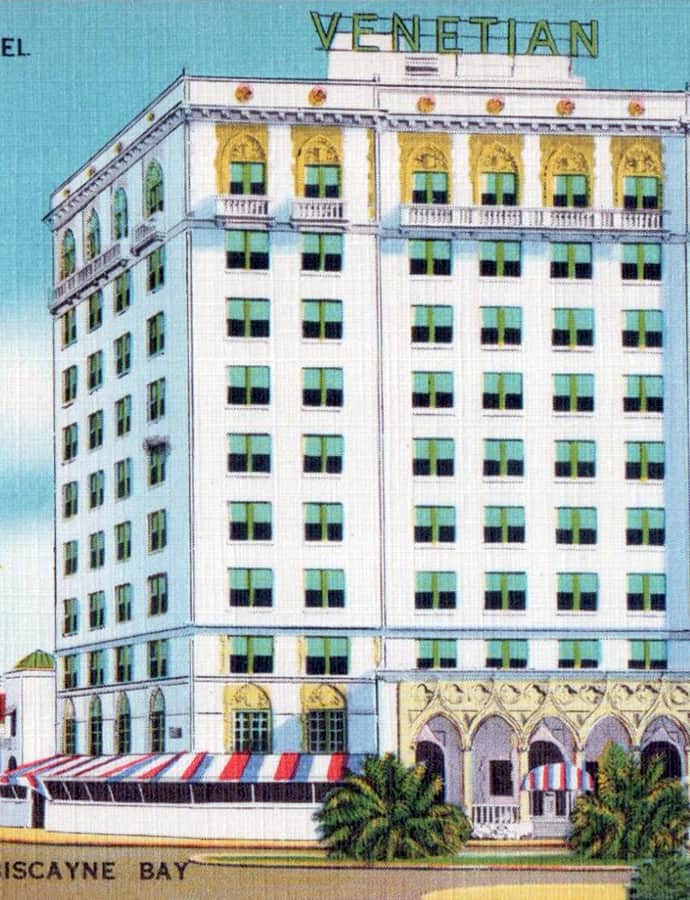
Venetian Hotel

Venetian Gothic

Venetian Hotel

Pringle and Smith · 1925

The Venetian Hotel was built in downtown Miami in 1925, designed by the firm Pringle and Smith. Its facade combines Venetian Gothic detailing with Mediterranean Revival massing, an unusual pairing of styles for a single building.

Photo: Colourpicture Publishers, Inc., Boston (publisher) , Public domain